Современный авиационный хаб Центральной Азии -
Международный аэропорт имени Нурсултана Назарбаева (ИАТА: NQZ, ИКАО: UACC), расположенный на юго–востоке города, является крупнейшей воздушной гаванью республики. Основанный в 1931 году как небольшой аэродром, сегодня он превратился в высокотехнологичный комплекс, обслуживающий более 4,3 миллиона пассажиров в год.
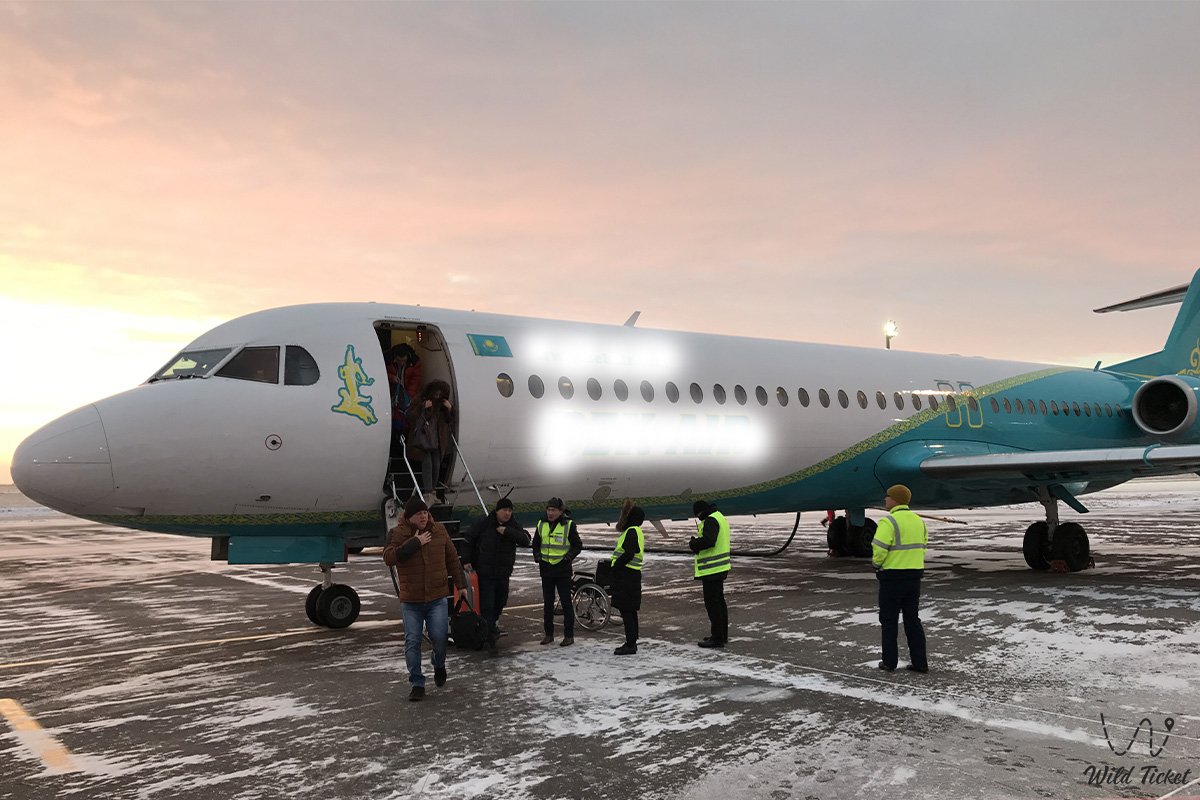
Столица Астана через этот терминал принимает около 195 рейсов в сутки, обеспечивая связь Казахстана с 20 мировыми авиакомпаниями, включая такие гиганты, как Lufthansa, Turkish Airlines и национальный перевозчик Air Astana.
Аэровокзальный комплекс находится в районе Есиль, в 16,7 км от делового центра, откуда открывается путь к главным архитектурным символам левобережья. Совсем рядом с аэропортом расположены объекты мирового значения: выставочный центр ЭКСПО и футуристичный павильон «Нур Алем». Буквально в десяти минутах езды возвышается театр «Астана Балет», а также крупнейший в стране торговый центр Mega Silk Way, что позволяет туристам быстро добраться от трапа самолета до центров притяжения.
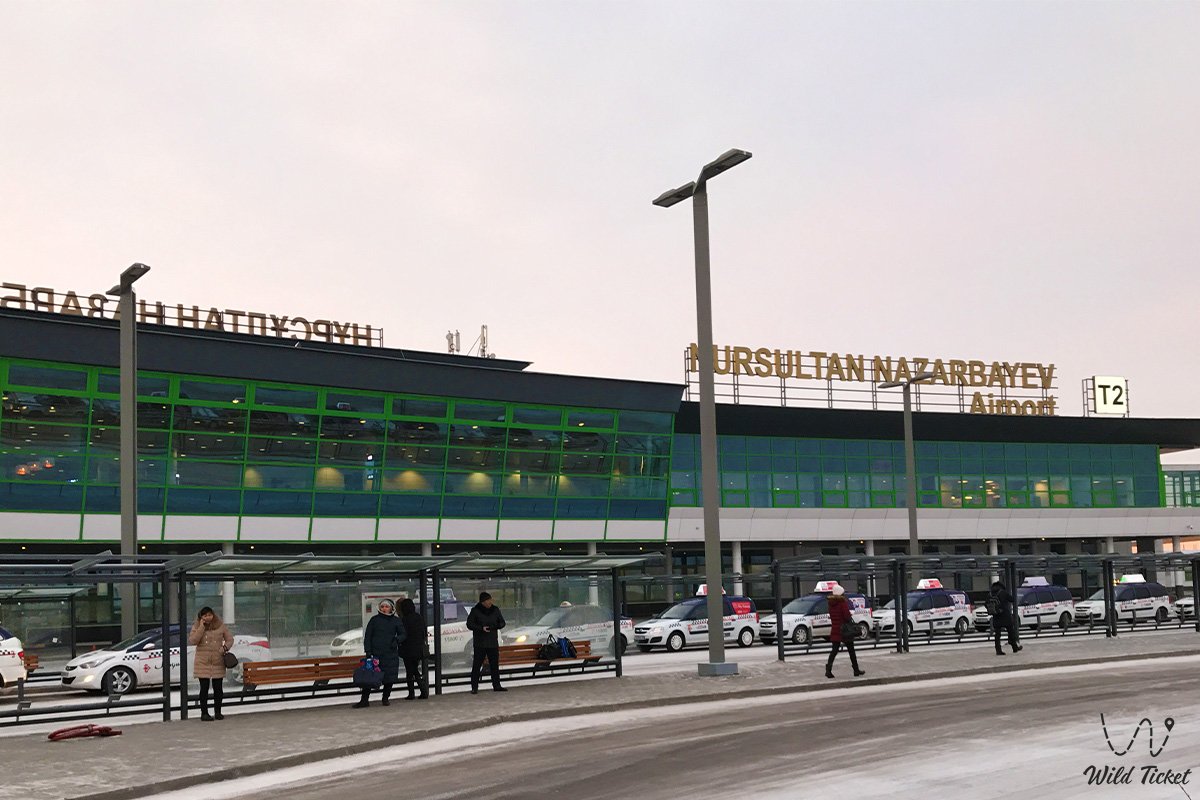
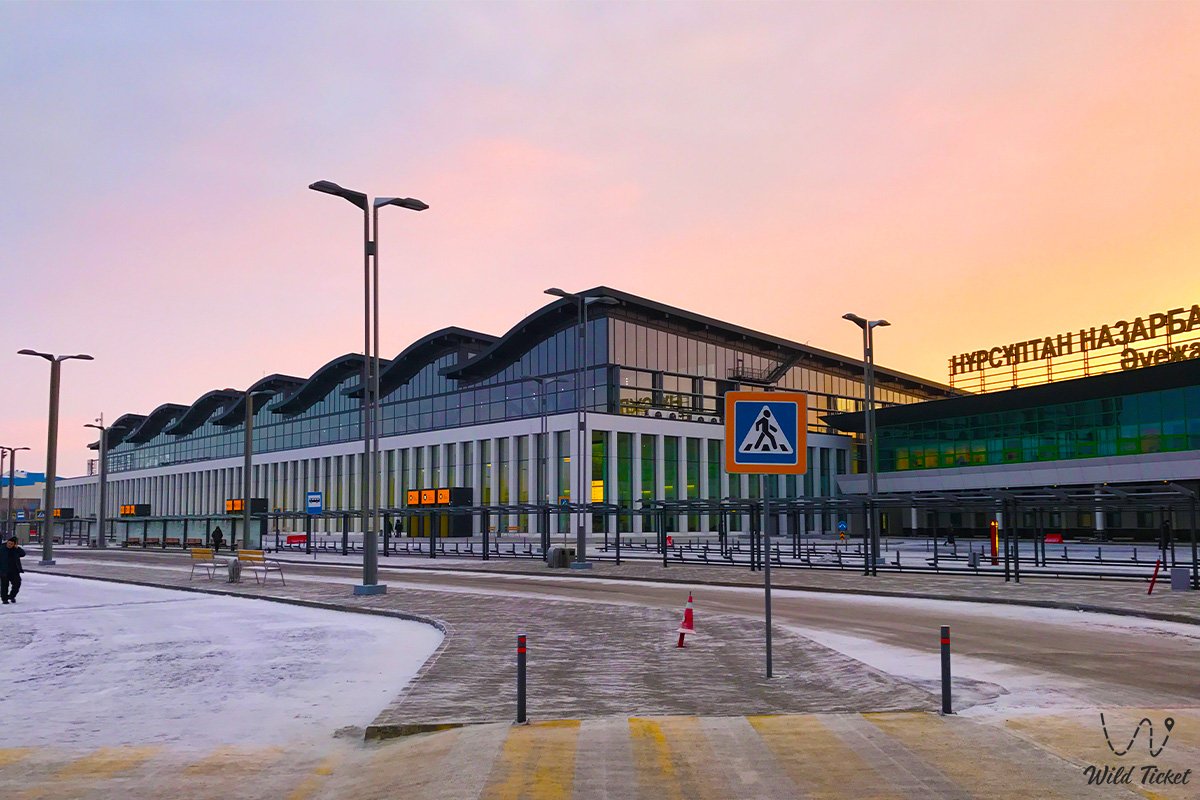
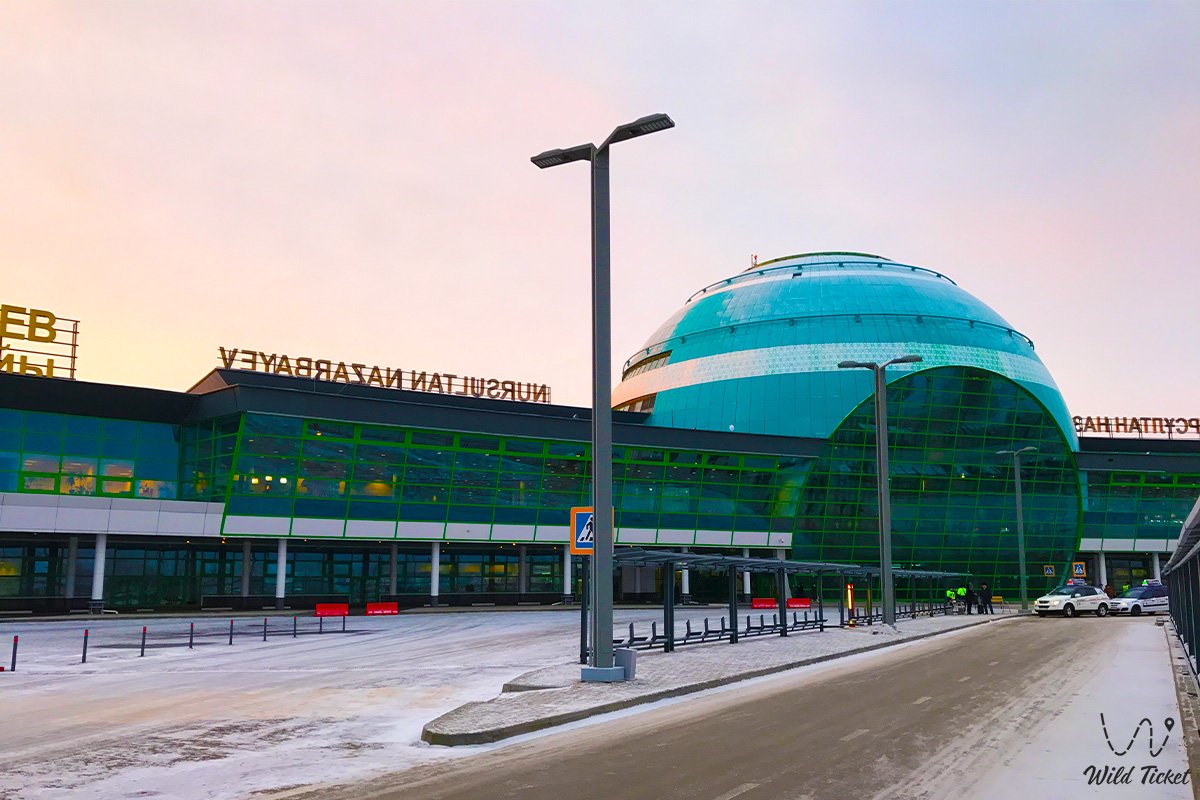
Архитектурный ансамбль аэропорта включает два пассажирских терминала и терминал бизнес–авиации. Внутренний терминал Т2, увенчанный узнаваемым синим куполом, спроектировал легендарный японский архитектор Кисё Курокава. В непосредственной близости от воздушных ворот находятся современные деловые объекты, такие как отель Hilton Astana и Международный финансовый центр «Астана» (МФЦА) и Главная республиканская мечеть, формируя вокруг аэропорта мощную инфраструктурную сеть города Астана.
---------------------------------------------
Как добраться и посетить -
Аэропорт имени Нурсултана Назарбаева находится по адресу: проспект Кабанбай Батыра, 119, на северо–западе озера Майбалык, город Астана, Республика Казахстан.
GPS координаты: 51°01'20"N 71°28'01"E
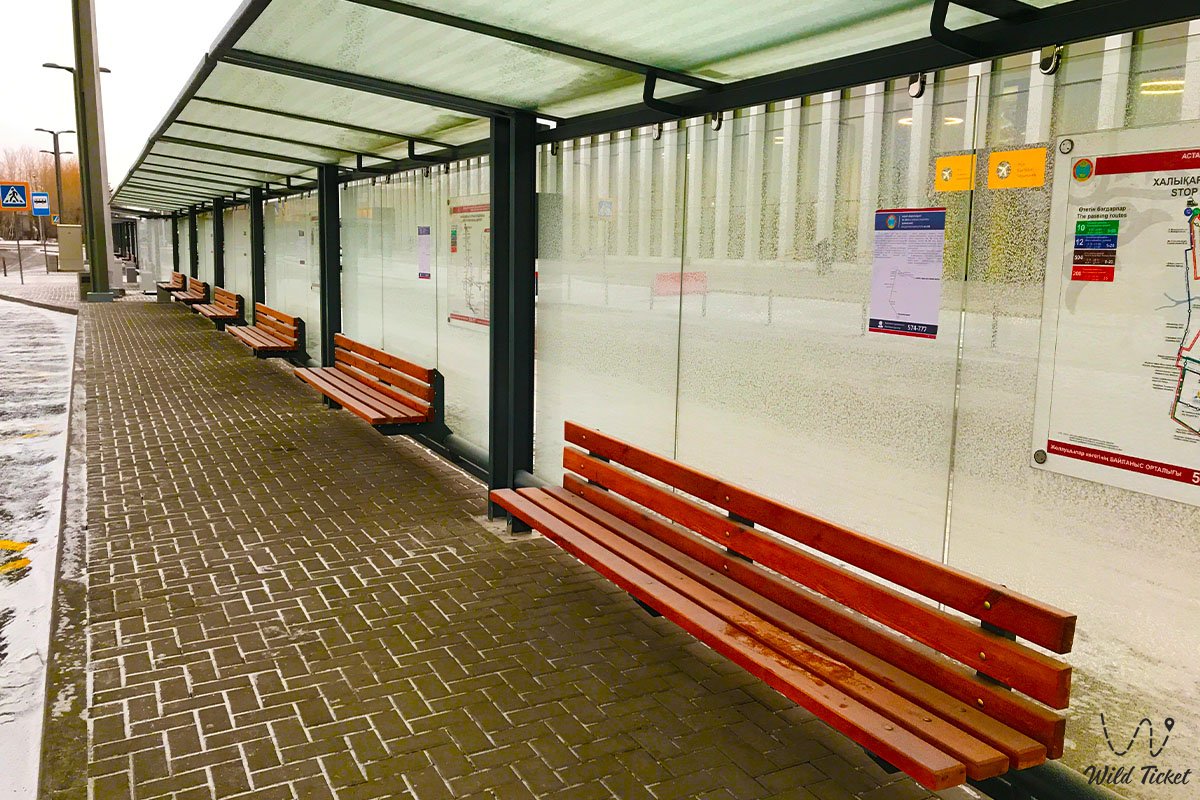
Добраться до терминалов можно круглосуточно. Из разных точек города к аэропорту следуют автобусные маршруты в следующем порядке: № 802 (экспресс), 100, 12 и 10. Стоимость проезда варьируется от 110 до 250 тенге.
Автобусы №10 и №12 курсируют с раннего утра (около 06:00) до 22:30.
Такси из центра города обойдется примерно в 1500–2500 тенге.
На привокзальной площади доступны платные парковки Р1 и крытый паркинг Р3, а также альтернативная бесплатная стоянка.
Режим работы: аэропорт функционирует 24/7. Внутри предусмотрены бизнес–лаунджи, CIP и VIP залы, комнаты матери и ребенка, камеры хранения и точки Duty Free.
Аэропорт Астаны является «тихим»: объявления не озвучиваются голосом, а транслируются исключительно на мониторах.
Контакты справочной службы: +7 7172 70 29 99
Официальный сайт аэропорта
Страничка аэропорта в соцсети Инстаграм
---------------------------------------------
История
История аэропорта началась в 1930 году, когда в 3 км от города Акмолинск была построена первая площадка (ныне район Байтерека). С декабря 1931 года началось регулярное сообщение с Семипалатинском. В 1963 году был введен в строй новый аэропорт на нынешнем месте, в 18 км от Целинограда. После обретения независимости и переноса столицы в Астану, аэродром прошел масштабную реконструкцию: взлётно-посадочная полоса была удлинена до 3500 метров, что позволило принимать суда всех типов без ограничений.
В 2005 году открылся новый пассажирский терминал по проекту Кисё Курокавы. Знаковым событием стало открытие в 2017 году международного терминала Т1 площадью 47 тысяч квадратных метров. В июне того же года аэропорт был официально переименован в честь Первого Президента Казахстана. В 2020 году произошла историческая смена международного кода ИАТА с TSE на NQZ, где «N» символизирует имя Нурсултан, а «QZ» – новое написание Казахстана.
Информация
Инфраструктура аэропорта разделена на три терминала: Т1 (международный), Т2 (внутренний) и ТБА (бизнес–авиация). Международный терминал Т1 оснащен современной системой обработки багажа стандарта ЕС 2020, способной перерабатывать 1200 единиц в час, и имеет 50 кабин паспортного контроля. Внутренний терминал Т2, площадью свыше 24 тысяч квадратных метров, располагает 6 телескопическими трапами и обзорной площадкой с панорамным видом.
Техническое состояние аэропорта соответствует категории IIIA ИКАО, что позволяет совершать посадку при горизонтальной видимости всего 200 метров. Терминал бизнес–авиации, открытый в 2015 году, предлагает эксклюзивные услуги: конференц–залы, лаундж–бары и комнаты для переговоров. В 2022 году аэропорт был признан Skytrax лучшим региональным аэропортом в Центральной Азии и СНГ. Для обеспечения безопасности и качества связи в 2017 году была внедрена цифровая транкинговая система Hytera XPT.
Подробное описание объекта
Аэропортовый комплекс города Астана предлагает высокий уровень сервиса и уникальные функциональные зоны:
• Терминал Т1 – современное здание с пропускной способностью 8,2 млн пассажиров в год. Здесь расположены зоны Duty Free, точки общественного питания на 1000 кв. метров и автоматизированные системы регистрации.
• Терминал Т2 – историческое «купольное» здание, архитектурная жемчужина Кисё Курокавы. Пятиуровневый терминал включает зоны прилета, вылета и три уровня в самом куполе.
• Терминал бизнес-авиации – отдельный комплекс площадью 2400 кв. метров для VIP–гостей и частных рейсов с собственной парковкой на 52 места.
• Система «Тихий аэропорт» – уникальная особенность объекта, обеспечивающая акустический комфорт пассажиров благодаря визуальному информированию через цифровые табло.
• Сервисная зона – включает отделения банков, пункты обмена валют, продажу локальных сим–карт и услуги упаковки багажа, а также специальный зал для длительного пребывания экипажей.
Архитектура
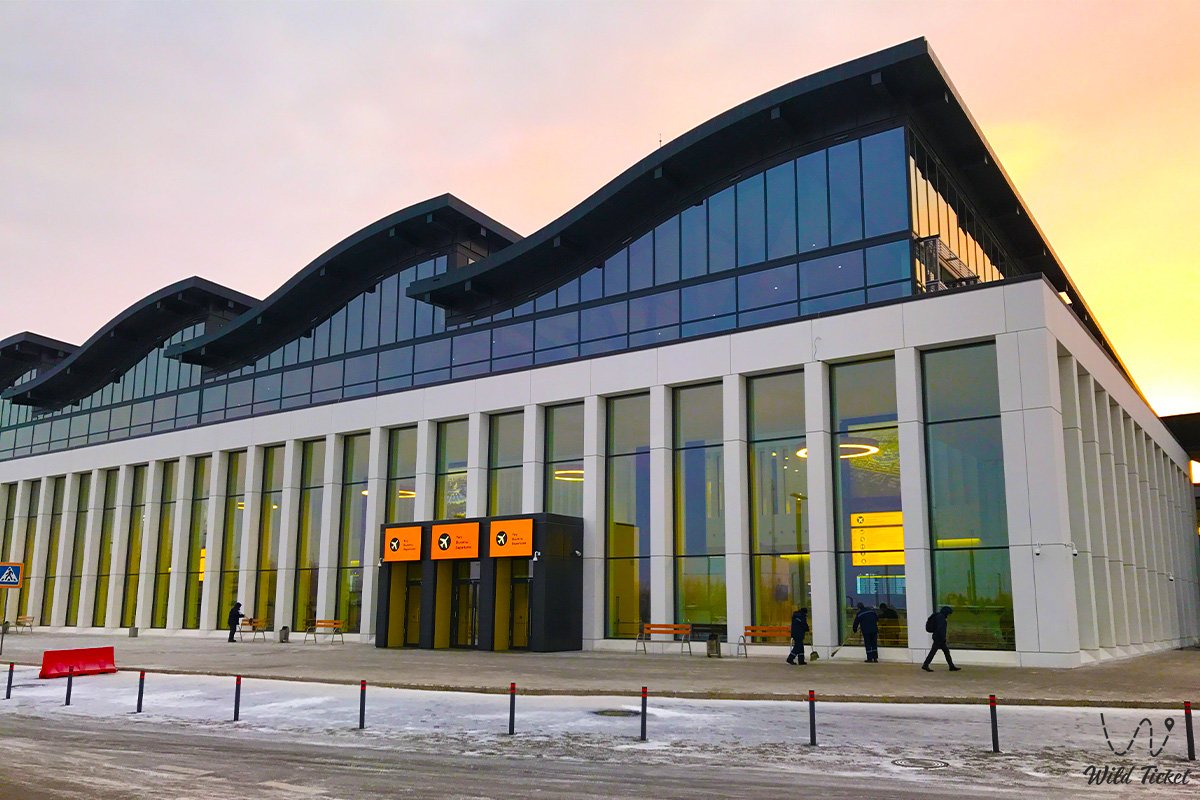
Архитектурный стиль аэропорта – это симбиоз футуризма и метаболизма. Купольное здание Т2, созданное Курокавой, символизирует гармонию с окружающей средой и технологический прогресс Казахстана начала 2000–х. Новый терминал Т1 выполнен в стиле высокотехнологичного хай–тека с обилием стекла и открытых пространств.
Дизайн терминалов подчеркивает динамичность развития столицы. Внутри зданий используются передовые материалы отделки, а панорамное остекление открывает вид на бескрайние степи и озеро Майбалык, создавая ощущение простора и свободы.
Легенда
Среди сотрудников аэропорта города Астана бытует легенда о «Белом аэродроме Бекерай». Говорят, что на месте нынешнего терминала в 1927 году располагалось село Бекетовка, и старые духи этих мест до сих пор оберегают взлетную полосу, обеспечивая мягкую посадку в самые сильные бураны.
Еще одна легенда связана с синим куполом терминала Т2: рассказывают, что японский архитектор заложил в его конструкцию «код удачи», и каждый, кто впервые улетает из–под этого купола в дальние страны, обязательно вернется в Казахстан с добрыми вестями и успехом.
Заключение
Международный аэропорт имени Нурсултана Назарбаева – это не просто транспортный объект, а живой символ открытости нации. Здесь начинается и заканчивается каждое путешествие в сердце Евразии. Благодаря современным терминалам Т1 и Т2, близости к району Экспо и высококлассному сервису, аэропорт задает планку гостеприимства для всего региона.
Столица Астана продолжает развивать свои воздушные ворота, делая их местом, где мировые стандарты встречаются с радушием великой степи.
Интересные достопримечательности рядом:
• Музей космоса под открытым небом;
• Национальный космический центр;
• Ипподром «Казанат»;
• Назарбаев университет;
• Ботанический сад;
• Театр Астана Балет;
• Триумфальная Арка Мангилик Ел.
Дополнительная информация:
• Полезная информация об Астане;
• Куда сходить и что посмотреть в Астане;
• Акмолинская область - лучшие места для путешествия.
Фотогалерея: