Уникальный средневековый памятник на высохшем морском дне -
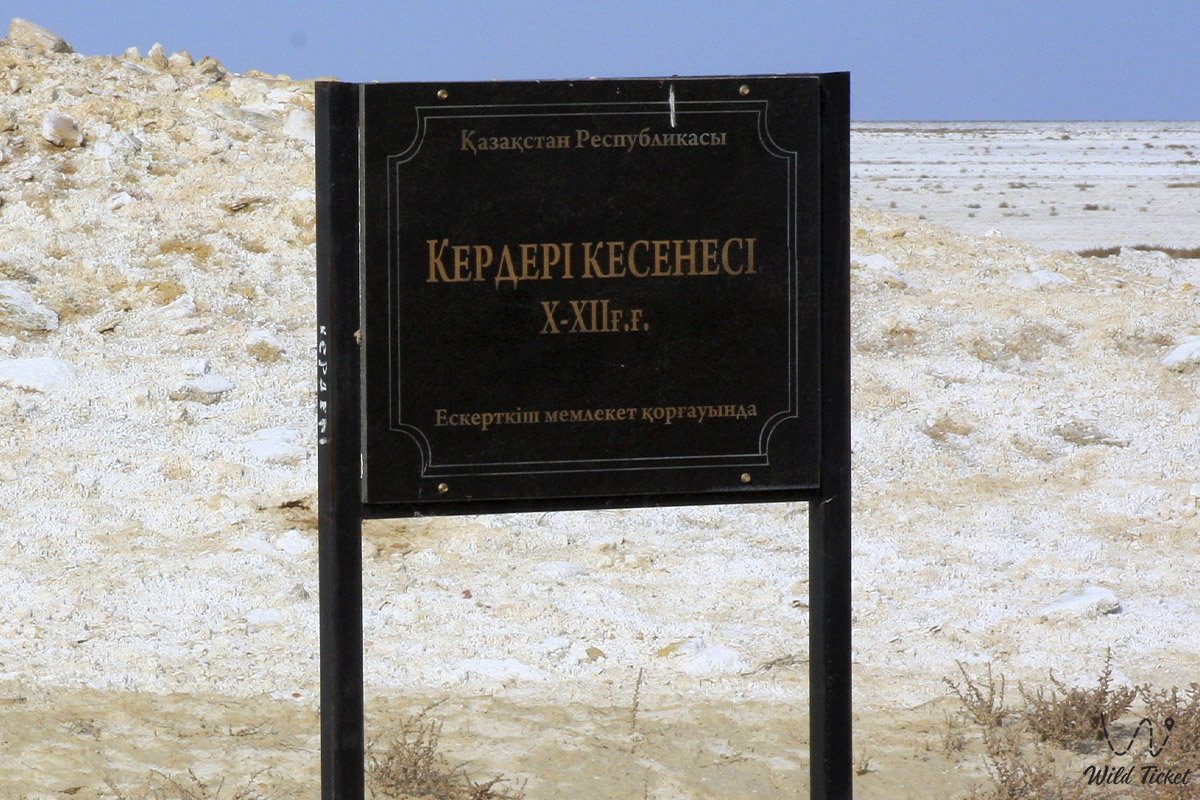
Мавзолей Кердери представляет собой один из самых сенсационных и уникальных памятников мемориальной архитектуры на территории Казахстана. Расположенный на обнажившемся дне Аральского моря в Аральском районе Кызылординской области, этот средневековый мазар стал важнейшим археологическим открытием и ярким символом масштабных климатических изменений региона.
Долгое время сооружение находилось под водой на глубине около 20 метров. Обнаружение мавзолея Кердери стало большим событием, ведь находка наглядно доказала, что Аральское море мелело и раньше – в X–XIV веках, во времена монгольского нашествия и расцвета Золотой Орды, этот регион уже был заселен людьми. Лучше всего путешествовать к мавзолею из города Аральск через поселок Каратерен или из поселка Айтеки-Би (Казалинск).
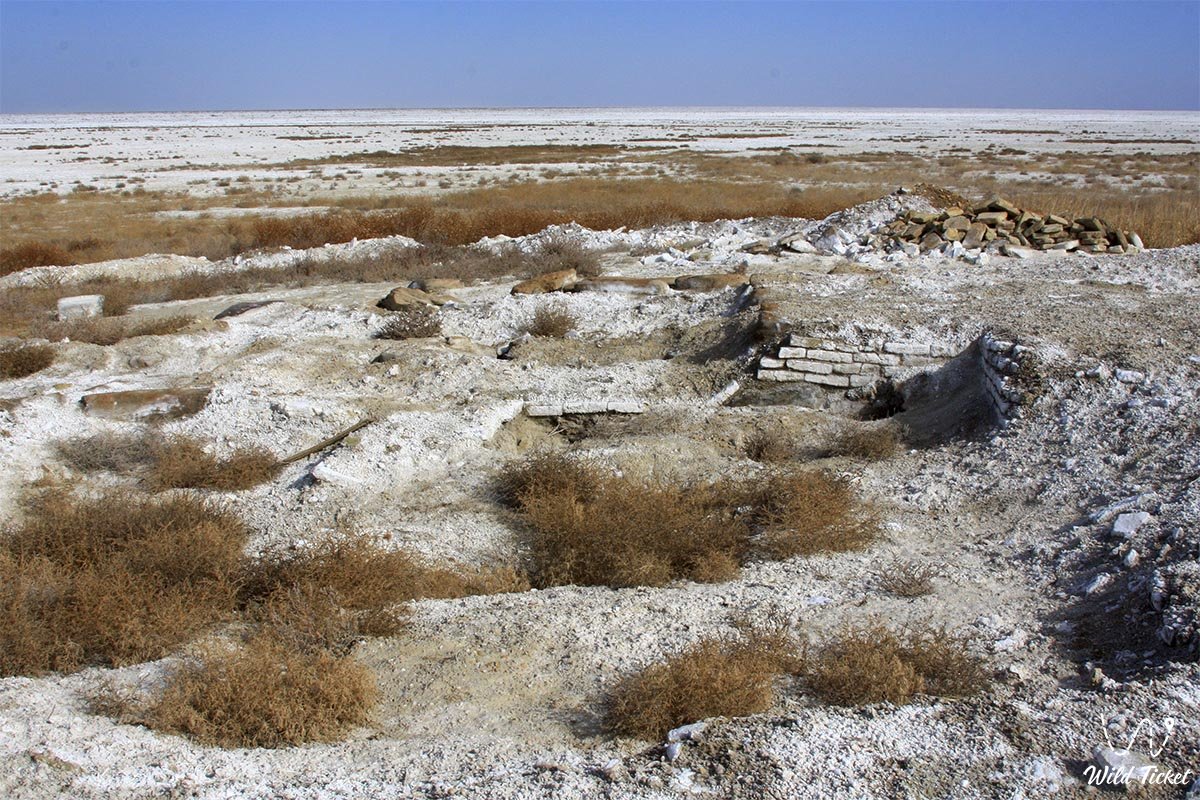
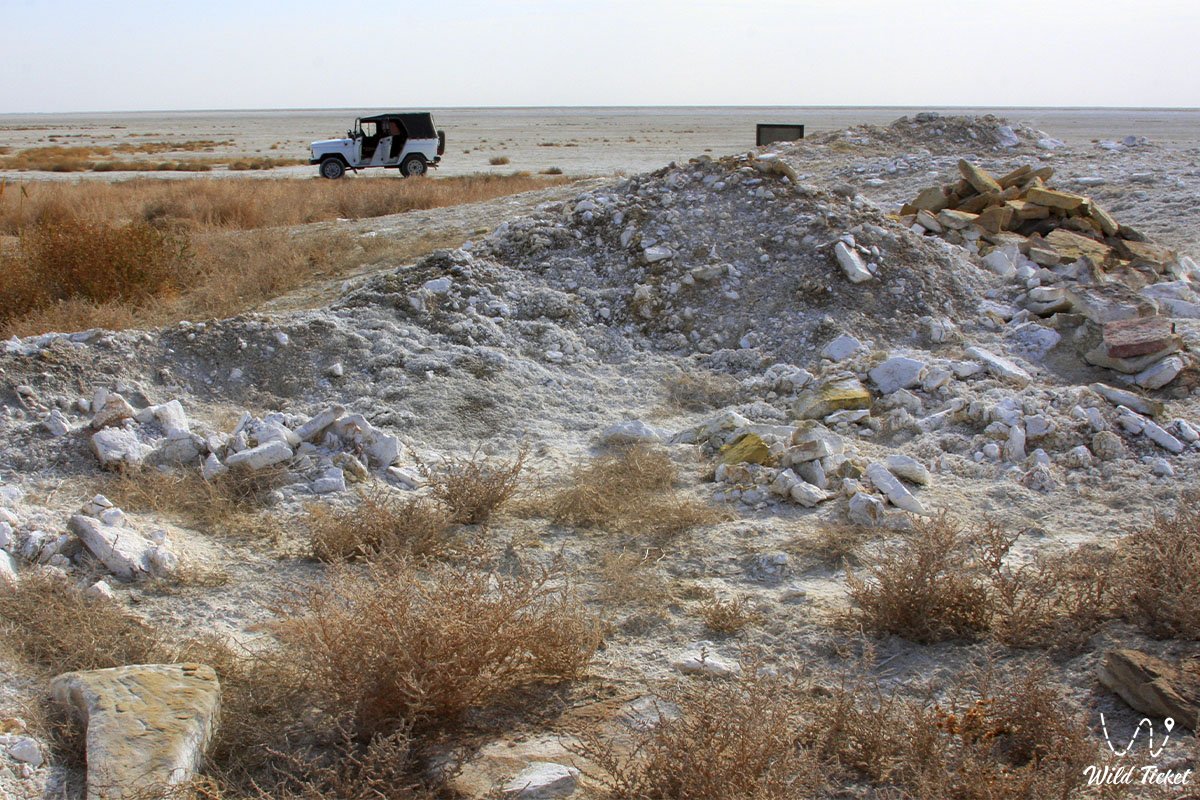
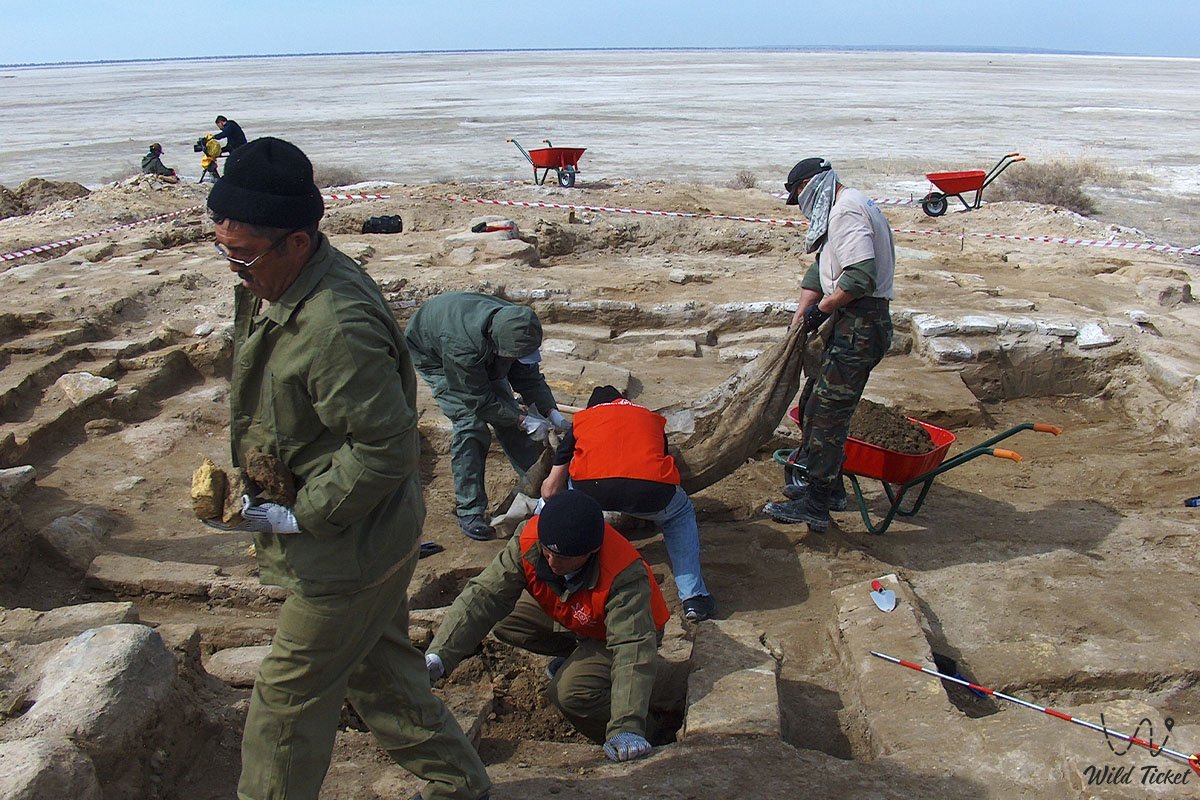
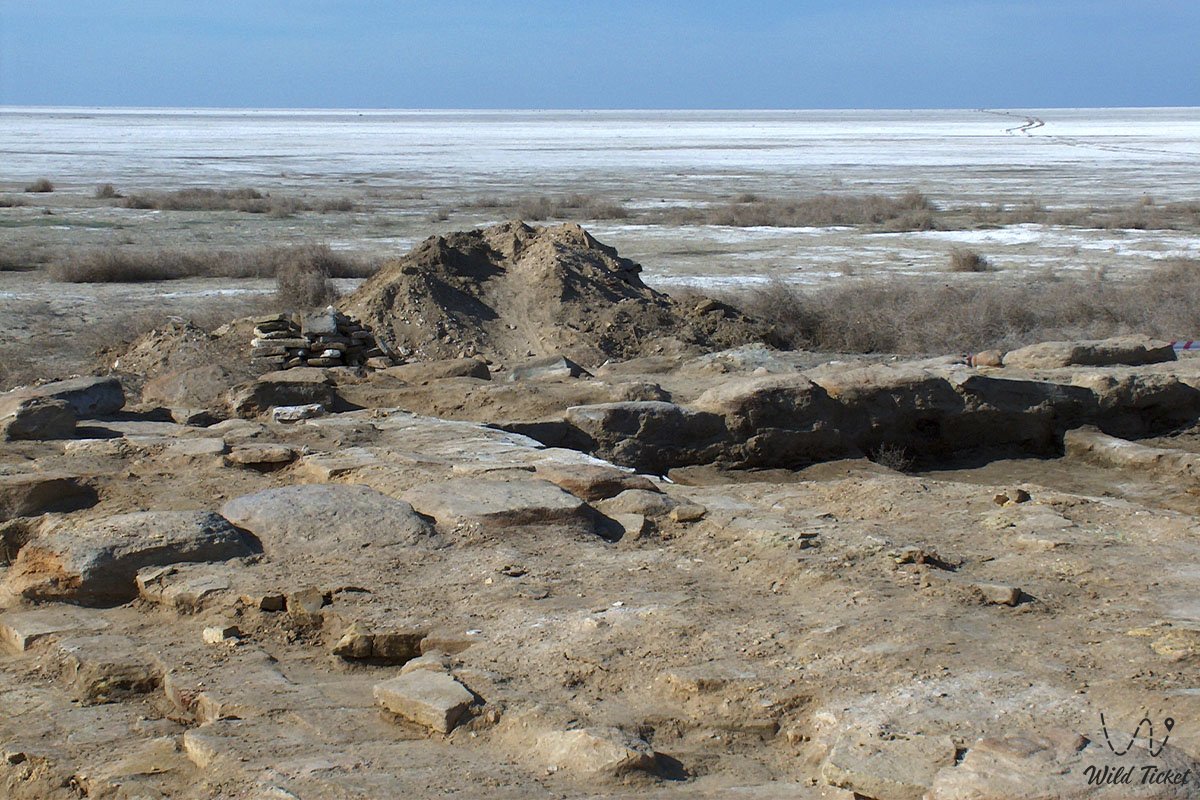
Памятник был обнаружен 27 июля 2001 года археологической экспедицией Кызылординского государственного университета. До начала раскопок объект представлял собой оплывший овальный холм (бугор) высотой менее двух метров (от 1,6 до 2,3 метра) и размерами по основанию около 42×30 метров. Рядом с мавзолеем находиться древнее городище Арал-Асар и бывший остров Барсакельмес.
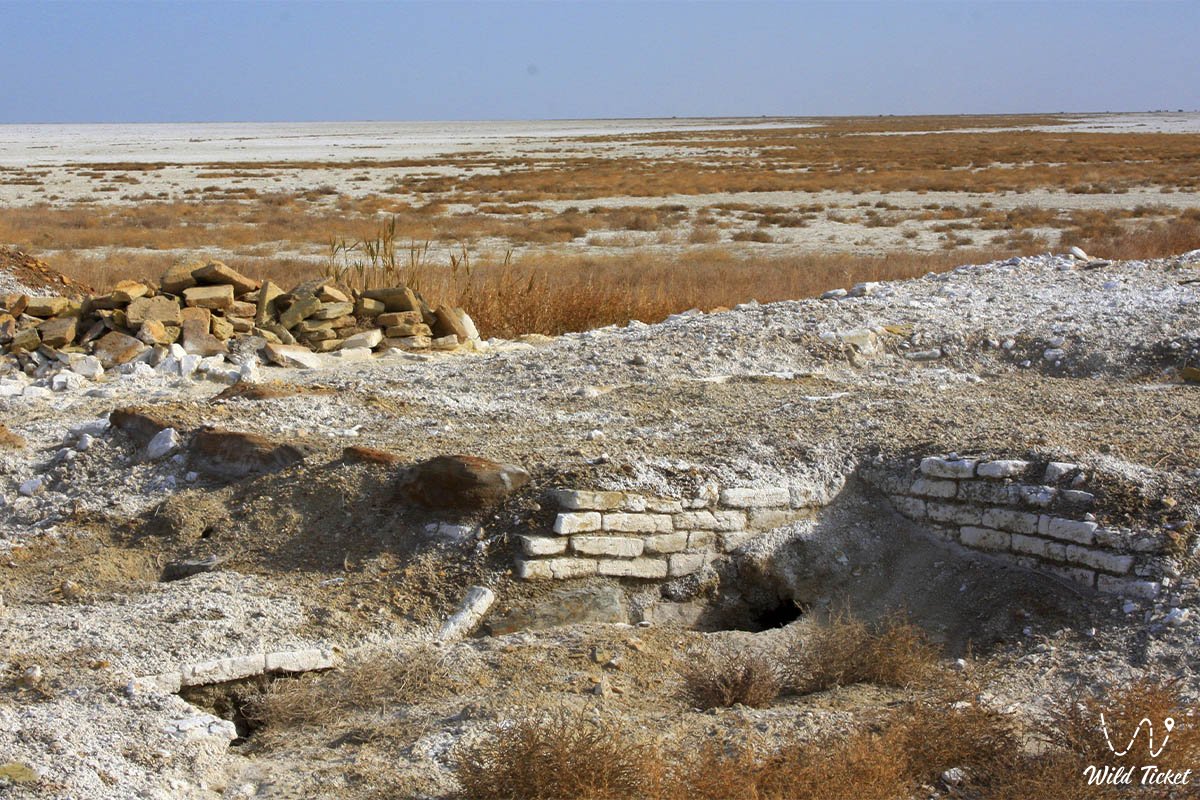
В ходе масштабных исследований выяснилось, что Кердери был построен из обожженного квадратного кирпича и обложен глазурованными и неглазурованными декоративными плитками, а сам мавзолей являлся центральной частью и границей крупного некрополя. Столь прочная конструкция наглядно иллюстрирует высокое мастерство древних зодчих Приаралья вблизи Малого Аральского моря.
Сегодня мавзолей Кердери (включающий в себя исследованные объекты Кердери 1 и Кердери 2) признан важнейшим историко-культурным памятником и ключевой точкой для научно-краеведческого, экологического и экстремального туризма в Приаралье. Окружающая территория бывшего морского ложа привлекает историков, археологов и путешественников со всего мира, поскольку этот объект служит прямым физическим доказательством цикличности водных ресурсов Арала. По данным исследований, вода вернулась сюда и полностью затопила мазар лишь в конце XVI века, когда река Амударья изменила свой курс в сторону Аральского моря.
---------------------------------------------
Как добраться и посетить -
Мавзолей Кердери находится на бывшем дне Аральского моря, в Аральском районе Кызылординской области, Республика Казахстан.
Памятник расположен в 56–57,6 километрах на юго-запад от поселка Каратерен, в 71 километре на юго-восток от поселка Куланды и в 4,5 километрах на северо-запад от древнего городища Арал-Асар.
GPS географические координаты: 45°43'25"N 60°15'42"E
Транспортная логистика этого уединенного пустынного района полностью исключает городской общественный транспорт – никакие регулярные рейсовые автобусы или городские службы такси к памятнику на дне моря не ходят.
Добраться до средневекового памятника можно исключительно в рамках специализированных внедорожных экспедиций от города Аральск. Путь от райцентра сначала лежит на северо-запад через поселок Жаланаш (63 км от Аральска), после чего асфальт заканчивается, и дорога до полуострова Коктырнак и поселка Тастубек проходит по тяжелому грейдеру и степным колеям. Далее маршрут продолжается непосредственно по высохшему морскому ложу.
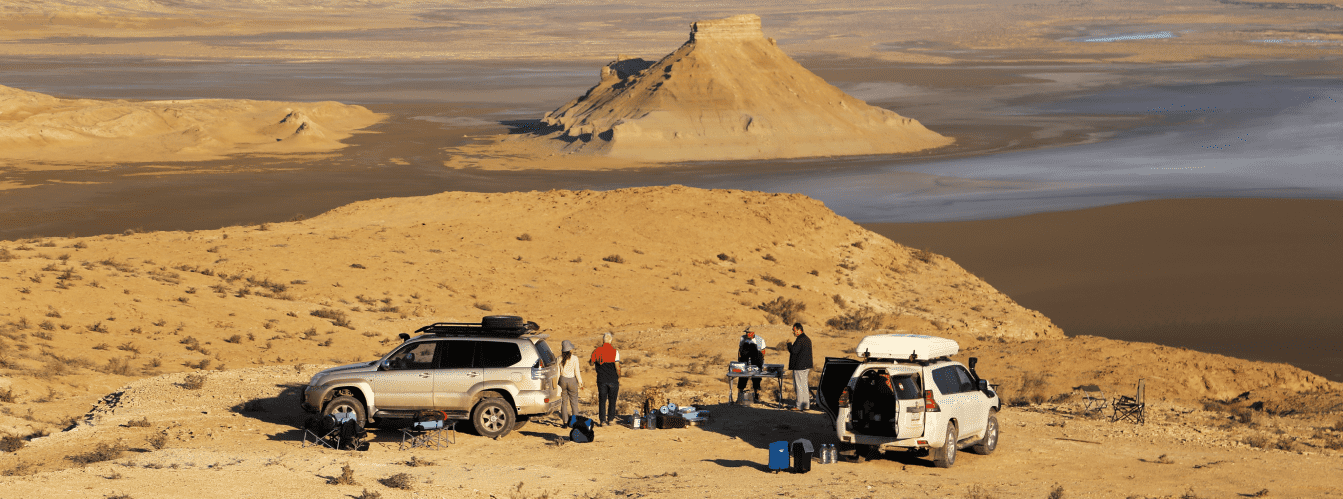
Для поездки к объекту подходит только подготовленный полноприводный внедорожник (джип 4х4) высокой проходимости. Передвижение по высохшему дну Арала сопряжено с серьезной опасностью: холмистый рельеф изобилует нестабильными солончаками и такырами, которые способны намертво затянуть автомобиль.
Категорически запрещено отправляться в этот район на одной машине – в экспедиции должно быть минимум два внедорожника для взаимопомощи и безопасности. Водителям необходимо иметь при себе спутниковые навигаторы, надежные лопаты, буксировочные стропы, дополнительное топливо и большой запас пресной питьевой воды.
Режим работы: территория вокруг памятника открыта для посещения круглосуточно и круглый год. Вход на археологическую зону полностью свободный, никаких касс, билетов или платных пропускных пунктов здесь не предусмотрено.
Поездки в этот регион рекомендуется планировать на весенний период (апрель – май) или раннюю осень (сентябрь – октябрь). Летом здесь держится экстремальная жара (средняя температура июля составляет +32°C), а зимой регион подвержен лютым морозам до -10°C и сильным буранам.
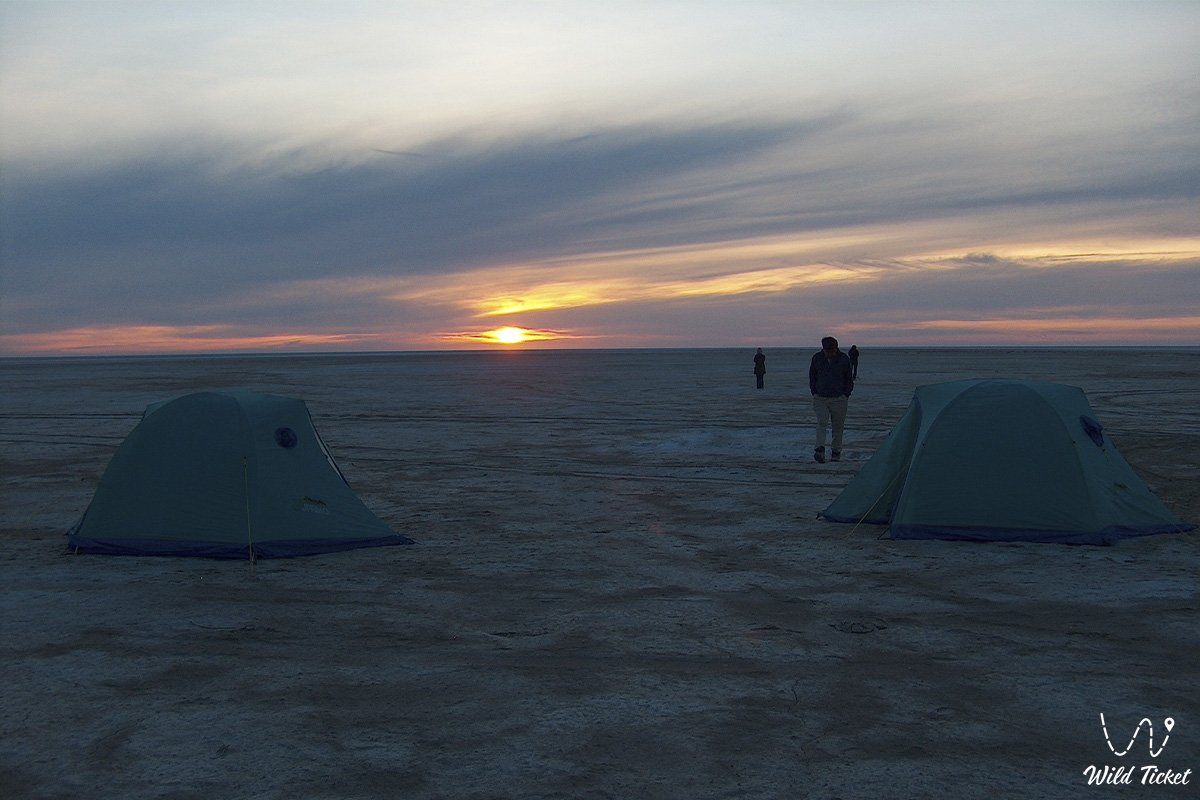
Все палаточные лагеря организуются экспедиционными группами самостоятельно в диких условиях (популярные места для стоянок – горы Калтыбай или урочище Кельмес у поселка Акбасты). Пополнить запасы питьевой артезианской воды и найти ночлег можно у местных жителей в ближайших аулах.
---------------------------------------------
История
История мавзолея Кердери берет начало в золотоордынский период (XI–XIV века), когда Аральское море сильно отступило, освободив плодородные илистые земли. На бывшем дне возникла развитая городская и земледельческая цивилизация — городище Арал-Асар. Местные жители успешно занимались выращиванием риса и пшеницы, обустраивали оросительные чеки и каналы, разводили скот (куланов, лошадей), а также активно участвовали в торговле, используя преимущества остановки на Великом Шелковом пути.
Некрополь Кердери замыкал это городище и служил его границей. В конце XVI века экологическая ситуация круто изменилась: Амударья повернула свое русло в сторону Арала, уровень моря начал стремительно подниматься, и большая вода внезапно затопила регион. Город Арал-Асар и мавзолеи ушли под воду на глубину 20 метров. Только в 1960-х годах, после масштабного антропогенного изменения течения рек Амударья и Сырдарья, море вновь начало усыхать, вернув руины Кердери современной исторической науке.
Информация
По типу сооружения Кердери относится к категории фасадных портально-купольных мавзолеев. Мазар ориентирован строго по углам света и имеет в плане форму прямоугольника. Окружающая территория была застроена многочисленными ремесленными мастерскими и погребениями типа сагана, относящимися к концу XIV века. В этих гурханах (залах) хоронили как мужчин, так и женщин с детьми.
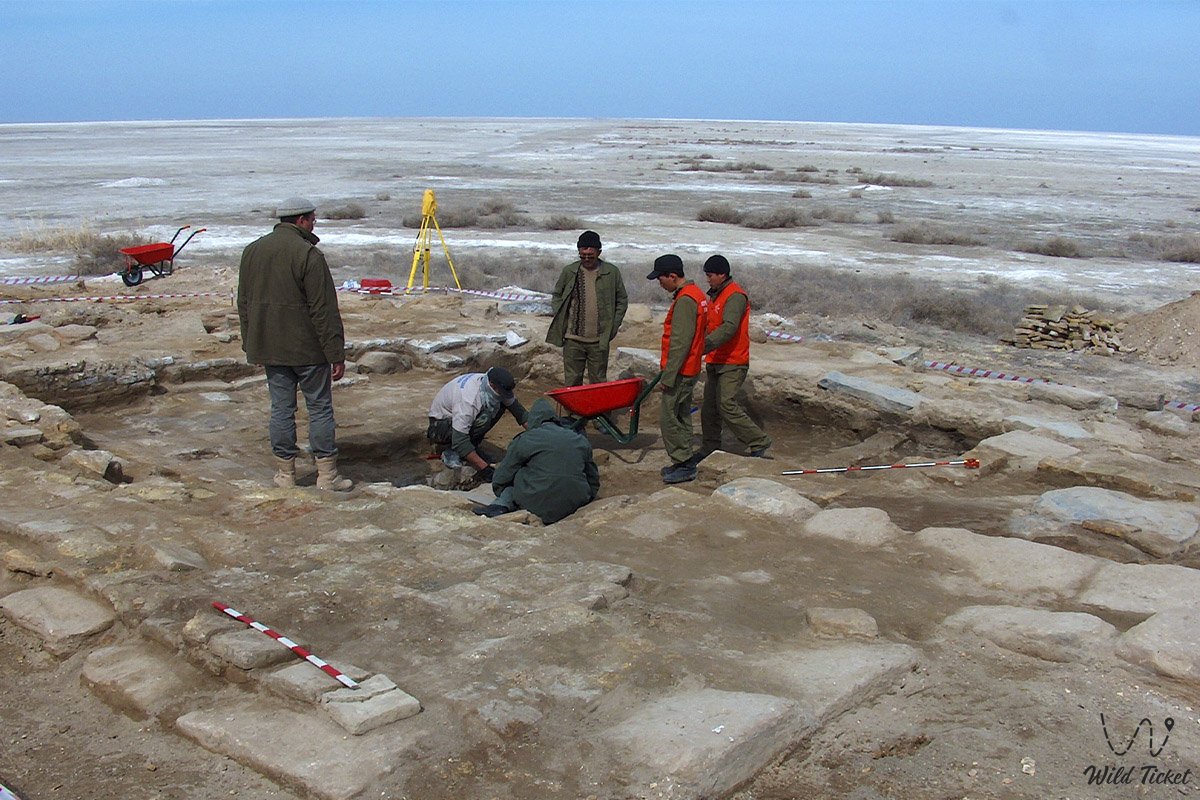
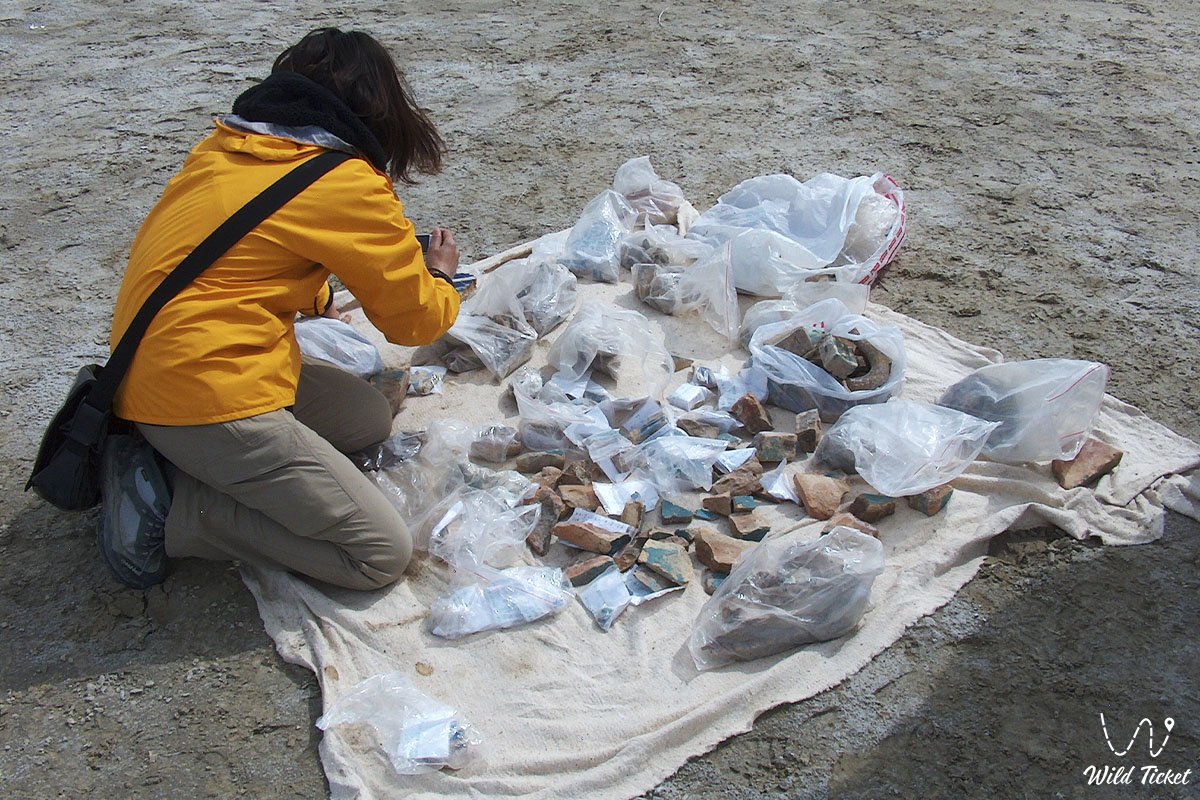
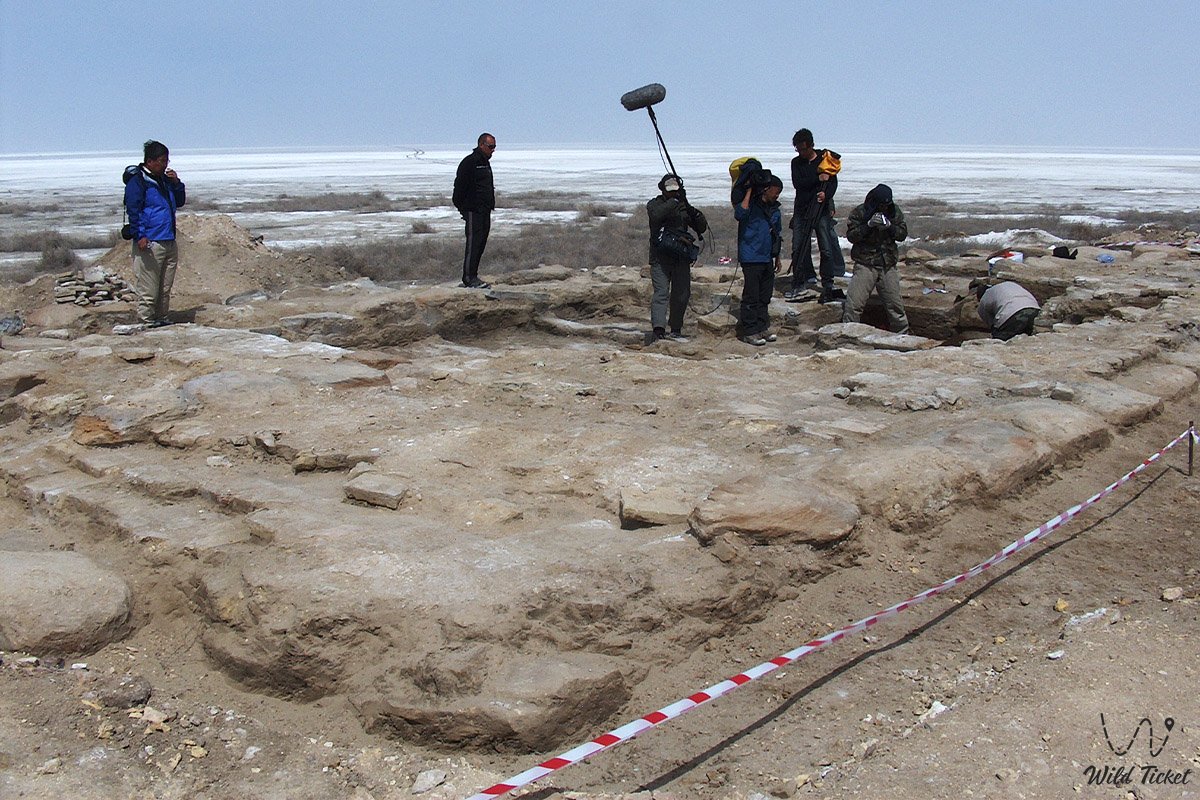
Ученые Кызылординского государственного университета и Института археологии в ходе полевых сезонов провели детальные стратиграфические шурфы и плановые съемки контуров древних полей. Раскопки принесли мировую славу этому месту благодаря уникальным находкам, среди которых – серебряные монеты середины XIV столетия, многочисленные стеклянные желтые бусы, бронзовые монеты и орудия труда. Организаторы экспедиций и экологи Барсакельмесского государственного заповедника просят туристов передвигаться по территории памятника с осторожностью, не разрушать оплывшие стены и не загрязнять супесный наносной слой бывшего морского ложа.
Подробное описание объекта
Продуманная инфраструктура историко-археологического комплекса включает следующие оригинальные локации и географические особенности:
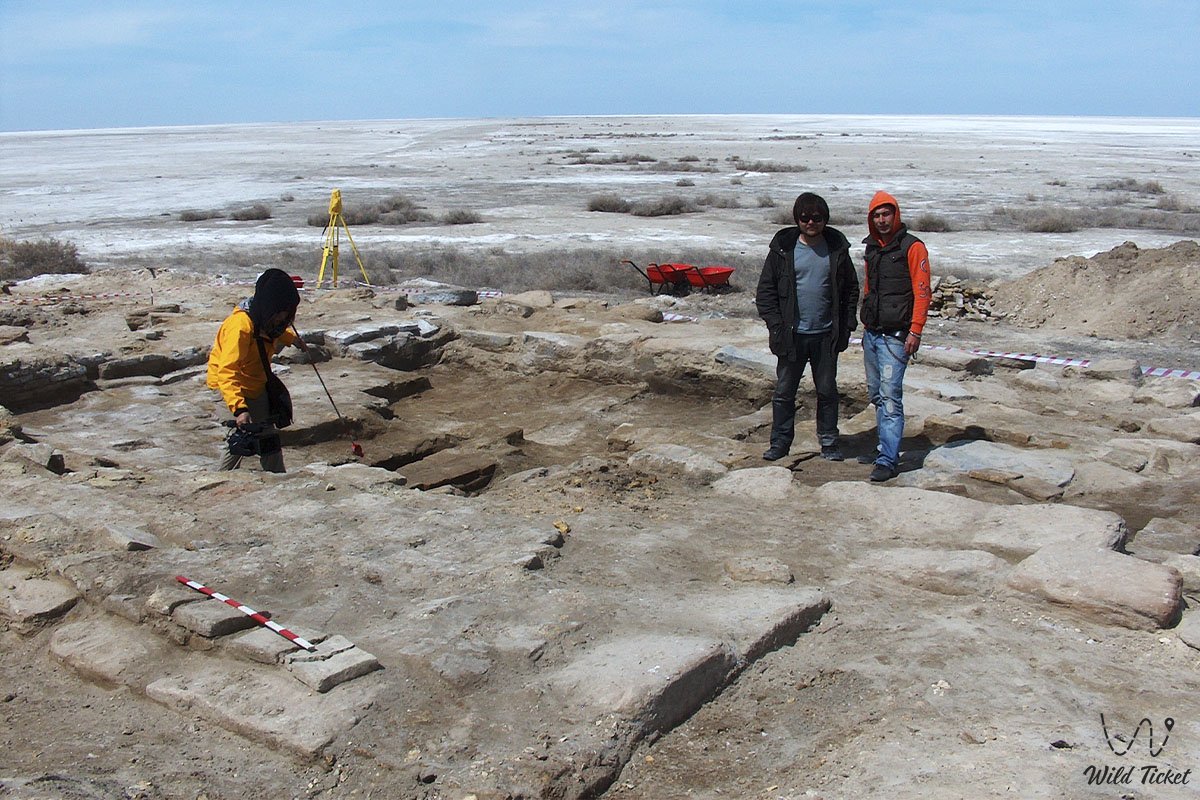
• Массивный каменный фундамент – прочное основание высотой 1–1,2 метра (в некоторых местах до 1,5 метров) из шести рядов массивных каменных плит размером от 20×30×15 см до 100×50×25 см, созданное для стабилизации здания на илистом грунте.
• Квадратная гурхана (центральный зал) – внутренняя погребальная камера размером 5,5×5,5 метра, пол которой выложен прямоугольными жжеными плитами.
• Осевые внутренние ниши – четыре глубоких углубления (около 1 метра) во внутренних стенах зала, использовавшиеся для обустройства элитных захоронений.
• Парадный входной портал – монументальный въездной узел в юго-западной части сооружения с шириной портальной ниши 2 метра и массивными пилонами шириной 3 метра.
• Рухнувшая портальная стена – отлично сохранившийся под слоем намытого водой песка глазурованный артефакт, который упал целиком, когда море подмыло конструкции.
• Северо-западное элитное погребение – уникальная, обложенная камнем могильная яма в виде цисты под тремя массивными плитами, которая, предположительно, принадлежала вождю племени и была разграблена.
• Прямоугольная сагана №3 – неповрежденное захоронение размером 2,25×0,5 метра из жженого кирпича, перекрытое 33 кирпичами на ребро, где был найден отлично сохранившийся деревянный гроб.
Архитектура
Архитектурный облик мавзолея Кердери отражает передовые строительные технологии золотоордынской эпохи. Стены мазара имели поразительную толщину — не менее одного метра в самом узком месте. Они были сложены из высококачественного обожженного кирпича стандартного размера 25×25×5 см. Юго-западная часть стены к моменту раскопок уцелела на высоту в шесть рядов кирпичной кладки.
Прямоугольное обрамление, пилоны и свод портальной ниши были богато украшены майоликой, глазурованными и неглазурованными плитками с изящным растительным и геометрическим орнаментом, а также золотыми надписями и эпиграфикой на арабском языке. Фрагменты декоративных округлых кирпичей доказывают, что архивольт нишевой арки опирался на встроенные в углы трехчетвертные колонны. Из-за нестабильной, илистой почвы древние градостроители применили уникальный для Центральной Азии прием — уложили плиты пола прямо поверх мощного шестирядного каменного фундамента, перекрывающего основание внешних стен.
Легенда
Большинство захоронений в центральном зале Кердери проводилось по строгому мусульманскому обряду в деревянных гробах на спине головой на юго-запад. Следуя канонам ислама, покойных хоронили без инвентаря, однако археологические находки породили множество легенд о двоеверии местных племен.
Главной загадкой некрополя стала пара золотых сережек, найденная в женском захоронении саганы №3. Они выполнены в виде стилизованной головы хищника (барса или льва), кусающего свой хвост, и дополнены подвешенным синим камнем. Этот предмет, выполненный в знаменитом сарматском «зверином стиле» эпохи железа, совершенно нехарактерен для ислама и указывает на то, что в Арал-Асаре были сильны древние родовые традиции тенгрианства и шаманизма – поклонения верховному божеству Тенгри.
Другая легенда связана с настоящим кладом, найденным под полом в южном углу мавзолея. Ученые извлекли большой глиняный кувшин высотой 40 сантиметров с боковой ручкой. Внутри находились сильно проржавевшие металлические орудия труда: серпы, косы, мотыги и ножи для обработки земли. В те далекие времена железо ценилось на вес золота.
Местные жители верят, что в последние дни перед внезапным наступлением вод Арала кто-то из земледельцев спрятал этот ценный сосуд в священных стенах мазара, надеясь вернуться после паводка. Но бурные воды поглотили оазис на сотни лет, превратив город в степную Атлантиду, а сам клад спустя века достался археологам.
Заключение
Мавзолей Кердери – это великолепный исторический мост, соединивший золотоордынскую культуру кочевников и земледельцев с современной экологической летописью Кызылординской области. Посещение этого ландшафтного памятника, восставшего со дна моря, позволяет гостям Приаралья наглядно оценить масштабы Аральской катастрофы, прикоснуться к уникальным архитектурным традициям дореволюционного Казахстана и осознать цикличность глобальных природных процессов.
Мавзолей Кердери и городище Арал-Асар остаются важнейшими ориентирами для научно-исследовательского и экстремального туризма. Экспедиционные маршруты по бывшему морскому ложу открывают перед путешественниками удивительные страницы истории, доказывая, что даже пустыня способна возвращать утерянные сокровища древних цивилизаций.
Интересные достопримечательности рядом:
• Залив Шевченко на малом Арале;
• Заповедник Барсакельмес;
• Кокаральская плотина;
• Высохшее дно Аральского моря.
Фотогалерея:











Комментарии 2