Grandiose karst-tectonic phenomenon on the coast of the Caspian Sea –
The Zhygylgan sinkhole (Kaz. Zhyghylghan – "Fallen Land", "Defeated Land") represents a colossal geomorphological phenomenon and one of the most impressive natural monuments of the Mangystau region, located on the northern coast of the Tyubkaragan Peninsula along the water's edge of the Caspian Sea.
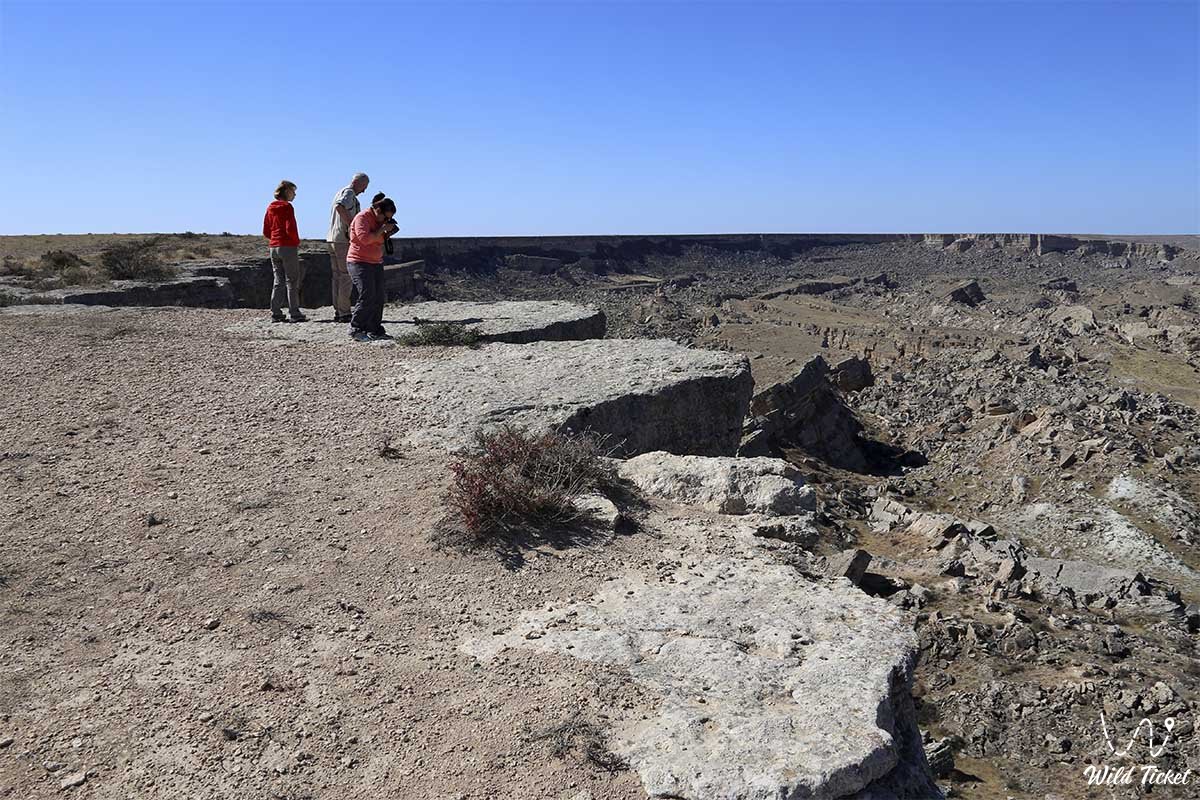
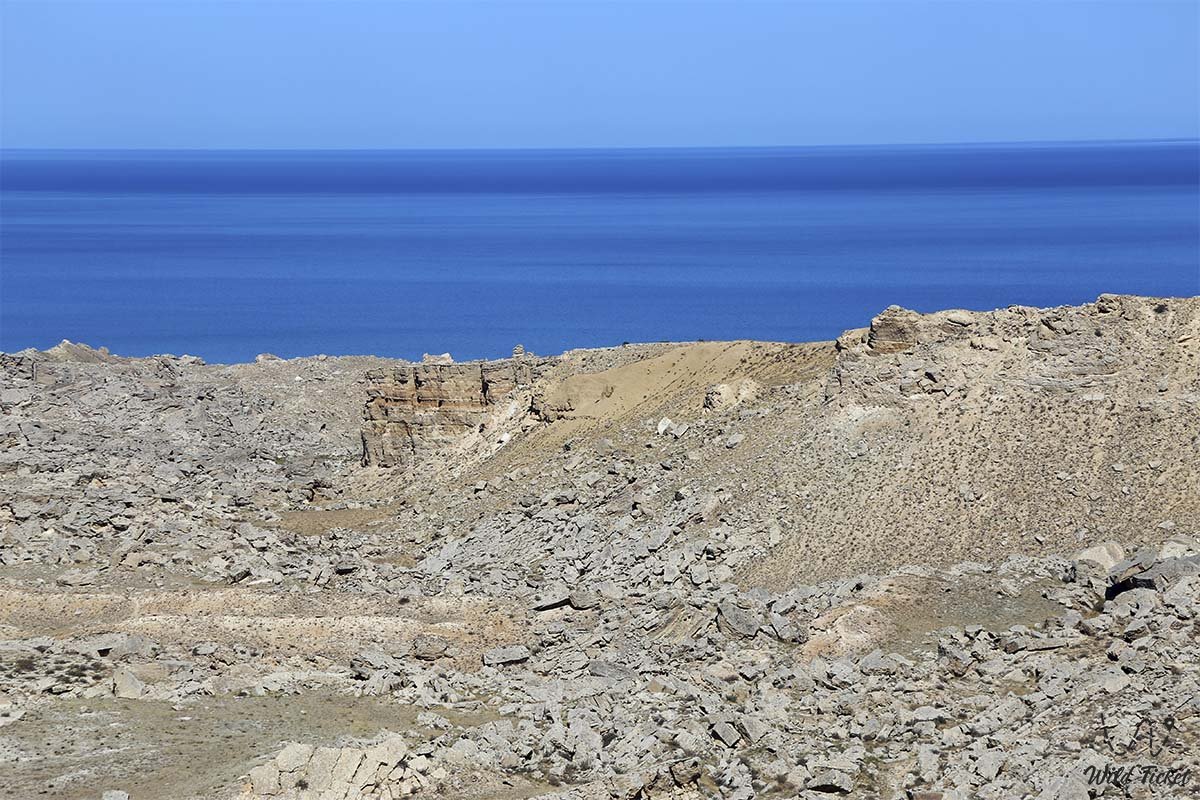
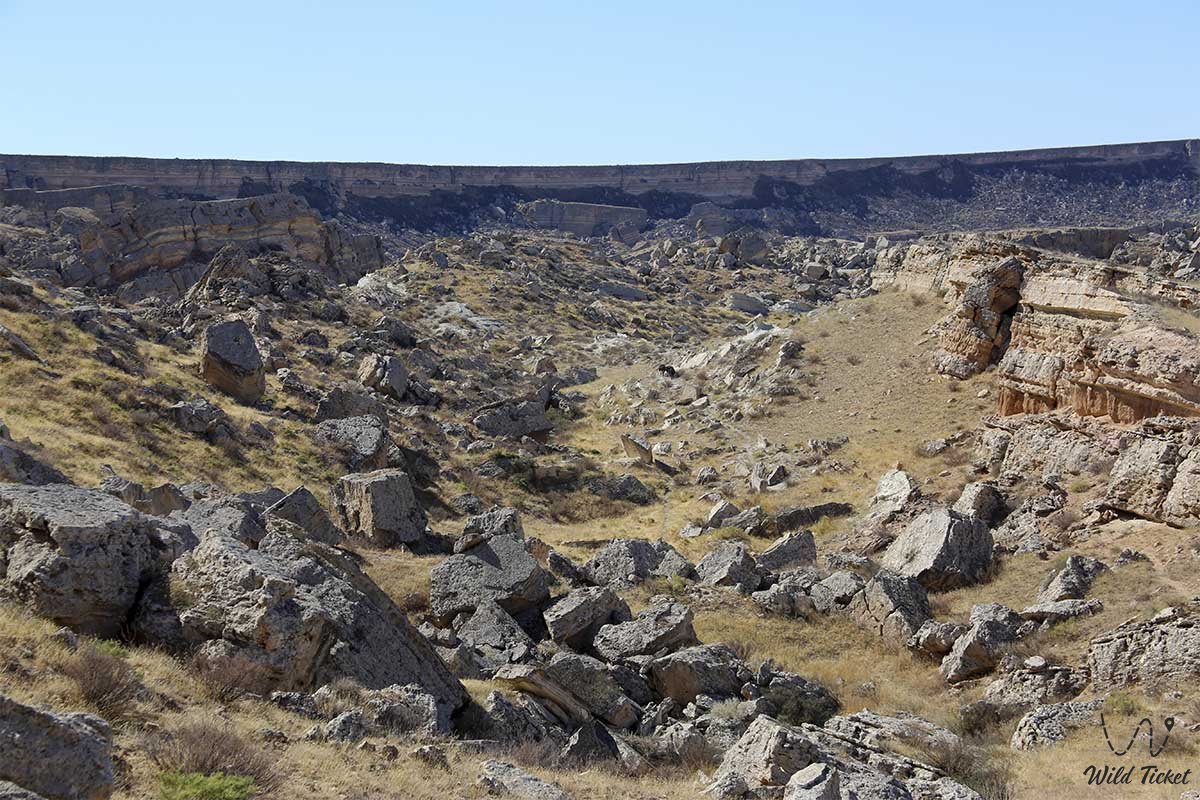
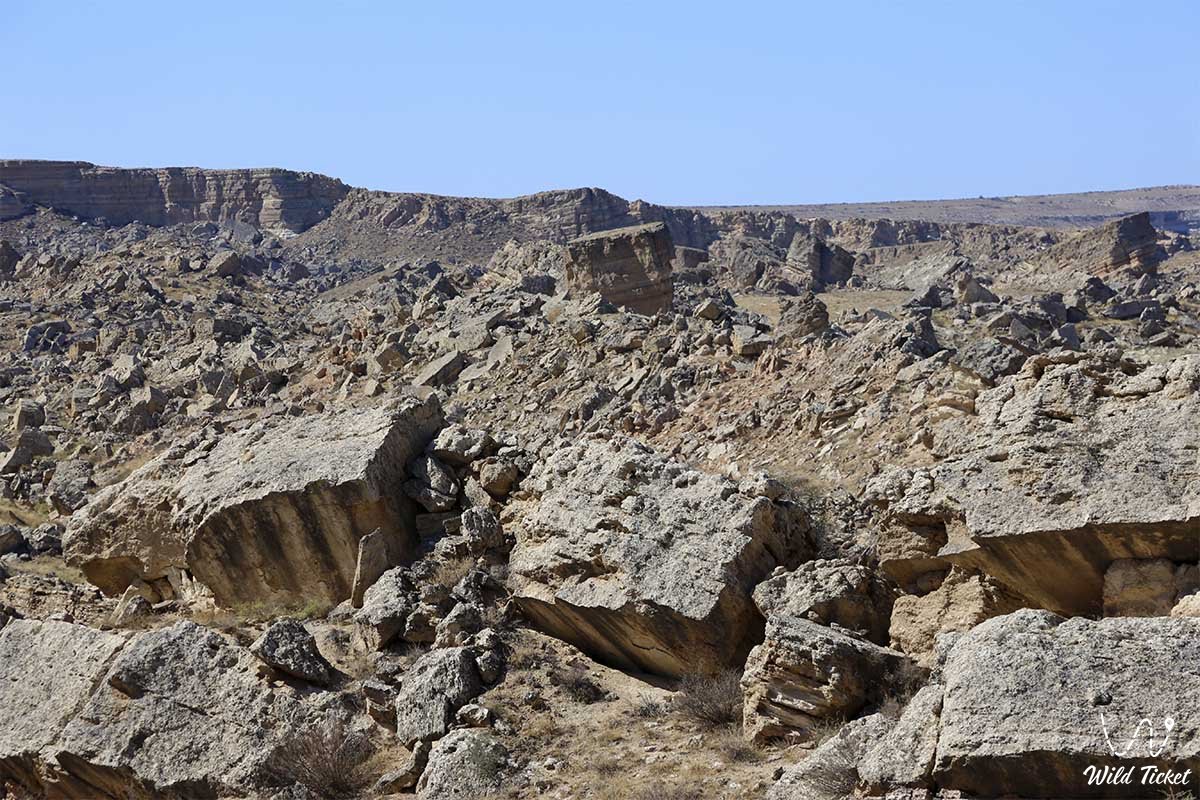
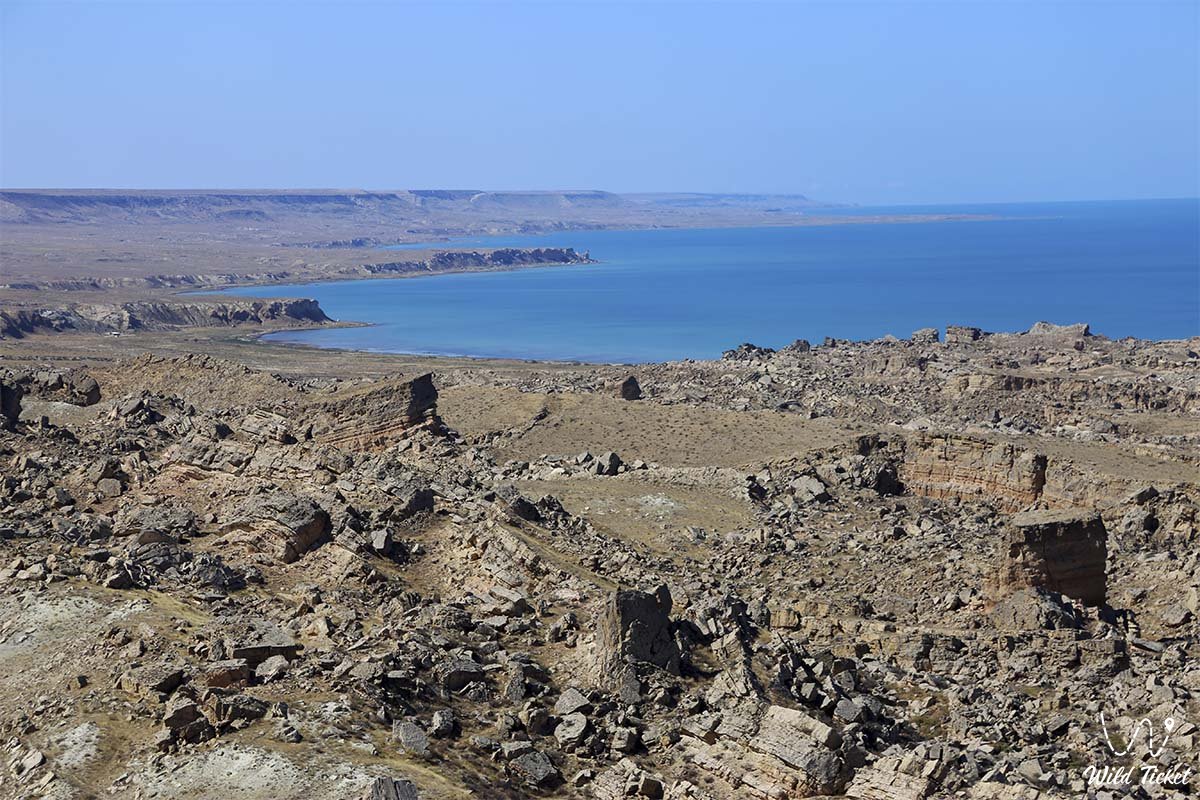
This gigantic collapse cirque occupies an area of over 30 square kilometers, forming a deep depression rimmed by a semi-circle of sheer limestone chinks up to 80–100 meters high. At the bottom of this immense bowl reigns primeval chaos: multi-ton limestone monoliths the size of a three-story building, stepped slabs, fissures, and stone labyrinths pile atop one another, cascading in terraces straight down to the azure mirror of the sea.
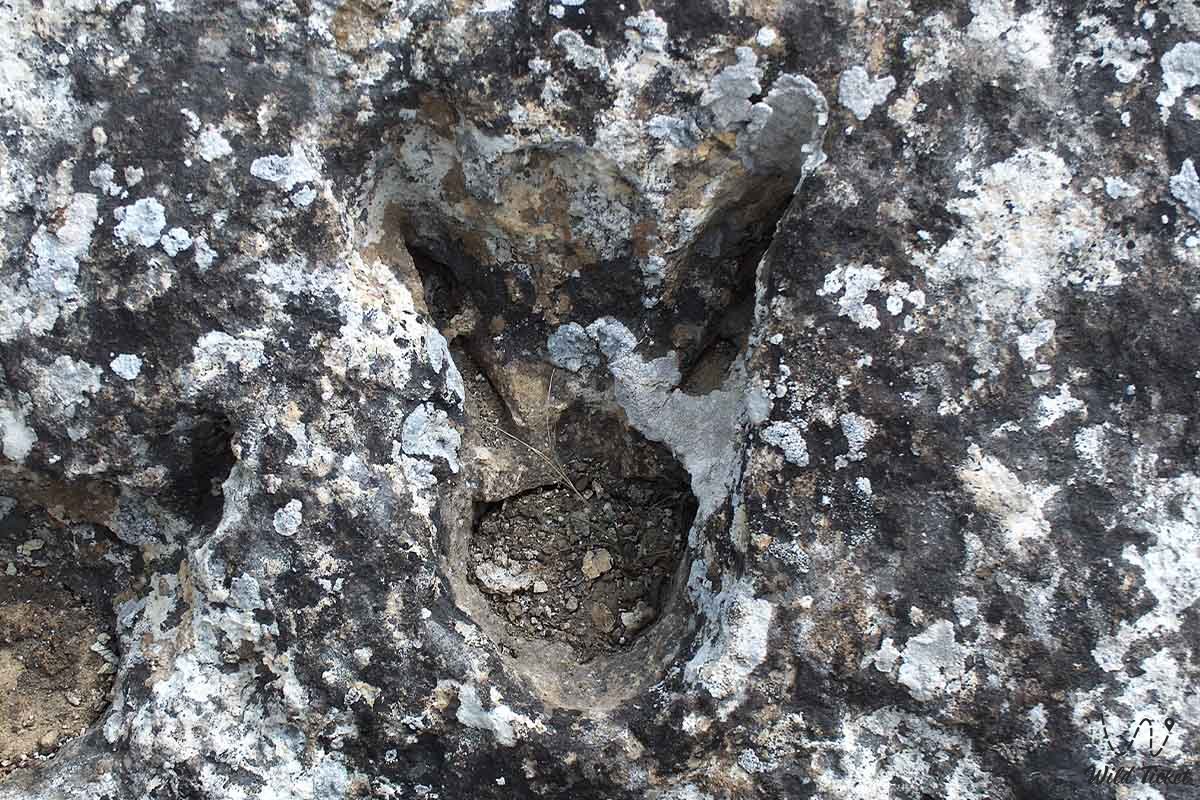
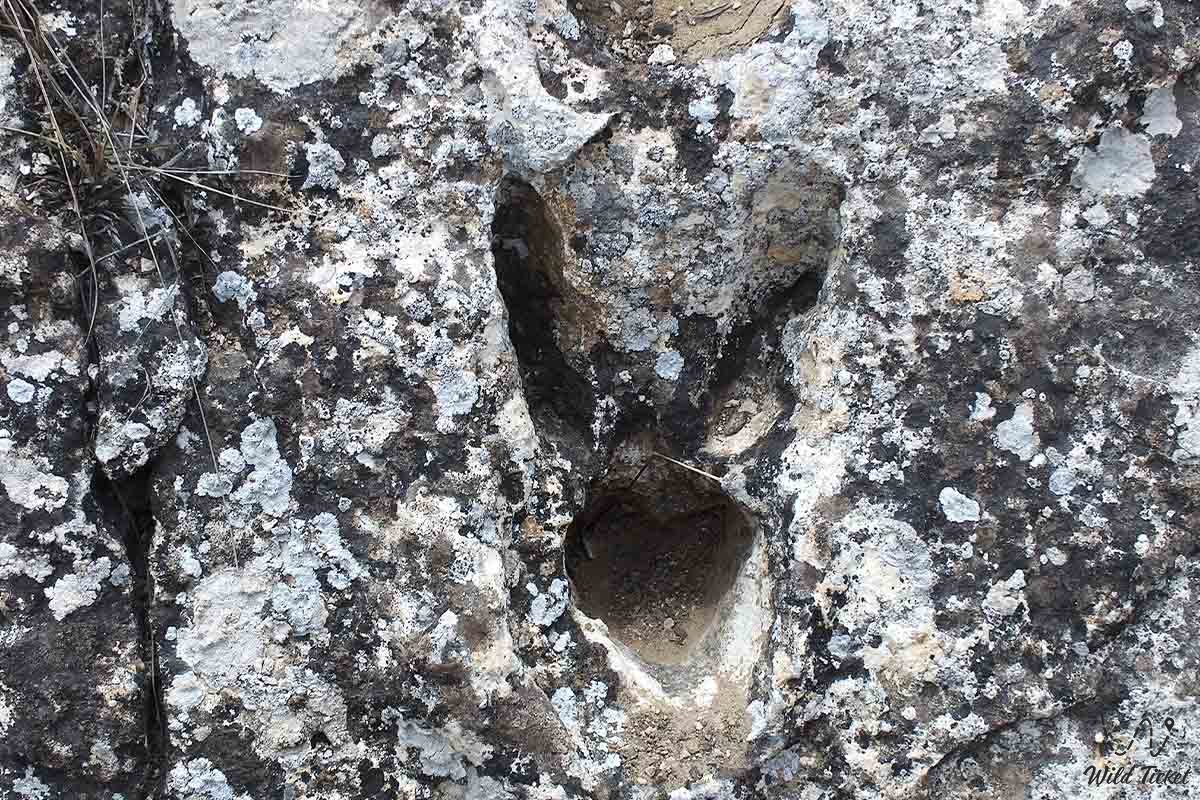
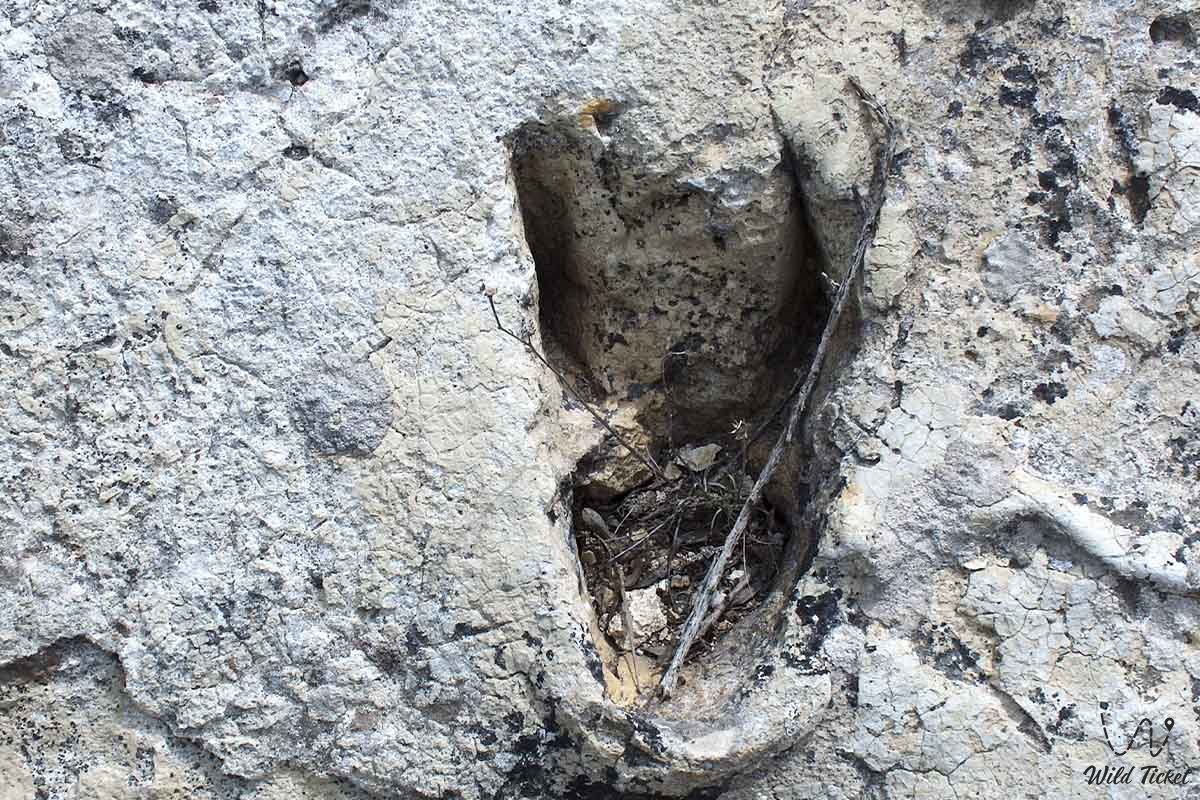
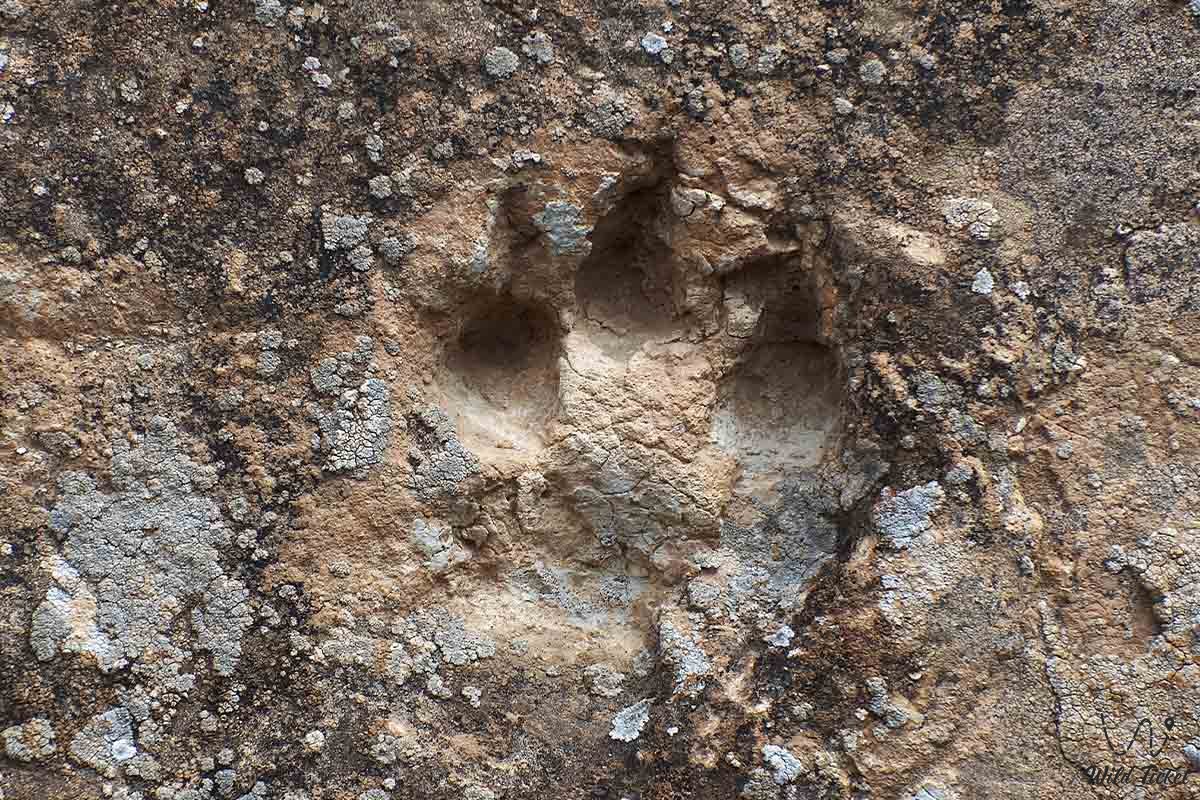
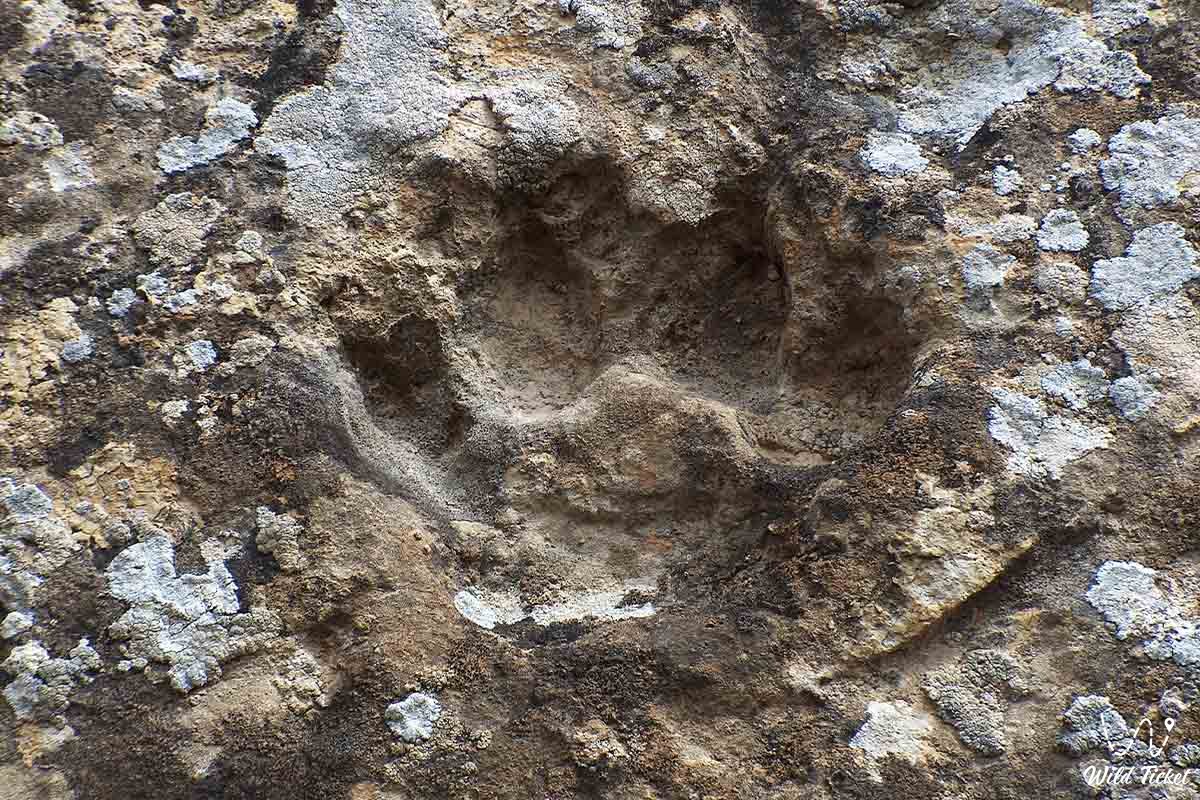
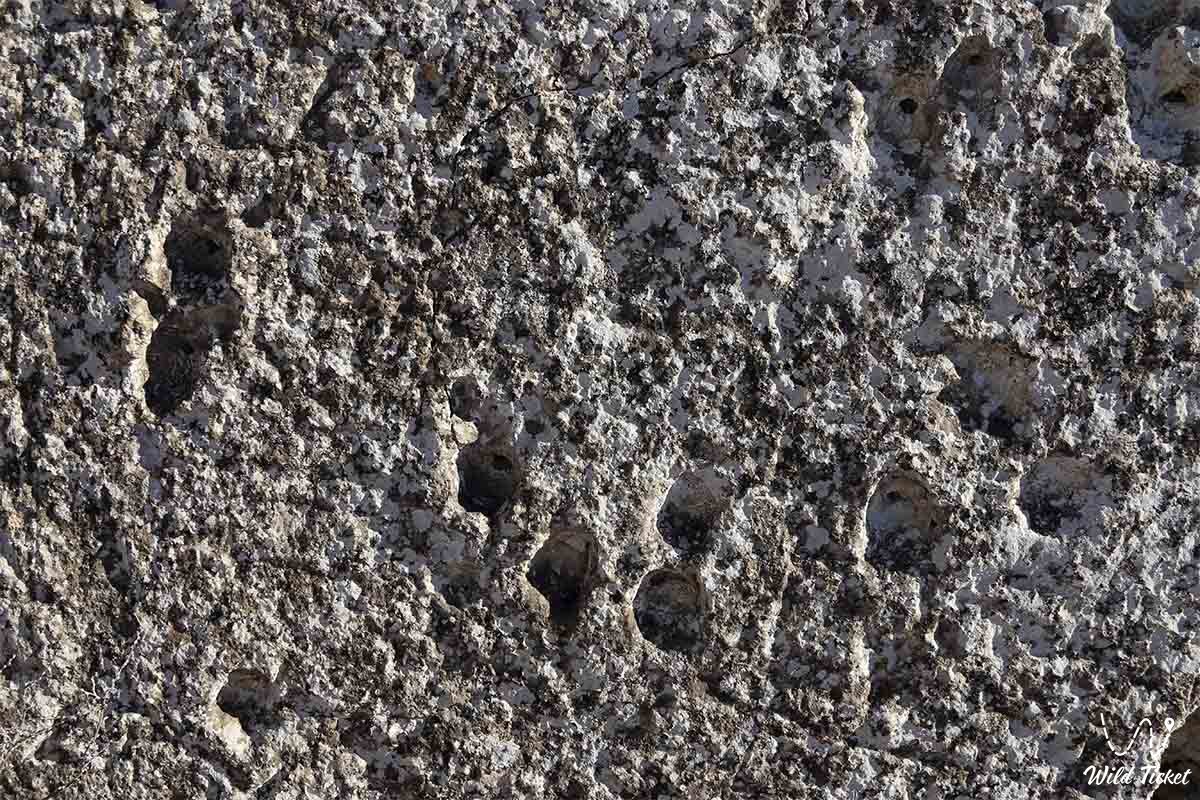
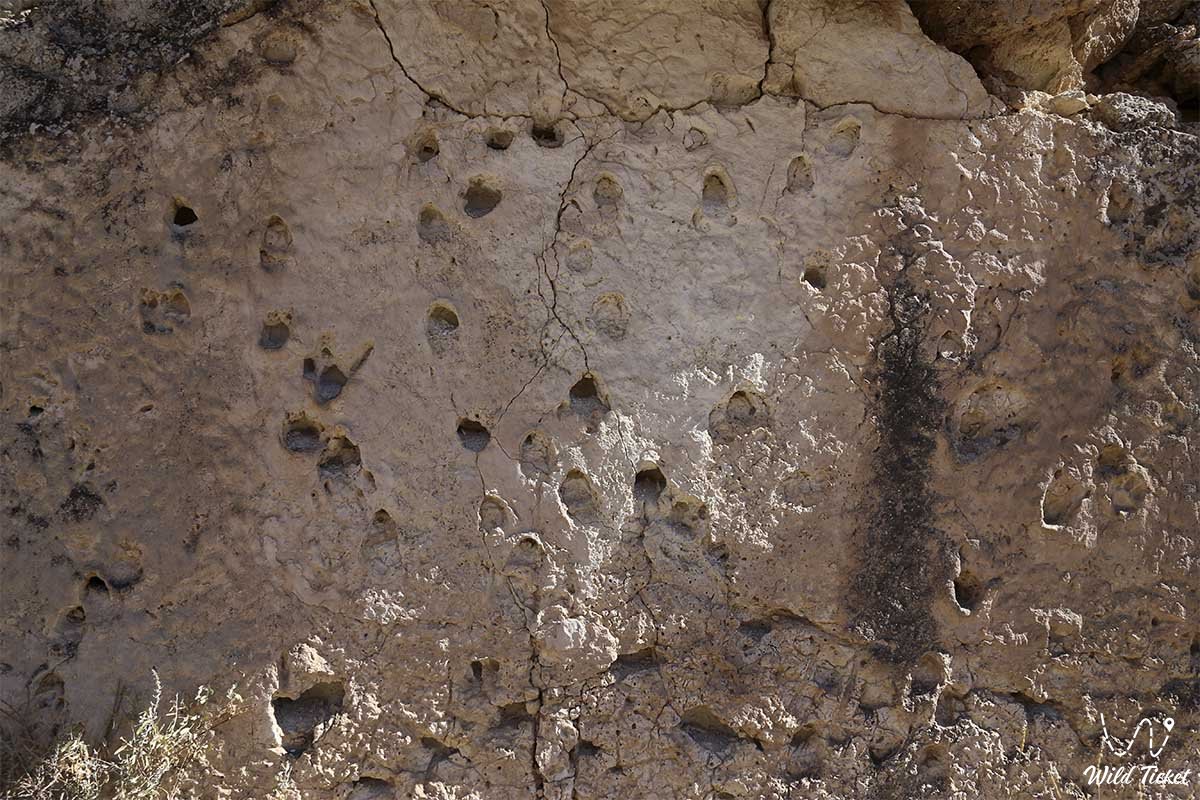
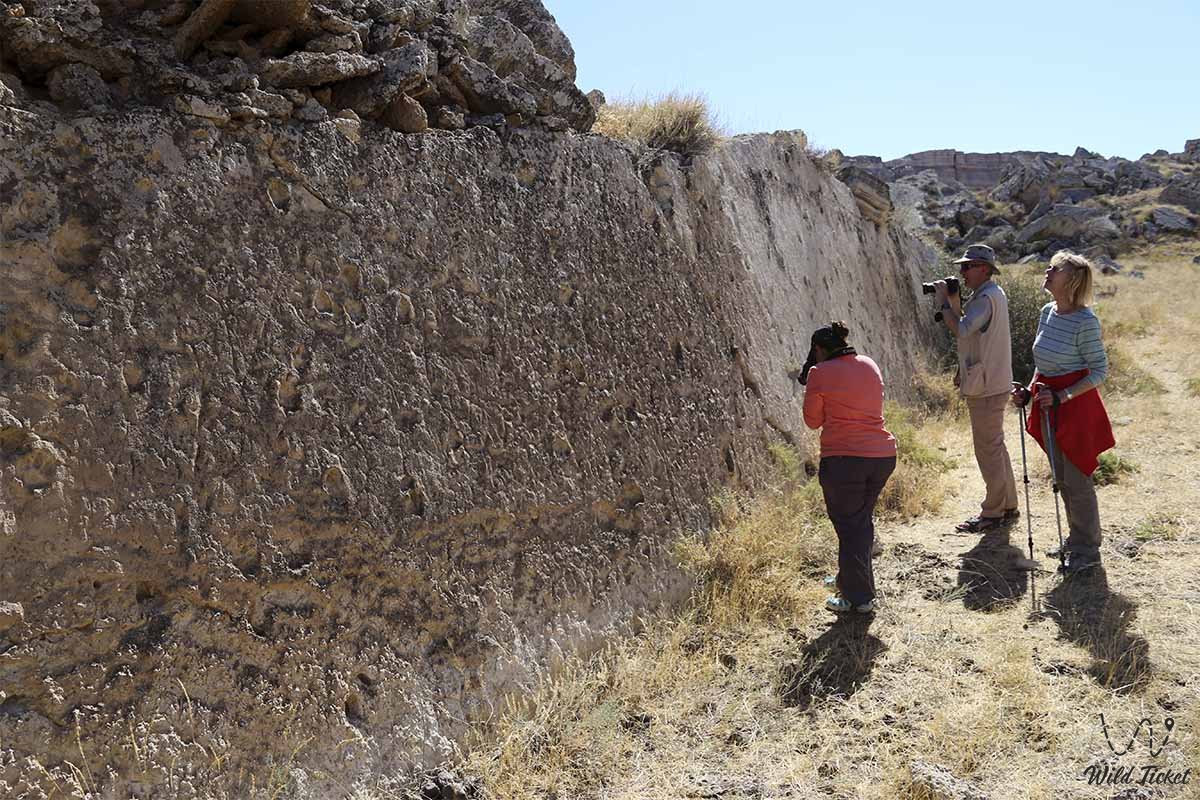
The foremost global treasure of Zhygylgan is the exposed stratum of fossilized prehistoric lake silt dating back 10–15 million years. Distinct trackways of footprints left by extinct saber-toothed cats (Machairodus), three-toed ancestors of modern horses (Hipparion), and ancient ungulates are frozen upon the stone slabs. This landscape is complemented by the saline, heart-shaped lake of Kuzdakary (Kuzebay), freshwater springs, medieval ruins of 14th–15th-century stone fortresses with petroglyphs, and relict fern thickets nestled within cool rock fissures.
An expedition to the Zhygylgan tract follows a classic route across Northern Mangyshlak, situated in close proximity to other key sites of the Tupkaragan district: the weeping waterfall and oasis of Tamshaly, the sacred complex of the Sufi patron of mariners Sultan-Epe, the snow-white Kapamsay canyon, the unique cruciform underground Shakpak-Ata mosque (UNESCO monument), historic Fort-Shevchenko, and the seaport and village of Bautino.
Today, the Zhygylgan tract is recognized as a monument of Earth's geological history of planetary significance, drawing extreme overland travelers, geologists, paleontologists, and landscape photographers with its pristine power and unearthly vistas. There is a panoramic viewpoint in the tract (44°36'25"N 50°50'07"E) offering a sweeping vista over the entire collapse basin and the waters of the Caspian Sea.
--------------------------------------------
How to get there and visit –
The Zhygylgan tract is located in the Tupkaragan district, approximately 150–160 kilometers northwest of the regional center – the city of Aktau, and 50–55 kilometers northeast of the city of Fort-Shevchenko on the coast of the Caspian Sea, Mangystau region, Republic of Kazakhstan.
GPS geographical coordinates: 44°36'34"N 50°49'09"E
The primary route from Aktau runs along a paved highway toward Fort-Shevchenko, where graded gravel tracks and steppe field ruts branch off toward the village of Tauchik and Cape Tyub-Karagan. A well-worn dirt road running across the level surface of the plateau leads to the upper rim of the Zhygylgan cliff.
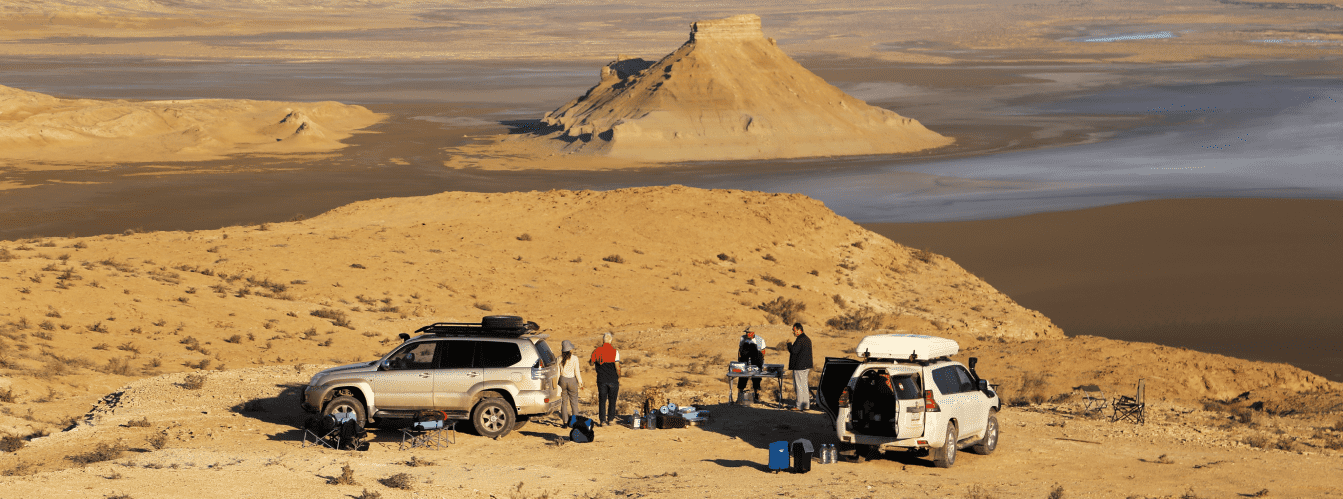
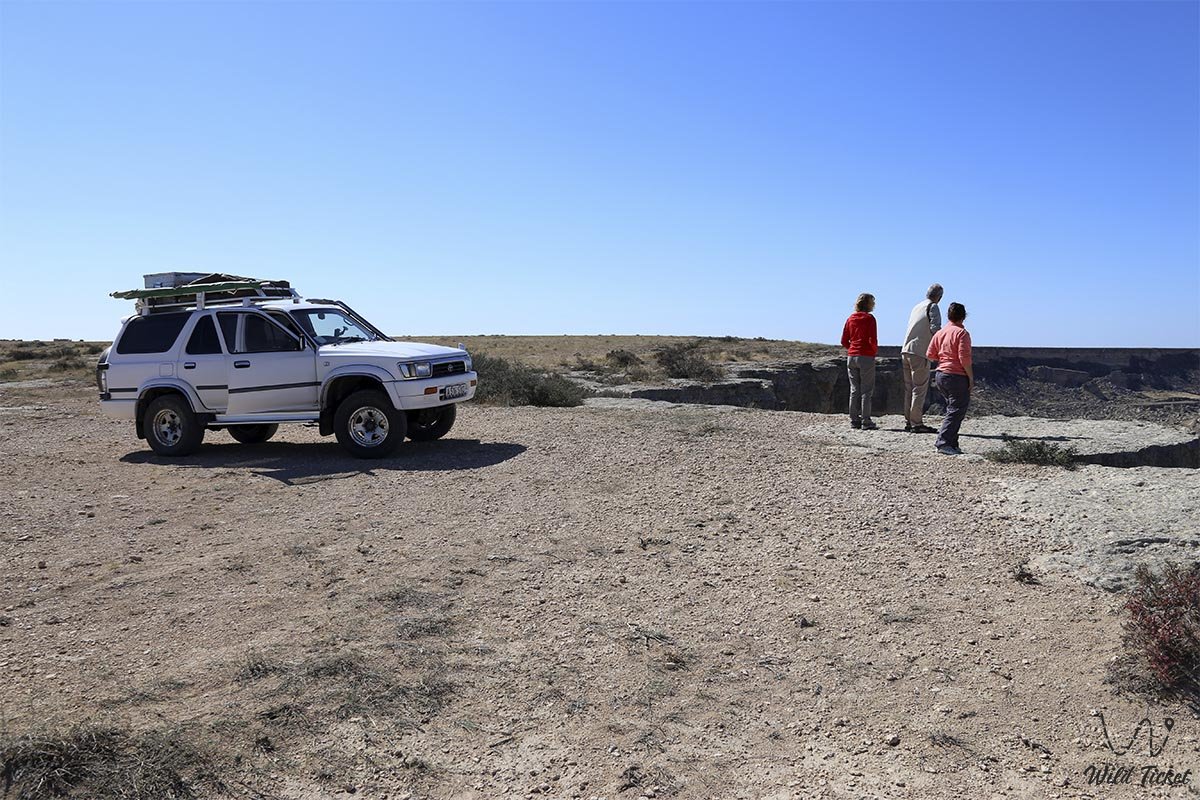
Traveling to the rim of the precipice and navigating between neighboring canyons requires a four-wheel-drive off-road vehicle (4x4) with high ground clearance and sturdy tires (AT/MT). The rocky terrain of the plateau is replete with sharp limestone and flint shards, posing a substantial risk of tire punctures.
Descending to the bottom of the sinkhole is a demanding physical endeavor: vehicular access to the floor of the depression is virtually nonexistent, so the descent is made on foot along narrow, loose paths winding between giant slabs.
Hiking across the rock debris demands durable trekking footwear with rigid non-slip soles, protection against the scorching sun, a head covering, and a drinking water supply of no less than 3–4 liters per person. Standing on overhanging fractured cornices of the upper chink is strictly prohibited due to the hazard of sudden marl collapses.
The optimal time to visit is spring (from late April to early June) and warm autumn (September – October). During July and August, air temperatures within the enclosed stone hollow exceed +40...+43 °C, while pale limestone cliffs bake in the sun, intensifying the heat.
Infrastructure within the sinkhole is entirely absent: cellular reception, hotels, drinking water sources, and cafes are nonexistent. Tent camps are typically set up above at a safe distance from the chink's edge or along the wild shingle beaches at the foot, sheltered by stone monoliths from gale-force Caspian winds.
--------------------------------------------
History
The geological genesis of Zhygylgan traces back to the Neogene period of the Cenozoic Era (the Miocene and Pliocene epochs, dating from 5 to 15 million years ago). At that time, the vast brackish Sarmatian Sea – a remnant of the ancient Tethys Ocean – stretched across the modern Caspian basin. Thick strata of carbonate muds, dense coquina limestone, sandstones, and soft clays accumulated along the gentle shores of shallow bays and lagoons.
Prehistoric animals walked along the coastal shoals to drink. Their deep footprints were pressed into the damp silty soil, subsequently baked by the sun and rapidly sealed beneath fresh deposits of marine sand and calcite. In subsequent epochs, this soft matrix solidified into dense sandstone slabs under the pressure of overlying strata.
The colossal collapse itself resulted from a combination of gravitational, karst, and tectonic processes. A massive stratum of hard Upper Sarmatian coquina limestone, tens of meters thick, was underlain by friable, water-permeable marls and ductile clays. Caspian sea waves and subterranean waters washed away the soft underlying horizons over millennia, carving cyclopean subterranean karst cavities.
At a single moment, catalyzed by a powerful regional earthquake, the lower horizon lost its load-bearing capacity: a coastal plateau block spanning tens of square kilometers collapsed under its own weight, shattering into billions of fragments and sliding down the clay slip plane toward the Caspian.
In the historical era, the rugged labyrinth of Zhygylgan served as a natural stronghold for nomads and rebel bands. The inaccessible stone fortifications provided shelter for livestock and families during inter-tribal skirmishes and raids. In the 1960s and 1970s, Soviet geologists discovered the first paleontological slabs bearing footprints of fossil mammals here, transforming the tract into a paramount scientific testing ground for the Academy of Sciences of Kazakhstan.
Information
Geomorphologically, the Zhygylgan tract is classified as a gigantic denudation-gravitational landslide cirque and karst collapse. The length of the collapse basin along the coast is about 8–10 kilometers with a width ranging from 2.5 to 4 kilometers, while the total area of the rock collapse exceeds 3,000 hectares.
The elevation drop between the flat upper plateau of Tyubkaragan and the Caspian Sea water level ranges from 80 to 120 meters. The upper rim of the chink presents a clean vertical cross-section where multicolored layers of limestones, marls, and clays are distinctly visible.
The primary treasure of the monument is the so-called "slab of footprints." On smooth blocks of dense sandy limestone, paleontologists documented trackways of petrified footprints left by a saber-toothed cat (Machairodus) with distinctly preserved toe pads and claws, alongside hoof imprints of primitive three-toed horses (Hipparion) and ancient artiodactyls that lived in the Miocene epoch roughly 10–12 million years ago.
The climate of the tract is extra-continental semi-desert with a pronounced moderating influence from the Caspian Sea. Average annual precipitation is around 140–160 mm. Gale-force winds frequently blow off the sea, generating heavy surf along the stony shoreline.
Ecologically, the territory requires conscientious care: the fossiliferous slabs bearing prehistoric footprints are fragile and subject to destruction from footwear impacts and chipping. Cutting out rock fragments for souvenirs is strictly forbidden and punishable by law.
Detailed description of the venue
The landscape and natural ensemble of the Zhygylgan tract comprises the following distinct sectors and locations:
• Upper chink and observation deck – an arc-shaped rock cornice situated about 100 meters above the hollow, providing a comprehensive panoramic vista across the stone chaos and the blue mirror of the Caspian.
• Stone labyrinths of the sinkhole floor – chaotic accumulations of cyclopean limestone slabs, cubes, and fissures, forming deep passages, caves, and shaded alcoves.
• Slab with saber-toothed cat footprints – a world-renowned paleontological sandstone layer on the tract floor displaying petrified trackways of Machairodus and Hipparion.
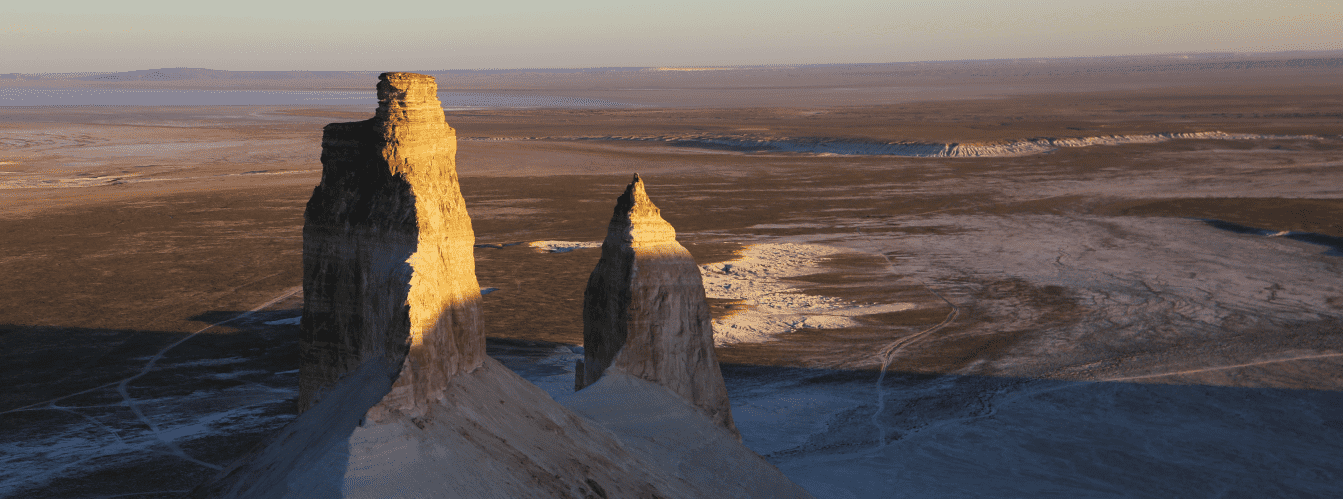
• Rock outliers and weathering castles – whimsical vertical towers, pillars, and "mushrooms" carved out of coquina limestone by marine winds.
• Lake Kuzebay (Kuzdykary) – an isolated saline water body in the coastal portion of the sinkhole, separated from the sea by a stony ridge, whose water features elevated mineralization.
• Stony coastal strip – the edge of the Caspian Sea lined with coarse shingle, flat limestone ledges extending beneath the surface, and exceptionally clear seawater.
Flora and fauna
The vegetation cover of the Zhygylgan tract is adapted to the conditions of a stony coastal semi-desert. Drought-resistant species predominate on the upper plateau: Lerche's wormwood, gray-soil wormwood, salt-marsh biyurgun, boyalych, anabasis (itsegek), and spiny bean caper. At the bottom of the sinkhole, in slab fissures and beneath stone overhangs where moisture collects and desiccating winds are absent, shrubs of tamarisk (saltcedar), Atraphaxis, nitre bush, wild dog rose, capers, and blackberries flourish vigorously.
In spring, the rocky screes are carpeted with short-lived ephemerals: wild tulips, desert irises, and diminutive poppies bloom.
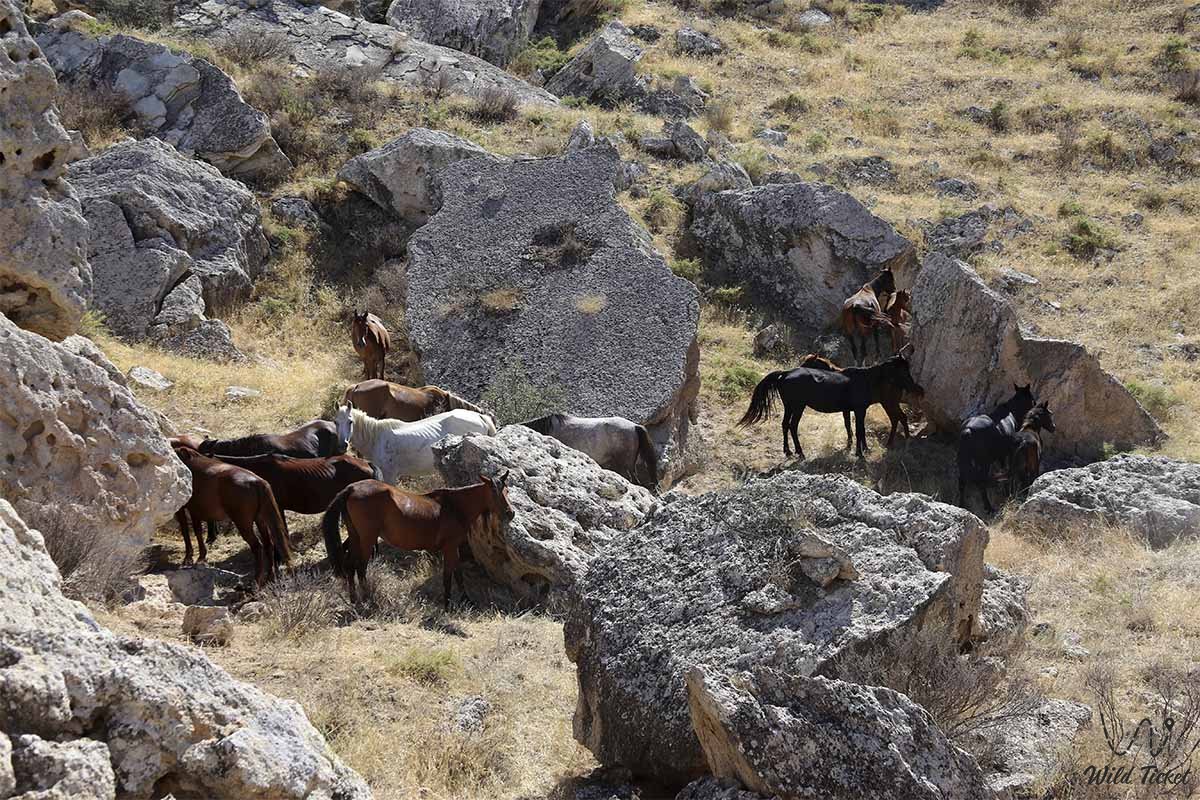
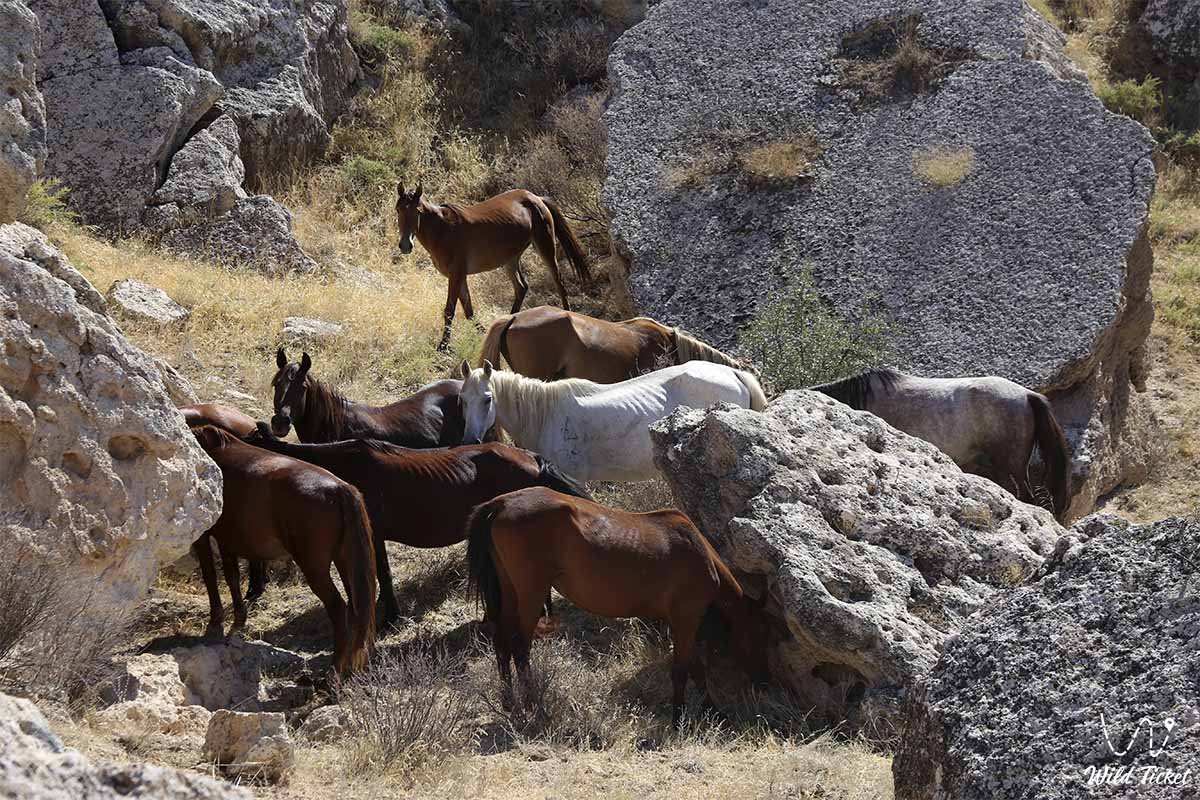
The fauna of the tract is exceptionally diverse due to the pairing of inaccessible rock shelters with marine proximity. The undisputed master of the sheer escarpments is the Ustyurt mountain sheep (mouflon), leaping masterfully across giant slabs. Corsac foxes, badgers, marbled polecats, steppe polecats, and tolai hares inhabit the basin floor.
The reptile world is represented by the Caspian whipsnake, swift arrow snake, patterned runner, steppe agama, and Ustyurt gecko, finding dependable shelter in deep slab fissures.
In coastal waters at the base of Zhygylgan, the Caspian seal can be encountered resting on flat nearshore rocks. The avifauna includes raptors nesting along the cliffs – golden eagles, long-legged buzzards, saker falcons, and eagle owls. Yellow-legged gulls, Pallas's gulls, great cormorants, herons, and mute swans glide along the coastal perimeter.
Legend
A poetic Kazakh legend concerning a great clash of titans and the wrath of sea spirits is linked to the Zhygylgan tract. Lore tells that in profound antiquity, when the plateau was a level, blooming garden, two giant brothers renowned for unconquerable strength lived here. One day, a fierce feud erupted between the brothers over a beautiful maiden – the daughter of a Caspian khan.
In fury, the batyrs clashed in mortal combat on the very edge of the sea cliff. Their strikes with clubs and swords struck with such terrifying force that the ancient depths shuddered. The earth could not withstand human madness: the cliffs fractured, and the plateau plunged with a roar into the watery abyss, burying the warring titans beneath multi-ton rock ruins.
Nomads believed that the petrified slabs of Zhygylgan retain the memory of pride's ruinous force, and that the mysterious footprints on the stones belong to ancient spirit guardians protecting the fallen land.
Conclusion
The Zhygylgan tract is a stunning testament to the colossal geological forces of nature, uniting the drama of a tectonic collapse, paleontological secrets of an ancient biosphere, and the majesty of the Caspian Sea. The cyclopean stone labyrinth inspires an unforgettable sensation of a pristine, primeval world untouched by civilization.
An expedition to the "Fallen Land" offers a rare experience of traversing rugged rock obstacles, rewarding travelers with fantastic marine panoramas and the opportunity to witness the frozen footprints of the planet's prehistoric predators firsthand.
Interesting sights nearby:
• Caspian Sea in Kazakhstan;
• Kenty-Baba Necropolis;
• Kapamsay Canyon;
• Tamshaly Tract;
• Sultan-Epe Canyon;
• Heart-Shaped Lake Kuzdykary;
• Meretsay Canyon;
• Kapamsay Canyon;
• Khanga Baba Tract;
• Bozzhira Tract.
Photogallery: