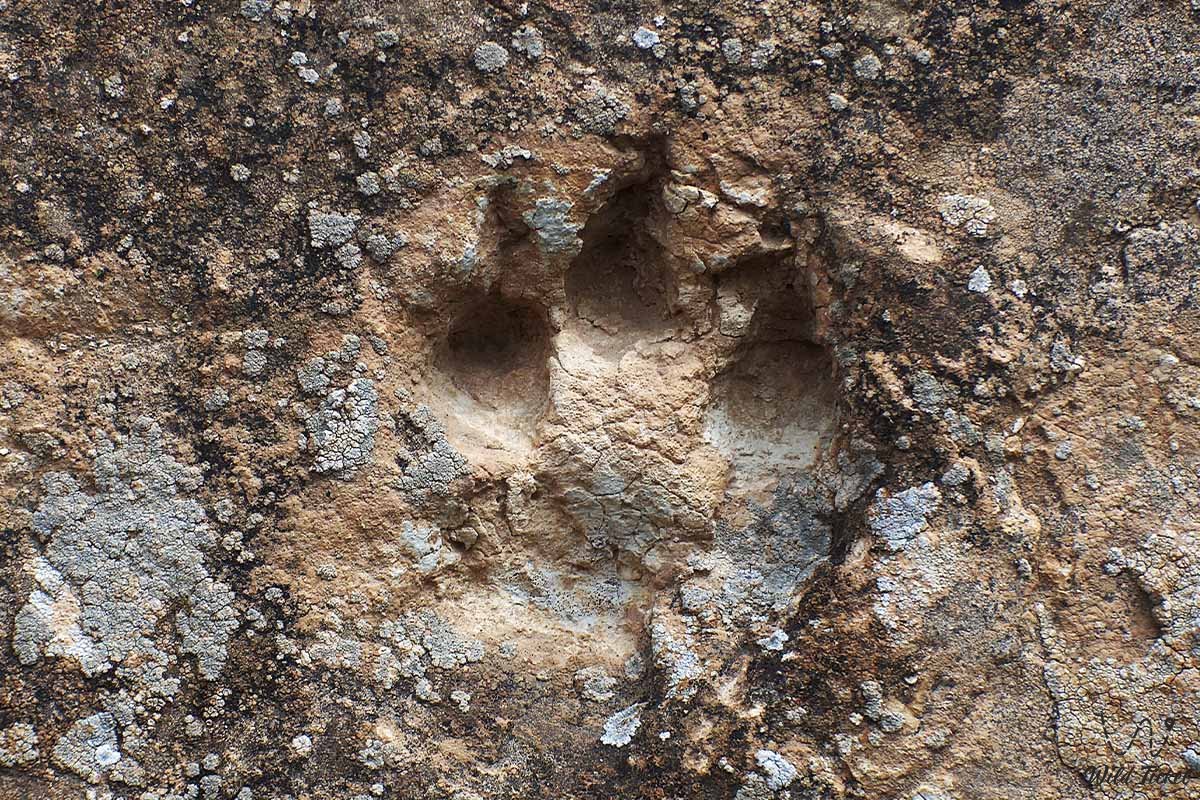
Уникальный палеонтологический архив застывших шагов саблезубых кошек и гиппарионов –
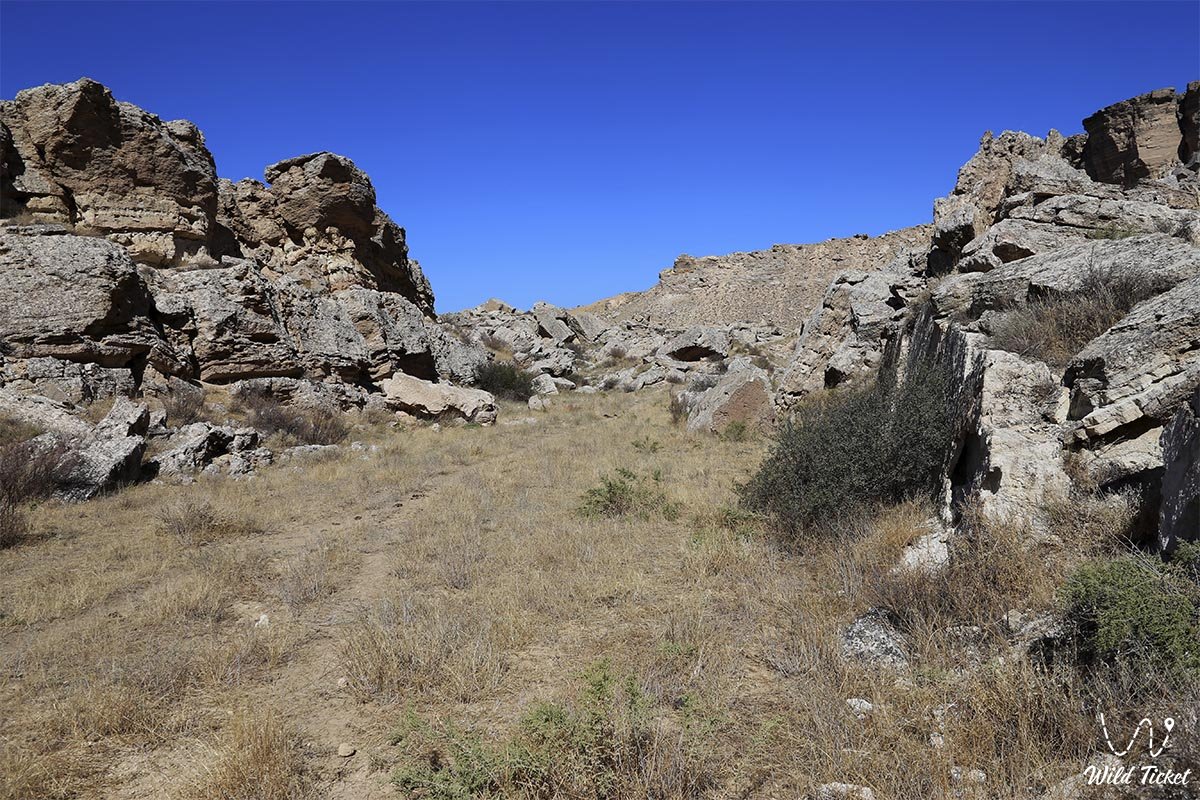
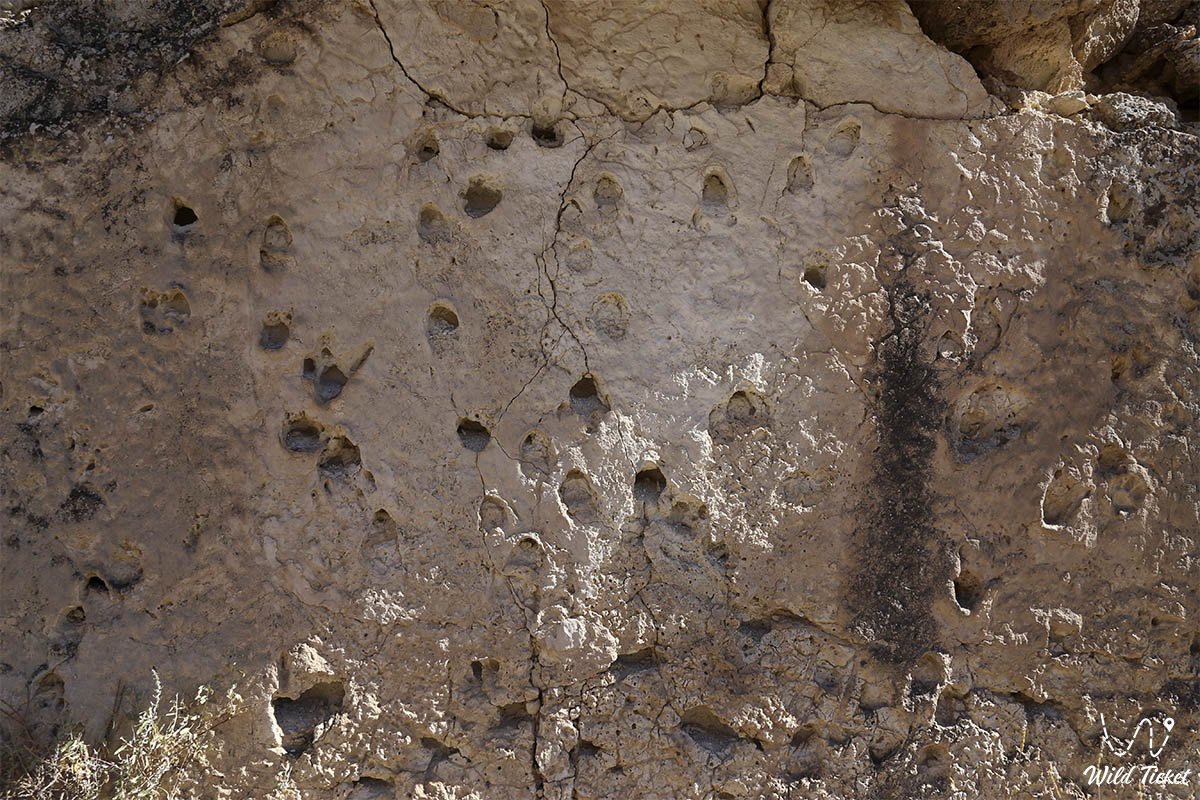
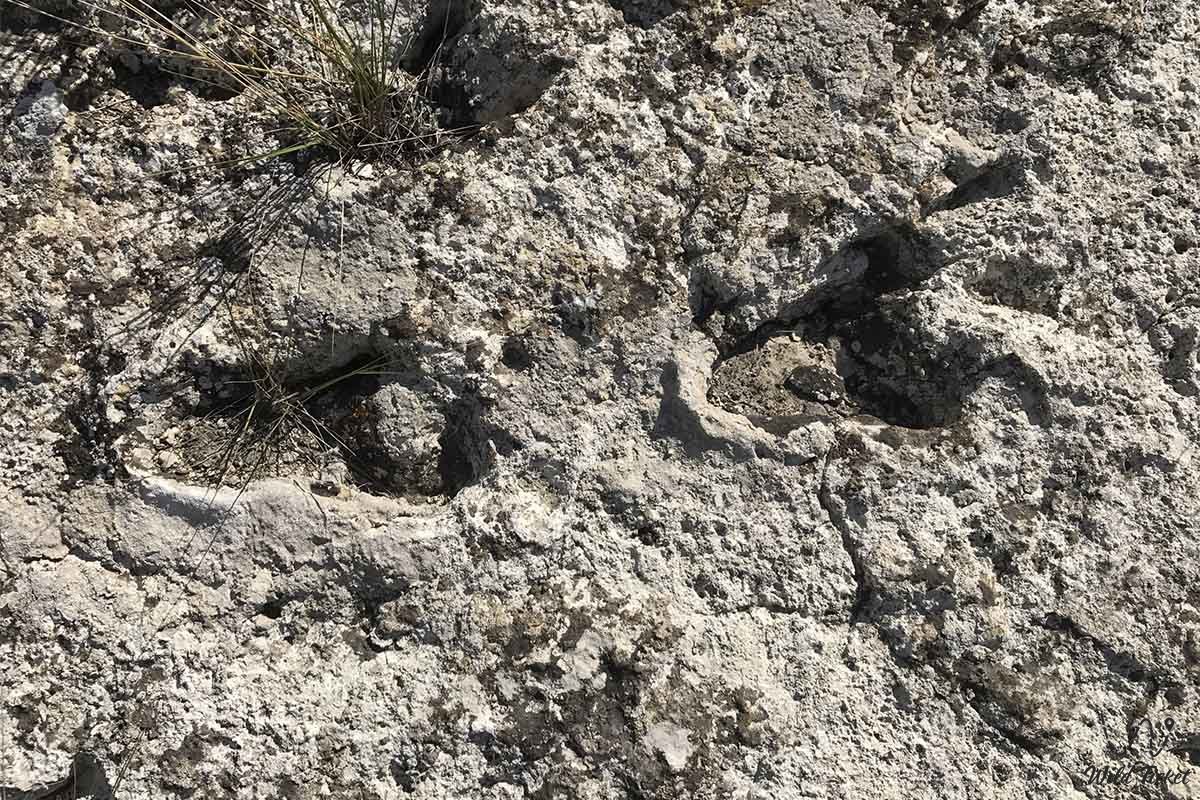
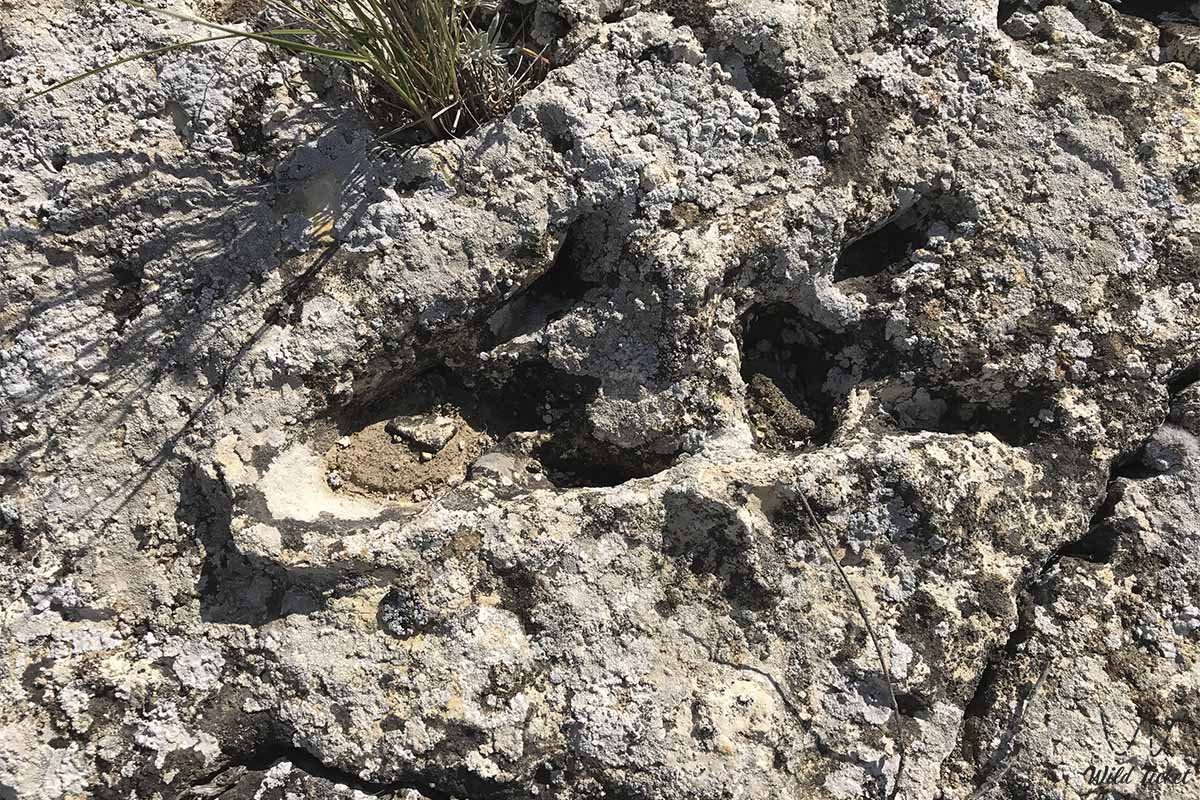
Следы древних животных в урочище Жыгылган (провал, упавшая земля) представляют собой редчайший в мире ихнологический памятник естественной истории, расположенный на дне циклопического тектонического провала Жыгылган на северо-востоке Тюбкараганского полуострова в Мангистауской области. На ровных плитах плотного окаменевшего песчаника и мергеля, некогда являвшихся топким берегом неогенового водоема, сохранились четкие цепочки отпечатков лап и копыт доисторических млекопитающих возрастом от 10 до 15 миллионов лет.
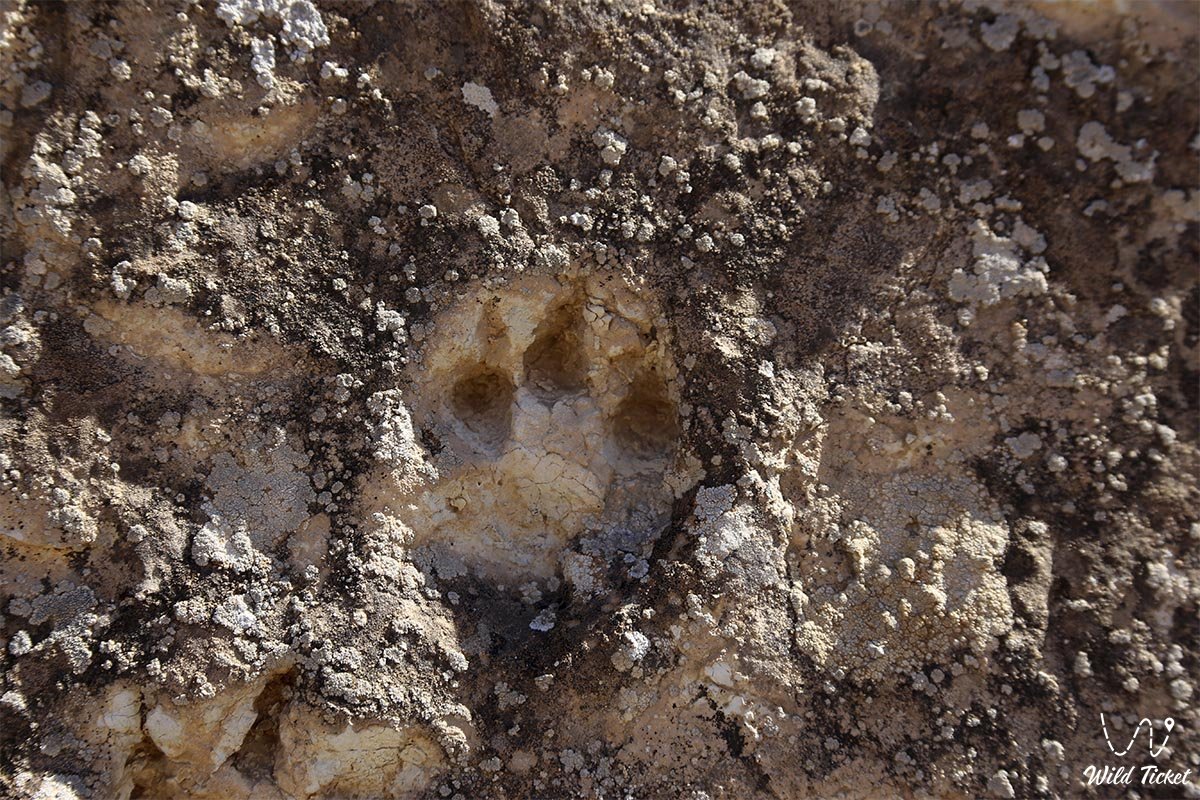
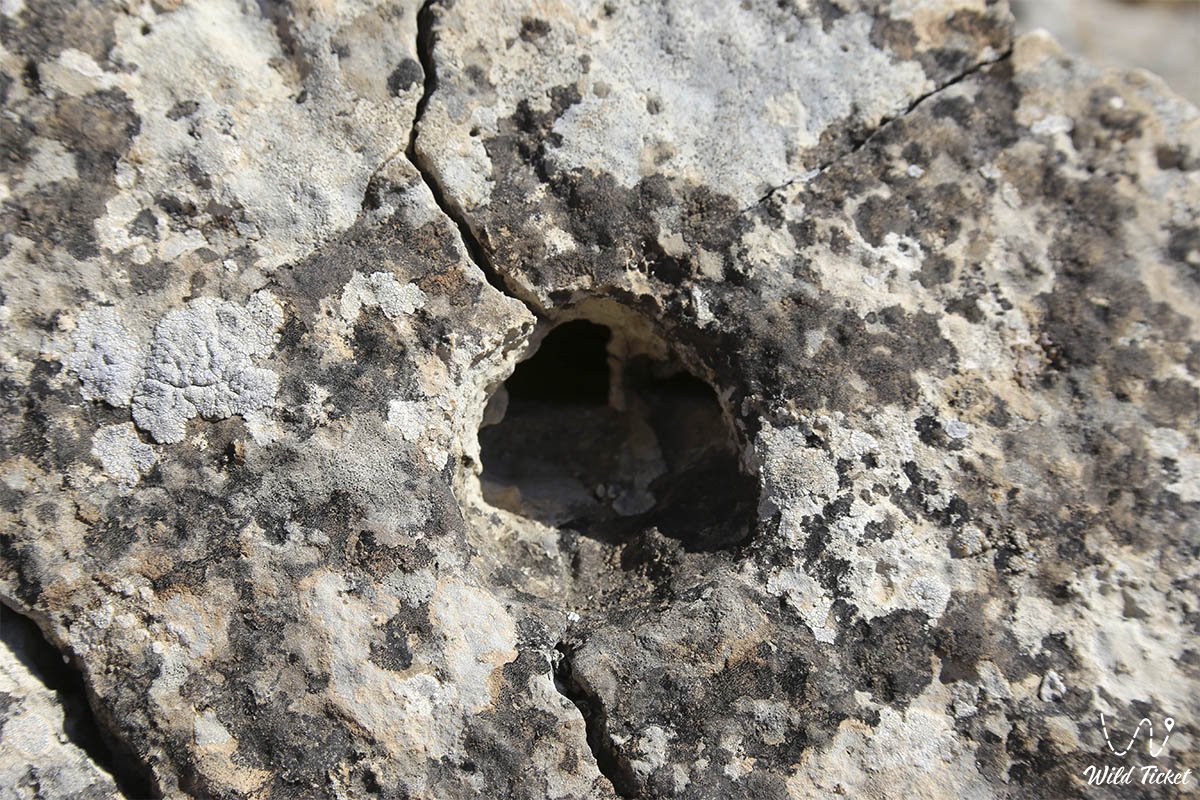
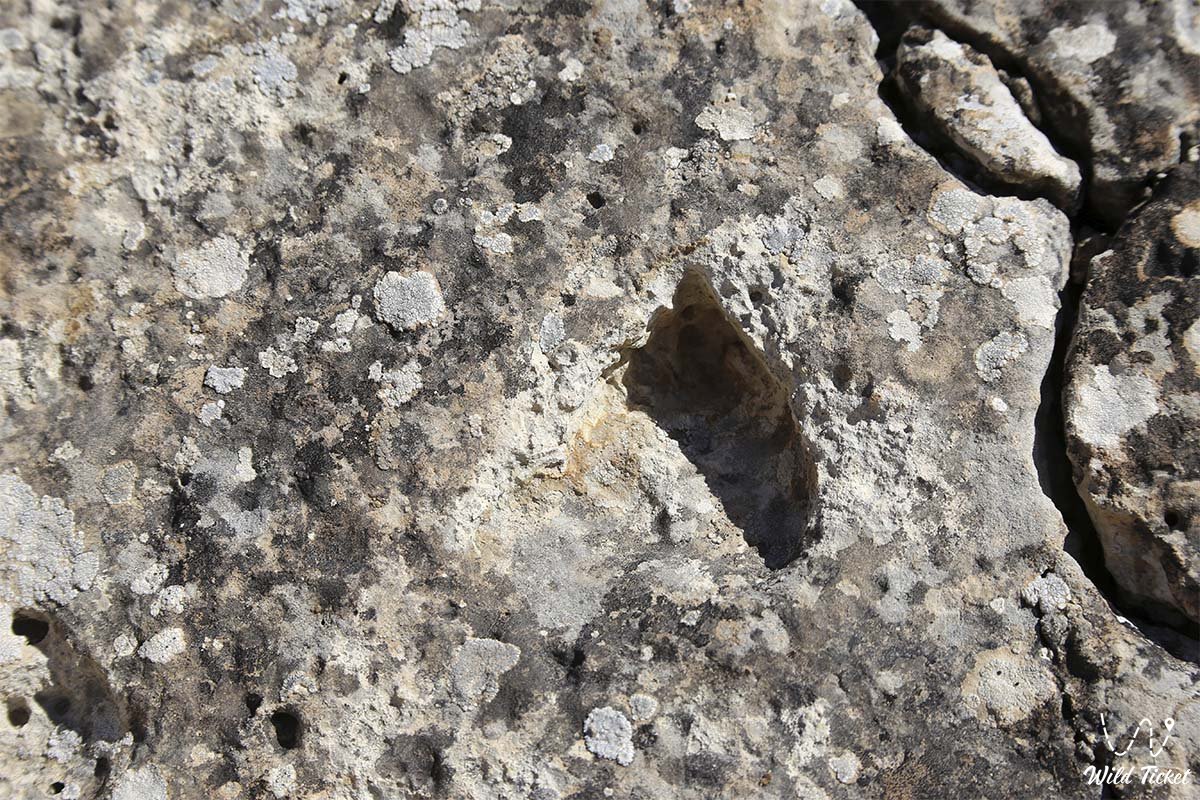
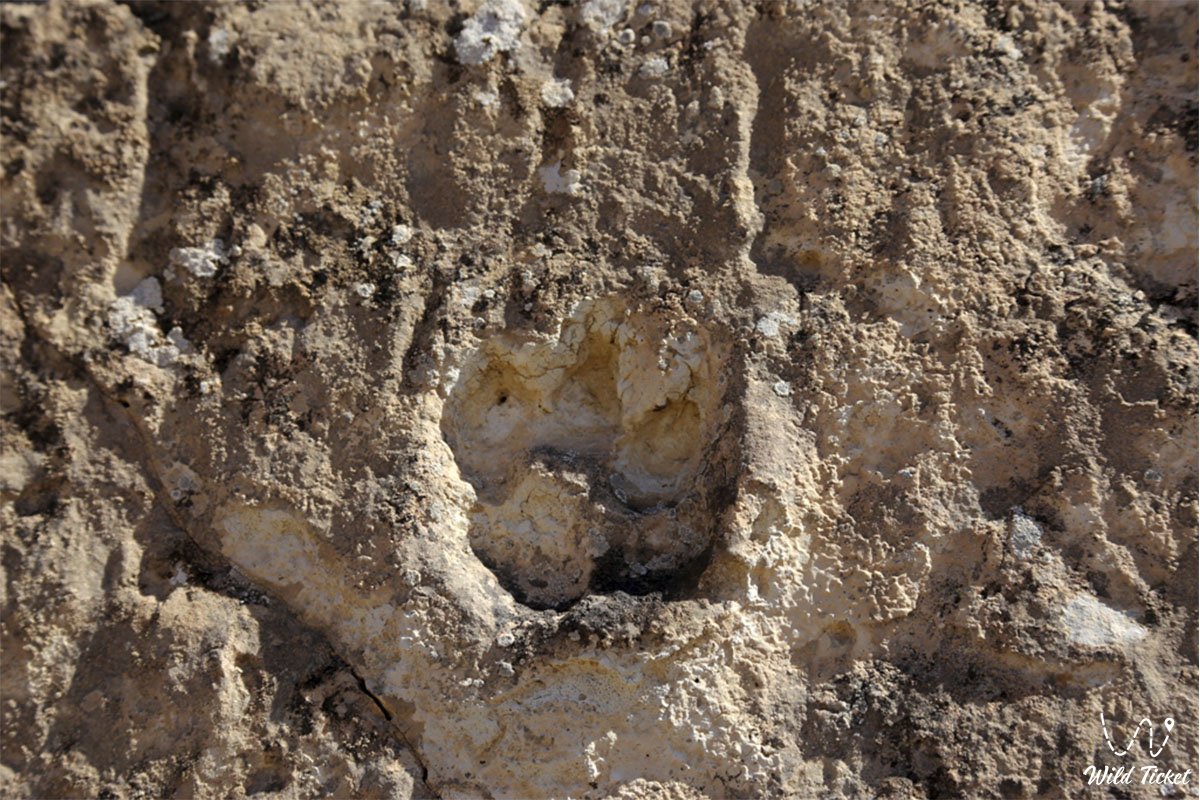
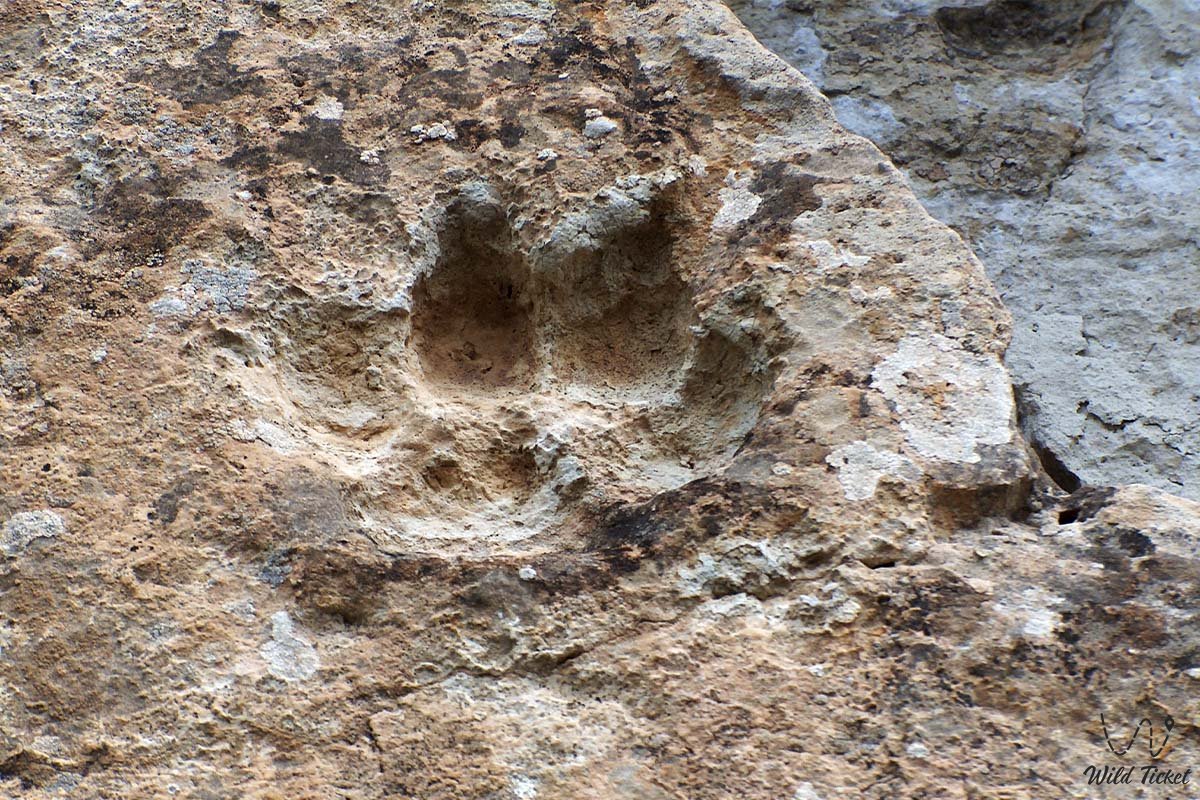
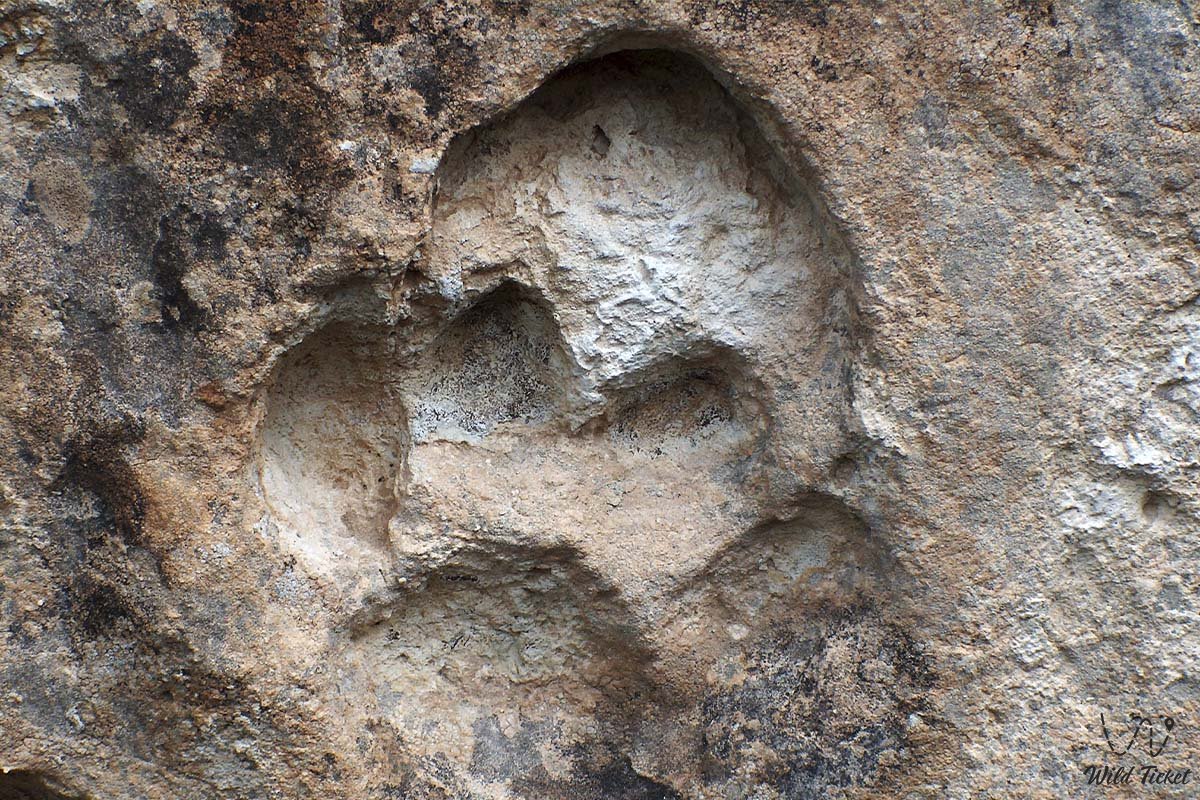
Главными сокровищами этой каменной летописи выступают отпечатки лап свирепых саблезубых кошек (махайродов) с различимыми подушечками и следами когтей, а также окаменевшие следы копыт первобытных трехпалых лошадей (гиппарионов) и древних парнокопытных. Животные шли по вязкому карбонатному илу к водопою в эпоху миоцена и плиоцена, после чего палящее солнце высушило отпечатки, а нахлынувшие морские отложения законсервировали их на миллионы лет.
Посещение палеонтологической плиты на дне Жыгылгана органично дополняет экспедицию по Северному Мангышлаку, соседствуя с соленым озером-сердцем Куздакары (Кузебай), руинами средневековых крепостей XIV–XV веков, плачущим водопадоми оазисом Тамшалы, подземными мечетями Султан-эпе и Шакпак-Ата (памятник ЮНЕСКО), а также белоснежным каньоном Капамсай.
Сегодня следы древних животных в Жыгылгане признаны палеонтологическим феноменом мирового масштаба, привлекающим ученых-ихнологов, исследователей эволюции и туристов со всего света, желающих прикоснуться к застывшему мгновению доисторической жизни.
Чтобы найти отпечатки следов воспользуйтесь услугами гидов которые могут вас точно привести к основным локациям, так как местность довольно большая и найти следы не так легко.
--------------------------------------------
Как добраться и посетить –
Палеонтологическая локация расположена на дне котловины провала Жыгылган в Тупкараганском районе, примерно в 110–150 километрах к северу от города Актау и в 50 километрах к северо-востоку от города Форт-Шевченко, Мангистауская область, Республика Казахстан.
GPS географические координаты: 44°37'19"N 50°48'38"E
Основной путь из Актау проходит по асфальтированному шоссе в направлении Форт-Шевченко, после чего маршрут сворачивает на укатанные, но каменистые степные грейдеры, ведущие к побережью мыса Тюб-Караган. К верхней кромке обрыва ведет наезженная грунтовка, доступная для полноприводного транспорта.
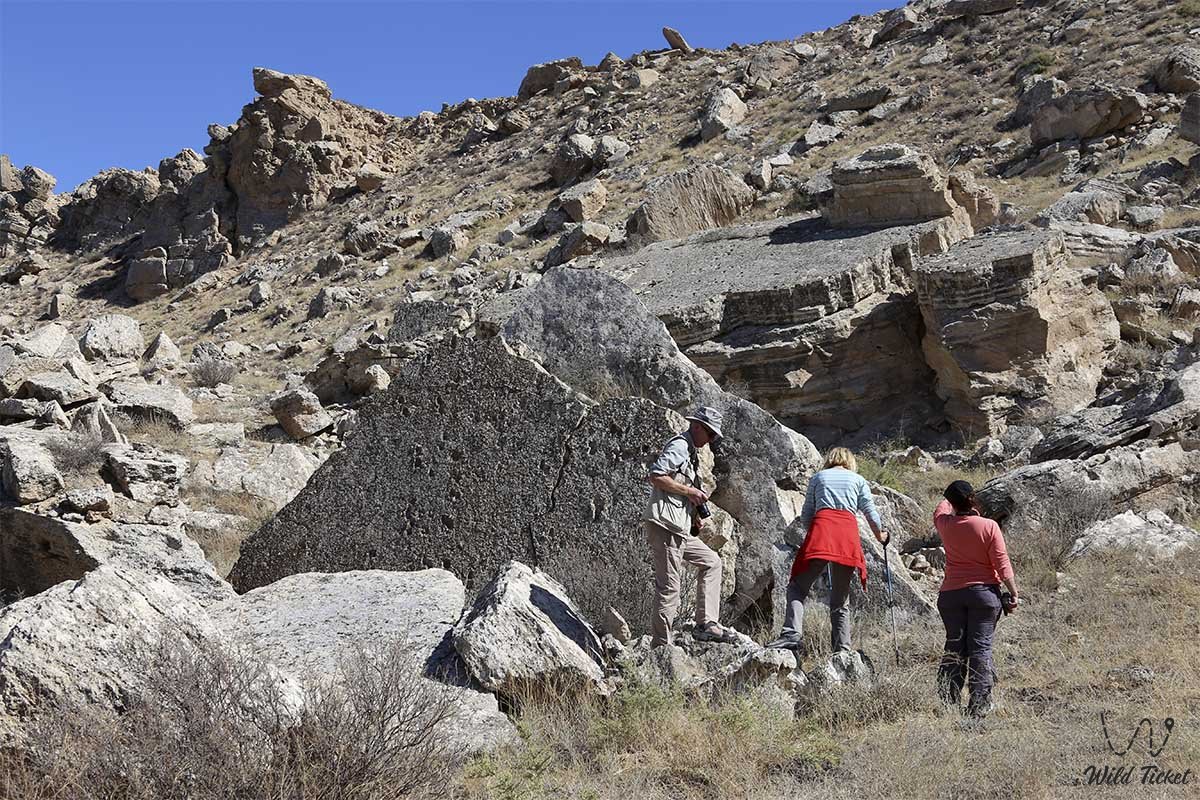
Для поездки в урочище Жыгылган провалу необходим подготовленный рамный внедорожник (4х4) с высоким дорожным просветом и прочной резиной (AT/MT), способной выдерживать острые кремневые сколы. Автомобильного спуска непосредственно к плите со следами нет: машины оставляют наверху у края чинка либо на прибрежных съездах мыса, после чего спуск на дно котловины совершается пешком с юго-восточной стороны провала.
Пеший переход по нагромождению многотонных известняковых плит требует крепкой трекинговой обуви с жестким нескользящим протектором, защиты от солнца, головного убора и запаса питьевой воды не менее 3–4 литров на человека. В теплое время года среди каменных завалов и кустов встречаются змеи (полозы, ужи и степные гадюки), поэтому необходимо внимательно смотреть под ноги и не наступать в слепые расщелины.
Оптимальное время для посещения – весна (с конца апреля по начало июня) и теплая осень (сентябрь – октябрь). В разгар лета светлый известняк на дне замкнутого цирка раскаляется, поднимая температуру воздуха выше +40 °C.
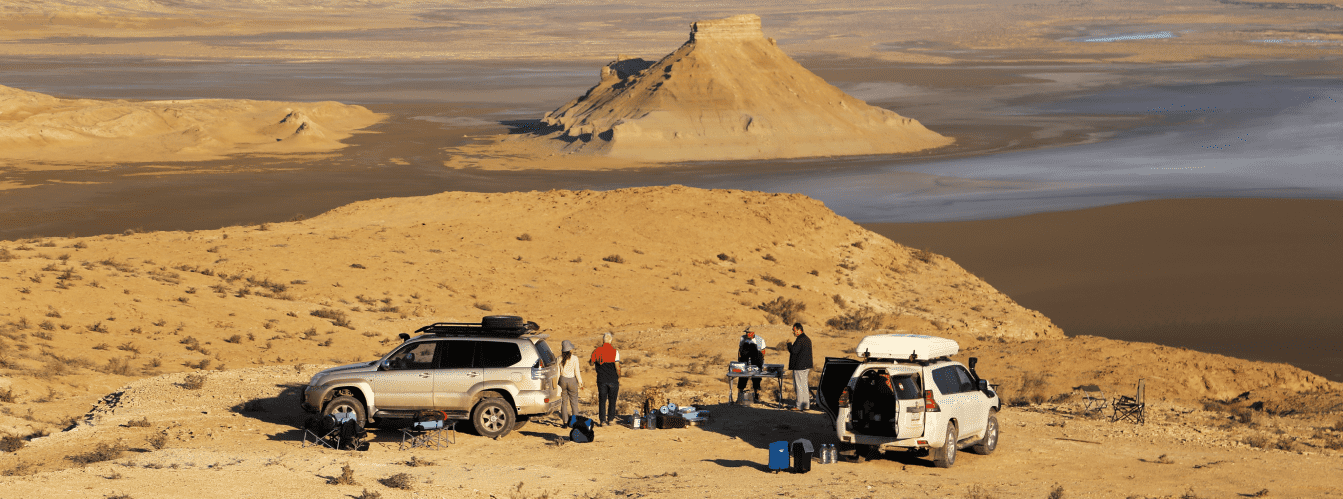
Инфраструктура на месте полностью отсутствует. Автономный лагерь можно разбить на ровном плато над чинком на безопасном отдалении от края либо у подножия на галечном берегу Каспия.
--------------------------------------------
История
Геологическая летопись образования ихнологических отпечатков уходит корнями в поздний миоцен и ранний плиоцен неогенового периода (около 10–15 миллионов лет назад). В эту эпоху обширные пространства современного Мангышлака занимало солоноватое Сарматское море, сменившееся мелководными лагунами Акчагыльского бассейна – реликтовыми остатками древнего океана Тетис.
Климат того времени был влажным и теплым, напоминая современную африканскую саванну. Вдоль пологих песчано-илистых берегов мелководных озер и лагун простирались богатые пастбища, к которым стягивались стада гиппарионов – некрупных трехпалых предков современных лошадей. По их следам шли свирепые хищники того времени – махайроды (саблезубые кошки), чьи удлиненные клыки и мощные лапы позволяли охотиться на крупную дичь.
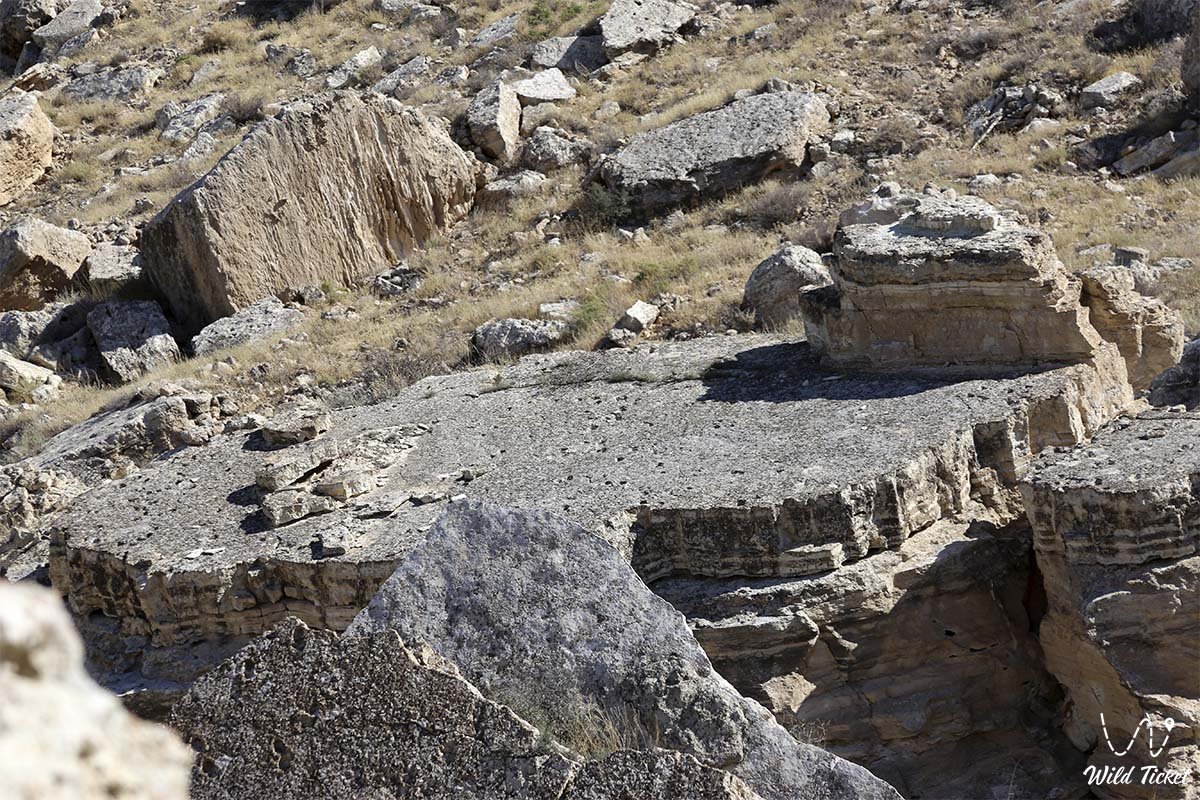
Проходя по влажному, плотному карбонатно-глинистому илу, животные оставляли глубокие следы. Под воздействием сухого ветра и солнца ил быстро засыхал и затвердевал. Очередная волна морской трансгрессии мягко накрыла этот слой новым пластом тонкозернистого песка и известкового осадка, законсервировав отпечатки на миллионы лет и превратив мягкий грунт в монолитную плиту песчанистого известняка.
В результате масштабного гравитационно-тектонического обвала берегового плато Жыгылган плиты известнякового панциря толщиной в десятки метров рухнули вниз, расколовшись на части. При расколе один из пластов обнажился именно по линии древней слоистости, открыв взору ученых застывшую поверхность неогенового берега.
Первые научные исследования плит со следами провели советские палеонтологи и геологи Академии наук Казахской ССР в 1960–1970-х годах. Открытие вызвало международный резонанс, доказав обитание богатой гиппарионовой фауны на территории современного Мангышлака в неогене.
Информация
Ихнологический комплекс Жыгылгана представляет собой выходы пластов плотного тонкослоистого ожелезненного песчаника и ракушечника, залегающего в средней части геологического разреза чинка.
На поверхности каменных плит исследователями зафиксированы десятки отпечатков:
• Следы саблезубой кошки (махайрода) – четкие круглые отпечатки четырех пальцевых подушечек, подошвенной мозоли и глубокие царапины от невтяжных когтей. Шаг зверя и глубина вдавливания свидетельствуют о плавном скрадывании добычи или неспешном шаге массивного хищника.
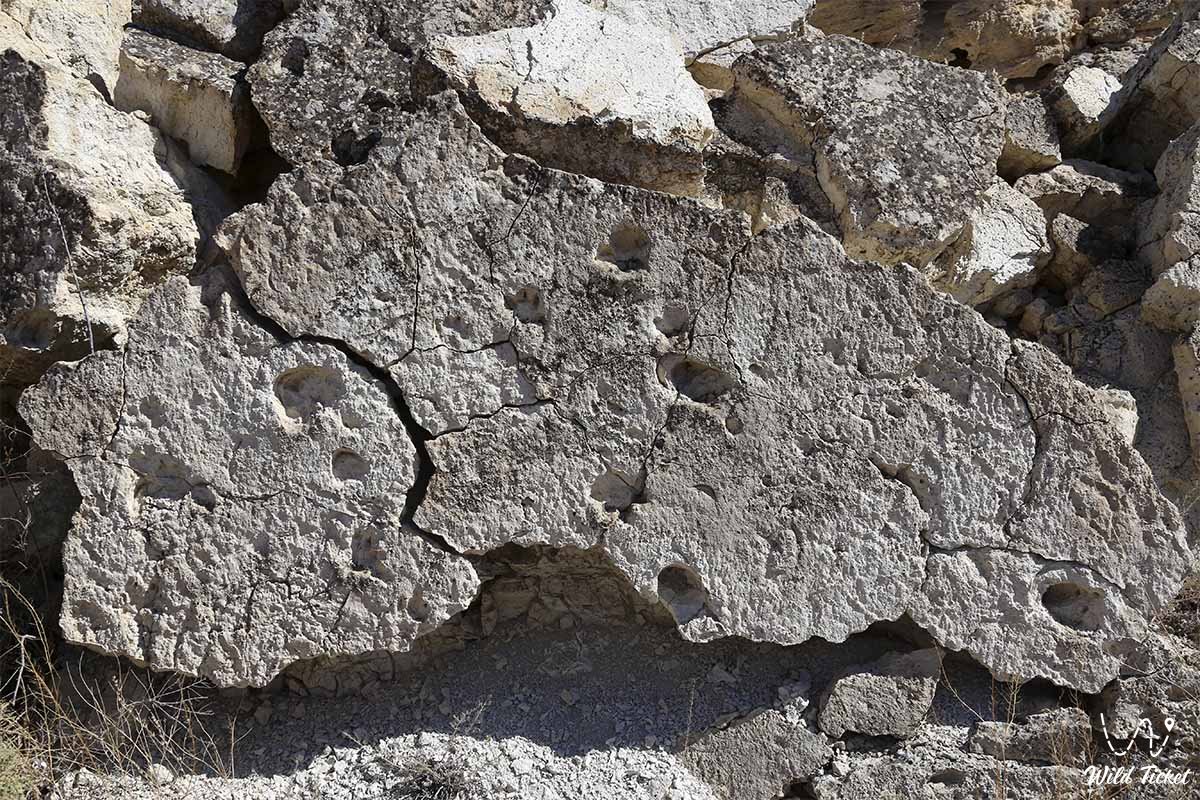
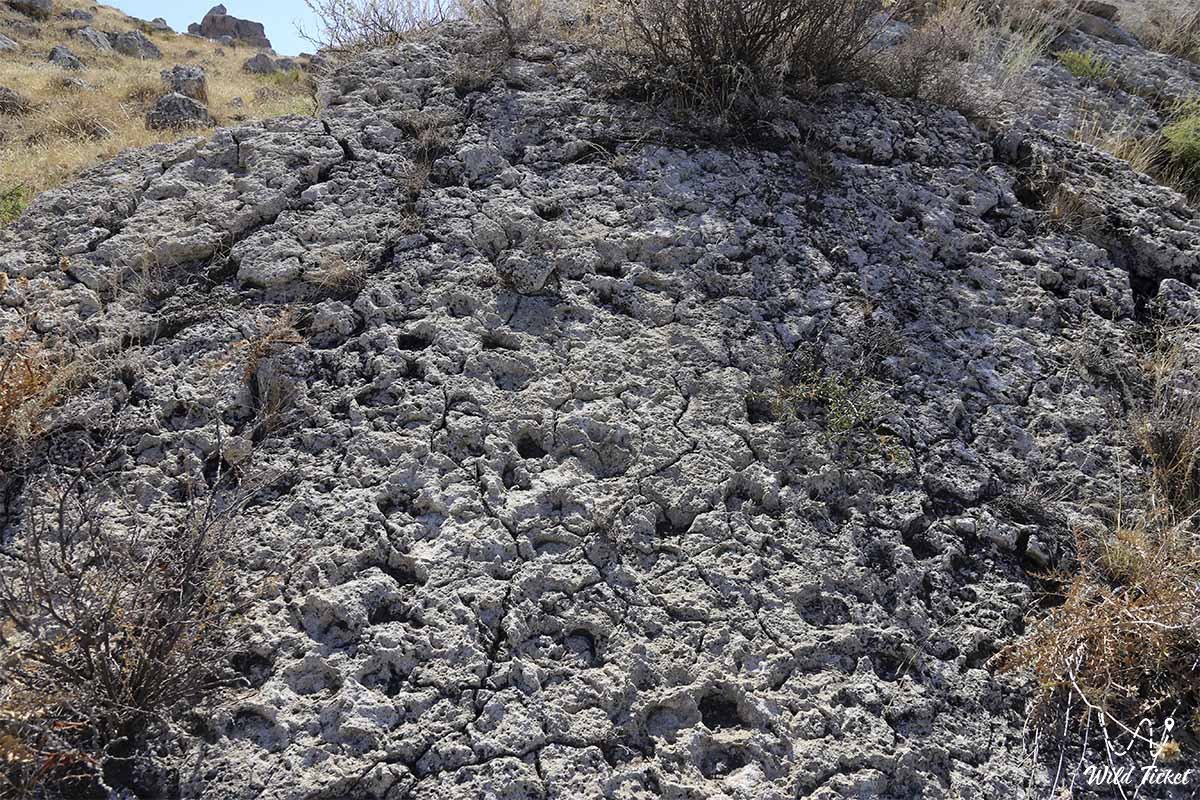
• Следы гиппарионов – отпечатки копыт трехпалых первобытных лошадей, где отчетливо выделяется центральное крупное копытце и два меньших боковых пальца, характерных для неогеновых предков лошадиных.
• Следы древних парнокопытных и антилоп – парные полукруглые отпечатки раздвоенных копыт мелких степных копытных.
В дополнение к следам на сколах плит повсеместно встречаются окаменелости морской фауны: раковины моллюсков-кардиид, отпечатки морских ежей и трубчатые ходы илоедов.
Климат в месте залегания плит сухой, экстраконтинентальный, с сильным ветровым режимом со стороны моря. Палеонтологический памятник имеет высочайшую научную ценность и находится под охраной: запрещается откалывать фрагменты породы, ходить по отпечаткам в жесткой шипованной обуви и наносить любые маркировки.
Подробное описание объекта
Ихнологическая и геологическая зона провала Жыгылган включает несколько ключевых объектов и ориентиров:
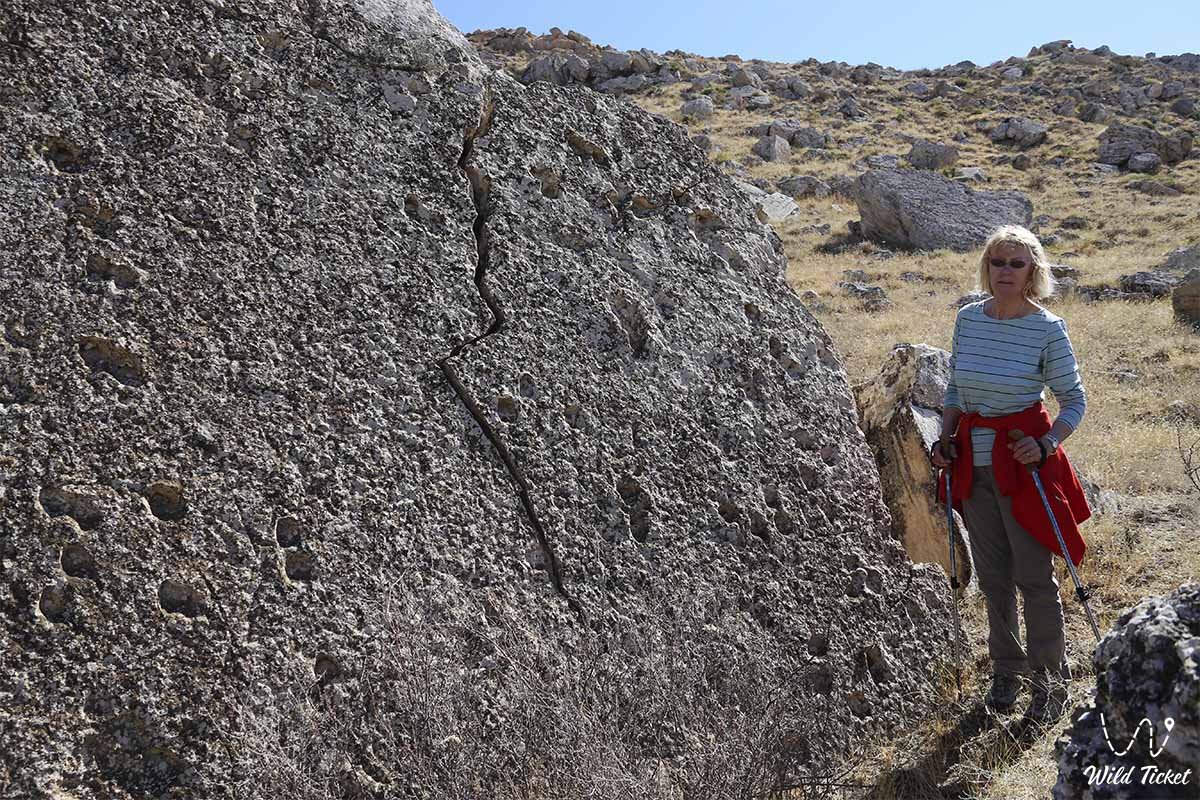
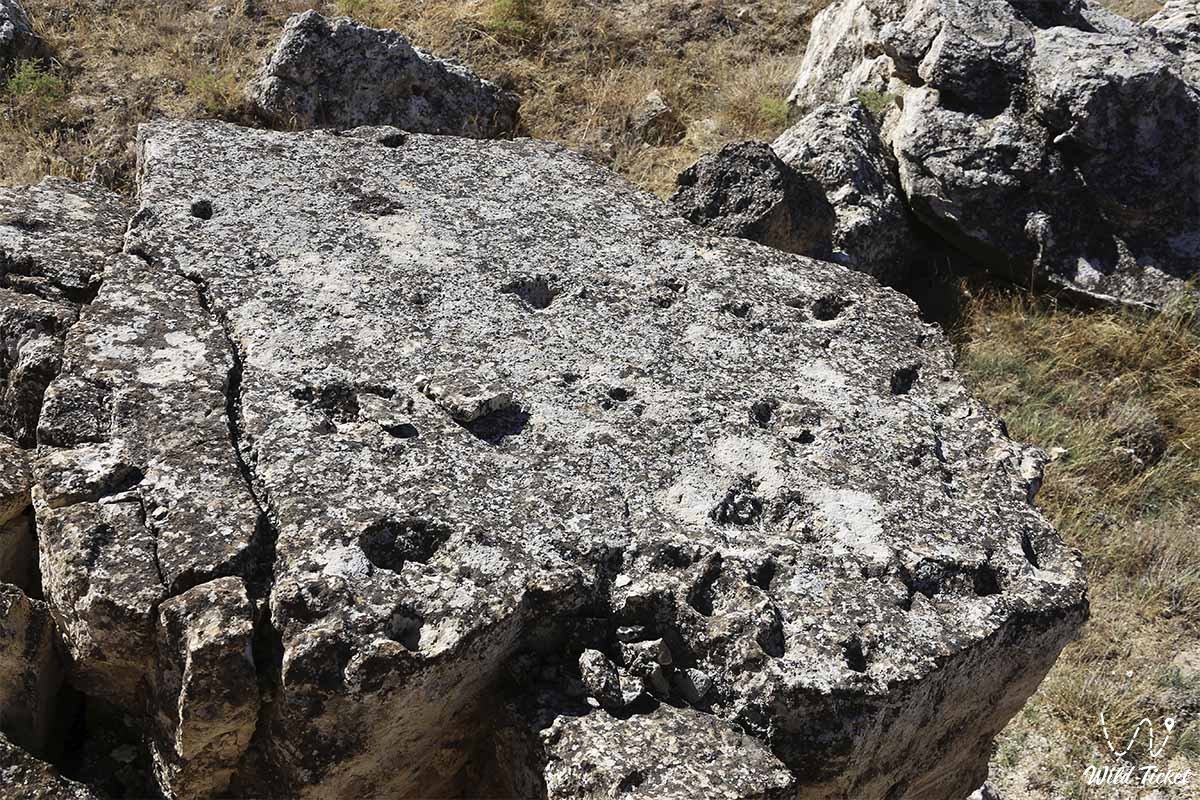
• Основная плита следов махайрода – горизонтальный плоский блок песчаника размером несколько квадратных метров, на котором прослеживается непрерывная цепочка из нескольких последовательных шагов крупного хищника.
• Участок следов гиппарионовой фауны – соседние плиты окаменевшего ила со множественными пересекающимися отпечатками копыт первобытных лошадей и копытных, шедших на водопой.
• Скальный разлом чинка – место первоначального залегания пласта, позволяющее проследить стратиграфию осадочных слоев от донных глин до верхнего известнякового бронирующего панциря.
• Озеро Куздакары (Кузебай) – соленый водоем правильной сердцевидной формы в 200 метрах от плит, служащий отличным топографическим ориентиром.
• Каменные навесы и гроты – карстовые полости под упавшими плитами рядом с палеонтологической зоной, где можно укрыться от полуденного солнца.
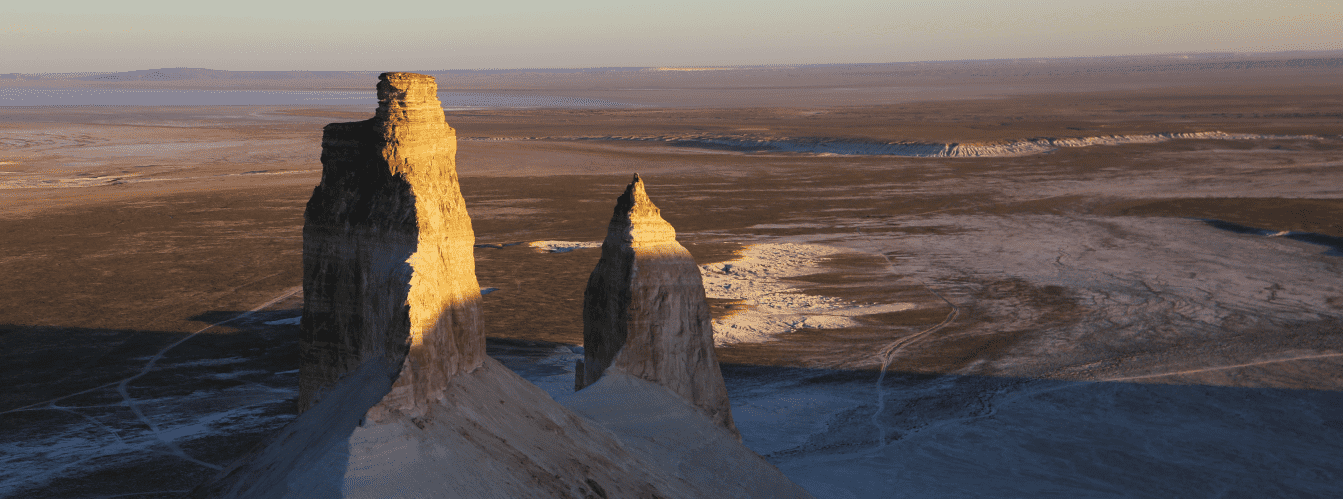
• Смотровой гребень – возвышенная каменная гряда над плитами, откуда открывается вид на всю цепочку палеонтологических обнажений на фоне моря.
Флора и фауна
Растительность вокруг плит со следами развита очагово, концентрируясь в глубоких трещинах и затененных распадках между известняковыми монолитами. В прохладных микронишах скал встречаются редкие для аридных зон папоротники, дикая перечная мята и заросли стелющихся каперсов. На открытых щебнистых участках растут засухоустойчивые полукустарники: полынь сероземная, солончаковый биюргун, боялыч, курчавка и колючий парнолистник. Вдоль песчаных наносов у берега встречаются кусты тамариска (гребенщика) и селитрянки. Весной расцветают дикие тюльпаны и карликовые пустынные ирисы.
Животный мир района представлен видами, приспособившимися к жизни среди труднопроходимого каменного лабиринта. На отвесных скалах чинка и гигантских плитах пасутся устюртские горные бараны (муфлоны), спасающиеся здесь от волков и браконьеров. В расщелинах камней селятся лисицы-корсаки, барсуки, перевязки и зайцы-толаи.
Среди пресмыкающихся обычны степная агама, быстрая ящурка, узорчатый и каспийский полозы, а также степная гадюка. На морских камнях у кромки прибоя изредка появляется краснокнижный каспийский тюлень (нерпа). В небе над провалом парят пернатые хищники – беркуты, курганники, соколы-балобаны и филины, высматривающие добычу среди каменных плит.
Легенда
С окаменевшими следами на дне Жыгылгана связана древняя мангистауская легенда о призрачной охоте духов степи. Предание гласит, что во времена сотворения мира, когда великий океан только обнажил свои соленые берега, по этой земле ступали гигантские священные барсы и огнегривые кони небожителей. Они хранили покой древней земли, оберегая тайны подводного мира.
Когда свирепые демоны подземного мира попытались захватить земную твердь, верховный барс вступил в бой с предводителем тьмы на топком берегу моря. Поединок сотрясал основы мироздания. Чтобы запечатать поверженное зло в недрах навечно, духи неба обрушили скальные своды плато прямо на берег, превратив мягкий ил вместе со следами битвы в несокрушимый гранитный камень. Кочевники верили, что застывшие следы несут в себе благословение силы и неустрашимости: воин, прикоснувшийся ладонью к отпечатку лапы древнего зверя на рассвете, обретал зоркость барса и неутомимость дикого скакуна.
Заключение
Следы древних животных в урочище Жыгылган – это поразительное материальное свидетельство доисторической жизни Земли, дошедшее до нас сквозь толщу пятнадцати миллионов лет. Контраст грандиозного каменного хаоса Упавшей земли и хрупких, детально различимых отпечатков шагов саблезубых кошек и гиппарионов рождает глубокое ощущение связи времен.
Спуск на дно провала к палеонтологическим плитам дарит путешественникам уникальный экспедиционный опыт, превращая знакомство с Мангышлаком в захватывающее путешествие вглубь геологических эпох нашей планеты.
Интересные достопримечательности рядом:
• Каспийское море в Казахстане;
• Некрополь Кенты-Баба;
• Каньон Капамсай;
• Урочище Тамшалы;
• Каньон Султан-Епе;
• Озеро Куздыкары в форме сердца;
• Каньон Меретсай;
• Урочище Ханга Баба;
• Урочище Бозжыра;
• Впадина Ащисор;
• Впадина Карагие;
• Плато Устюрт;
• Впадина Куанды.
Фотогалерея: