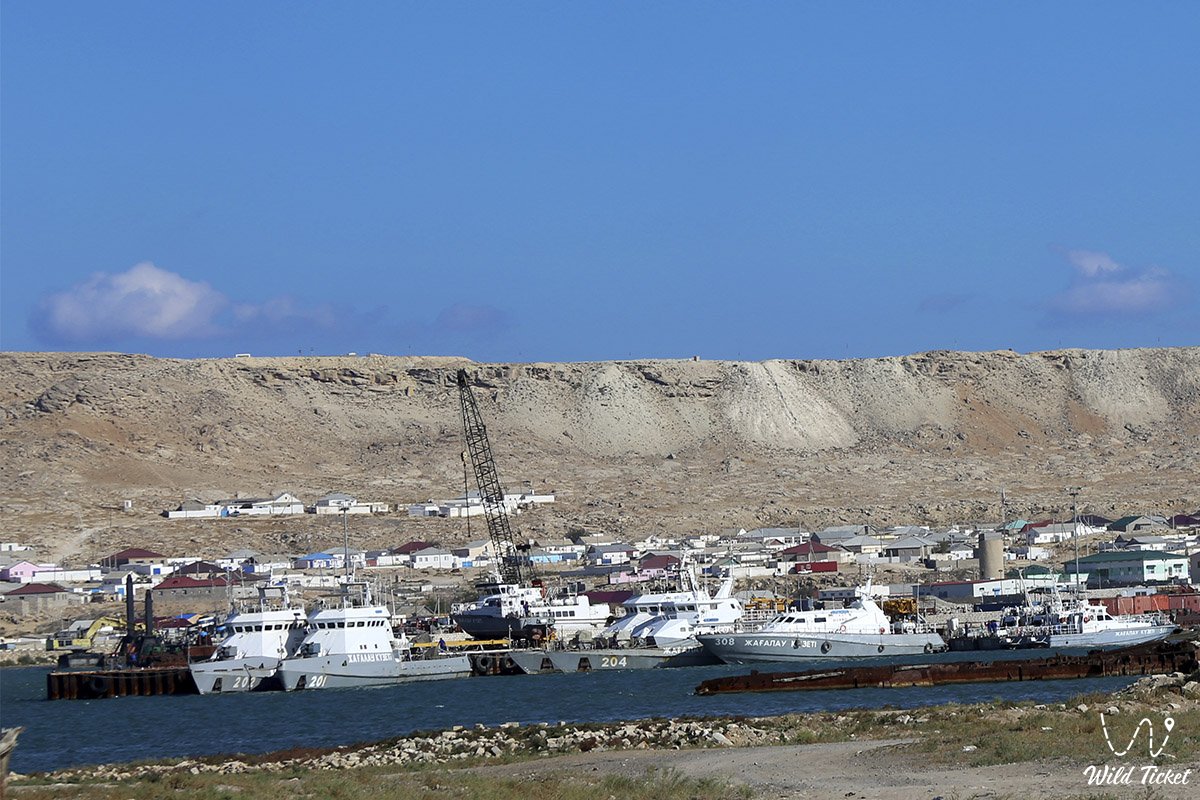
Maritime gateway of Mangyshlak with a rich historical and natural heritage –
The Tupkaragan Peninsula (in historical sources also Tyub-Karagan, Tyubkaragan) represents a prominent northwestern promontory of the Mangyshlak Peninsula, jutting deeply into the waters of the Caspian Sea within the Mangystau region. Washed from the north, west, and south by the Caspian waters, the peninsula constitutes a separate administrative-territorial unit, the Tupkaragan district. The territory of the peninsula serves as a unique geographical bridge linking the boundless expanses of the Caspian semi-desert with azure sea bays, deep erosional canyons, tectonic sinkholes, and dazzling limestone precipices.
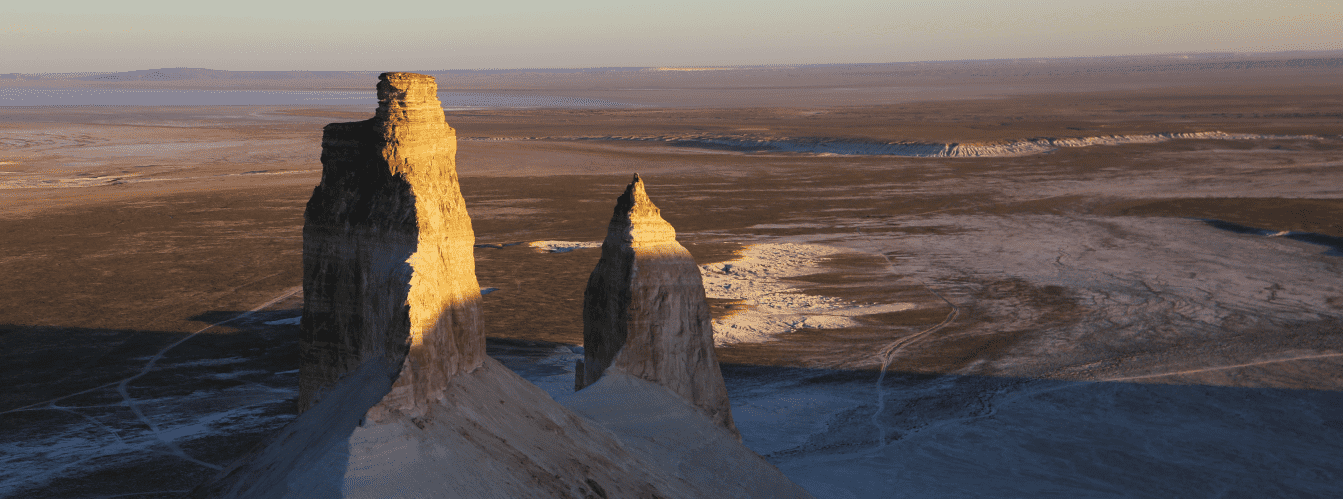
The landscape of Tupkaragan was shaped by the multi-million-year influence of the ancient Tethys Ocean and subsequent transgressions of the Caspian Sea. The northern and western facades of the peninsula are formidable white chinks and layered terraces composed of Sarmatian coquina limestones, marls, and variegated clays.
It is here that world-famous geological phenomena are located, such as the grandiose tectonic Zhygylgan sinkhole ("Fallen Land"), Kapamsay canyon with colossal chalk cornices, as well as picturesque freshwater oases Tamshaly and Saura, where crystalline springs flow directly to the seashore.
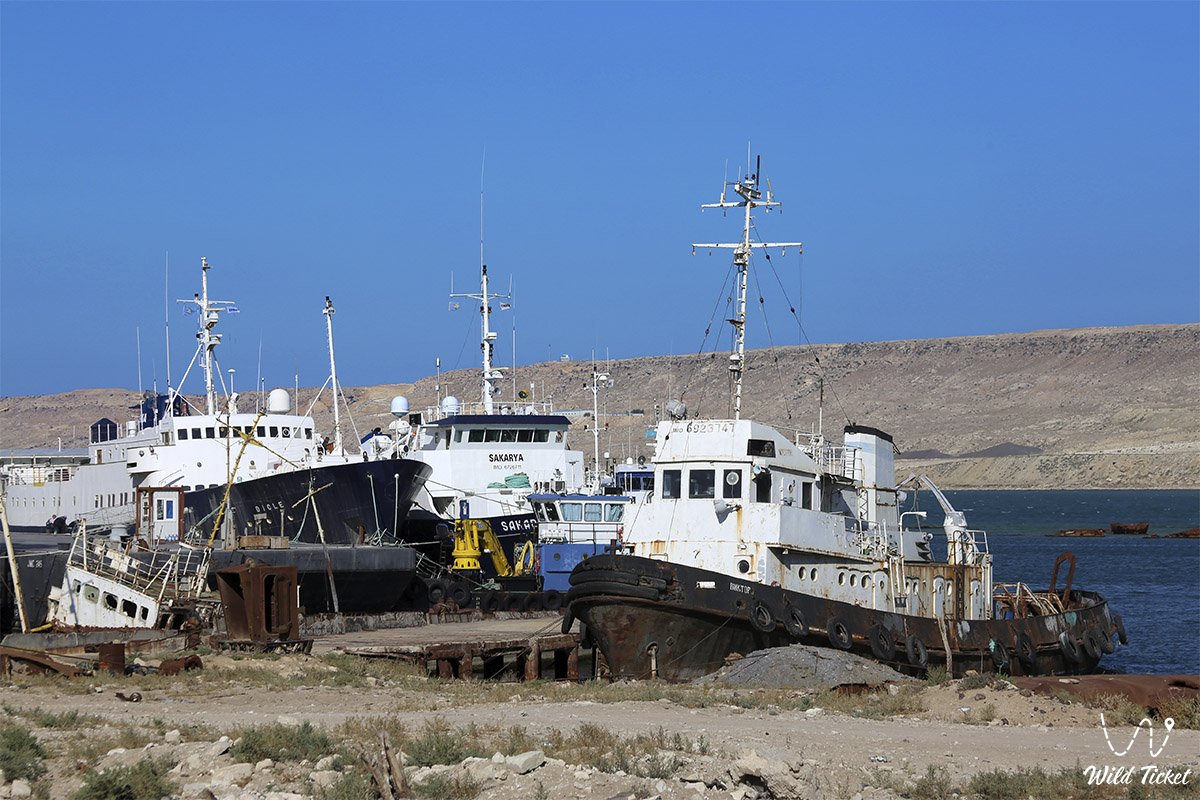
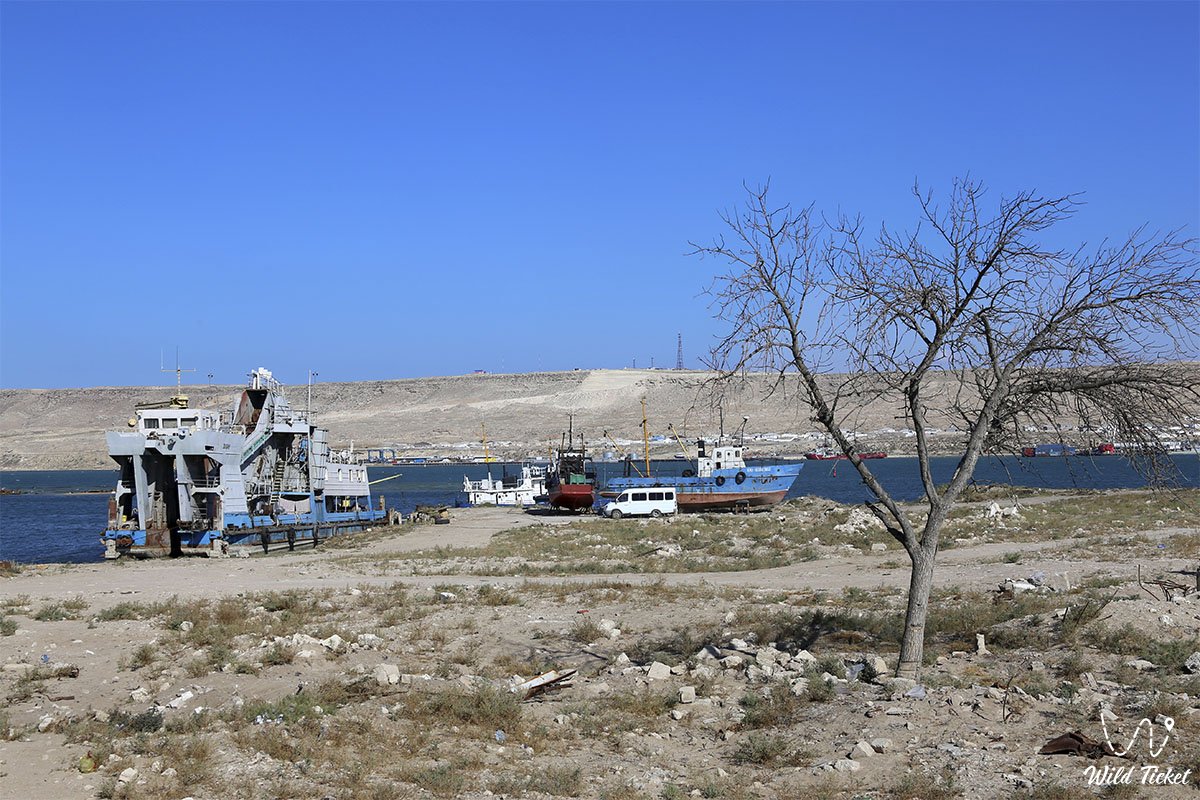
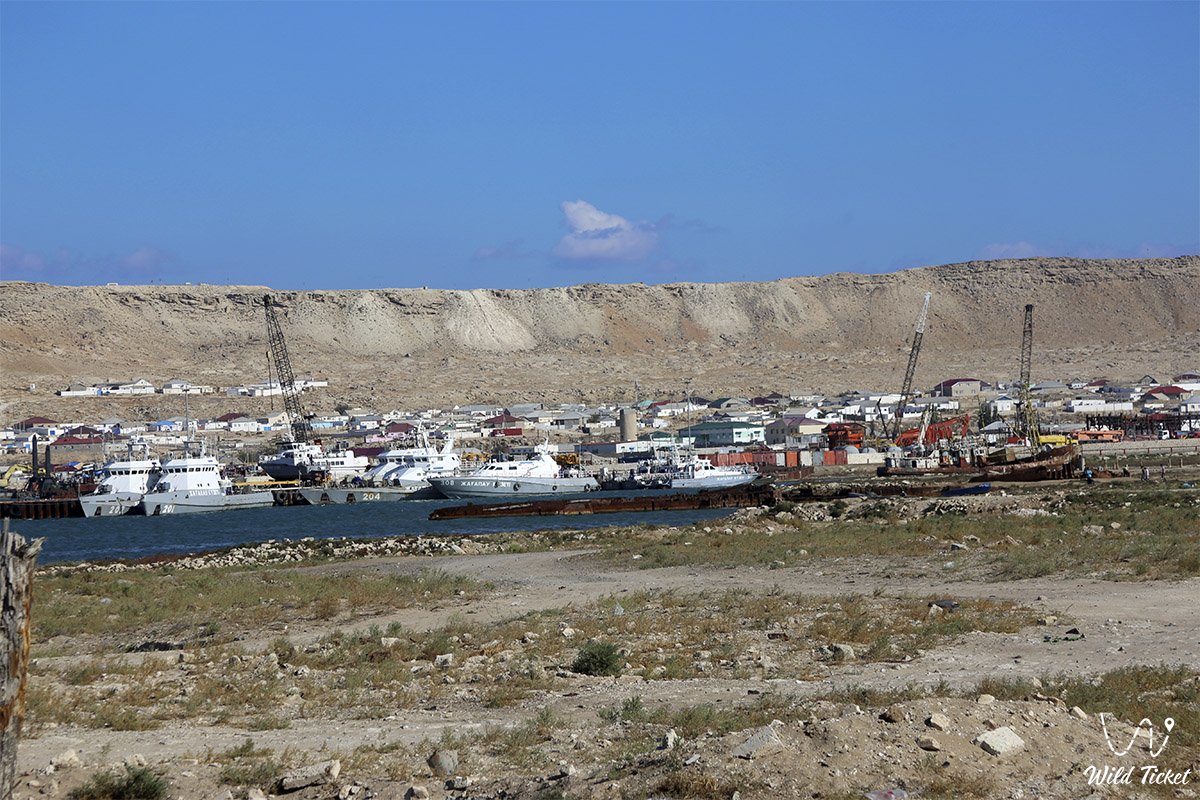
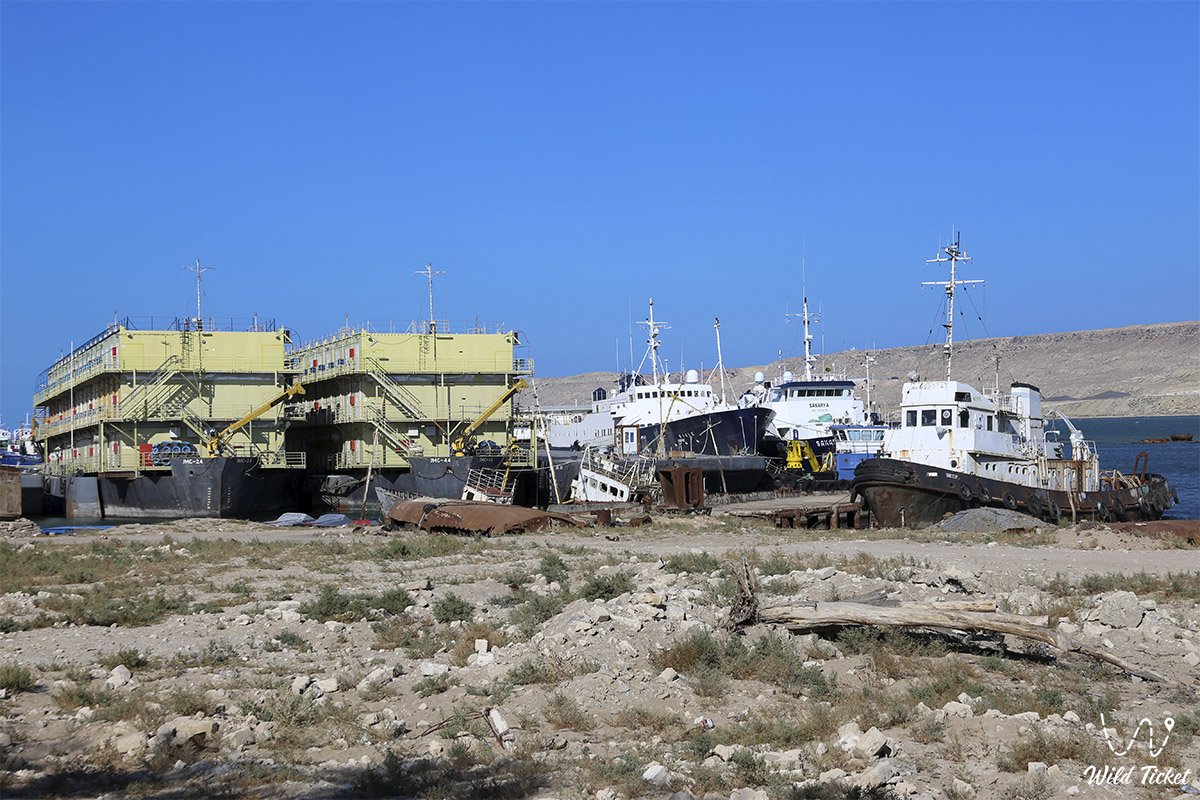
The historical and cultural significance of Tupkaragan is immense: for centuries, this peninsula served as the primary sea gateway to Mangystau. Here, maritime routes from Persia, the Volga region, and Azerbaijan converged with caravan branches of the Great Silk Road heading toward Khiva and Bukhara. Located on Tupkaragan are the oldest towns and ports of the region (Fort-Shevchenko, Bautino), medieval trade centers (Ketikkala settlement), as well as outstanding subterranean rock-hewn mosques of Kazakh Sufis and saints – Shakpak-Ata, Sultan-Epe, and Karaman-Ata.
Today, the Tupkaragan Peninsula is recognized as a key center of educational, pilgrimage, beach, and expedition tourism in Kazakhstan, offering travelers a thrilling combination of the raw maritime forces of the Caspian, ancient shrines, and otherworldly landscapes.
--------------------------------------------
How to get there and visit –
The Tupkaragan Peninsula is located northwest of the administrative center of the region – the city of Aktau in the Mangystau region, Republic of Kazakhstan. The distance from Aktau to the historical center of the peninsula – the city of Fort-Shevchenko and the port of Bautino – is approximately 140–145 kilometers along an excellent paved highway of republican significance.
GPS geographical coordinates: 44°26'28"N 50°40'56"E
The route from Aktau to Tupkaragan makes it possible to build an ideal circular expedition track. The main paved motorway passes through the villages of Akshukur and Tauchik directly to Fort-Shevchenko. To cover all attractions fully, travelers often select the northern coastal graded gravel track linking Sarytash Bay, the Shakpak-Ata and Sultan-Epe mosques, the Zhygylgan sinkhole, and Kapamsay canyon.
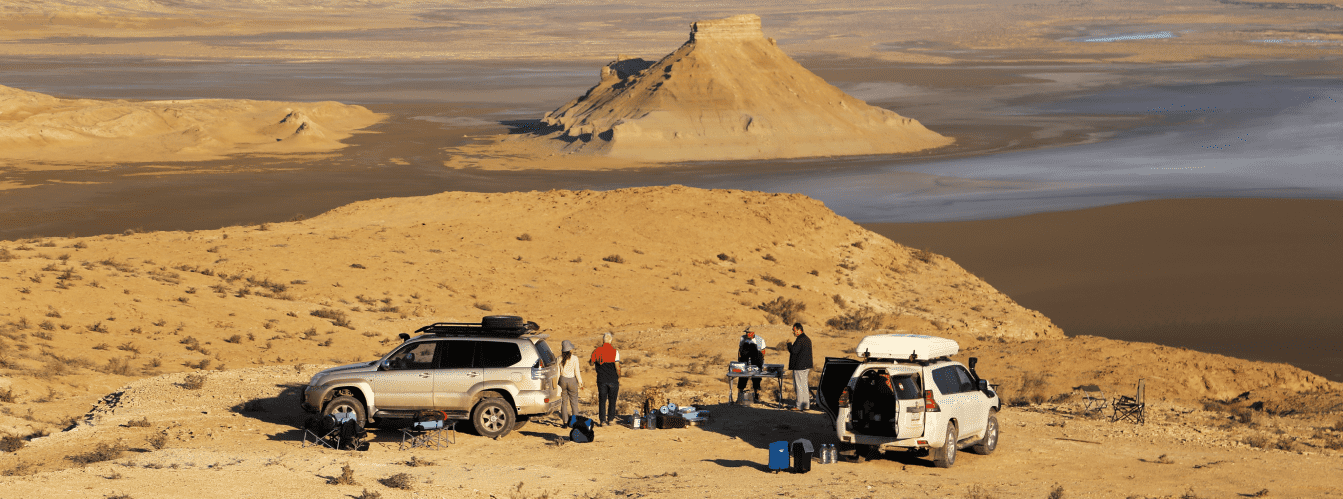
A standard passenger sedan is sufficient for driving along the central paved route to Fort-Shevchenko and Bautino. However, for a complete journey around the perimeter of the peninsula, descending into canyons, approaching the scarps of Zhygylgan, and reaching wild Caspian beaches, a prepared four-wheel-drive off-roader (4x4) with high ground clearance, sturdy tires (AT/MT), and skid plates is required, as sharp limestone stones pose a puncture hazard.
Infrastructure is well developed in Fort-Shevchenko and Bautino: hotels, guesthouses, cafes, grocery supermarkets, gas stations, and tire service shops are available. Mobile phone reception drops intermittently along the coast and deep inside the canyons; therefore, it is essential to carry a navigator with offline maps, a drinking water supply (no less than 4–5 liters per person per day), and expedition gear.
The best time to travel is spring (from mid-April to early June), when the steppe is blanketed in an emerald carpet and wild tulips bloom, as well as the velvet autumn season (September – October). In July and August, temperatures climb to +38...+42 °C; however, sea breezes make the heat milder than in the interior basins of Ustyurt, and the water in the Caspian Sea warms to comfortable temperatures for swimming.
--------------------------------------------
History
The history of the Tupkaragan Peninsula is rooted deep in millennia. Thanks to access to the sea and the presence of freshwater springs, humans settled these shores beginning in the Paleolithic and Neolithic eras. Archaeologists have discovered numerous flint workshops, Stone Age hunter camps, and Bronze Age burial kurgans across the plateau.
In the Middle Ages, Tupkaragan turned into a key strategic foothold at the crossroads of land and maritime trade arteries across Eurasia. In the 10th–13th centuries, the settlement of Kozgantas flourished here, and in the 14th century, during the peak of the Golden Horde, the major port city of Ketikkala developed on the shore of Bautino Bay – the only medieval seaport in the Kazakh steppes, receiving merchant fleets from Iran and Azerbaijan.
In the 10th–14th centuries, the peninsula became the cradle of Mangyshlak's Sufi spiritual tradition. According to tradition, missionaries of the school of Khoja Ahmed Yasawi arrived here. Renowned ascetics and thinkers – Shakpak-Ata, Sultan-Epe, Kenty-Baba – carved subterranean hermitages into the white limestone cliffs, which served concurrently as prayer halls, madrasah schools, and caravan shelters.
A new era began in the mid-19th century: in 1846, an expedition commanded by Staff Captain M. I. Ivanin founded the Novo-Petrovskoye fortification at Cape Tyub-Karagan (later Fort-Aleksandrovsky, now Fort-Shevchenko). Between 1850 and 1857, the great Ukrainian poet and artist Taras Shevchenko served a seven-year military exile here, producing dozens of watercolors, sketches, and stories dedicated to the nature and Kazakh inhabitants of Mangyshlak. Nearby arose the Cossack stanitsa of Nikolayevskaya (Bautino village), evolving into the oldest base for fishermen and the maritime fleet.
In the 20th and 21st centuries, Tupkaragan harmoniously blended the preservation of cultural monuments with industrial progress, serving as the base port hub for tapping the offshore hydrocarbon reserves of the Northern Caspian.
Information
Geomorphologically, the Tupkaragan Peninsula represents an elevated plateau-like highland terminating abruptly at the Caspian Sea in rocky scarps up to 100–150 meters high. The body of the plateau is composed of dense coquina limestones, marls, dolomites, and sandstones dating to the Neogene and Paleogene periods. Active karst, tectonic, and gravitational processes sculpted unique landforms: landslide cirques, sinkholes, and deep gorges featuring grottos and caves.
Rare groundwater discharges carry special hydrological significance. Atmospheric precipitation collects within limestone beds and emerges in canyon ravines as crystal-clear freshwater springs (Tamshaly, Saura, Sultan-Epe), nurturing relict green groves amidst desert environments.
The climate of Tupkaragan is coastal desert and moderately continental. The breath of the Caspian Sea noticeably moderates severe steppe temperature extremes: winter here is considerably milder than on the Ustyurt Plateau (average January temperature -1...-4 °C), while summer heat is tempered by steady sea breezes. Annual precipitation amounts to 130–160 mm. The wind regime is distinguished by high activity: fresh sea winds blow almost continuously.
The ecological system of the peninsula requires increased protection: limestone chinks and the fragile soil layer are easily damaged by vehicle tracks, while unique rock-hewn mosques require ongoing humidity monitoring and the stabilization of stone vaults.
Detailed description of the venue
The landscape and memorial complex of the Tupkaragan Peninsula encompasses a constellation of world-famous natural and historic sites:
• Zhygylgan Sinkhole ("Fallen Land") – a grandiose geological landslide along the northern coast of the peninsula. A colossal plateau massif covering several square kilometers plunged down toward the sea, creating a chaos of cyclopean limestone slabs, stone labyrinths, and towers. Preserved upon the slabs of Zhygylgan are petrified footprints of saber-toothed cats (Machairodus) and three-toed horse ancestors (Hipparion), left millions of years ago.
• Shakpak-Ata Underground Mosque (10th–13th centuries) – a unique rock-cut temple carved entirely from the rock of a white chalk mountain. The mosque features a cruciform plan, elegant columns, a central domed light drum, and walls adorned with ancient petroglyphs: depictions of open palms (a Sufi emblem of faith), horses, wolves, and Arabic inscriptions.
• Sultan-Epe Underground Mosque and Necropolis – a sacred architectural ensemble within a scenic canyon, venerated as the retreat of the protector of seafarers and those imperiled upon the waters. A well offering sweet, healing water flows nearby.
• Kapamsay Canyon – a majestic deep gorge flanked by snow-white vertical walls of chalk and limestone. Cyclopean stone overhangs project deep inside the canyon, sheltering groves of green trees, where Stone Age flint workshops once operated in ancient times.
• Tamshaly Oasis – a picturesque semicircular rock amphitheater along whose mossy stone ledges thousands of crystal drops seep ("tamshy" – drop), forming a freshwater cascade feeding a lake and thickets of wild mint, willow, and blackberry.
• Saura Canyon and Lake – a relict green oasis with a grove of century-old spreading willows and a freshwater pond at the bottom of a rock cul-de-sac, home to an isolated population of relict European pond turtles.
• Cape Tyub-Karagan and Tyubkaragan Lighthouse – the extreme northwestern rocky point of the peninsula featuring active historic 19th-century lighthouses guiding ships across the Caspian Sea. • Medieval settlement of Ketikkala – the sole 14th-century Golden Horde coastal port city across the Kazakh steppes, nestled on the shores of Bautino Bay.
• City of Fort-Shevchenko and Bautino Village – a historical urban ensemble featuring 19th-century white-stone architecture, an Armenian chapel, old Cossack homes, and the T. G. Shevchenko Memorial Complex with a garden planted by the poet during his exile.
Flora and fauna
The plant world of Tupkaragan is complex, combining coastal semi-desert species with the unique flora of spring-fed oases. Lerche's wormwood, biyurgun, itsegek, Caspian saltwort, boyalych, and prickly camelthorn dominate the stony plateaus. In spring, the plateau revives with emerald grasses, wild tulips, irises, and wild onions. In canyons and spring-fed tracts, relict trees thrive luxuriantly: willow, mulberry, hawthorn, tamarisk bushes, and thickets of wild mint and reed.
The animal world is rich and diverse. The Ustyurt mouflon (mountain sheep) lives on coastal chinks and in rocky gorges, leaping masterfully across steep ledges. Corsac foxes, wolves, badgers, steppe polecats, tolai hares, and hedgehogs inhabit the plateau. The reptile world is represented by the Central Asian tortoise, patterned runner, arrow snake, and in the freshwater Lake Saura – the rare European pond turtle.
Valuable commercial fish (sturgeon, beluga, stellate sturgeon, pike perch, Caspian roach, mullet) live in the Caspian Sea waters encircling Tupkaragan. During cold seasons, Caspian seals haul out onto coastal sandbars and rocky capes. Birds of prey patrol the peninsula's skies: golden eagles, saker falcons, steppe eagles, and long-legged buzzards, while mute swans, Caspian gulls, pelicans, herons, and waders nest and rest along sea inlets and bays.
Legend
An ancient Sufi legend about Saint Sultan-Epe, son of the prominent mystic poet Suleiman Bakyrgani (Hakim-Ata), is associated with the Tupkaragan Peninsula. Tradition recounts that from an early age, the youth possessed the gift of coming to the aid of those in peril upon the water. One day, a violent tempest struck the Caspian Sea, threatening to sink the ships of merchants and fishermen. The seafarers cried out to heaven for mercy.
At that very moment, the radiant figure of Sultan-Epe appeared above the roaring waves: he stretched his hands over the deep, stilled the storm swells, and guided the vessels into peaceful Bautino Bay. Ever since, Kazakhs and seafarers of all tribes venerate Saint Sultan-Epe as the steadfast guardian and protector of the Caspian Sea. It is also told that through his prayer, a healing spring welled up in the dry canyon, offering strength to every traveler of pure heart.
Conclusion
The Tupkaragan Peninsula is a treasure chest of the Mangystau land, harmoniously uniting the rugged beauty of the Caspian Sea, dizzying precipices of ancient chinks, and the sacred memory of ancestors. Here, every bend of the trail reveals a new masterpiece: from the cyclopean stone ruins of Zhygylgan to the snow-white filigree domes of the Shakpak-Ata mosque.
A journey across Tupkaragan is a true expedition in the footsteps of pioneers, Sufi sages, and maritime caravans, offering the freshness of the Caspian wind, the thrill of discovery, and the incomparable tranquility of age-old canyons.
Interesting sights nearby:
• Ketikkala Settlement (14th century);
• Sarytash Bay and Beaches;
• Kenty-Baba Necropolis and Underground Mosque;
• Ancient Koshkar-Ata Necropolis;
• Saura Gorge;
• Tamshaly Oasis and Canyon with Weeping Cliffs and Waterfall;
• Sultan-Epe Underground Mosque and Necropolis;
• Shakpak-Ata Underground Mosque (10th–13th centuries);
• Zhygylgan Sinkhole and Tract ("Fallen Land" with traces of prehistoric animals);
• Cape Bagarzhik;
• Cape Tyubkaragan and Upper Tyubkaragan Lighthouse;
• Bautino Village and Oldest Seaport;
• Caspian Sea and Its Picturesque Coastline.
Photogallery: