Gateway to the sea and the new life of the Aral Sea region -
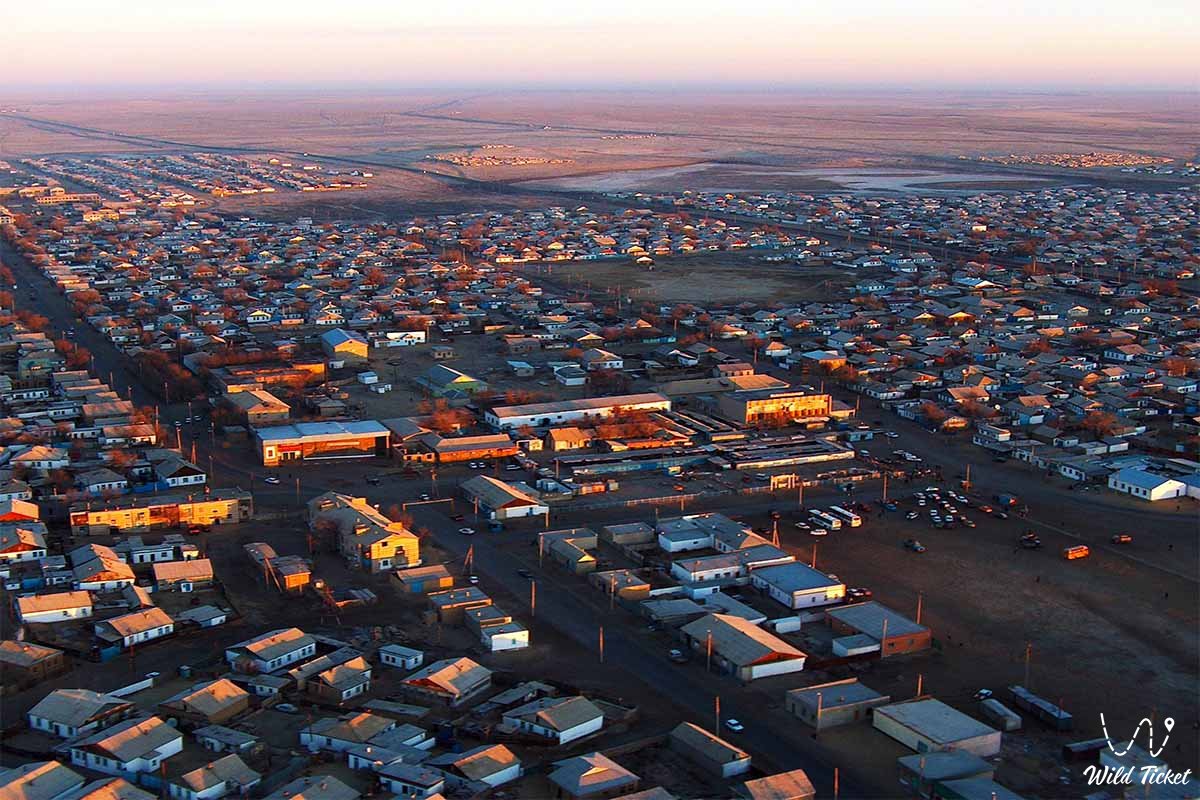
Aralsk is a city in the Kyzylorda region of Kazakhstan, serving as the administrative center of the Aral district. Located on a hilly plain near the northern part of the former Aral Sea, it has a population of about 35 thousand residents. Historically formed as a major port and fishing industry hub, today Aralsk is known as a key starting point for journeys to the waters of the North Small Aral Sea and the unique landmarks of the region.
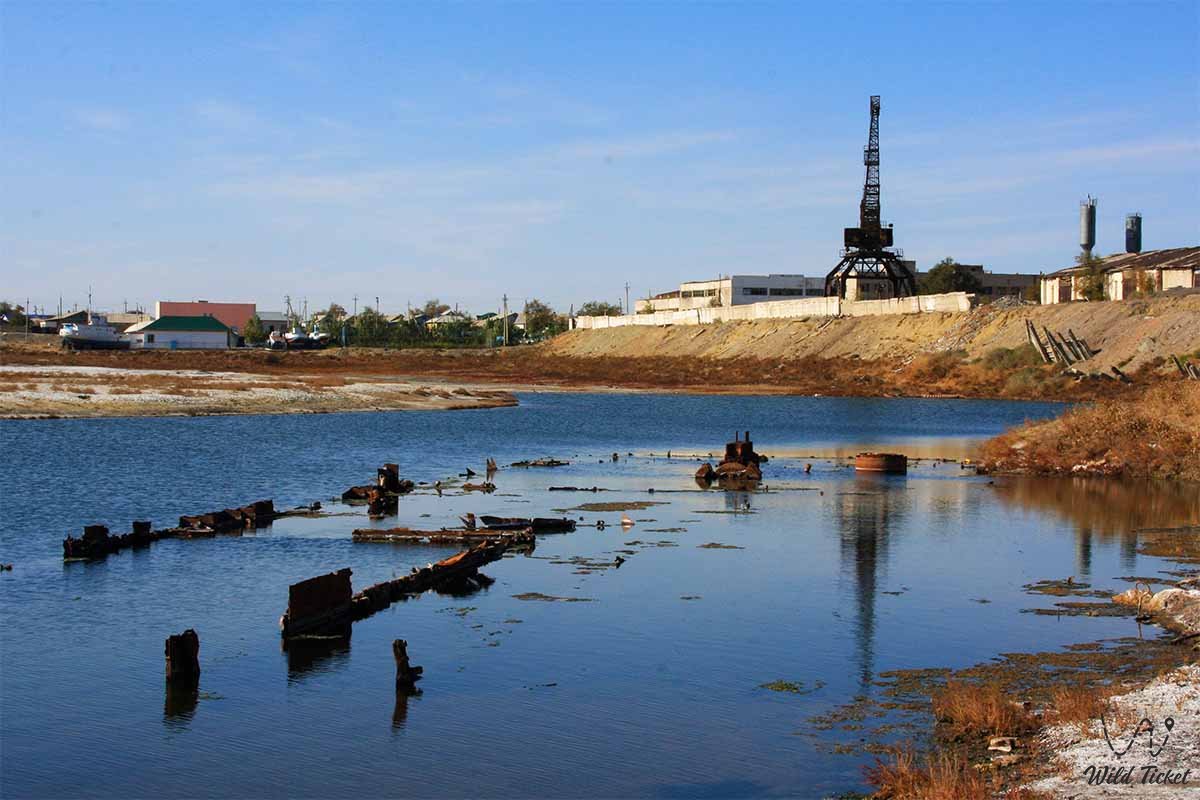
For a long time, the economy and social life of Aralsk were inextricably linked with the water element. As a result of the catastrophic shrinking of the Aral Sea that began in 1960, the city of Aralsk was left without access to the sea. From the city, one can travel to the Kerderi Mausoleum through Karateren village and visit the Barsakelmes Nature Reserve along the way.
The geographical position of the city determined its landscape and climatic features: a sharply continental arid climate prevails here with very hot summers, when the air temperature can exceed 40°C, and cold, windy winters with stable frosts and a deficit of precipitation. The famous Lake Kambash (Kamystybas) is located near the city.
The territory around the city is a gently rolling plain dominated by desert and semi-desert vegetation, where takyrs and sands fixed by semi-shrubs are found. The most popular route from the city to the waters of the Small Aral Sea passes through the fishing village of Tastubek and further goes to Akespe village, where the hot Istyk-Su geothermal water spring is located.
---------------------------------------------
How to get there and visit -
The city of Aralsk is located in the northeastern part of the Aral Sea within the large Saryshyganak Gulf area, in the desert belt, Aral district, Kyzylorda region, Republic of Kazakhstan. A double-track electrified railway line passes through the city (Aral'skoe More station), and the M-32 Samara – Shymkent main highway runs 2 km north of it.
GPS geographical coordinates: 46°48'10"N 61°39'47"E
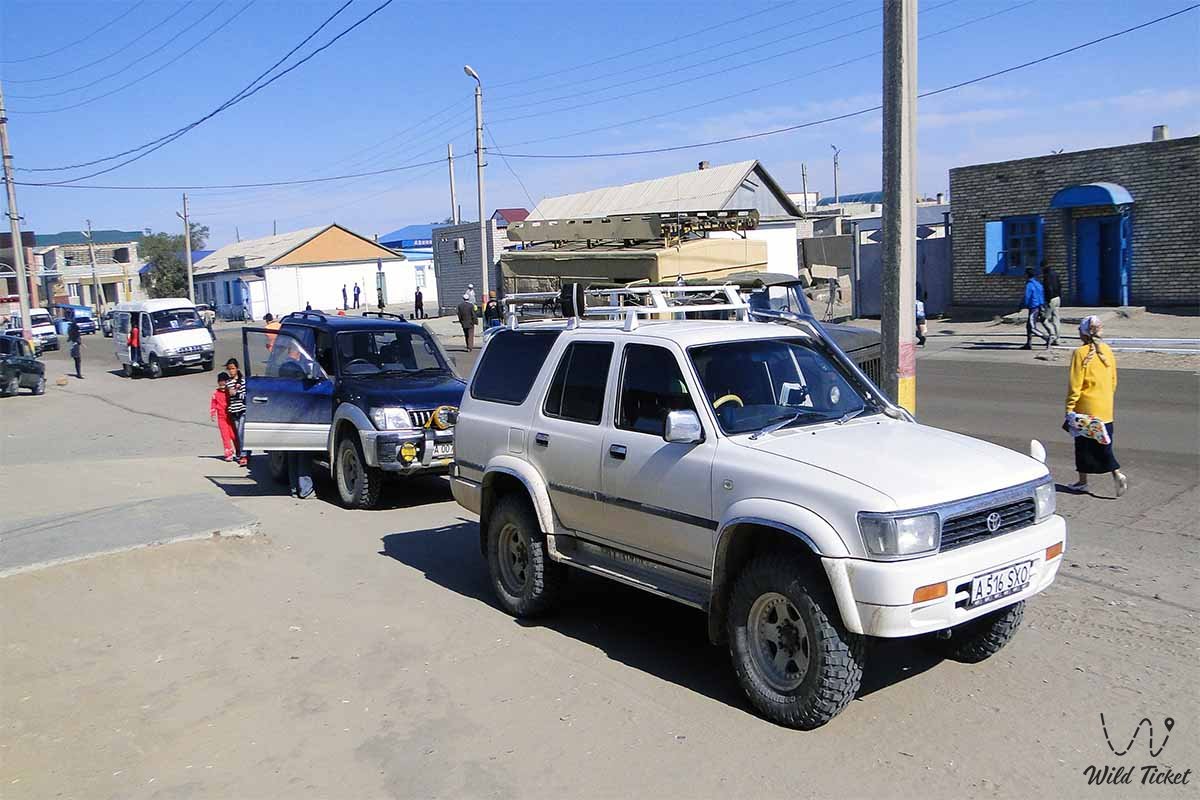
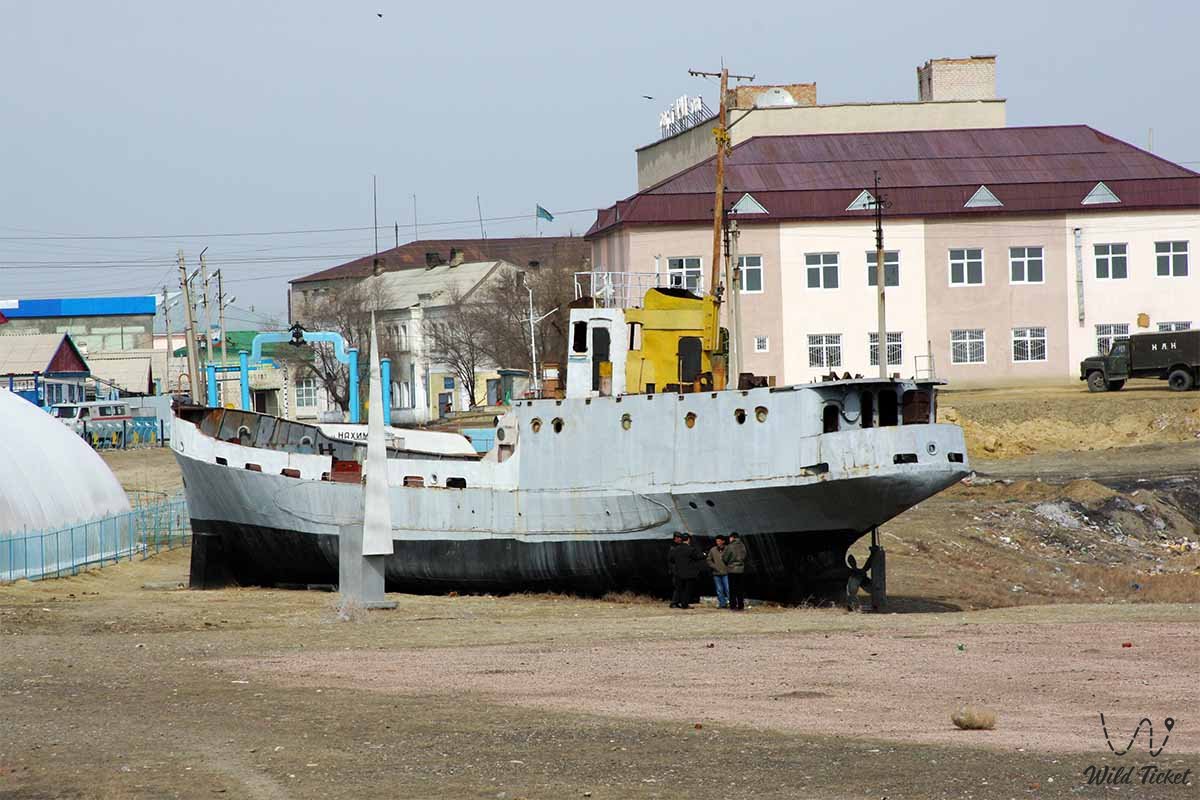
It is convenient to get to Aralsk by train or car. The city serves as a logistical base for trips to coastal villages, to the famous "ship graveyard", to Karateren village, and to the territory of the Aral geopark.
---------------------------------------------
History
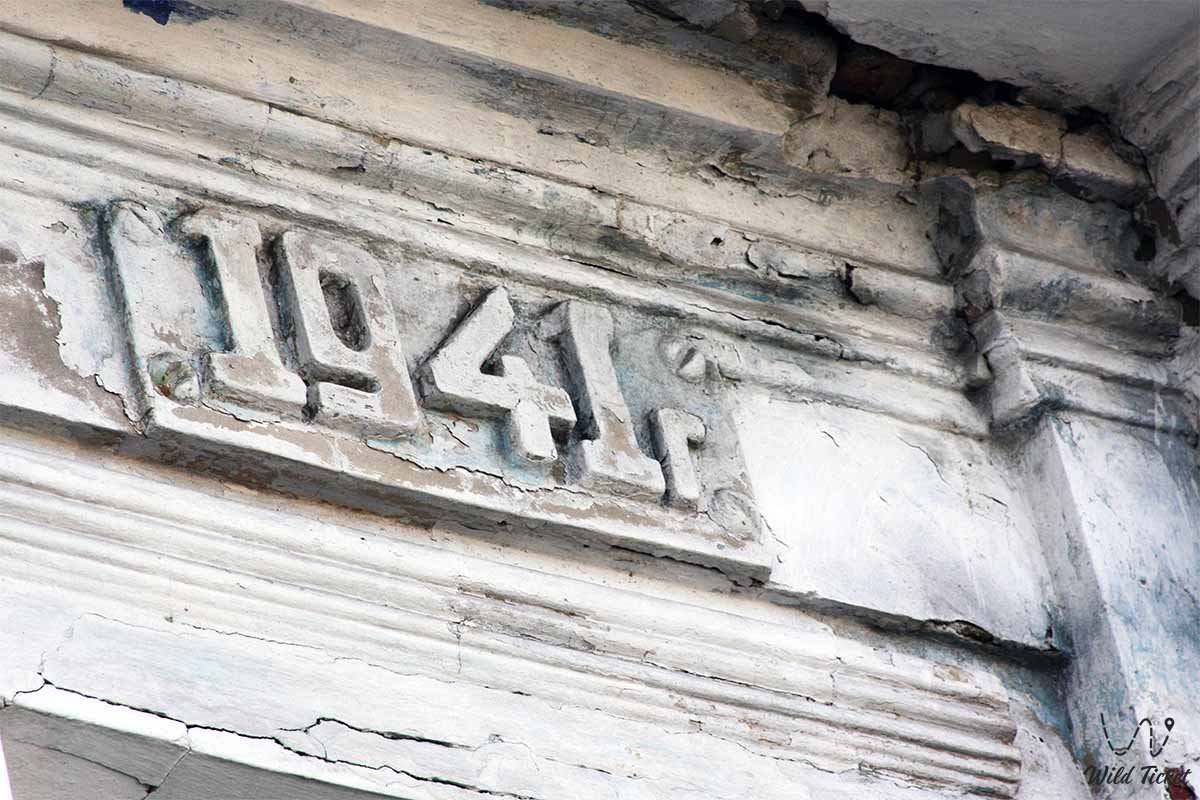
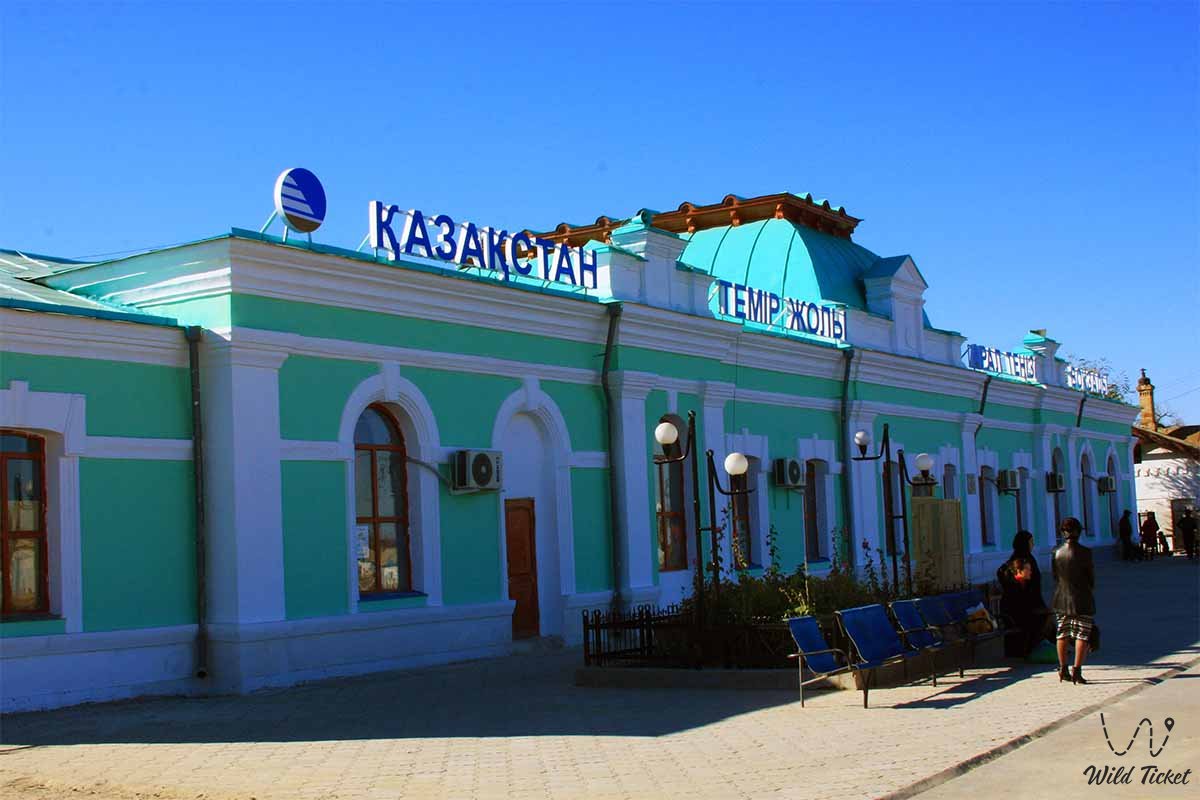
The origins of the city date back to the beginning of the XIX century, when near present-day Aralsk, the Alty-Kuduk (Six Wells) aul existed since 1817, which has now turned into a railway siding on the southern outskirts. The intensive development of the settlement began at the turn of the century (1899–1905) during the exploration and laying of the Orenburg–Tashkent railway, and the official countdown of the city's history is kept from the construction of the station building and the "Aral'skoe More" station in 1905. During the same period, Russian merchants Lapshin, Ritkin, Krasilnikov, and Makeev founded the "Khiva" joint-stock company, laying the foundation for industrial fishing and the creation of ship workshops.
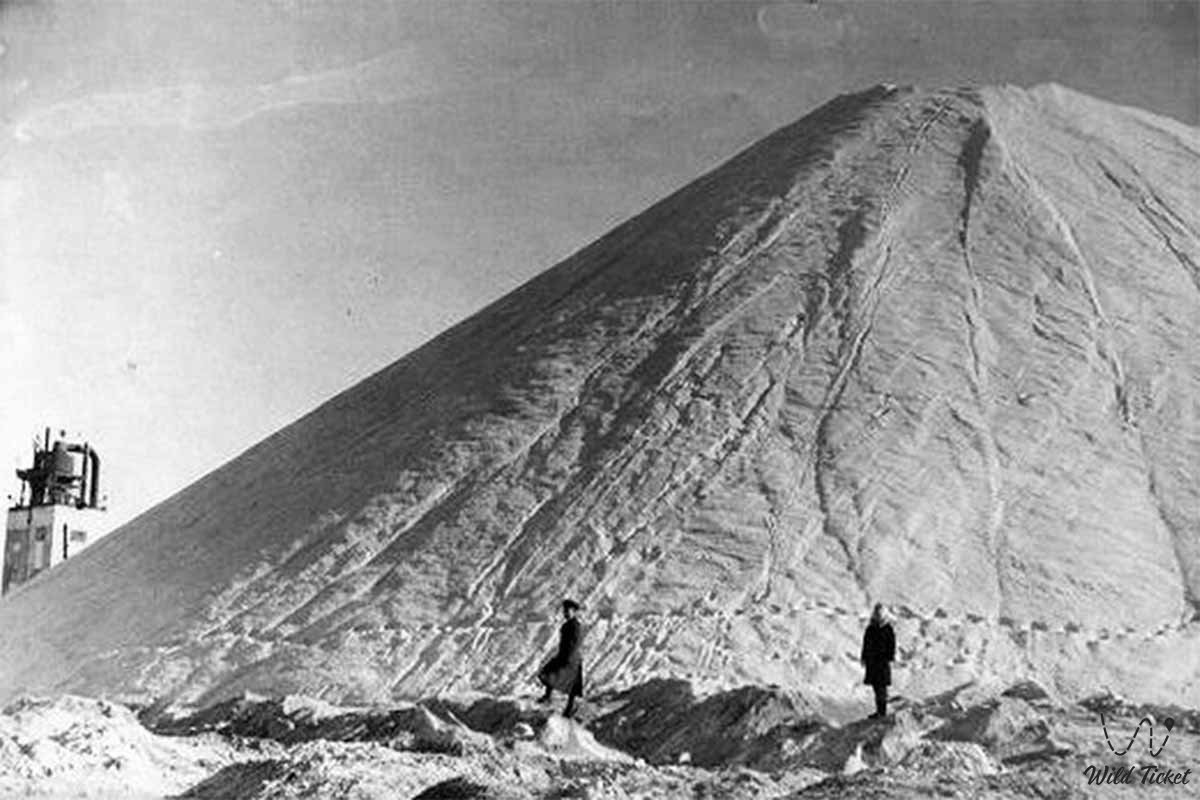
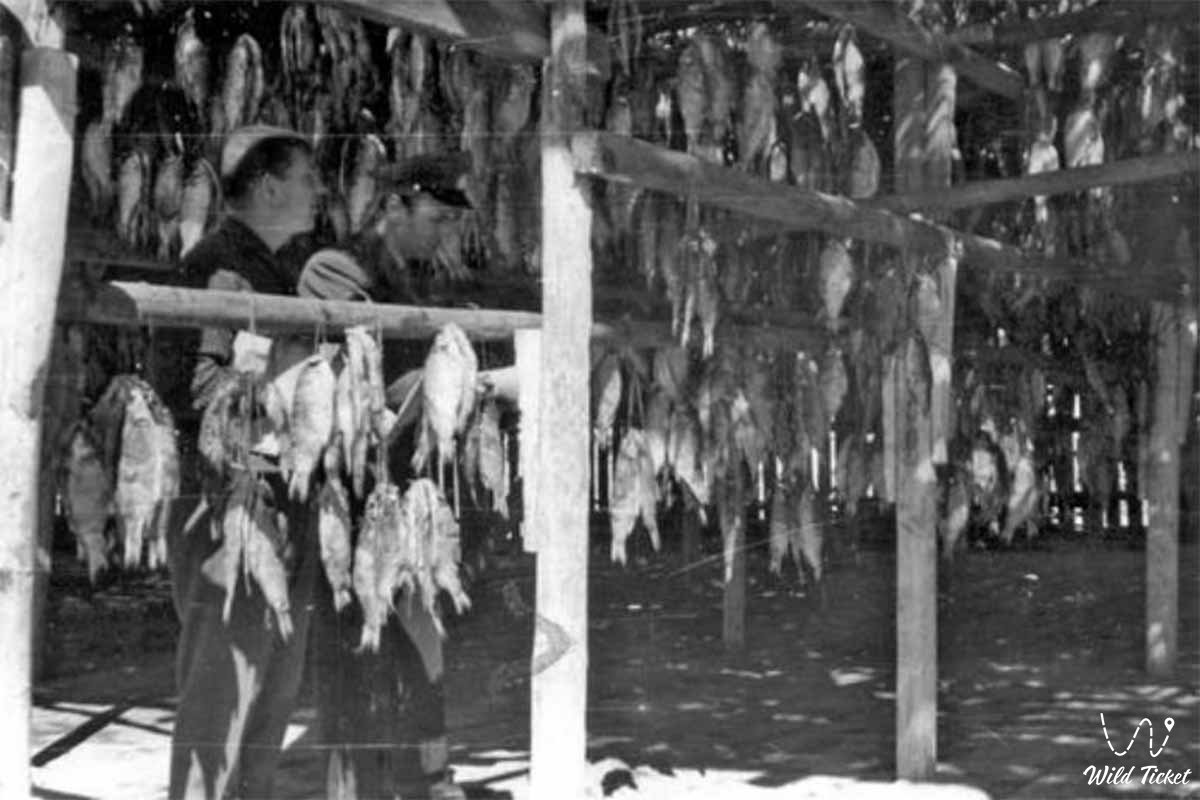
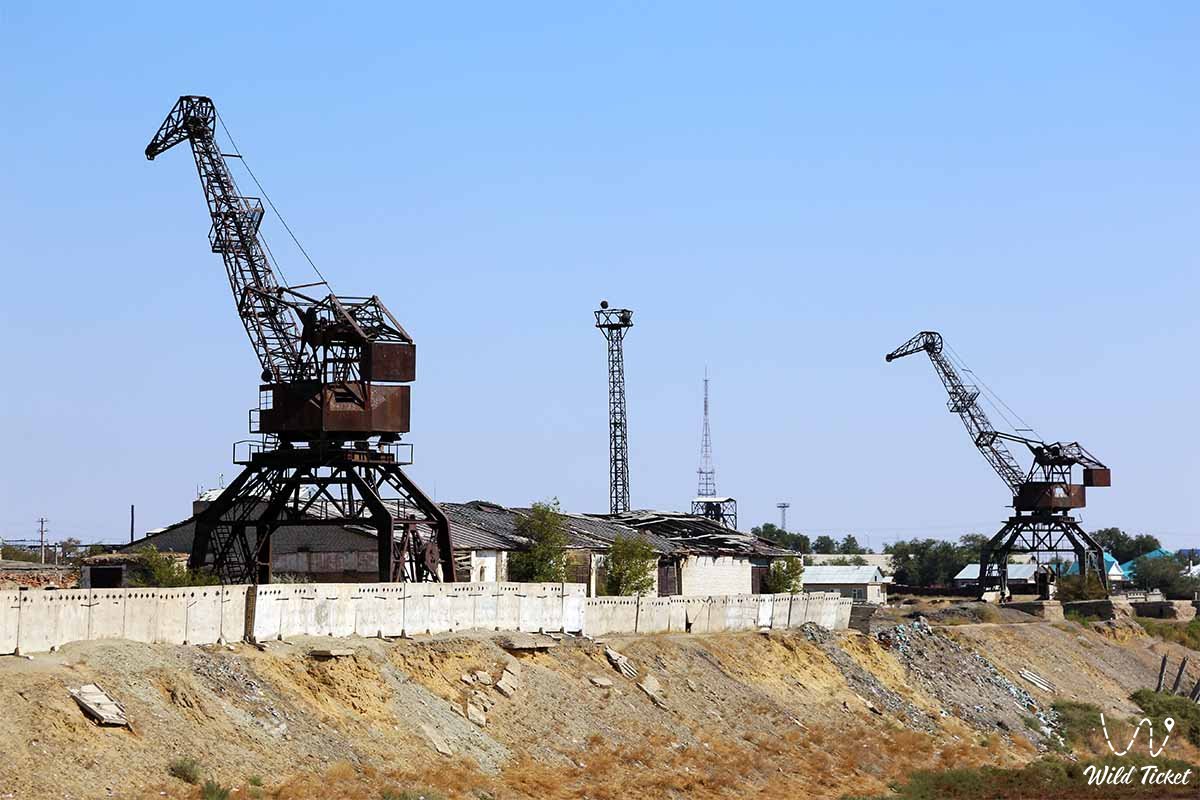
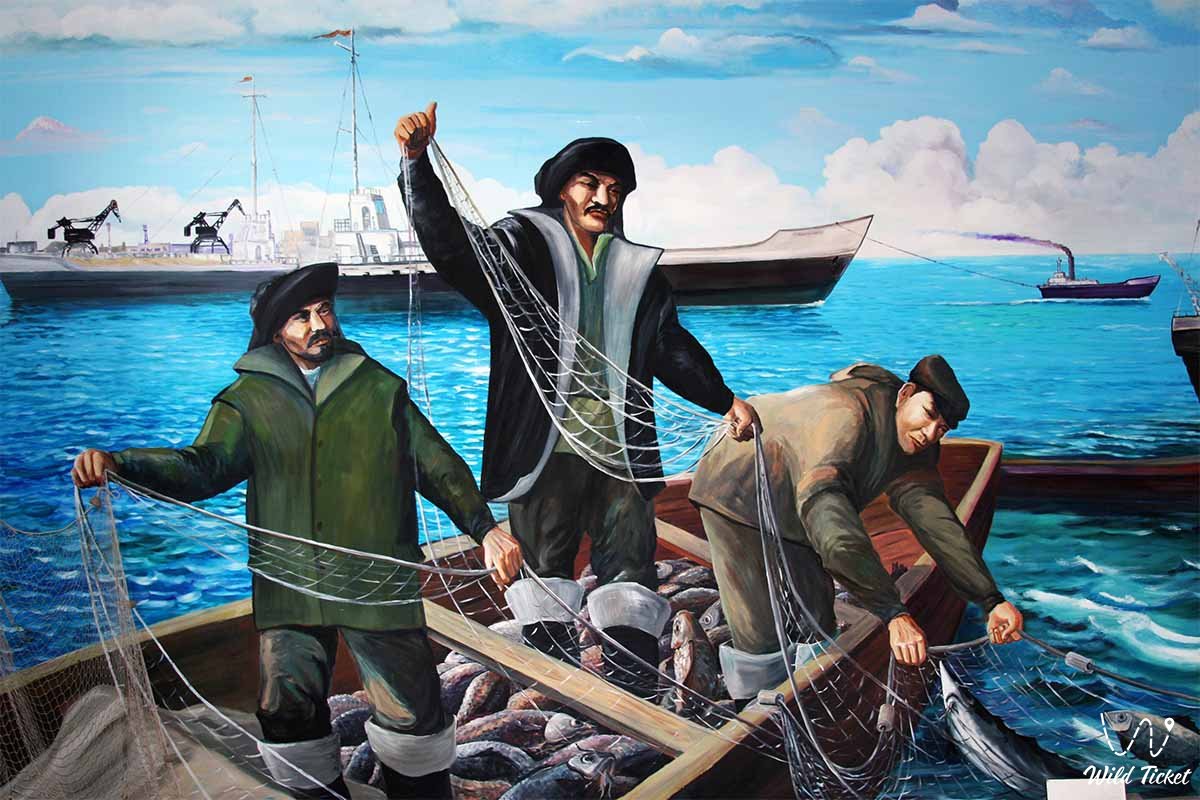
In Soviet times, Aralsk turned into a powerful industrial center of union significance. A ship repair plant, the "Aralrybprom" association, which processed a significant part of the country's catch, as well as enterprises for salt extraction and the production of pumping equipment operated here.
In 1921, the leader of the October Revolution, V. I. Lenin (V. Ulyanov), sent a famous appeal-letter to the fishermen with a request to provide assistance to the population suffering from famine due to drought in the Volga region and central regions of Russia. In response to this appeal, the fishermen of the Aral Sea sent 14 wagons of fish to Russia. The leader of the Bolshevik party, V. I. Lenin, highly appreciated this noble deed and sent a lathe as a gift to the fishermen.
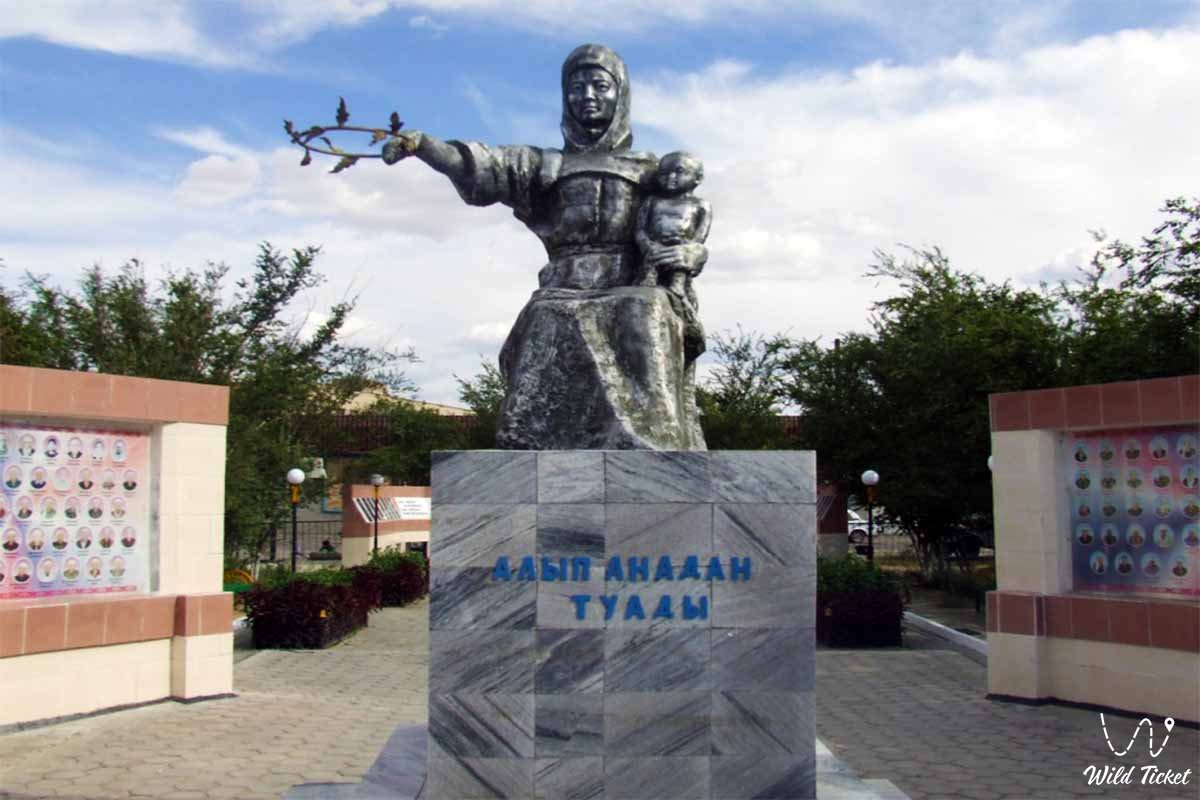
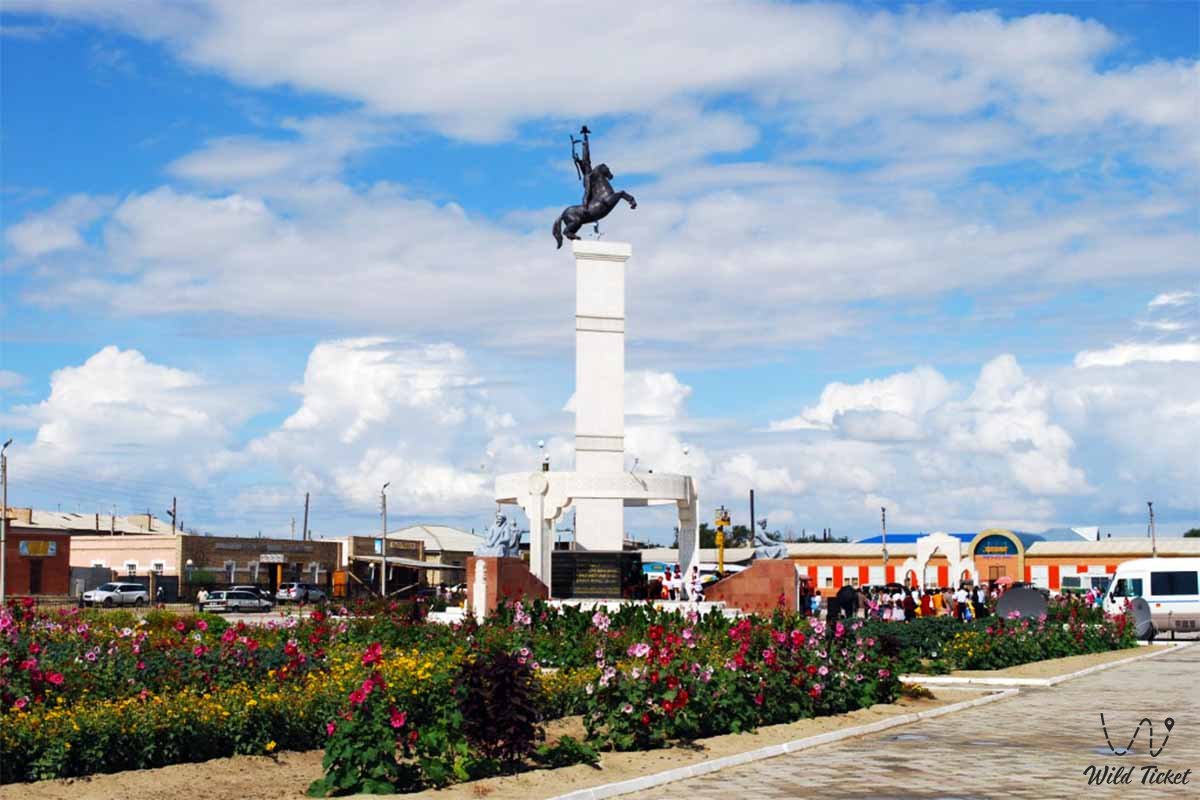
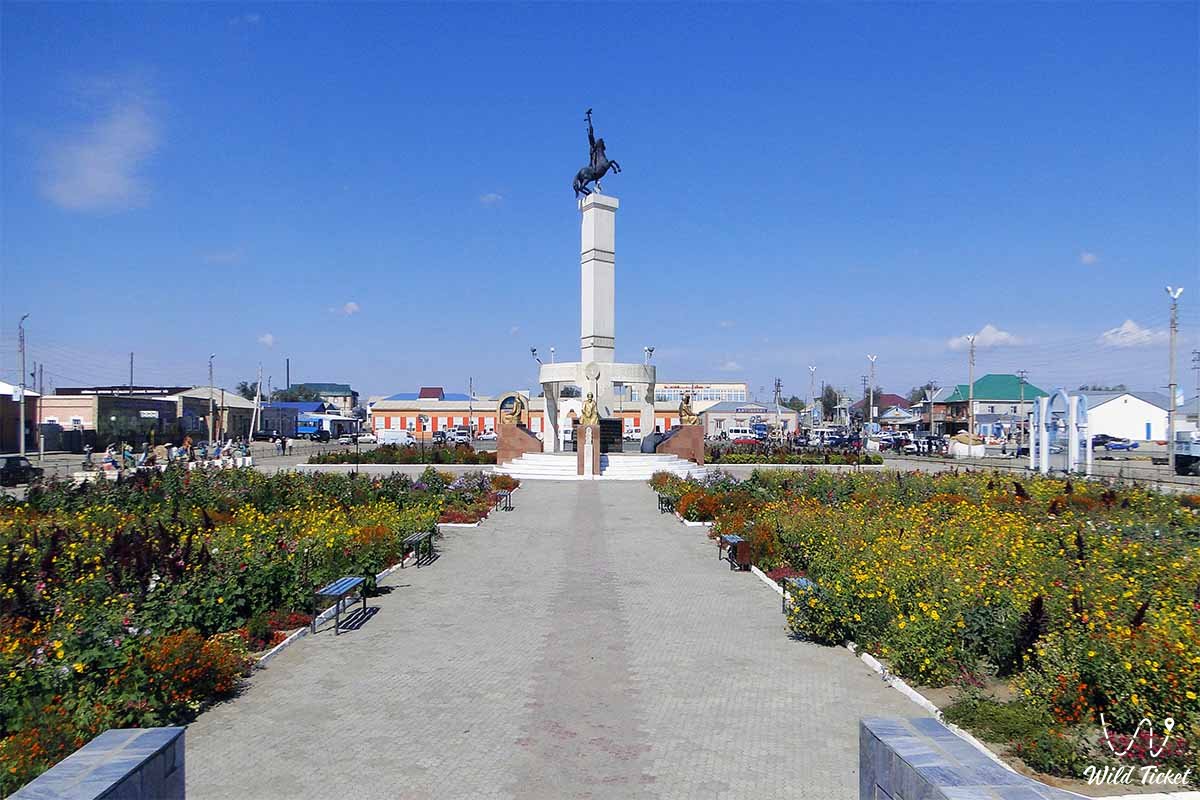
In the 1930s, 17 fishing collective farms, 5 fish processing plants, and more than 20 livestock collective farms were organized in the district. The residents of the district showed an example of immortal courage and noble spirit during the Great Patriotic War. More than 11 thousand people went to the war from the district, of which 6,038 did not return, remaining on the battlefields. In 2005, a monument to the defenders of the fatherland from the city of Aralsk was erected on the central square of the city.
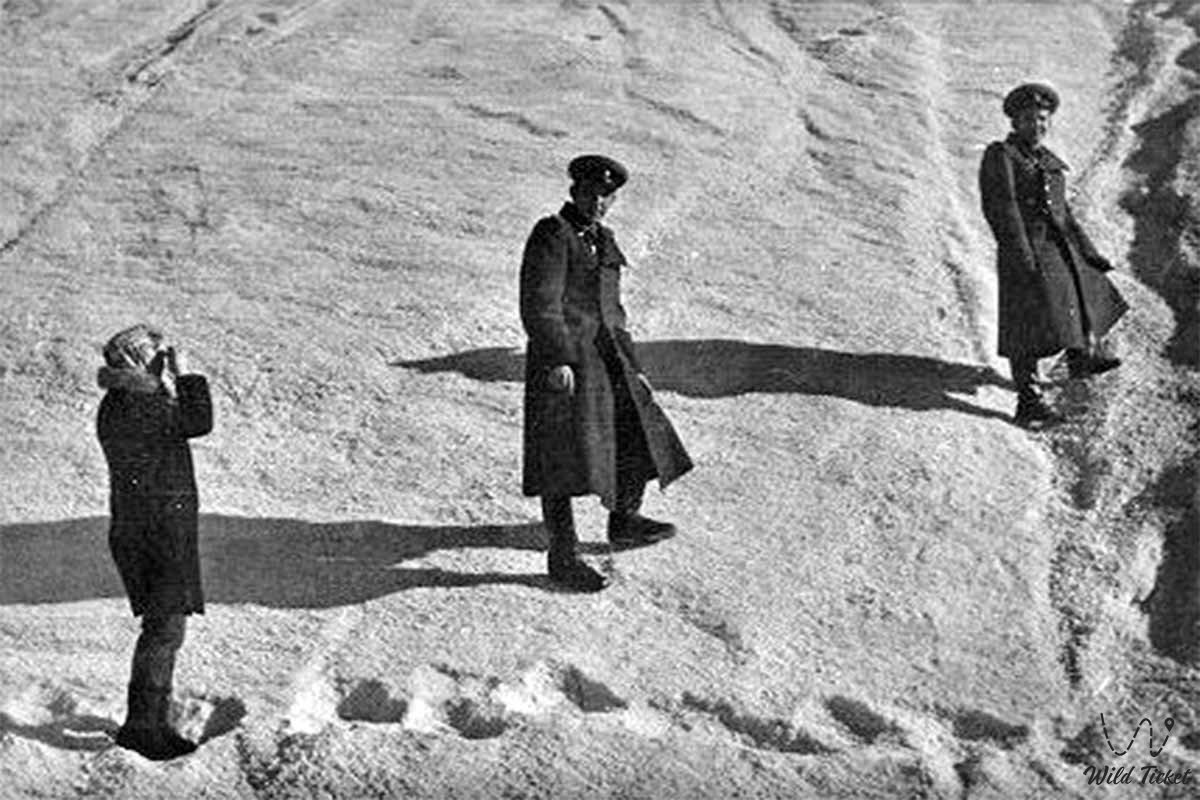
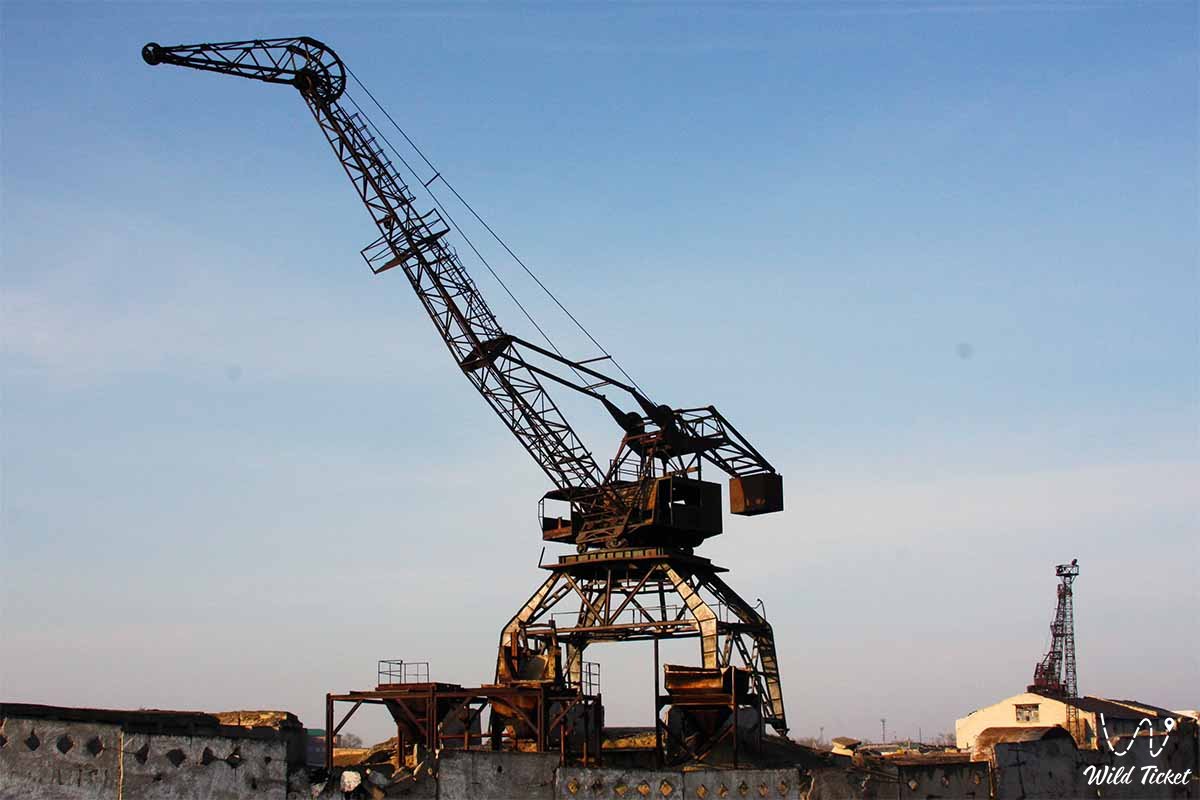
Closed military towns (Aralsk-5 "Ural", Aralsk-6 "Chaika", Aralsk-8 "Beryozka") were located in the vicinity of the city, ensuring the activities of testing grounds and aviation squadrons. The tragic turning point was the drying up of the Aral Sea, which led to the closure of the port in 1975 and an economic downturn. A new stage of revival began in 2005 with the construction of the Kokaral Dam and the rise of the water level of the Small Aral Sea.
Information
Modern Aralsk represents a key administrative, cultural, and economic center of the Aral district of the Kyzylorda region, which is confidently overcoming the consequences of a large-scale environmental crisis. The life of the city and adjacent territories today is built on the principles of ecosystem restoration and adaptation to new economic realities. Thanks to the phased implementation of projects to save the northern part of the reservoir and stabilize the water level in the Small Aral Sea, new prospects for the development of the fishing industry have opened up in the region.
Specialized enterprises for the deep processing of fish, such as the modern plants "Kambala Balyk" and "Atameken Holding," actively function on the territory of the city and district. These productions use raw materials caught in the waters of the Small Aral Sea, where commercial fish species have successfully taken root thanks to successful acclimatization.
An important role in the life of the city is played by transport infrastructure and logistics facilities. The railway station provides uninterrupted passenger and cargo transportation, connecting Aralsk with the major megacities of the country, and the highway passing nearby opens up convenient opportunities for automobile tourism and trade. In addition, the city serves as the main base point for scientific expeditions, ecologists, and travelers seeking to study the unique nature of the Aral Sea region, visit the geopark, and get acquainted with the historical heritage of the land.
Detailed description of the venue
• Railway station: The historical transport hub of the Orenburg – Tashkent line, connecting the region with major cities.
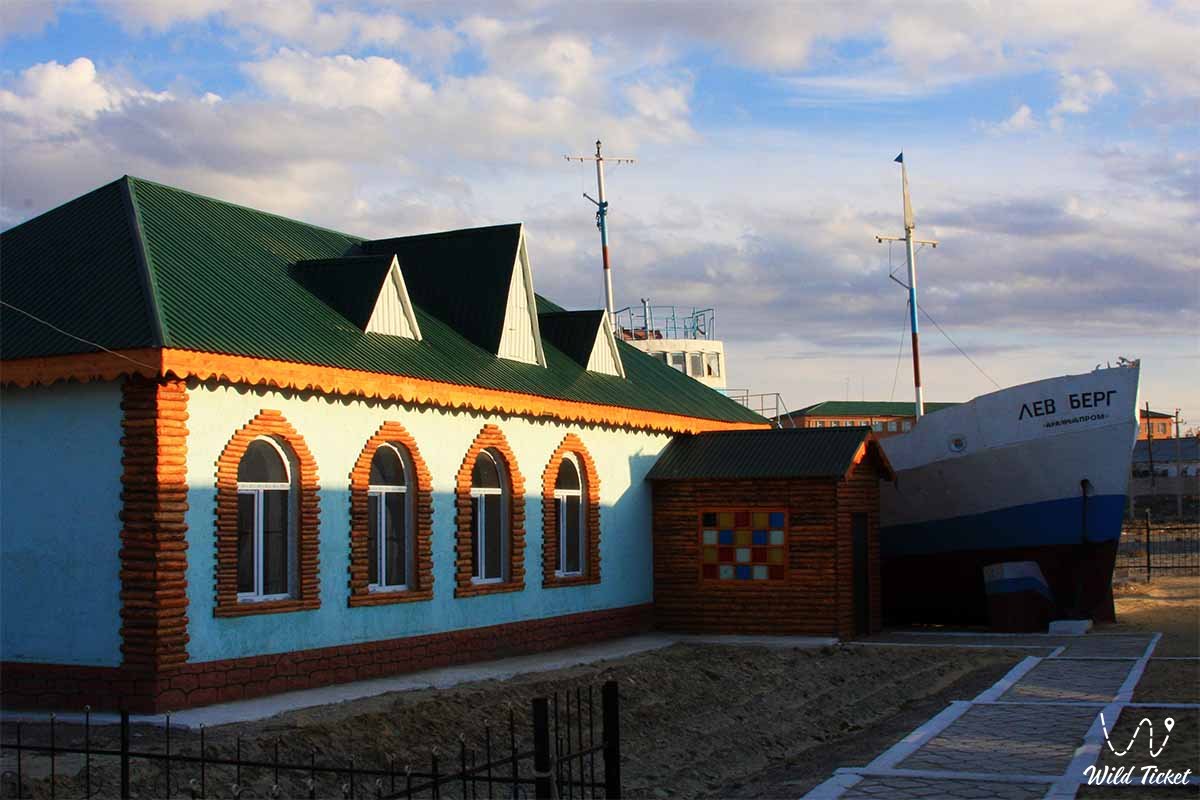
• Museum complexes: The Local History Museum and the Museum of the Aral Sea, preserving the memory of the former greatness of the port and the history of navigation.
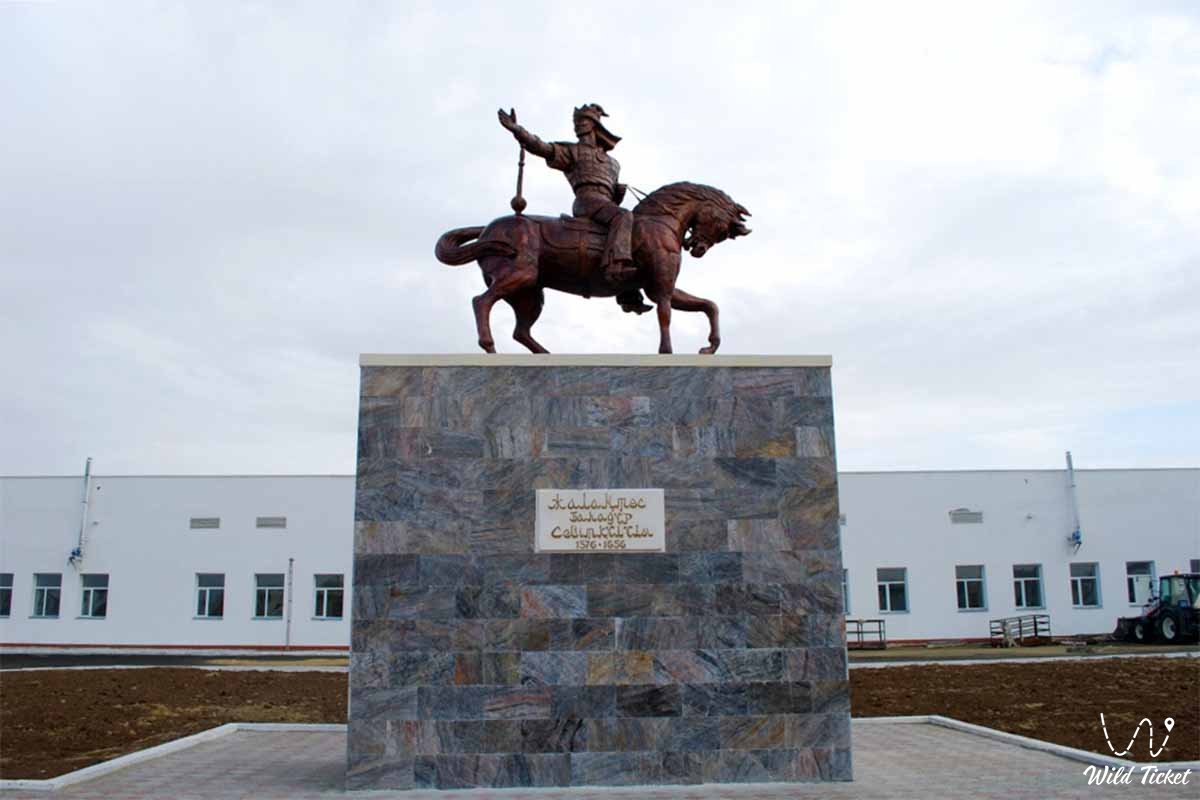
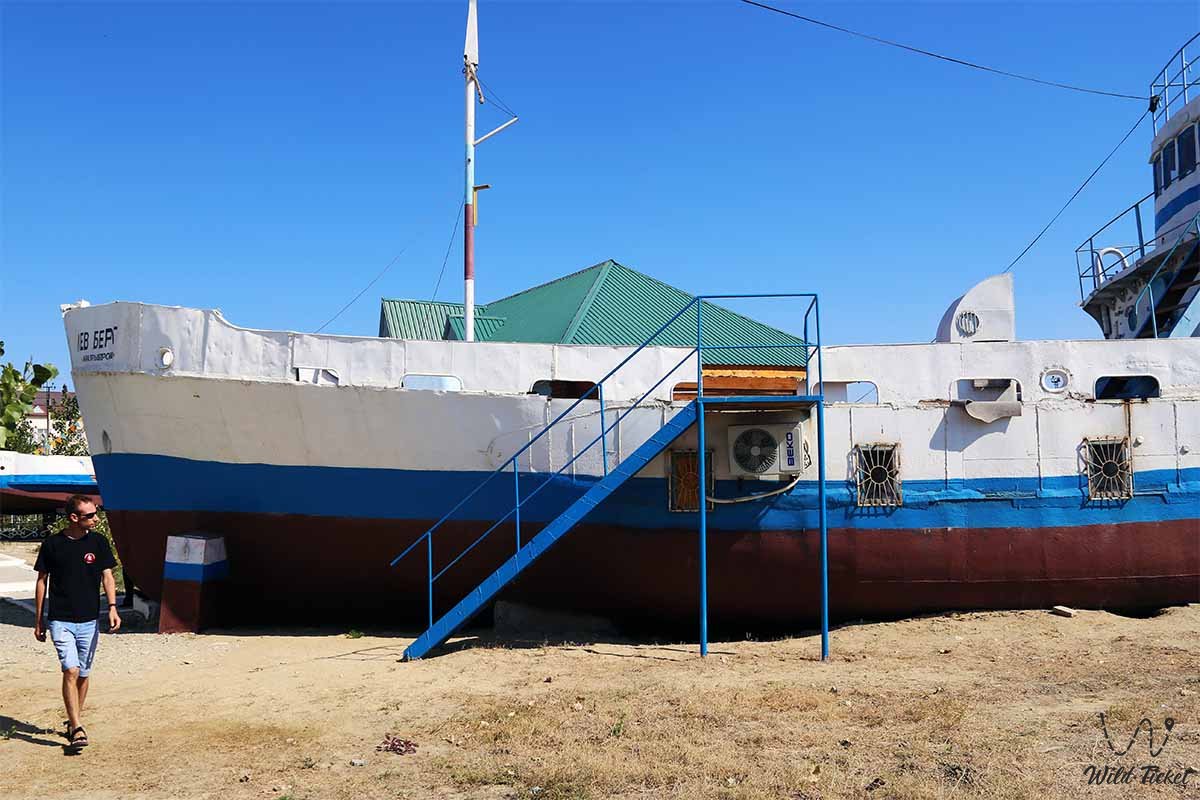
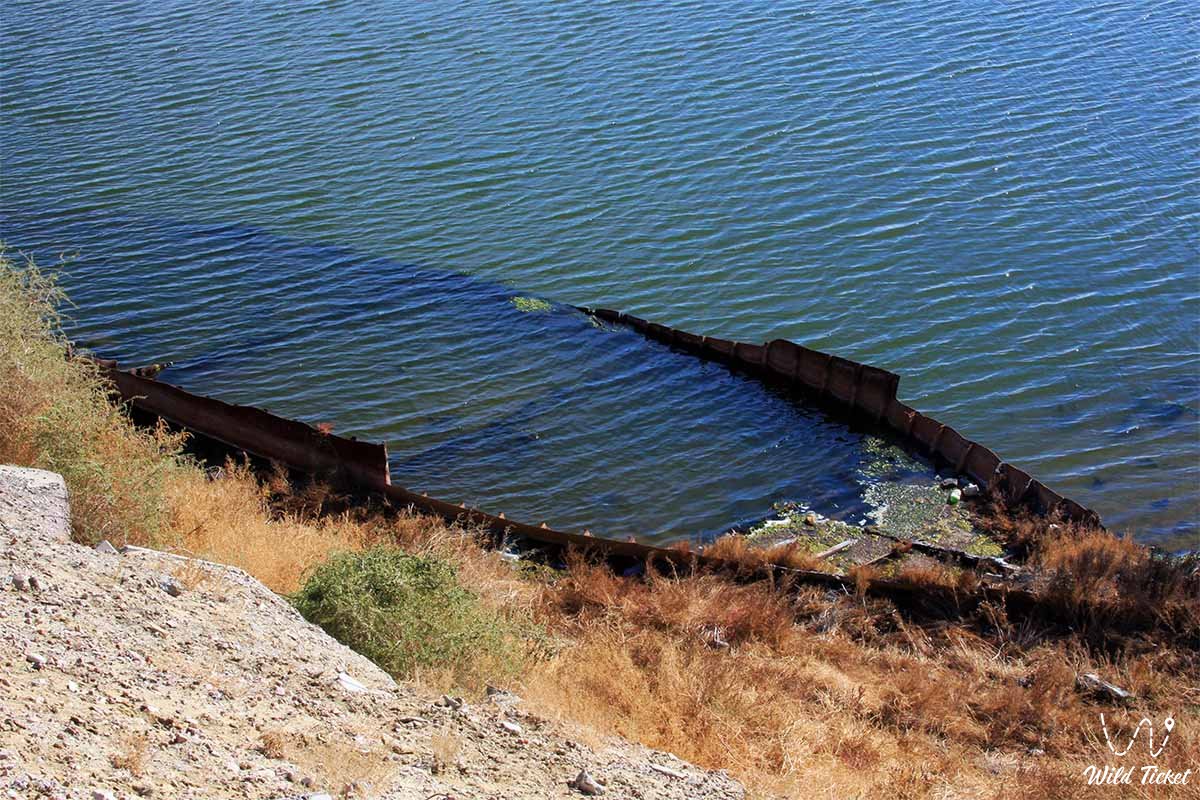
• Memorial sites: The Monument to the Aral Sea, the Fisherman monument on the central square, and monuments to the fallen ships of the flotilla.
• Industrial enterprises: Active complexes for the deep processing of fish and the production of fish products.
Architecture
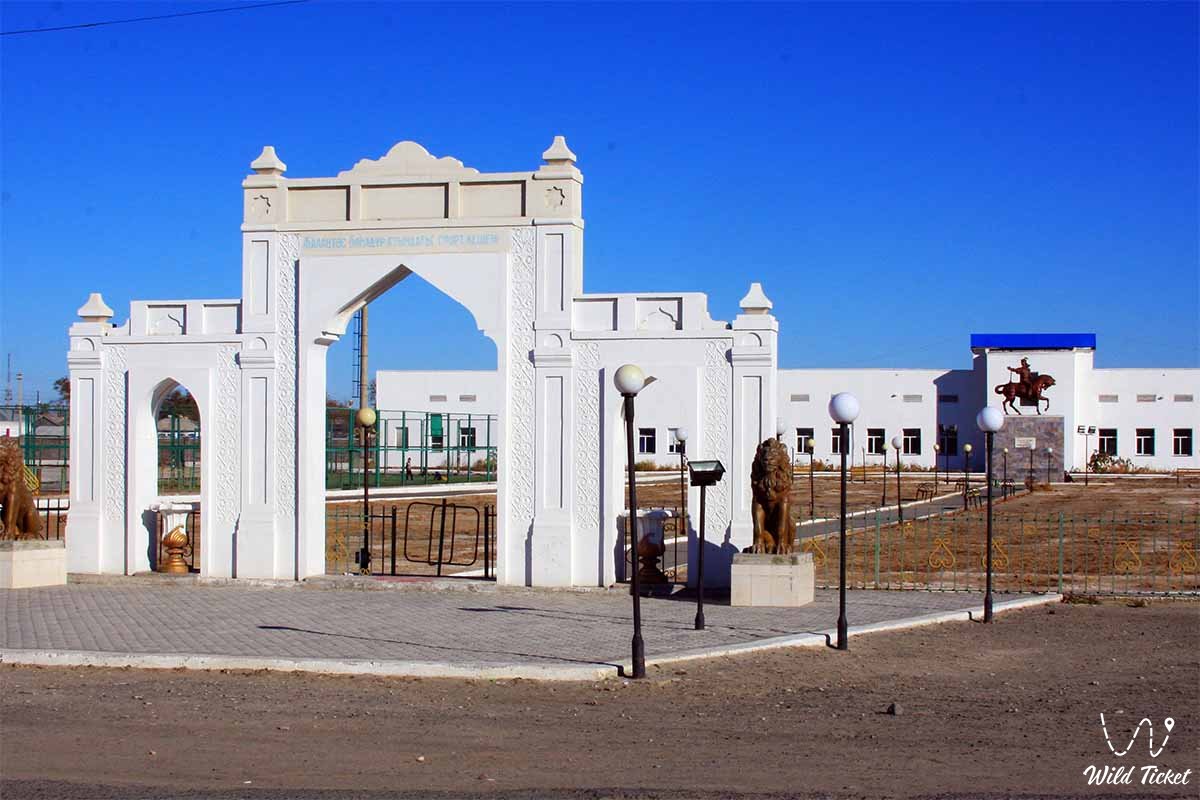
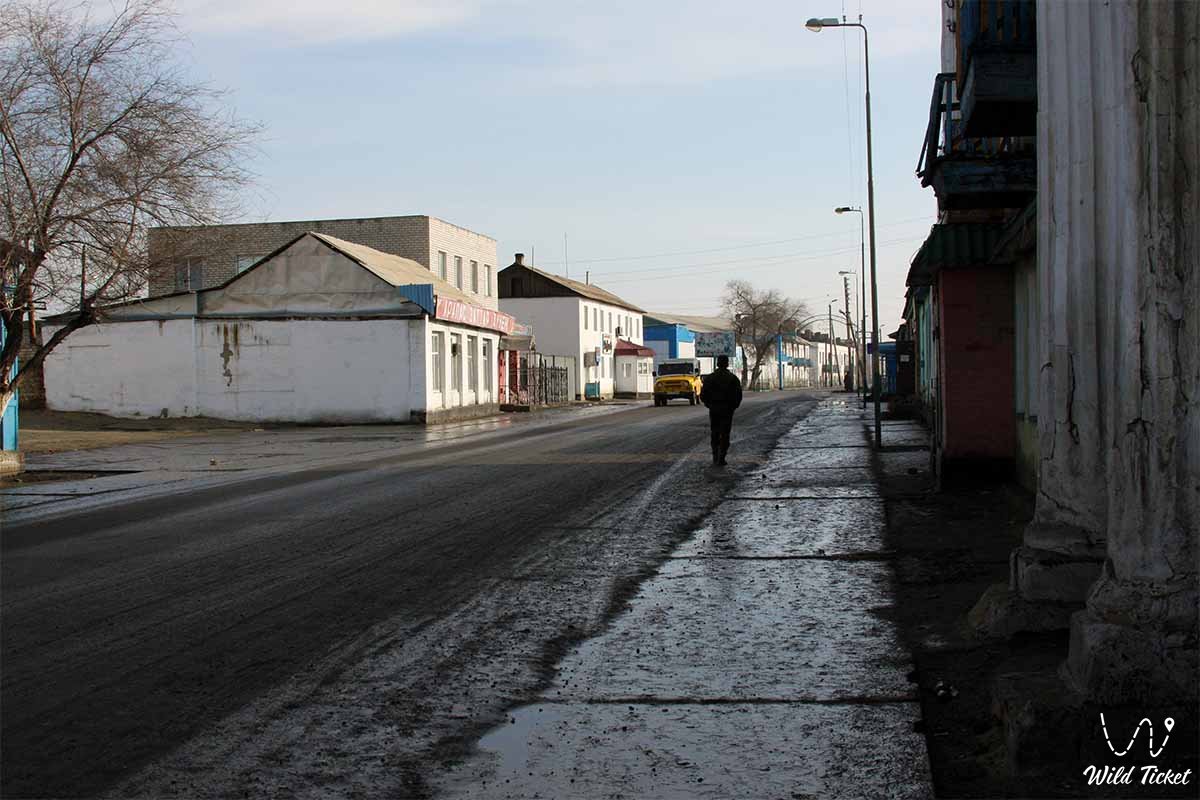
The layout of the streets of Aralsk has a rectangular block structure. Residential development is represented mainly by one-story adobe and brick houses, while two-story permanent buildings are found in the central part. The main streets of the city are paved with asphalt, and secondary driveways have a gravel surface, reflecting the historical appearance of a steppe station settlement.
Legend
An unwavering faith in the return of the big water lives among the local residents. The traditions of fishermen and old-timers are permeated with deep respect for the harsh steppe element and the hope that the sea, which once fed generations of Aralsk residents, will again come close to the city pier, restoring historical justice and the former glory of the region.
Conclusion
Aralsk is a city with a unique destiny, where a large-scale industrial history, an environmental drama, and an inspiring example of revival are intertwined. Visiting Aralsk gives a deep understanding of the strength of the human spirit and those grandiose changes that are taking place on the shores of the retreating and returning sea.
Interesting sights nearby:
• Bogen Village;
• Kokaral Dam;
• Aralkum Desert;
• Butakov Bay;
• Shevchenko Bay;
• Raim Fort;
• Saraman-Kosa Tower;
• Begim-Ana Tower;
• Kazalinsk City;
• Ayteke Bi Village;
• Syr Darya River.
Photogallery: