Kenderli-Kayasan State Nature Sanctuary
Key reserve for the MacQueen's bustard and saker falcon and a giant plateau –
The Kenderli-Kayasan State Nature Sanctuary (Kaz. Kendirli-Qayasan memlekettik tabigi qoryq aymaghy) represents a large-scale specially protected natural territory (SPNA) of republican significance, established to preserve the habitat and natural reproduction of rare and endangered desert wildlife, located in the Karakiyan district of the Mangystau region.
The territory encompasses over 1.23 million hectares (1,230,290 ha taking into account boundary adjustments) in the southern part of the Mangyshlak Peninsula and across adjoining sectors of the Mangyshlak Plateau, to the west of the Ustyurt State Nature Reserve.
This entire primeval arid realm is a direct geological legacy of the prehistoric Tethys Ocean: over tens of millions of years, retreating marine waters exposed stratified coquina limestone and gypsum beds, which formed immense structural plateaus and profound tectonic depressions.
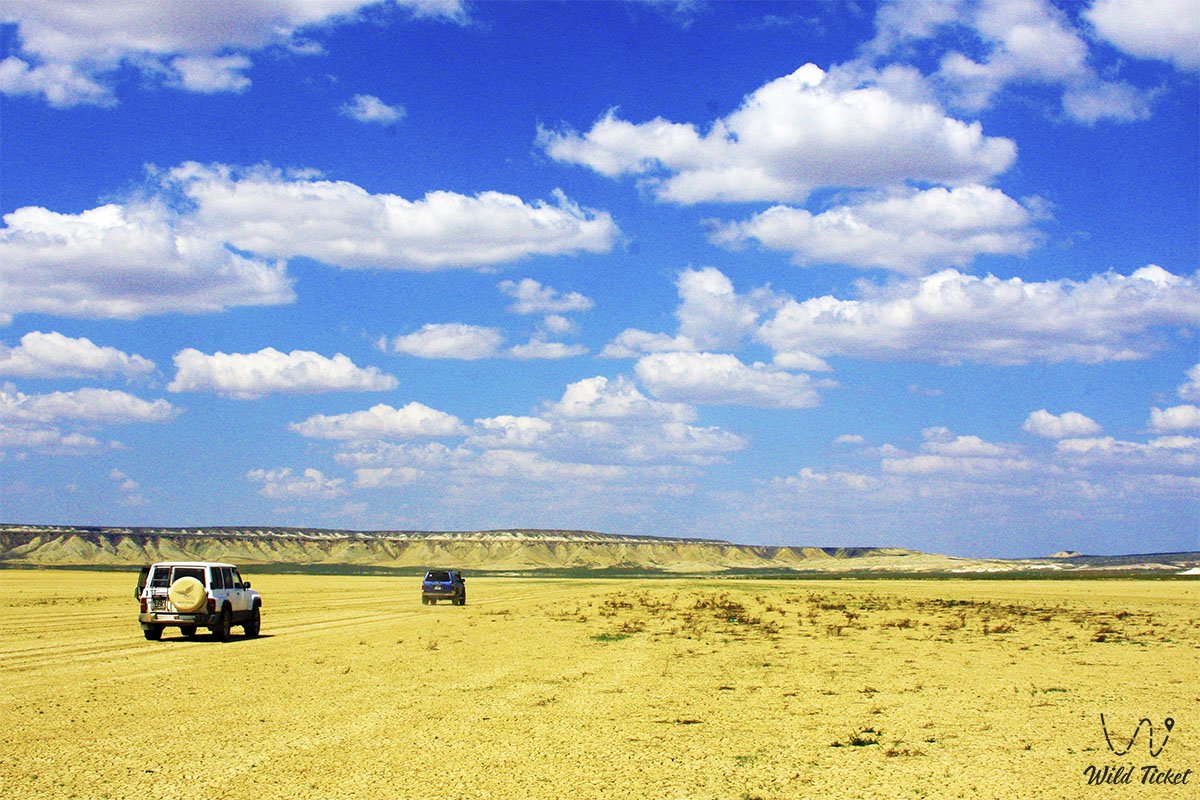
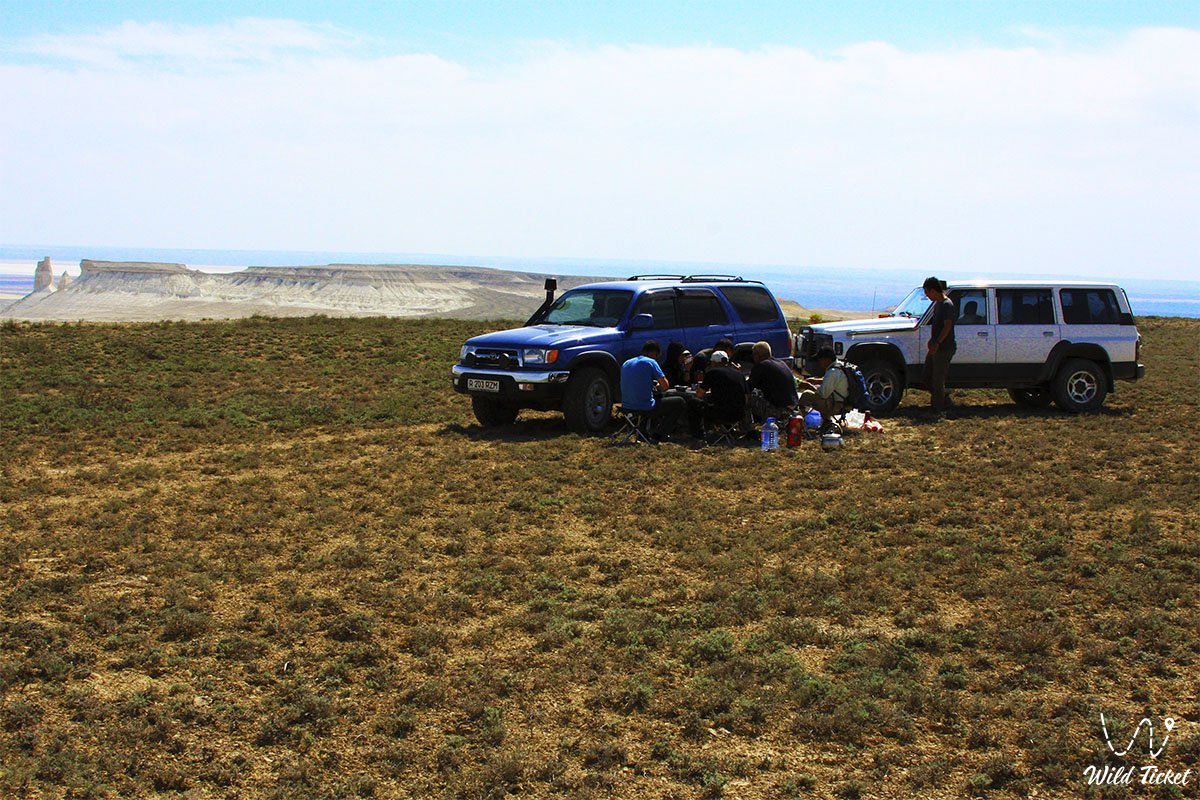
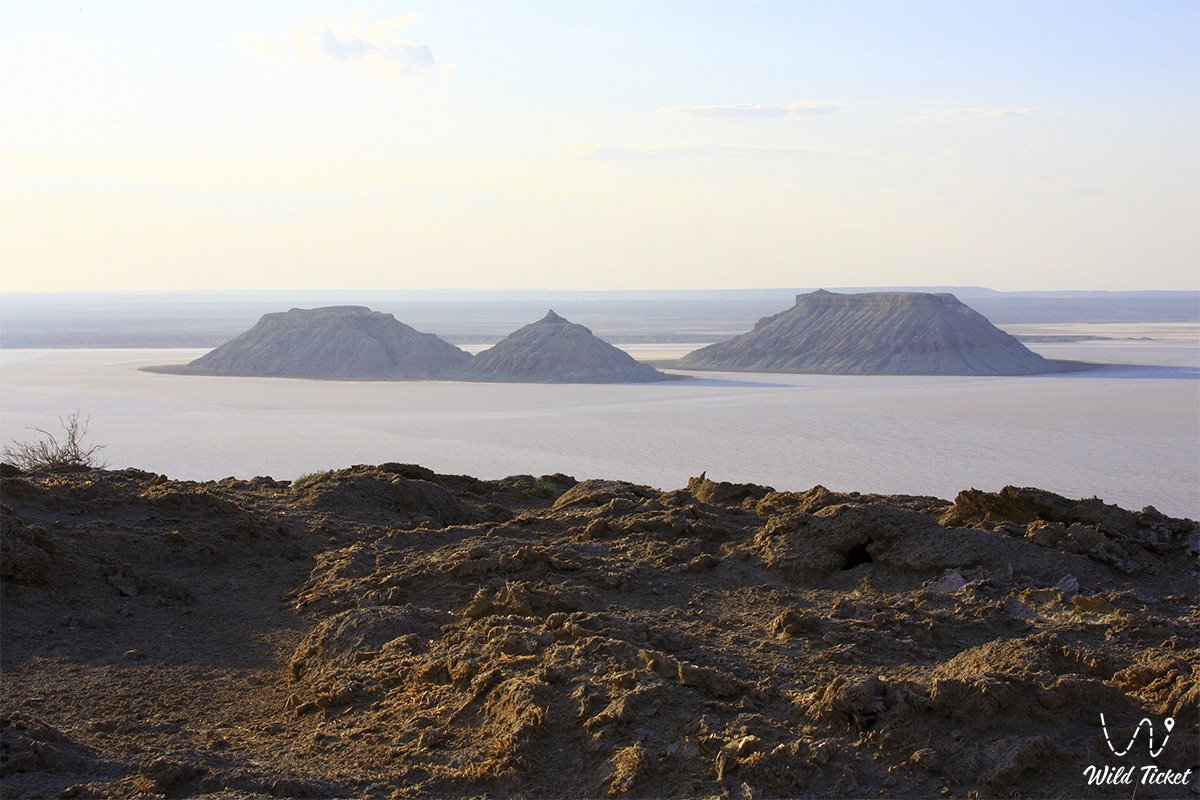
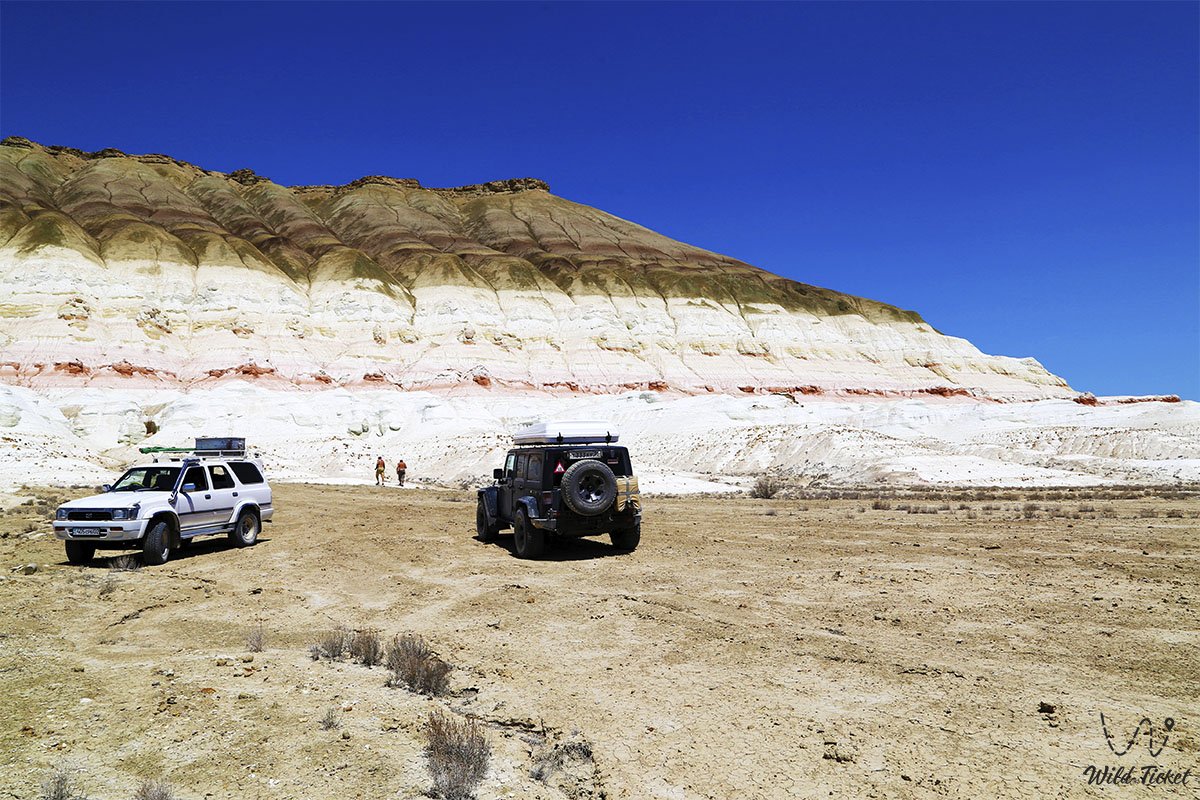
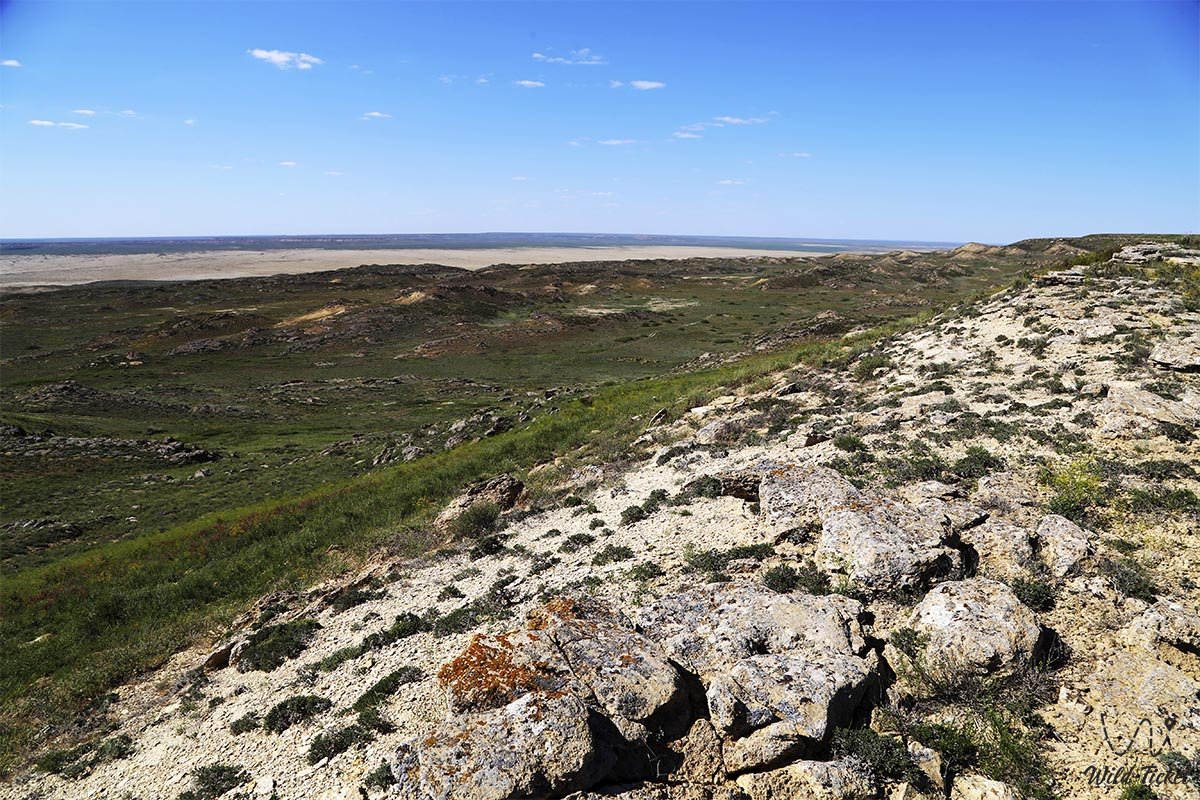
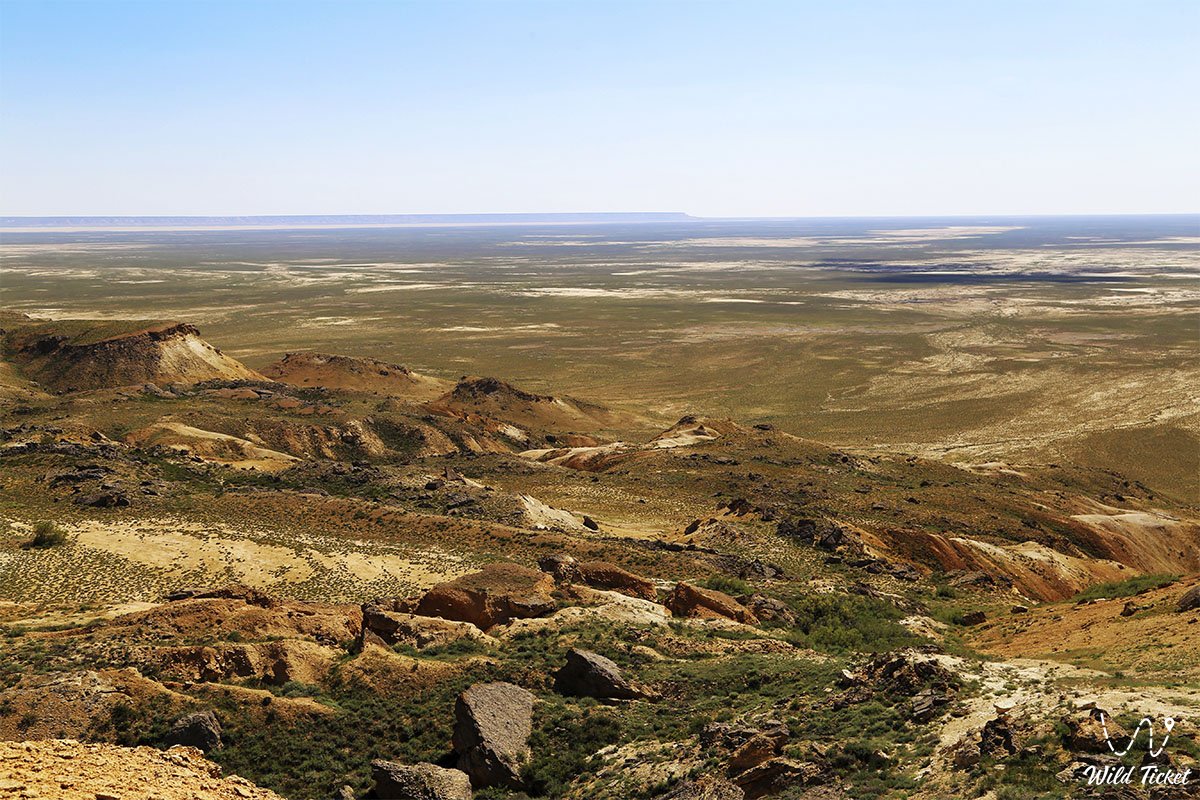
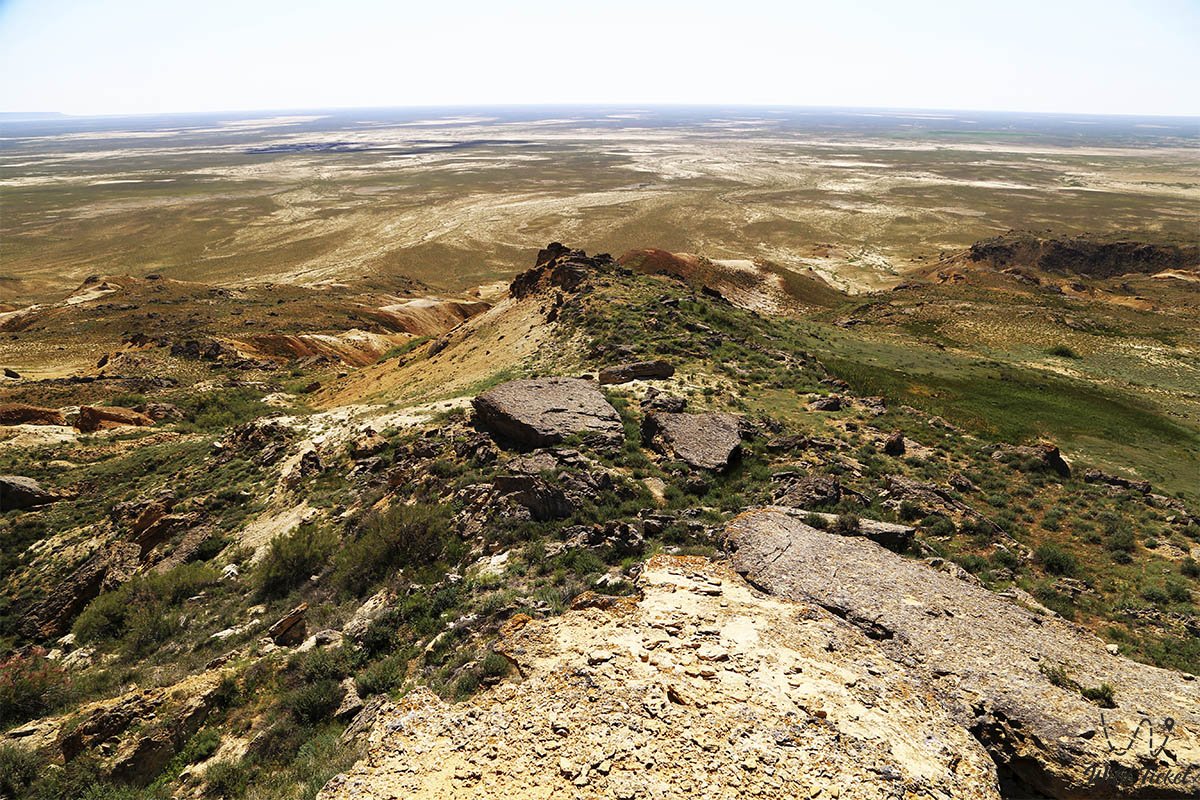
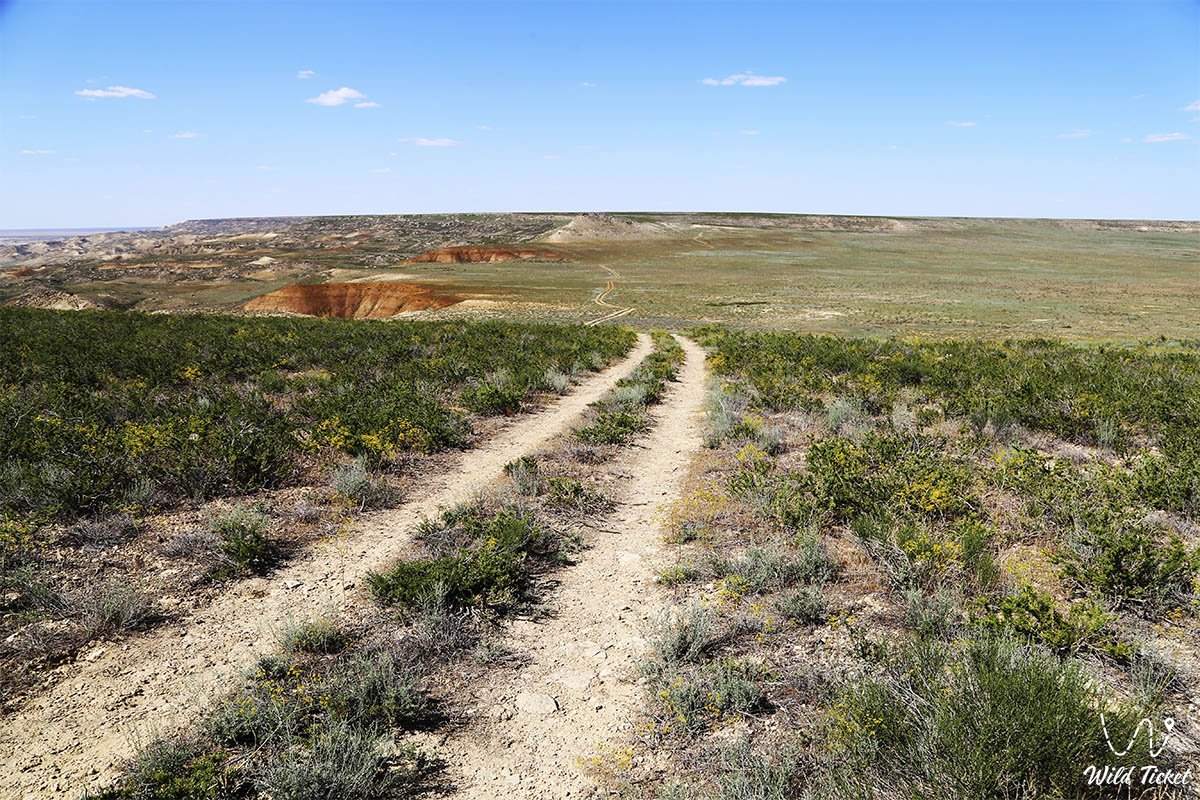
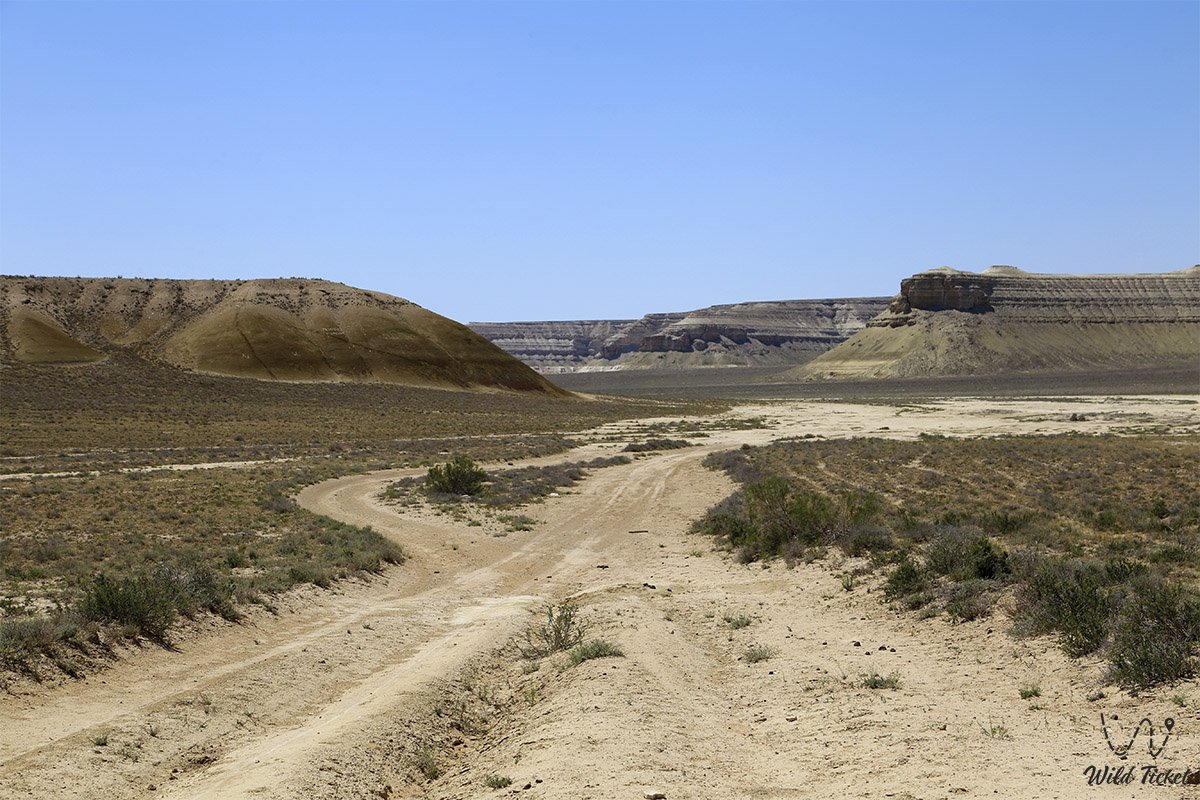
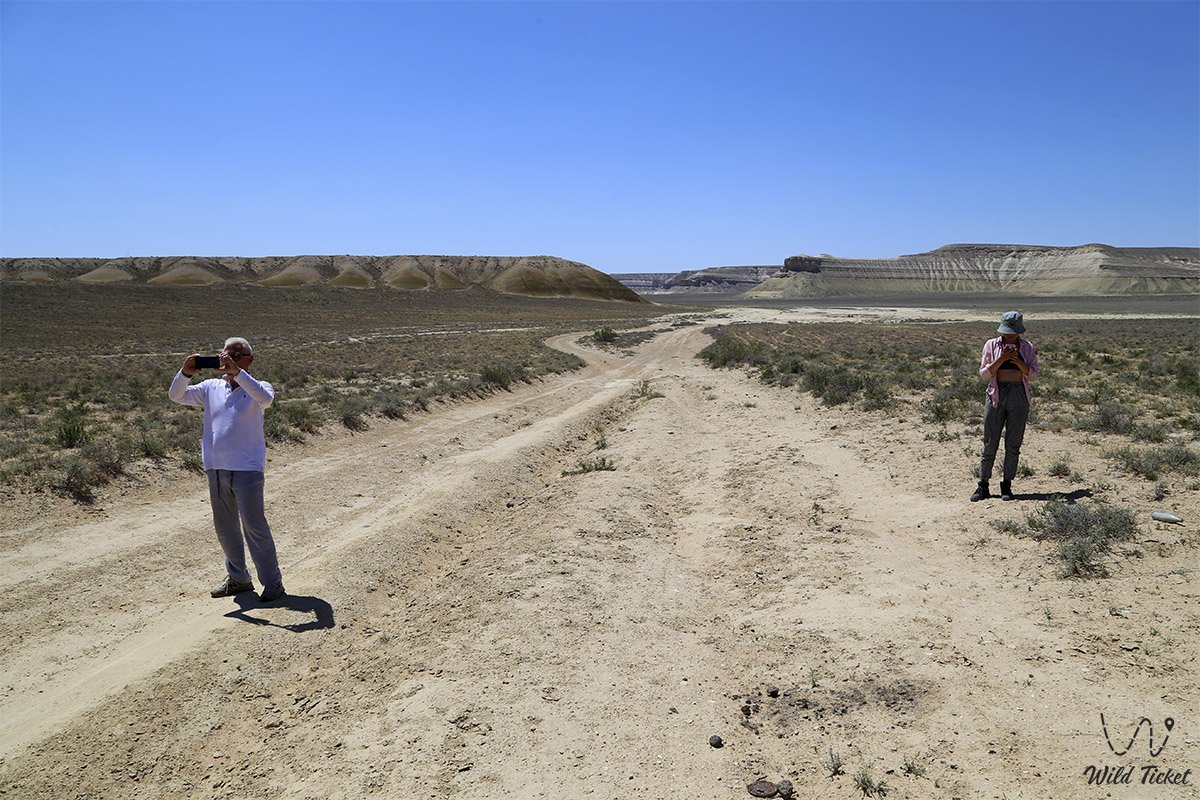
The conservation complex of the protected area includes the expansive Kenderli-Kayasan plateau, picturesque endorheic depressions of Basgurly, Zhazgurly (Zhasgurly), and Kuandy, sheer scarps (chinks) of Kulandy and Kayasanirek rising up to 100–200 meters, sand ridges of Karynzharyk, and northern spurs and extensions of the Caspian basin's deepest depression, the Karagiye depression (-132 meters below world sea level).
Unlike a strict nature reserve, the protected zone possesses a special regime: land plots are not expropriated from users, strictly regulated economic activities are permitted, yet key ecosystems are placed under specialized state supervision.
The primary targeted mission of the reserve is the conservation of populations and nesting grounds of the Red Book-listed MacQueen's bustard (houbara bustard, Kaz. zhek, Lat. Chlamydotis macqueenii / formerly Chlamydotis undulata) and the saker falcon (Lat. Falco cherrug).
The zone functions as an international scientific field site: annually, through collaboration with the International Fund for Houbara Conservation (IFHC, UAE), the desert population is supplemented with hundreds of birds reared in specialized breeding facilities in Abu Dhabi and the Turkistan region. Protection of the SPNA is entrusted to the Republican State State Enterprise "PO Okhotzooprom" under the Committee of Forestry and Wildlife. The territory also serves as a critical natural sanctuary for arid ungulates – the graceful goitered gazelle, saiga antelope, and Ustyurt mountain sheep (urial/mouflon).
Today, the Kenderli-Kayasan nature sanctuary is recognized as a unique benchmark of primeval Eurasian desert landscapes, holding tremendous interest for ornithologists, geomorphologists, and practitioners of responsible ecotourism.
--------------------------------------------
How to get there and visit –
The Kenderli-Kayasan nature sanctuary spans an expansive southern and southeastern part of the Karakiyan district of the Mangystau region, stretching east of the Caspian Sea coast, west of the Ustyurt State Nature Reserve, and south of the city of Zhanaozen, reaching down to border sectors. The distance from the city of Aktau to the plateau perimeter ranges from 180 to 280 km, and from the city of Zhanaozen – from 70 to 150 km.
GPS geographical coordinates of the central part of the zone:
43°08'20"N 53°45'10"E
The main driving route from Aktau leads southeast along the paved motorway of republican significance to the city of Zhanaozen (about 150 km, 2 hours of travel). From Zhanaozen, continue south and southeast on asphalt toward the village of Senek or toward the coastal village of Kulandy and the settlement of Bostan.
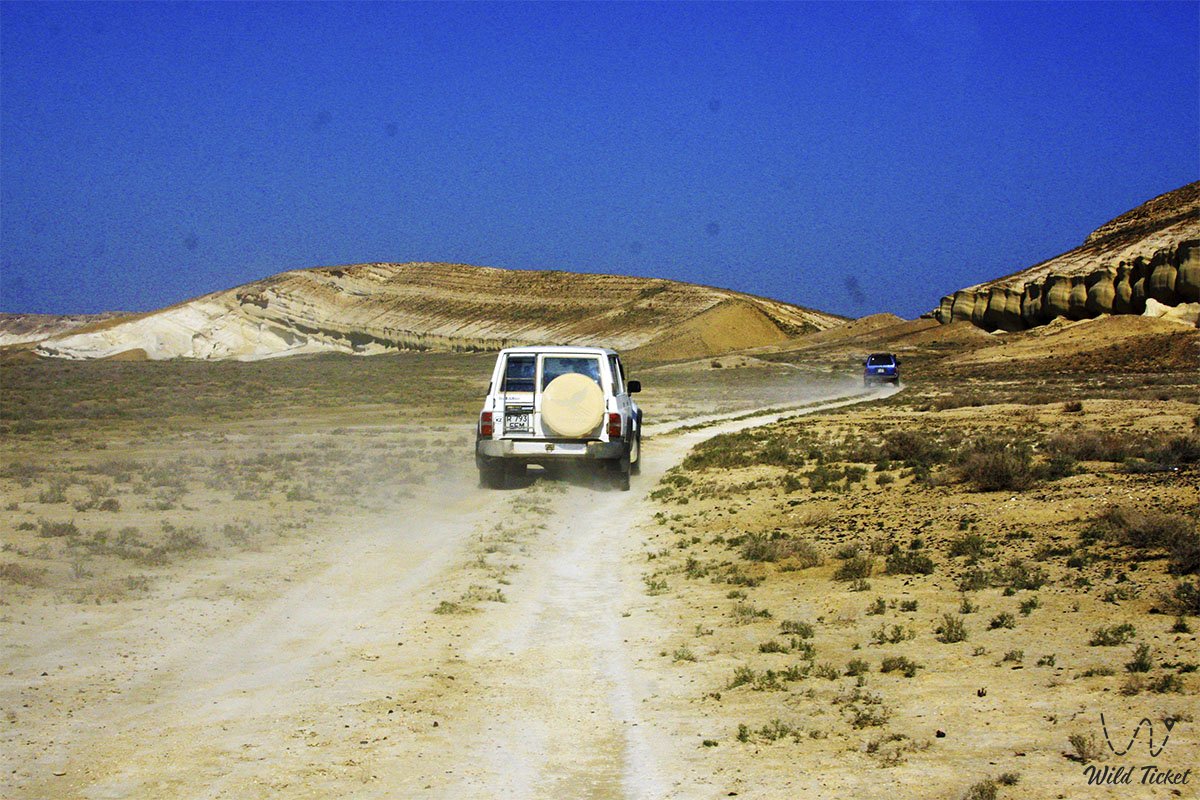
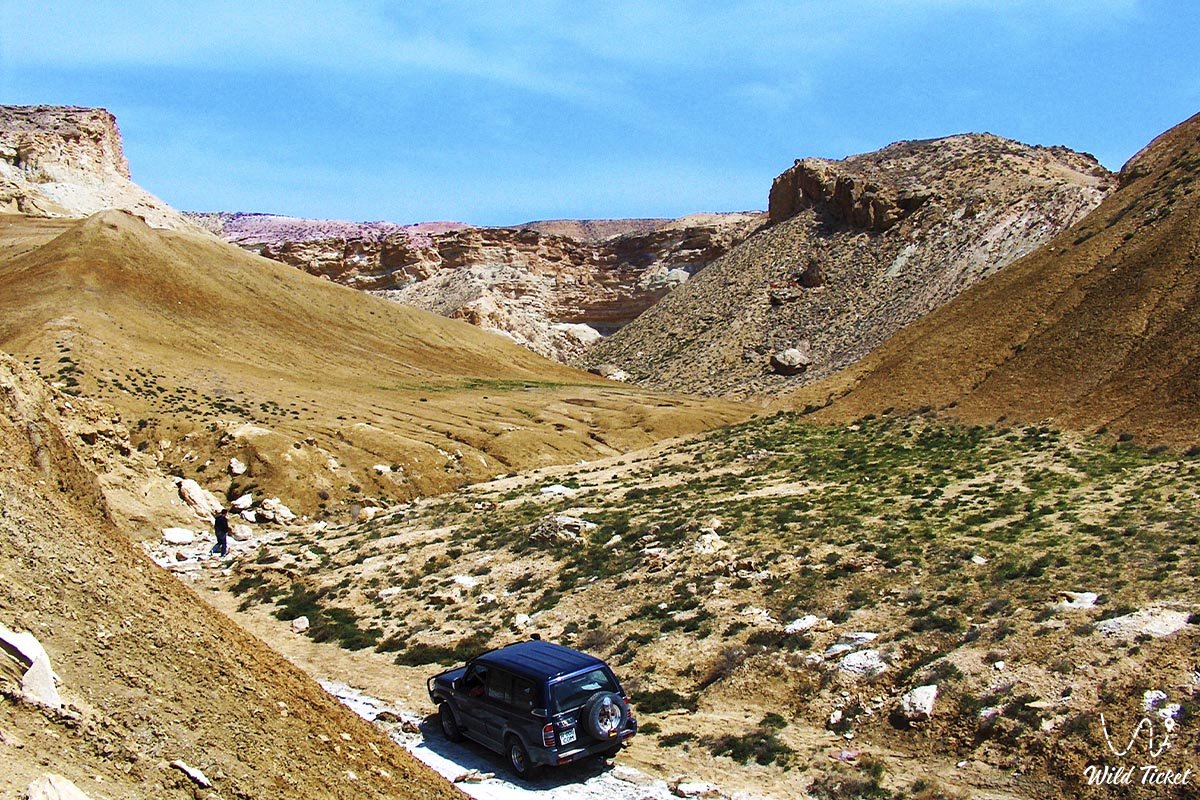
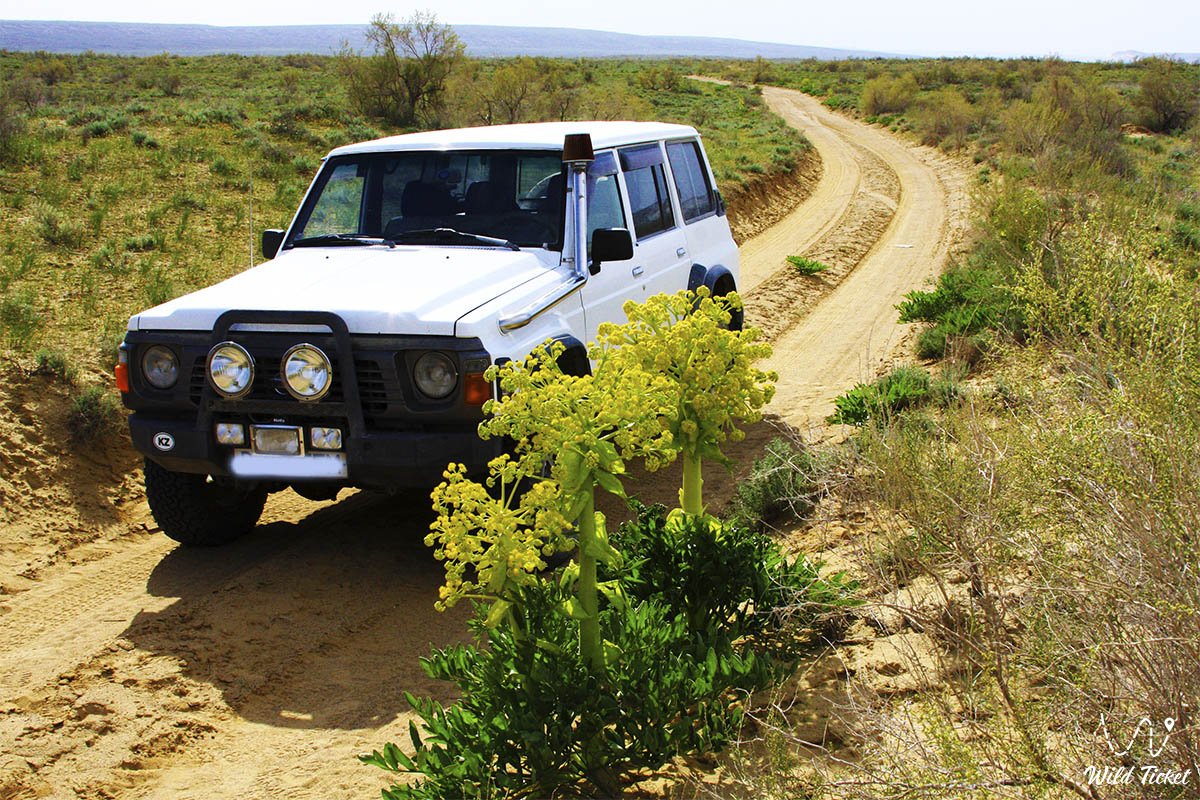
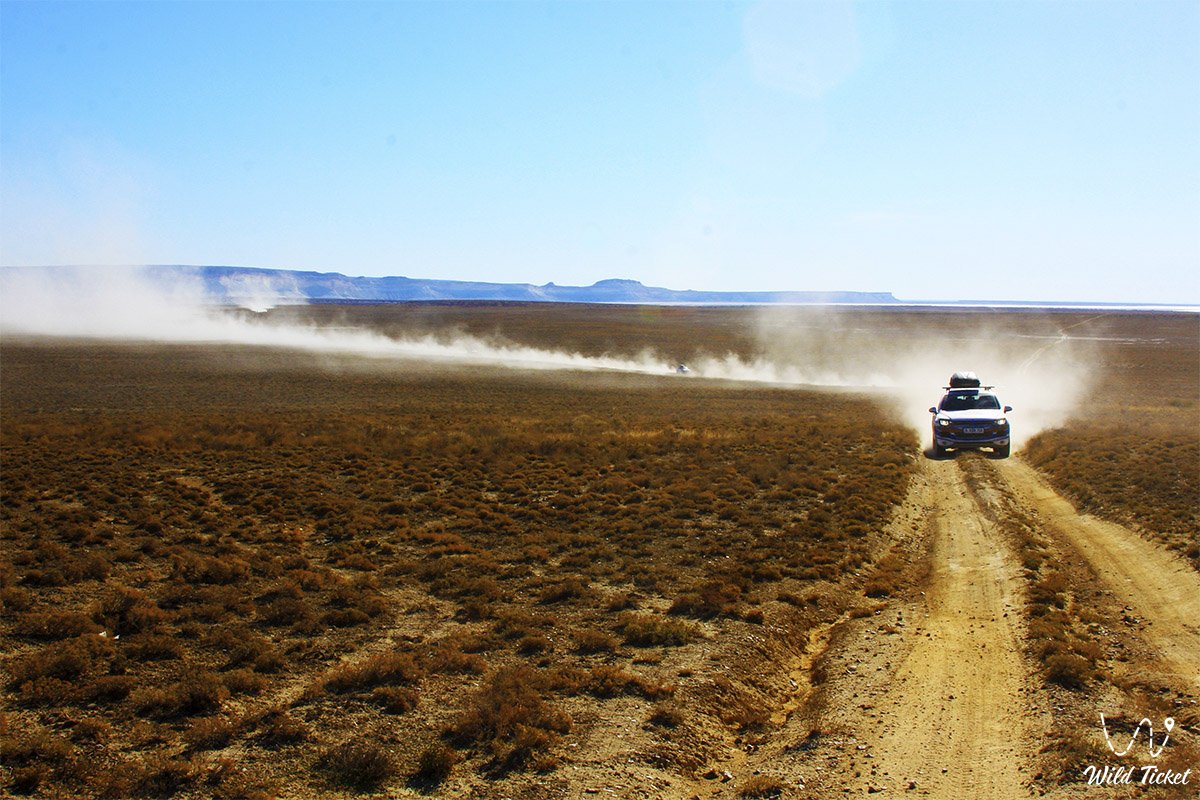
Beyond the settlements, asphalt yields to a network of gravelly steppe graded tracks and sand-clay ruts leading up onto the Kenderli-Kayasan plateau, to the chinks of Kulandy and Kayasanirek, and into the Basgurly and Zhazgurly depressions.
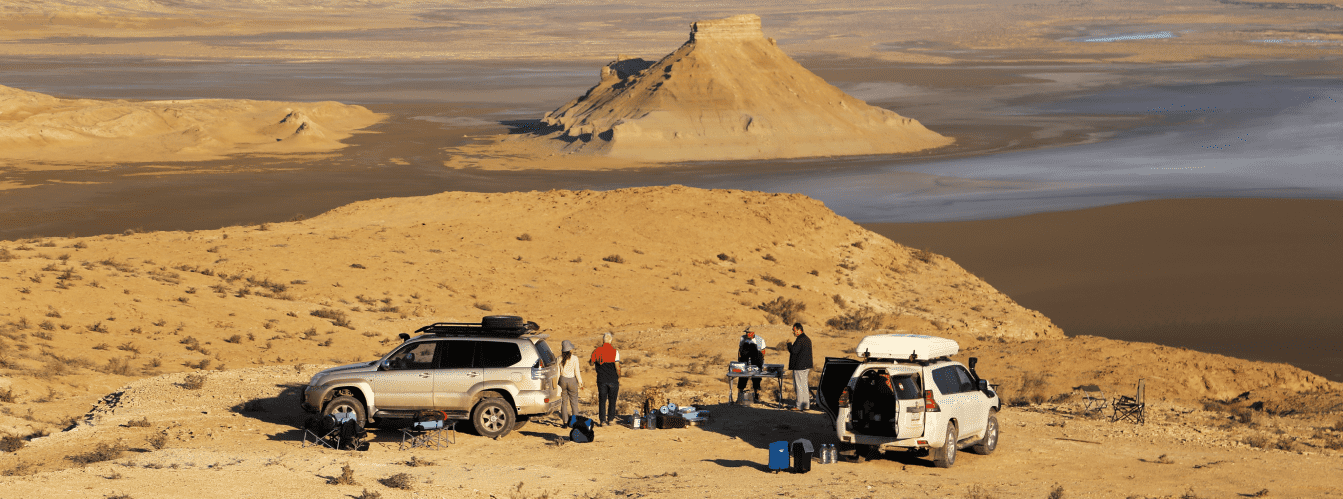
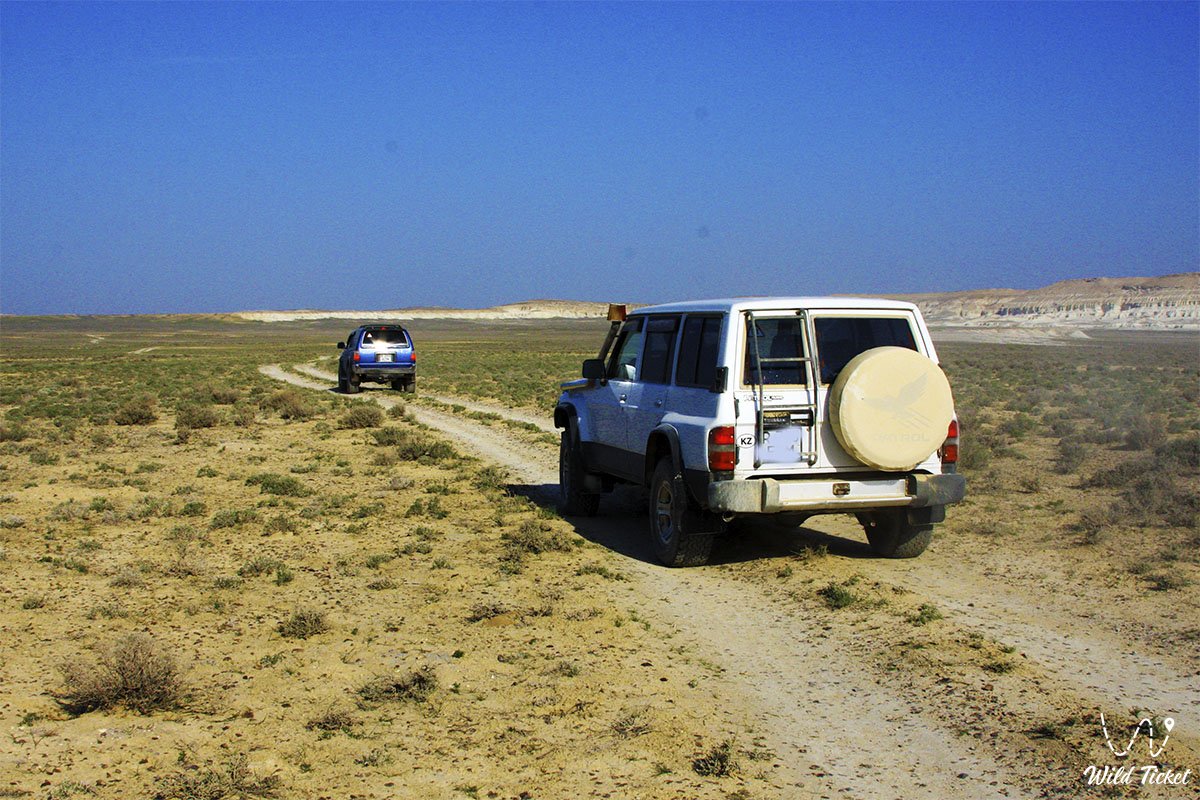
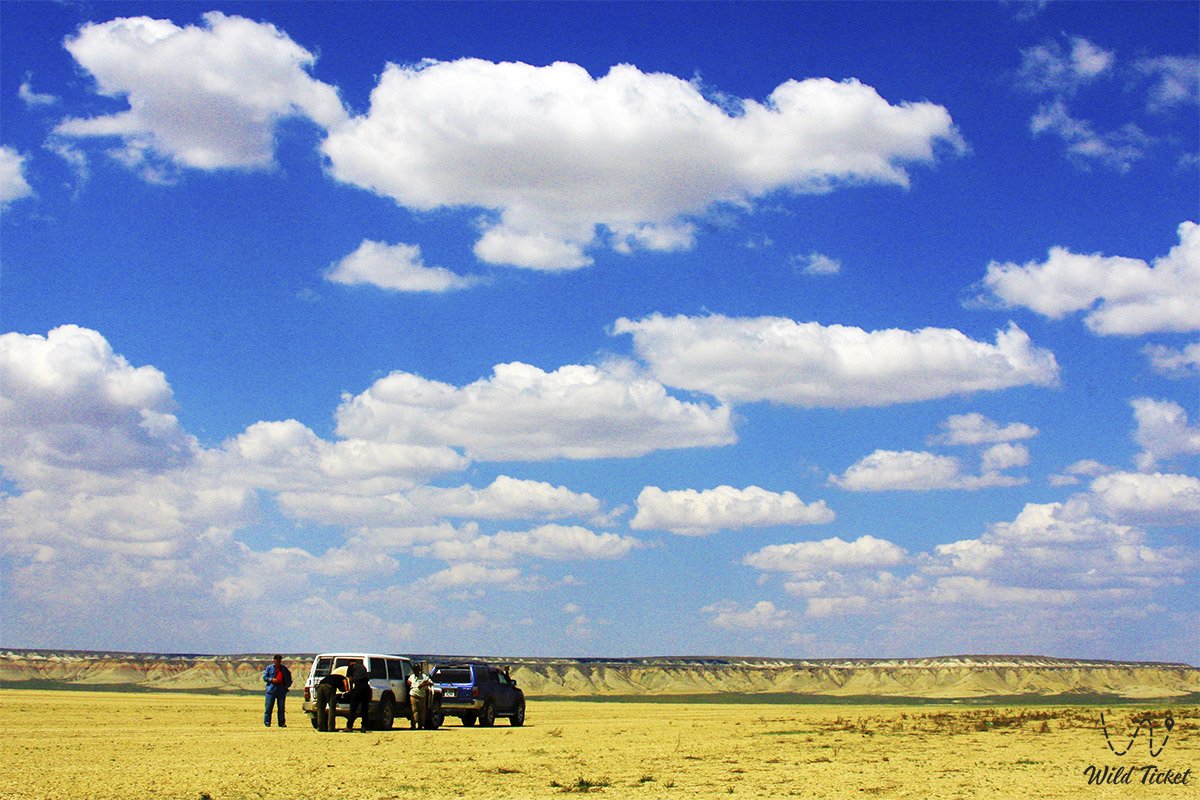
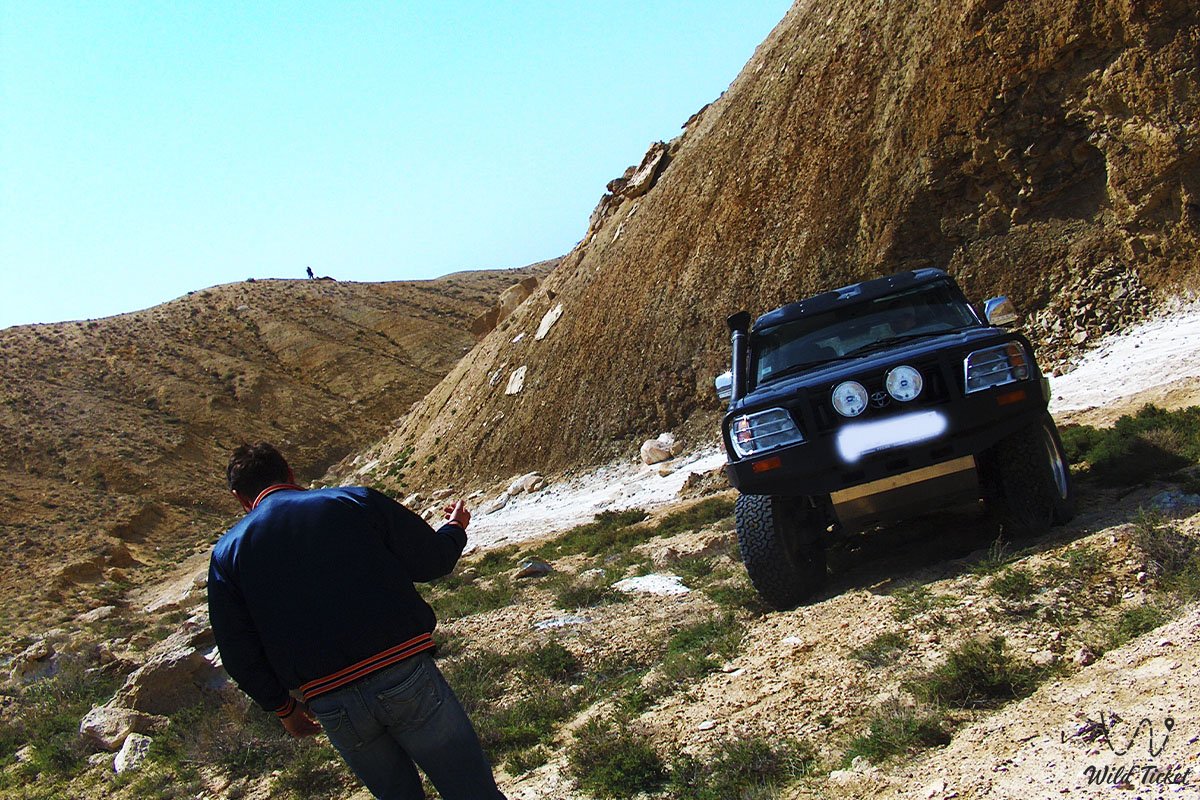
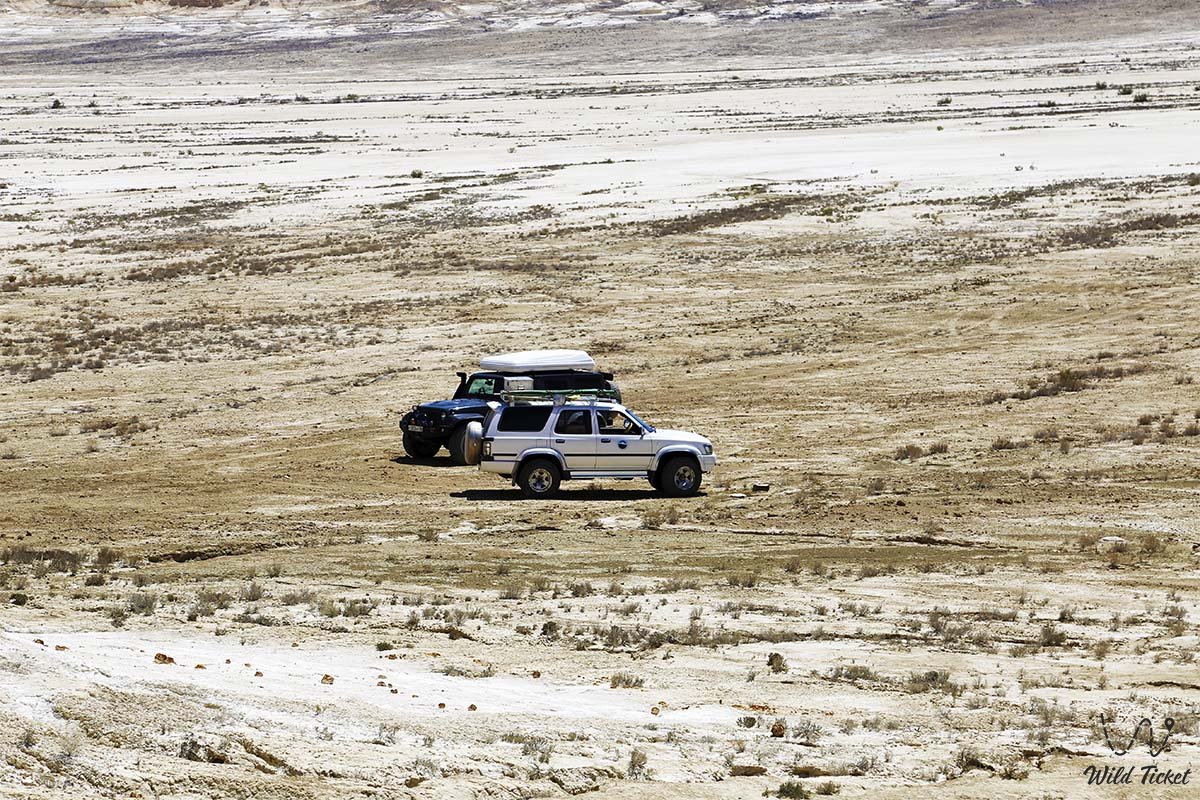
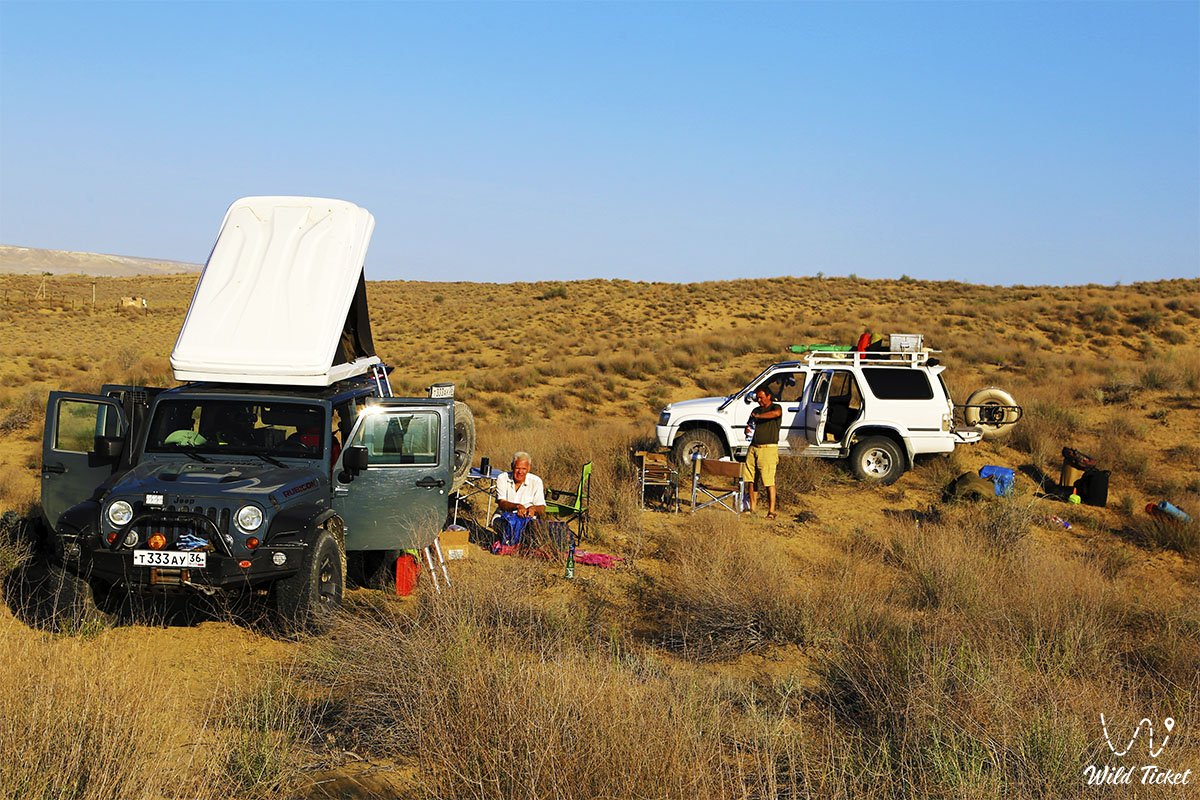
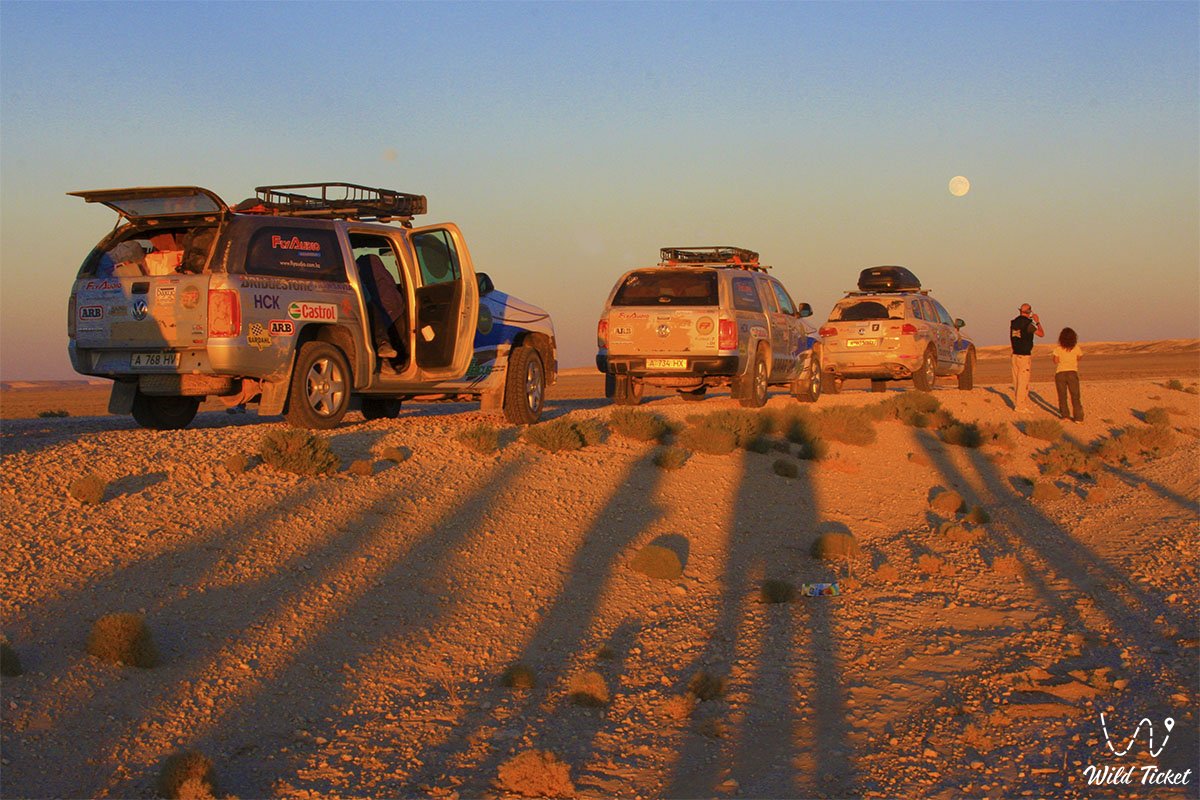
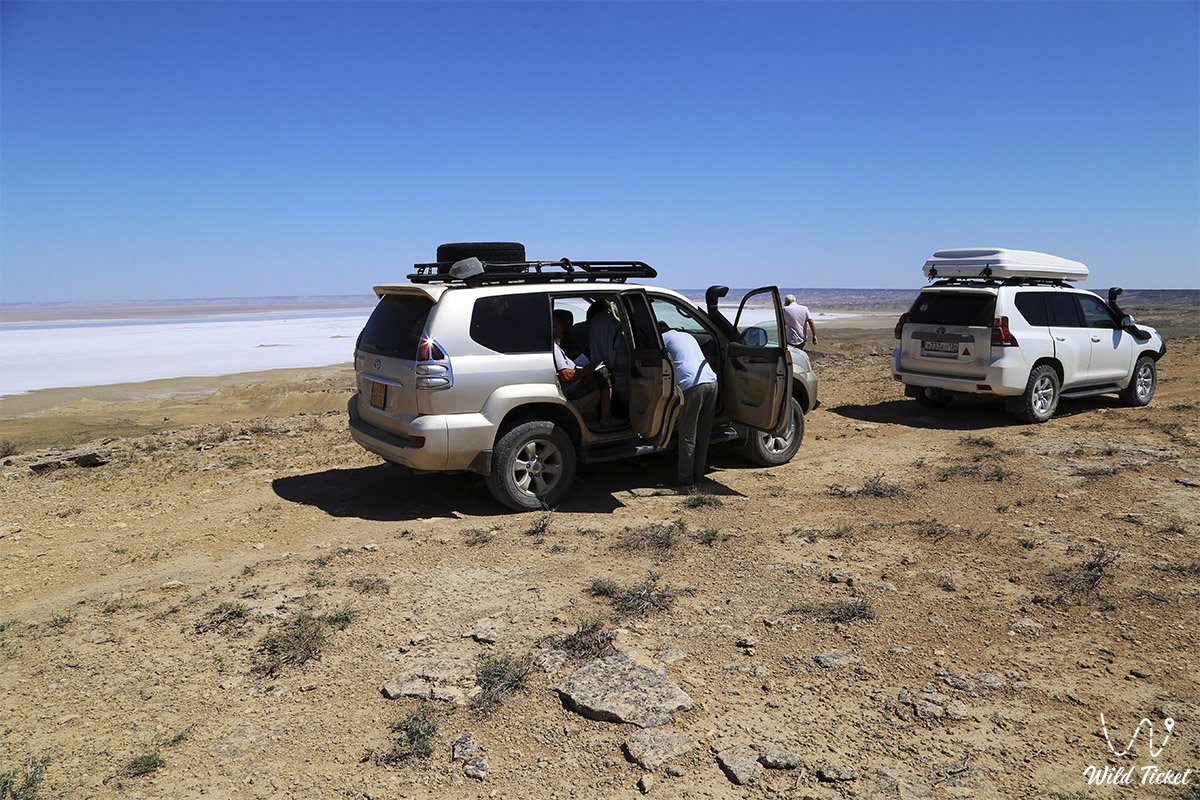
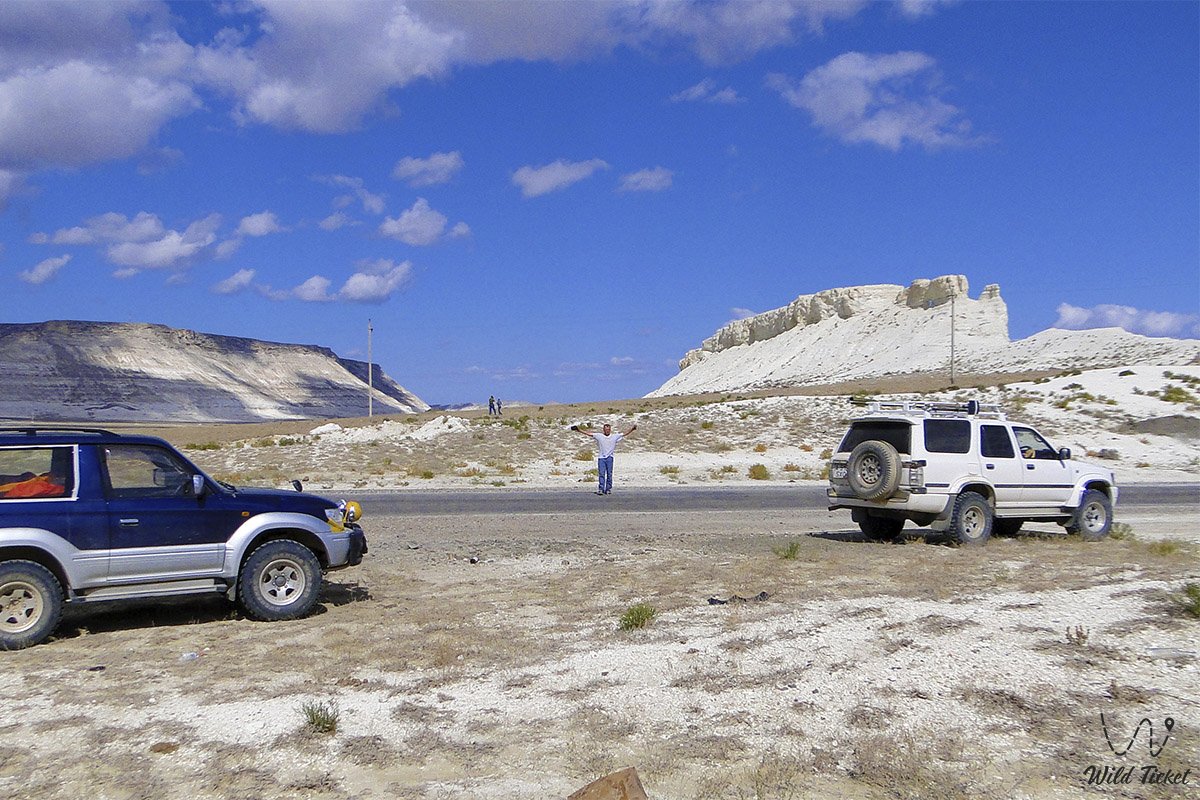
Travel through the territory of the zone is possible exclusively in prepared expedition-grade body-on-frame four-wheel-drive vehicles (4x4) with high ground clearance, heavy-duty suspension, reliable all-terrain tires (AT/MT), and a mandatory reserve of fuel in jerrycans. Moving across these uninhabited expanses is recommended in a convoy of at least two vehicles. During periods of rare rainfall, clay sections of the plains and the bottoms of depressions turn into impassable quagmires.
Because the Kenderli-Kayasan zone holds the status of an SPNA of republican significance and is patrolled by inspectors of "Okhotzooprom," visiting requires strict compliance with environmental regulations: driving off established tracks onto virgin ground, sand dunes, and saline takyrs is strictly prohibited to avoid destroying soil cover and disturbing nesting sites of the MacQueen's bustard. When traveling in the frontier strip, carrying original identity documents (passport or ID card) is mandatory. Hunting is permitted solely within designated hunting estates subject to official licenses and vouchers.
Infrastructure across the sanctuary is entirely absent: cellular reception vanishes for dozens of kilometers. The nearest brand-name gas stations, tire repair workshops, grocery shops, pharmacies, and canteens are situated in the city of Zhanaozen, with small local retail outlets in the villages of Senek and Kulandy. Every vehicle crew must carry an autonomous drinking water supply calculated at no less than 3–5 liters per person per day, a first aid kit, navigation tools with pre-loaded offline satellite maps, and a satellite phone.
The best time to visit is spring (from mid-April to late May), when depressions are carpeted with blooming vegetation and ambient temperatures remain comfortable, as well as the warm autumn (September – October). In July and August, extreme heat exceeding +45 °C settles within the enclosed basins, accompanied by dry sandstorms.
--------------------------------------------
History
The history of the Kenderli-Kayasan nature sanctuary is associated with the modern development of Kazakhstan's protected territory system and international biodiversity conservation initiatives. The zone was officially established by Resolution of the Government of the Republic of Kazakhstan No. 382 dated March 25, 2001, "On the organization of state nature sanctuaries of republican significance," with an initial area of 1,231,000 hectares in the Karakiyan district.
Subsequently, by Resolution of the Government of the Republic of Kazakhstan No. 942 dated September 14, 2010, "On reducing the territory of the Kenderli-Kayasan State Nature Sanctuary of republican significance," the area was adjusted by 710 hectares to accommodate regional economic infrastructure needs.
The Mangystau region encompasses four major conservation reserves: the strict Ustyurt Reserve, the Kenderli-Kayasan Nature Sanctuary, the Aktau-Buzachi, and the Karagiye-Karakol state sanctuaries. Among these, Kenderli-Kayasan became the most recently established large-scale conservation unit in the region.
In earlier historical epochs, these vast plateaus and depressions served as ancestral seasonal pastures for nomadic Aday clans and the roaming grounds for hundreds of thousands of saigas, goitered gazelles, and rare birds. However, by the late 20th century, poaching, unregulated hunting, and habitat degradation placed the MacQueen's bustard under severe extinction pressure throughout Eurasia.
To redress the crisis, a large-scale interstate conservation program was launched between the Republic of Kazakhstan and the International Fund for Houbara Conservation (IFHC), established by the President of the United Arab Emirates. Under the framework of this initiative, traditional seasonal falconry is balanced by mandatory compensatory replenishment: annually, hundreds of captive-bred juvenile MacQueen's bustards from specialized breeding centers in the Turkistan region and Abu Dhabi are released into the wild habitats of Kenderli-Kayasan. All birds are ringed and equipped with lightweight satellite transmitters, allowing scientists to monitor migratory routes across the continent.
Patrolling the territory, preventing poaching, and monitoring ungulate and avian populations are carried out by the specialized state enterprise "PO Okhotzooprom" under the Committee of Forestry and Wildlife.
Information
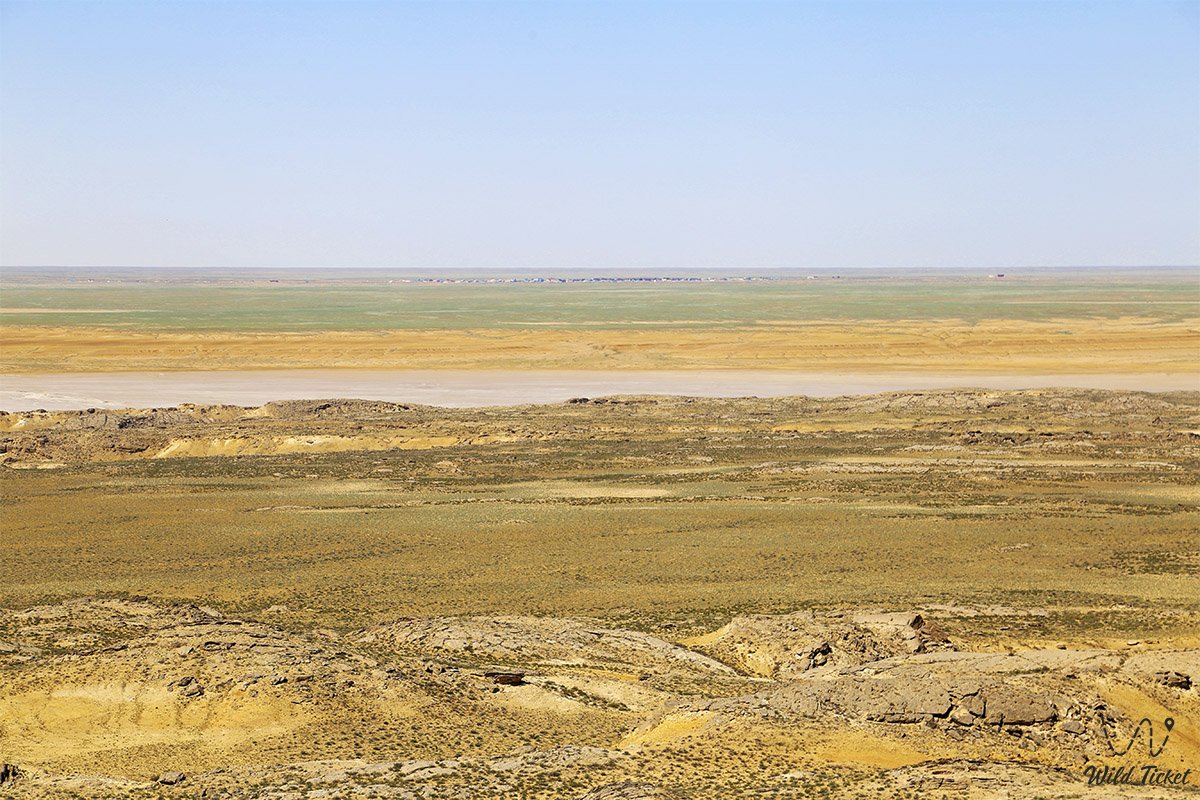
Geomorphologically, the Kenderli-Kayasan nature sanctuary represents a contrasting staircase of structural denudation plains of the Mangyshlak Plateau and deep tectonic-erosional endorheic basins. Absolute elevations range from deeply negative marks in depressions (Karagiye down to -132 m, Basgurly down to -40 m) up to 150–200 meters above sea level along the drainage divides of the Kenderli-Kayasan plateau and the crests of chinks.
The boundaries of the zone encompass focal geomorphological features of Southern Mangyshlak:
1. Kenderli-Kayasan Plateau – a flat gravelly-clay upland formed of Sarmatian coquina limestones.
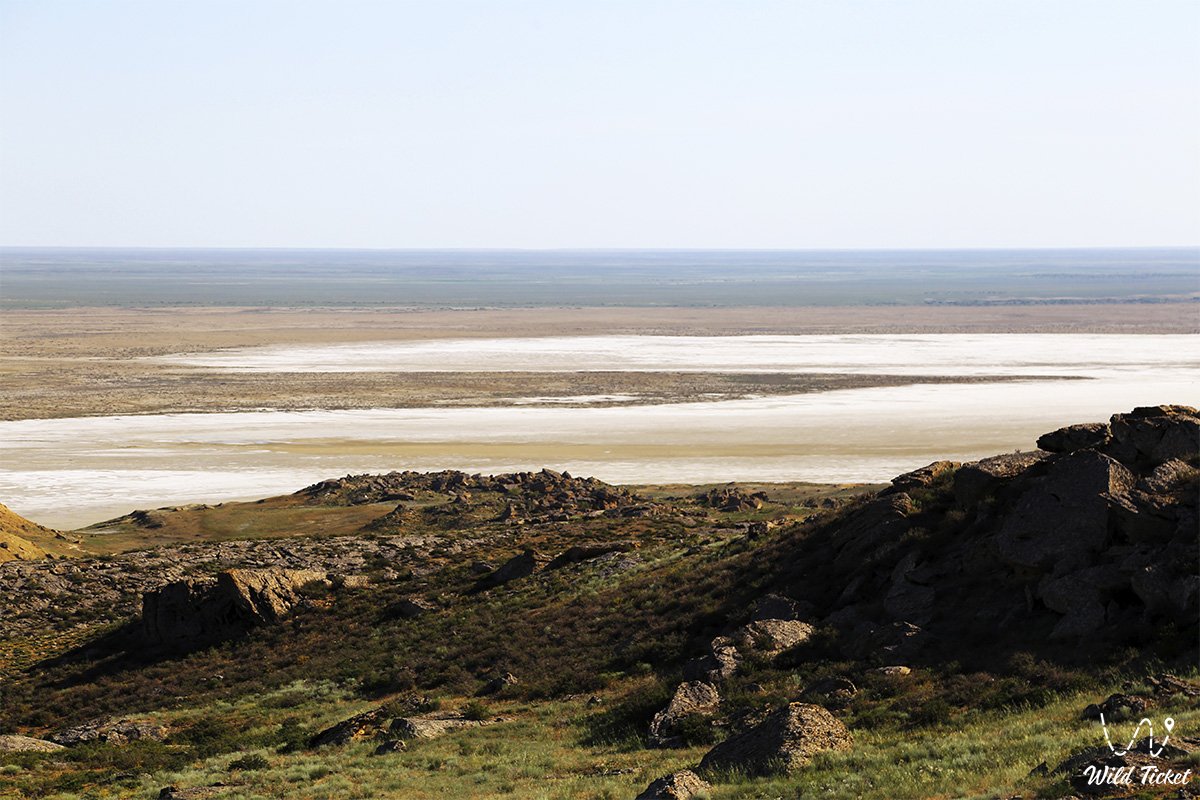
2. Depressions of Basgurly, Zhazgurly (Zhasgurly), and Kuandy – enclosed depressions with steep scarps, featuring salt marshes and takyrs on their floors.
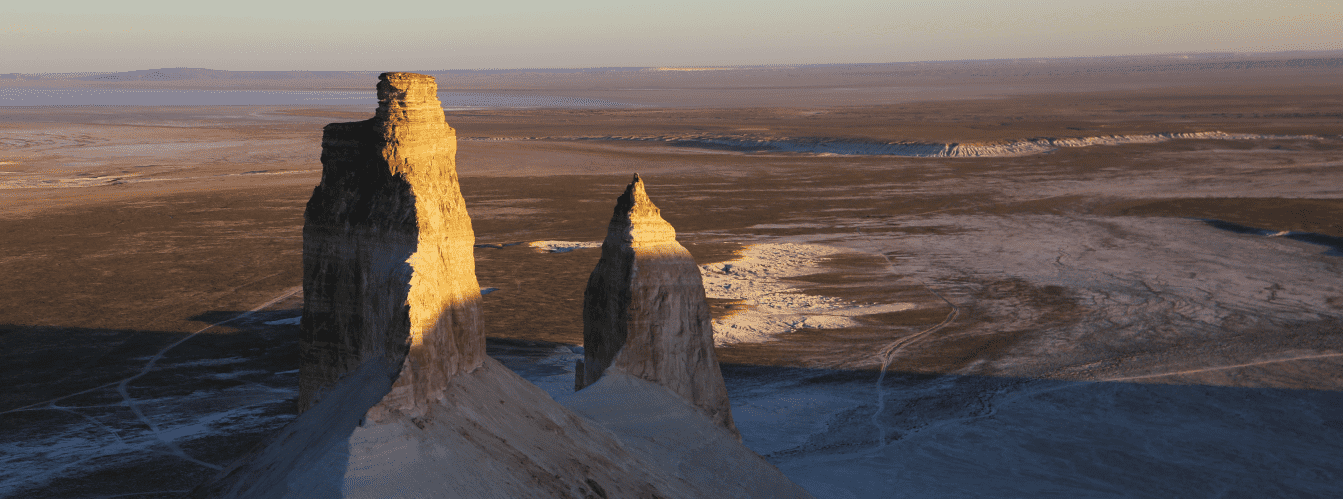
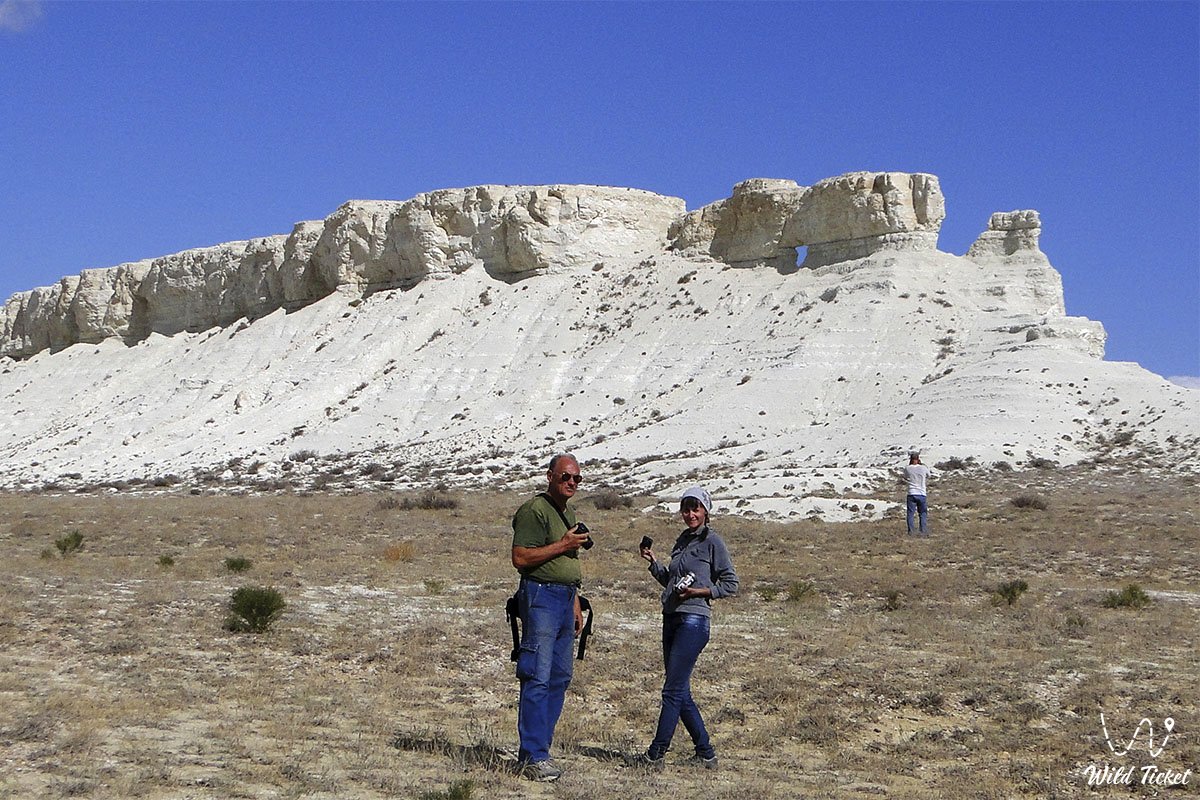
3. Chinks of Kulandy and Kayasanirek – rocky escarpments 80 to 200 meters in height with scree aprons, caves, and cornices.
4. Sands of the Karynzharyk depression – hummocky-ridge aeolian sands adjoining the depression from the east.
5. Extension of the Karagiye depression – a giant tectonic graben on the western margin of the zone.
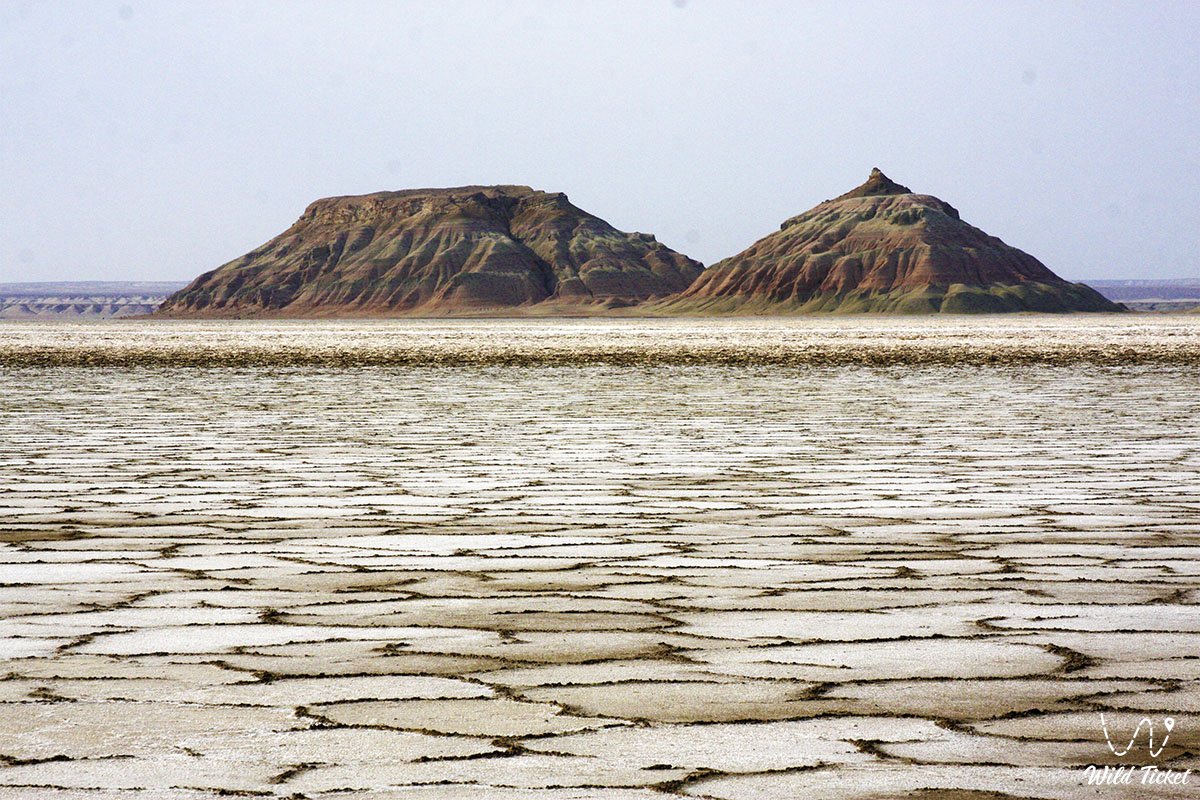
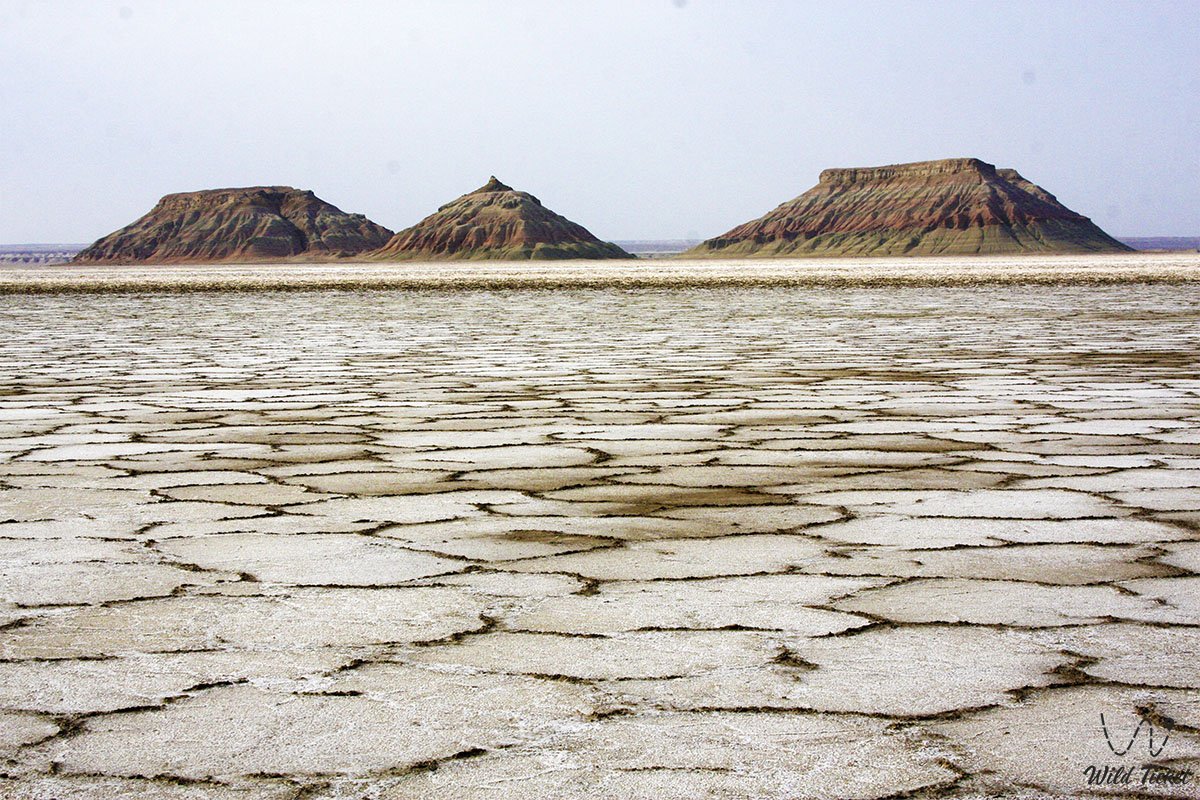
The geological basement is composed of Upper Cretaceous, Paleogene, and Neogene marine sedimentary strata of the prehistoric Tethys Ocean. Rock outcrops feature white chalk, dense limestones, marls, clays, and gypsum beds. On the floors of the basins, the evaporation of groundwater and seasonal runoff has created thick crustal salt flats.
The hydrological network consists of dry erosional watercourses (says) and occasional fissure-fed springs. During the rainy season and snowmelt, temporary shallow saline lakes form across the floors of the enclosed depressions.
The climate is sharply continental, extremely arid desert. Annual precipitation totals only 100–130 mm. In summer, daytime air temperatures exceed +40...+45 °C, while coquina and clay ground surfaces heat up to +65 °C. Winter is characterized by persistent sub-zero temperatures and piercing freezing winds.
Detailed description of the venue
The spatial and natural complex of the Kenderli-Kayasan nature sanctuary encompasses the following key landscape sectors and tracts:
• Kenderli-Kayasan Plateau – a vast gravelly-wormwood plain serving as an ideal biotope for the nesting of the MacQueen's bustard and year-round grazing grounds for goitered gazelles.
• Basgurly Depression – a deep endorheic basin with sheer stratified walls, a salt-flat floor, and characteristic erosional weathering forms.
• Depressions of Zhazgurly and Kuandy – enclosed erosional basins accumulating seasonal runoff, bordered by chalk and clay escarpments that provide feeding habitats for ungulates.
• Rocky chinks of Kulandy and Kayasanirek – sheer 100–200-meter limestone cliffs of the plateau that function as nesting ledges for the saker falcon and other raptors, as well as a refuge for the Ustyurt mountain sheep.
• Karynzharyk sand massif – a system of hummocky and ridge sands along the eastern border of the zone, populated by saxaul and desert shrub vegetation.
• Spurs of the Karagiye depression – deep karst-tectonic ravines along the western boundary of the reserve displaying notable geological outcrops of coquina and gypsum.
• Field stations for bustard release and acclimatization – specialized sectors where ornithologists conduct ringing, attach satellite transmitters, and release captive-bred birds into the open steppe.
Flora and fauna
The plant life of the nature sanctuary exhibits high ecological specialization toward salinity and water scarcity. Across the floors of endorheic depressions where salt flats develop, halophytic communities dominate: Halocnemum strobilaceum, European glasswort, Caspian Kalidium, and eastern saltwort. Along the clay and stony slopes of chinks up to 100 meters high, flora is considerably richer: various species of Anabasis (biyurgun), Atraphaxis, Malacocarpus crithmifolius, nitre bush, and boyalych grow here. The boundless plains of the plateau are dominated by gray-soil and white wormwood, feather grasses, Anabasis, and dwarf subshrubs, which possess high nutritional value and constitute the core forage base for wild ungulates. The sand massifs host black and white saxaul, Calligonum (dzhuzgun), and sand acacia.
The fauna of the reserve enjoys republican-level protection. The ornithological centerpiece of the territory is the MacQueen's bustard (houbara bustard) – an exceptionally cautious bird of open clay-gravel semi-deserts. The second key protected species is the raptorial saker falcon, which nests on the inaccessible ledges of the Kulandy and Kayasanirek chinks. In addition, peregrine falcons, golden eagles, steppe eagles, long-legged buzzards, black-bellied sandgrouse, Pallas's sandgrouse, desert larks, and stone-curlews inhabit the area.
Among mammals, populations of the goitered gazelle (subfamily Antilopinae) and the Ustyurt mountain sheep (urial/mouflon) are of primary significance, finding suitable habitats along the western chinks of Ustyurt and the Karynzharyk depression. During seasonal migrations, herds of saiga antelopes traverse the plains.
The community of small carnivores and rodents is represented by the sand cat, marbled polecat, corsac fox, steppe polecat, tolai hare, long-eared hedgehog, jerboas, and gerbils. Wolves and jackals hunt across the valleys at night.
The herpetofauna includes the Central Asian tortoise, toad-headed and secret toad-headed agamas, steppe agama, plate-tailed gecko, sand boa, arrow snake, dione snake, and the venomous Halys pit viper. Solifuges, scorpions, and black widow spiders (karakurt) dwell in rock fissures and sandy patches.
Legend
An ancient nomadic legend concerning the Golden Falcon and the Bird of the Winds is linked to the boundless plains of Kenderli-Kayasan.
Tradition tells that at the dawn of time, when the Mangyshlak Plateau was a sacred meeting ground for heavenly spirits, two noble birds held sway over this land. The first was the Golden Saker Falcon – lord of the mountain chinks, whose keen gaze could spot a grain of sand from the Caspian to the Aral Sea, and whose wings sliced through gale-force storms. The second was the Houbara Bustard – guardian of the peaceful grassy plains, whose graceful dance summoned spring rains to the land and brought fertility to the flocks of steppe nomads.
One day, from the depths of the underworld, the dark spirit of drought and plague – Zhalduz – crawled into the valley. He resolved to dry up every spring, turn the soil into dead salt rock, and destroy every living being. Seeing the impending disaster, the Golden Falcon soared toward the chinks of Kulandy and plunged from the skies to do battle with the evil spirit, binding him with razor-sharp talons. Meanwhile, the fair Bustard climbed to the zenith and whirled in a sacred dance of unity, imploring the heavens to preserve the native expanses.
Hearing their call, the spirits of earth and sky unleashed a shattering lightning strike upon the demon, imprisoning him forever within the deep chasms of Basgurly and Karagiye. Yet in the battle, both birds exhausted their strength: drops of the faithful falcon's blood petrified into ochre bands along the cliffs of Kayasanirek, while the plumes of the gentle bird transformed into the soft wormwood grasses of the plateau.
Ever since, a belief has lived among the people: so long as the noble saker falcon soars over the chinks and the cautious MacQueen's bustard runs freely across the plains of Kenderli-Kayasan, this land will preserve peace, natural strength, and divine blessing.
Conclusion
The Kenderli-Kayasan State Nature Sanctuary is a colossal natural preserve of Mangystau, where the fragile life of the arid world is safeguarded through state protection and international scientific programs. The majestic precipices of the Kulandy and Kayasanirek chinks, the silence of the deep Basgurly and Zhazgurly depressions, and the free flight of the MacQueen's bustard across the boundless plateau grant every traveler a profound appreciation of the need to preserve Kazakhstan's primeval wild nature.
Interesting sights nearby:
• Karagiye Depression (-132 meters below sea level);
• Basgurly Endorheic Depression;
• Depressions of Zhazgurly and Kuandy;
• Rocky chinks of Kulandy and Kayasanirek;
• Endorheic Karynzharyk depression with the "Three Brothers" outliers;
• Kenderli Salt Flat (Kendirlisor);
• Karamaya Dark Outlier Mountain Ridge;
• Ustyurt Nature Reserve;
• Sand Massif and Dunes of Senek Village;
• Nurbergen Kalyshev Mausoleum;
• Senek Necropolis;
• Oil Town of Zhanaozen;
• Kenderli Recreation Zone on the Caspian coast;
• Kenderli Bay;
• Caspian Sea.
Sacred sights and pilgrimage destinations:
• Karaman-Ata Underground Mosque;
• Shakpak-Ata Rock Mosque;
• Sultan-Epe Underground Mosque;
• Otpantau Complex on Mount Otpantau;
• Kolbas Ishan Mosque;
• Koben Mosque;
• Zholaskan Mosque;
• Nurbergen Kalyshev Mausoleum;
• Zhaman Sauran Mosque;
• Ishan Khozha Mosque;
• Itolla Mosque;
• Sonabay Underground Mosque;
• Masat-Ata Mosque;
• Uytoly-Ata Underground Mosque;
• Sanctuary of Bayte.
Photogallery: