Excursion to Khan Ordaly Sarayshik complex
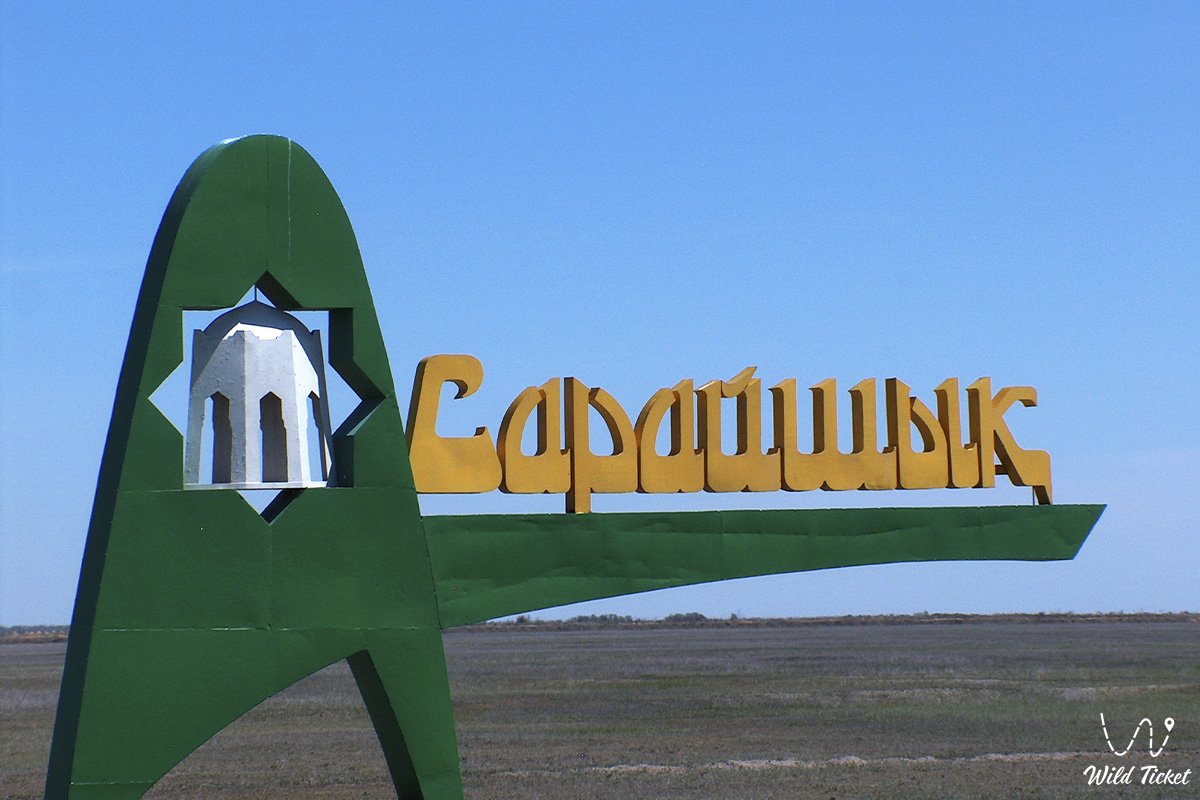
Khan Ordaly Saraichik is the name of the state museum and reserve in the Atyrau region. Here you will get acquainted with the history of Kazakhstan, and the history of the Great Steppe. The museum was opened in 1999 to collect a collection of archaeological excavations. The ancient city of Saraishik is located here, the ruins of which have been preserved in this region, as well as the museum contains exhibits found here, exhibits reflect the life of ancient people. Ancient Saraishik was located on an important trade route between Europe and Asia, the city provided security for the caravan routes.
- Distance of the route:
112 km
- Season time:
May - September
- Best time:
June - August
- Group size:
not more 12 persons
- Days & nights:
1 day
Tour itinerary:
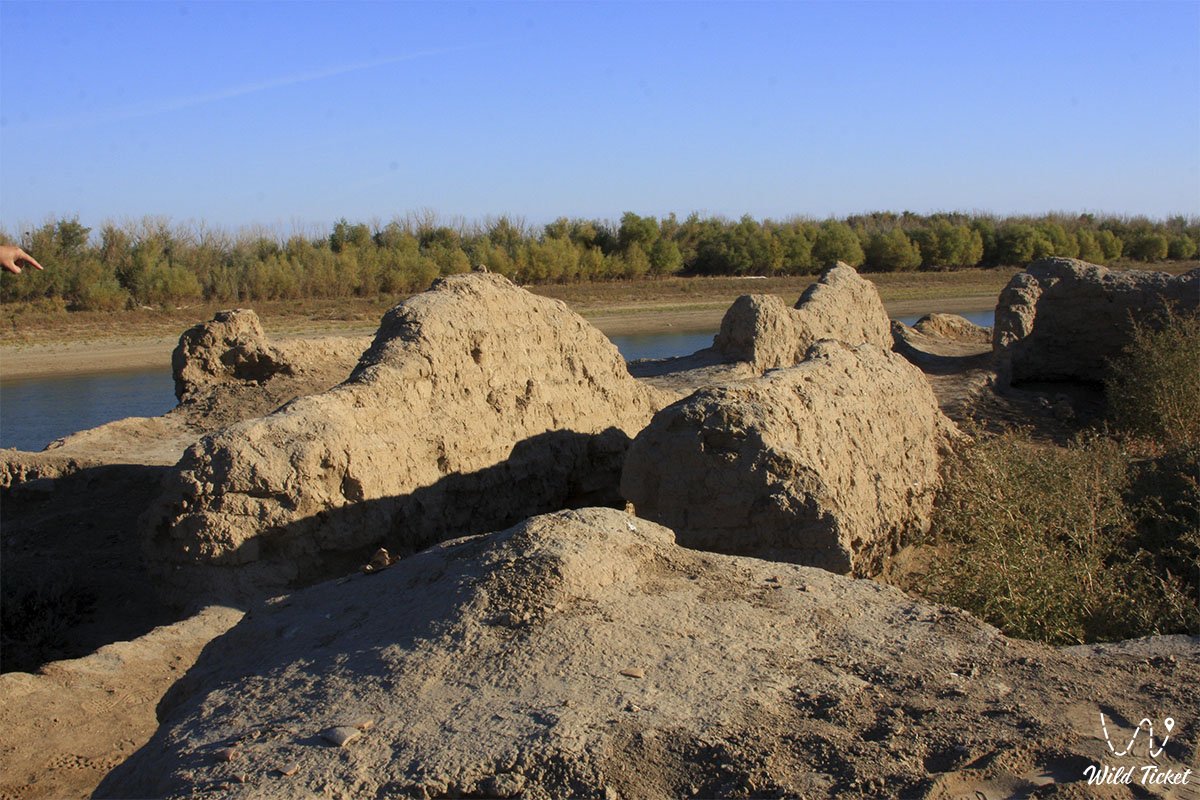
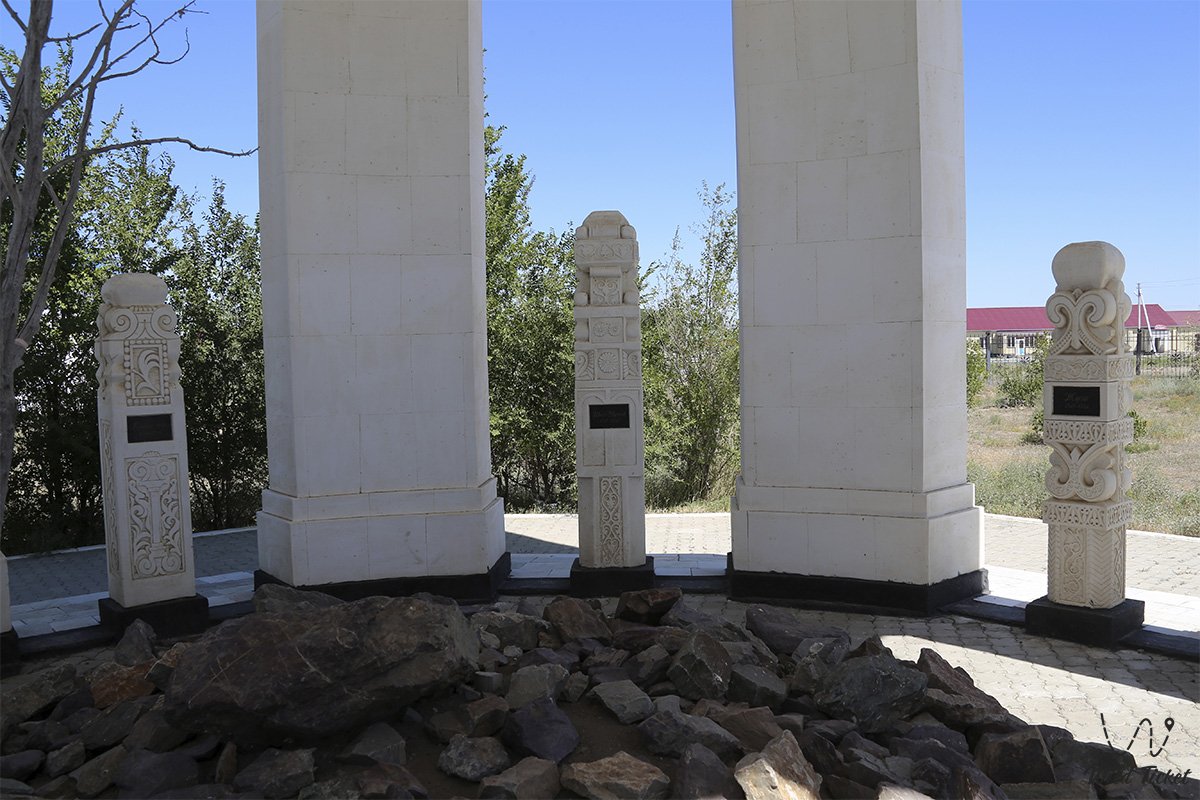
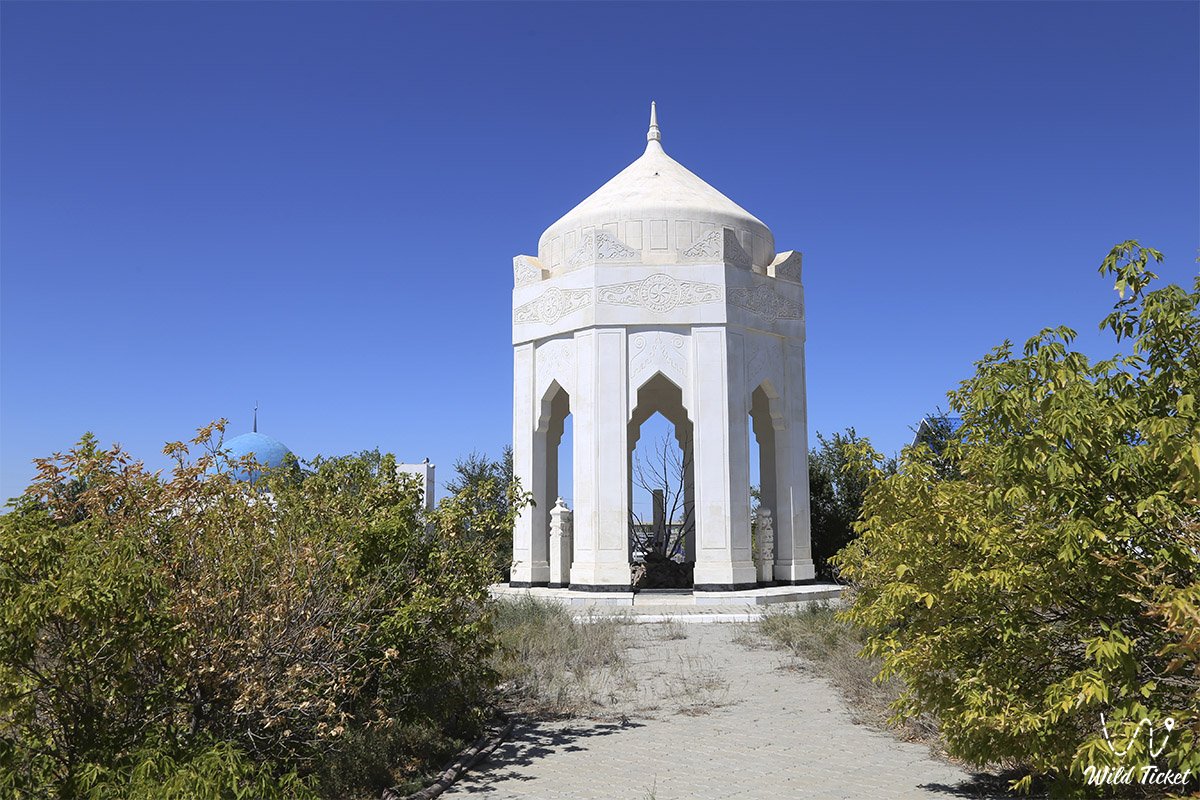
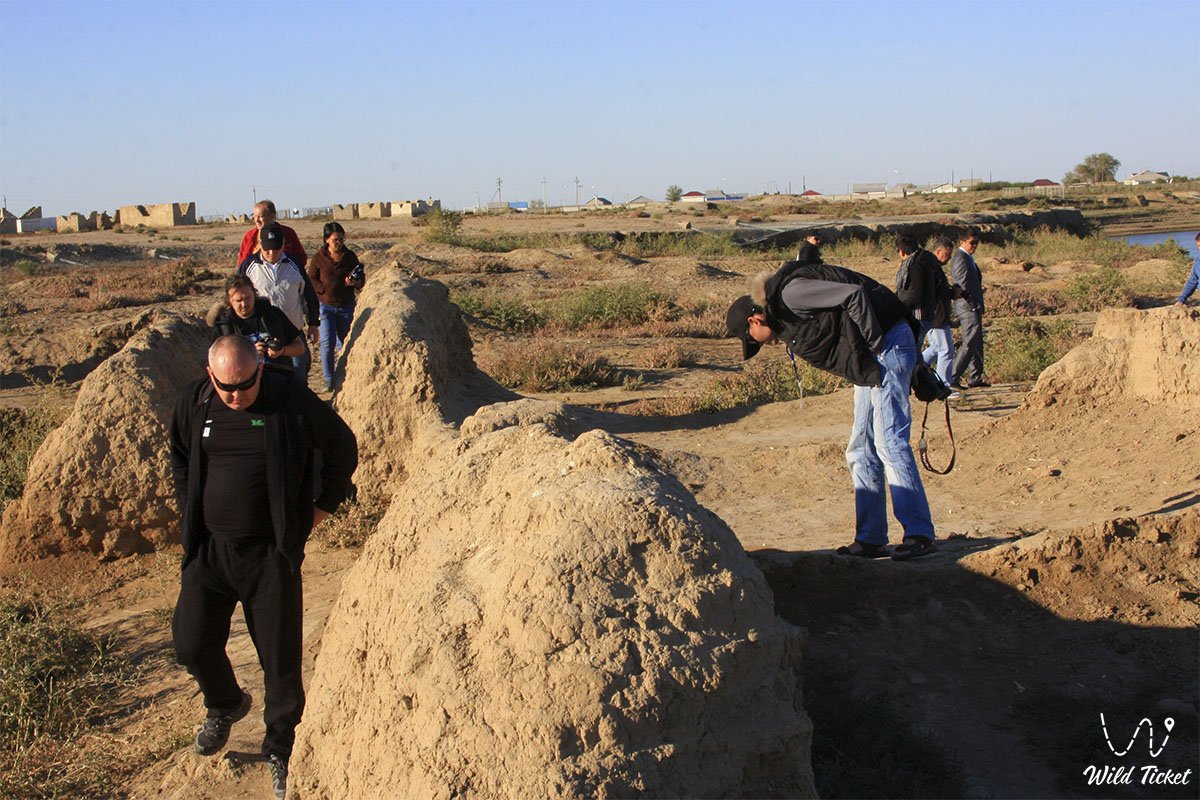
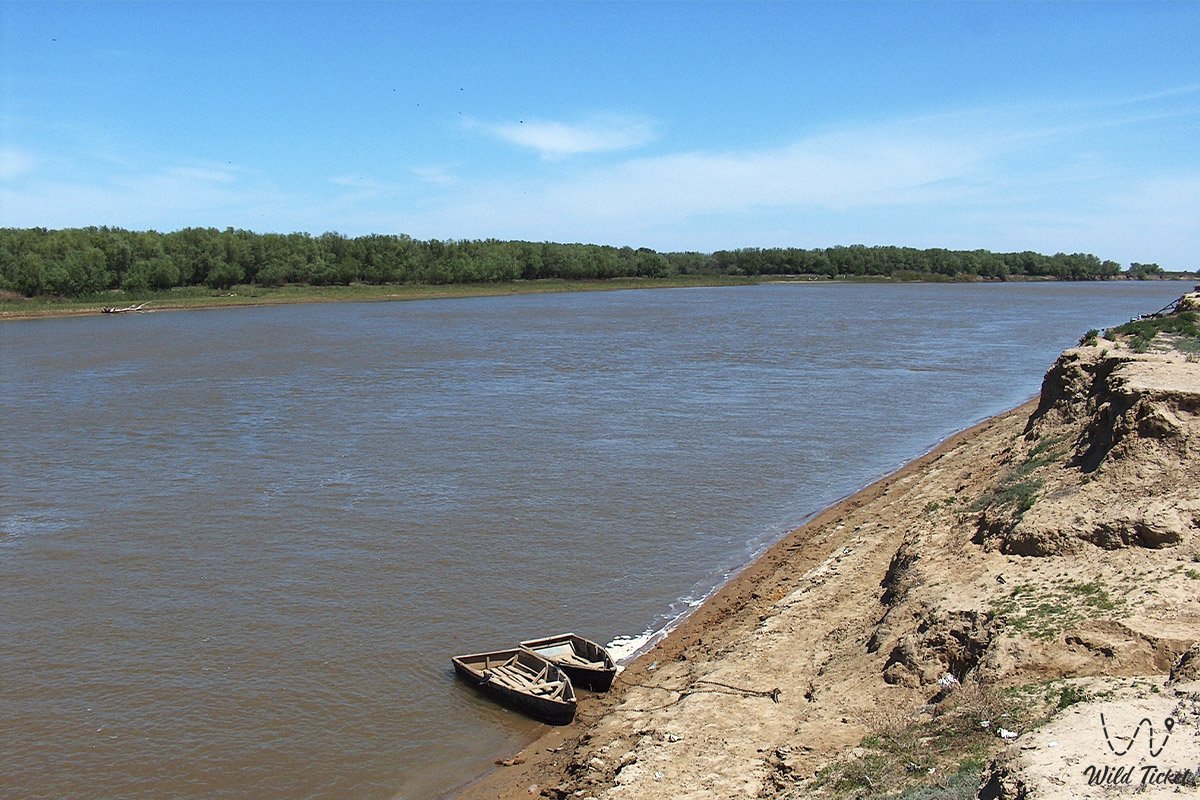
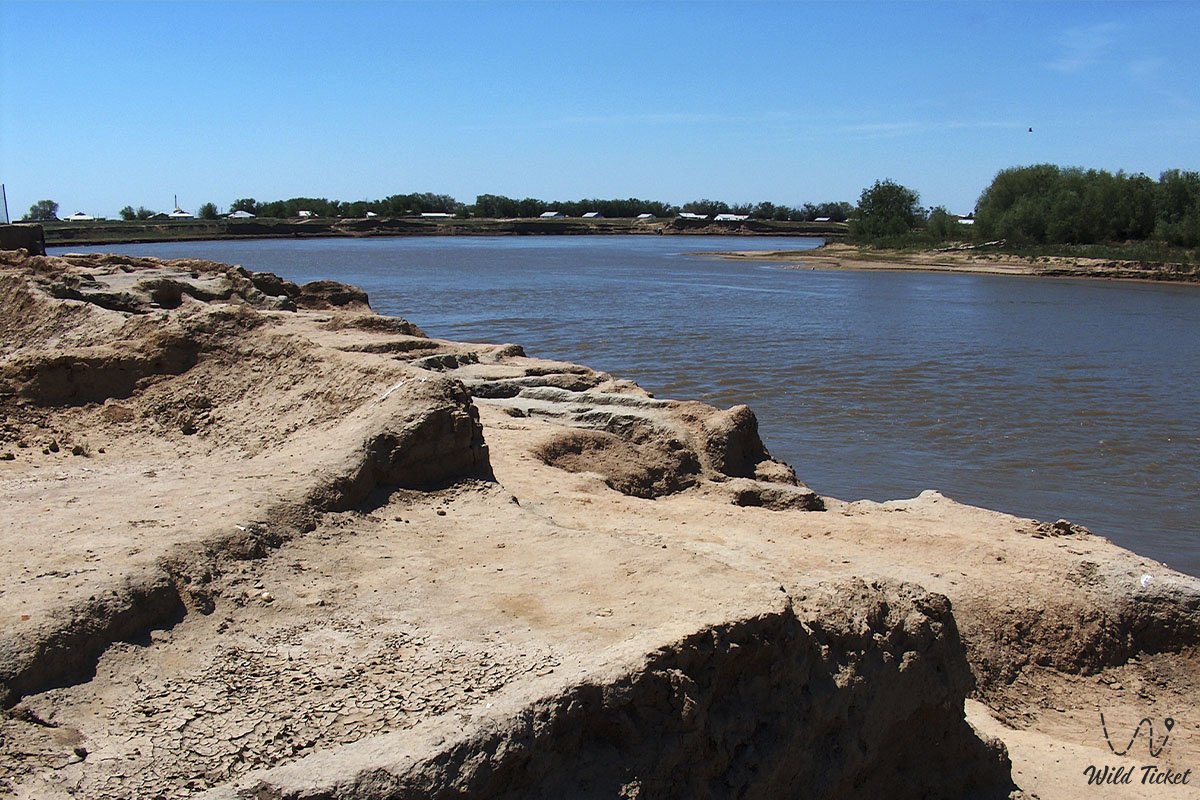
From the city of Atyrau, we leave for the village of Saraishyk, which houses the museum of the Saraishyk settlement. After driving 53 kilometers, we reach the village and head to the Khan Ordaly Saraishyk memorial complex, where we will have a guided tour. This complex includes three objects: a museum, a mosque and a pantheon, built in honor of the seven Golden horde khans, Sartak, Berke, Toktakia, Zhanybek, Kasym, Izmail and Uraz, who were buried on the territory of the ancient settlement. This complex was opened in 1999, and in its central part there is a dry sacred tree called Aulie-Agash. We visit the mausoleum and drive to the Saraishyk settlement, which is located on the coast of the Ural River. We inspect the archaeological excavations, take pictures and stroll along the river embankment. Finish the walk, we return back to the city of Atyrau. The length of the route will be 56 kilometers.
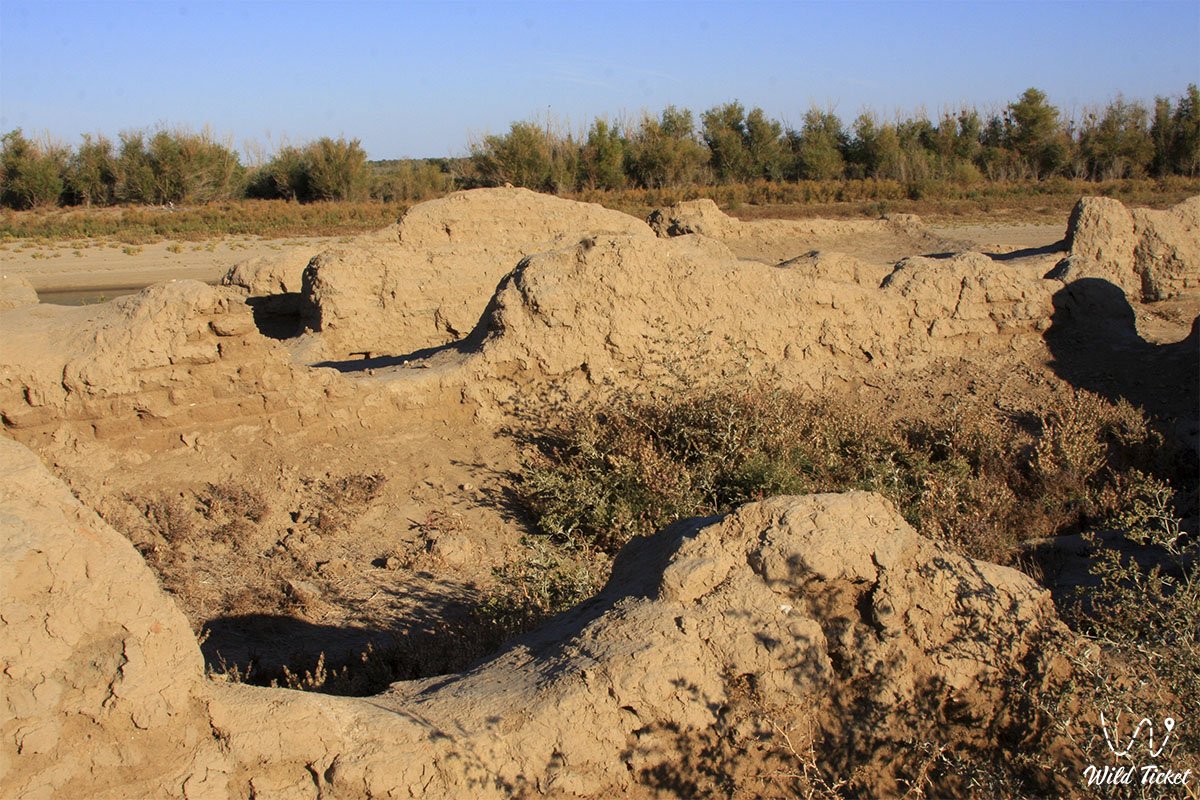
The Saraichik settlement is a remnant of the city of Saraichuk. The written tradition dates its foundation to the 13th century. The earliest archaeological date obtained as a result of excavations dates back to the beginning of the 14th century.
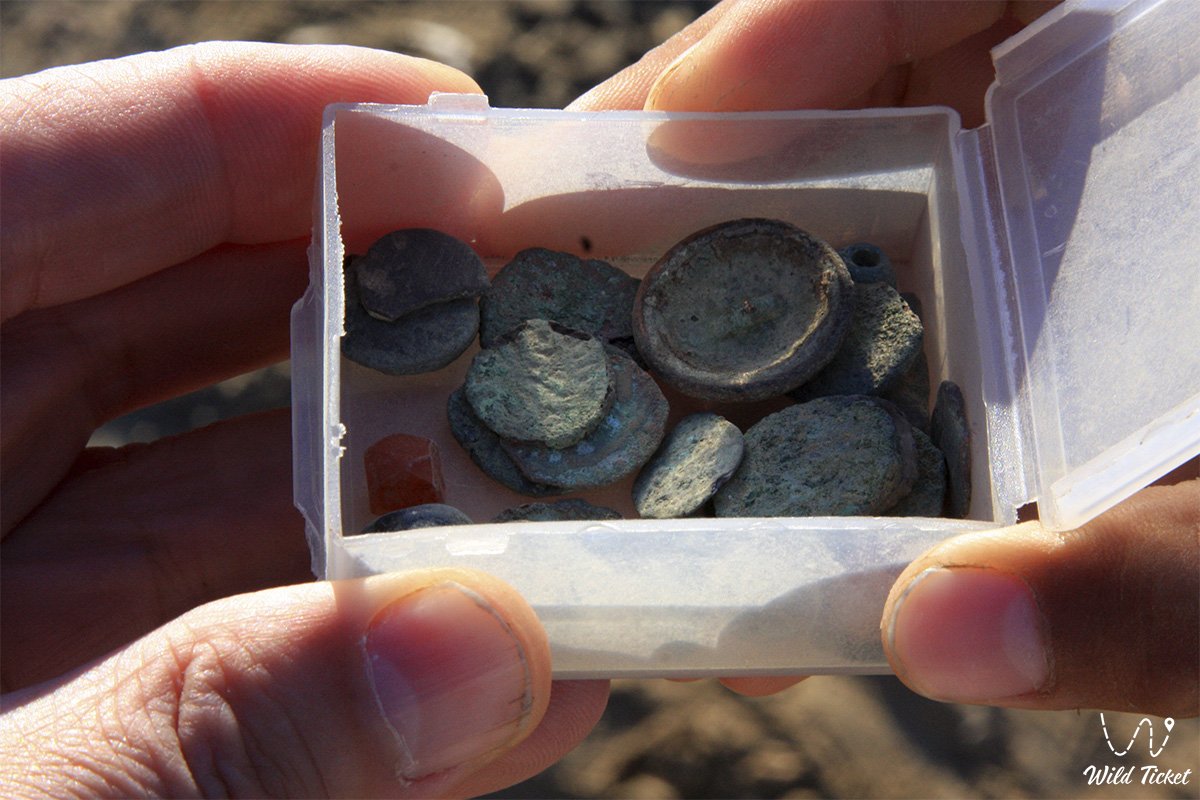
By this time, stationary residential and industrial complexes belong to one of the excavated sites, in the pre-continental layer of which a pool minted before the 20s of the XIV century was found. An inspection of the coastal cliff, however, suggests that in the 13th century Saraichuk existed as a large yurt settlement.
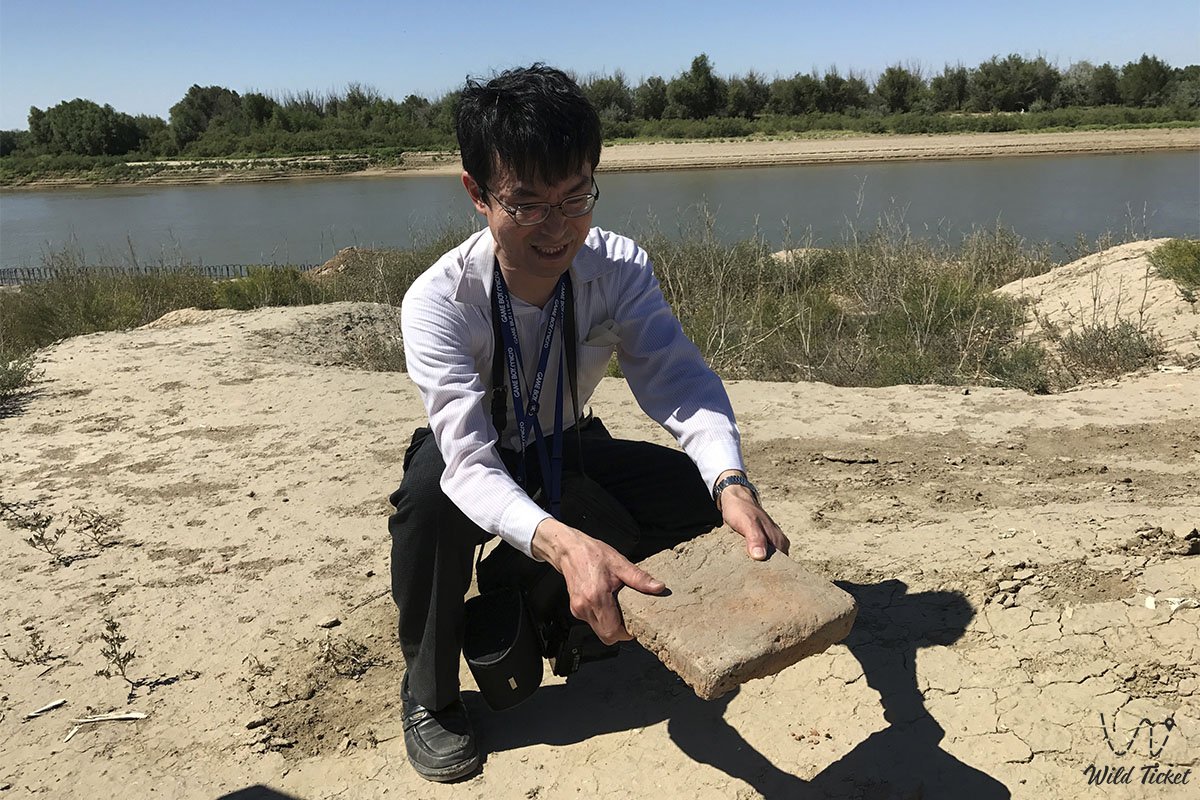
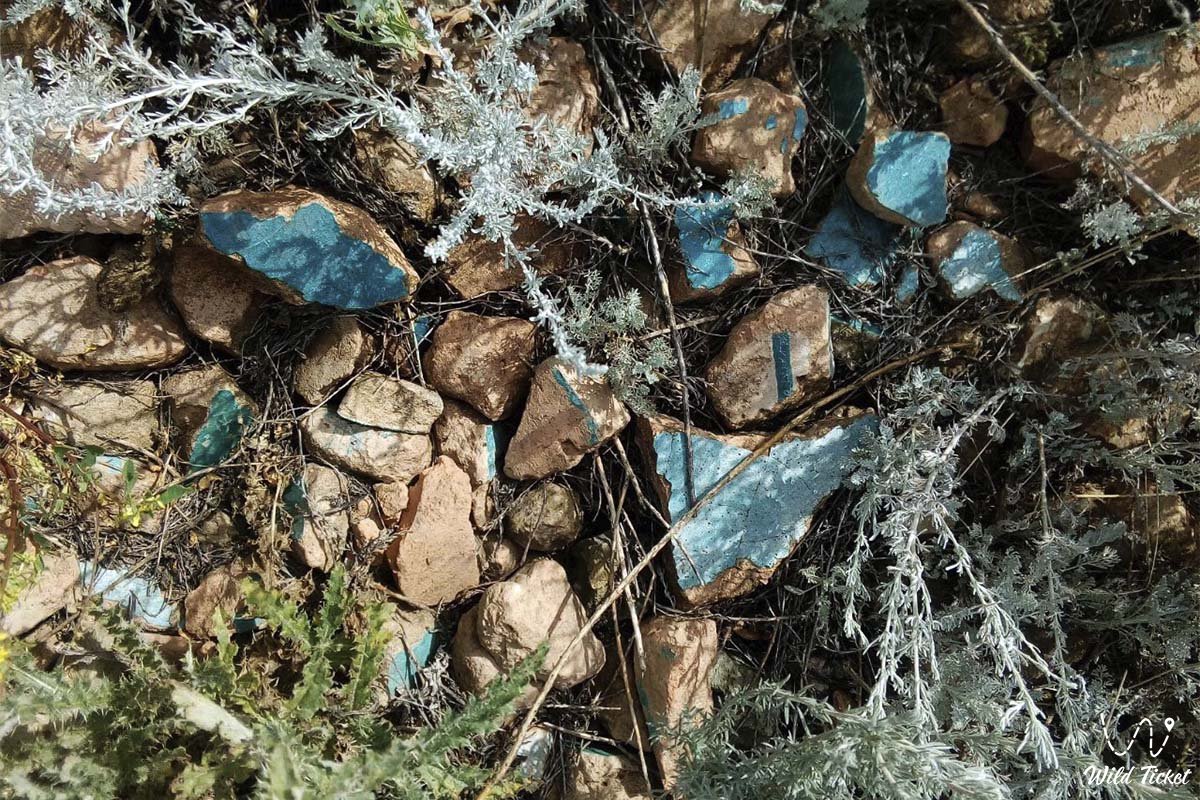
The lowest cultural layer of the settlement, 0.3 - 0.4 m thick, is poorly saturated with red clay ceramics and bones, small pits are embedded in the mainland. The remains of building structures, as well as irrigation ceramics, are absent; there are only rare fragments of raw bricks, which, judging by their sootiness, were used to equip fireplaces or stoves.
This layer is covered by a thin layer of fire, on top of which there are already remnants of walls (mostly made of raw materials), utility pits and finds common to the Golden Horde city of the 14th - 15th centuries. As a city, Saraichuk was rebuilt in the first third of the 14th century.
Over the course of several decades, residential areas have been rebuilt several times, and the layout of the streets has probably changed. This is indicated by the remains of houses that overlap each other, but do not match the organization of the interior space.
Inside, the walls of the houses were whitewashed. The floors are sometimes lined with mud bricks. Where there was no decorated floor, its level was constantly rising as a result of an increase in the groundwater level, on top of which residents applied a layer of pure clay.
Photogallery: