City tour in Pavlodar city
Pavlodar is a large city in Kazakhstan. It is located in the north of the country on the Irtysh River, in the southern foothills of the West Siberian Lowland, near the border with Russia, about 400 km northeast of the capital Nur-Sultan. The city was named Pavlodar (which means Paul's gift) in honor of the newborn Grand Duke Pavel Alexandrovich.
Pavlodar, when it was an outpost of the Cossack garrison, Koryakovsky (Koryakovsky) was founded on the territory of the present city in 1720. It served to protect Russian commercial and expeditionary travelers
Since the mid-1960s, Pavlodar has grown significantly and turned into a large industrial center with tractor plants, aluminum and chemical industries. In 1978, an oil refinery was opened. Since an important tank factory was located in Pavlodar, foreigners were prohibited from entering the city until 1992.
- Distance of the route:
10 km
- Season time:
May - September
- Best time:
June - August
- Group size:
not more 12 person
- Days & nights:
1 day
Tour itinerary:
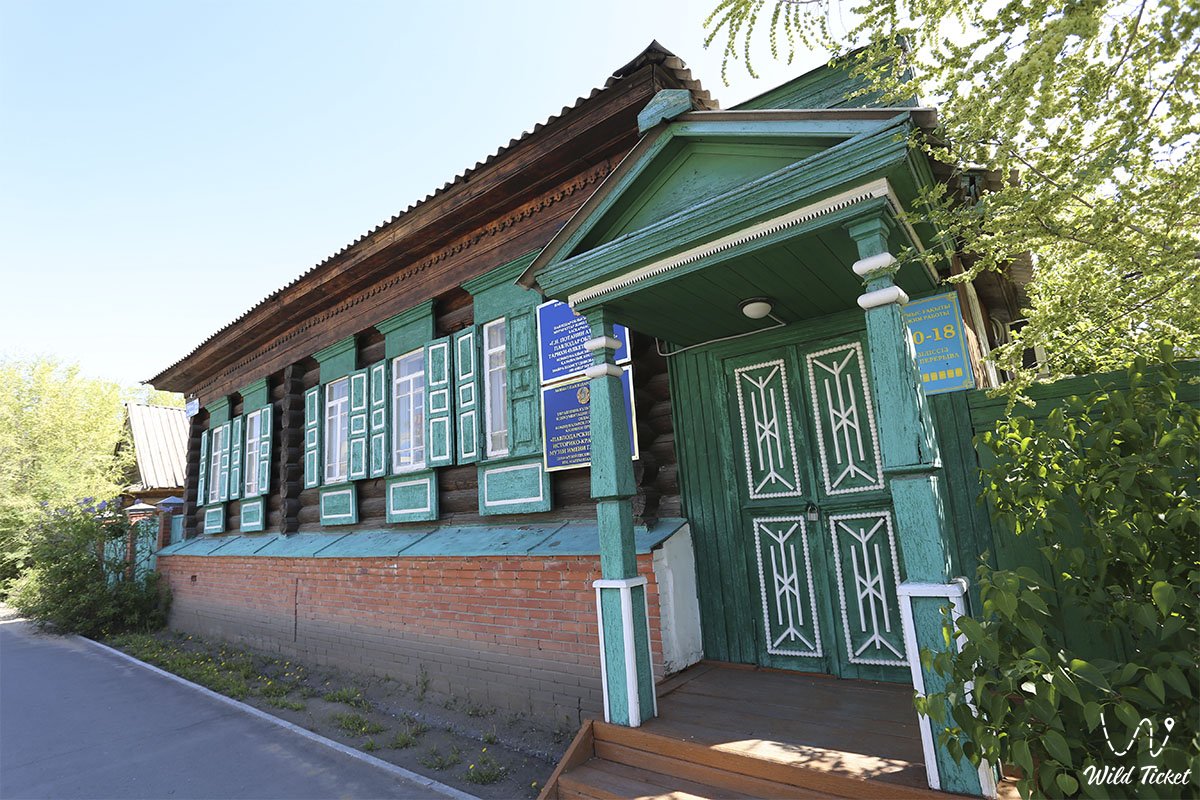
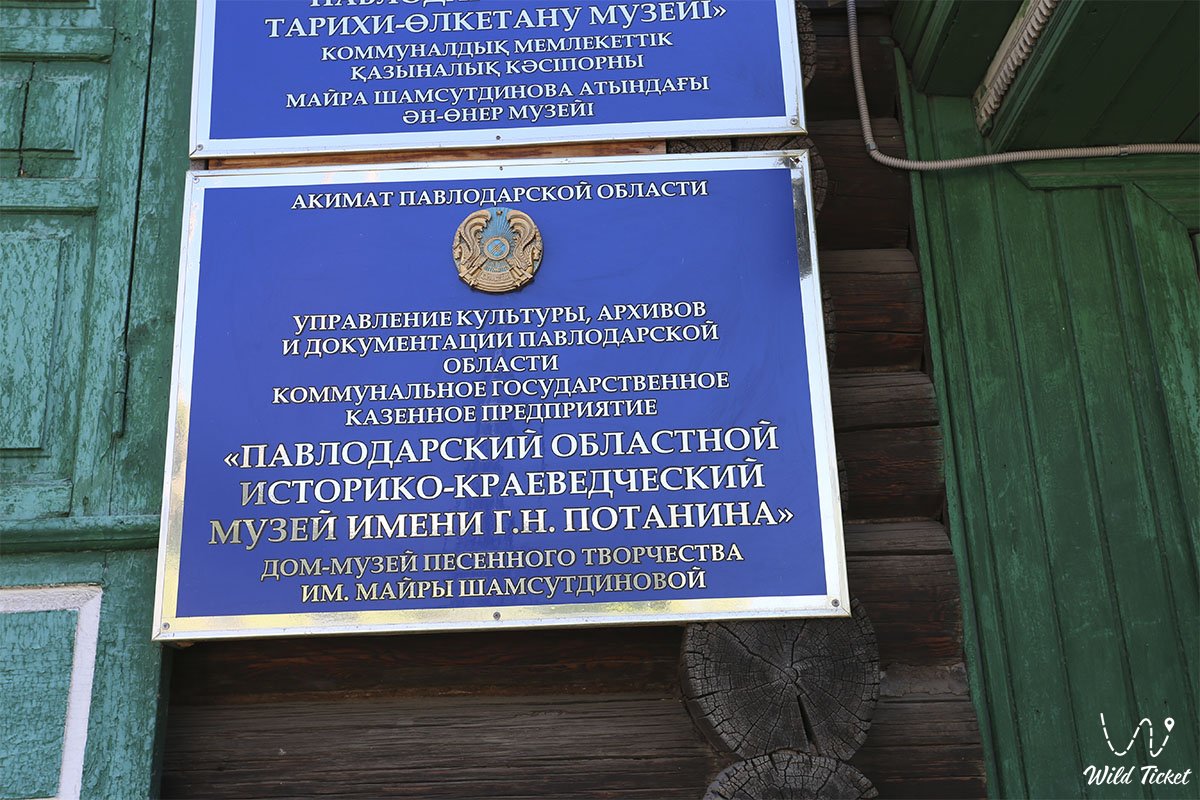
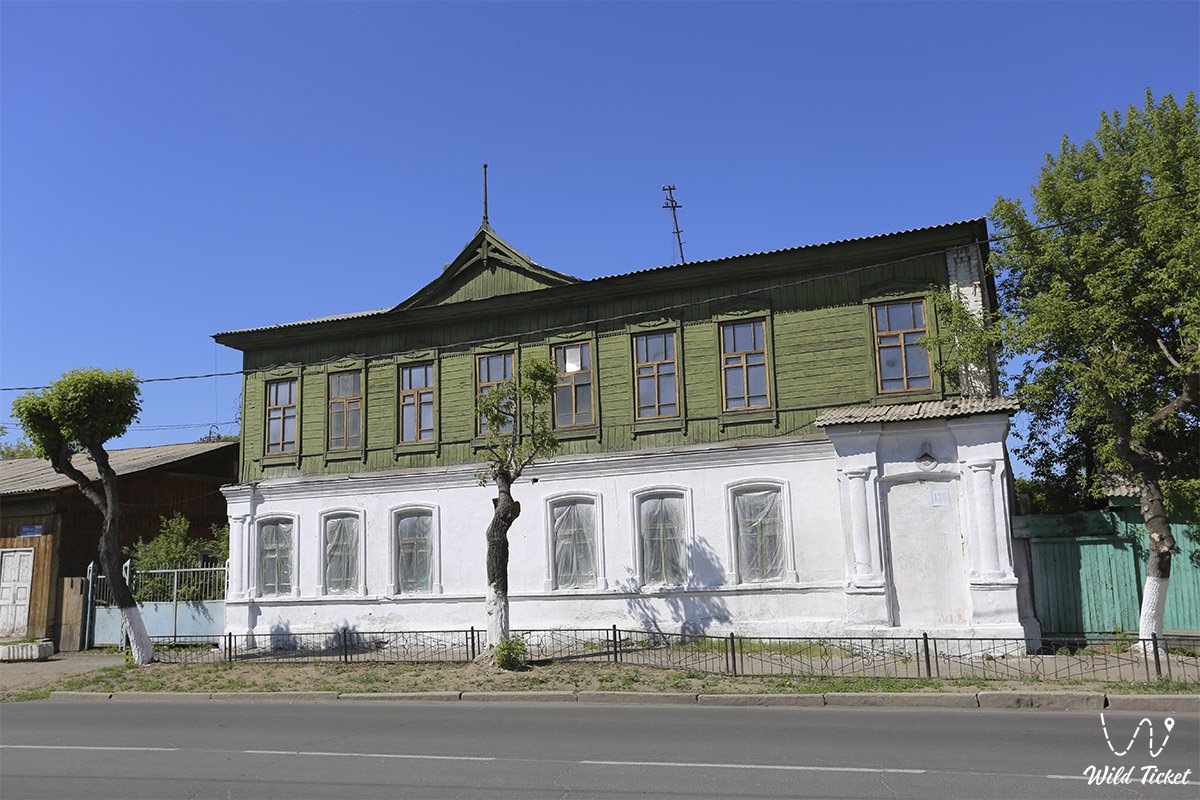
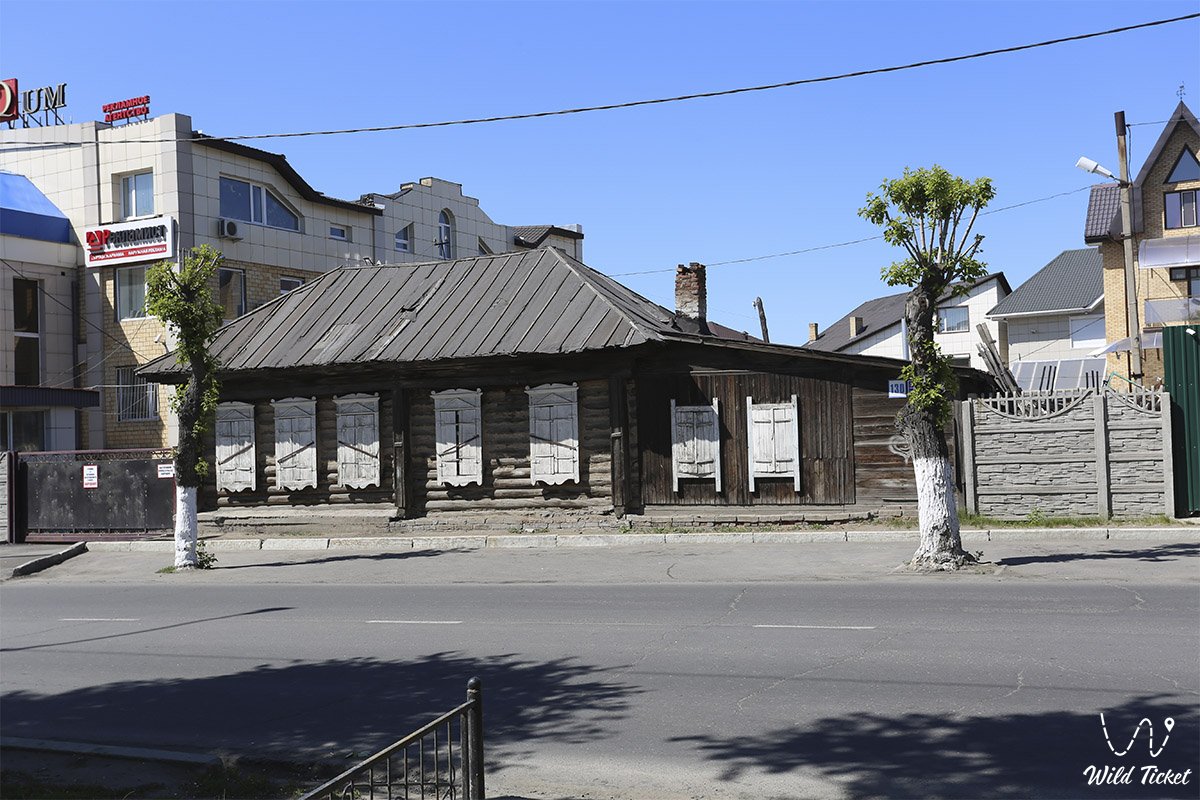
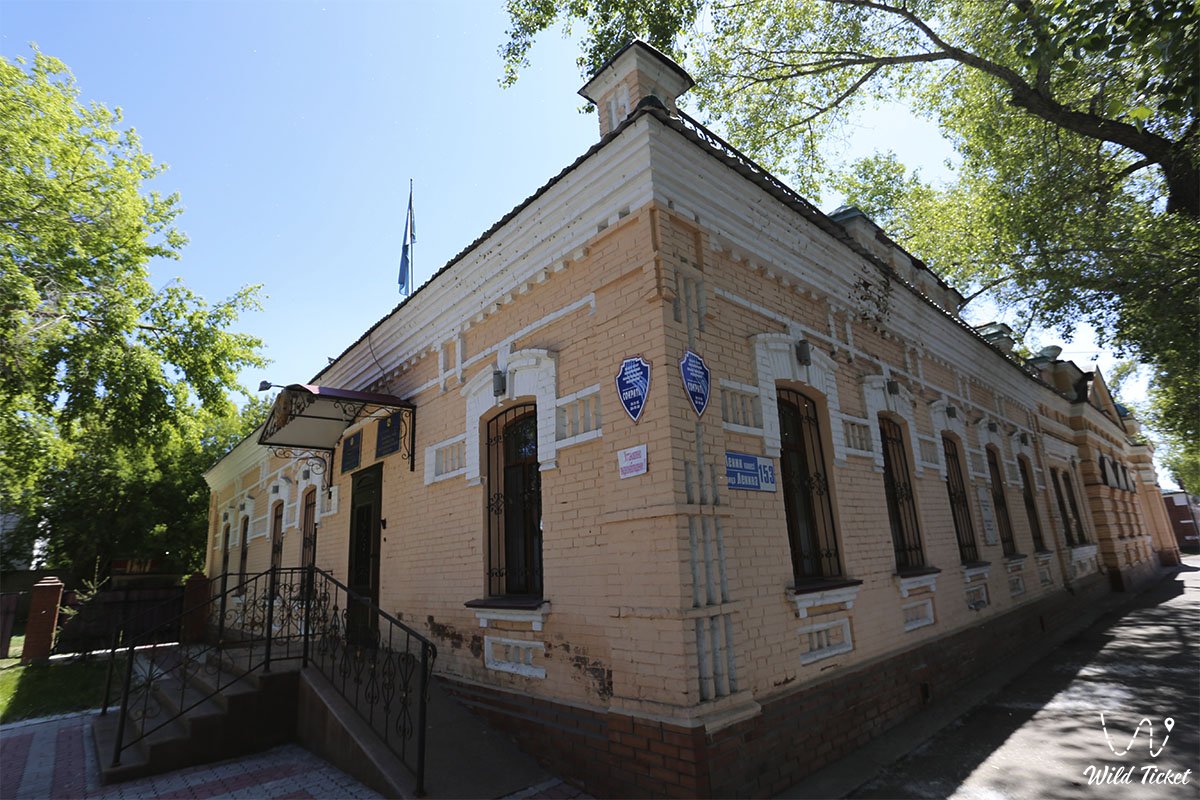
We'll be heading out on a sightseeing tour of Pavlodar. First, we'll visit the Museum of Local History and the Museum of Literature and Art, followed by the Annunciation Cathedral, built in 1999. After the cathedral, we'll head to the house of the merchant Sorokin, built in 1890, and then the People's House, built in 1902, and the Maira Shamsutdinova House Museum, which is located in the house of the Tatar merchant Ramazanov.
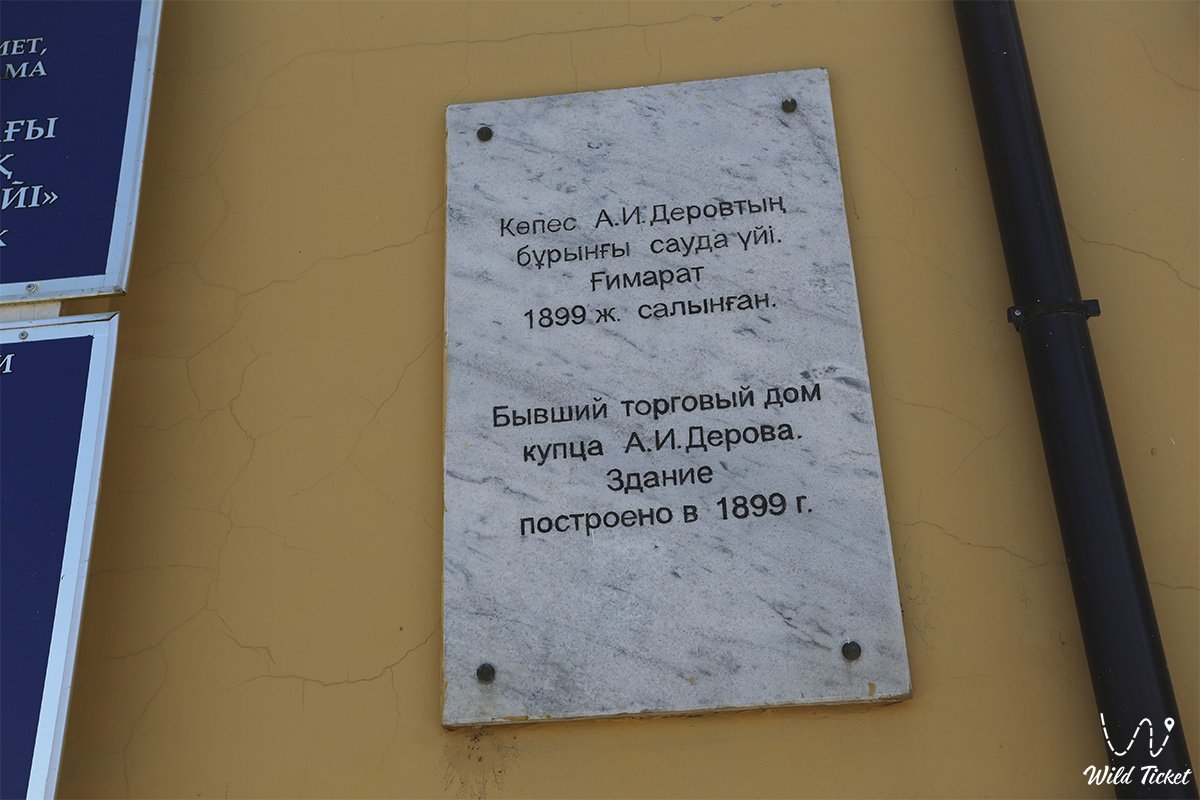
Next, we'll stop at the Vladimir School and the houses of the merchants Derov, Okhapkin, and Zaitsev. Afterwards, we'll visit the D.P. Bagayev Memorial House Museum and the paleontological site known as "Goose Flight," located on the banks of the Irtysh River. From the coast, we can see bones protruding from the ground. They belong to fossilized animals, such as the three-toed horse (Hipparion) and the giant deer, washed up in this area by the waters of the Irtysh River.
1. If you wish, you can travel to the town of Ekibastuz (140 km). In Ekibastuz, you can see the world's tallest chimney, Ekibastuz State District Power Plant-2, and the largest open-pit coal mine, Bogatyr, where coal is mined. These two attractions are officially listed in the Guinness Book of Records: the longest chimney in the world and the largest open-pit coal mine, Bogatyr.
2. You can organize a trip to the Shiderty-3 Stone Age site. Currently, this is the only Mesolithic-Eneolithic site in the country. The excavated archaeological layers here provide insight into the development of human society and climate change.
3. From Ekibastuz, you can organize a trip to the Auliekol settlement, located in the Ekibastuz District of the Pavlodar Region, 50 kilometers northwest of Ekibastuz, where the Olenta River flows into Lake Auliekol. The settlement is located on the summit of a remnant known locally as Karaoba.
Pavlodar (Kazakh: Павлодар) is a city in northeastern Kazakhstan, 450 kilometers northeast of the capital, Astana, and 405 kilometers southeast of the Russian city of Omsk on the Irtysh River. It is the administrative center of the Pavlodar Region. The region has a population of 729,512. The city is home to an oil refinery, aluminum smelter, electrolysis plant, metallurgy plant, machine-building plant, and tractor factory.
The city's oldest industries are related to the processing of agricultural raw materials. The alumina and aluminum, tractor, oil refining, and chemical industries define the city's modern industrial specialization. Pavlodar is located in the northeastern part of the republic, at the intersection of the South Siberian Railway with the navigable Irtysh River and a highway junction that connects Kazakhstan's economic regions with Western Siberia and the Altai Mountains.
The city is located on the Irtysh Plain of the West Siberian Lowland at an altitude of 138 meters above sea level. The change in the country's socio-economic structure in October 1917 did not bring about any dramatic changes in the city's architectural appearance. However, a shipbuilding town with the Kuibyshev Club and School No. 13 emerged in the Zaton area.
In the 1920s, a new wooden building was constructed for the proposed railway station in the area of the current locomotive depot. The building itself was a fascinating example of wooden architecture, surviving socialism and perestroika, but during the "wild capitalism" era of the 1990s, falling into private hands, it burned down. In the 1930s, all of Pavlodar's churches, including the mosque's minaret, were destroyed.
A sixteen-apartment building—the so-called "cone"—was built from the bricks of the former Trinity Cathedral. However, the unfinished Vladimir Cathedral survived, though there were later attempts to blow it up; in the mid-1970s, it was dismantled with jackhammers. It hindered the reconstruction of the Oktyabr plant, which was evacuated to Pavlodar from Krasnodar in 1942. The city received its "second wind" during the Virgin Lands years.
The start of a new, major construction effort was linked to the decision to build a combine harvester and aluminum smelter here.
Photogallery: