City tour in Uralsk city
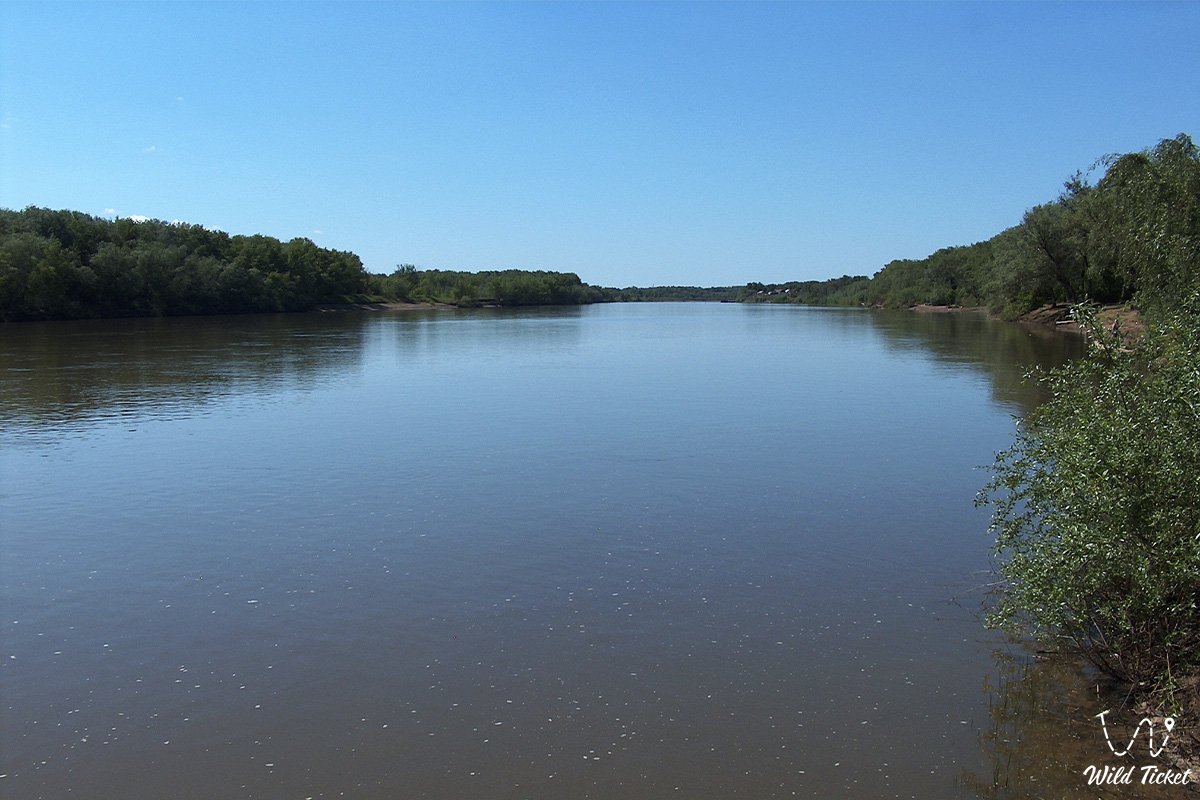
Uralsk is a city (since 1775), the center of the West Kazakhstan region (since 1932), a large railway station, a river port in the Urals, a network of river routes. The city is located on the banks of the Ural River, at the confluence of the Chagan and Ural rivers.
Today Uralsk is one of the largest cultural and economic centers in Kazakhstan. The largest enterprises in the city: the Zenit plant, Omega, Metallist, the Ural mechanical plant, the Ural valve plant, the Ural polyplastics plant.
The city has 2 houses of culture, 18 libraries, Kirov park, 3 museums, 2 theaters, a philharmonic society, an exhibition hall, 46 schools). There are also 35 state medical institutions. The Uralsk branch of the West Kazakhstan railway is located in Uralsk. The city is the largest river port in the Urals. Preserved architectural monuments of the 18th century.
- Distance of the route:
10 km
- Season time:
May - September
- Best time:
June - August
- Group size:
not more 12 person
- Days & nights:
1 day
Tour itinerary:
At the beginning of our excursion trip, we will visit the West Kazakhstan Regional Museum of Local Lore. It is one of the oldest museums in the republic. This museum was established in 1832 by famous scientists Karelin and Berg. At the moment, the Museum of local lore is located in a building that was built in 1879 for the Russian-Kazakh school, its architecture is executed in the oriental style.
The next point of our trip will be St. Michael the Archangel Cathedral. This cathedral is the oldest building in the city of Uralsk, built in the 1740s, it has survived all the historical important moments of the city. Previously, this cathedral was surrounded by a fortress wall, thanks to which, in 1772, the rebellious Cossacks during the Pugachev rebellion could not defeat the government troops stationed in the fortress. The house of the father of the "Tsar's bride", one of Kuznetsov's rich Cossacks, is located near the Mikhailo-Archangel Cathedral. At the moment, the Pugachev Museum is located there.
Next, we will visit the Cathedral of Christ the Savior, which is popularly called the "golden church". This temple was built in honor of the tercentenary of the service of the Ural Cossack army to the Moscow tsar. It was celebrated in 1891.
After visiting the temple, we will go to the city mosque. It was built in 2005 and consists of three levels. The main dome above the largest hall of the mosque consists of stained glass windows, which were imported from Italy and created using German technology.
Following the mosque, we will go to the Ataman's House, which is one of the oldest buildings in the city of Uralsk. Previously, the residence of the Cossack chieftain was located here. The facade of the building is decorated with memorial plaques, which indicate that Pushkin, Zhukovsky, Dahl and Tolstoy stayed in this house during their arrival in the city of Uralsk. This house was designed by the Italian Delmedino for the ataman Borodin and built in 1825.
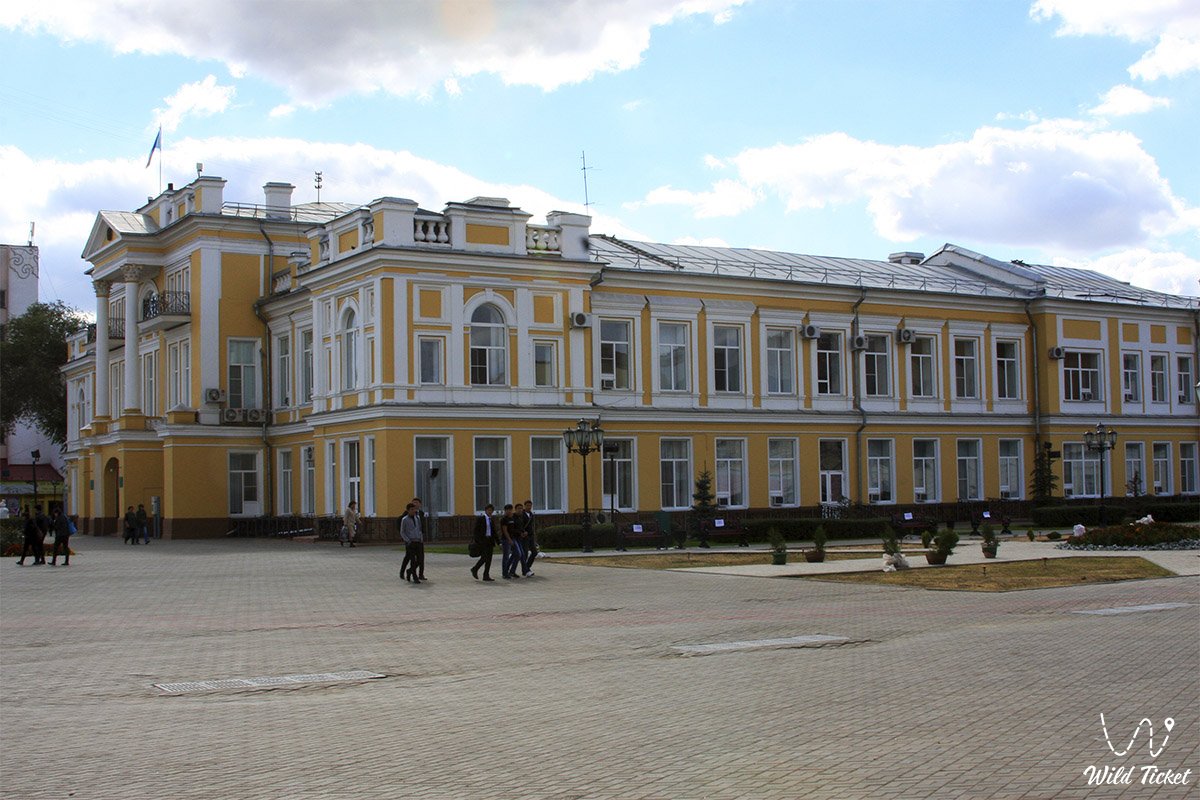
The next point of our tour will be a trip to the building of the regional akimat of the city of Uralsk. Previously, the Russian Commercial and Industrial Commercial Bank was located in this building. The main attraction of this building is the statues of lions in the niches of the entrance. This building was designed in 1986 by architect Bunkin. At first, there were sculptures of Cossacks with large sturgeons on the sides of the balcony on the building, later there were Soviet workers and a collective farmer.
After visiting the Akimat building, we will go to the house of merchant Karev, which is the most popular architectural monument in the city of Uralsk. It was built at the end of the 19th century. For a long period of time, it was the largest building in Uralsk. It is said that this house was built by Kareev to spite his friend, the merchant Ovchinnikov, who loved to have tea parties on the balcony of his house and meet the sunrise. After they quarreled, Kareev promised Ovchinnikov that he would never see dawn again. Kareev brought his plans to life. Kareev erected a large house opposite the house of the merchant Ovchinnikov, blocking the entire beautiful view of the sunset.
Next, we will visit the house of merchants Vanyushins. This building is even larger in size compared to the house of the merchant Kareev. This house, which was built in the 70s of the twentieth century, housed a Commercial Club, an agricultural college, and during the war, the Odessa Military School. After that, the house of pioneers was moved to this building. Currently, there is a secondary school here.
The penultimate point of our tour will be a trip to the Yemelyan Pugachev House Museum, which is a monument and wooden architecture of the eighteenth century. Since 1967, a library has been located in this building, and in 1991, this historical monument was transferred to the department of the Museum of Local Lore. In this house-museum you can see real objects of Cossack life, weapons, banners, cannons and royal gifts.
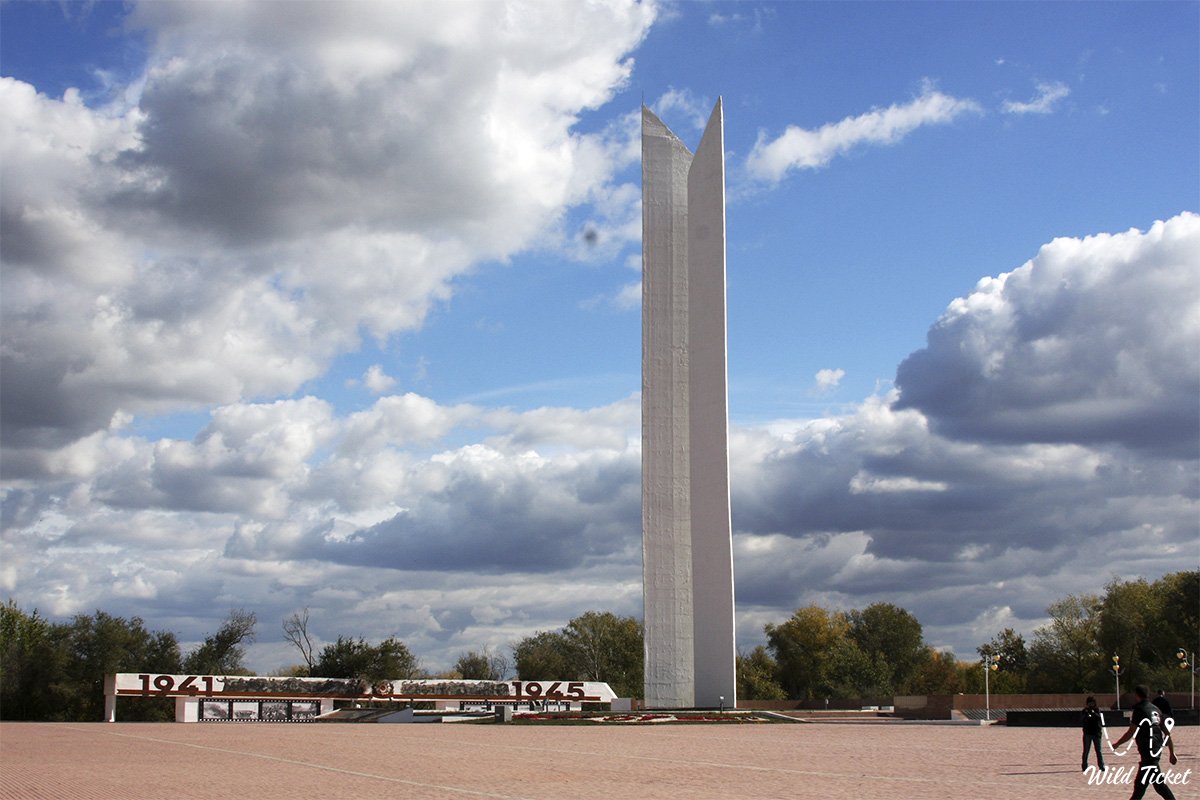
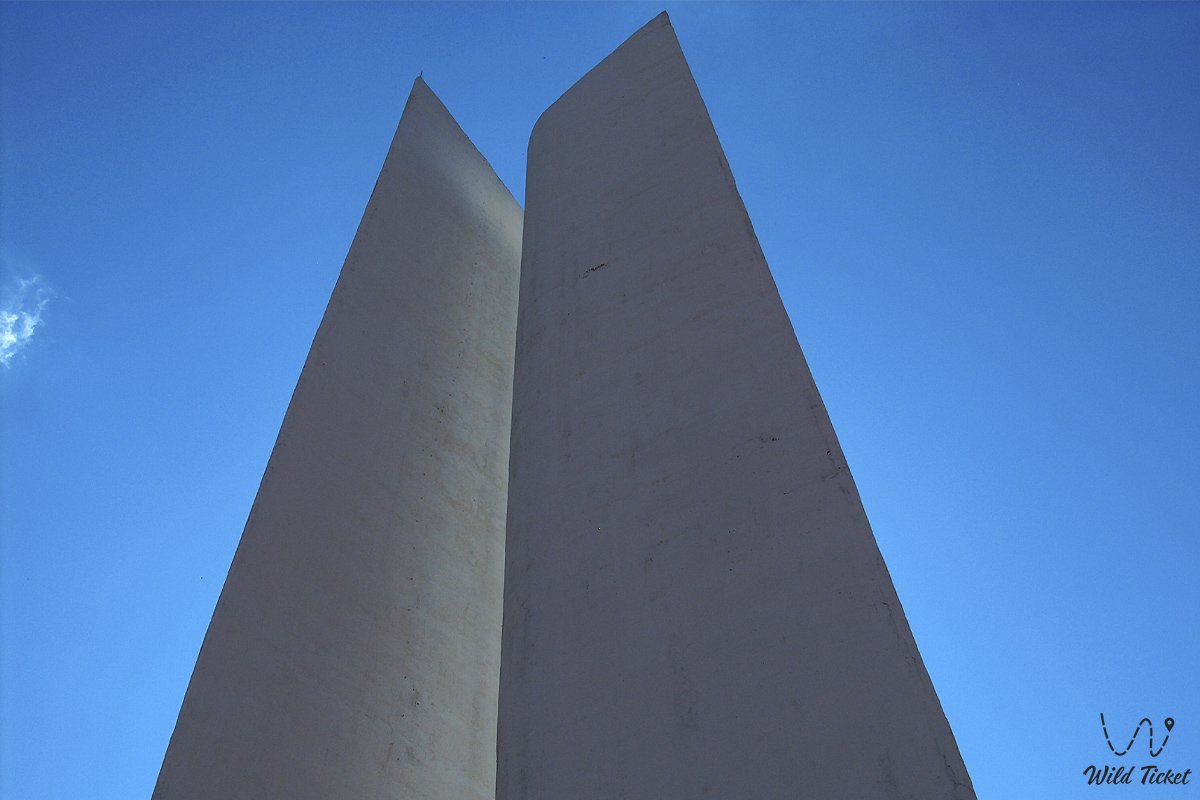
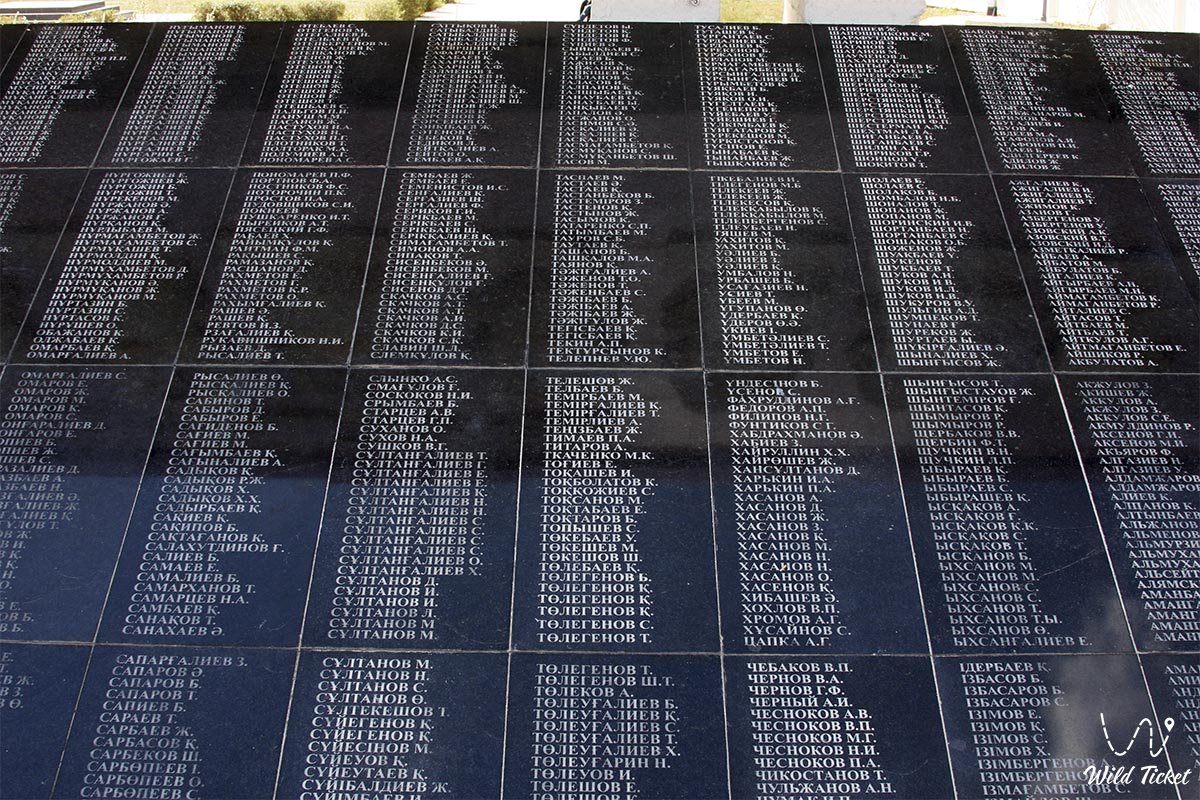
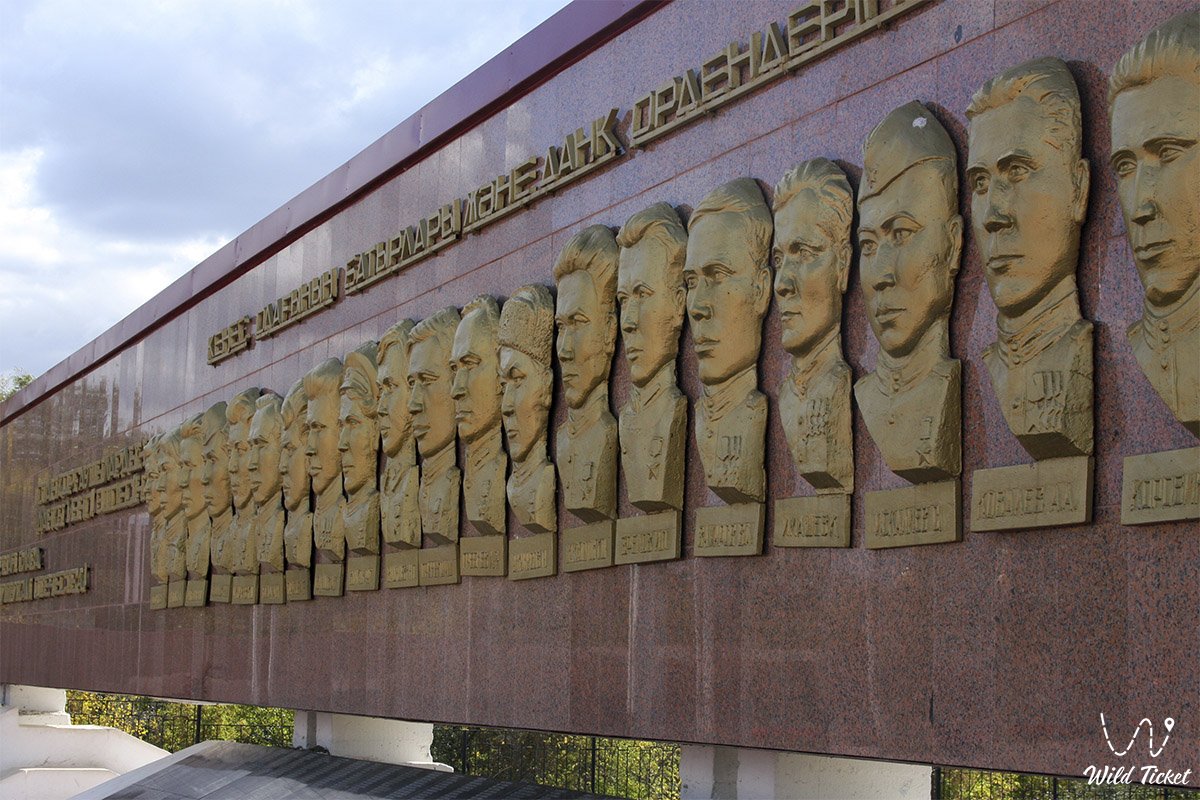
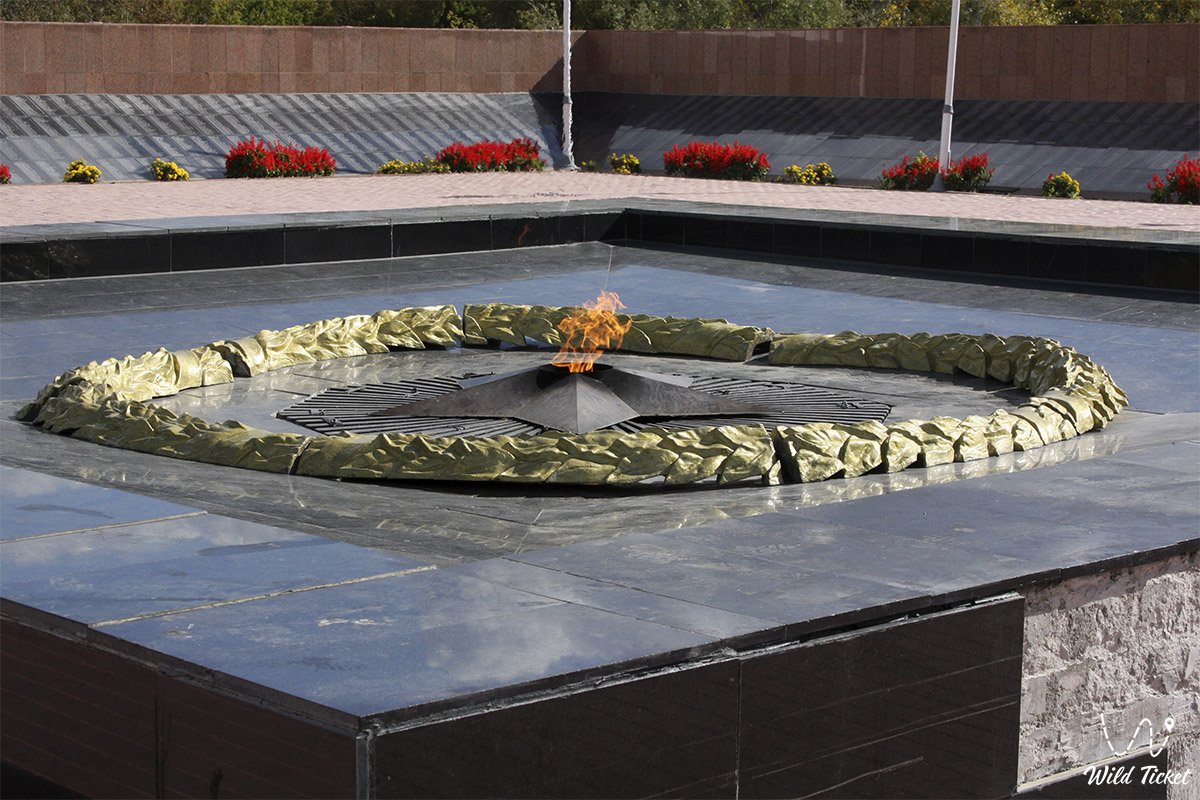
At the end of our sightseeing tour of the city, we will stop at the memorial of the Great Patriotic War. Next, we will have a guided tour of the city of Uralsk.
The city of Uralsk is located where the Ural River changes its course from west to south. It is one of the oldest cities in Kazakhstan, home to more than 190,000 people. The city arose three and a half centuries ago as a small Yaitsky (after the then name of the Ural River - Yaik), a town whose inhabitants were Cossacks of the Yaitsky army, who guarded the border of the Russian state, as well as immigrants from the Volga and Don.
From here the peasant war began and spread far under the leadership of Pugachev. The city of Uralsk arose on the banks of the Yaik River as a fortress on the eastern borders of the Moscow state in the early 17th century under the name of Yaitsky Gorodok. In 1773, Yemelyan Pugachev raised the banner of the peasant uprising in these places. In 1774, the Yaitsky town was captured by Yemelyan Pugachev's soldiers, who held power in it for several months.
After the suppression of Pugachev's uprising in 1775, by decree of Catherine II, "to put everything that happened into complete oblivion," the Yaik River was renamed Ural, and Yaitsky town was renamed Uralsk. The main thoroughfare of modern Uralsk, Lenin Avenue, is the former Mikhailovskaya Street. On this avenue, in the former Cathedral of Christ the Savior, built in 1891 in honor of the 300th anniversary of the creation of the Ural Cossack Army, there is now a regional museum of local lore.
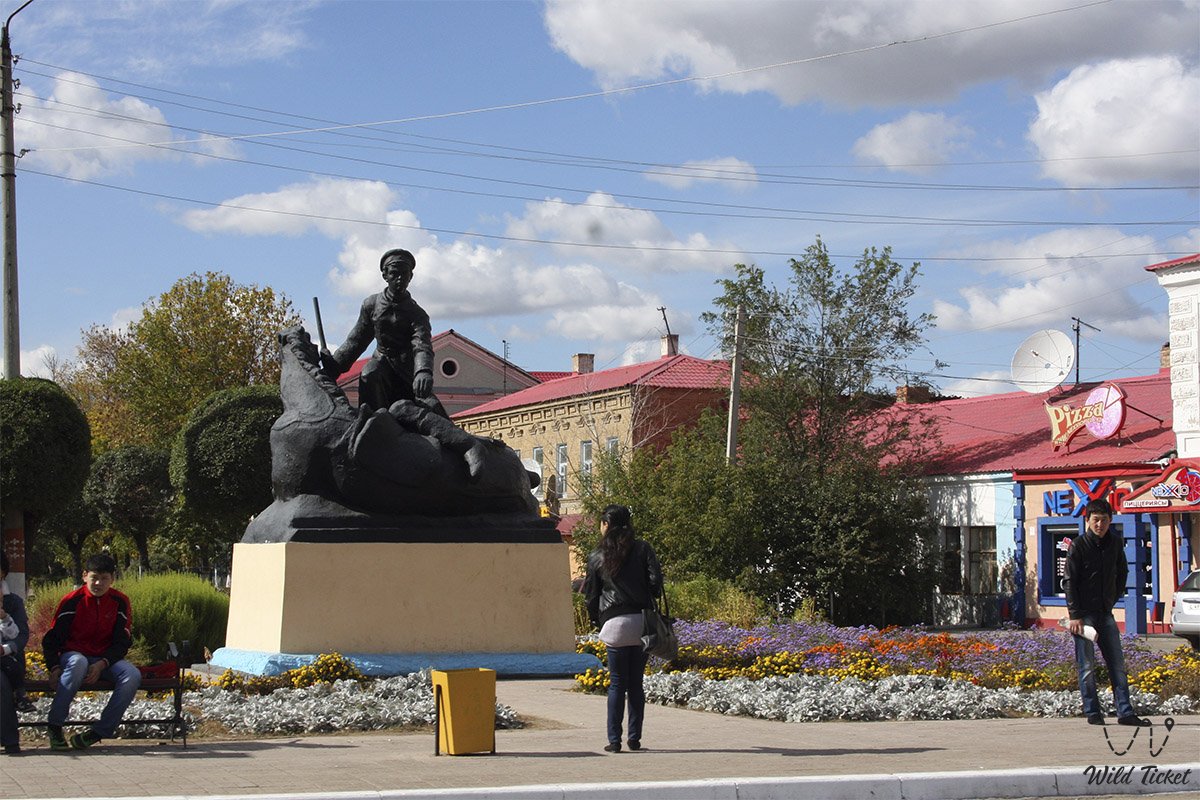
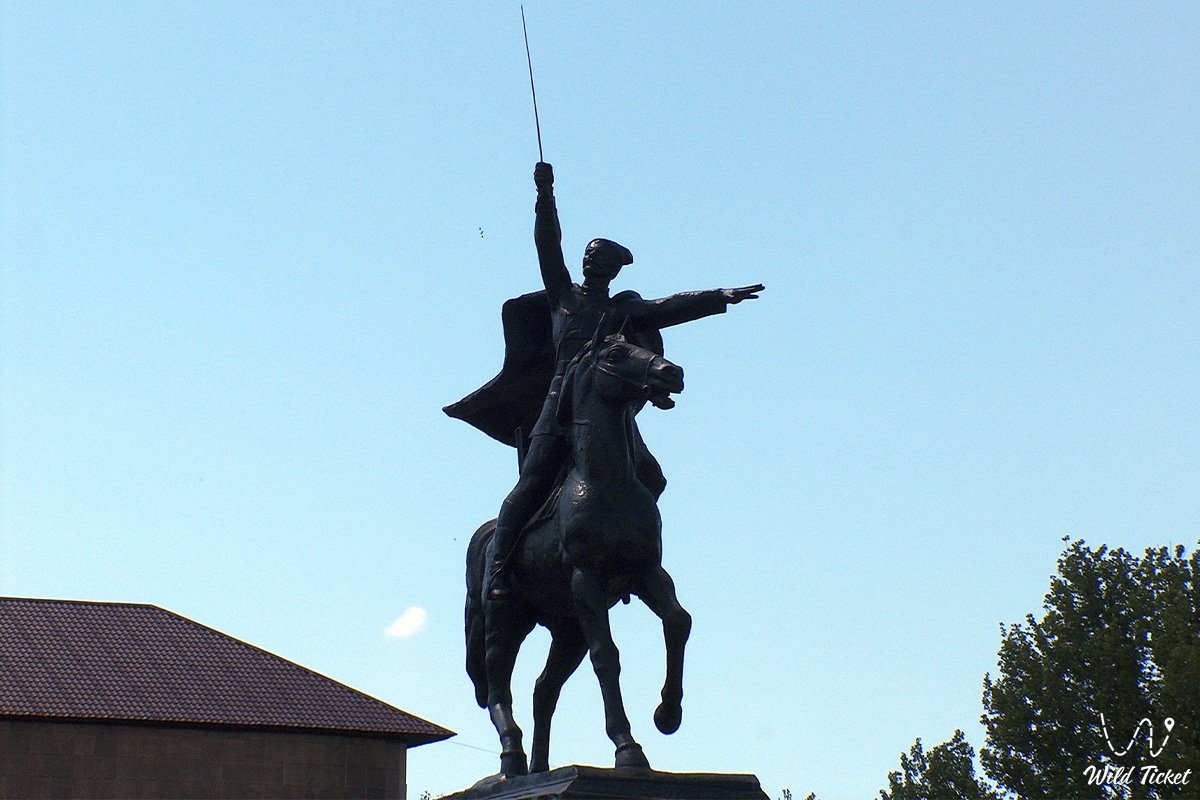
Among the sights of the city are the Ural Cathedral, the house of the atamans, the hut of Yemelyan Pugachev, monuments to Chapaev.
Photogallery: