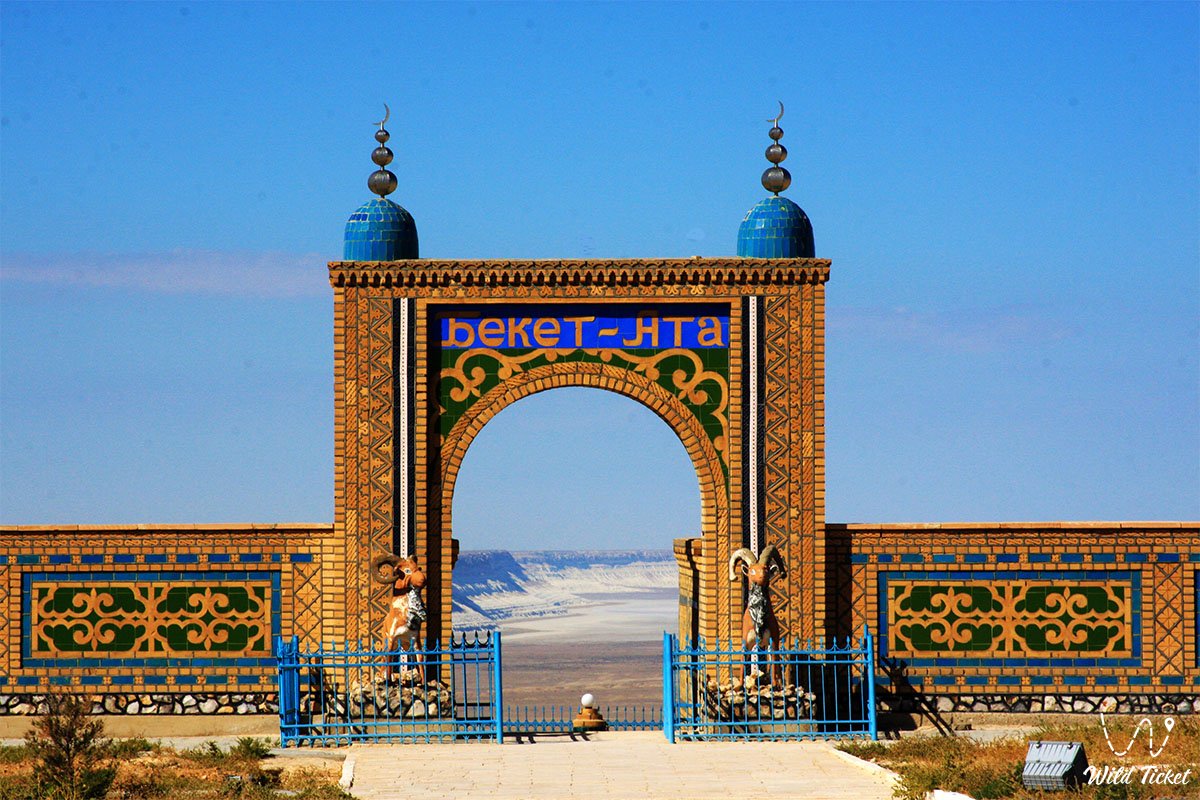
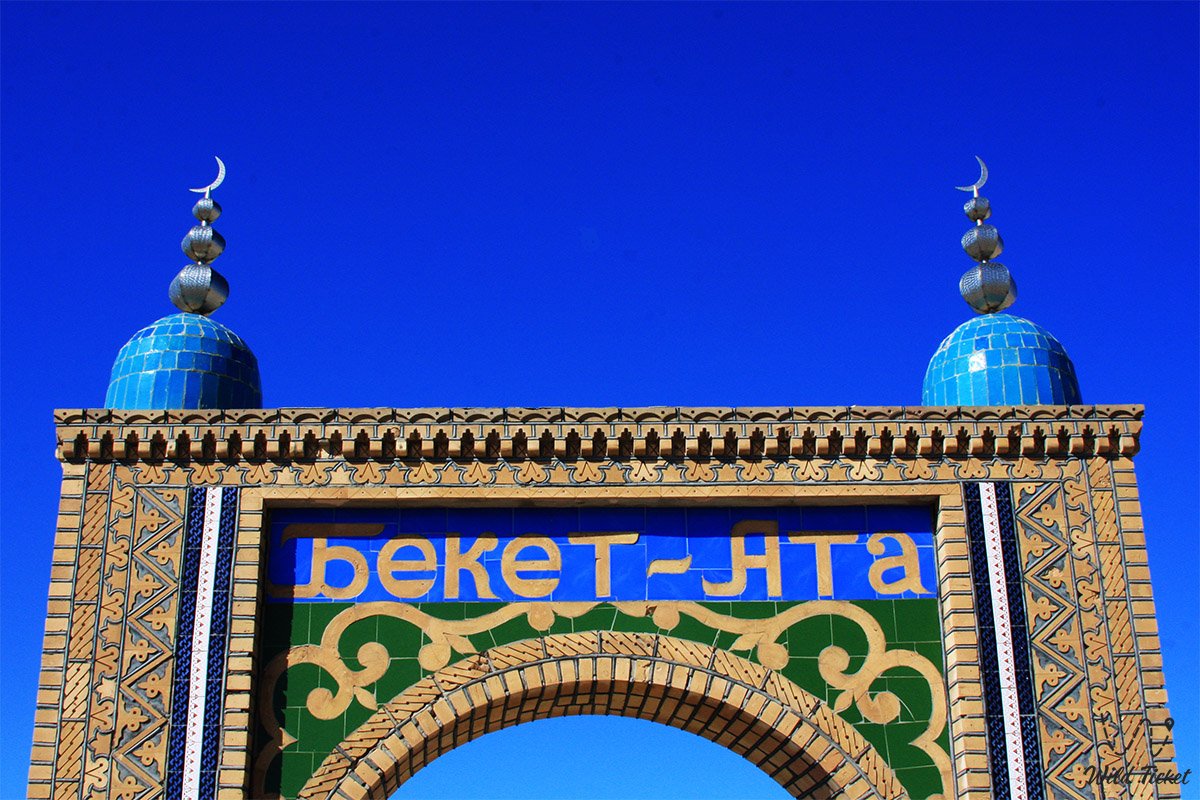
Сакральное сердце Западного Казахстана и суфийский свет Огланды –
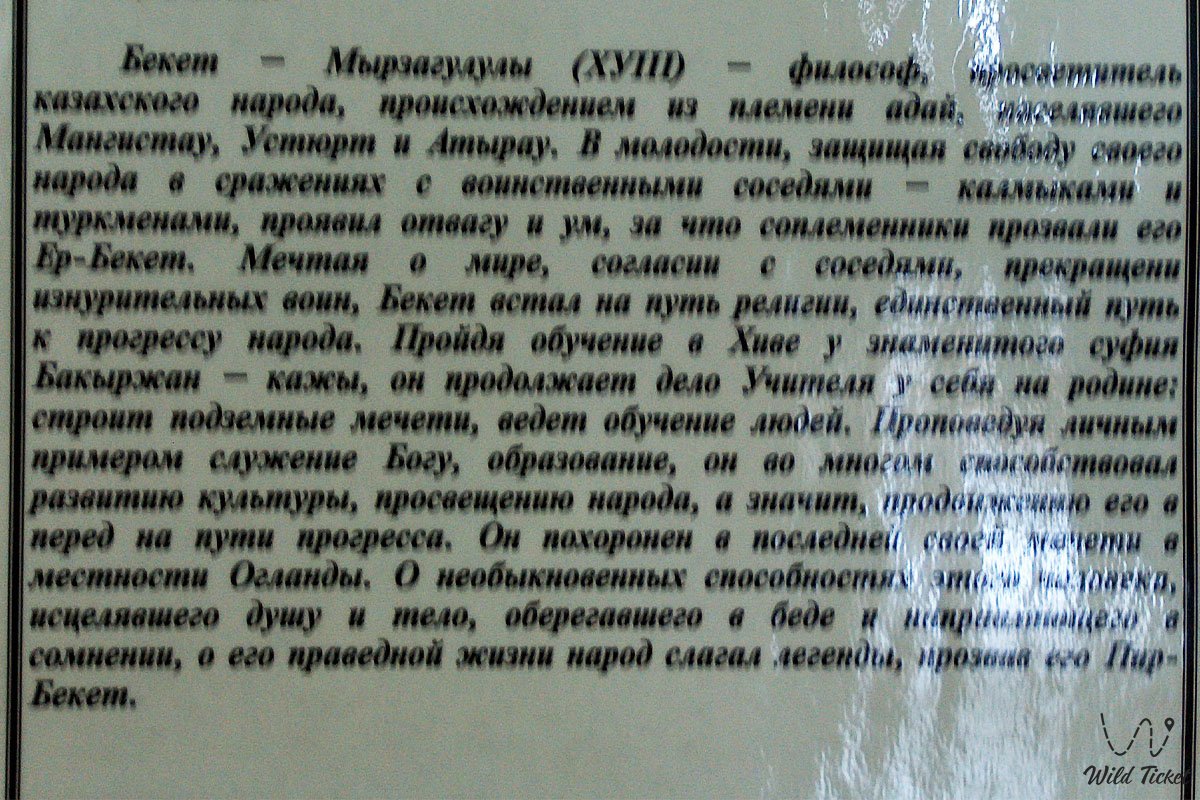
Подземная мечеть Бекет-Ата (каз. Бекет ата мешіті) представляет собой выдающийся памятник культово-мемориального зодчества XVIII века и духовный центр Казахстана, расположенный в Каракиянском районе Мангистауской области на полуострове Мангышлак. Святилище основано великим суфийским мыслителем, просветителем, архитектором и батыром Бекет-Ата Мырзагулулы (1750–1813), почитаемым народом в высоком ранге святого (аулие) и руководителя духовного братства (пира).
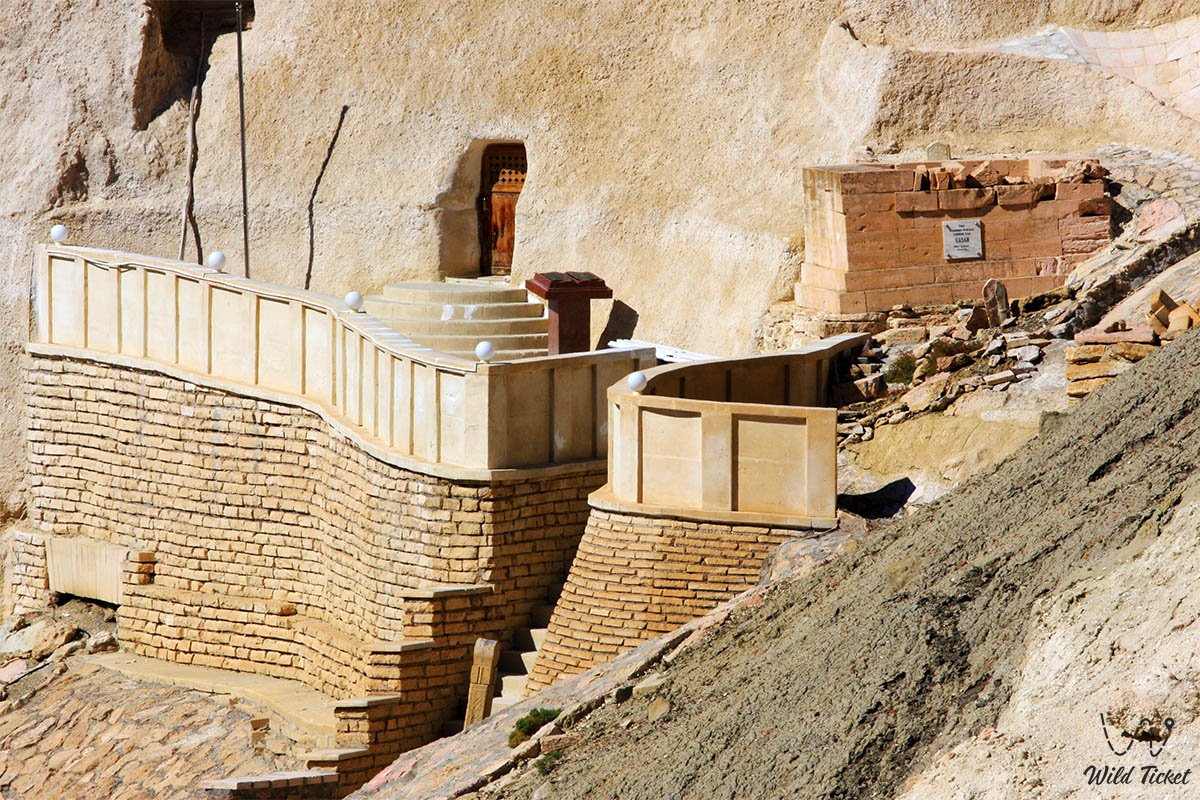
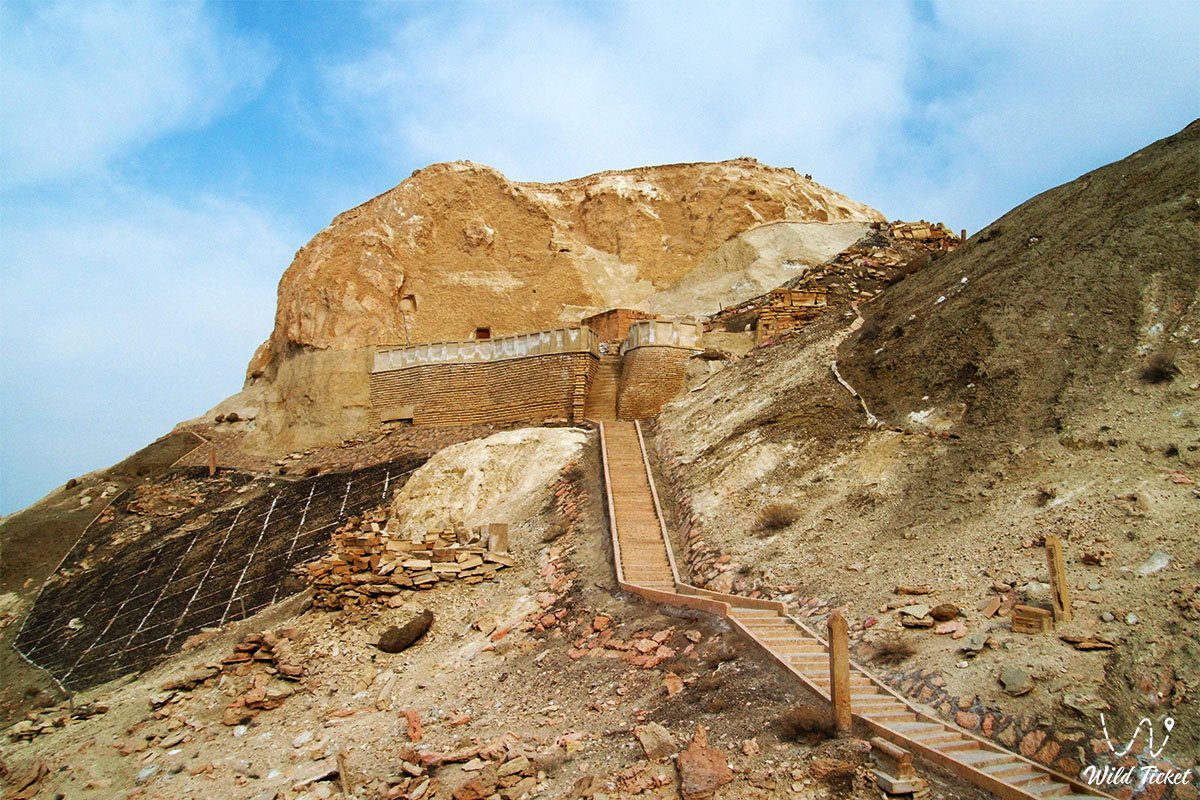
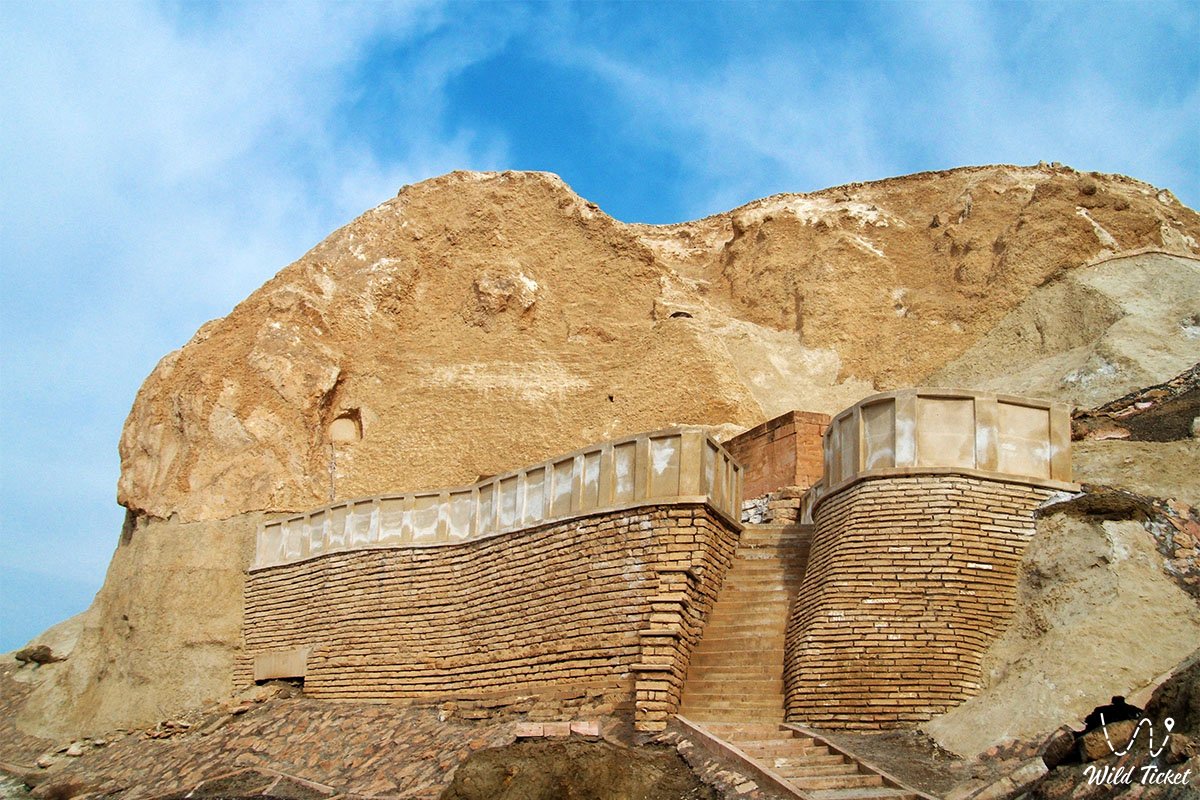
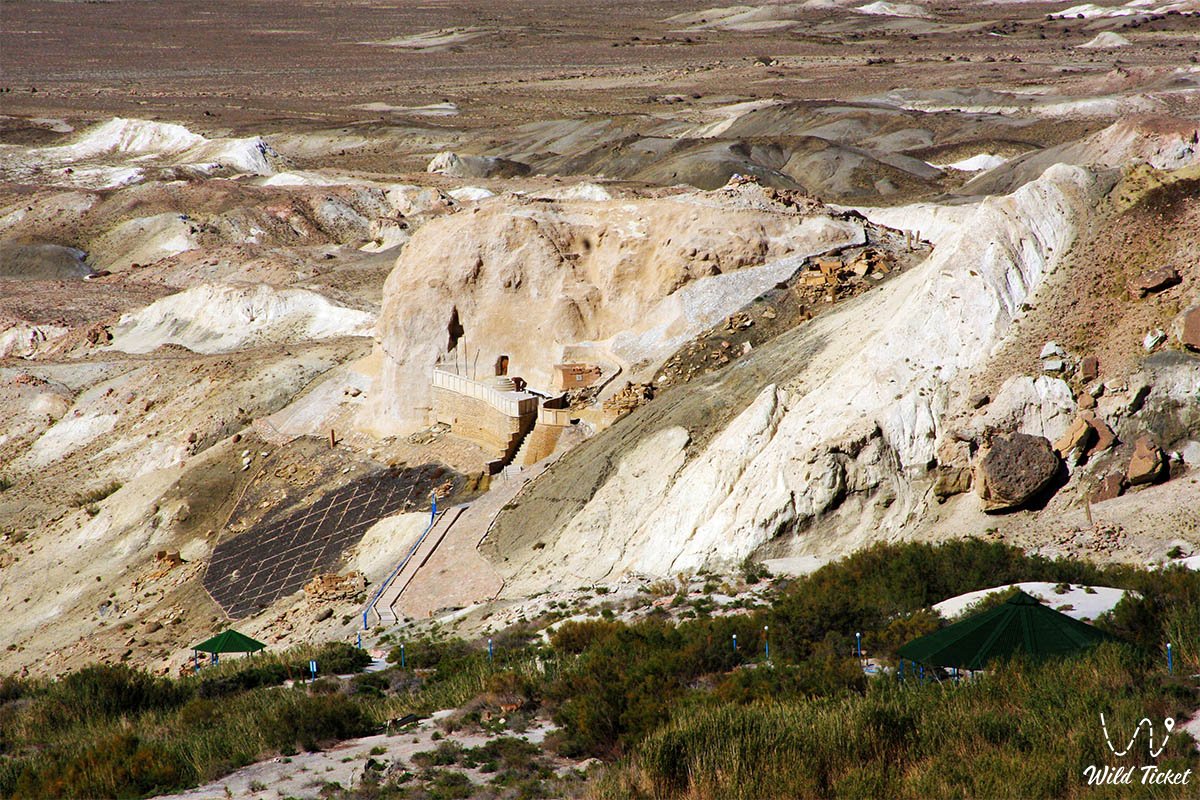
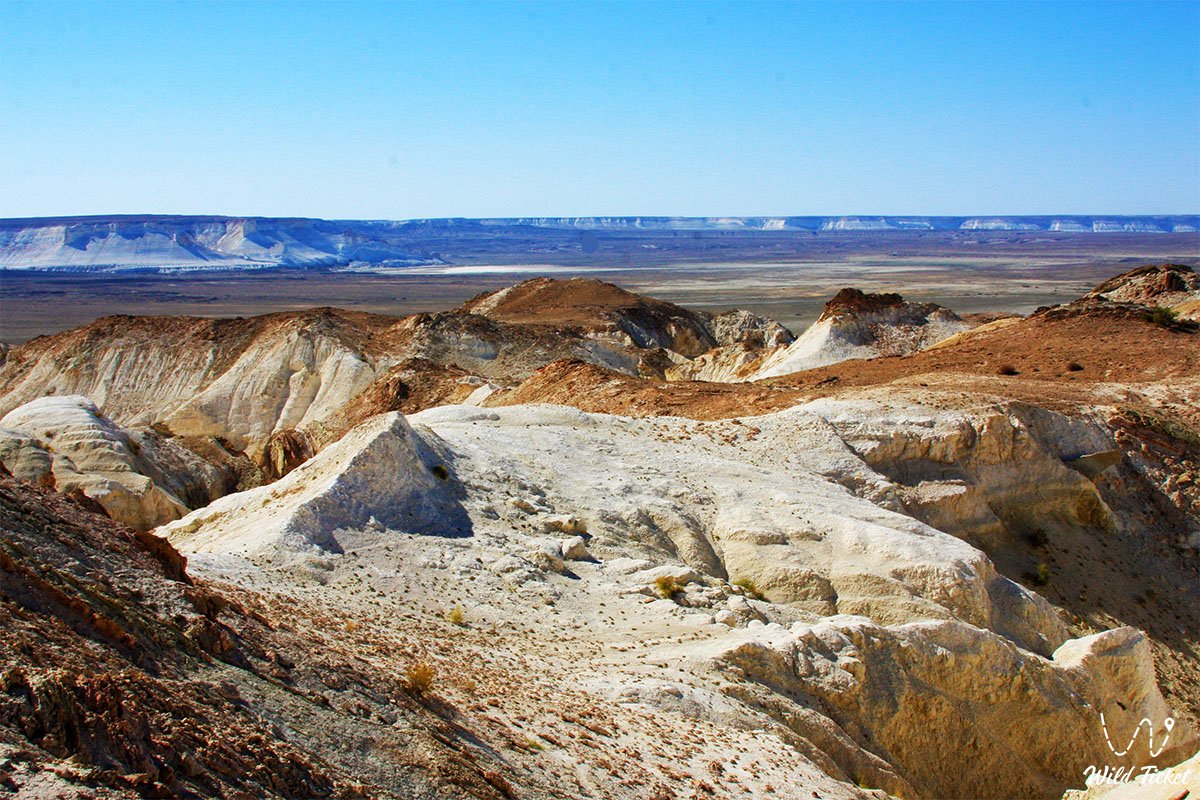
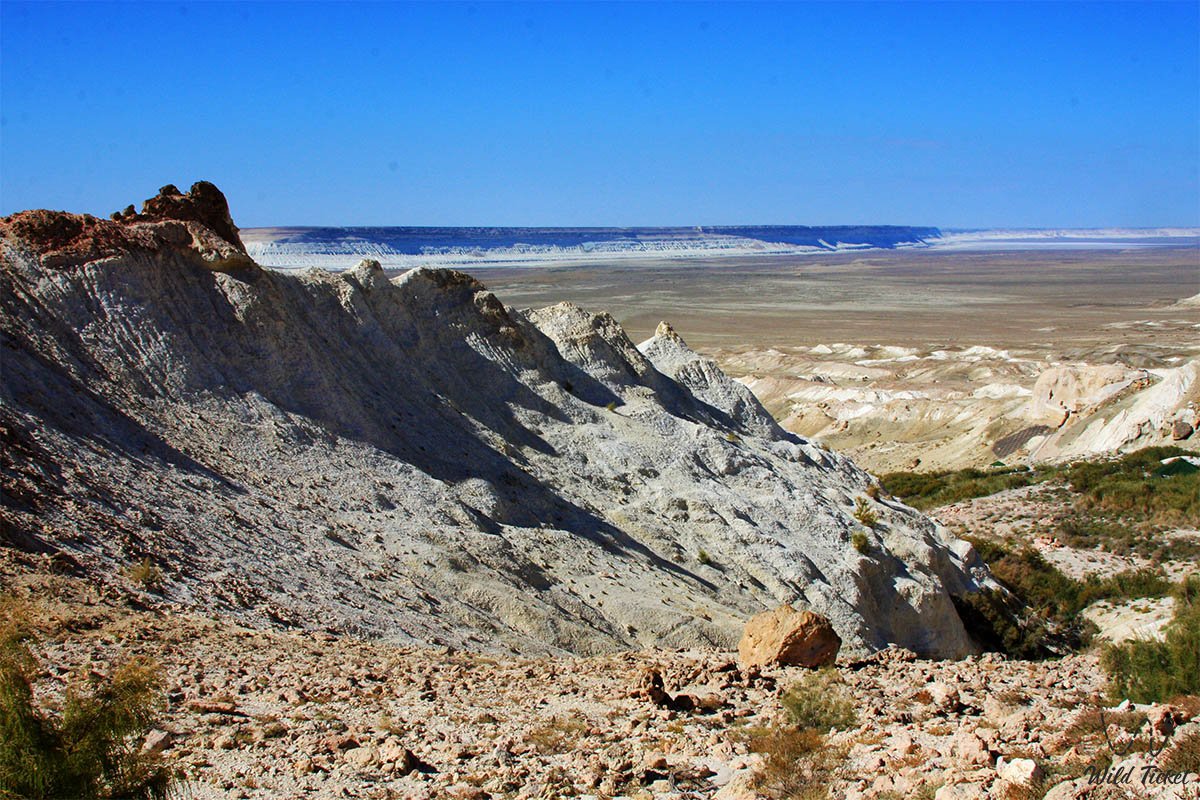
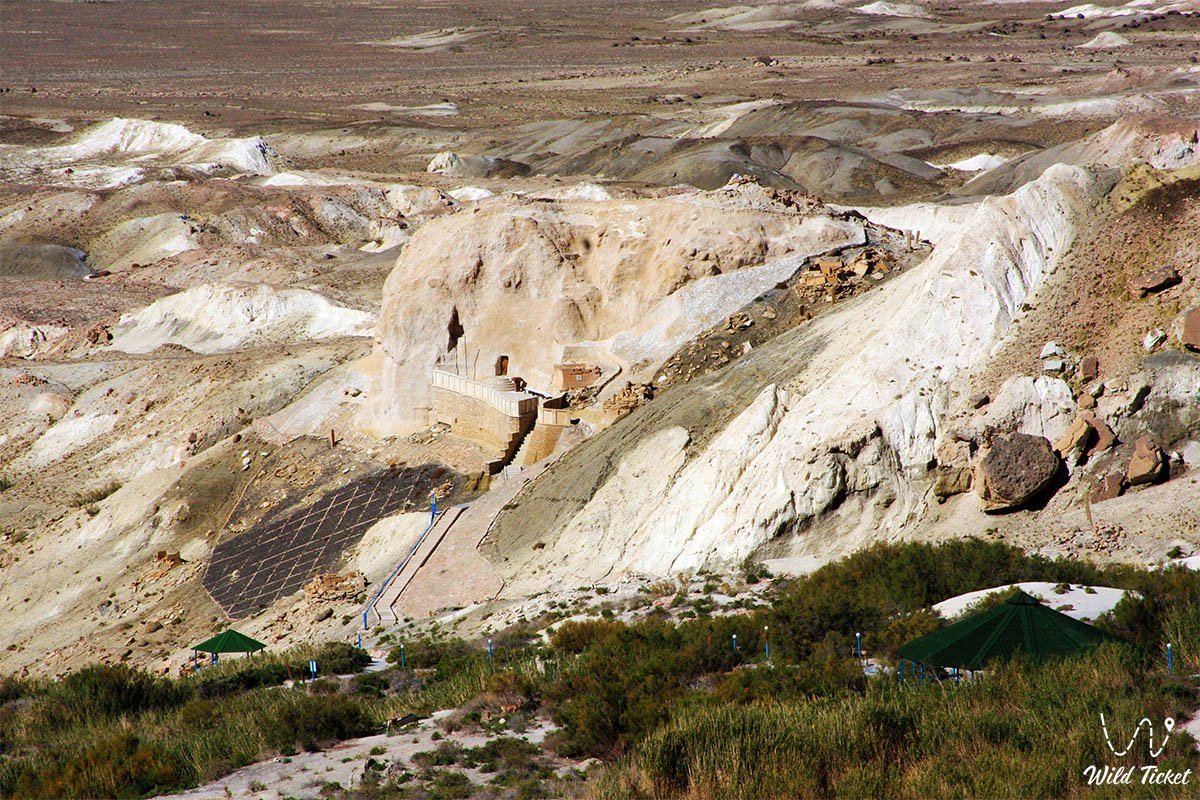
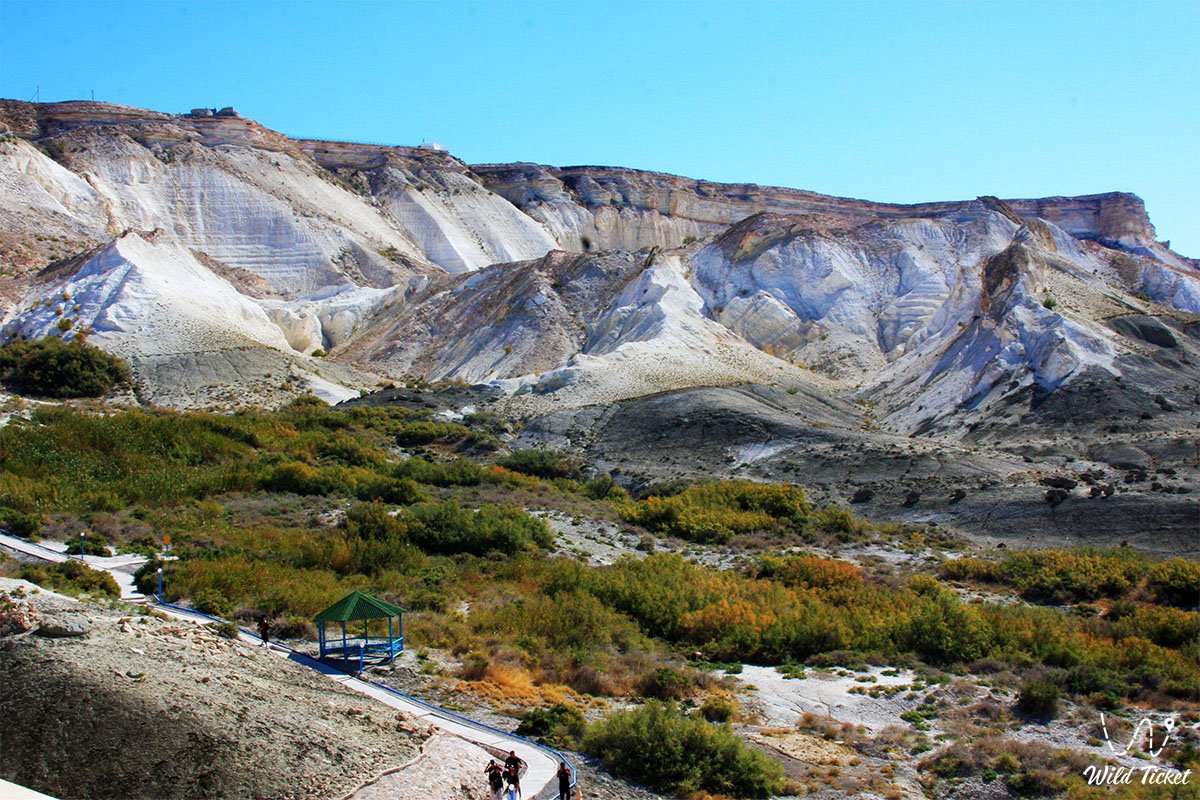
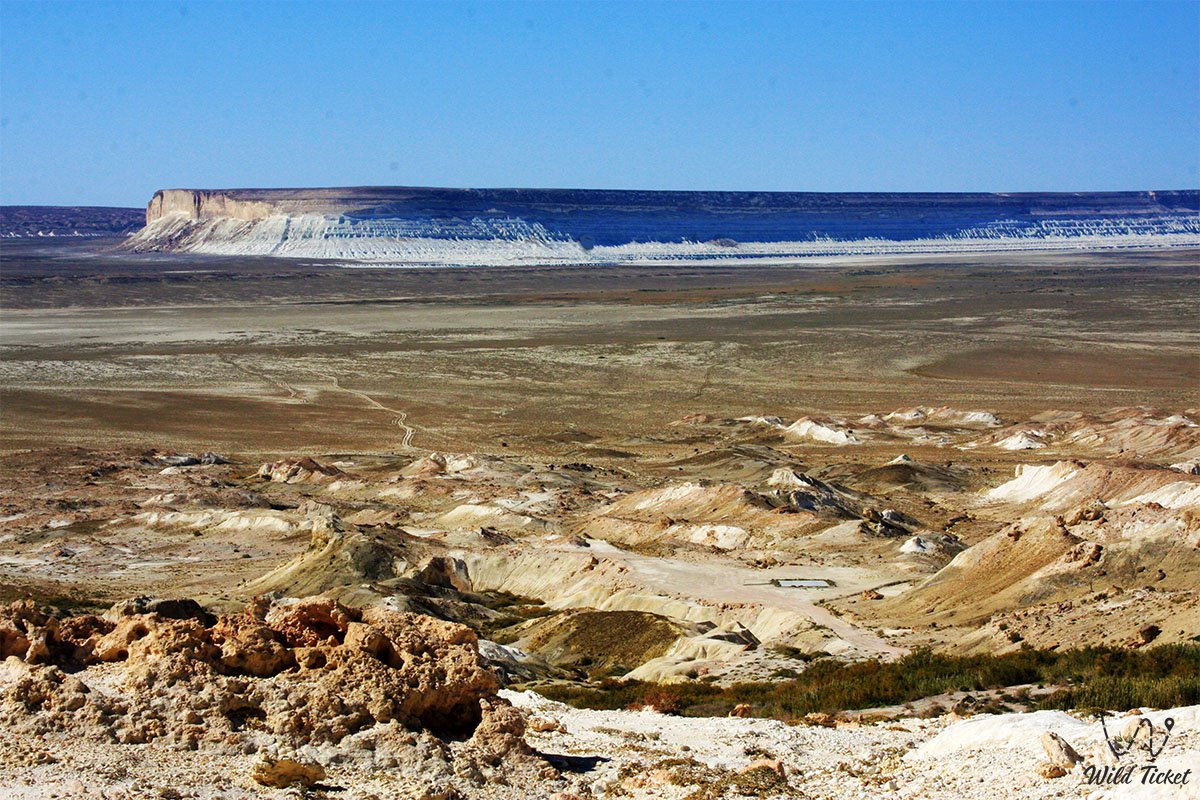
Сама мечеть вырублена в среднем ярусе обрывистой белой меловой скалы в труднодоступной местности урочища Огланды на западном чинке плато Устюрт, уступами спускающейся в глубокую, заросшую кустарником лощину.
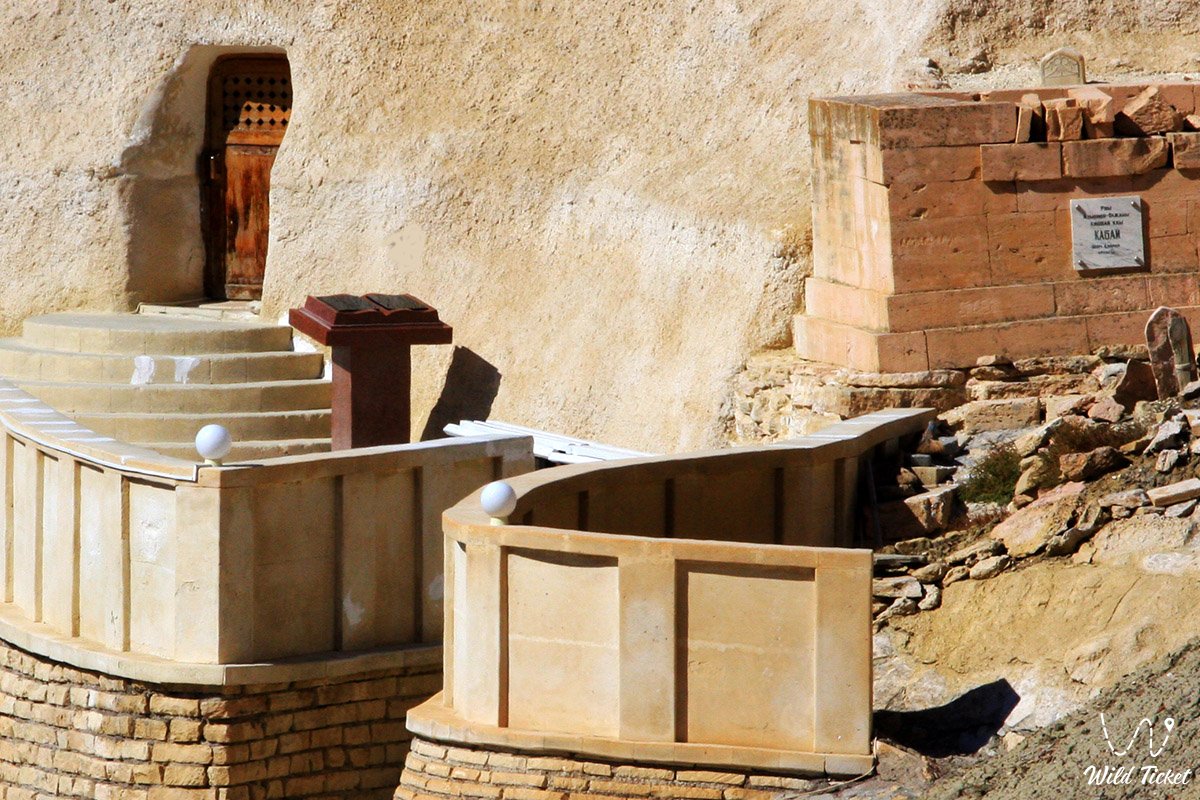
Архитектурный ансамбль мечети представляет собой искусственную пещеру с планировкой, имитирующей казахскую юрту, с круглыми камерами, михрабом, световыми колодцами в плоских куполах и усыпальницей самого святого. В июле 2026 года на 48-й сессии Комитета всемирного наследия ЮНЕСКО подземная мечеть Бекет-Ата в урочище Огланды вместе с другими скальными мечетями Мангистау была официально включена в список Всемирного наследия ЮНЕСКО.
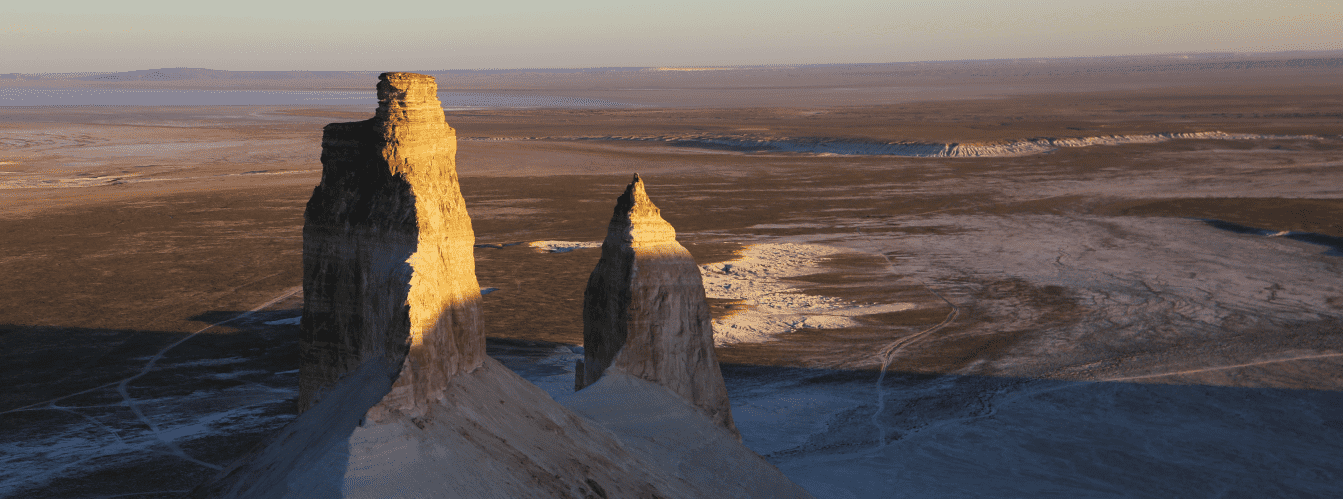
Посещение Огланды органично венчает паломнические и экологические экспедиции по Мангистау, гармонично соседствуя со знаменитыми природными и сакральными шедеврами края: всего в 15–20 км к югу взмывают белоснежные известняковые останцы урочища Бозжыра, в 35 км к западу раскинулись слоистые холмы урочища Кызылкуп («Тирамису»), в 40 км возвышается полосатая гора Бокты, а в 55–69 км по степным путям лежит древнейшая подземная мечеть Шопан-Ата.
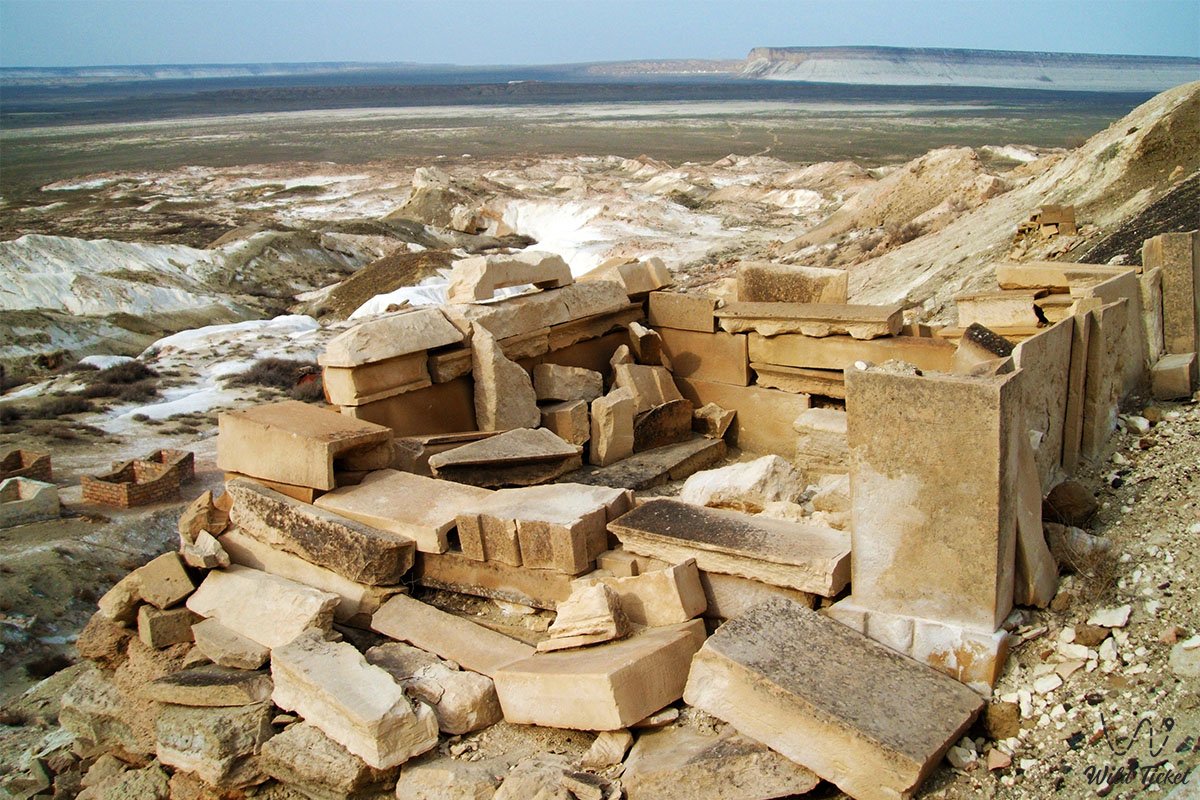
Склоны вокруг храма усеяны вековым некрополем с резными саганатамами, кулпытасами и рогами священных архаров, создавая неразрывную связь между степной верой, подвигом просветителя и первозданной природой Устюрта.
--------------------------------------------
Как добраться и посетить –
Комплекс Бекет-Ата удален на 280–284 км к востоку от областного центра города Актау (около 4 часов в пути) и на 134–150 км к востоку от города Жанаозен, а расстояние от поселка Сенек составляет 61–95 км к северо-востоку.
GPS географические координаты: 43°35'48"N 54°04'11"E
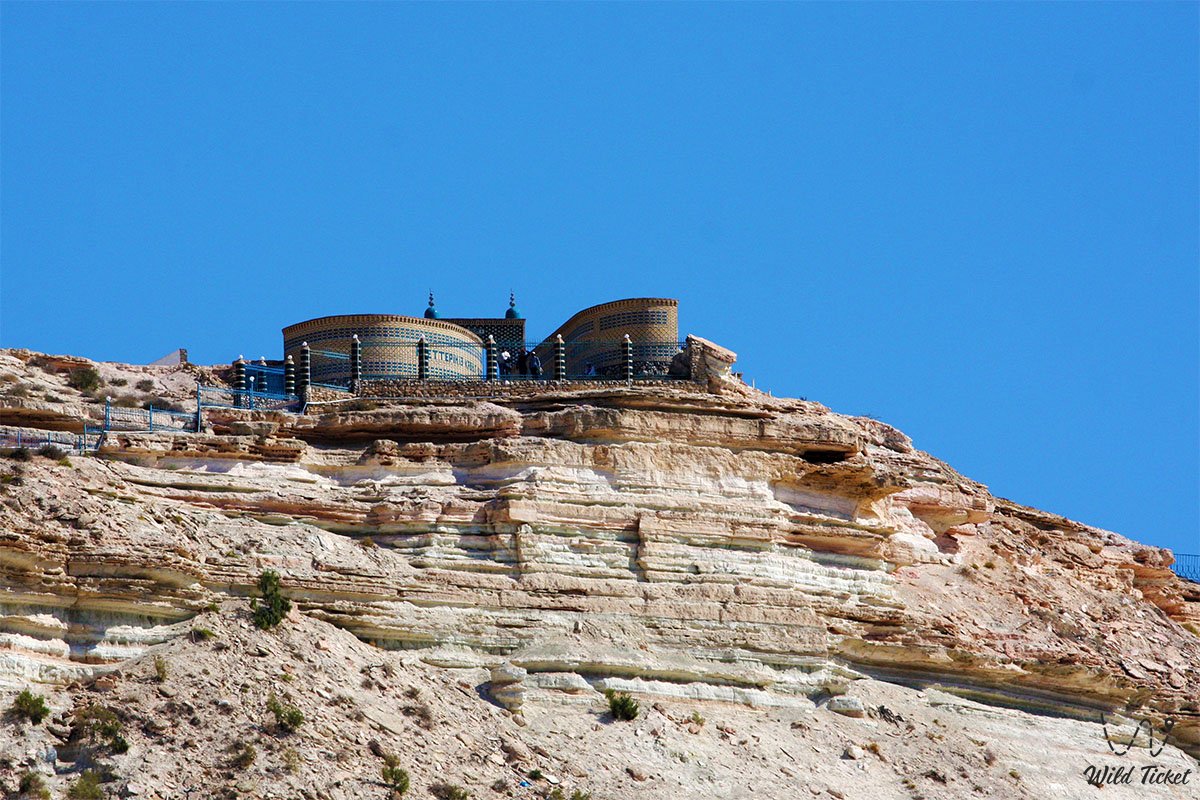
До 2011 года паломники добирались от поселка Узень более 120 км по тяжелым степным грунтовкам, однако сегодня от Актау через Жанаозен проложена качественная капитальная асфальтированная автодорога, доходящая до самого верхнего паломнического центра на кромке плато.
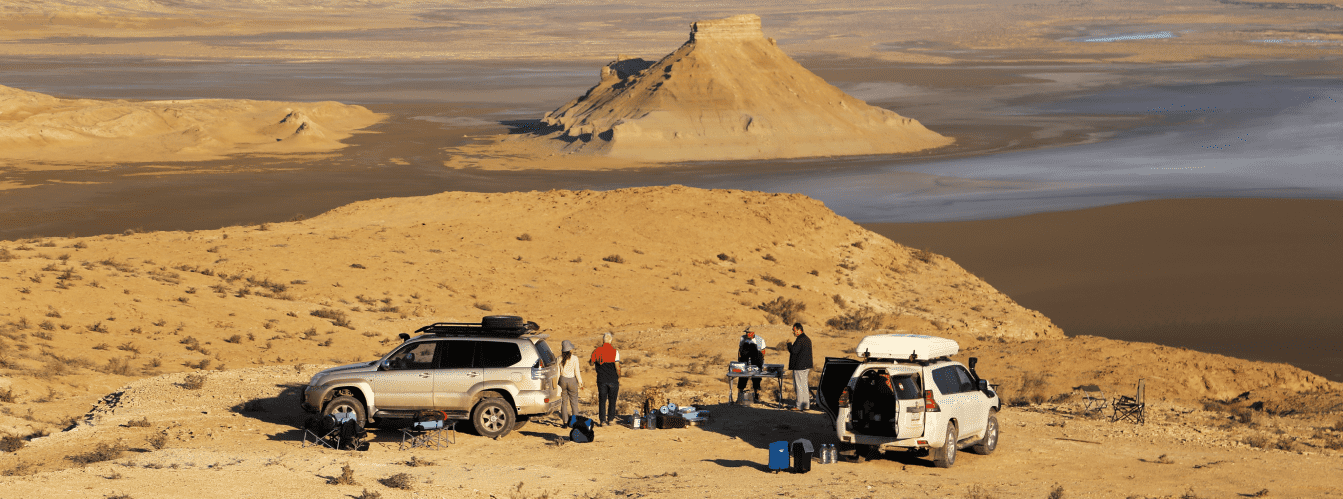
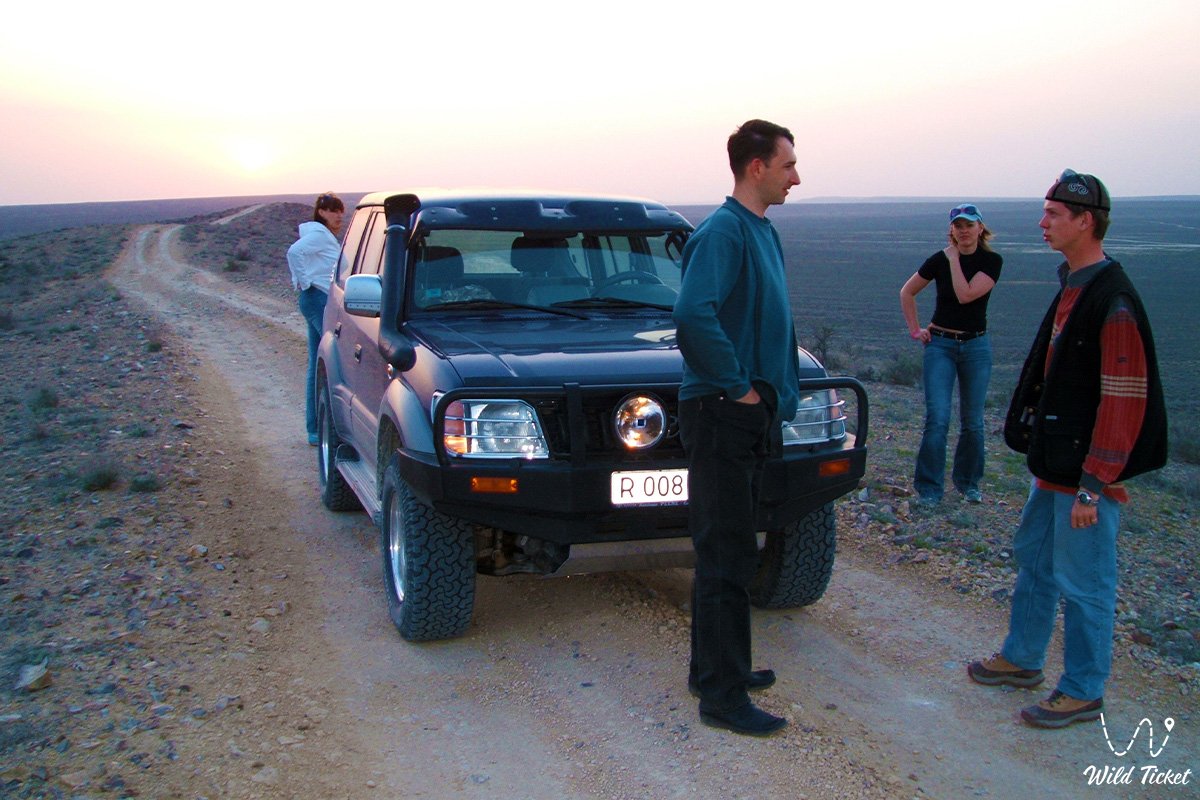
До верхнего комплекса легко доехать на любом легковом автомобиле. Однако если в программу поездки заложены спуски на дно урочища Бозжыра, объезд холмов Кызылкуп или прямые степные переходы к Шопан-Ата, требуется надежный рамный внедорожник (4х4) с высоким клиренсом и запасом прочности.
От верхнего дома паломников ко входу в подземную мечеть ведет обустроенный пеший спуск длиной около 1300–1500 метров с перепадом высоты около 100 метров. Дорога включает крутую скальную лестницу (более 1200 ступеней), оборудованную перилами и беседками для отдыха. Спуск занимает около 25–30 минут, а обратный подъем на чинк физически тяжел и требует 1–1,5 часа, особенно в жаркие полуденные часы.
Особое внимание следует уделить питьевому режиму: пресную воду необходимо брать с собой из расчета на весь пеший маршрут. Источник и старый колодец внизу содержат солоноватую минерализованную воду, не подходящую для утоления жажды при тяжелых нагрузках. Для ходьбы обязательна закрытая трекинговая обувь с нескользкой подошвой и головной убор.
Правила посещения требуют строгого соблюдения этикета святого места: сдержанная одежда, закрывающая плечи и колени, платок на голову для женщин; перед входом в молельные залы снимают обувь, а внутри помещений категорически запрещена любая фото- и видеосъемка. В гостевом доме на вершине плато оборудованы трапезный зал, где по законам гостеприимства накормят каждого путника, и раздельные залы для ночлега мужчин и женщин.
--------------------------------------------
Кто такой Бекет-ата и история мечети
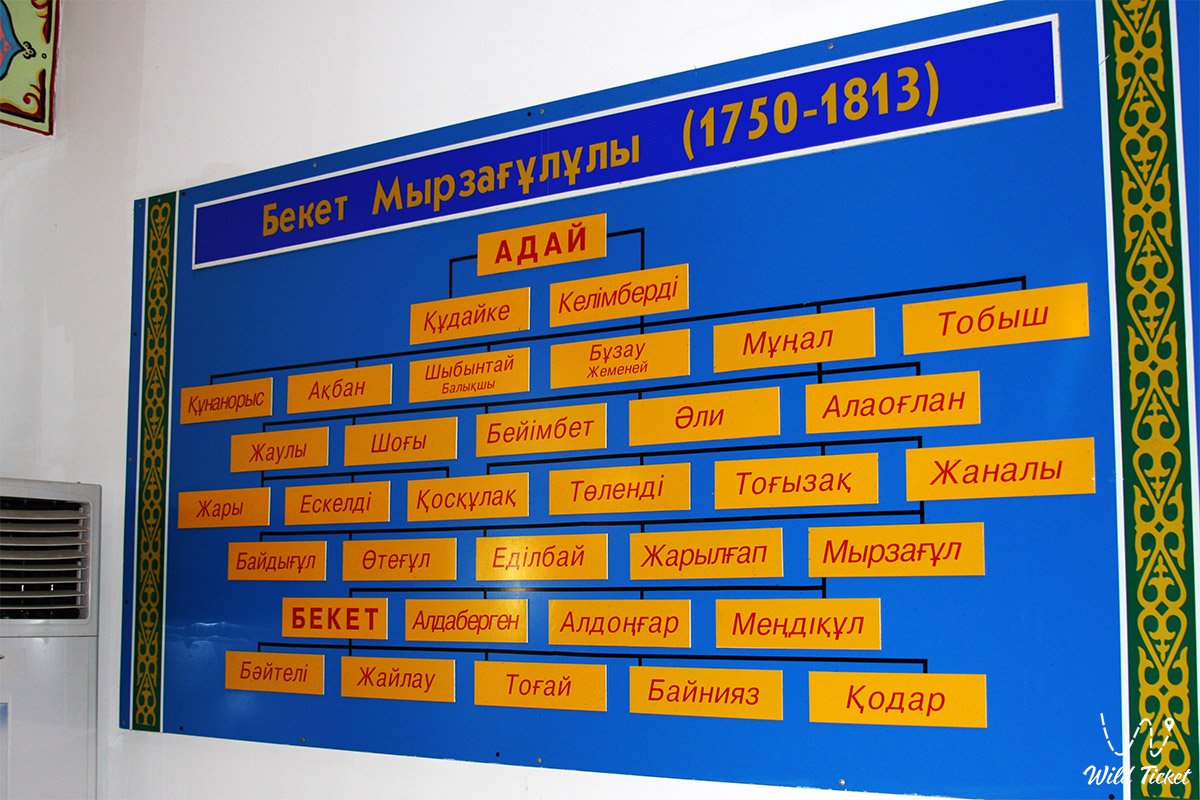
Историческая летопись святыни неразрывно связана с личностью великого суфия, философа, архитектора и батыра Бекета Мырзагулулы (1750–1813). Бекет родился в Жылыойском районе (Кульсары) в роду Адай (ветвь Келимберды – Мунал – Жаулы). В юношеском возрасте он отправился за благословением к некрополю Шопан-Ата, где провел две ночи и получил знамение следовать пути духовного учения.
Для получения знаний Бекет уехал в Хиву, где семь лет учился в знаменитом медресе Шергази-хана под наставничеством суфия Бакиржан-ходжи (Саида Мухамеда Бокиржона бобо). Бекет поразил учителей своими способностями, за два года выучил наизусть весь Коран и постиг суфийскую философию, астрономию, математику и законы зодчества. Около 40 лет учитель избрал Бекета руководителем суфийского братства – пиром. Народная память наделила Бекета и званием «батыр»: проявляя мужество в отражении вражеских набегов, он неизменно стремился разрешать территориальные и межэтнические конфликты мирным путем, без кровопролития.
Вернувшись на родные кочевья Мангышлака, Устюрта и Эмбы, Бекет посвятил себя просвещению и исцелению людей, начав вручную возводить подземные мечети. Всего народная традиция насчитывает от 4 до 7 построенных им обителей: первая Ак-мечеть в Кульсары (срубленная им в 24 года, где упокоились его родители Мырзагул и Жания, дед Жаналы и сын Тогай), мечеть в Старом Бейнеу, обитель в местности Тобыкты, мечеть в Байшатыре (Баяли) и главная – подземная мечеть в урочище Огланды на плато Устюрт.
Огланды в переводе с туркменского означает «ребенок, дитя»: по преданию, здесь располагалось древнее детское кладбище после моровой эпидемии, и Бекет-Ата завещал паломникам сначала почтить память невинных душ. В Огланды старец основал не просто молельный дом, а высокогорную суфийскую школу, где обучал детей грамоте и закону божьему. Бекет-Ата скончался в священном возрасте 63 лет (около 1813 года) и был погребен в высеченной им же нише северного покоя мечети. За два века почитание старца возвело его имя в непререкаемый духовный канон: «В Медине – Мухаммед, в Туркестане – Ходжа Ахмет, а в Мангистау – Бекет».
Первые письменные описания пещеры оставили топографы Э. Эверсман (1826 г.) и П. Алексеев (1853 г.). Научные исследования начались в конце 1960-х годов: в 1973 году памятник обследовала экспедиция архитектора Малгабара Мендикулова, в 1979 году – архитекторы М. Нуркабаева, а в 1982 году постановлением Совета Министров КазССР мечеть взяли под государственную охрану.
В 1999–2000, 2003 и 2010 годах специалисты предприятий «Мангышлакреставрация» и «Казреставрация» укрепили стены, крыши, подпорную стенку входа и обустроили лестничные террасы. В июле 2026 года объект удостоился глобального признания, войдя в список Всемирного наследия ЮНЕСКО.
Информация
Подземная мечеть Бекет-Ата в Огланды вырублена в толще белого крупнослоистого мергеля и карбонатного мела на высоте около 150 метров над дном ущелья. Архитектурный комплекс включает от четырех до пяти сообщающихся округлых камер (по ряду описаний – до шести смежных объемов с вестибюлем), имеющих в плане форму неправильного круга диаметром около 4,5 метров.
Высота плоских куполообразных потолков варьируется от 2,7 до 3,5 метров. В центре купола вестибюля пробит глубокий световой люк, обеспечивающий мягкое естественное освещение, рядом с которым установлен ритуальный деревянный шест. Стены помещений гладко отесаны, украшены неглубокими нишами для светильников и молитвенных книг, а в крайней юго-западной камере устроена михрабная ниша. В погребальном покое покоится прах Бекет-Ата, а в смежных залах расположены захоронение его сестры, комната с его посохом и молитвенный зал для женщин.
Внутри скального массива естественным образом поддерживается стабильный температурно-влажностный микроклимат круглый год. Глубокое заложение залов и внешняя подпорная стенка из ракушечника сохранили памятник от обрушений.
Некрополь Огланды, опоясывающий чинк, насчитывает более сотни высокохудожественных надгробных сооружений XIX – начала XX века: резные саганатамы, кулпытасы и койтасы с родовыми тамгами адаевцев, представляющие жемчужину традиционной степной резьбы по камню.
Подробное описание объекта
Культово-ландшафтный комплекс Бекет-Ата в Огланды состоит из верхнего плато и скального пещерного ансамбля:
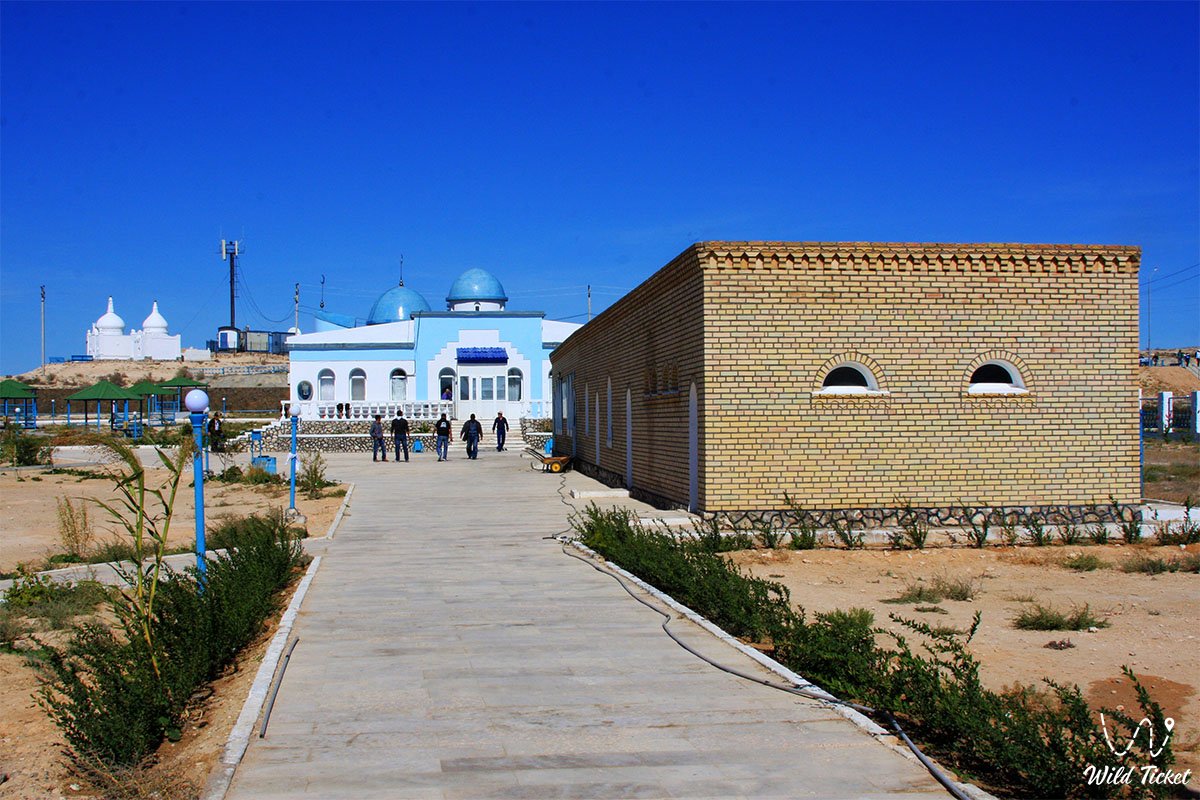
• Визит-центр и дом паломников – инфраструктурный комплекс на плато со смотровой террасой, кухней-казанханой, трапезной и помещениями для ночлега.
• Лестничный тракт паломников – скальный спуск протяженностью 1300–1500 метров с бетонными и каменными ступенями, ограждениями и теневыми ротондами над бездной.
• Входной лаз и подпорная стена – портал в меловой скале, укрепленный кладкой из пиленого камня-ракушечника, предохраняющий вход от осыпей.
• Центральный вестибюль мечети – круглое помещение с вертикальным световым колодцем в потолке и деревянным шестом, имитирующее шанырак казахской юрты.
• Молитвенный зал с михрабом – юго-западное помещение для совершения намаза, ориентированное в сторону Мекки.
• Усыпальница (зияратхана) Бекет-Ата – священная северная камера с нишей, где покоится прах святого суфия и развешаны рога архара.
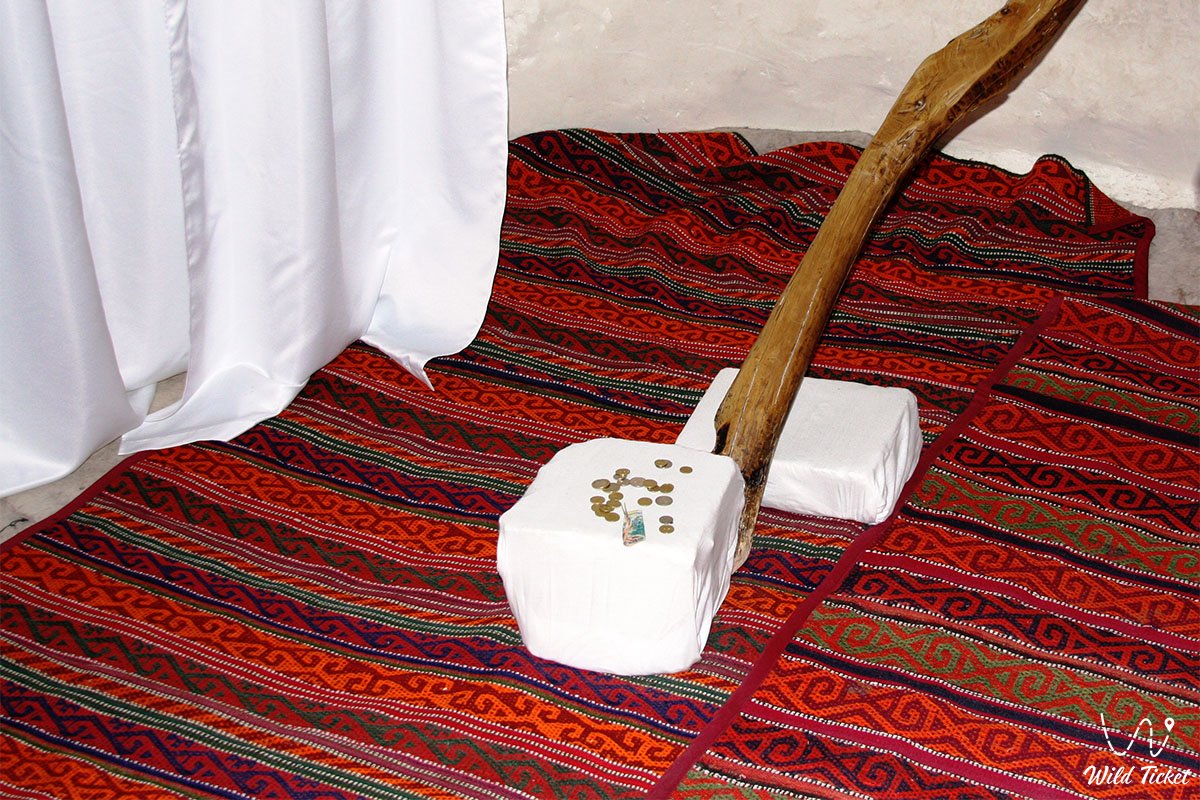
• Мемориальные залы – смежные кельи, где хранятся священный посох мыслителя, погребение его сестры и женская молельня.
• Суфа для отдыха – возвышенная каменная площадка за угловыми пилонами в одной из камер, служившая для отдыха учеников и отшельников.
• Источник и старый колодец – каменный резервуар у подножия мелового уступа, питаемый минерализованной родниковой водой.
• Некрополь Огланды – комплекс старинных мемориальных памятников (кулпытасов и саганатамов), разбросанных по уступам чинка.
Флора и фауна
Природная среда урочища Огланды сформирована экстремальными условиями меловых чинков плато Устюрт. Растительность по склонам глубокой лощины и на обрывах представлена засухоустойчивыми ксерофитами и петрофитами: полынью сероземной, биюргуном, боялычем, парнолистником и зарослями тамариска (гребенщика). В расщелинах скал укореняются черный и белый саксаул, а дно лощины укрыто густыми кустарниковыми зарослями курчавки и селитрянки. Весной на короткое время расцветают пустынные тюльпаны Согдийского и редкие эфемеры.
Фауна местности неразрывно связана с сакральным статусом святыни. Главным символом чинков выступает устюртский горный баран (муфлон, или архар Устюрта), занесенный в Красную книгу Казахстана. Считаясь священными животными, Бекет-Ата, популяции муфлонов мирно пасутся вдоль паломнической лестницы и уступов скал, не проявляя страха перед человеком.
На плато встречаются сайгаки, джейраны, зайцы-толаи, лисицы-корсаки, барсуки, перевязки и редкий каракал. На уступах чинков гнездятся хищные птицы: беркуты, курганники, соколы-балобаны, стервятники и филины, использующие восходящие потоки воздуха над лощиной.
Легенда
Жизнь Бекет-Ата овеяна десятками преданий о ясновидении и чудотворении. Одно из сказаний гласит, что в молодости, переходя речной брод, Бекет увидел над водой сначала один палец, затем пять, тридцать и, наконец, сорок пальцев. Юноша распознал в этом божественный знак (аян): пять пальцев означали нерушимость пятикратного намаза, тридцать – дни священного поста оразы, а сорок – сорок праведных заповедей, после чего он бесповоротно посвятил себя служению истине.
Другая легенда рассказывает о рождении его боевого клича. Когда Бекету было чуть более двадцати лет, ему приснился вещий сон о приближении пятисотенного вражеского отряда. Взяв всего пятьдесят сарбазов, юноша устроил засаду на холме. В час битвы Бекет взмыл в небо в облике белого лебедя, подняв сокрушительный степной ураган. В клубах пыли всадники бросились в атаку с кличем «Бекет!», показавшись врагам несметным войском, и обратили их в бегство, причем святой запретил проливать кровь отступающих.
В народе также верят в способность старца мгновенно перемещаться сквозь пространство. Считалось, что при смене времен года он переносился между четырьмя своими обителями, а в минуты смертельной опасности в степи путнику достаточно искренне воззвать к его имени, чтобы обрести чудесное спасение.
Заключение
Подземная мечеть Бекет-Ата в урочище Огланды – это непреходящий духовный маяк Великой степи, признанный шедевр Всемирного наследия ЮНЕСКО и символ нерушимой веры, знания и милосердия. Вырубленный в белом мергеле храм соединяет древние суфийские традиции с космическим величием ландшафтов чинка Устюрт.
Паломничество в Огланды оставляет неизгладимый след в сердце каждого странника, даруя духовное исцеление, мир в мыслях и прикосновение к вечности посреди бескрайней пустыни.
Интересные достопримечательности рядом:
• Устюртский государственный заповедник;
• Город Жанаозен;
• Некрополь Сенек;
• Мавзолей Нурбергена Калышева;
• Впадина Карагие;
• Впадина Карынжарык;
• Плато Устюрт;
• Мечеть Шопан-ата.
• Гора Бокты;
• Клыки Бозжыры;
• Урочище-долина Бозжыра.
ТУР В МЕЧЕТЬ БЕКЕТ-АТА
Маршрут паломнической поездки в урочище Огланды из Актау:
Актау – город Жанаозен – мавзолей Кую-Там – урочище Огланды – подземная мечеть Бекет aта
Расписание:
Фотогалерея: