A unique example of human struggle against encroaching sands -
Akespe Village represents a unique settlement in the Aral district of the Kyzylorda region of Kazakhstan, part of the Kosaman rural district. Located on the northwestern shore of Butakov Bay and the Small Aral Sea (North Aral), this authentic fishing aul in the midst of a desert area has become a living symbol of the ecological changes in the region.
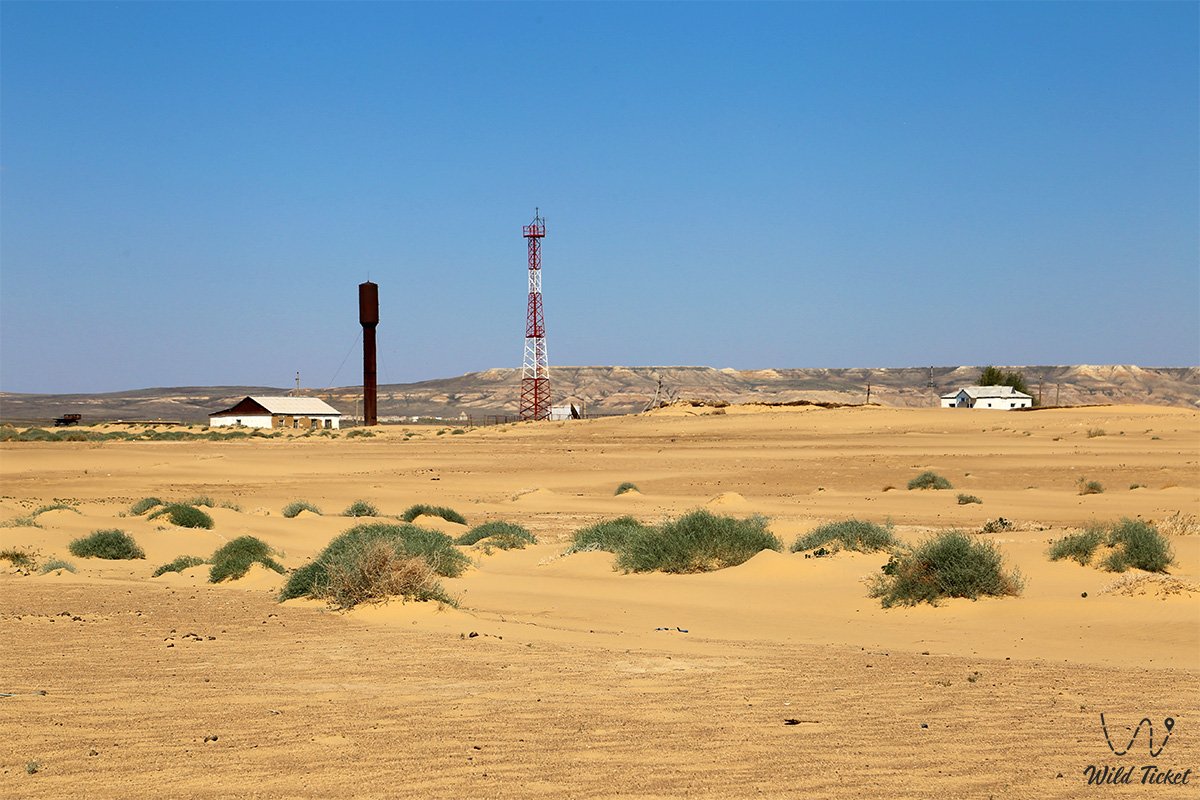
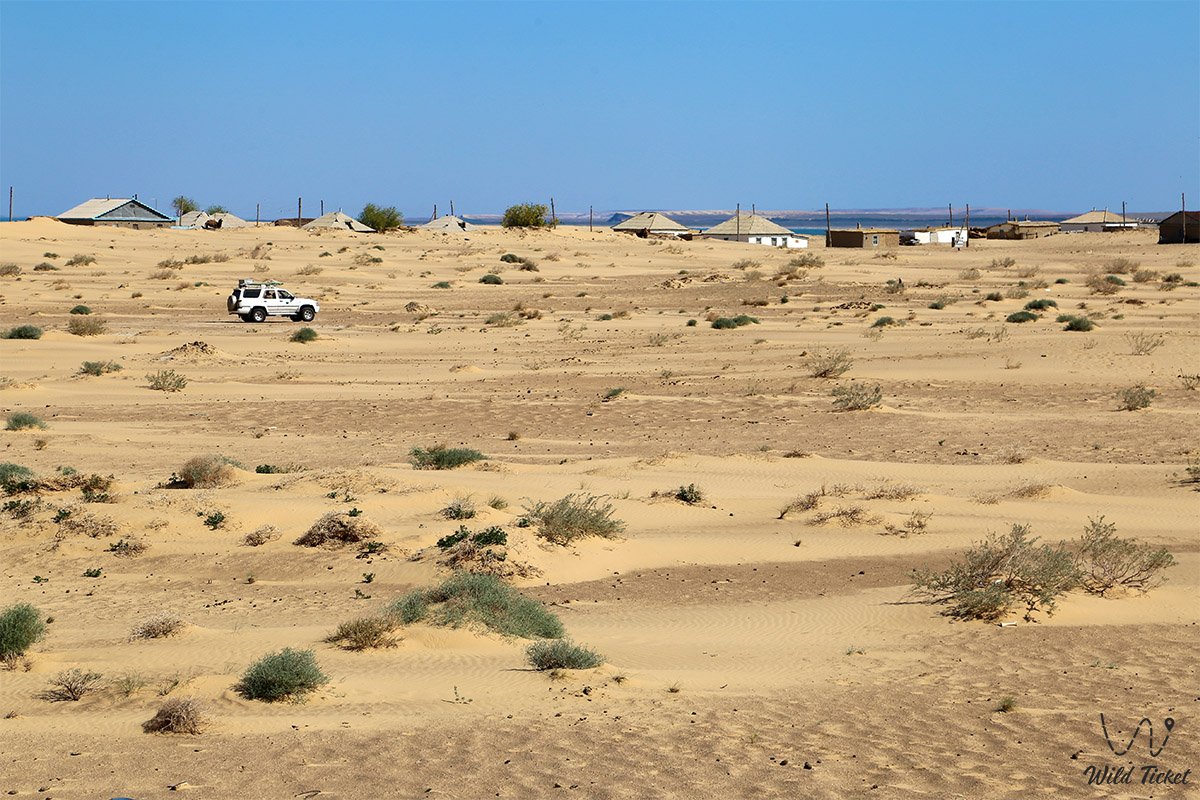
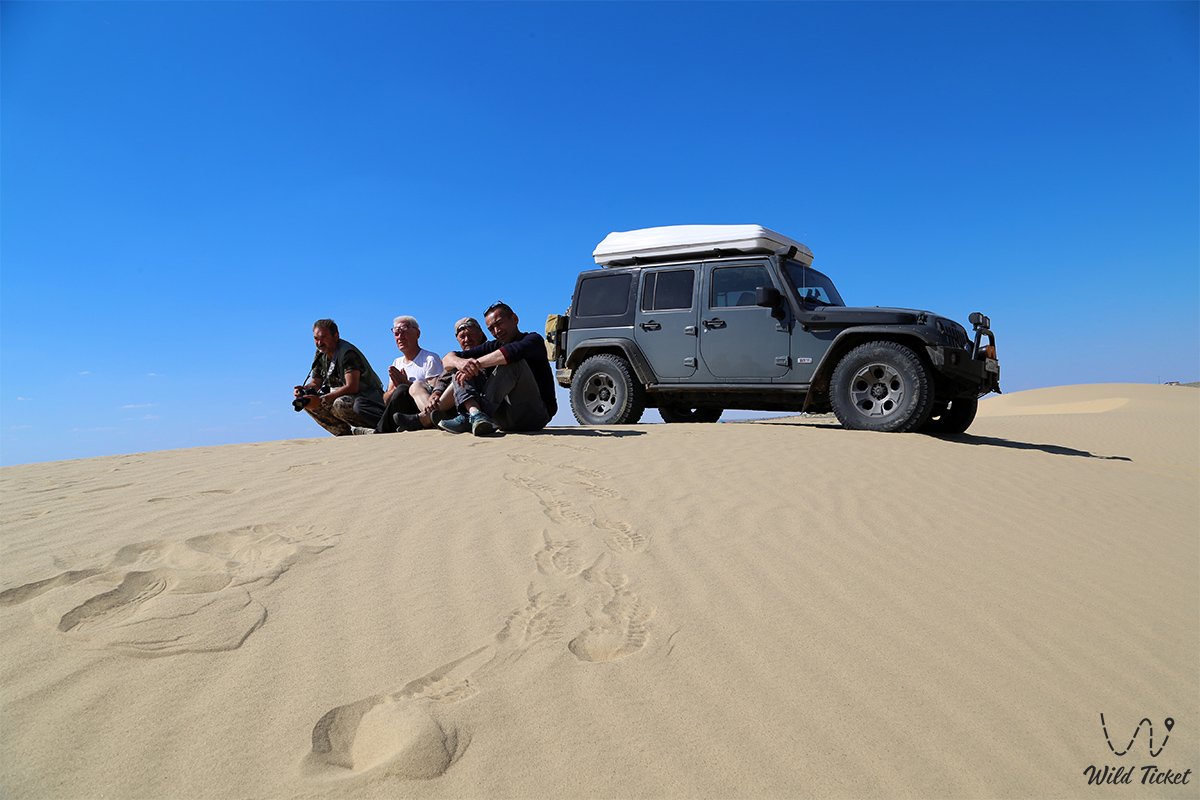
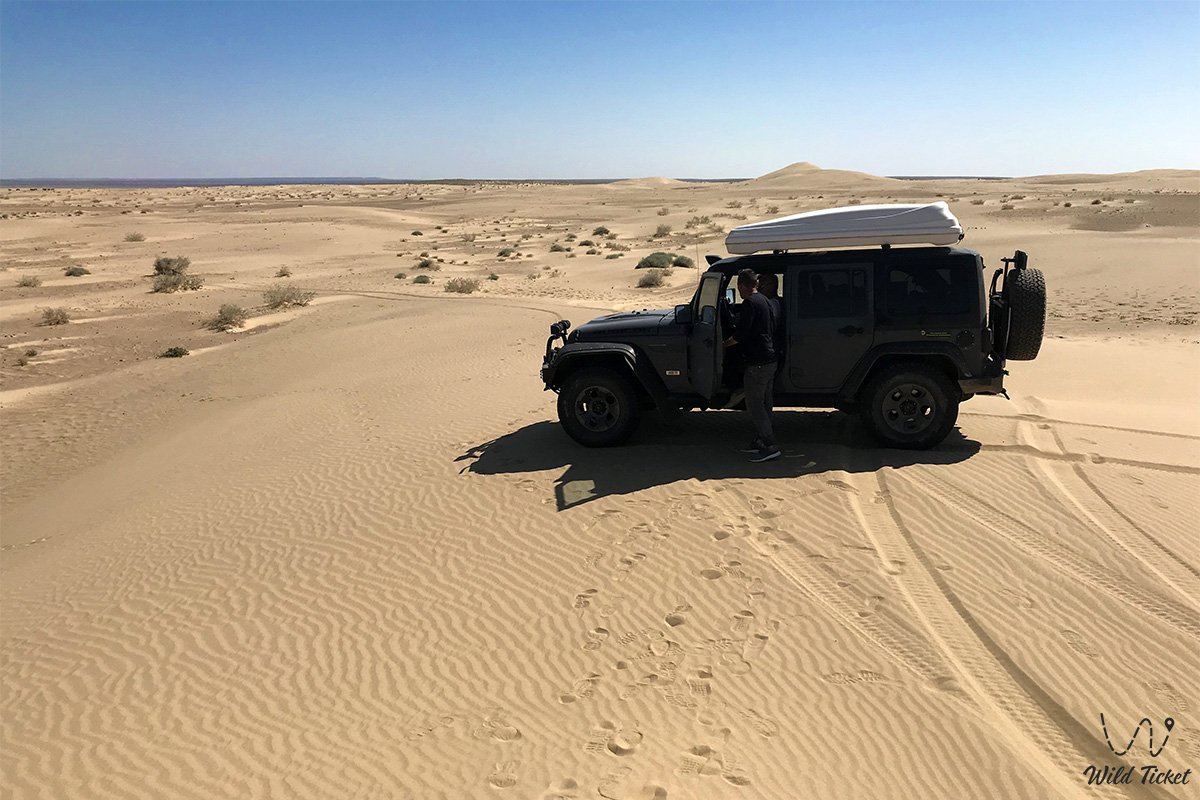
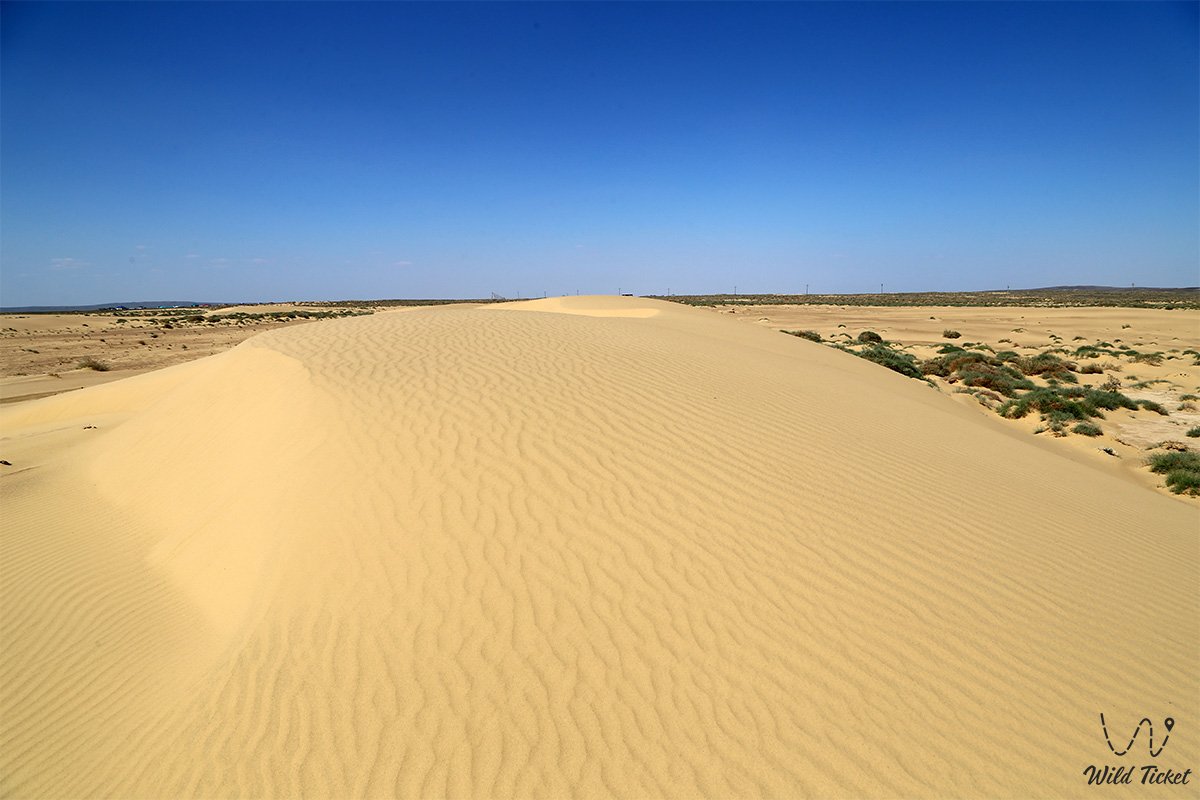
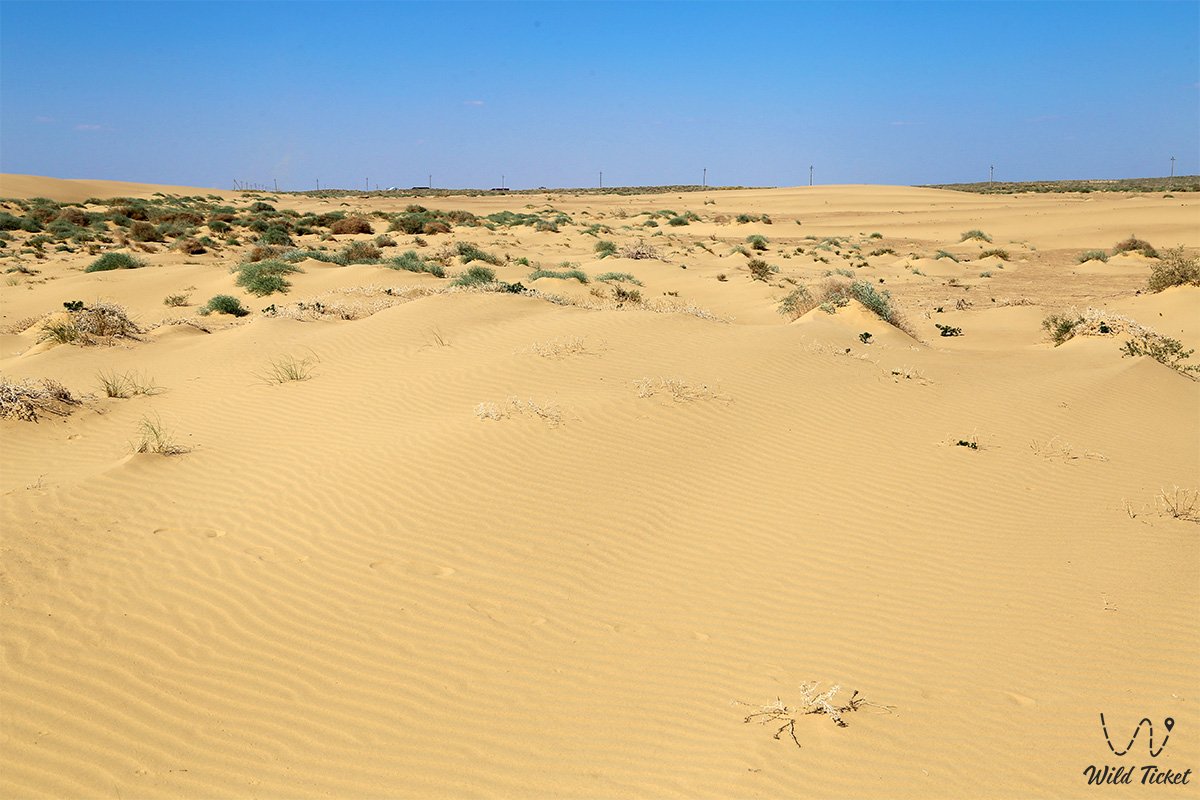
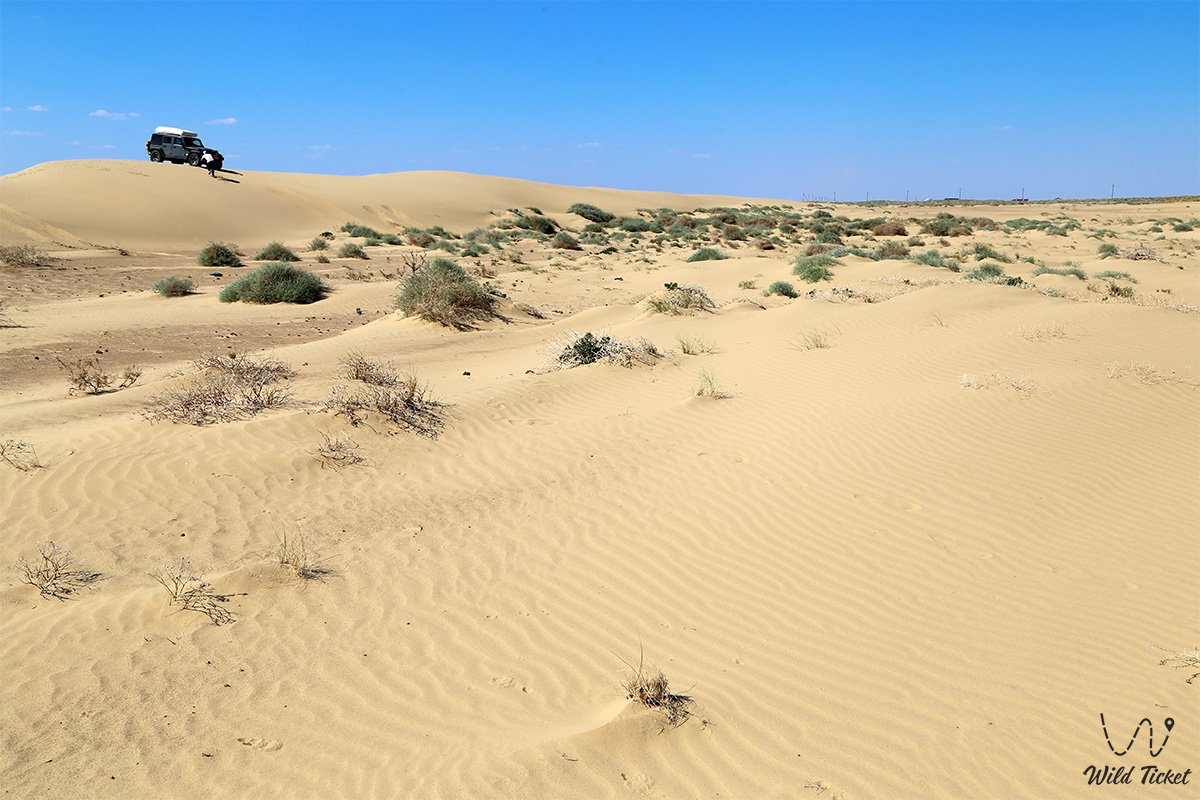
The old settlement, which consisted of thirty houses on two streets 500 meters long, was subjected to a fierce onslaught of moving sand dunes due to the rapid drying up of the Aral Sea, burying adobe buildings up to their very roofs. To save the community from the encroaching desert, residents moved the settlement two kilometers aside, building the new aul of Akespe with good living conditions. Not far before the village is another fishing settlement, Tastubek village.
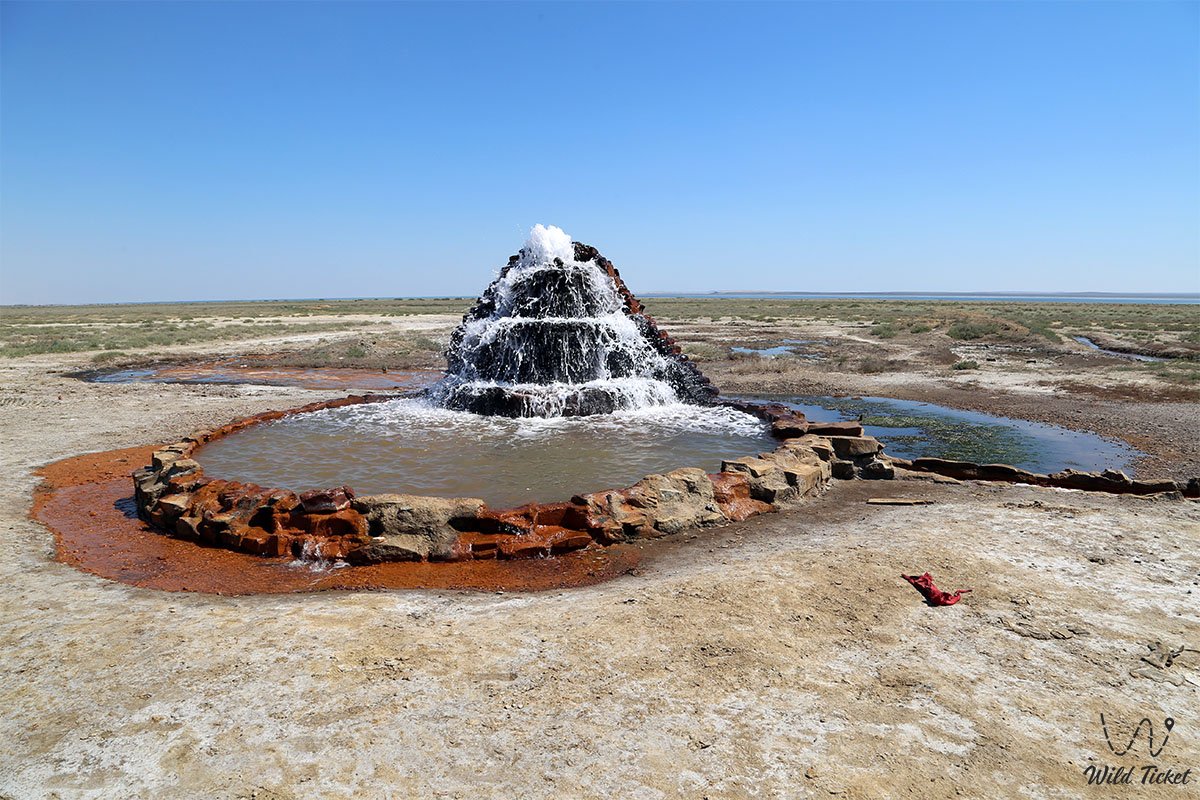
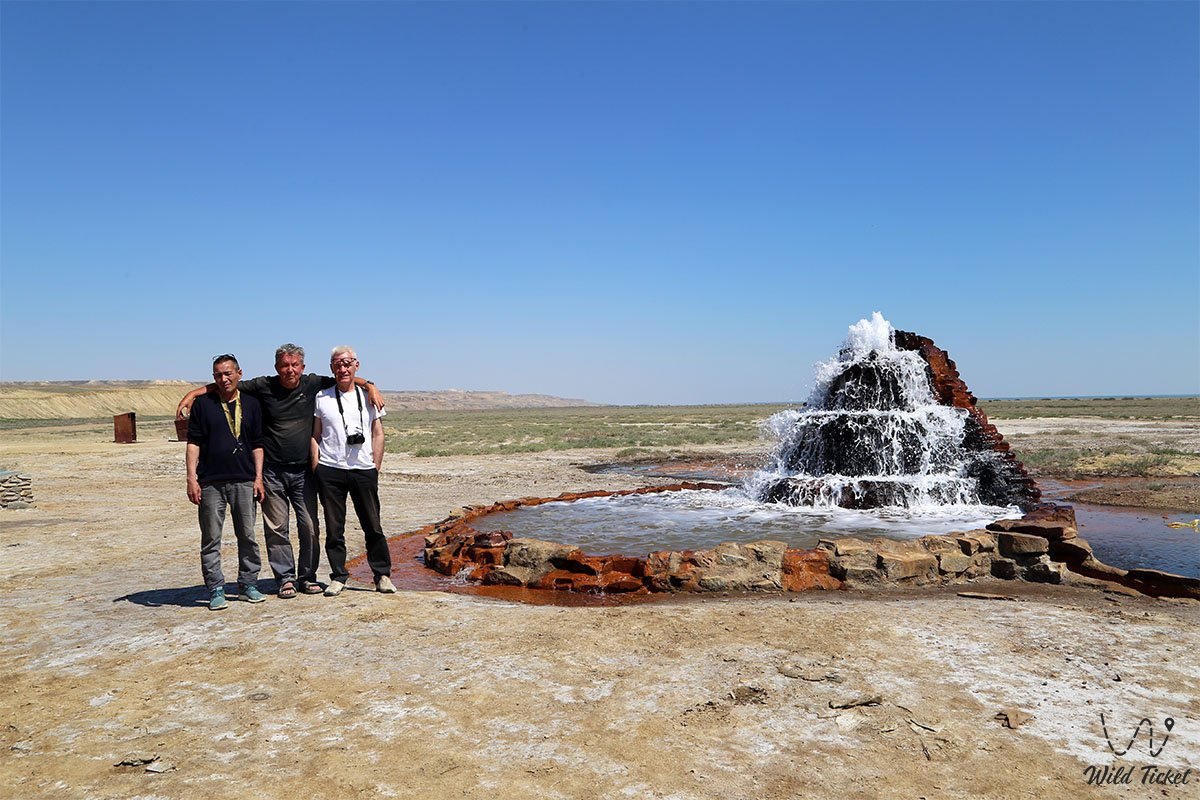
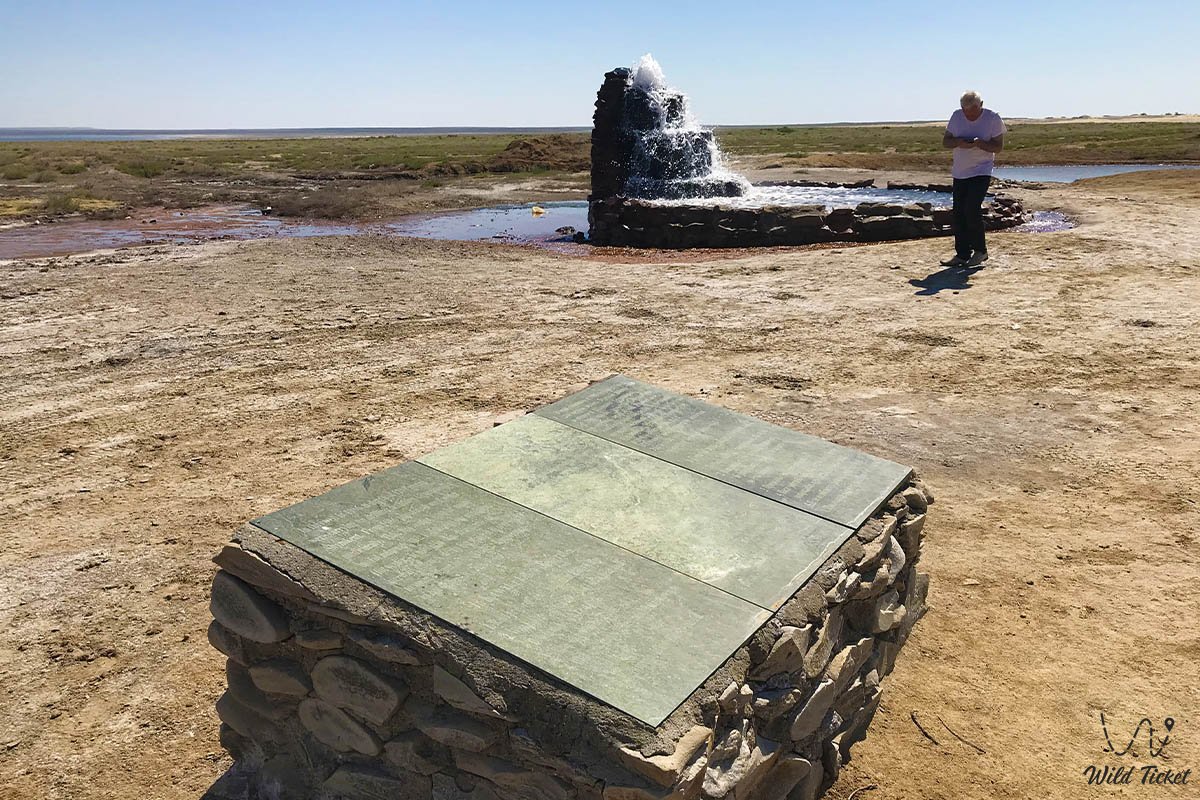
The main calling card and treasure of the settlement is the famous underground geothermal spring (Istyk-Su), located 1.5 kilometers from residential houses. This sacred, healing hydrogen sulfide spring was discovered by paleontologists and hydrogeologists while drilling in search of drinking water: hot mineral water gushes directly from underground under natural pressure year-round, maintaining a constant temperature of +60°C to +62°C.
In addition, these places gained worldwide scientific renown back in 1925, when scientists discovered an ancient Oligocene fossil bed near the village – the so-called "Aral fossil fauna" dating back about 26 million years, where paleontologists uncovered fossil remains of ancient moles, rodents, carnivores, perissodactyls, and land tortoises.
---------------------------------------------
How to get there and visit -
Akespe village is located on the northwestern shore of Butakov Bay, Aral district, Kyzylorda region, Republic of Kazakhstan. The distance from the city of Kyzylorda to the district center is about 360 km, and the village itself is situated 120 kilometers northwest of the city of Aralsk.
GPS coordinates: 46°48'23"N 60°30'01"E
The transport logistics of this secluded area completely exclude regular public transport – there is no paved road to the aul, and it can only be reached via steppe tracks. Independent travelers can travel by train to the Saksaul railway station or to the city of Aralsk, and hire local drivers with "UAZ" off-road vehicles at bus stations, who regularly commute between the aul and the district center.
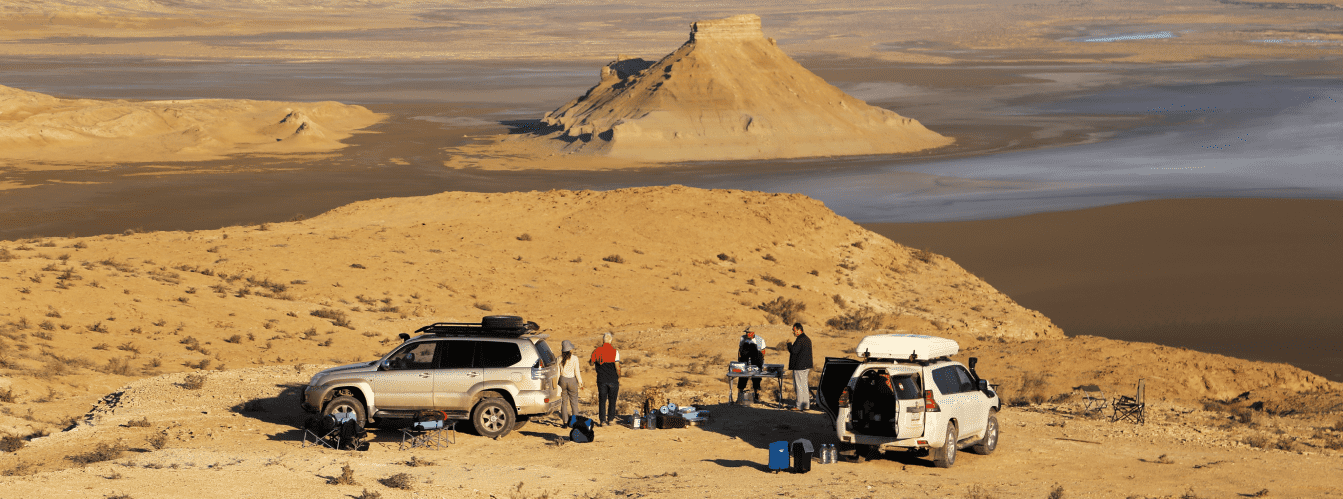
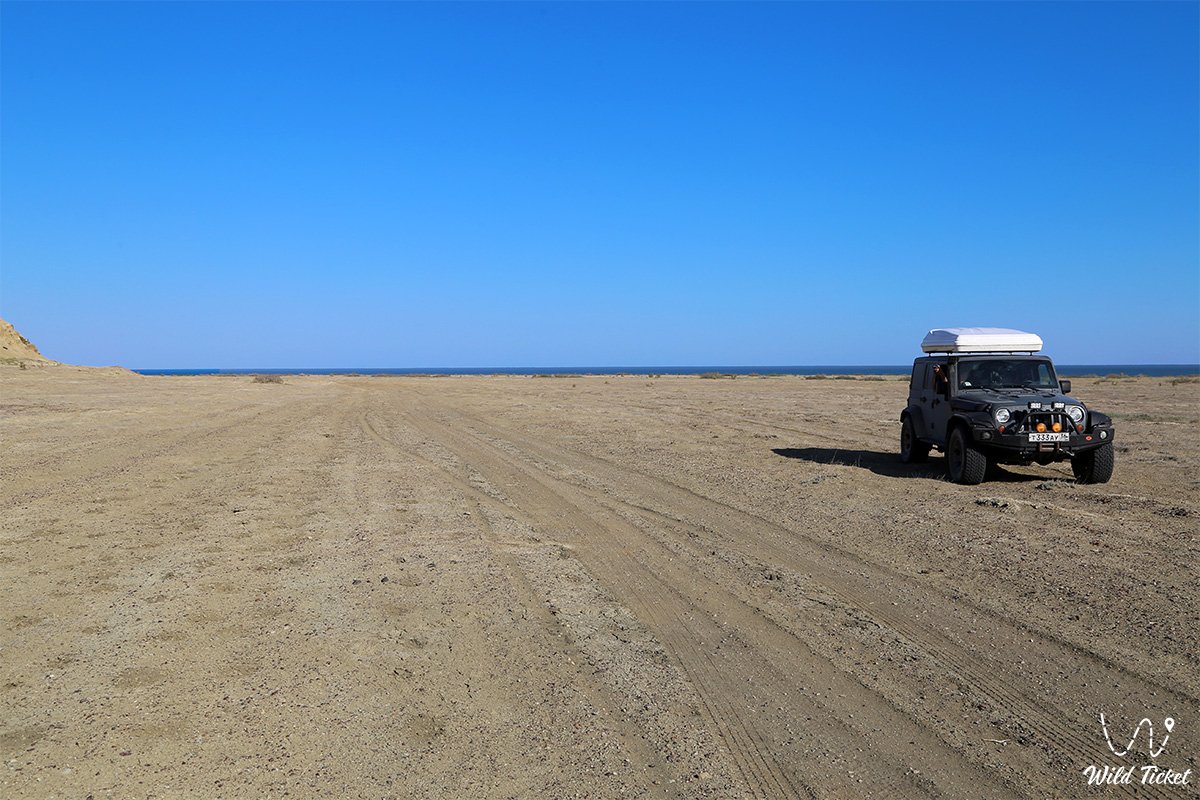
Only a prepared, high-clearance 4x4 off-road vehicle is suitable for traveling in one's own car. Due to the harsh desert conditions, summer heat, and the risk of getting bogged down in deep loose sand or salt marshes, it is strongly discouraged to travel alone in a single vehicle – an expedition must set out with at least two vehicles for mutual assistance and safety. Drivers need to carry satellite navigation devices, reliable shovels, tow straps, communication tools, additional fuel, and a generous supply of drinking water.
Operating hours: the village, moving dunes, and the natural geothermal spring are open for travelers to visit around the clock throughout the entire year. Admission to the memorial-resort zone near the curative spring and entry into the surrounding territory are completely free; no paid checkpoints, tickets, ticket offices, or environmental fees are provided here.
It is recommended to plan a journey to this region for the spring period (April – May) or early autumn (September – October) to avoid extreme summer temperatures when the air warms up above 40°C. All tent camps are organized independently by expedition groups under field conditions, while overnight stays and traditional meals can easily be arranged directly on site with guest house owners in the new aul.
---------------------------------------------
History
The history of Akespe village reflects the dramatic chronicle of the drying of the Aral Sea and the remarkable resilience of humans before natural forces. During the Soviet period, this was a thriving fishing settlement standing right on the shore of full-flowing Butakov Bay. Local residents swam in the sea, caught abundant catches, and cargo steamships regularly arrived at and departed from the pier. Surrounding pastures were used for grazing livestock, and hydrogeological prospecting led to the discovery of a powerful radon borehole.
With the worsening ecological situation and water retreating two kilometers from the former shoreline, the exposed seabed turned into desert. Strong steppe winds began carrying tons of fine sand, turning the old aul into an eerie exclusion zone buried by barchans. The residents displayed fortitude by refusing to leave their homeland: they independently moved their households higher up the slope, building a new aul with industrial refrigeration units for fish, preserving their traditional trade and loyalty to the Aral Sea land.
Information
Akespe village and the surrounding natural complex are arranged as an open therapeutic, ethnographic, and ecological space in the middle of the desert. Excellent conditions have been created here for landscape photography, ecological workshops, and organizing extreme off-road tours. The highlight of this area is the striking contrast between the semi-ruined houses of the old aul, the developing infrastructure of the new settlement, and the steaming pool with hot radon water.
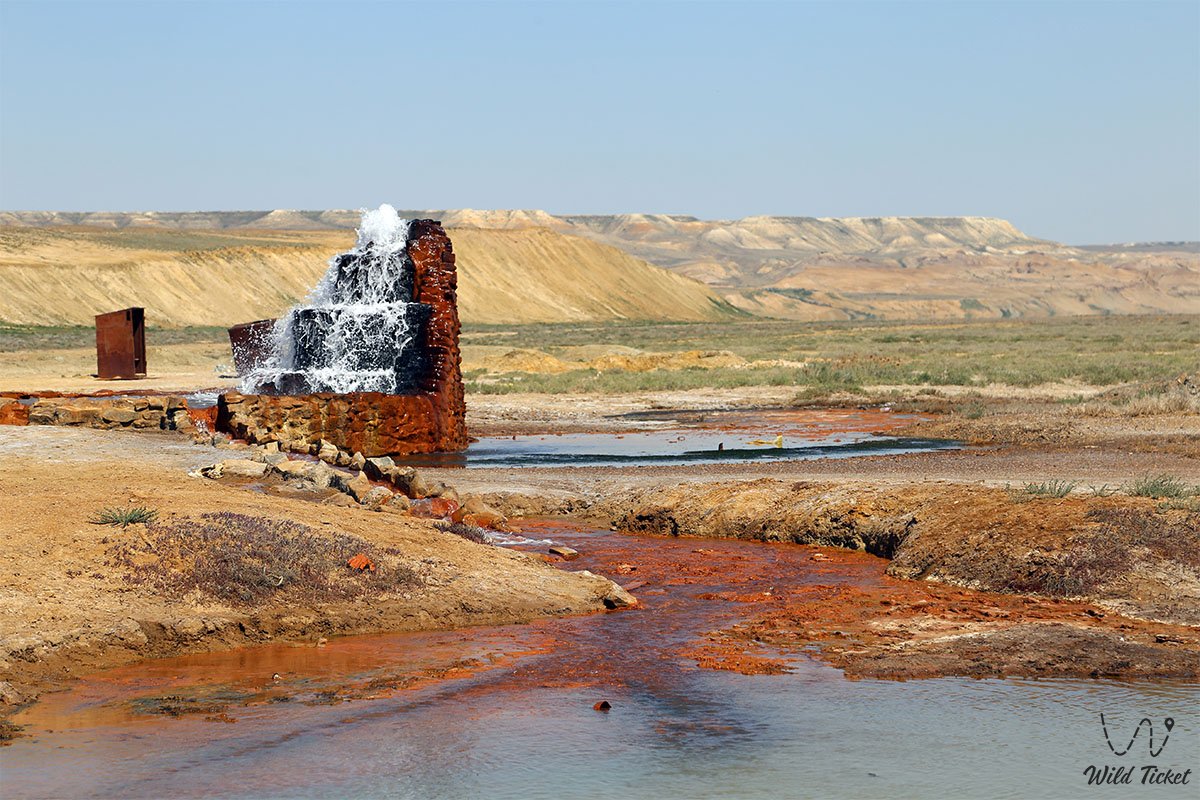
The sacred hydrogen sulfide spring itself is arranged one and a half kilometers from the residential zone. Mineralized water rushes out of a steel pipe under natural pressure and gathers in an open reservoir. Medical specialists and guides advise tourists to take hot radon baths in measured doses (no longer than 15–20 minutes), strictly forbid polluting the runoff stream, and urge treating the fragile ecosystem with care without disturbing the silence of this desert land.
The population of the aul, which stood at 200 people according to the 1999 census (96 men and 104 women), increased to 255 residents by 2009 (126 men and 129 women). Local fishermen and pastoralists raising camels and horses welcome expedition members with genuine steppe hospitality: one can stay in a local guest house in the aul to experience the austere atmosphere of the Sahara in the very heart of Kazakhstan, make a pilgrimage to the hot baths, and photograph the constantly shifting contours of the sand dunes.
Detailed description of the venue
The well-planned infrastructure of the historical and natural complex includes the following distinct locations and geographical features:
• New Akespe Aul – a modern residential sector of 30 houses with an administrative building, a new school, a store, and a stationary industrial refrigeration facility for storing fish.
• Sand-buried Old Aul – a unique ecological photo zone where one can see vacant adobe houses submerged in golden dunes up to their roofs.
• Geothermal Borehole – a steel pipe head from which a fountain of hot mineral hydrogen sulfide water at temperatures up to +62°C gushes without interruption.
• Curative Radon Pool – an open earthen reservoir near the spring used by pilgrims and tourists from all over Kazakhstan for health-improving bathing.
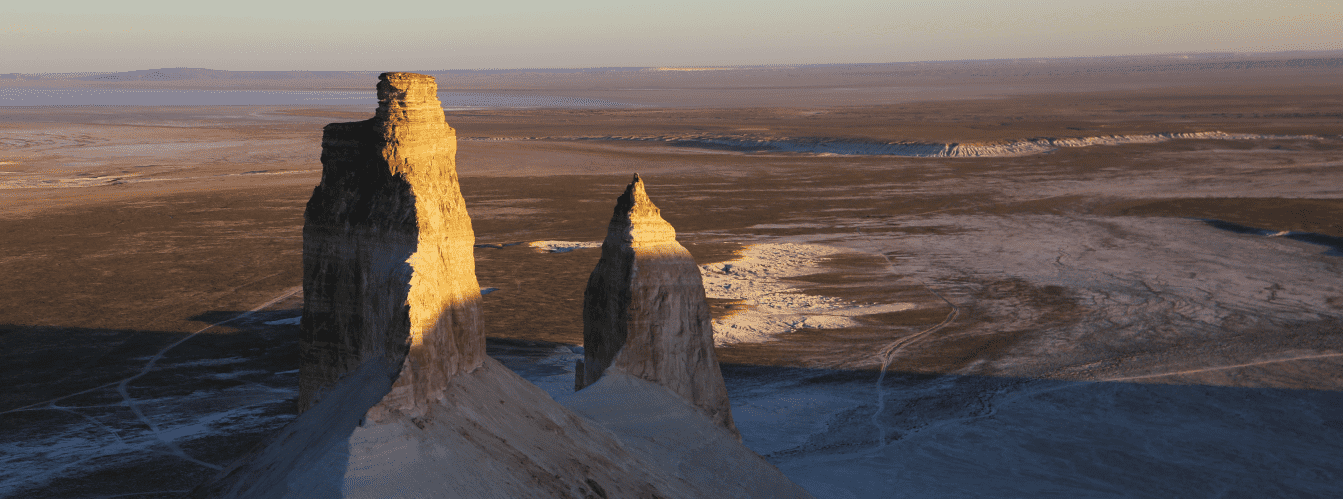
• Karasandyk Canyon – a stunning coastal location of Butakov Bay featuring sandy-clay cliffs and dry stream beds carved by water flows into the whimsical shapes of an ancient canyon.
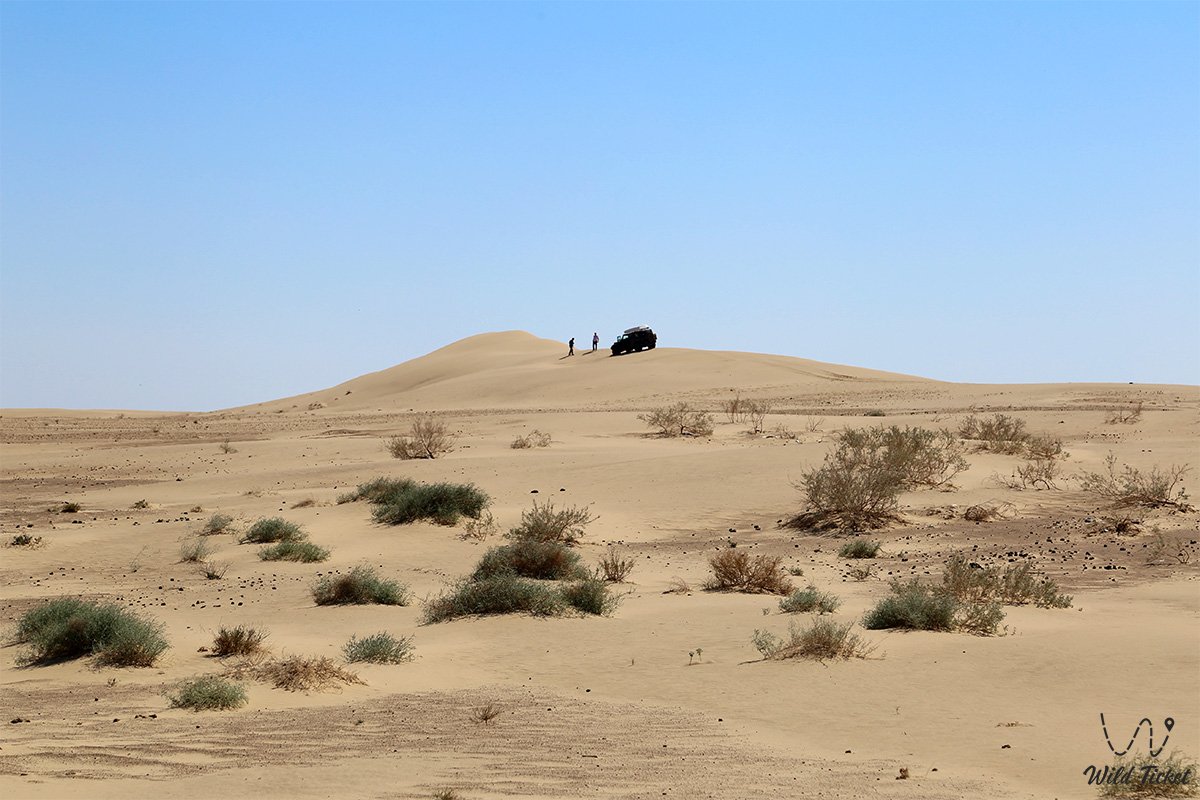
• Shifting Sand Spit – vast masses of clean fine sand near the shores of the Aral Sea that constantly change their outlines under the influence of desert winds.
Architecture
The architectural style of the new village of Akespe is grounded in practical principles of civil construction for arid regions. Modern residential houses are built from durable local materials using adobe and adobe-brick cladding, which provides ideal thermal insulation during periods of extreme summer heat and winter blizzards.
An engineering highlight of the area is the arrangement of the geothermal borehole: steel distribution troughs effectively channel hot water into a drainage stream, preventing pasture waterlogging. The layout of the new aul's streets, each 500 meters long, was designed taking into account protection against prevailing northwesterly winds that carry salty dust from the Aral seabed, while a tall cellular communication tower completes the ensemble, providing connection to the outside world.
Legend
Among residents of the Kosaman rural district, stories about the sacred power of the underground spring of Akespe village are passed down from generation to generation. Elders recount that during the period when the sea began retreating rapidly and advancing sands began burying the first houses, people fell into despair and began praying for a sign. At that very time, scientists drilled a exploratory well in search of fresh water, but instead of fresh water, hot curative steam burst forth from the depths of the earth with a roar.
It is believed that this spring was bestowed upon the steadfast residents by the Almighty as consolation and a great reward for their patience so that they would not abandon their native land. A belief exists that the hot hydrogen sulfide water possesses a soul and heals only those pilgrims who approach it with humility and pure thoughts. Elders claim that if one bathes in the healing pool at dawn while wishing for family health, the hot mineral water will wash away all joint ailments, cleanse the skin, and grant long life.
Conclusion
Akespe village is a remarkable historical bridge connecting the memory of Butakov Bay's past fishing grandeur with modern ecological and adventure tourism in the Kyzylorda region. Visiting this aul allows travelers to witness the consequences of large-scale climate changes firsthand, appreciate the perseverance of local residents, and touch the ancient paleontological history of the region preserved in Oligocene deposits.
The village remains an essential landmark for extreme, wellness, and scientific-historical tourism in the Aral district. Expedition itineraries consistently include this sandy oasis in their catalogues, offering every traveler a rare opportunity to test their endurance and feel the vibrant energy of the earth in the middle of a silent desert.
Interesting sights nearby:
• Shevchenko Bay;
• Kokaral Dam;
• Barsakelmes Nature Reserve;
• Akbasty Village;
• Eastern part of Butakov Bay;
• Karasandyk Canyon;
• Barsakelmes Lake.
Photogallery: