Photo tour to Karkaraly National Park, Kazakhstan –
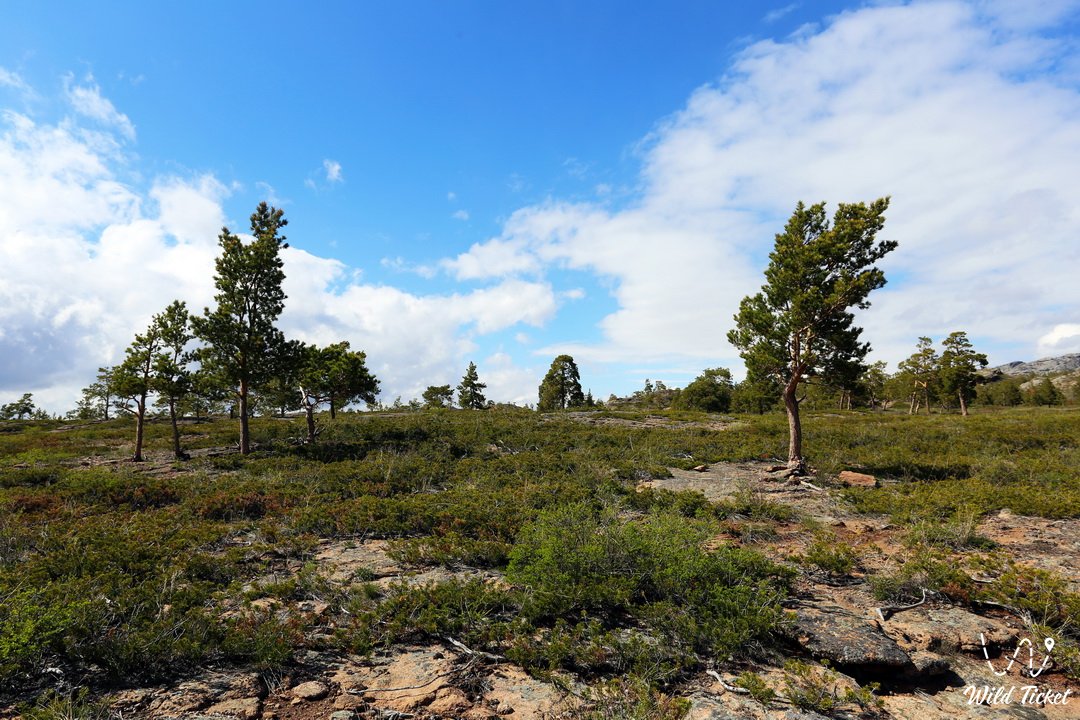
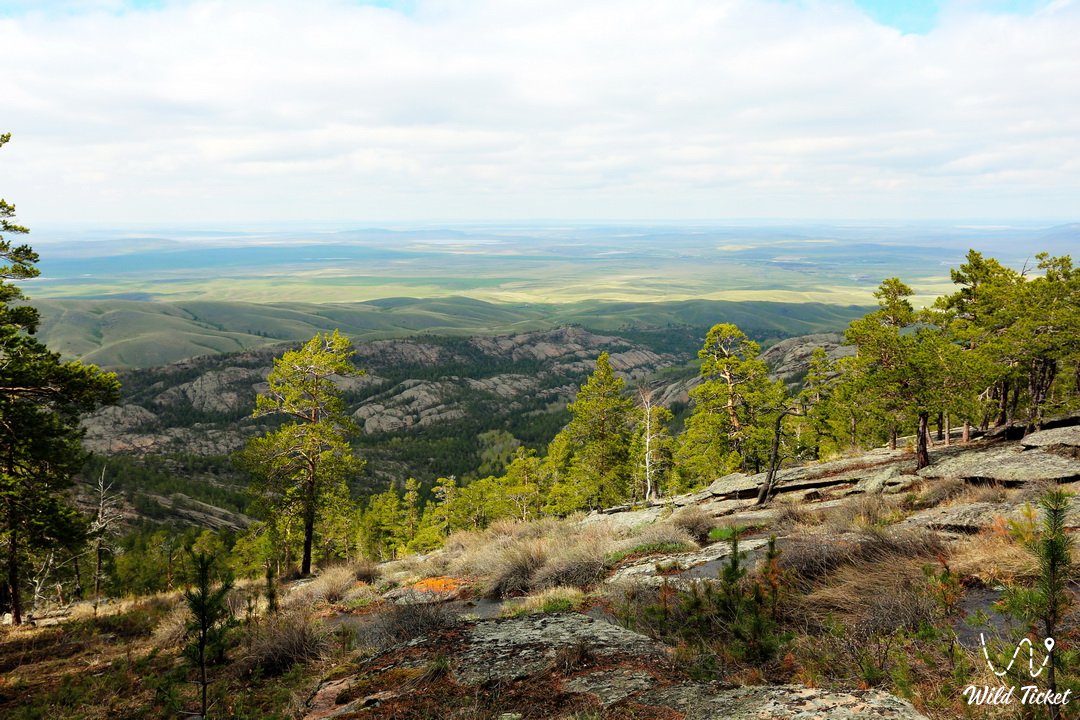
Karkaraly National Park is a protected nature reserve and national park in the Karaganda Region (Karaganda Oblast) of Kazakhstan. The park’s headquarters are located in the town of Karkaraly, 244 km east of Karaganda.
History
On March 1, 1884, the Karkaraly forest was officially established. In 1889, the construction of many park ranger stations began: Bedaik, Koktobe, Ayushat, Tulkebai, Tonkurus and others. From 1910 to 1913, the House of the Forest Ranger was built – the most famous building in the park, known for its unique architecture.
Before the Bolshevik Revolution, all former forest cottages were given to army troops, Karkaraly Cossacks and local residents. The Kent and Karkaraly forest cottages were part of the Karkaraly forestry treasury and were state property. After the October Revolution, the entire forest territory became part of the state forest fund.
In 1947, after several administrative changes, the Karkaraly Forestry Department was organized. In the early 1990s, work began on the creation of a national park. On December 1, 1998, Resolution No. 1212 was adopted, officially establishing Karkaraly National Park. The main goal of the national park is to protect and restore the natural territory within its boundaries.
The park administration is divided into four departments:
• Administrative Department
• Department of Protection and Natural Resource Management
• Department of Science, Environmental Education and Tourism
• Finance Department
The park employs about 120 staff members. Of these, 104 are state forest inspectors.
Geography
The total area of Karkaraly National Park is 112,120 hectares. Of these, 44,339.5 hectares are forested.
The park territory is divided into four zones:
Mountain forest – 25,576 ha
Karkaraly forest – 23,846 ha
Kent forest – 40,901 ha
Baktukh – 21,797 ha
• The park has 22,243 hectares where all types of economic activity are prohibited.
• The park has 89,877 hectares where economic activity is allowed under strict control.
Two other protected territories are located near the park:
Bektauata National Reserve – 500 ha
Beldeuk National Reserve – 44,660 ha
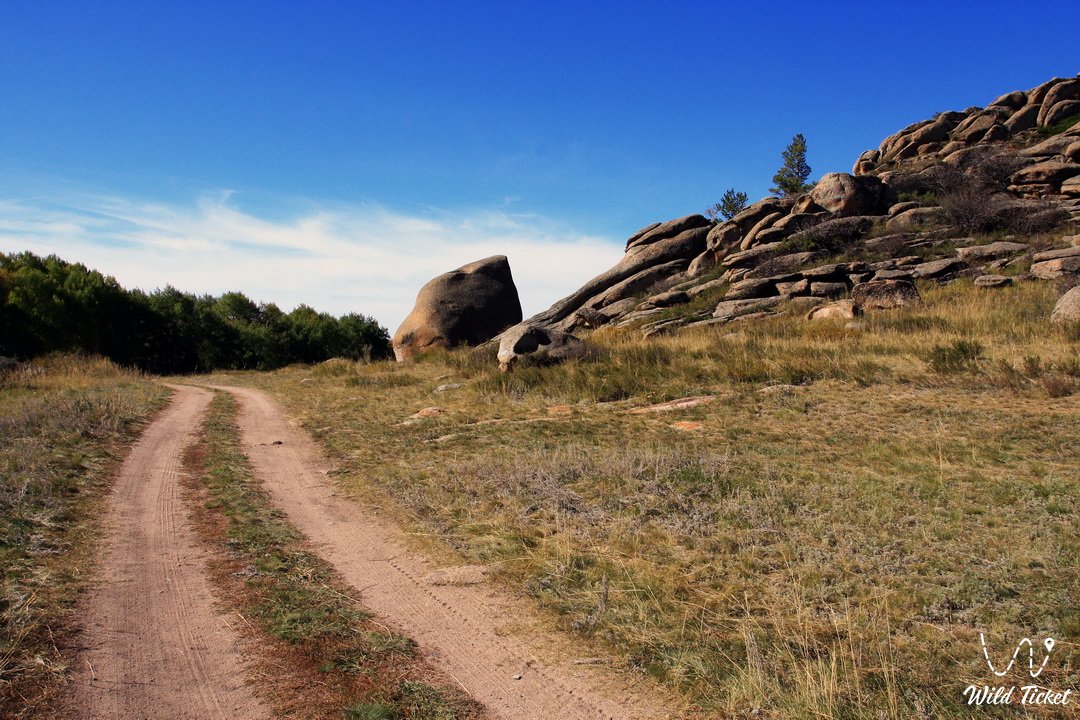
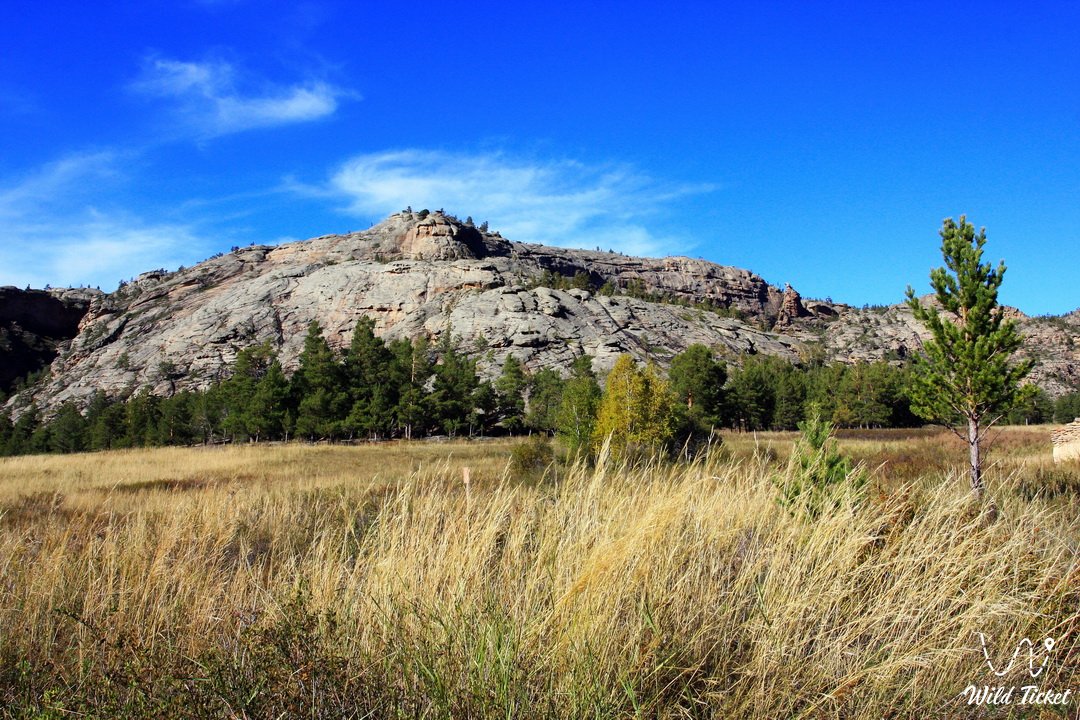
During the Paleozoic era (250–300 million years ago), this region of Kazakhstan was an inland sea. The water retreated about 1.2–2 million years ago when the ancient Paleozoic shield fractured with granite intrusions. The region rose and formed the Kent and Karkaraly mountains. Since then, rocks and cliffs have stood here, and for thousands of years unstable steppe winds and precipitation have shaped the stones into unique forms.
People have lived in the Karkaraly region since ancient times. The earliest archaeological finds related to ancient humans date back to the Paleolithic (Stone Age). Most archaeological sites studied belong to the Bronze Age. More than 30 archaeological sites within the park include burial mounds and ancient settlements from the Stone, Bronze and Iron Ages. Some of them are among the best discovered sites from these periods in Kazakhstan.
Nature Museum
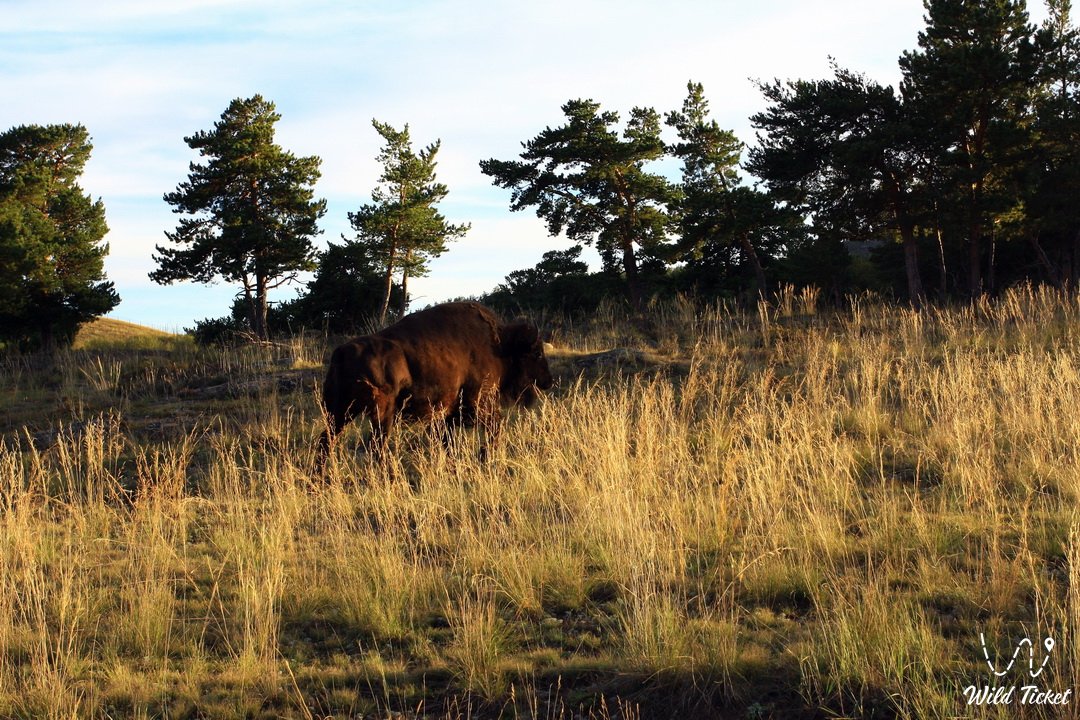
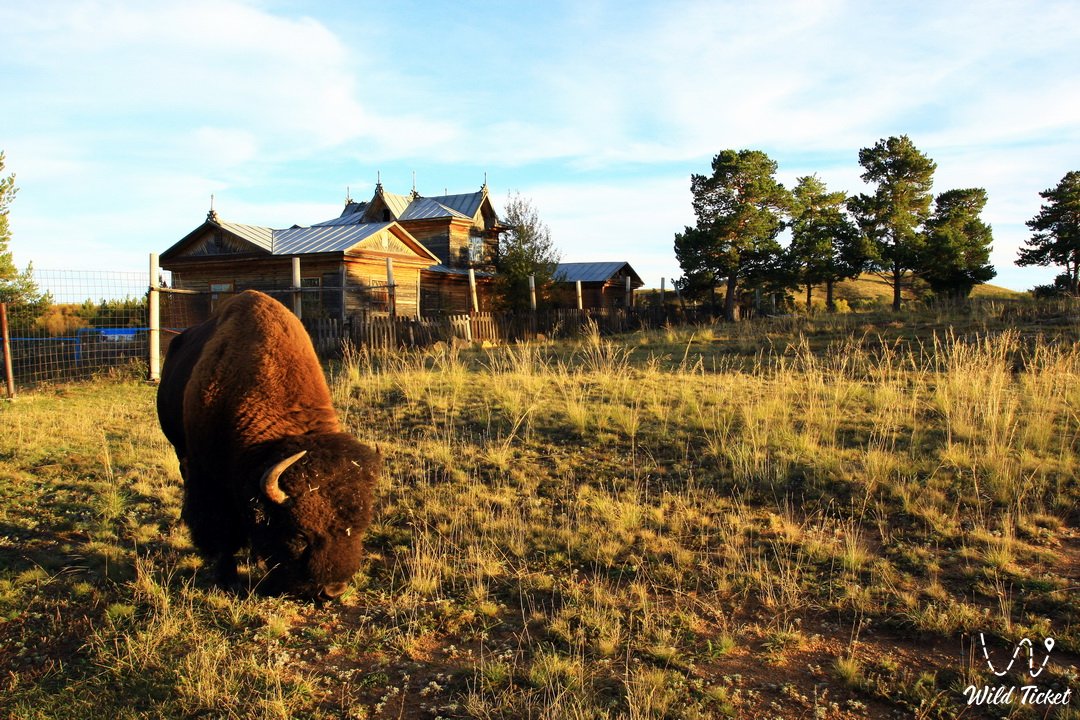
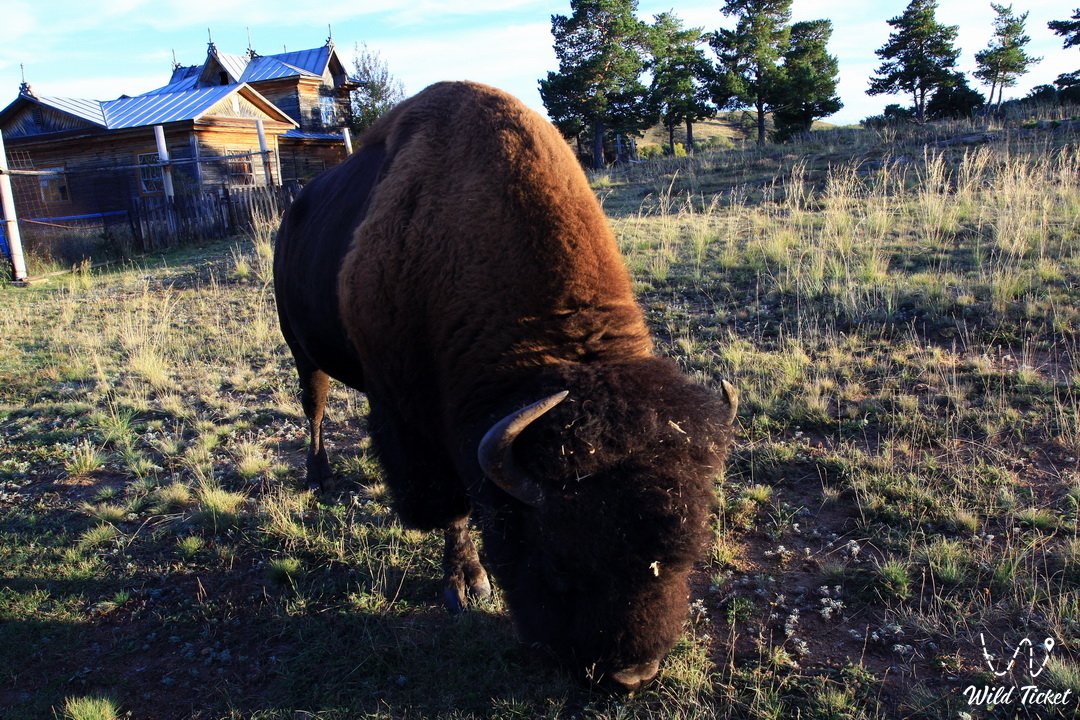
Karkaraly National Park built its Nature Museum in 1983. The two-story wooden building contains exhibition halls dedicated to the flora and fauna of the Karkaraly National Natural Park. One of the museum halls features a three-dimensional map of the national park. The building is known for its beautiful wooden interior. Near the Nature Museum there is a large enclosure where bison, red deer, fallow deer, yak, wild boar and argali are kept.
Bassein Lake
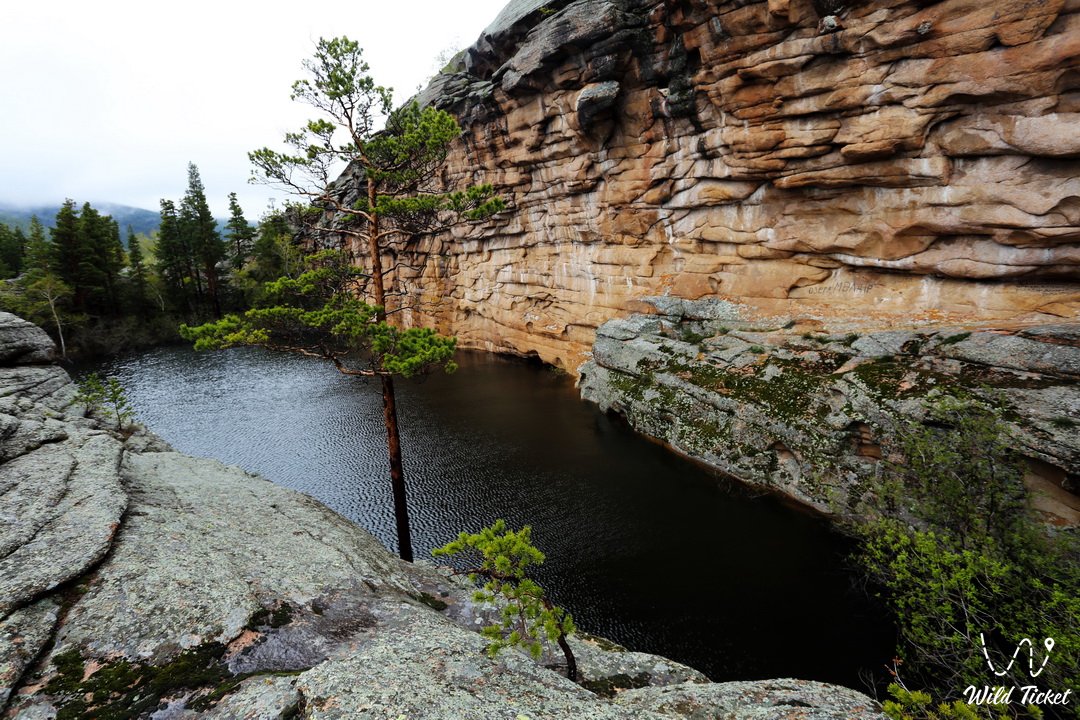
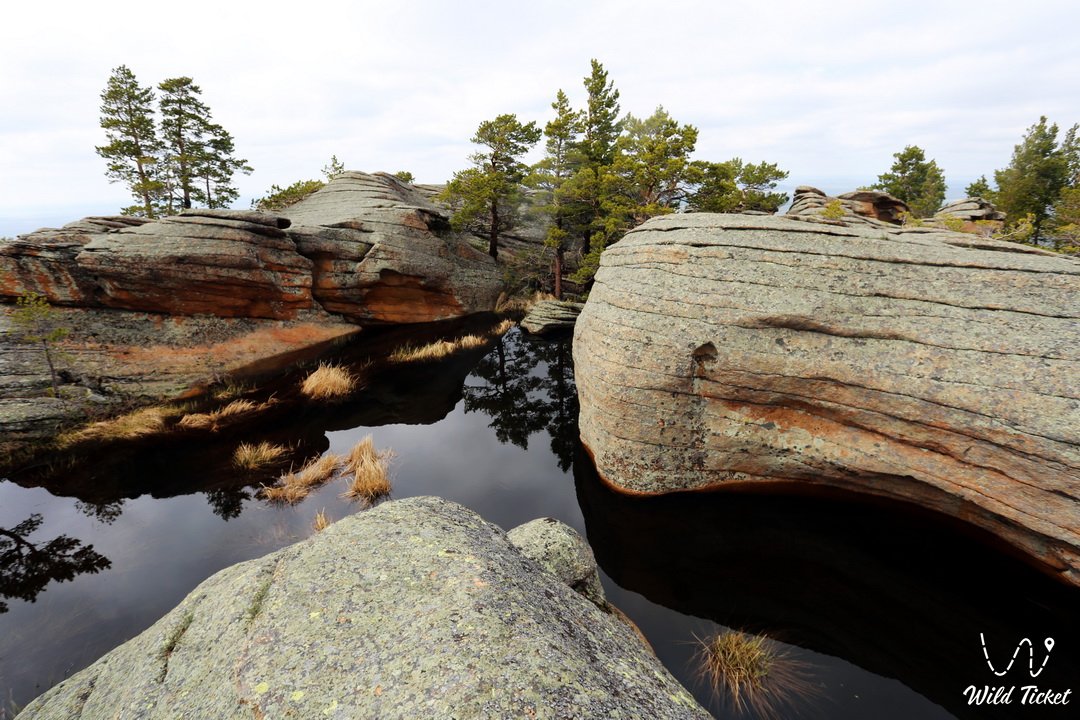
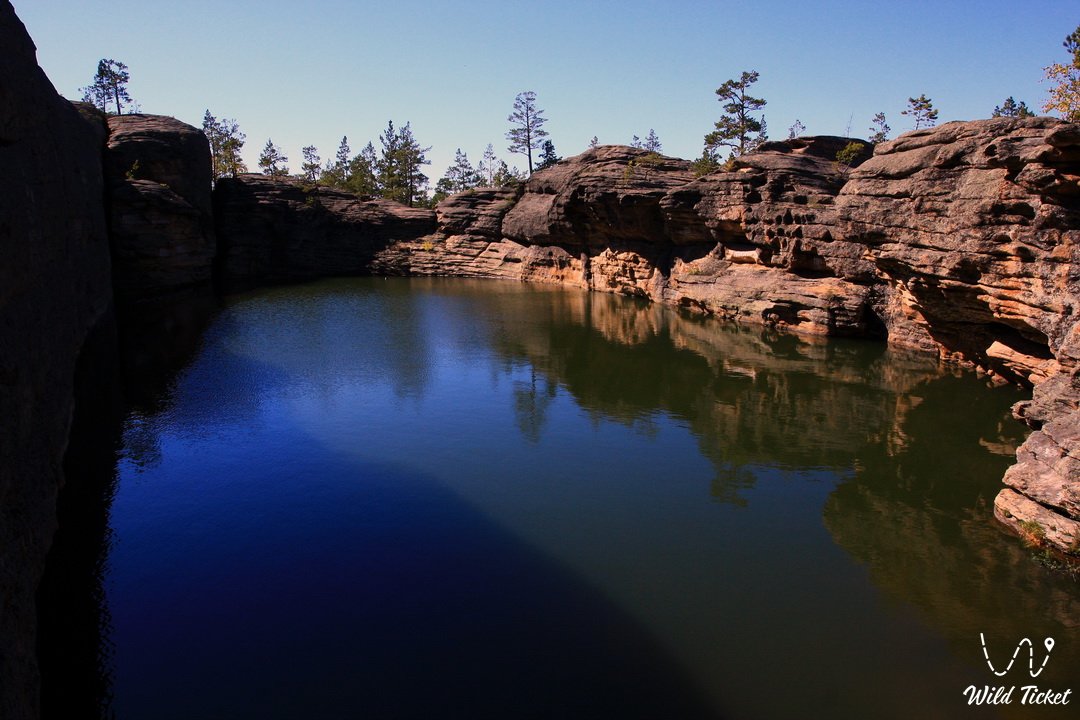
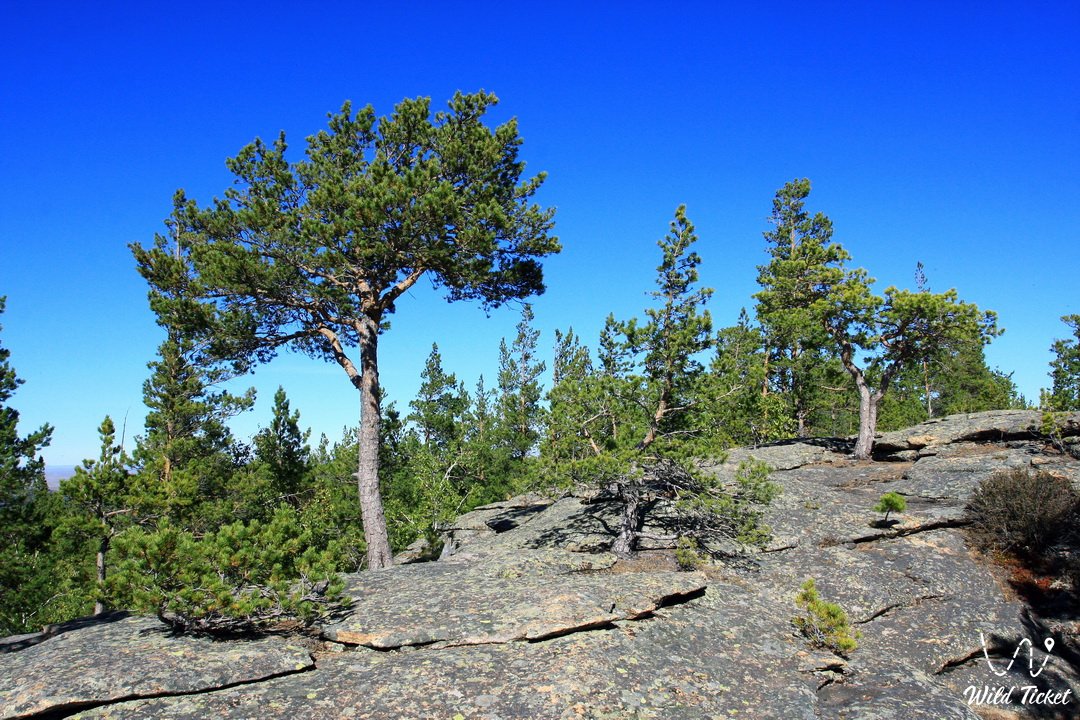
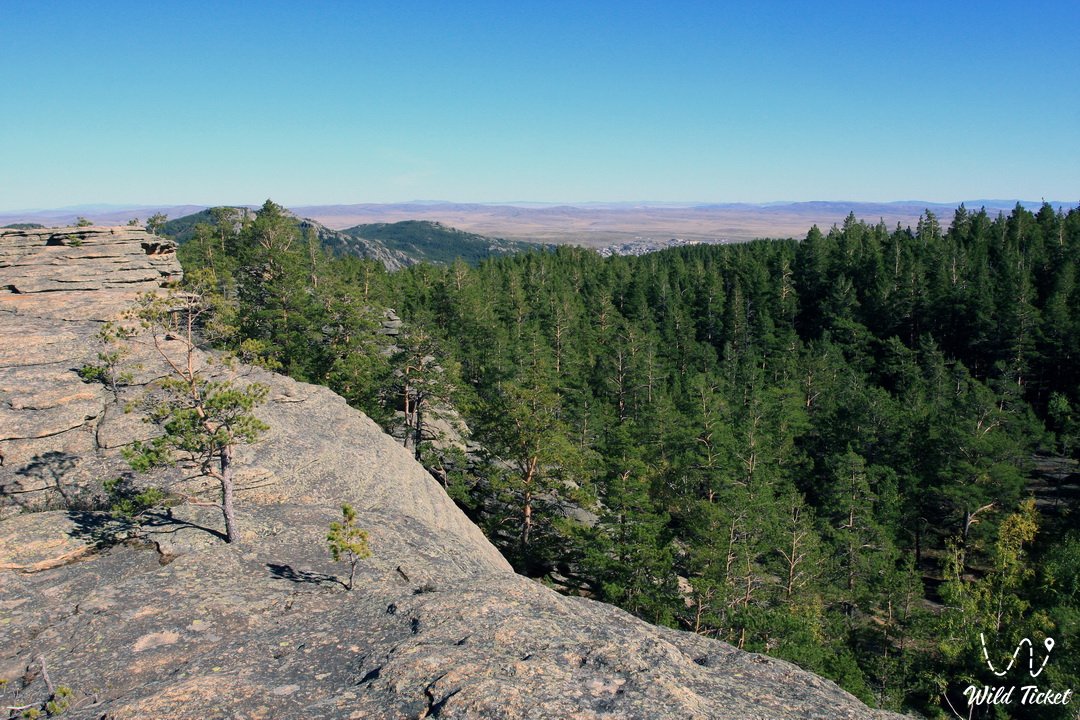
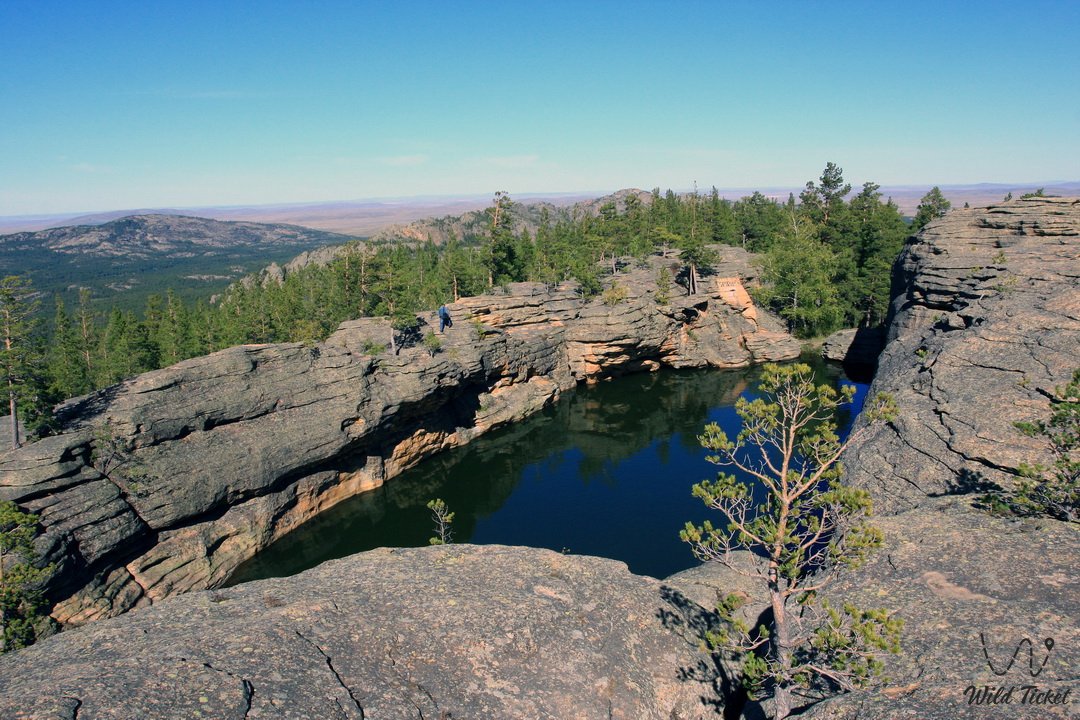
Bassein Lake is located at an altitude of 1,200 m above sea level and 4.5 km northwest of the town of Karkaraly. The lake can be reached via the eco-trail “Fairy Tale Forest”. The name of the lake literally translates from Russian as “Pool Lake”, referring to the geological formations surrounding it. The lake is small – only about 0.14 hectares. It is accessible only on foot. The hike usually takes about 4 hours round trip. The trail leads through pine forests, unique rock formations and offers beautiful views of the lake.
Lake Shaitankol
Lake Shaitankol is one of the most popular places in the park. It is located at an altitude of 1,200 m above sea level and 5 km west of the town of Karkaraly. The lake is reached via the eco-trail “Legend of Lake Shaitankol”. The hike usually takes about 5 hours round trip.
The lake is oval in shape and surrounded by rocky cliffs up to 10 meters high. The depth of the lake is unknown. The water level does not decrease throughout the year because it is fed by underground sources.
Legend of Lake Shaitankol
A local legend about Lake Shaitankol tells a tragic love story. Long ago there lived a very beautiful girl named Sulushash. She was the daughter of a wealthy landowner named Tleuberdi. Sulushash fell in love with a poor shepherd named Altai.
Tleuberdi disapproved of their relationship and forbade them from seeing each other. Because of this, the lovers decided to run away. Sulushash, Altai and Altai’s loyal companion Kausar traveled across the Kazakh steppe for many days until they arrived in the Karkaraly Mountains. They hid near Lake Shaitankol. When they reached the area, Altai and Kausar left the girl by the lake and went hunting.
While hunting argali sheep, Kausar fell from a cliff and died. Meanwhile, Tleuberdi pursued the couple through the steppe and into the mountains. He searched many caves and valleys but could not find them. Finally, he set fire to the forest in an attempt to force them out.
Unable to breathe, Sulushash left the cave where she was hiding and began to run. She ran into a tiger, and to escape from it she jumped into the lake and drowned. Hearing Sulushash cry for help, Altai ran to the lake shore. But all he could see was her hat floating on the water. Without hesitation he plunged a dagger into his chest.
Legend of the name of Lake Shaitankol
Long ago a holy man named Zhirensakal wandered through the forests of the Karkaraly Mountains. He lived on a large mountain peak called Komsomol Peak (now known as Zhirensakal Peak). One morning Zhirensakal went to Lake Shaitankol.
When he arrived he saw strange human-like creatures in the water. They were yellow in color. He did not approach but watched from the forest. Then he saw that the creatures began to transform into one form resembling a human. He said the words “Aplit, Aplit.” Zhirensakal remained unnoticed.
The next day he returned and saw the same scene, but this time the creatures transformed into a woman. He said the words “Zhaplit, Zhaplit.” The holy man exclaimed: “So the devils are multiplying!” Apparently Aplit was the father and Zhaplit the mother. He recited a prayer and shouted at them, and the demons disappeared. After this incident the holy man never returned to the lake. Since then the lake has been called Shaitankol (“shaitan” – devil, “kol” – lake).
Big Lake – Karkaraly National Park
The most well-known and frequently visited body of water in the area is Big Lake. It is located 2.5 km from Karkaraly. Its area is about 2.5 square kilometers and its maximum depth is 4.6 meters.
The water is fresh and has a yellowish-green color. Near the shore the bottom is firm with gravel and sand, but in the center it becomes muddy. The lake borders the national park and is a popular place for fishing and swimming.
Zhirensakal Peak
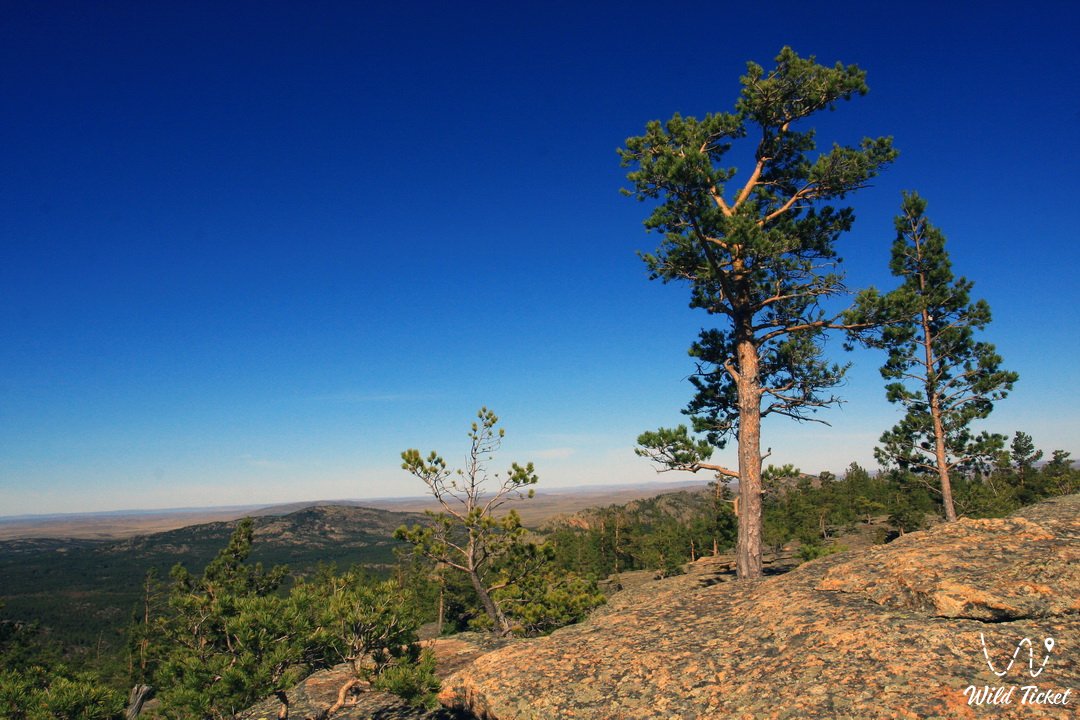
Zhirensakal Peak (also known as Komsomol Peak) is the highest point in Karkaraly National Park. Its height is 1,403 meters above sea level. The summit of Zhirensakal is crowned with three huge stone “towers”.
When Cossacks lived in the region, this rocky massif was called “Shish Kabani”, meaning “place of wild boars”. In 1936, one hundred young men and women climbed the summit and named it Komsomol Peak. After the collapse of the Soviet Union the name was restored to Zhirensakal Peak, although the name Komsomol is still sometimes used.
Two local legends are associated with Zhirensakal Peak.
Lord of the Underground Wealth – Zhirensakal
Zhirensakal, the lord of underground treasures, is believed to live beneath the peak. From time to time he counts his riches, causing the mountain to rumble and loose stones to shake.
Spirit in the Mountains of Zhirensakal
Another legend tells about a family that traveled to the mountain.
At the top of Zhirensakal there is a cave with a stone table and a stone chair. In ancient times a wizard named Babai Shashty Aziz lived in this cave. The wizard had the power to fulfill any wish of visitors.
Long ago a family lived in a yurt at the foot of the peak. An old woman decided to try her luck with the wizard. She crept into the “cave of the spirit in the mountains” and waited patiently. At midnight she heard a noise and saw a bright flash of light. At that moment she saw the wrinkled face of the cave’s owner sitting on a stone chair before a stone table.
The lord of the mountain asked ominously:
“What do you want, woman?”
The woman replied:
“Make me young and beautiful.”
The lord of the mountain said:
“Return home. Your wish has been granted.”
As soon as the old woman took a step toward home she felt extraordinary lightness. Jumping from rock to rock, she rushed down the mountain where her husband and son were waiting. But there was no joy in the reunion. Seeing her husband as a weak old man, the now young wife decided to leave her yurt.
Saddened by this, the old man also went to the wizard and asked him to return his wife. His wish was granted.
When he returned to the yurt he met his wife. But she was no longer the young capricious woman she had been days earlier. Now she was even more bent and aged. The husband also seemed much older than before.
Then their son decided to try his luck. He climbed the peak and asked the spirit of the mountain to return his parents to how they were three days earlier. His wish was granted, and the family began to live happily again. Everything seemed as it should be, and their journey to the cave was almost forgotten. But sometimes the old woman would shield her eyes from the sun and look toward the cave where the spirit lived, remembering her second youth.
Forest Ranger House Museum
This building is one of the most famous structures in the area. It was built between 1910 and 1913 near the village of Komissarovka. The wooden house was built and decorated by woodcarver Oomeltzen Smetankin. Construction of the forest ranger’s house was completed in 1913. The first owner of this beautiful and unusual structure was the forester L. S. Sadovnichiy.
Kyzyl-Kensh Palace
Kyzyl-Kensh is located in the Kent Mountains and is an architectural monument dating back to the time of the Dzungar invasion of the Kazakh steppe. These are the ruins of a Buddhist monastery from the 17th century. It lies in a small valley almost completely surrounded by rocky mountains.
The official name of the monument is “Kyzyl-Kensh Palace”, meaning “red ore” or “red city”. The monastery was built here by the Dzungars in the mid-17th century. At that time Ochirtu-Tsetsen Khan ruled them, and lamas lived in the monastery.
According to scientists, the monastery was inhabited for about 50 years. Later people left, although it is unknown whether they departed voluntarily or were forced to leave.
In the 19th century an ethnographic expedition from Tsarist Russia worked in the Kent Mountains. They heard a legend from local residents and later confirmed the existence of the palace. At that time part of the complex was still standing. One two-story building was almost intact. Inside its walls remnants of bright red paint could be seen. The ceiling was supported by six wooden columns carved and covered with gold paint. Beams remained outside.
Local residents were afraid to touch the temple. It was believed that those who desecrated it would die a terrible death. Unfortunately the temple was destroyed in the second half of the 20th century. Looters ignored the historical value of the old buildings, dismantling them for logs and stone. Today only small parts remain untouched. The original masonry can only be found beneath layers of plaster. Modern restorers have begun placing stone slabs back in their original positions.
The palace remains a beautiful complex of ruins. The main temple was built in the shape of a cross. In the central hall the lama once prayed. To the right of the main temple stands a smaller temple where archaeologists found evidence of treasure hunters. Thieves broke the stone floor and dug a deep hole because Buddhist treasures were often buried in underground vaults.
In front of the main temple lies a picturesque artificial reservoir filled with meltwater in spring.
Scientists believe it formed because monks removed clay from this spot while building the palace. The complex also includes two additional buildings: a kitchen to the left of the temple and a house located a little farther from the water. All four buildings remain exactly in their original locations. Pilgrims often visited the area but usually stayed in yurts and left the buildings untouched.
Excavations at Kyzyl-Kensh Palace were carried out by more than one expedition. In 1825 the legendary archaeologist Ket Gor learned about the site while in Russia and became interested in it. Later an expedition led by General Bronevsky cleared rubble and discovered many interesting artifacts that were transferred to the Semipalatinsk Museum.
Some artifacts from Kyzyl-Kensh Palace are now kept in the archaeological museum of Karaganda State University. Among the restored finds are a Manchu coin, a copper male ring with a silver insert, palace decorations and hooks, cannons and lead bullets that likely belonged to guards, nails, beads and carved wooden elements with traces of patterns painted with real gold.
Ancient City of Kent
In the middle of the Kent Mountains lies a unique historical and cultural monument from the Bronze Age. Archaeologists named the ancient settlement Kent. It was a large city covering at least 30 hectares and home to about a thousand people.
The city was divided into streets and quarters. One quarter belonged to metallurgists where copper and bronze were processed. Craftsmen produced weapons, tools and jewelry. Most likely the inhabitants of Kent were skilled metallurgists.
Some ceramics discovered here were clearly imported and typical for Southwestern Siberia and Central Asia.
Excavations at Kent surprised archaeologists with the abundance of bronze artifacts and unusual objects. It is believed that the inhabitants did not have a written system. Researchers assume the area was inhabited for about 200–300 years.
No one knows what happened to Kent or why people left. One popular theory suggests that by the end of the Bronze Age climatic conditions changed while population growth increased the demand for food. This altered wildlife populations and forced animals to migrate in search of better pastures. The people of Kent eventually left the region in search of food at the beginning of the Iron Age.
Aulie Tas
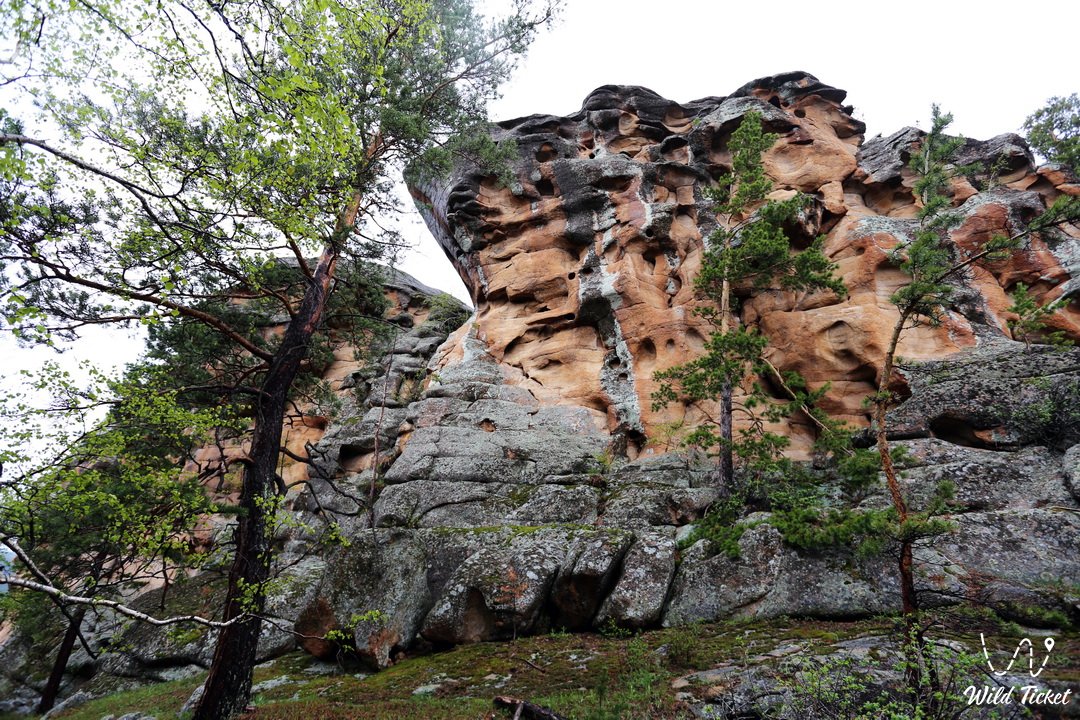
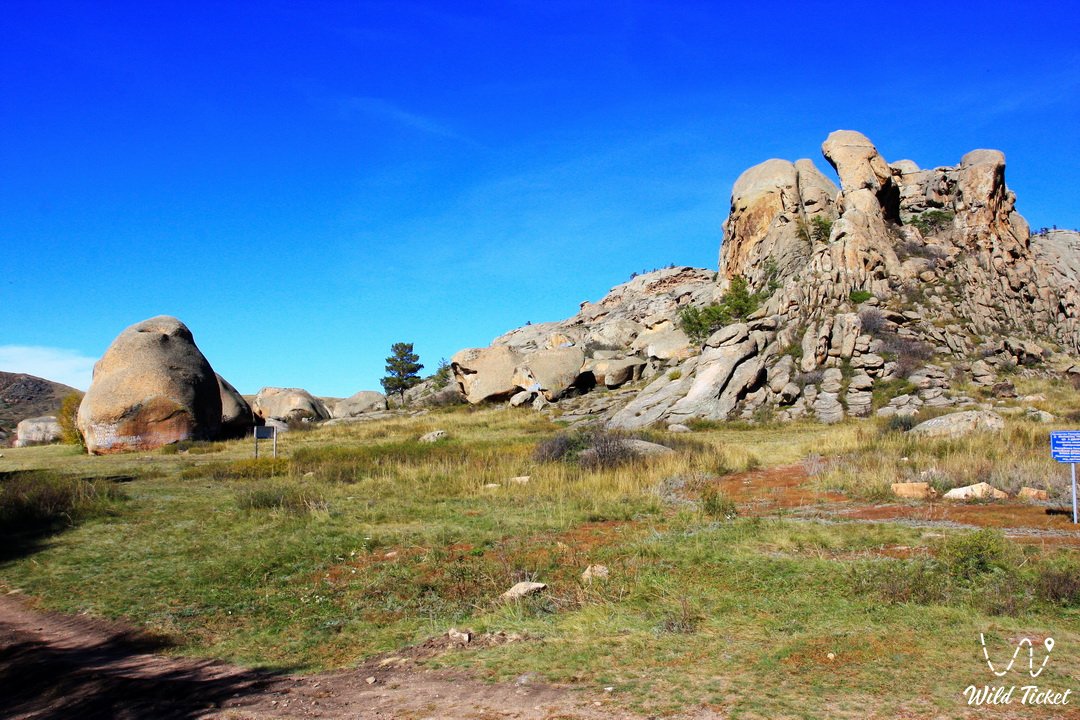
Aulie Tas is a site in the Kent Mountains with unique granite rock formations. These formations are the result of long-term weathering processes. The place is considered sacred by local residents.
Birds
The park is home to 153 species of birds. Eleven of these species are listed in the Red Book of Kazakhstan. Among them are the golden eagle, imperial eagle, steppe eagle, white-tailed eagle, saker falcon, Eurasian eagle-owl, Dalmatian pelican, black stork, whooper swan, swan goose and Pallas’s sandgrouse.
Among these, the imperial eagle, saker falcon and Dalmatian pelican are internationally protected according to the IUCN Red List. The lesser kestrel is also found in the park and is internationally protected.
Mammals
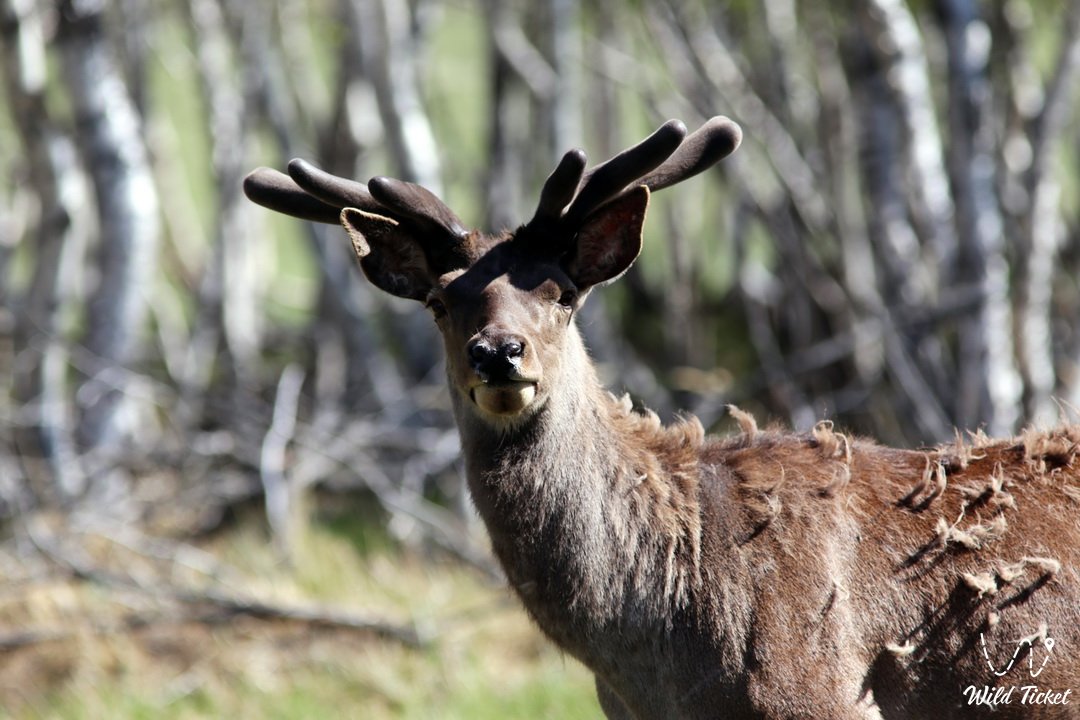
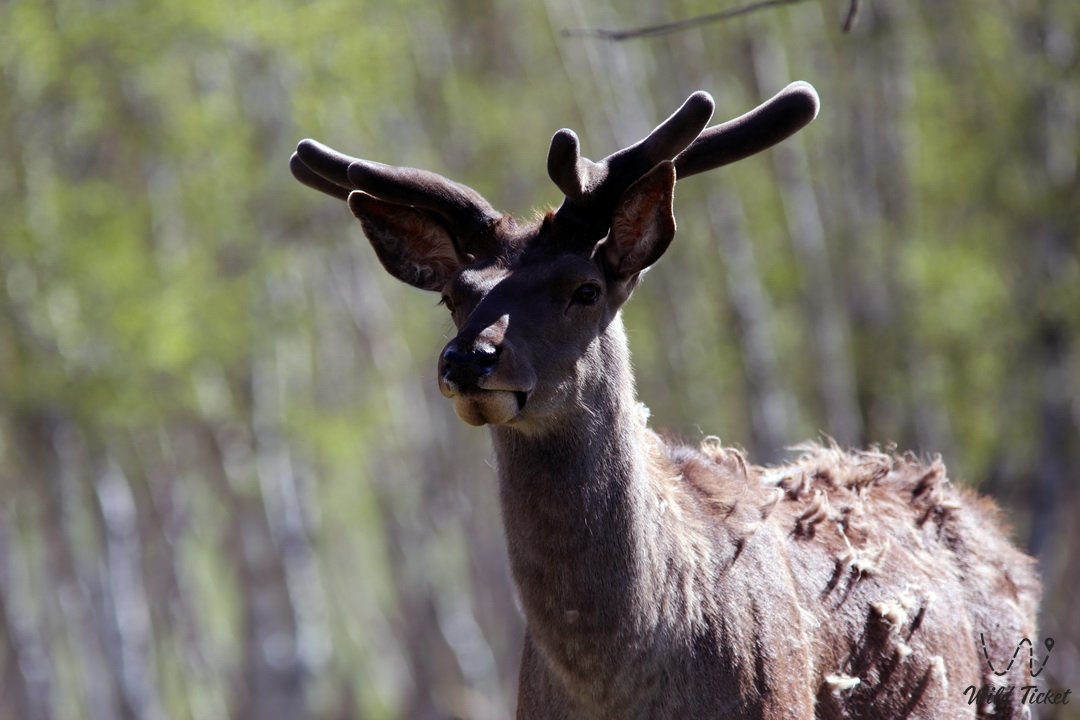
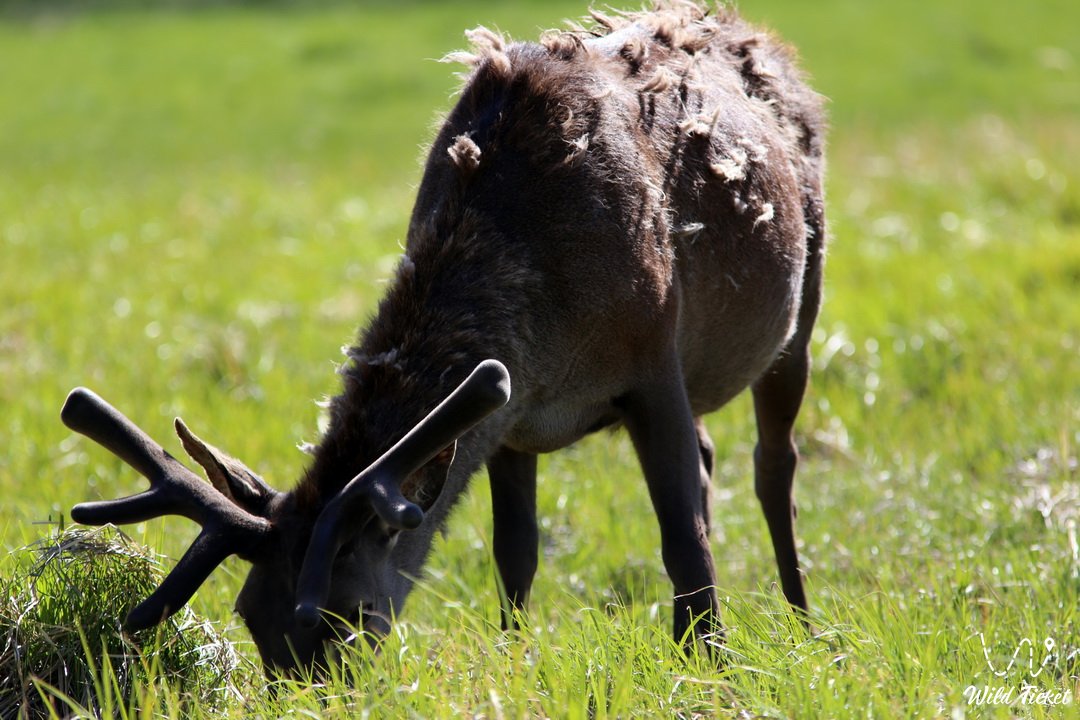
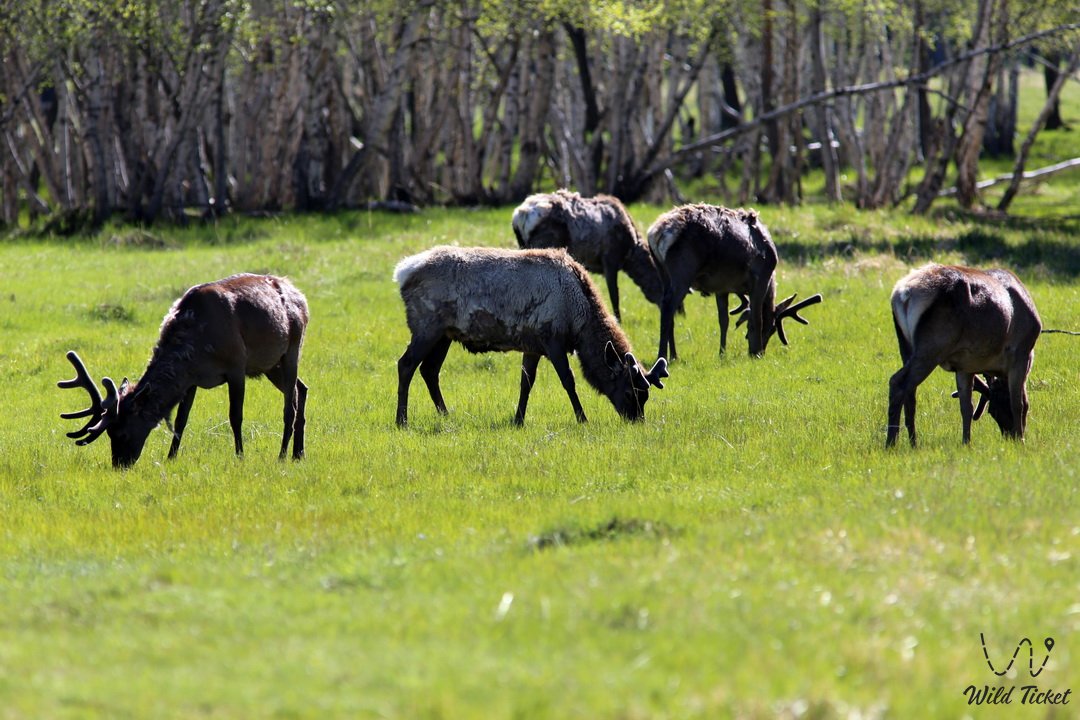
The park is home to 46 species of mammals including wolf, fox, corsac fox, European badger, wild boar, red deer, Siberian roe deer, elk, argali sheep, Eurasian lynx, three species of bats, Pallas’s cat and many others.
Argali and Pallas’s cat are protected by the Red Book of Kazakhstan.
Argali are the largest species of wild sheep in the world. The argali in Karkaraly National Park belong to one of six subspecies living in Kazakhstan. The largest populations are found in the Kent Mountains and the nearby Beldeutas Nature Reserve.
Pallas’s cat is about the size of a domestic cat but differs in having a dense body, short thick legs and very thick fur. Its eyes are yellow and unlike domestic cats its pupils remain round even in bright light. The species is very rare and its population continues to decline. The exact number of individuals is unknown because of its secretive behavior and wide distribution.
Reptiles and Amphibians
The park contains eight species of reptiles and amphibians, including four species of snakes. Two of them are venomous: the steppe viper and the Siberian pit viper.
Flora
More than 700 plant species grow in the park, representing about 80% of all flora found in Central Kazakhstan. Five plant species are listed in the Red Book of Kazakhstan as protected species.
Photogallery: