Your big journey along the Great Silk Road !

Information

Request

WildTicket Asia » Kazakhstan » City and Region » Kyzylorda (Kyzylorda region) » Baikonur Cosmodrome (space port)

Baikonur Cosmodrome (space port)


Space harbor of the planet and space tourism in Kazakhstan -

Baikonur Cosmodrome is the world's first and largest space harbor, located in the Kyzylorda region. Founded on February 12, 1955, and put into operation on May 5, 1957, this unique research complex became the starting point for humanity's most significant achievements in the exploration of extraterrestrial space.

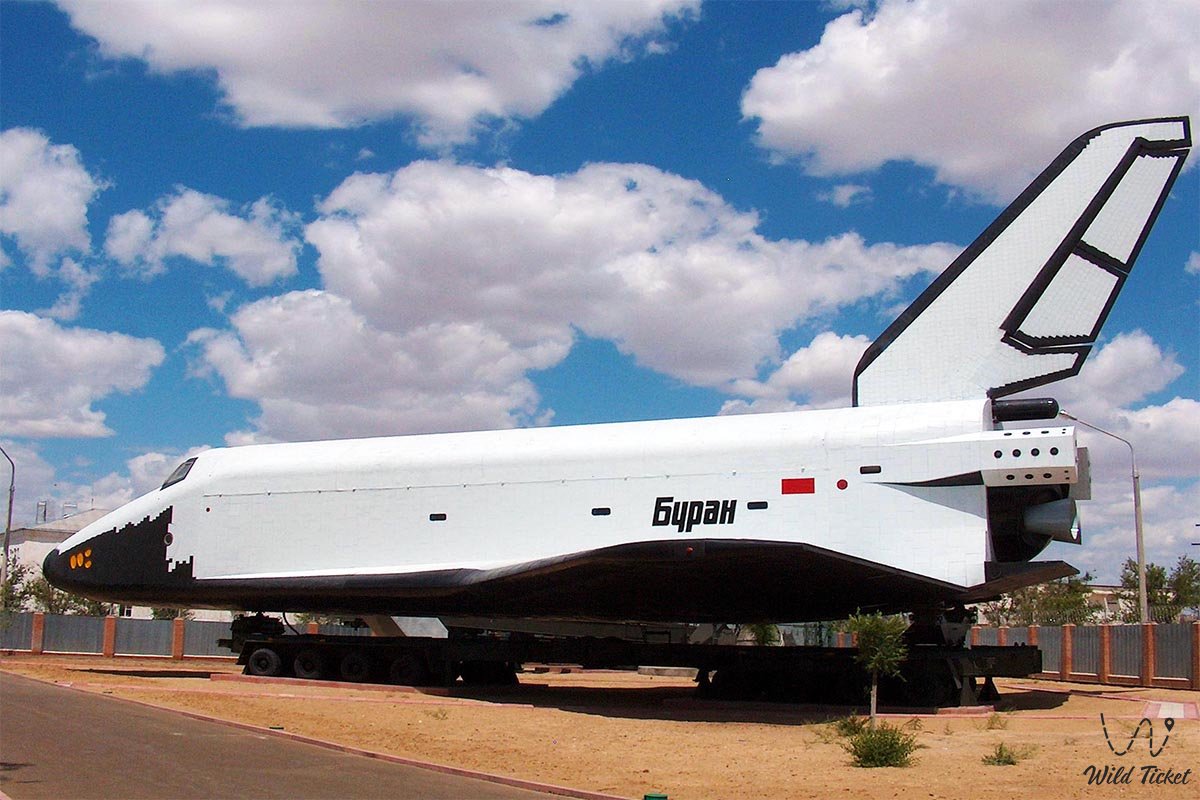
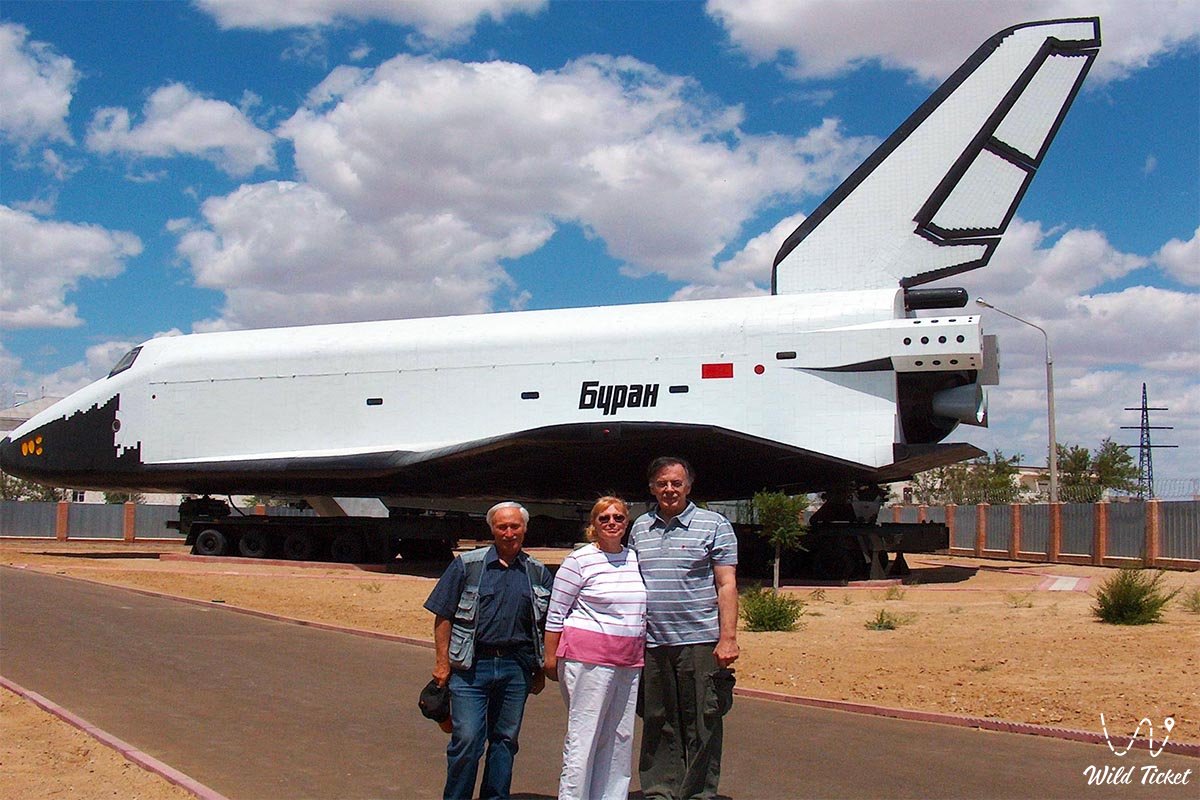
It was from here that the first artificial satellite of the Earth was launched, and on April 12, 1961, the Vostok-1 spacecraft with Yuri Gagarin on board blasted off, opening the era of manned spaceflights. Today, Baikonur remains a crucial hub of world cosmonautics, providing reliable access to space and the implementation of international scientific programs. The life of the cosmodrome is inextricably linked with the rocket launch schedule into the orbit of our planet. Also here, you can see and visit such objects as the Houses of Gagarin and Korolev, and see the legendary Buran spacecraft.

The cosmodrome plays a strategic role in the development of high technologies, uniting the efforts of specialists from different countries. In the immediate vicinity of this sacred place, you will visit Baikonur City on the banks of the Syr Darya River, which serves as the administrative and residential center, reflecting the heroic history of space conquest and the modern life of the science city.

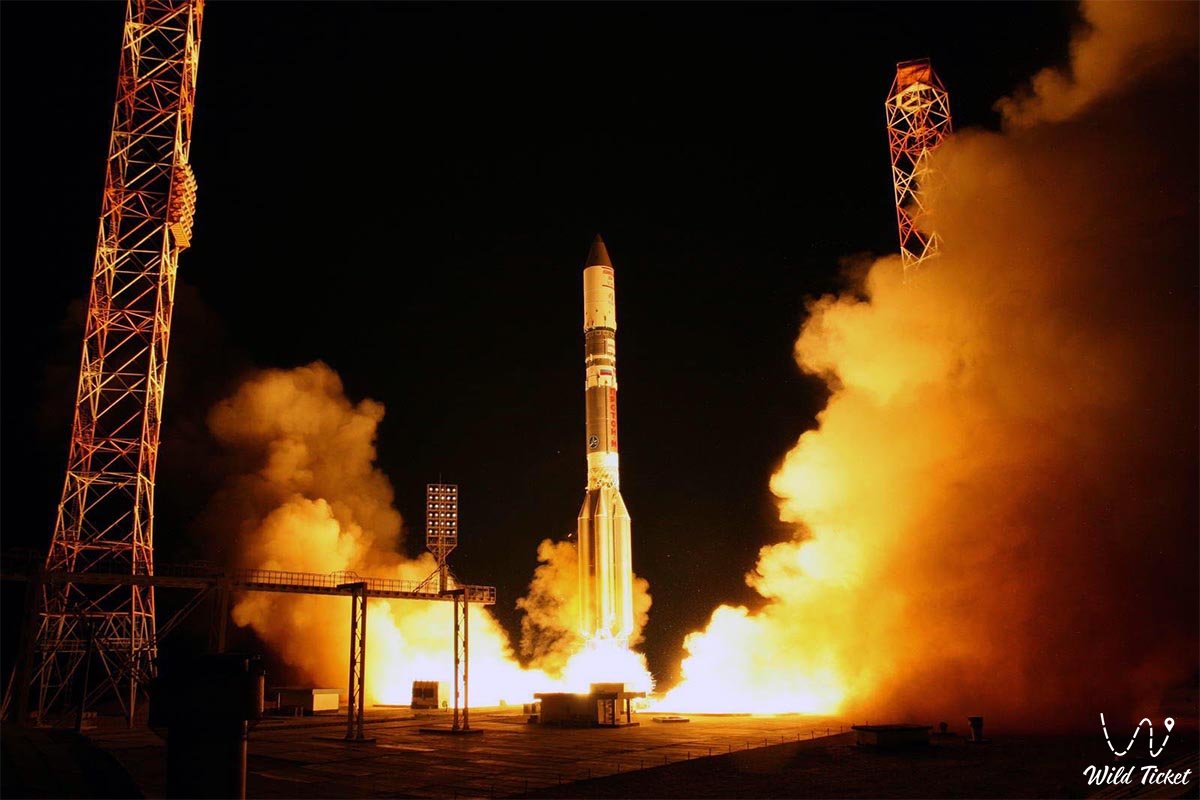
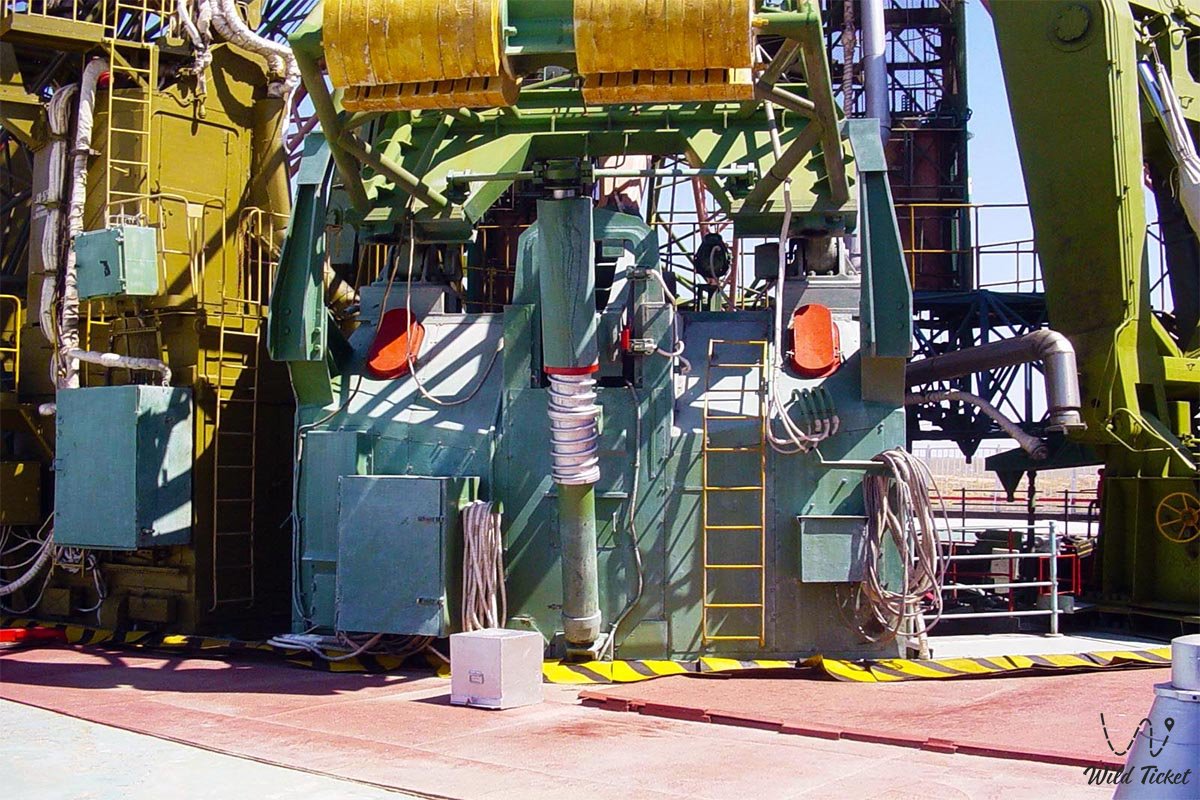
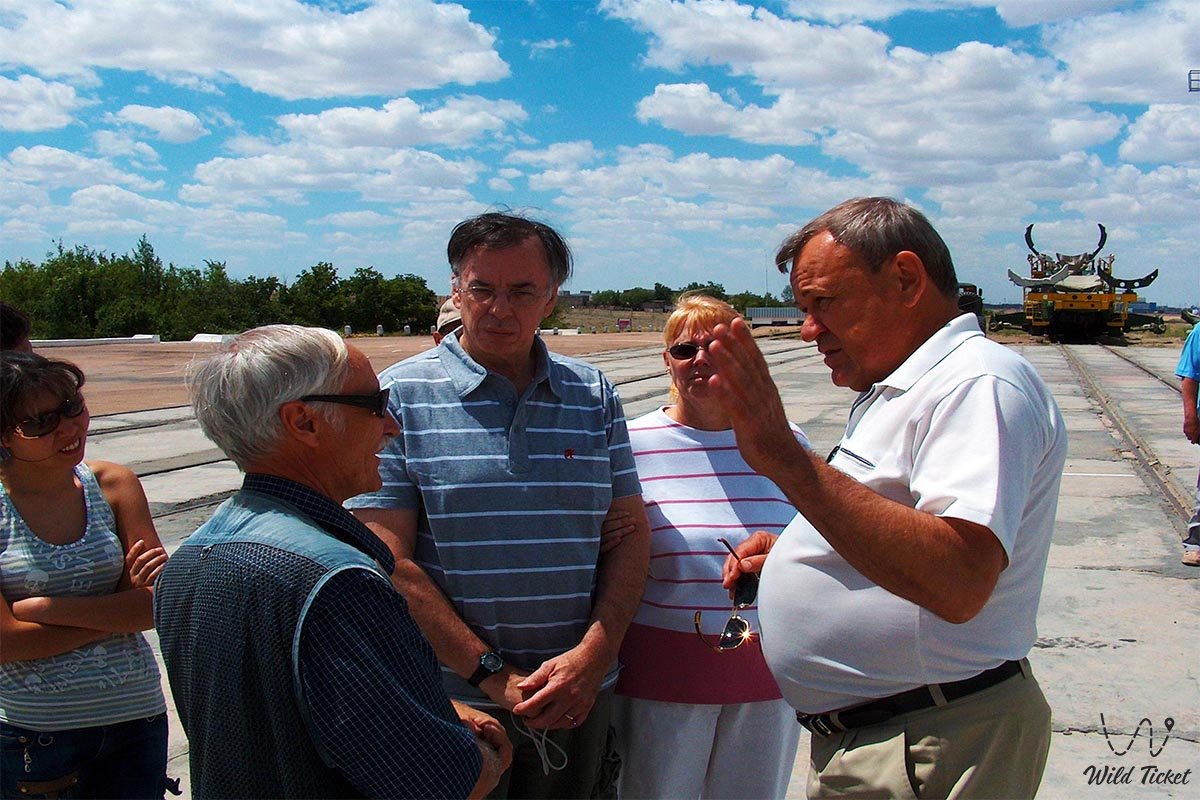
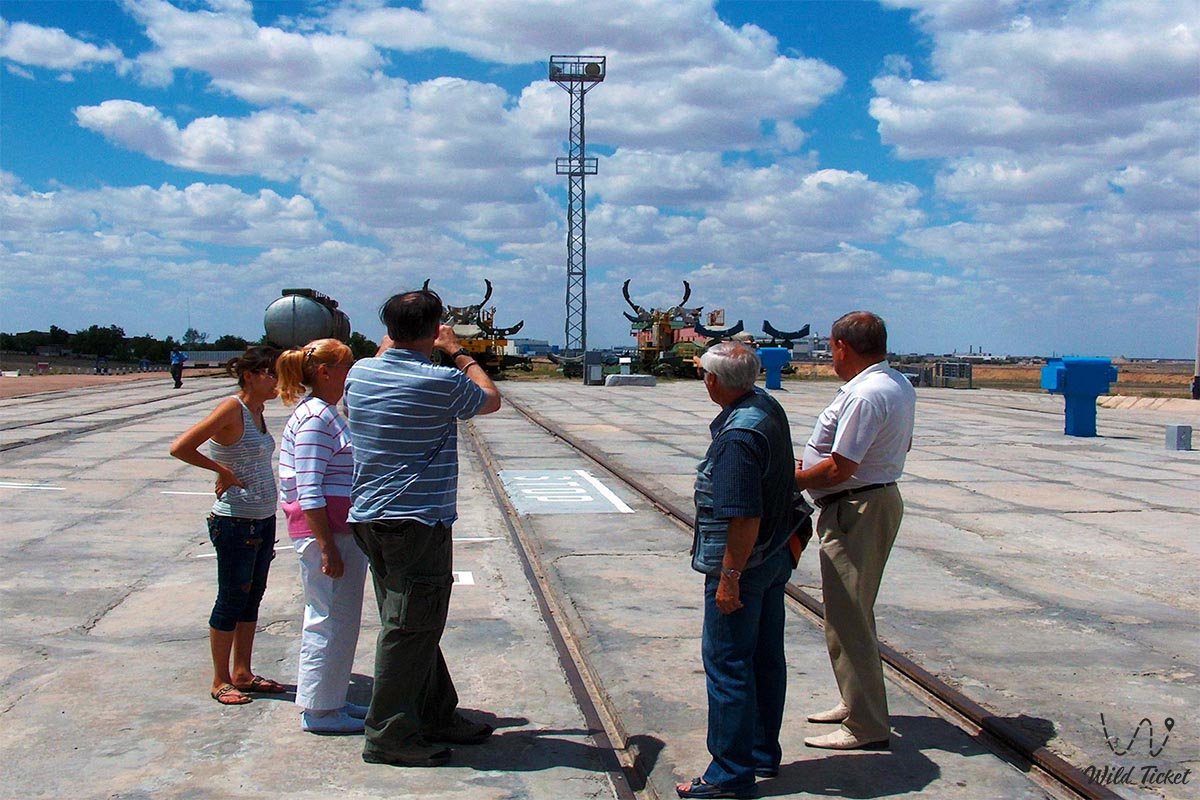
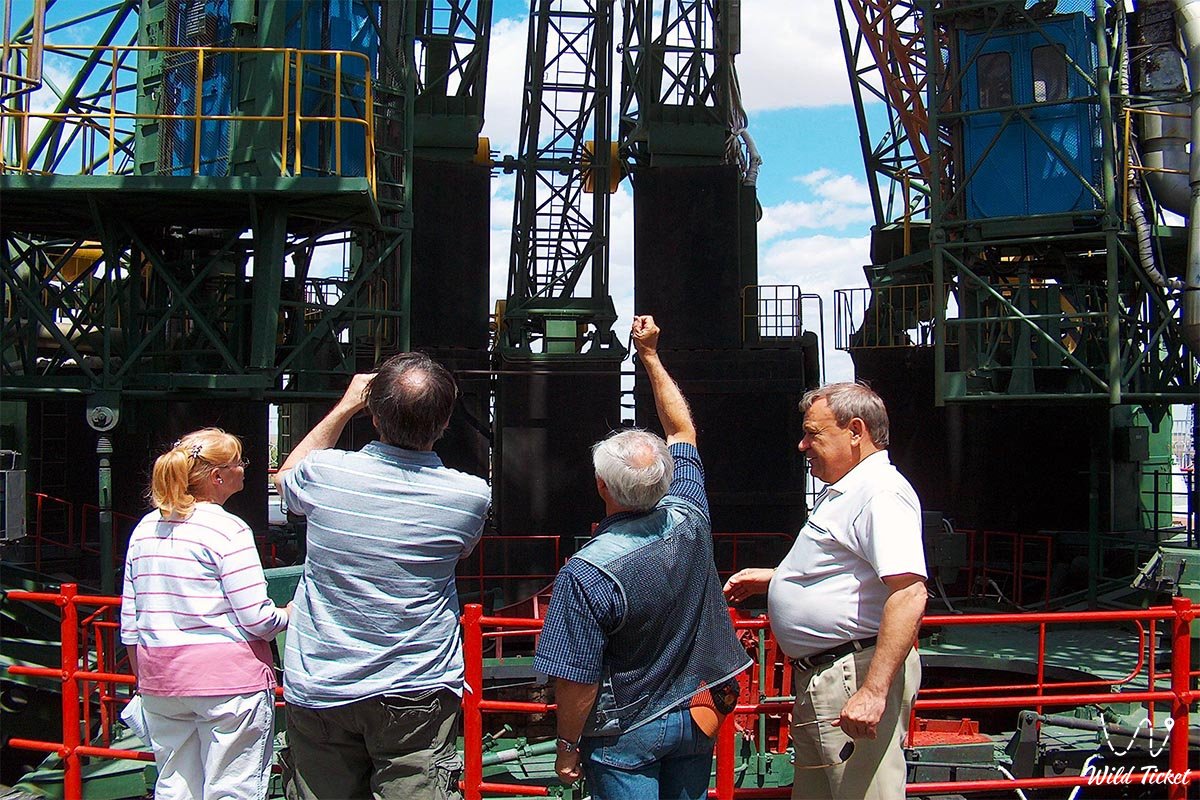
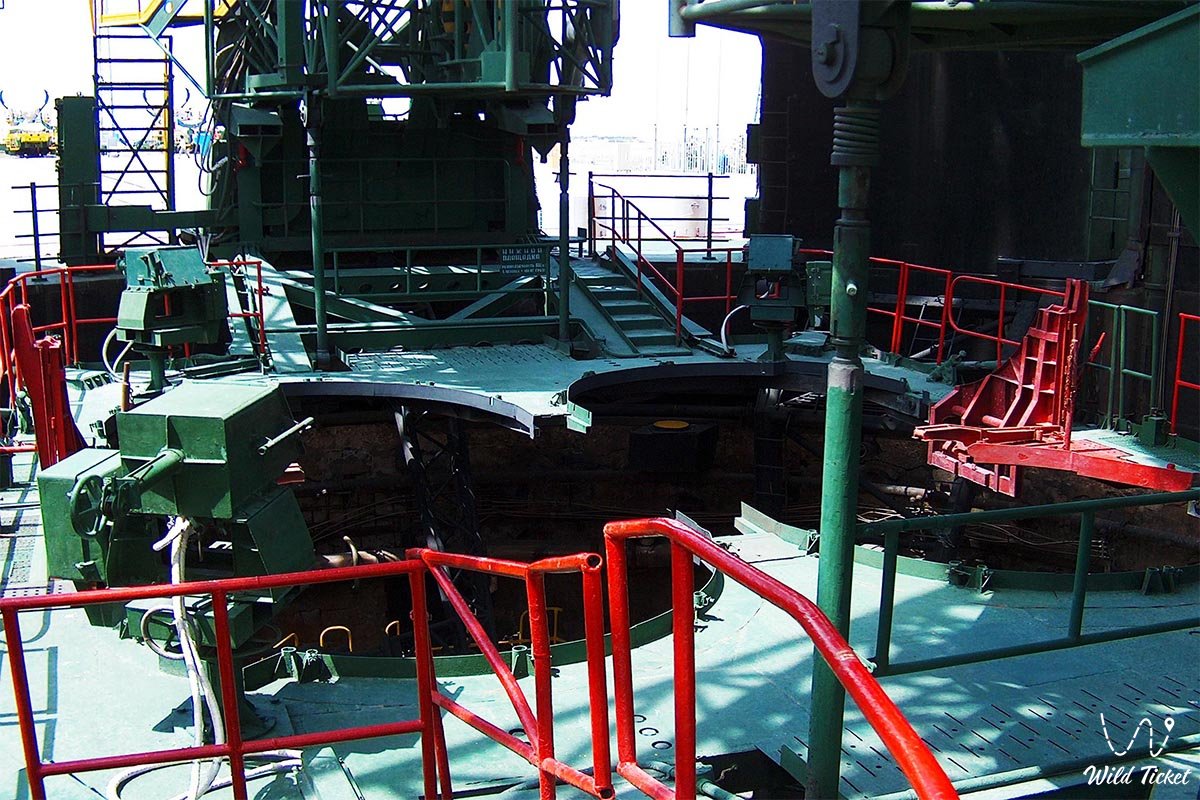
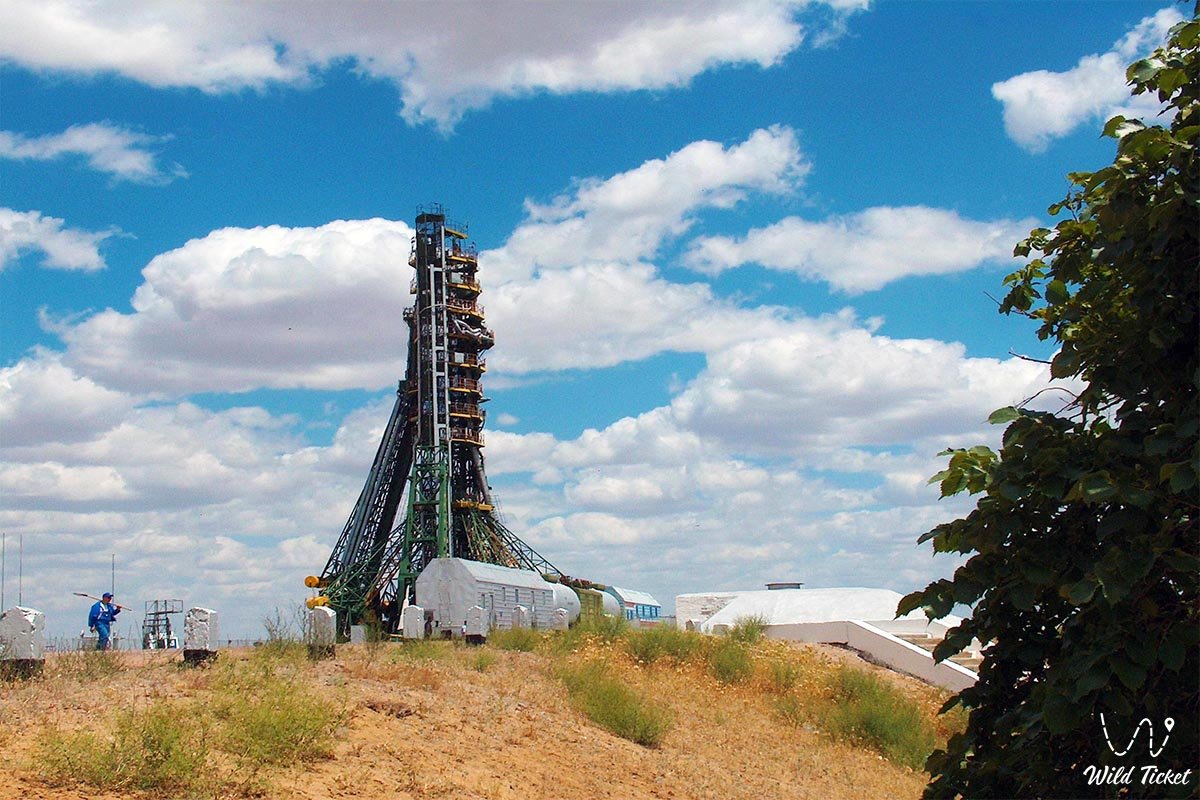
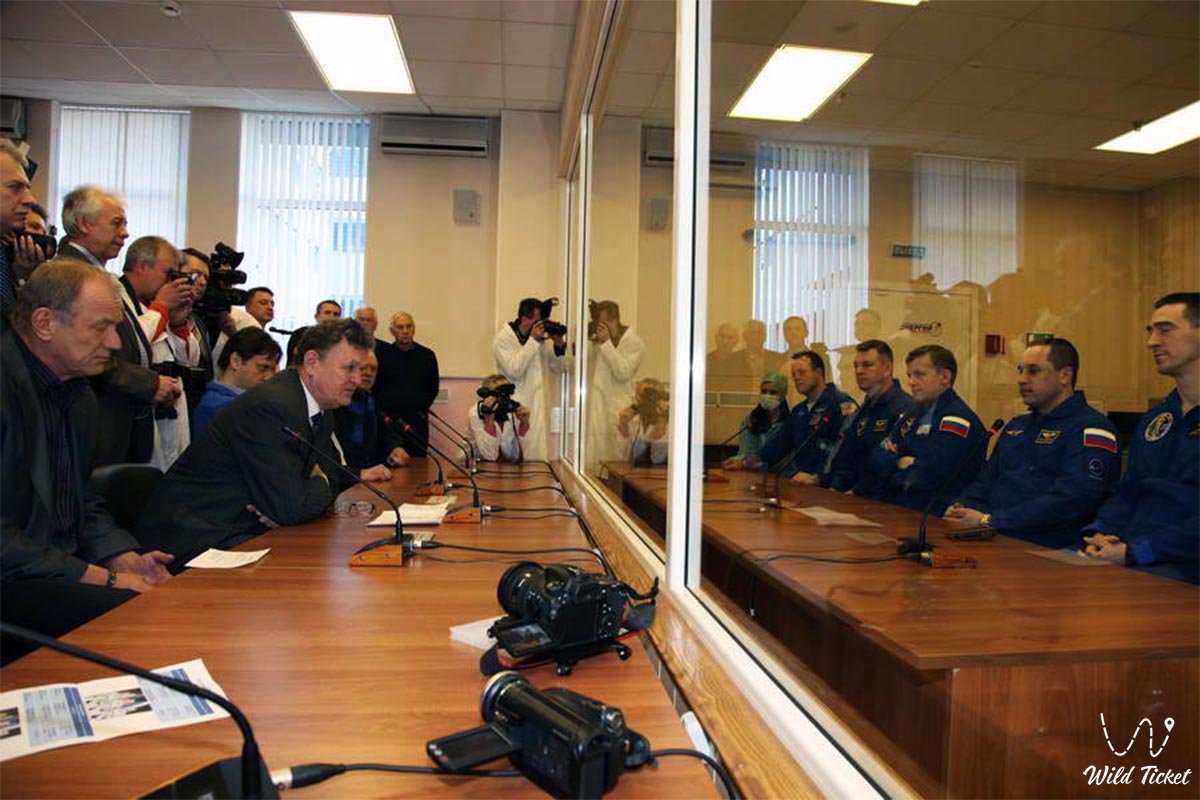
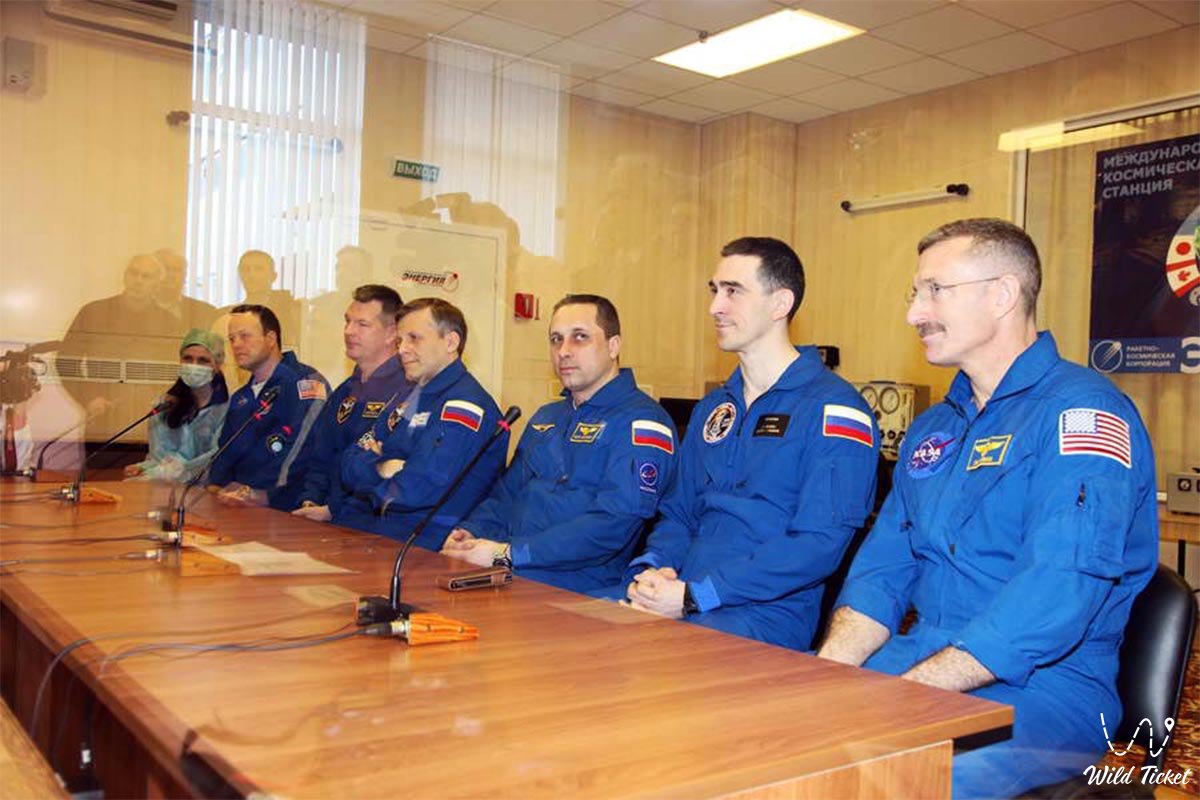
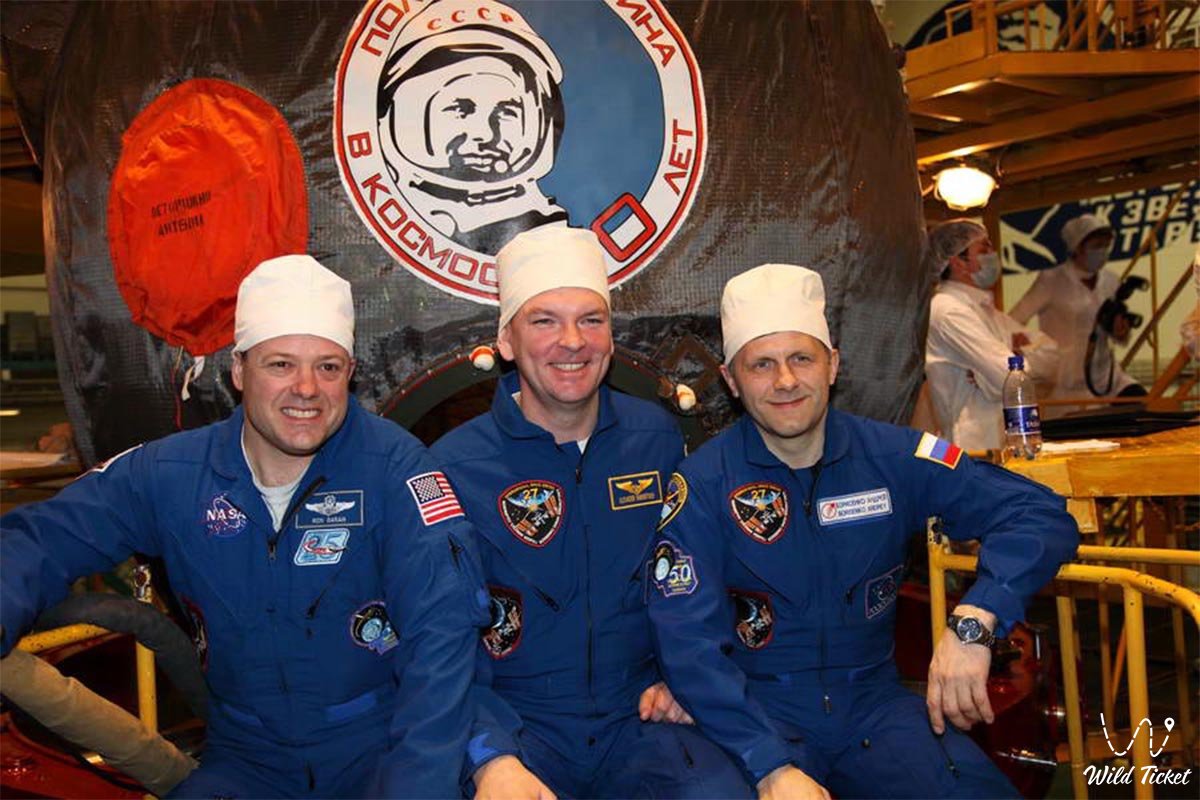
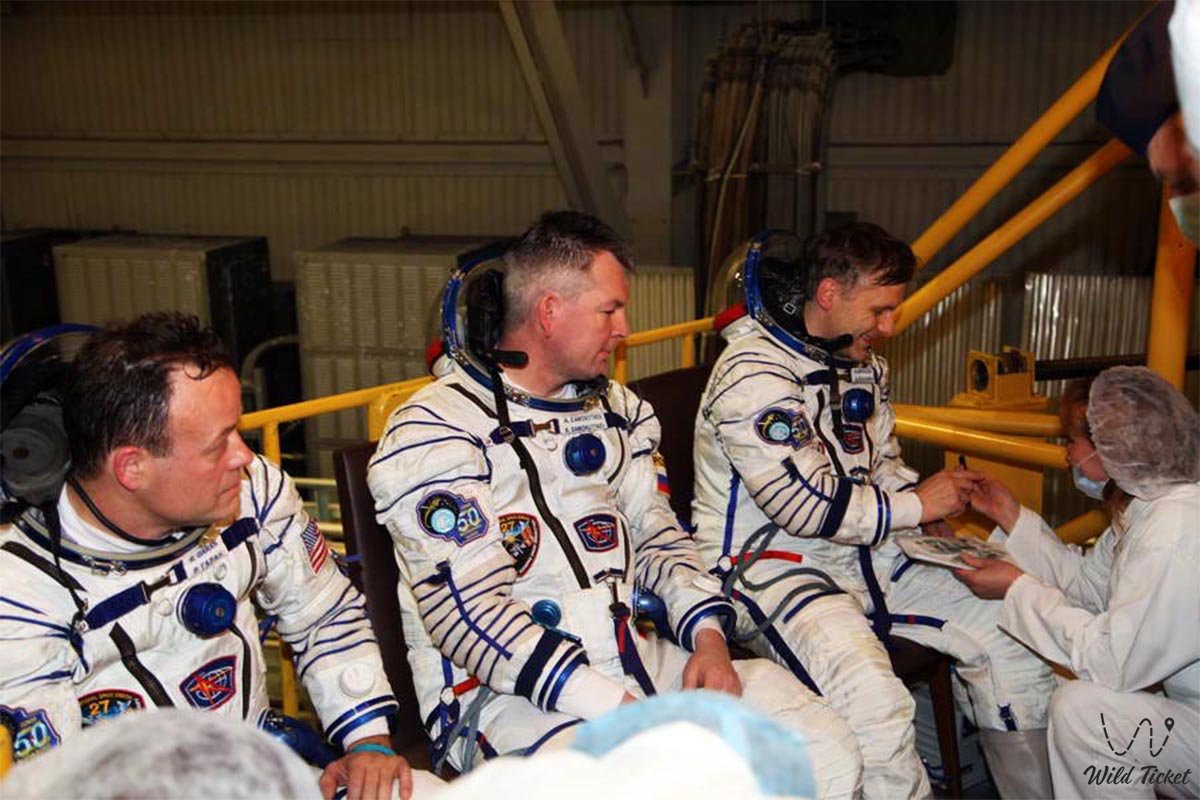
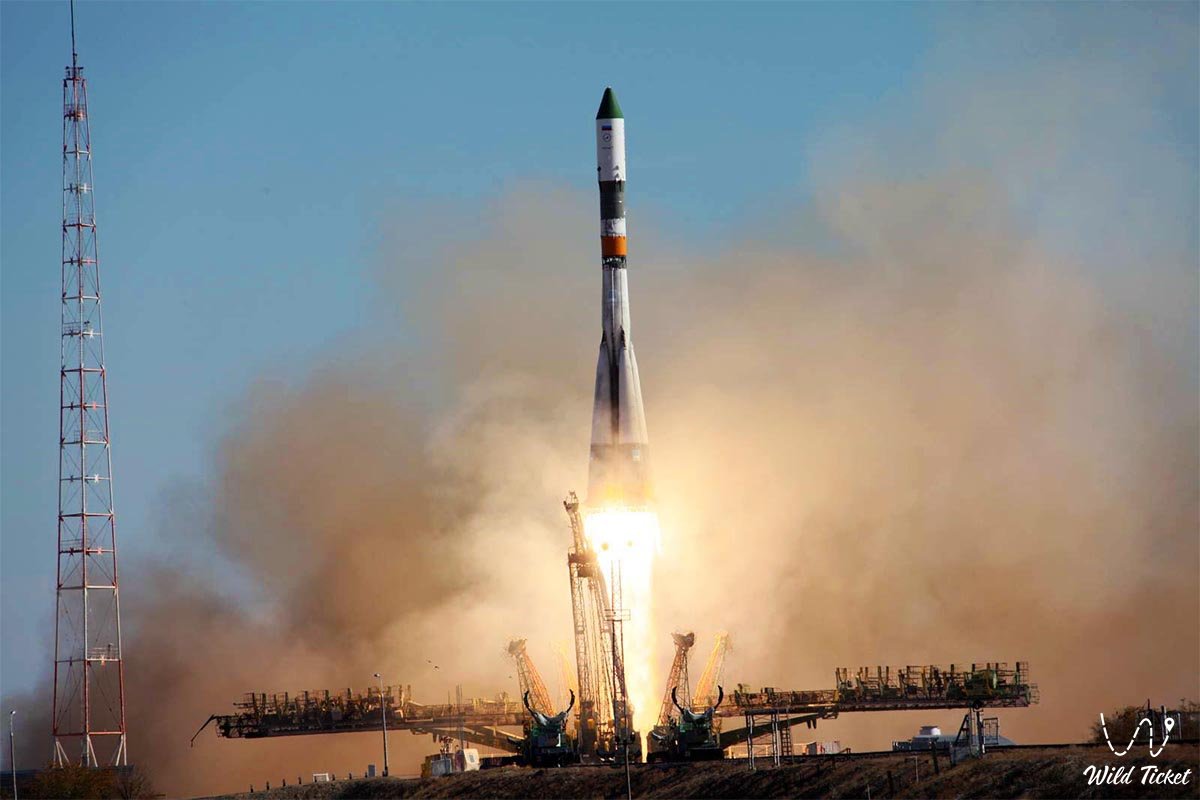
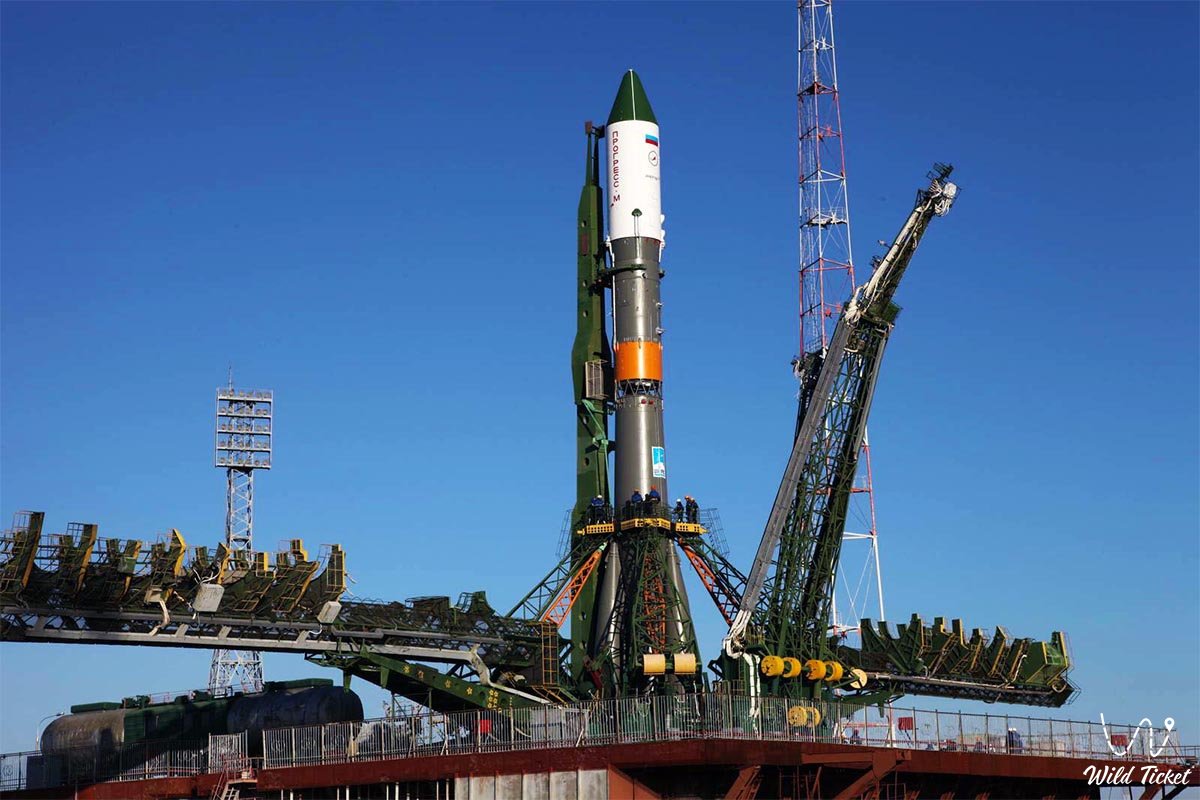
The Baikonur complex represents a combination of monumental engineering solutions of the mid-20th century and modern systems for preparing rocket and space technology. Large-scale launch pads, such as the famous "Gagarin's Start" and Pad No. 31, assembly and testing buildings, and measuring systems emphasize the technical grandeur of the object, conceived as the main gateway to the Universe. The cosmodrome is open to organized groups of tourists and researchers, offering a unique atmosphere of involvement in the greatest achievements of modern civilization. Here you can see cosmonauts heading to the ISS live and watch the launches of Soyuz MS manned spacecraft and Progress MS cargo ships.

Here you will find a list of programs for Baikonur.

---------------------------------------------

How to get there and visit -

Baikonur Cosmodrome is located 40 kilometers from Baikonur City, 300 kilometers from the city of Kyzylorda, near the Tyuratam settlement, between the Zhosaly settlement and the city of Kazalinsk, Kyzylorda region, Republic of Kazakhstan.

GPS geographical coordinates: 45°55'04"N 63°19'12"E

For travelers, the most convenient way to arrive is a flight to the Krayniy Airport, located directly in the area of the cosmodrome. You can also use railway transport: the Tyuratam station is located on the Moscow – Tashkent highway.

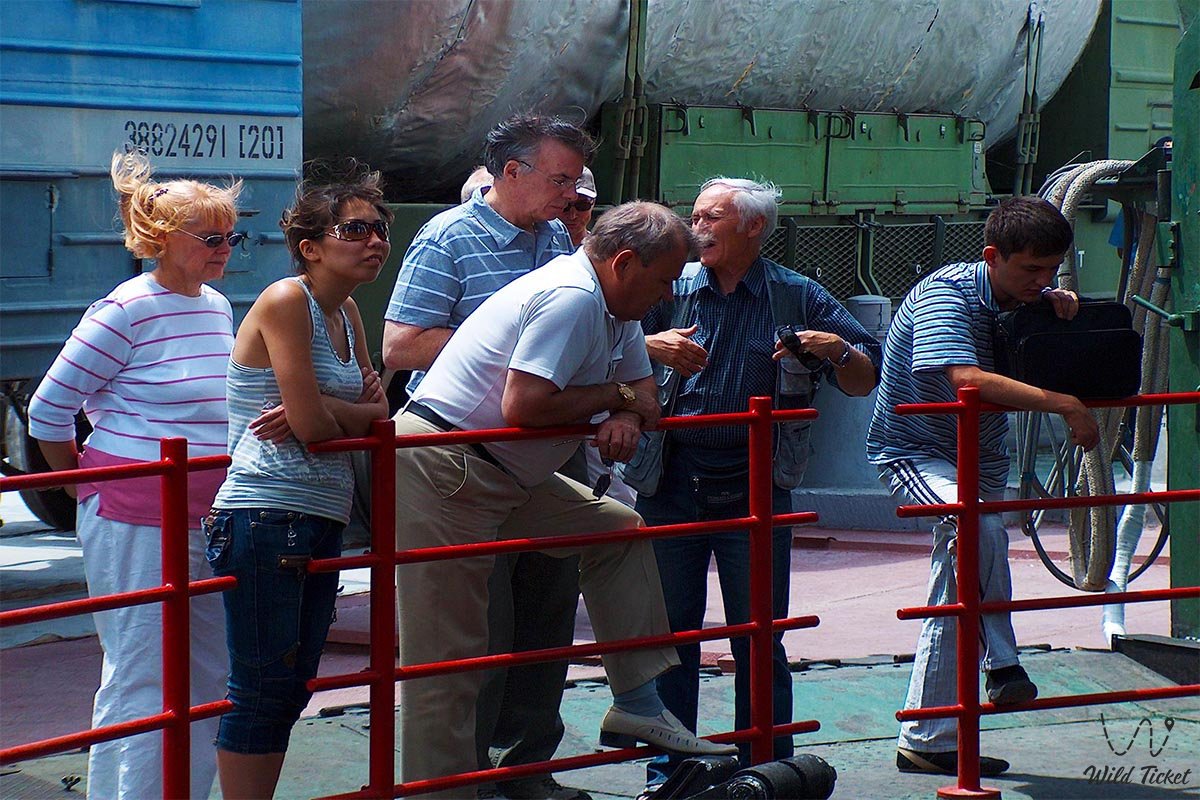
Visiting the territory requires the mandatory issuance of special passes, as the cosmodrome has a special access regime. For comfortable movement between objects, tourist groups are provided with specialized transport. The use of personal cars on the territory of the cosmodrome is limited by safety rules.

Opening hours: Visiting the cosmodrome is possible by prior agreement through licensed travel companies within the schedules of launch campaigns. It is recommended to plan your trip in advance, taking into account the dates of major launches. During the visit, it is necessary to strictly observe safety rules, as well as clarify restrictions on photo and video filming with representatives of the escort service.

Contacts Daily: Applications for visits are accepted by official travel operators accredited by Roscosmos.

---------------------------------------------

History

The construction of the cosmodrome began in 1955 after the decree on the creation of the R-7 ICBM. The commission for choosing the site (headed by V. I. Voznyuk) chose the Tyura-Tam area for its lack of population, proximity to the Syr Darya, and the Moscow – Tashkent railway line. On January 12, 1955, the first detachment of military builders arrived (Senior Lieutenant I. N. Denezhkin), and on June 2, 1955, the structure of the 5th NIIP (NIIP No. 5 of the USSR Ministry of Defense) was approved by a directive of the General Staff.

The construction was managed by Major General G. M. Shubnikov, who previously erected the Soviet War Memorial in Berlin. The first builders lived in tents and dugouts. By the end of 1956, the first objects were delivered: the launch pad of Pad No. 1, the assembly and testing building on Pad No. 2, the central communication center, the airfield, and measuring points in Kamchatka.

On May 15, 1957, the first (unsuccessful) launch of the R-7 took place, and on August 21, 1957, the first successful one occurred. On October 4, 1957, the world's first artificial satellite was launched, and on November 3, a satellite with the dog Laika. On April 12, 1961, Yuri Gagarin blasted off. Baikonur became a base for R-9, R-36, UR-200, Energia, Zenit, and Tsyklon rockets. In the 1960–1970s, the testing ground was awarded the Orders of the Red Star, Lenin, and the October Revolution. The tragic pages of history are the fires of 1960 (76 people died, including Marshal M. I. Nedelin) and 1963.

After the collapse of the USSR, the cosmodrome passed to Kazakhstan, but since 1994 it has been leased by Russia (until 2050). The period of 1991–1993 was critical due to chaos, heat, and power outages, when the population of the city (Leninsk, since 1995 – Baikonur) was reduced by almost half. The phased transfer of objects from the Russian Ministry of Defense to Roscosmos took place from 1997 to 2008. In 2025–2026, restoration work was carried out at Pad No. 31 after an accident.

Information

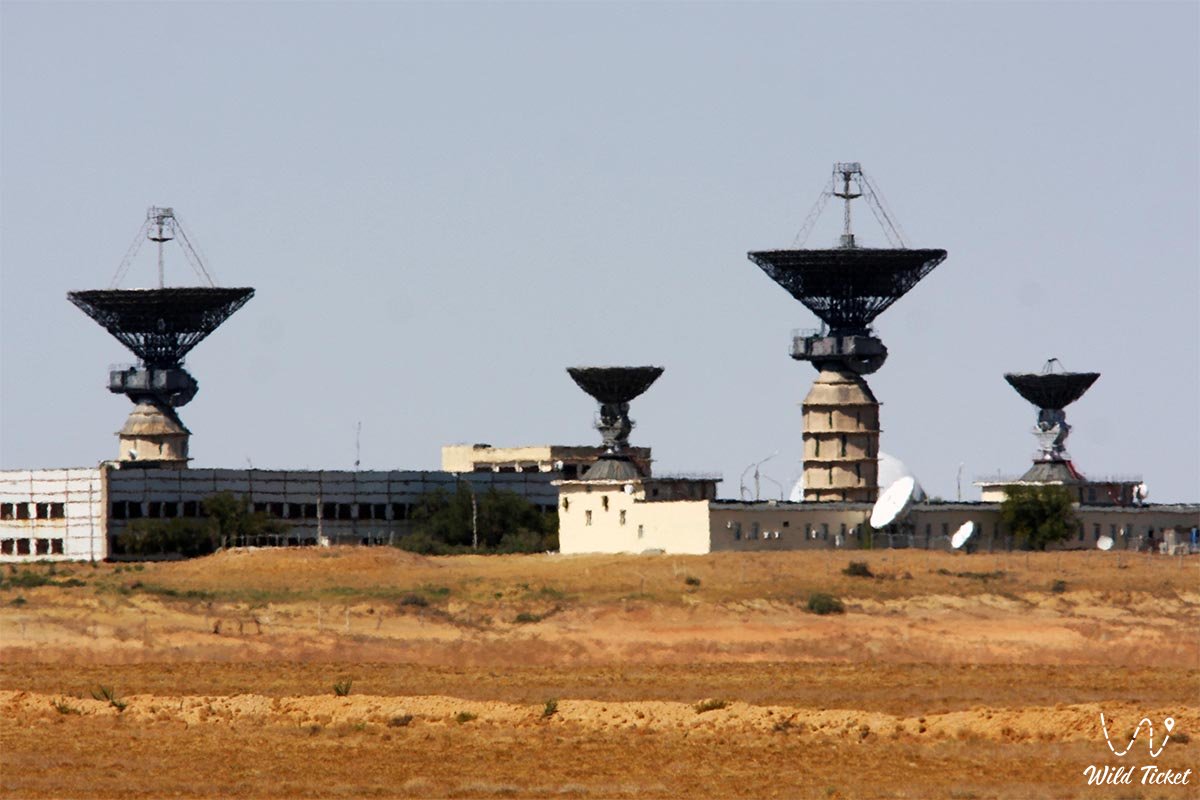
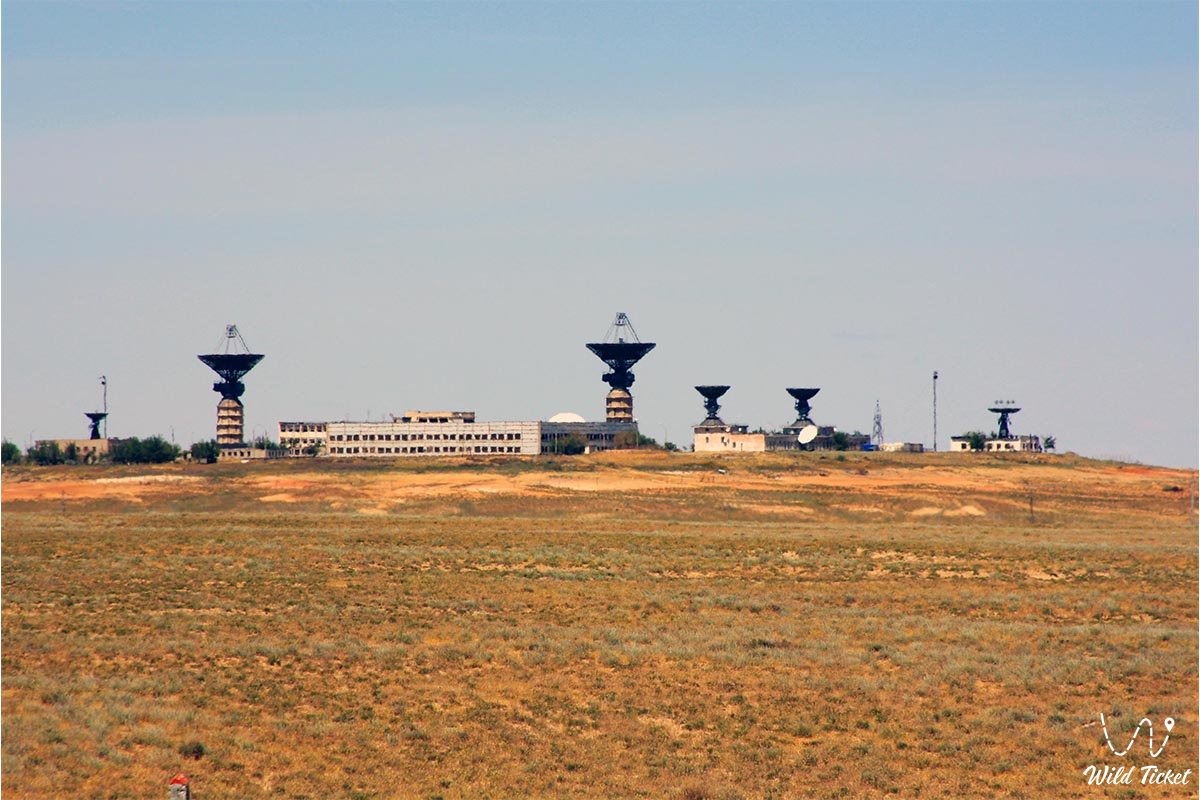
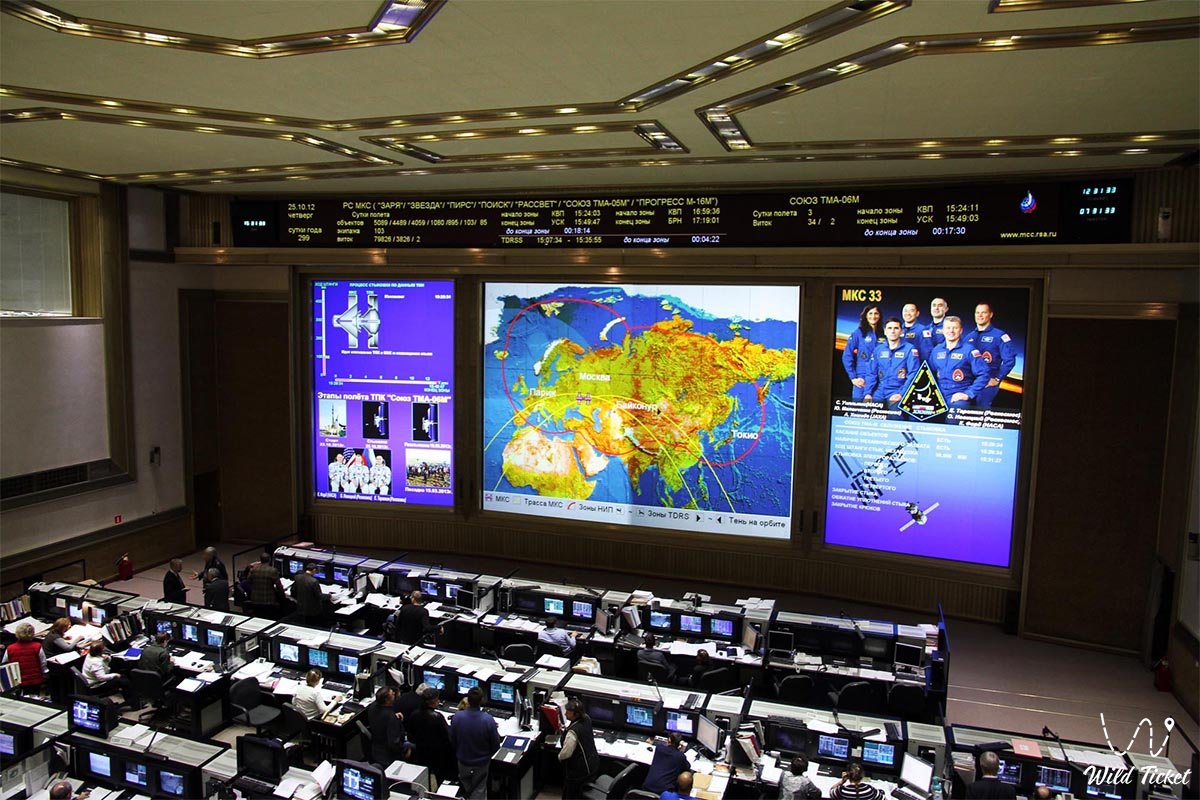
The "Baikonur" complex is 6,717 sq. km of area, 15 launch complexes of 9 types, 4 silo launchers, 11 assembly and testing buildings (34 technical complexes), and 3 fueling and neutralization stations. Energy: a 60 MW CHPP, a 72 MW power train, 600 substations, and 6,610 km of power lines. Communications and logistics: 2,784 km of communication lines, 92 communication nodes, 470 km of railway tracks, and 1,281 km of roads. The measuring complex includes an information and computing center, modern mobile telemetry reception stations, and antenna systems with new drives. Airfields: "Krayniy" (1st class) and "Yubileyniy" (out-of-class, for all types of aircraft, including the landing of the Buran). The oxygen-nitrogen plant produces 300 tons of cryogenic products per day.

38 types of rockets and 80 types of spacecraft were tested from the cosmodrome. Currently, launches are made for Soyuz-2 and Proton-M launch vehicles. In 2012, Roscosmos and TsENKI invested more than 3.5 billion rubles in the infrastructure. The modernization of the 2000–2020s allowed reducing energy consumption by 80%, increasing data channel capacity by 16 times, and reducing staff by 20%. Environmental policy includes the abandonment of toxic launch vehicles (Tsyklon-2, Satan, Rokot) and the modernization of the Proton. Financing the Baiterek project and creating a complex for Soyuz-5 launches (instead of Zenit-M) are priority tasks. The infrastructure is managed by the TsENKI branch "Yuzhny Space Center" and enterprises: RKK Energia, TsSKB-Progress, and Khrunichev State Research and Production Space Center.

Detailed description of the venue

• Pad No. 1 ("Gagarin's Start") – the complex from which most rocket launches were made, including the first flight of Yuri Gagarin.

• Pad No. 31 – the only operational complex for Soyuz-2 spacecraft (as of 2021).

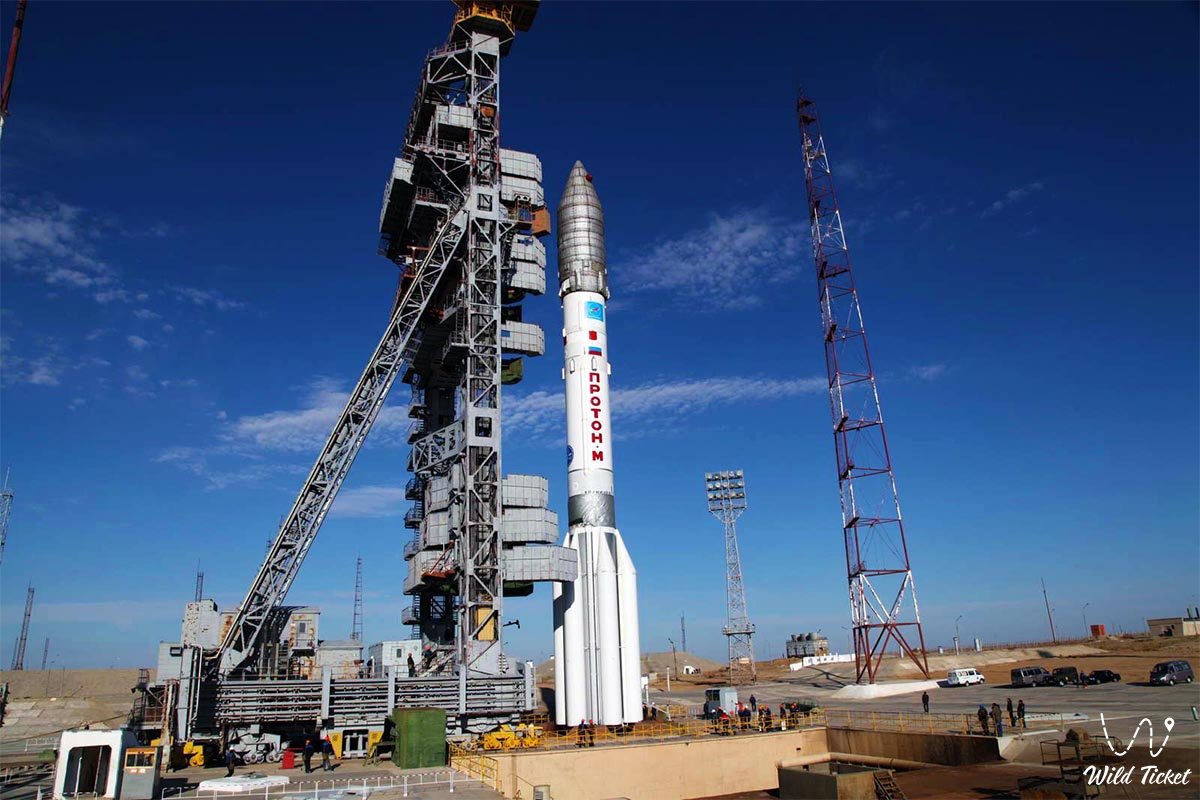
• Pads 81 and 200 – for launches of heavy Proton-M rockets.

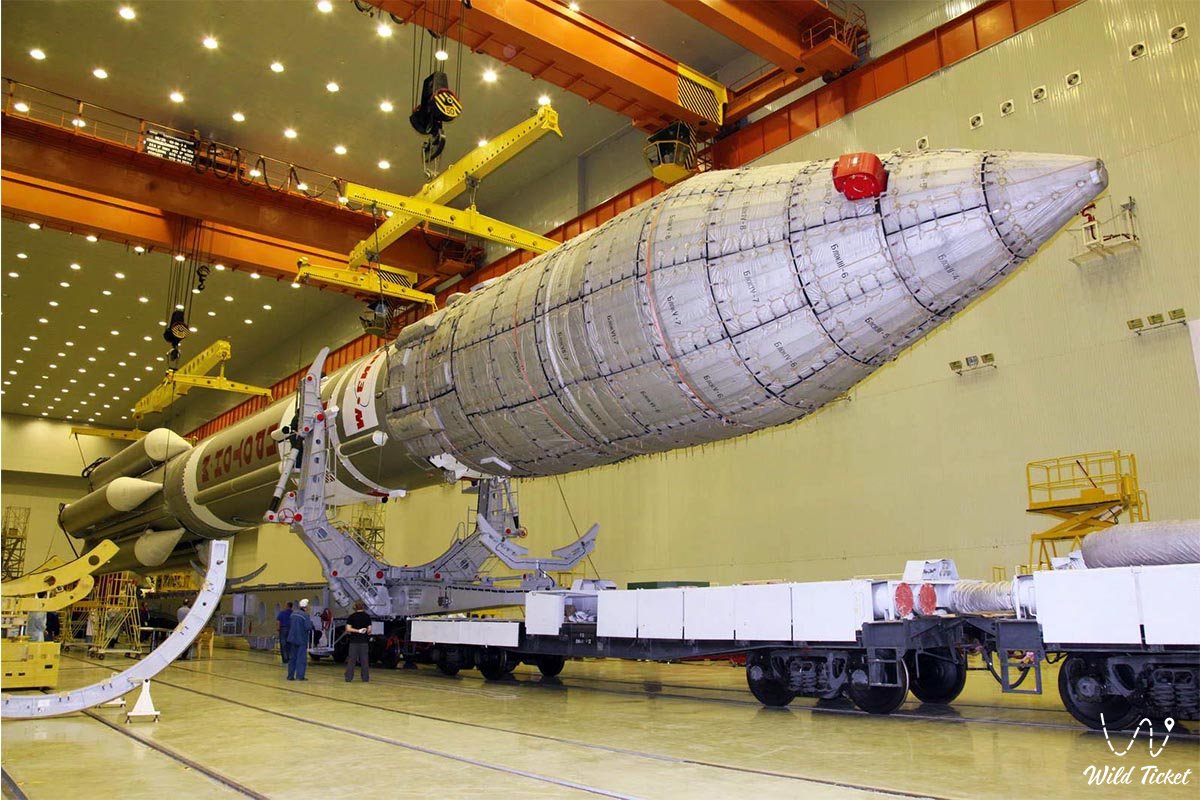
• Pad No. 92 (assembly and testing building 92-1) – a 7,000 sq. m / 200,000 cubic m building for assembly and testing of Proton-K and nose cones.

• Pad No. 95 – an infrastructural center: Kometa, Polet, and Fili hotels, a laundry, water purification facilities, Proton command and tracking center, and a sports complex.

• Pad No. 251 ("Yubileyniy" airfield) – a 4,500-meter runway for receiving all types of vessels, delivery of satellites, and bulky parts.

• Pad No. 254 – a technical pad for the preparation of manned spacecraft.

• Pad No. 2 – a technical complex for pre-launch operations.

• Pad No. 10 – a radio-electronic center.

• Fueling and neutralization station (Pad 91) – a universal temperature control unit, remote control systems for rocket propellant components, and neutralization of industrial wastewater.

• Measuring point – includes the Klen-SP command and measuring system and points of the Baltika unified time system.

• Cosmodrome Museum – includes exhibitions of engines, rocket models on a 1:100 scale, and the houses of Korolev and Gagarin.

• Nature and climate – sharply continental (from -40 to +45.5 °C), 120 mm of precipitation, dust storms "beskunak", typical steppe flora (Borshchov's tulip, tamarisk, zhantak).

Architecture

The architectural appearance of Baikonur's sites bears the features of the 20th-century industrial style, where functionality comes first. Launch tables and assembly buildings are examples of monumental engineering architecture capable of withstanding extreme loads. Concrete structures and metal trusses are harmoniously integrated into the landscape of the desert steppe, emphasizing the grandeur of human thought striving into the sky.

The internal premises feature huge spaces designed to ensure the convenience of working with ultra-large rocket technology. Special attention is paid to evening lighting and the geometric proportions of structures, which gives the complex a solemn and strictly scientific appearance corresponding to its global mission.

Legend

Baikonur is rich in stories and beliefs carefully preserved by generations of specialists. One of the most famous states that before a successful launch, the sky over the steppe must certainly be clear, as if nature itself gives its blessing. Also, there is a tradition that the appearance of an eagle in the sky over the pad on the eve of a launch is a reliable harbinger of a successful mission.

For those who dedicated their lives to space, this testing ground has become a real temple where time is felt differently. Local residents often say that the boldest dreams come true here if they are backed by sincere perseverance and love for one's work. Each rocket launch for the cosmodrome employees is not just a technical operation, but a moment of triumph of the mind, turning humanity's dreams into a real space chronicle.

Conclusion

Baikonur Cosmodrome remains not just a grandiose technical site, but also an eternal symbol of progress for the entire civilization. This is a place where the great history of space exploration is inextricably linked with the future, and scientific achievements continue to inspire new generations of researchers.
Baikonur is a living memory of humanity's first steps to the stars and a guarantee that the path to studying the secrets of the Universe will be continued.

Interesting sights nearby:

Gagarin's Start Pad No. 1 and Pad No. 31;
Buran Spacecraft;
Houses of Gagarin and Korolev;
Energia Command Post;
Pad No. 110;
Baikonur Cosmodrome Museum;
Saturn Radio Complex;
Yubileyniy Airfield.

Photogallery:

Leave a comment

Navigation x