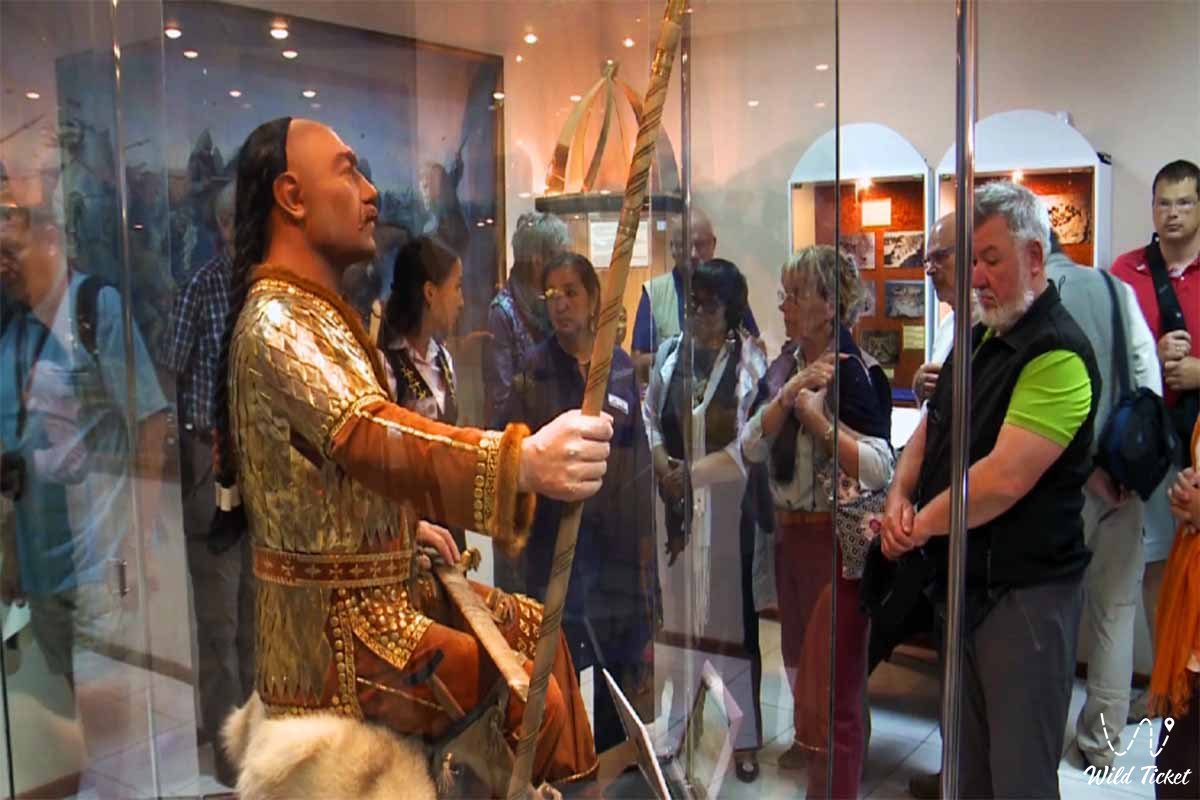
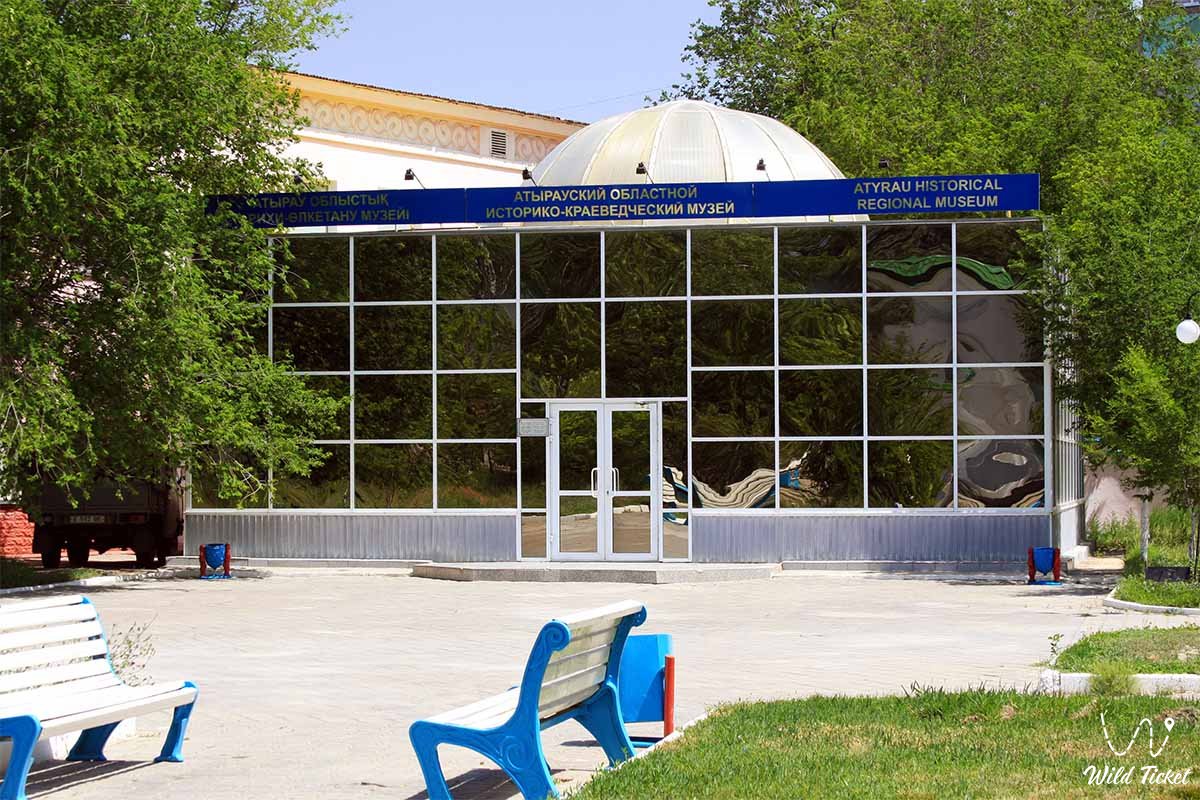
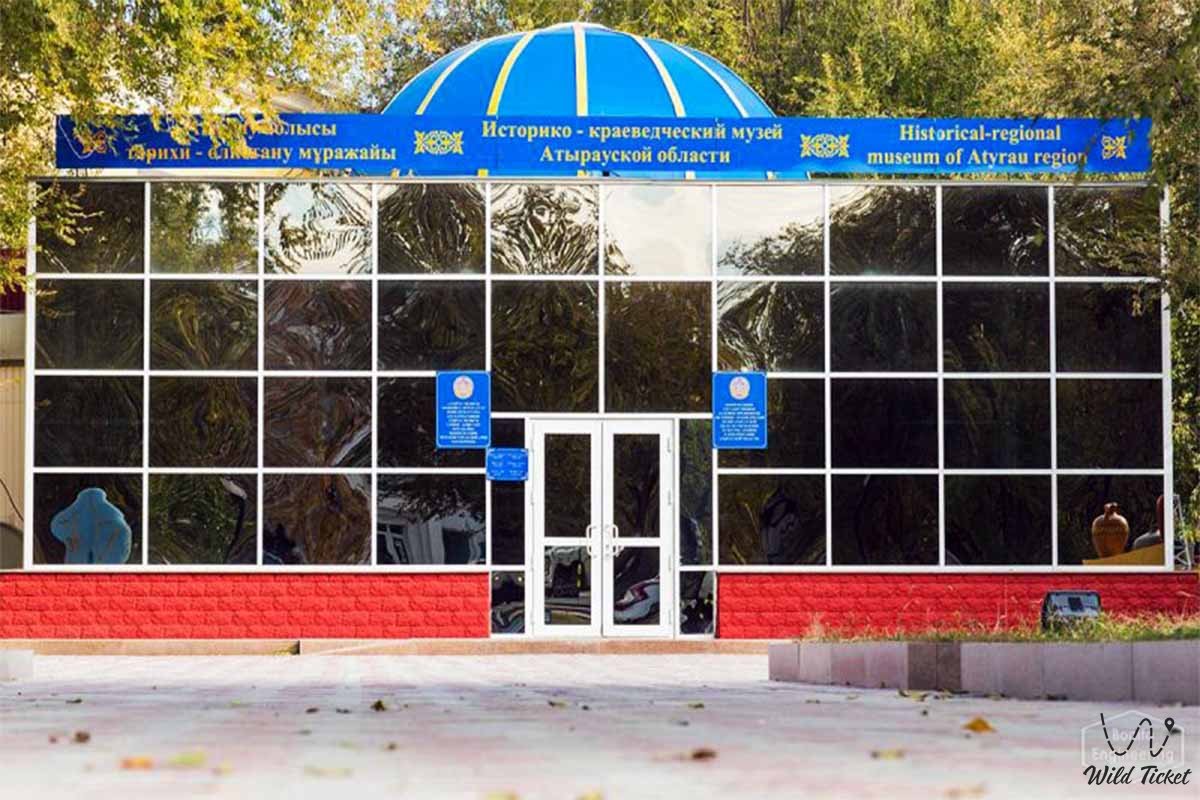
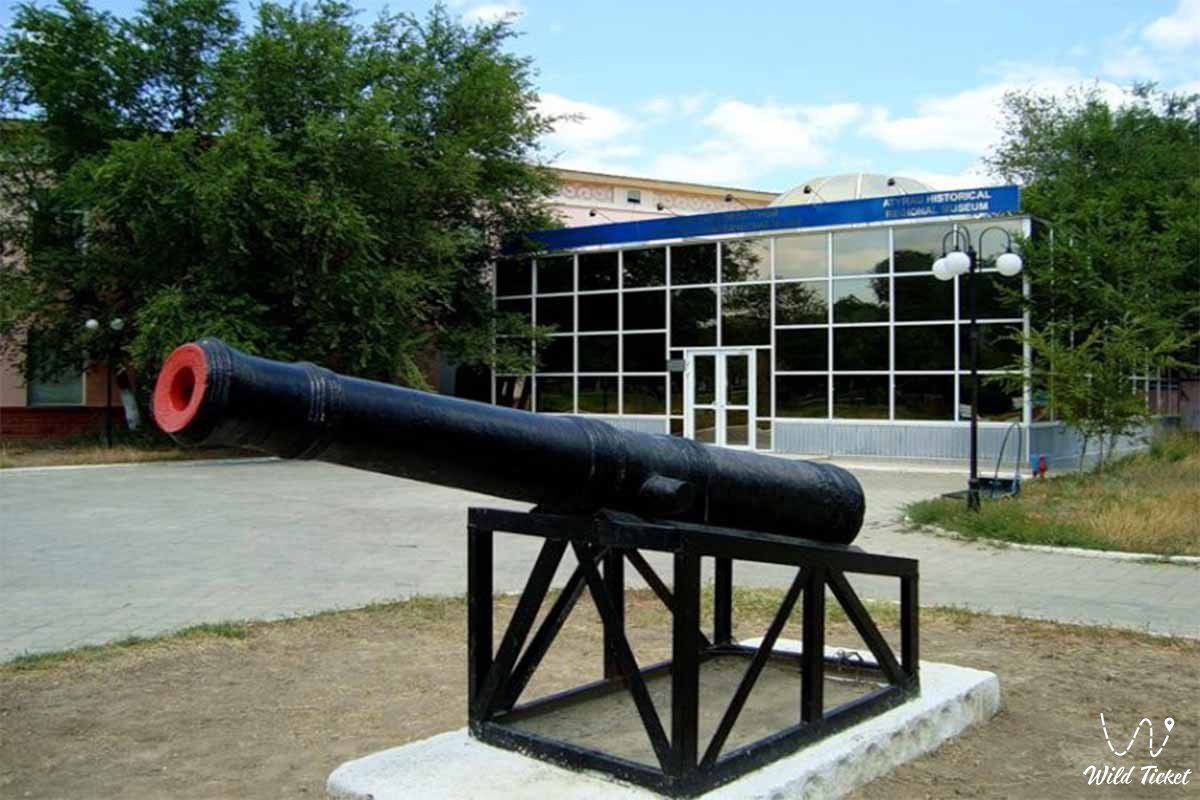
The Atyrau Regional Museum of Local History is a cultural and educational institution. Founded in 1938, the museum's collection comprises over 30,000 material and intangible artifacts, including historical and cultural heritage from its regional subdivisions (Issatay, Kurmangazy, Kyzylkogha, Inder district centers, and the village of Sarayshyk).
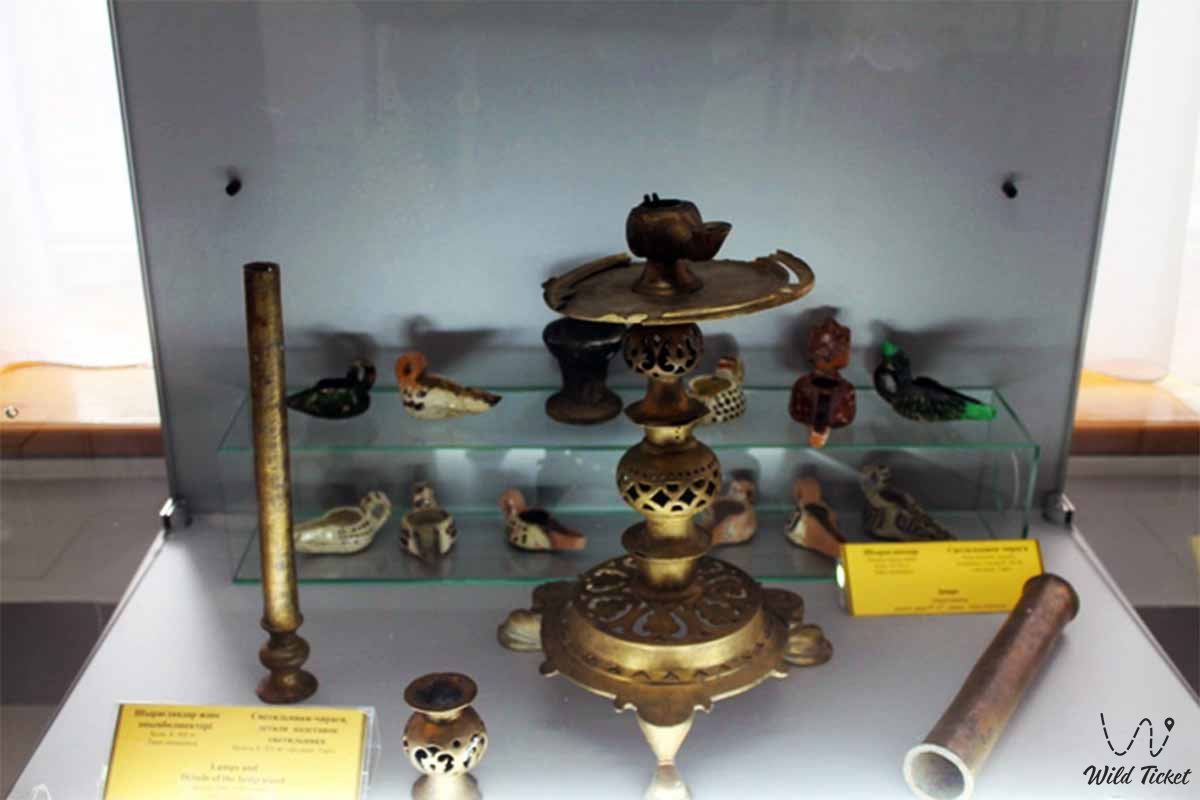
The museum's exhibits span the rich history of the Atyrau region, from the Paleolithic to the present day. Among them are coins, ceramics, baths, mosques, and workshops discovered in Sarayshyk, a major cultural and commercial center of the Golden Horde era. Research conducted by the Z. Samashev Institute of Archaeology in 1996-97 added valuable information to the museum's collection about the political, economic, and cultural life of the Golden Horde.
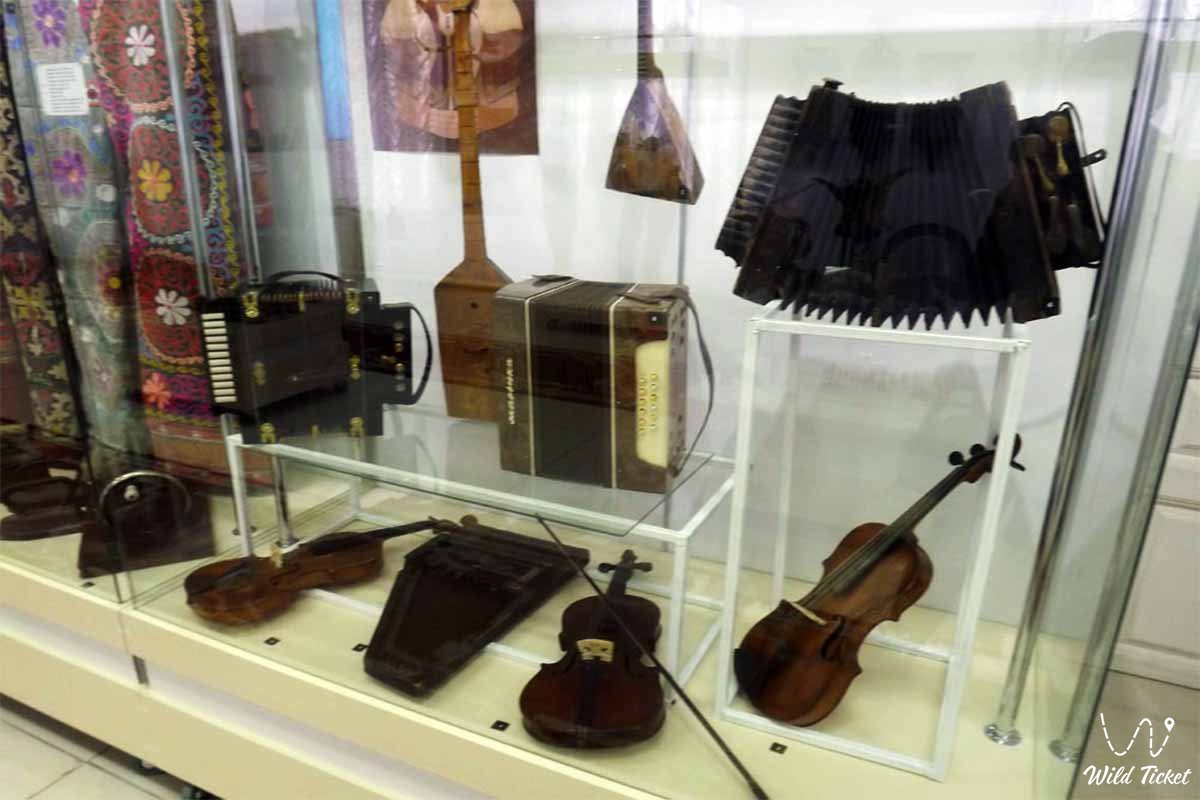
The museum houses documents, weapons, and art objects related to the popular uprisings led by Isatai-Makhambet. Sections dedicated to the cultural life of the Atyrau region include information about the kuishi, the composer Kurmangazy, his teachers and students, folk art, and silver jewelry.
History
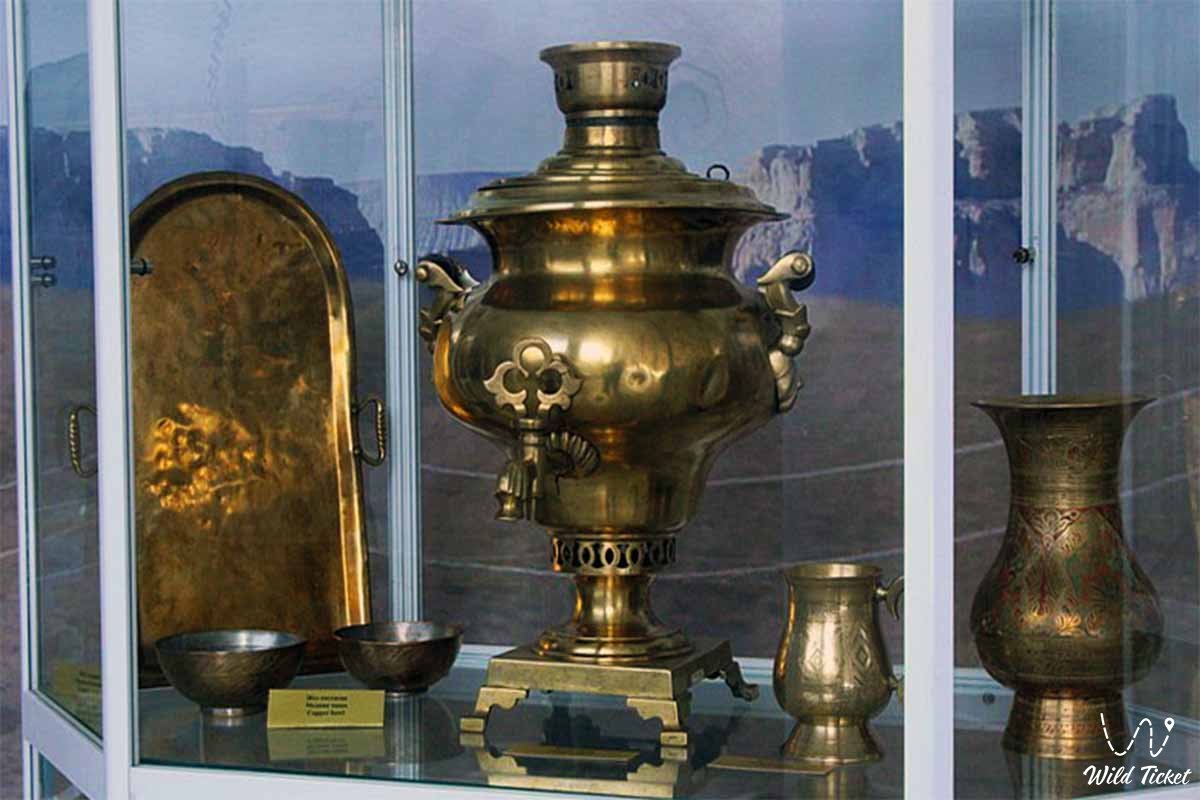
Yakubov, who served as the museum's director, was the first to open it (1939-1940). The museum was moved to a suitable new building in 1999. The museum contains over 50,000 exhibits, year after year providing valuable information on the minerals, mineralogy, paleontology, archeology, ethnography, flora, and fauna of the region.
The museum's value is determined by its wealth. As the great sage Abu Nasr al-Farabi said, it is difficult to know the past without knowing the history and the future. Let's take a brief look at the history of our relics. In recent years, the museum has collected numerous exhibits directly related to outstanding Kazakh artists.
Worth mentioning is the weapon owned by Kurmangazy Sagyrbaevich, the grandfather of the kui, a hunting rifle made in 1849. It was given to the renowned kui artist and People's Artist of Karshi by Akhmedyarov's brother, the Kyrgyz Akhmedyarov. The dombra of the kui's mother, Dina Nurpeisova, will be donated by Tuyak Shamil, a dombra player with the Kurmangazy Academic Orchestra and People's Artist of the Republic of Kazakhstan. The current mayor of Astana, I.N. During his official visit to the museum, Tasmagambetov (while serving as Secretary of State) presented a gold coin with the Arabic inscription "Allah Mohammad Allah" on both sides, a silver pistol used by the Mamluks, made in Cairo in the early 16th century, and items from the sultan's tomb.
Museum researchers embarked on a regional expedition to collect, research, and compile a history, as well as to collect and study the heritage of our ancestors. The museum is not only a research center but also the only historical venue for cultural and educational events. Meetings on various topics, historical and educational lessons, and thematic exhibitions have become traditional.
Photogallery: