Historical railway junction, and the birthplace of the great steppe monuments of Kazakhstan -
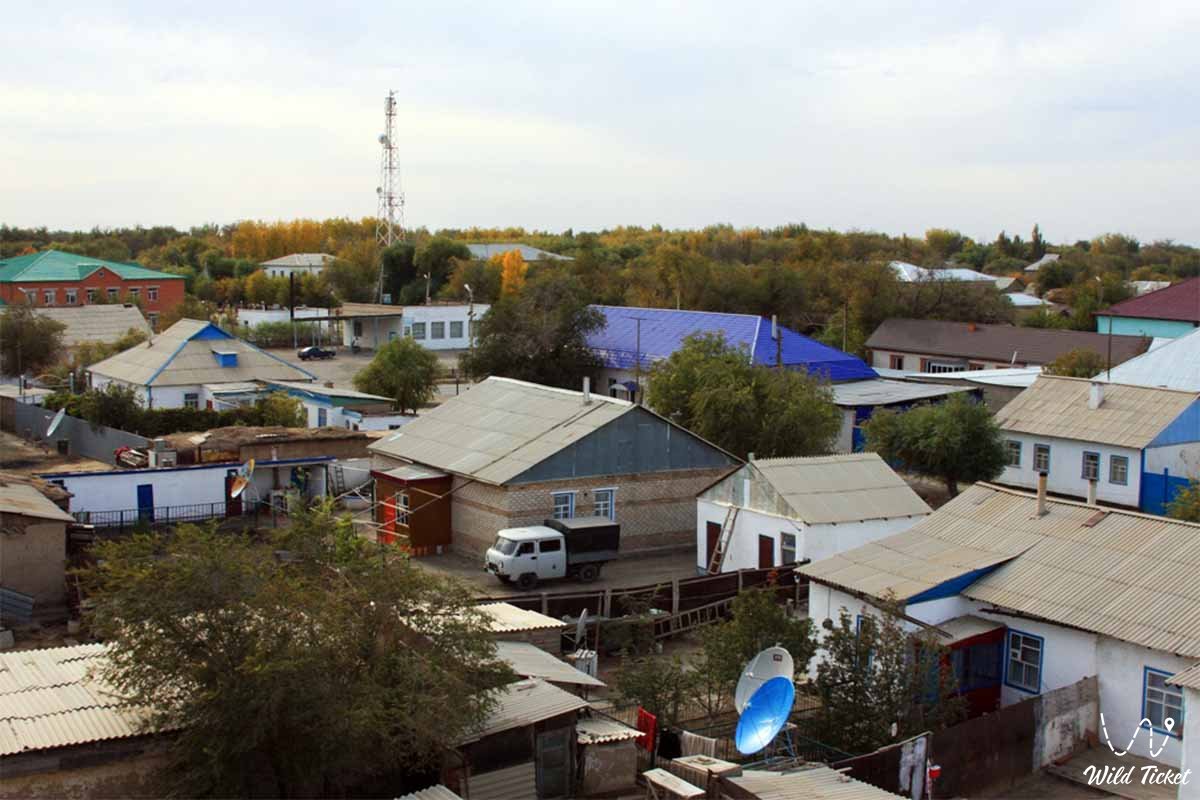
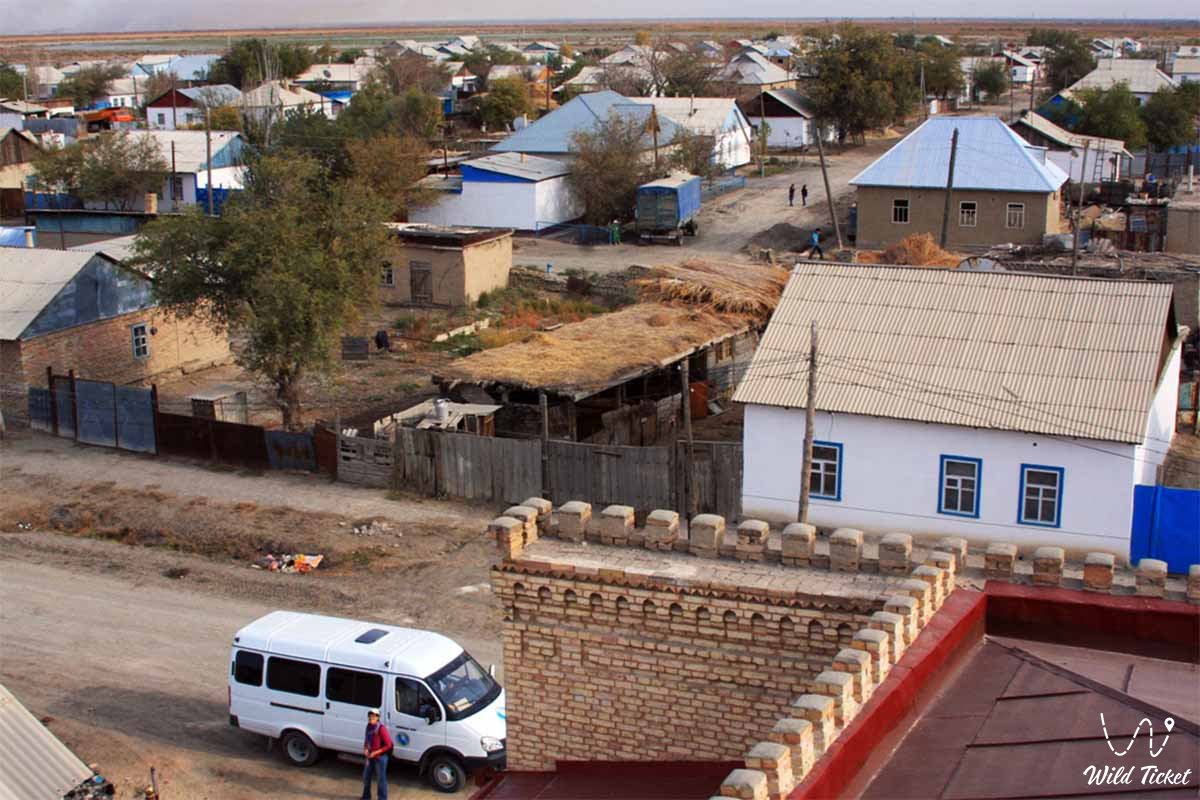
Ayteke Bi village (until 1958 – Kazalinsk station, until 1997 – urban-type settlement of Novokazalinsk) represents a large, economically active settlement, which is the administrative center and the only settlement of the Ayteke Bi settlement administration of the Kazaly district of the Kyzylorda region of the Republic of Kazakhstan. Located 12 kilometers north of the city of Kazalinsk, this oldest village of the region serves as the most important industrial, transport, and commercial heart of the Kazaly oasis.
The settlement is named in honor of Ayteke Bi Baibekuly (1644–1700) – the great Kazakh bi, legendary orator, chief judge of the Junior zhuz, and a prominent statesman of the Kazakh Khanate. He was an advisor to Tauke Khan and together with Tole Bi and Kazybek Bi went down in history as one of the three main creators of the first code of steppe laws "Zhety Zhargy." From the village, you can start your journey along the Small Aral Sea or take a trip to Lake Kambash (Kamystybas).
Ayteke Bi became famous for his phenomenal wisdom, eloquence, and incorruptible justice in resolving inter-clan disputes, and also made a colossal historical contribution to the unification of the Kazakh people, the consolidation of the zhuzes, and the organization of a unified popular resistance to the Dzungar invaders. Near the village is the famous Zhankent ancient settlement (Yangikent), where excursions from the village are made.
The village demonstrates rapid demographic growth: if in 1999 33,441 people lived here, and in 2009 – 38,046 residents, by 2022 the population reached the mark of 45,498 people, of whom more than 18.4 thousand belong to the economically active part of the population. It is most convenient to travel to the village from the city of Aralsk. Also near the village are such interesting architectural sights as the Begim-Ana Tower and the Saraman-Kosa Tower.
---------------------------------------------
How to get there and visit -
Ayteke Bi village is located 134 kilometers from the city of Aralsk, Kazaly district, Kyzylorda region, Republic of Kazakhstan.
The village is removed 280 kilometers northwest of the regional center – the city of Kyzylorda, and 12 kilometers north of the city of Kazalinsk.
GPS geographical coordinates: 45°50'54"N 62°09'07"E
The transport logistics of the settlement are ideal for any type of travel. Along the northern outskirts of the village passes the international highway M-32 (Samara – Tashkent), which connects it in the northern direction with Aktobe and Oral to the Russian border, and to the south goes to Turkestan and Shymkent. Directly within the village boundaries is located a large railway station Kazalinsk (code 670507) on the Tashkent railway line (Kandyagash – Arys section), where all key passenger and freight trains stop daily.
Absolutely any passenger car is suitable for a trip to Ayteke Bi, since all key access paths and dozens of internal streets are completely asphalted. Moving around the village is comfortable and safe. When traveling to remote steppe zones or to the historical ruins of Zhankent, tourists are recommended to have a standard navigator and a supply of drinking water.
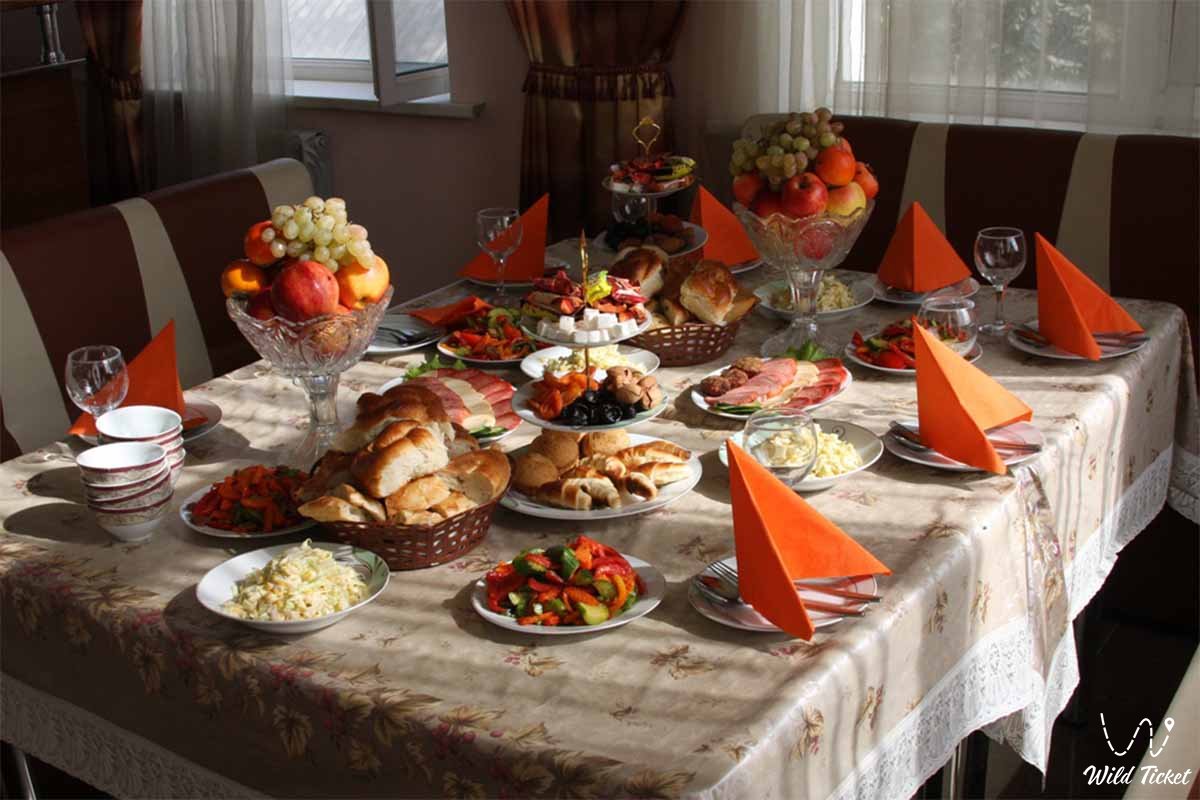
It is comfortable to make a trip here in the spring and autumn periods. The infrastructure of the village is excellently developed for business and tourism: 3,818 SME entities are registered here, 4 markets, 13 commercial houses, gas stations, a business center, and 5 modern restaurants operate. You can stay overnight in local hotels, and purchase the famous Kazalinsk sweets and national cuisine dishes at the central markets.
---------------------------------------------
History
The emergence and history of the village are inextricably linked with the construction in 1903 of the Trans-Aral railway, which was to connect Orenburg and Tashkent. Initially, only the Kazalinsk railway station was laid here, located twelve kilometers from the fishing city of Kazaly of the same name. At this station, fish caught in the Aral Sea was reloaded and sent to other regions of the Russian Empire. In 1904, the first fish processing enterprises opened at the station, and a separate commercial working village began to rapidly form around the tracks.
In 1958, the grown settlement received the status of an urban-type settlement and the official name of Novokazalinsk, simultaneously becoming the administrative center of the Kazaly district instead of the city of Kazaly. In the Soviet period, Novokazalinsk developed as a powerful industrial and transport hub. The most important milestone of recent history was 1997, when by Decree of the President of the Republic of Kazakhstan, within the framework of restoring national historical memory, the village was given the name of the outstanding statesman Ayteke Bi.
Information
The climate in the area of Ayteke Bi is sharply continental, arid. The village is distinguished by a high level of improvement and sanitary cleanliness thanks to the active implementation of the republican environmental action "Taza Qazaqstan." The entire territory of the administrative center is strictly divided into 7 zones, for each of which responsible persons are assigned, conducting daily rounds together with a working group under the akimat to maintain cleanliness in markets and SME streets.
A developed social infrastructure functions in the village: 2 colleges, 11 modern schools (including a new school for 250 places), 17 kindergartens, three libraries, a stadium, and a large sports and health complex operate here. Constant support for the improvement of the village is provided by public organizations, the council of elders, and labor veterans actively participating in public order, upbringing of children, youth, and the organization of all festive cultural events. The historical heritage of the great judge is actively promoted among schoolchildren and students at subject olympiads.
Detailed description of the venue
The well-thought-out structure of the historical-cultural and industrial complex of the Ayteke Bi village includes the following original locations and geographical features:
• Kazalinsk railway station – the historical industrial core of the village, ensuring the smooth functioning of locomotive repair and wagon depots.
• Ayteke Bi memorial monument – a majestic monument in the center of the village, erected in honor of the great judge of the Junior zhuz and co-author of the "Zhety Zhargy" code of laws.
• "Rukhaniyat" Center – a modern multi-cultural complex combining under one roof a wedding hall, a library, a museum, an archive, and centers for youth, mothers, and veterans.
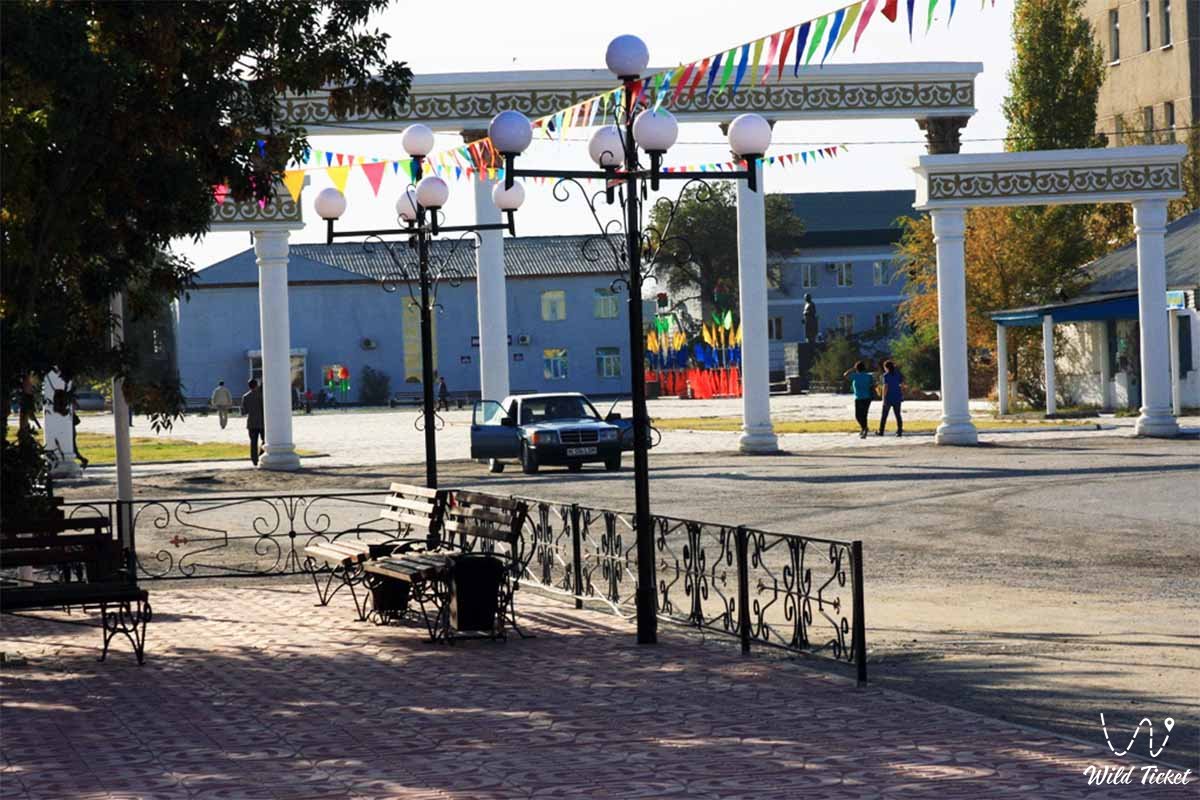
• "Victory Park" culture and recreation complex – a huge well-developed recreation zone with an area of 20 hectares, including the alleys "Danq", "Tagzym", "Kieli qazaq eli", "Gashyqtar", bike paths, night lighting, fountains, and amusement rides.
• Artificial reservoir and water park – an entertainment water sector constructed on the territory of the Victory Park at the expense of local entrepreneurs.
• "Nurshuaq" trade and logistics center – a large modern commercial hub coordinating the flows of retail and wholesale trade in the district.
• Industrial sector of "Rza" JSC – a leading diversified enterprise of the village, providing employment for a significant part of the economically active population.
• "Bakhyt" fish processing workshop – a high-tech fish processing plant launched within the framework of import substitution and business support programs.
Architecture
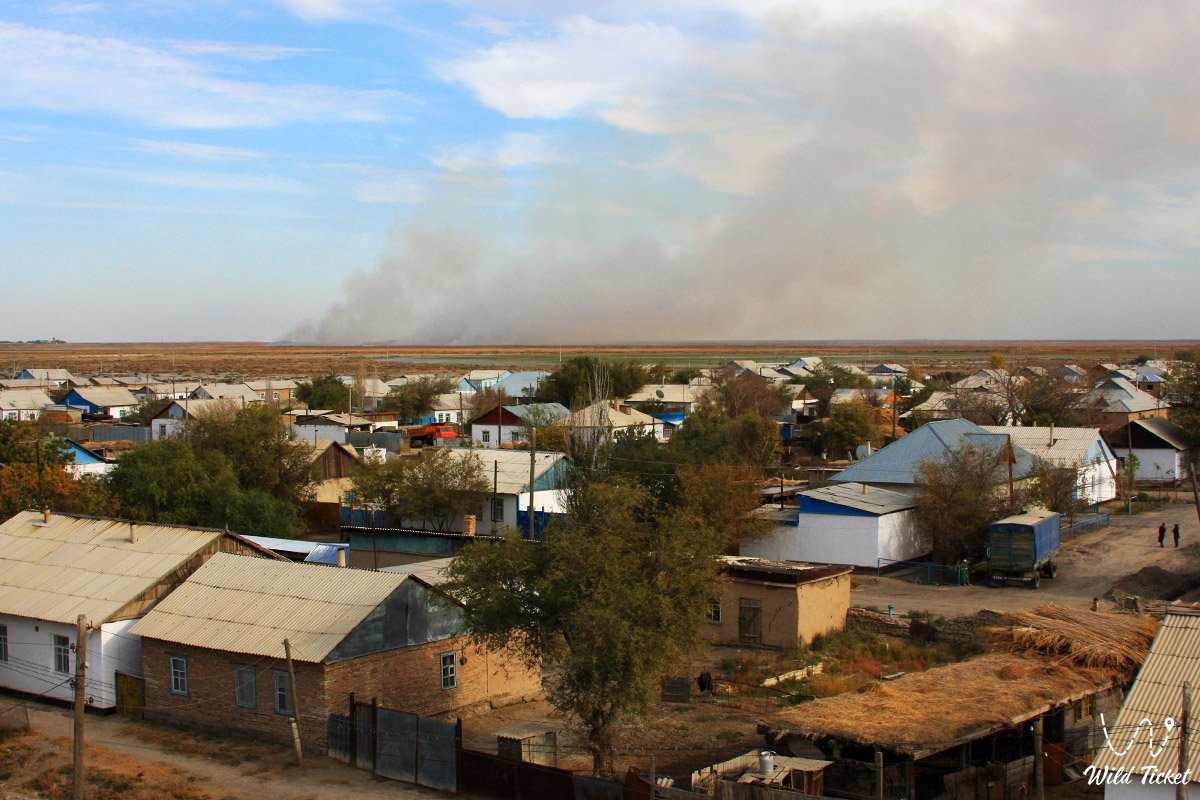
The architectural appearance of Ayteke Bi has undergone large-scale qualitative transformations over the years of independence, turning into a modern well-developed center. The historical layer is represented by ancient buildings of railway transport enterprises, locomotive repair plants, and workshops of the distance of signaling, communication, and power supply erected at the turn of the past centuries from durable brick.
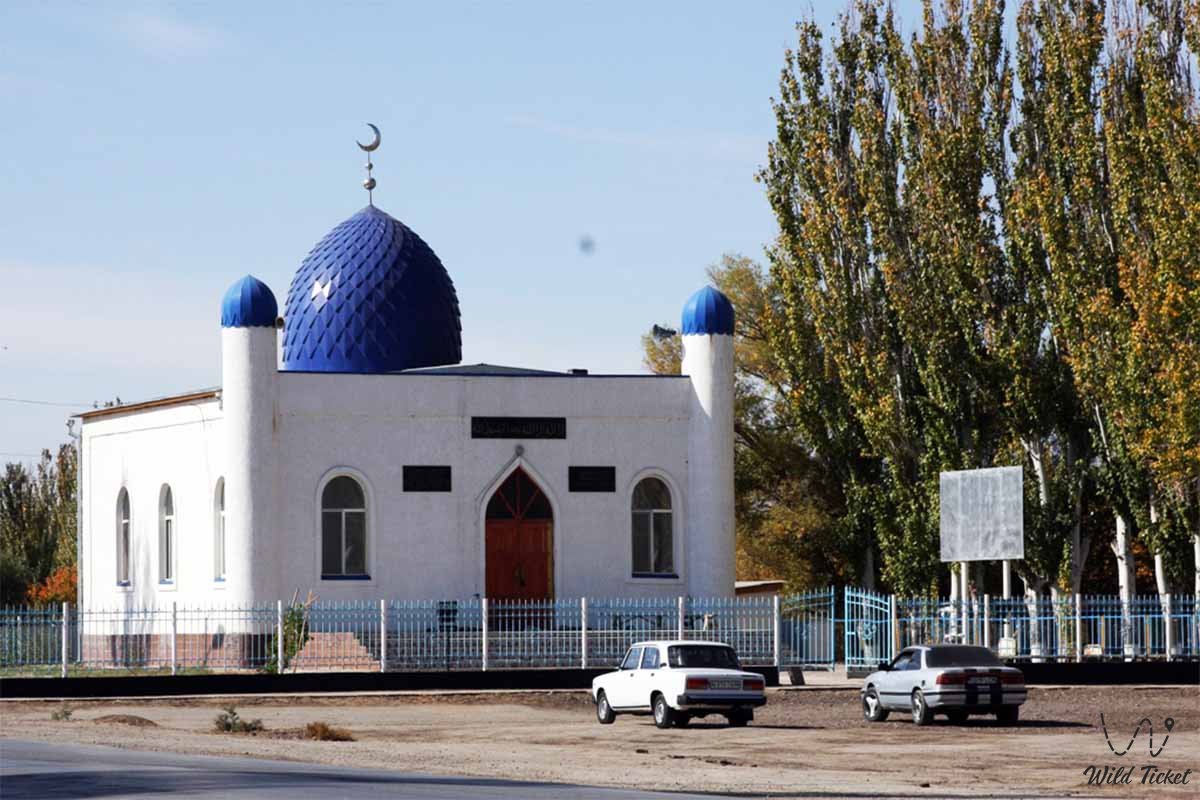
Civil architecture includes modern schools and sports complexes built according to the latest standards. The monumental architecture of the village is represented by majestic monuments and memorials erected in honor of great historical figures of the Kazakh people: Zhankozha Batyr, Ayteke Bi, Zhalantos Bahadur, and Sufi Aziz Musrali, which decorate green squares and new alleys of the Victory Park.
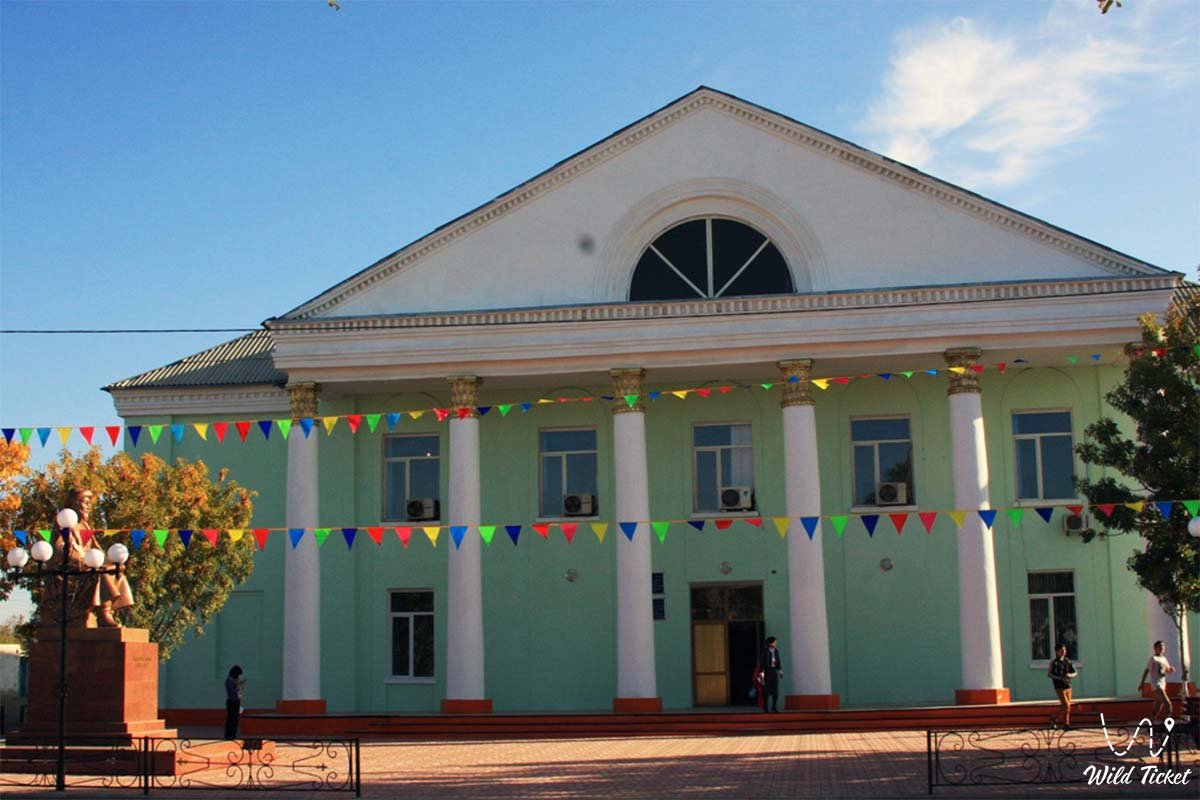
The center of attraction is the renovated square in front of the House of Culture, where the Ayteke Bi monument harmoniously combines with modern urban planning.
Legend
The land of the Kazalinsk oasis, along which caravans of the Great Silk Road went for centuries, is shrouded in many beautiful legends and traditions. The main legend of the village is considered the tradition of the "Just word of Ayteke Bi." The elders of the villages say that when the great judge of the Junior zhuz arrived in the lower reaches of the Syr Darya to reconcile feuding clans, his speeches possessed such sacred power that disputes ceased by themselves. There is a steppe parable that in the court of Ayteke Bi there were never any losers, since his verdicts relied on the absolute justice of the "Zhety Zhargy" laws, and dried elms bloomed at the sites of his court sessions.
Among local railwaymen and train conductors lives a mystical legend about the "Kazalinsk whistle." It is said that on foggy autumn nights, a long echo-whistle of a ghostly tsarist locomotive comes from the side of the old water towers of the road. Local residents believe that this sound brings luck to travelers and guards the peace of ancient Zhankent, whose spirits-arvahs carefully preserve the peace of the steppe Aral region from the evil forces of the desert.
Conclusion
Ayteke Bi village is a magnificent historical bridge connecting the century-old industrial heritage of the "Orenburg – Tashkent" railway with large-scale state ecological programs and powerful entrepreneurial potential of independent Kazakhstan.
Named in honor of the great bi, unifier of the zhuzes, and co-author of "Zhety Zhargy," this settlement carefully preserves the memory of steppe traditions of justice. The dynamic development of small and medium-sized businesses, exemplary cleanliness of streets according to the "Taza Qazaqstan" action, and the commissioning of unique cultural centers make the village a key point of attraction on the tourist map of the Aral region.
The administrative center of the Kazaly district confidently combines industrial power and deep respect for national values, opening up rich opportunities for guests and researchers of the region to get acquainted with the history, culture, and hospitality of the Kazakh land.
Interesting sights nearby:
• Raim Fort;
• Aralkum Desert;
• Basibek Mausoleum;
• Tolybay Batyr Mausoleum;
• Aral Sea;
• Kokaral Dam;
• Syr Darya River;
• Barsakelmes Nature Reserve.
Photogallery: