Rafting and fishing on the Boraldai River -
Recreation and travel along the Boraldai River -
Where the slopes of the Boraldaitau range merge into the wide valleys of the south of the country, one of the most picturesque rivers in the region is born.
Boraldai is not only a natural site, but also a space of history, ancient drawings and modern travel.
The Boraldai River flows through the territory of the Zhambyl and Turkestan regions of Kazakhstan. It connects mountain landscapes and steppe spaces, creating an expressive natural corridor about 130 kilometers long. For travelers, Boraldai is interesting for its combination of canyons, fruit valleys, archaeological sites and opportunities for outdoor activities.
Geography and origins
The sources of the river are located on the slopes of the Boraldaytau ridge, near the village of Koltogan (Alekseevka) in the Zhambyl region. From here, the stream heads mainly to the west, gradually leaving the mountainous area and entering wider valleys.
The Boraldai completes its course, flowing into the Arys River near the village of Chubar in the Turkestan region. The area of its drainage basin is about 1,760 km2, which makes the river an important hydrological element of the region.
Hydrology
Boraldai belongs to the rivers of mixed nutrition. The main role is played by the snowmelt waters of the mountains, spring rains, as well as underground springs. In spring, the river becomes the most full-flowing, the water level rises noticeably, and the current increases.
The average annual water consumption in the Boraldai village area is approximately 10.5 m3/s. The salinity of the water is low – in the range of 0.2–0.4 g/l, which makes it suitable for domestic use. There are more than ten irrigation channels along the riverbed, providing agricultural land with water. The water is used by local residents for both irrigation and household needs.
The main right tributary of the Boraldai is the Koshkarata River, which enhances the flow in the middle reaches.
Valley and nature
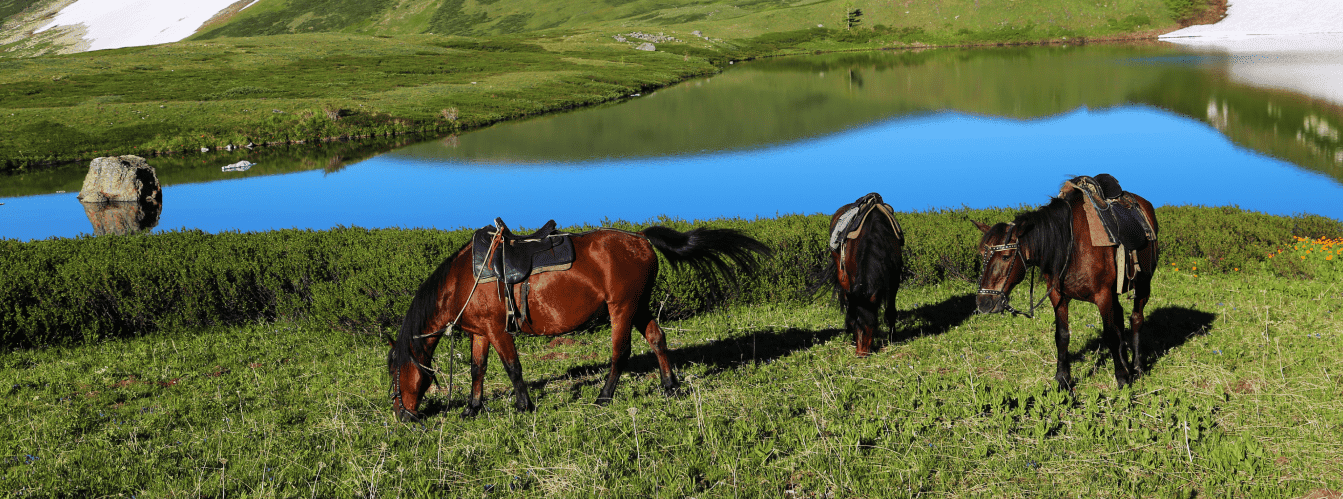
In the upper reaches, the river flows through a mountain valley, where patches of natural vegetation have been preserved. Here you can find wild apple trees, hawthorn, shrubs with berries and various grasses. In spring, the slopes are covered with greenery, and the air is filled with the aromas of flowering trees.
In the lower reaches, the valley widens – its width reaches from one to four kilometers. The landscape is becoming more open, agricultural fields and pastures are appearing. Despite the economic development, some areas retain their natural expressiveness, especially in the gorge area.
Boraldai gorge and archeology
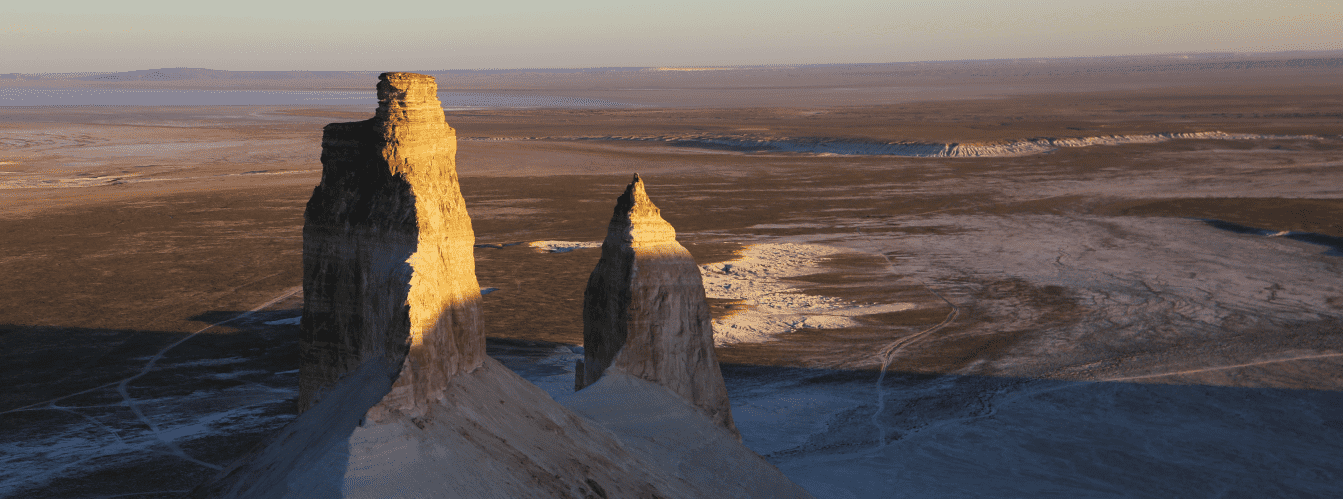
A special place is occupied by the Boraldai Gorge, an area where the river cuts through rocks, forming picturesque rock walls. Iron ore deposits have been discovered in this area, which indicates ancient geological processes and the potential importance of the territory in different historical eras.
Boraldai petroglyphs are located on the banks of the river – ancient rock carvings that testify to the presence of man in these places for many centuries. They add additional historical depth to the valley and make it interesting for cultural and educational routes.
River trips
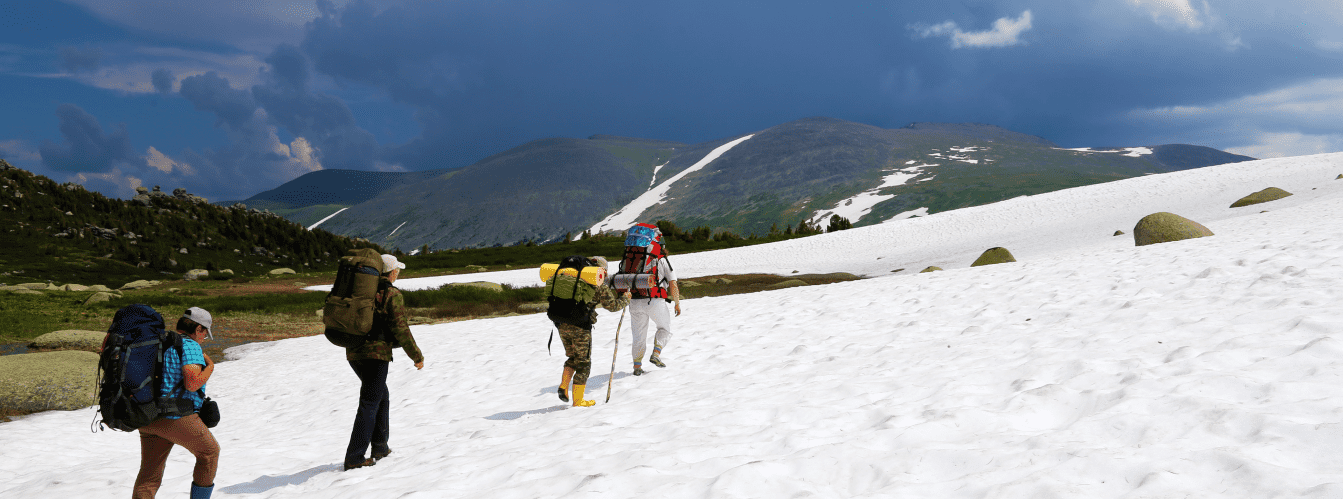
Boraldai is suitable for combined tours with elements of trekking, ethnographic excursions and outdoor activities. Hiking trails along the gorge allow you to see petroglyphs, rock massifs and fruit valleys. In spring, the areas with flowering trees are especially beautiful.
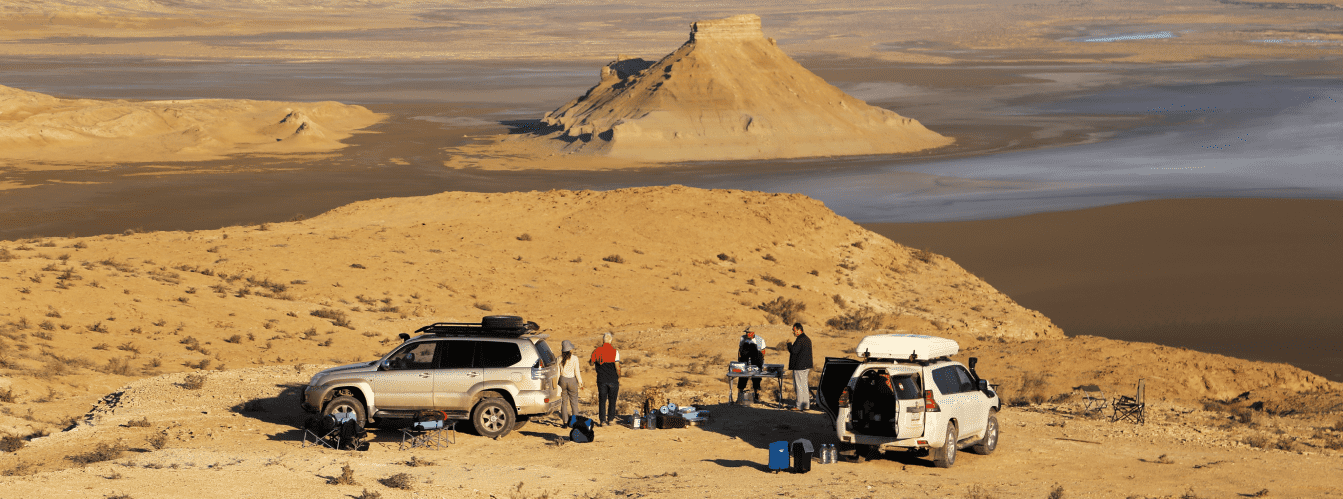
Motorists can get to the river through the settlements of Zhambyl and Turkestan regions by organizing a camping trip. The lack of mass infrastructure makes the trip more secluded and atmospheric.
Rafting and kayaking
During the spring flood, when the river is at its fullest, rafting and kayaking are possible in some areas. The nature of the current is mostly moderate, with rolling hills and uncomplicated rapids, which makes the route interesting for fans of elementary and intermediate levels of training.
In summer, the water level decreases, and the opportunities for full-fledged rafting depend on the specific year and weather conditions. Before organizing a waterway, seasonality must be taken into account and appropriate equipment must be provided.
---------------------------------------------
How to get there and visit -
It is most convenient to get to the sources of the river from the Zhambyl region through the village of Koltogan. To the middle and lower reaches – from the Turkestan region, focusing on the settlements in the Boraldaya valley and the area where it flows into the Arys.
GPS coordinates: 42.5953°N 69.3455°E
The best time to visit is spring and early summer, when the river is full and nature is most picturesque. For active tours, it is recommended to be accompanied by experienced guides, especially when organizing rafting trips.
---------------------------------------------
Legend and legend
Old-timers say that in ancient times, gardens planted by a legendary nomadic family grew in the Boraldai valley. When hard times came to earth, people left these places, but the trees continued to bloom every spring, as if preserving the memory of their owners. It is believed that this is why wild apple trees can still be found in the upper reaches of the river – as a symbol of the revival and sustainability of steppe life.