Dzungarian Gate (Zhetysu Gate) - a trip from Khorgos to Almaty -
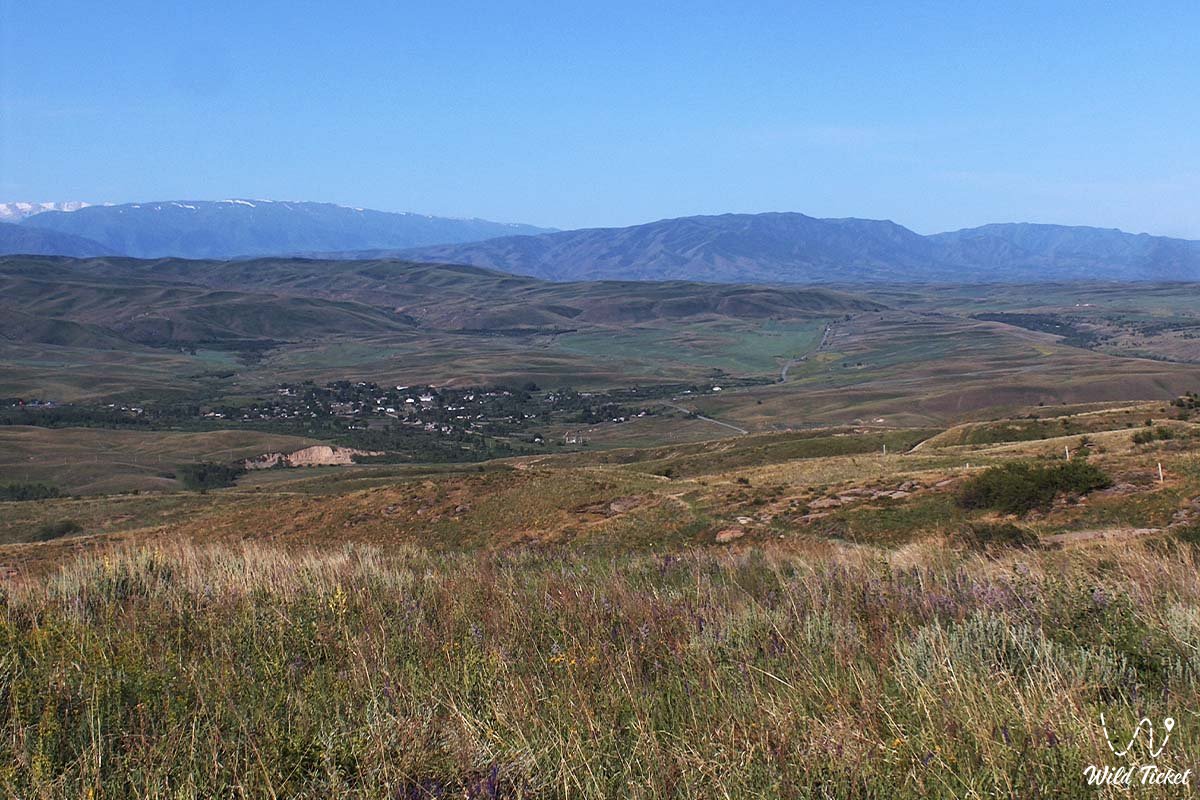
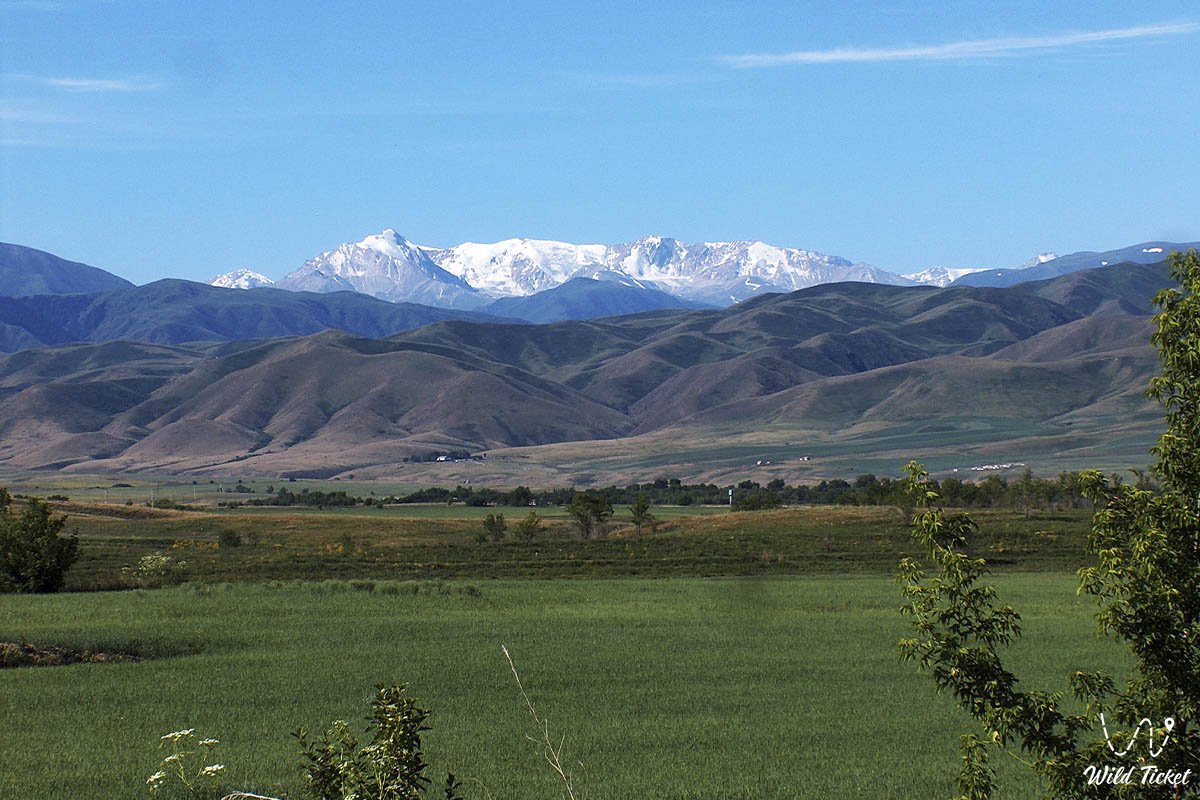
The Zhetysu Gate, also known as the Dzungarian Gate, is a natural transition between the Zhetysu Alatau (Dzungarian Alatau) to the west and the Birliktau and Mailytau ranges to the east. It connects the Balkhash-Alakol Depression via Lake Ebinur with the Dzungarian Plain. Its absolute altitude is 300-400 m, its length is 80 km, and its narrowest point is 10 km. Lake Zhalanashkol is located to the north. The climate is arid, with strong winds. In winter, winds blow from the south and southeast, and in summer, from the north and northwest. In winter, wind speeds reach 60-80 m/s.
Tourist Information
The Semirechye Gates, due to their thin and long shape, form a natural wind tunnel. When passing through the gates, the wind is compressed, increasing its speed to 70 m/s. The Semirechye Gates are a "wind pole" in Central Asia, from where enormous air masses move into the Eurasian Basin.
How to get there and visit -
In ancient times, the Semirechye Gates were a means of communication between the nomadic peoples of Central Asia and Kazakhstan. P.P. Semenov-Tyan-Shansky, Chokan Valikhanov, N.M. Przhevalsky, and L.S. Berg were studied by traveling scholars. The Dostyk-Alashankou (Gofuzdi) railway, connecting Kazakhstan and China, passes through the gates. This natural narrow passage is less than 10 km wide.
Legend
The Saikan wind has several meanings in Chinese translation: "Lord of the Rings," "Winged Wind," or "Windwing." According to legend, about 300 years ago, during the war with the Dzungars, when Kabanbai Batyr defeated them and retreated into a deep gorge, a full-flowing river flowed. Kabanbai Batyr raised his hand and said, "Stop." Since then, the river has been called Tokta. Today, the bridge over the river on the Usharal-Dostyk road is one of the most dangerous.
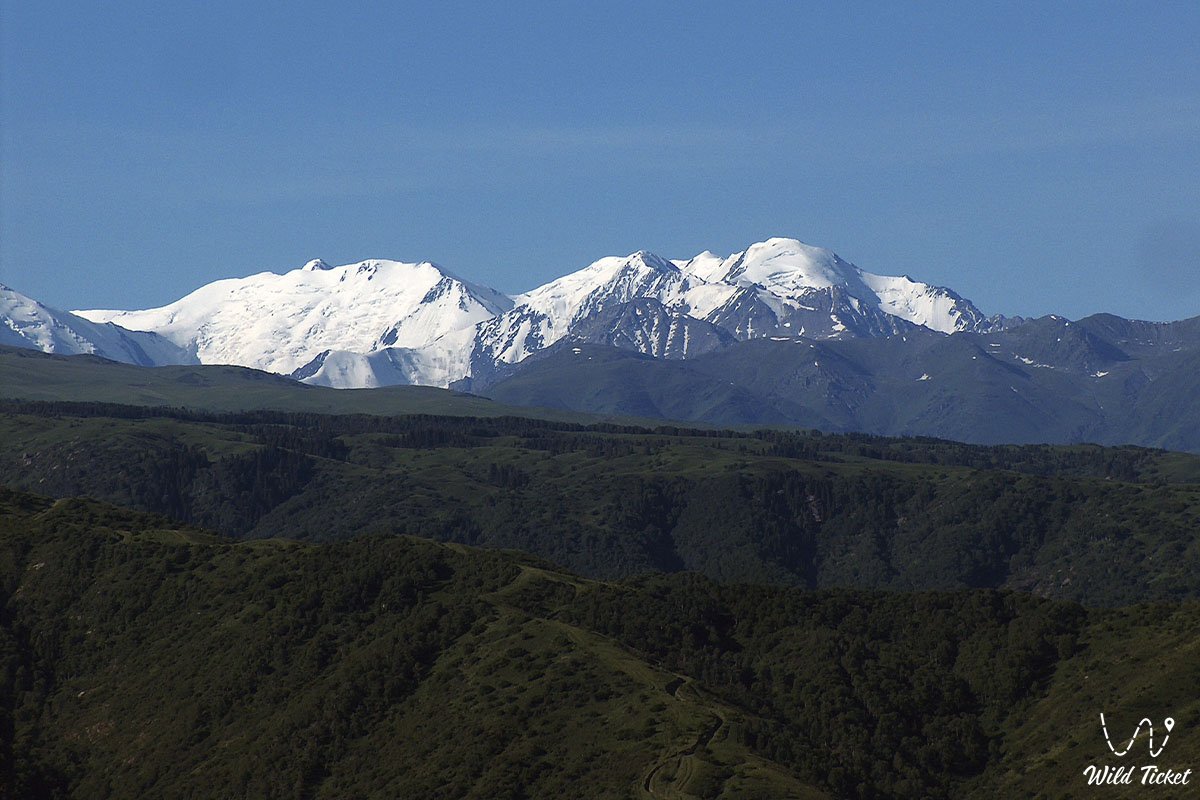
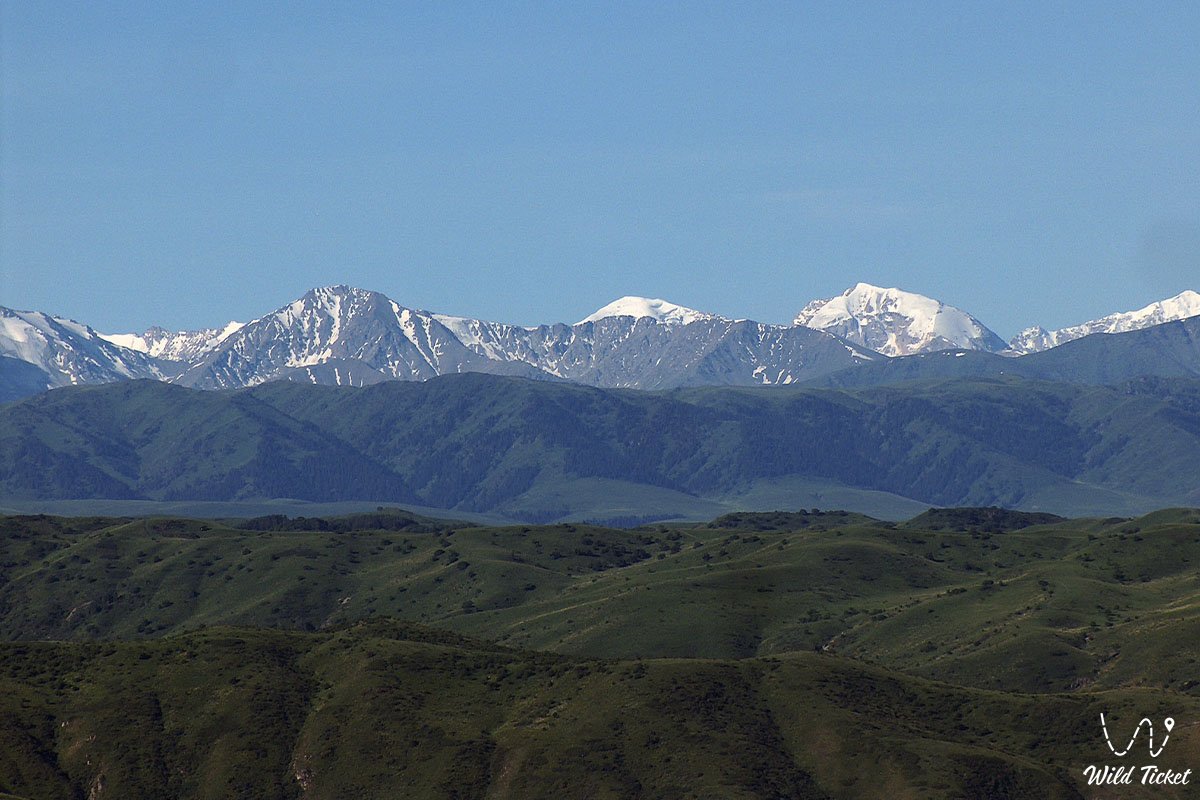
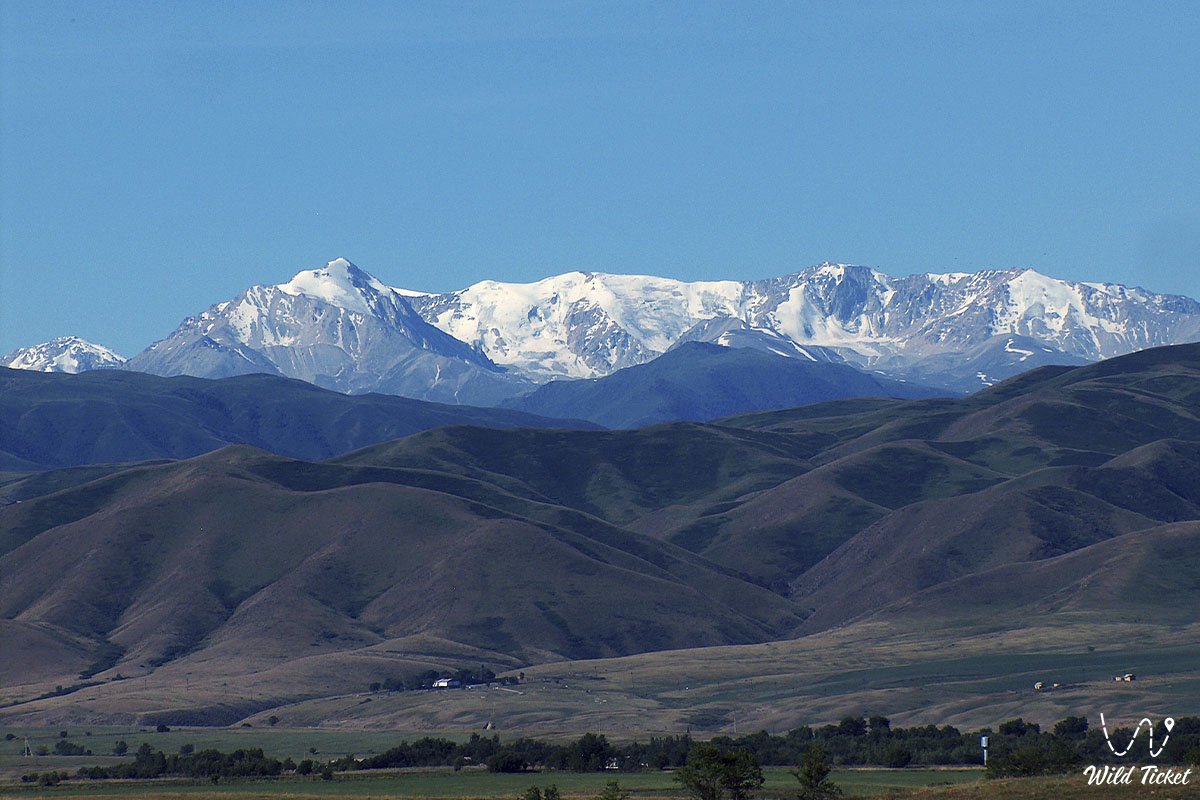
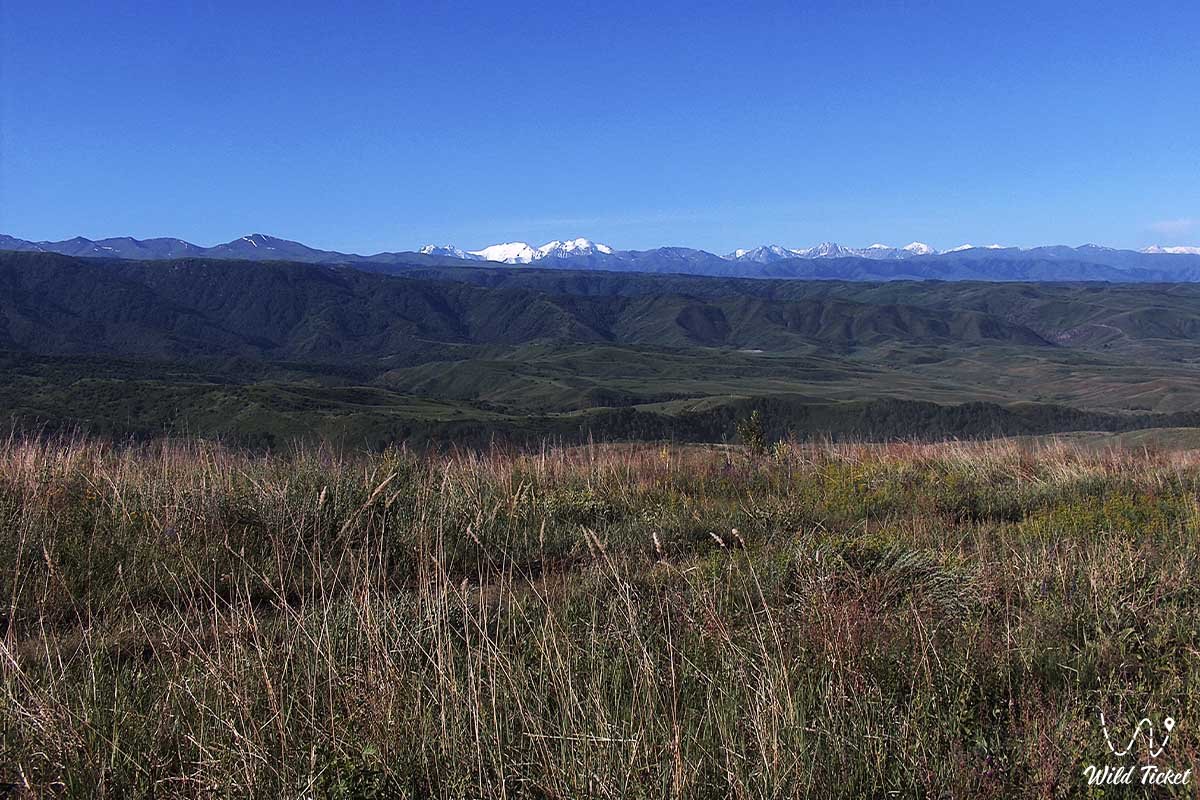
Photogallery:










Comments 2