Tour Falconry (falcon sport hunting) in Almaty region
Falconry is the sport of hunting with trained raptors, especially hawks and other birds of prey, to capture birds or terrestrial animals such as hares, foxes, and so on. A hunter captures and tames the bird of prey through conditioned reflexes, training it to hunt and be loyal.
The bird then captures other birds or any other prey, usually small or medium-sized quadrupeds. Falconry was a widespread practice in the Middle Ages across Europe and Asia.
In November 2010, falconry was declared an Intangible Cultural Heritage of Humanity because it is one of the oldest traditional hunting methods, selective in its prey, environmentally friendly, and respectful of the environment.
- Distance of the route:
108 km
- Season time:
July - September
- Best time:
June - August
- Group size:
not more 12 persons
- Days & nights:
1 day
Tour itinerary:
We leave the city for the Ush-Konyr Ravine. Our route will follow the Upper Kaskelen Highway along the foothills of the Trans-Ili Alatau Mountains. After fifty kilometers, we enter the Ush-Konyr Ravine.
The landscapes around us are picturesque. We will stop to take photos, drink water from sacred springs, and enjoy the views.
Upon reaching the ravine, we will be greeted with Kazakh tea, kumys (mare's milk), and ayran, and will also be offered shelpeks and baursaks. Next, we walk past the yurts to the falcon enclosure. The falconer will tell us about the origins of falconry.
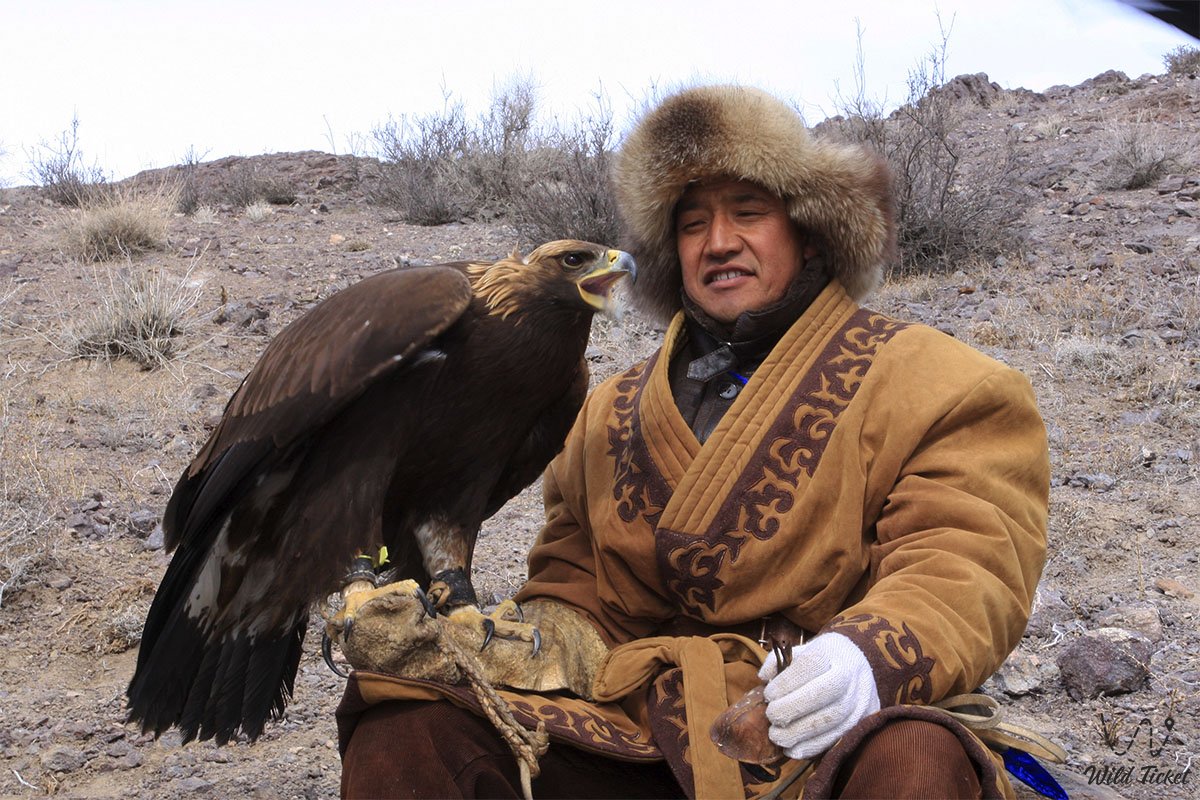
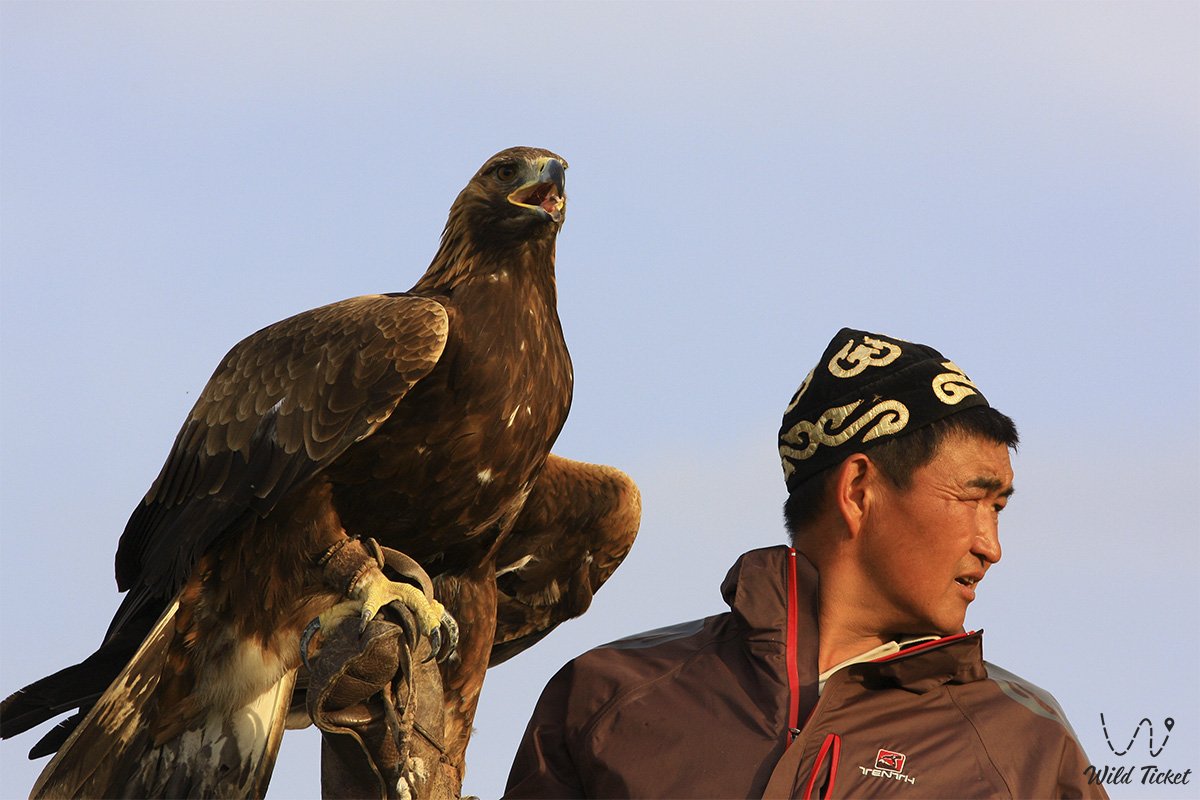
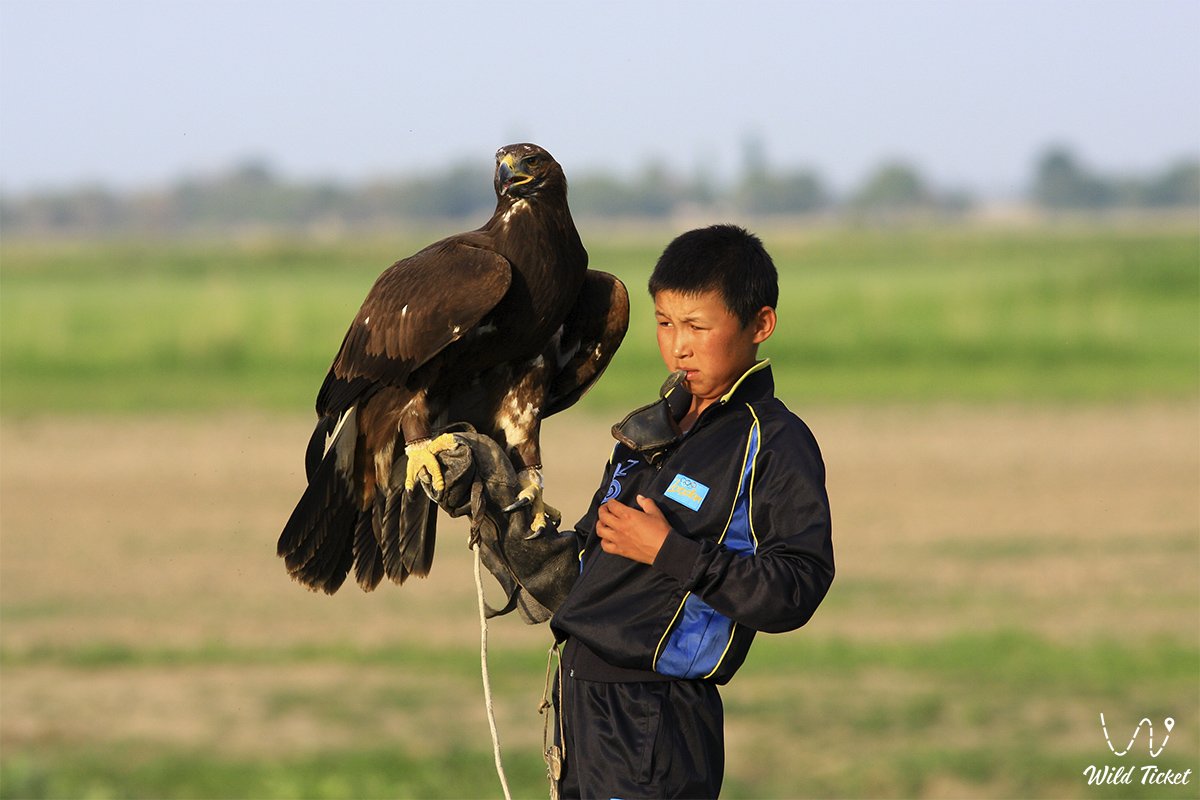
We take photos with the birds of prey; you can also put on a glove made specifically for falconry and hold a game bird. Then we stroll through the falconry grounds.
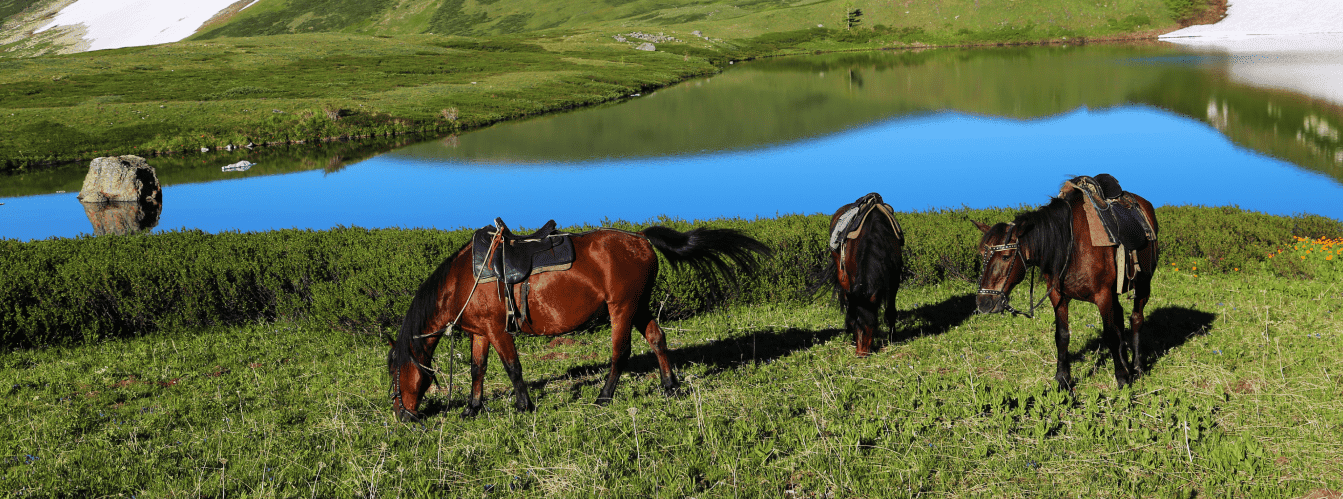
We depart from the yurts and ride through the ravine at an altitude of 1,500-2,000 meters above sea level, enjoying the beautiful scenery of the gorges with the babbling of clear mountain streams. The hills change color depending on the season, covered in a variety of flowers. The mountain meadows, called dzhailau, provide food for livestock.
Next, we'll pass a mountain lake inhabited by ducks and storks. If we're lucky, we might spot marmots, as well as roe deer and foxes. Soon, we'll arrive at the main destination of our horseback riding, a habitat for large birds of prey. Among them, we might see vultures, griffon vultures, kumais, bearded vultures, Egyptian vultures, and several different species of eagles and kites.
Next, we'll return to the yurts for a demonstration performance by a falconer, who will demonstrate various training methods for birds of prey and explain special hunting equipment. To make the falcon more resilient, maneuverable, and fast, it is trained with a lure.
The falcon is released into the sky to gain altitude and then, diving down at high speed, attempts to grab a lure. The falconer, making the task more challenging, prevents the falcon from easily catching the lure by twirling it overhead and yanking it away from the falcon's attempts to grab it. After repeating this training several times, the falcon allows the falcon to seize the "victim." After the falcon has seized the prey, it is rewarded with meat.
The next training session is an "insect hunt." Large falcons naturally catch large insects while waiting for prey to appear. Released into the sky, the falcon circles in anticipation of its prey, then returns, diving down at high speed, and catches a small piece of meat tossed to it by the falconer.
The falcon then flies back into the sky and eats the prey from its claw. This process is repeated several times, and at the end of the training, the falconer tosses the lure into the air, and the falcon brings it down as if it were a bird.
We dine in the yurt, or on trestles and carpets spread on the grass. Traditional Kazakh dishes, as well as salads and fruit, await us. The hosts tell us about local life and Kazakh traditions, as well as the proper preparation of national dishes. You can ask questions.
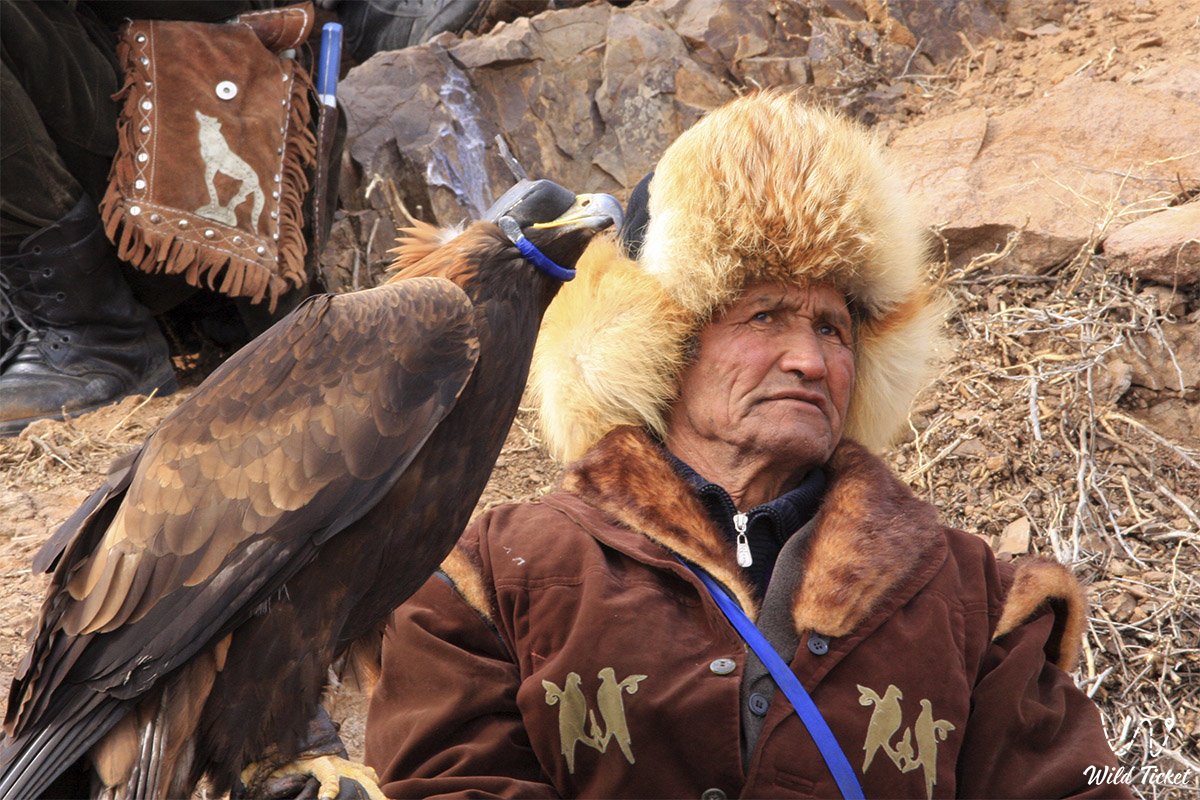
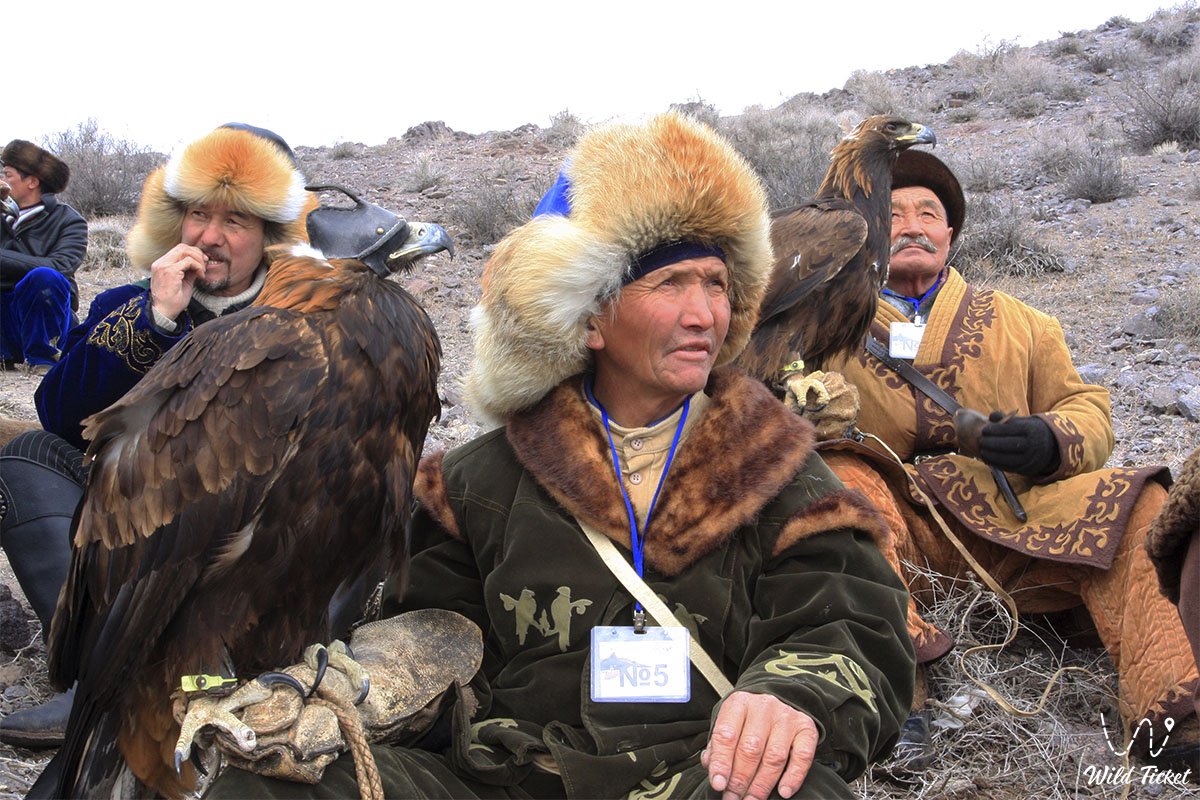
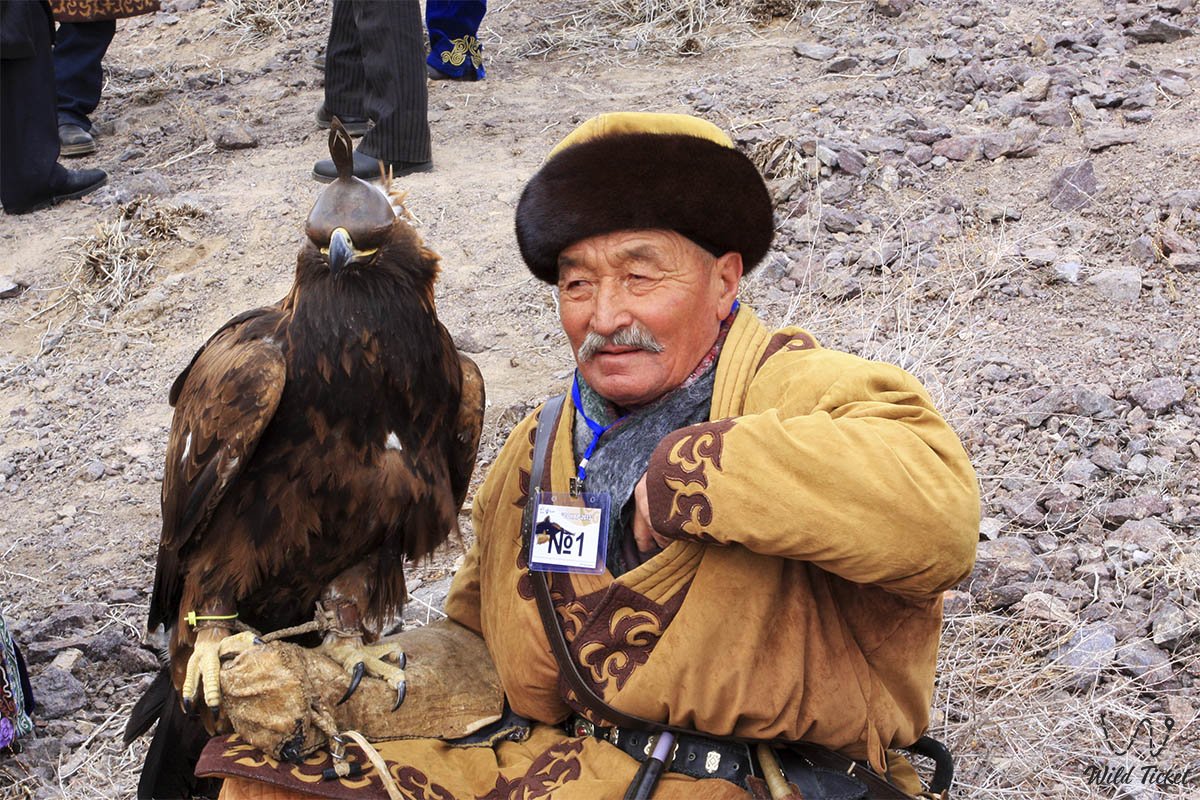
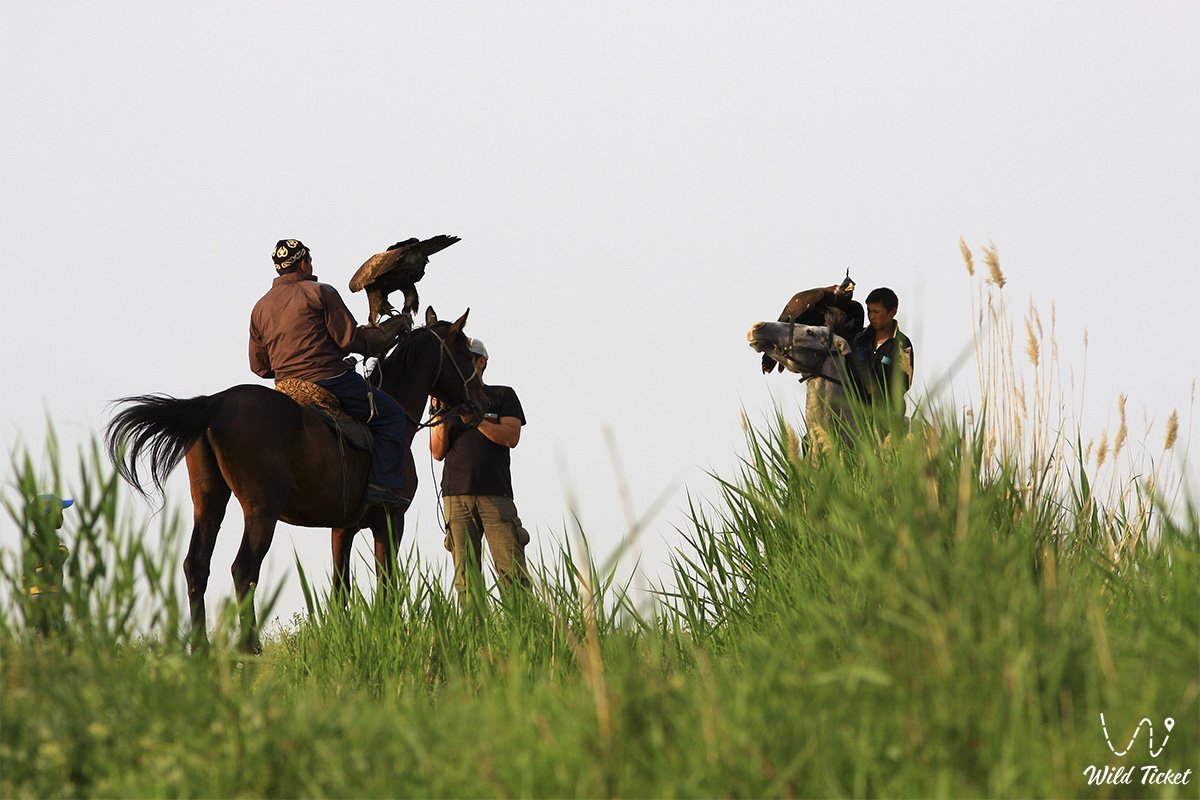
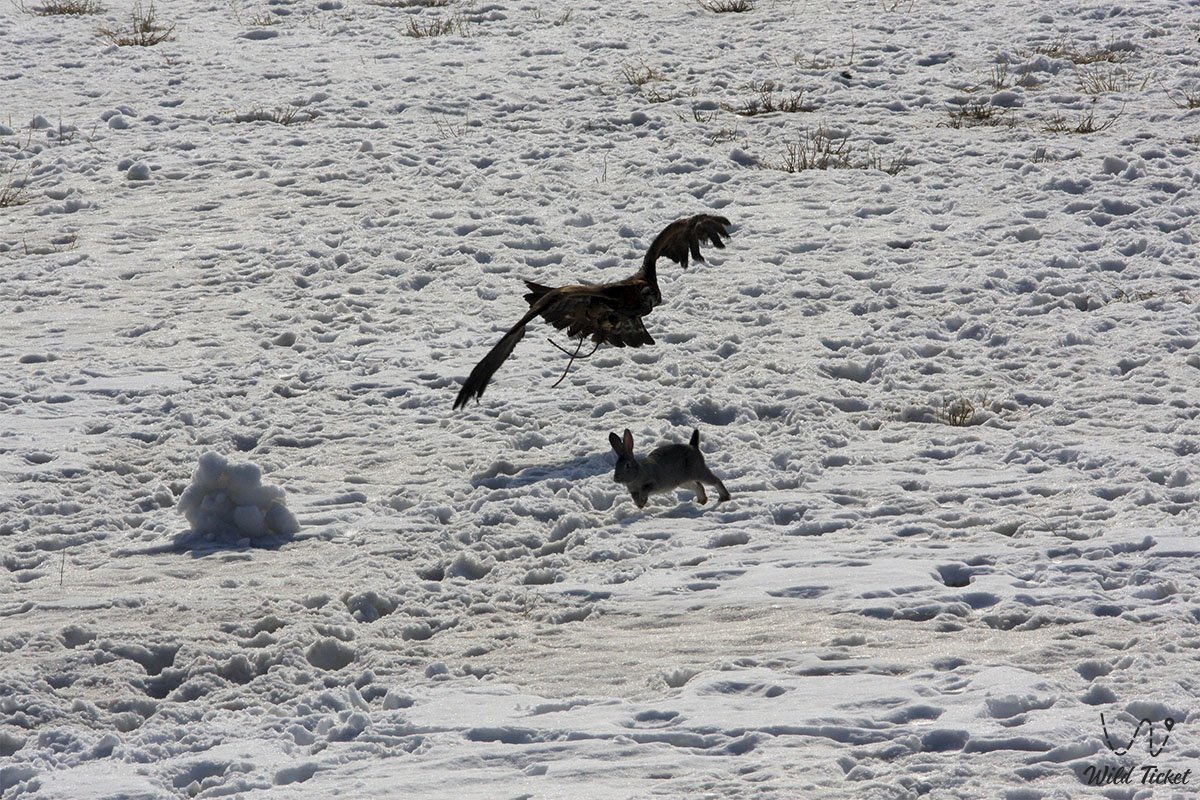
Next, we ride behind the falconer, carrying a golden eagle on his glove. Since prey is difficult to find, and wild animals like hares and foxes hide in rock crevices and bushes, the trip drags on, lasting several hours. But at the end, with a loud cry and whistle, the falconer's assistant finally spots the golden eagle's prey and gallops forward on horseback.
The falconer races after his assistant with the golden eagle, its wings spread and balanced on his hand. A few moments later, it flies off the falconer's glove and swooshes down into the grass. The guests surround the hunter who has killed the hare.
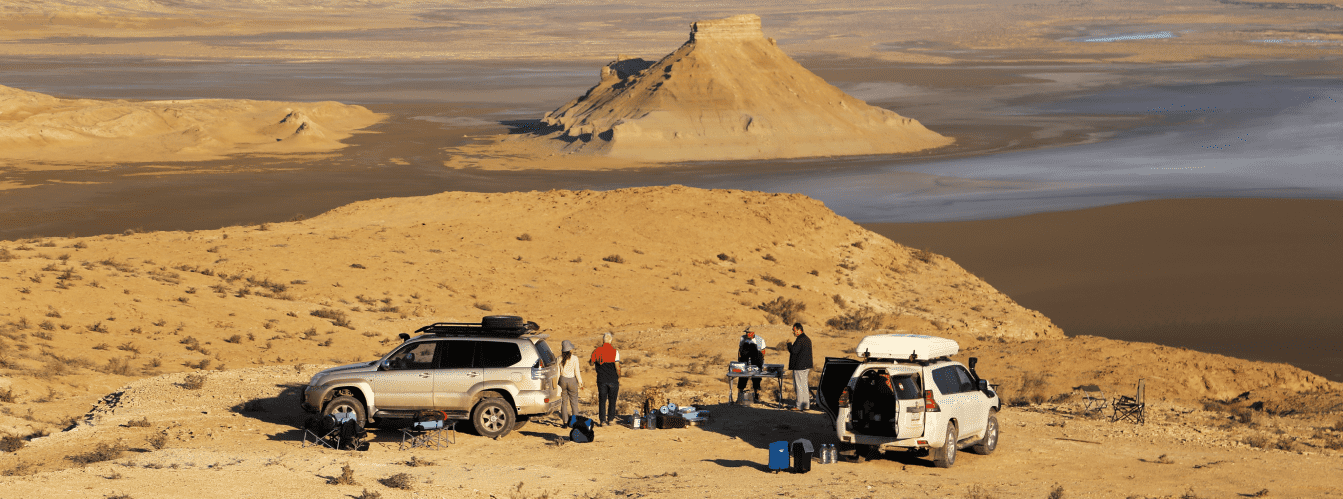
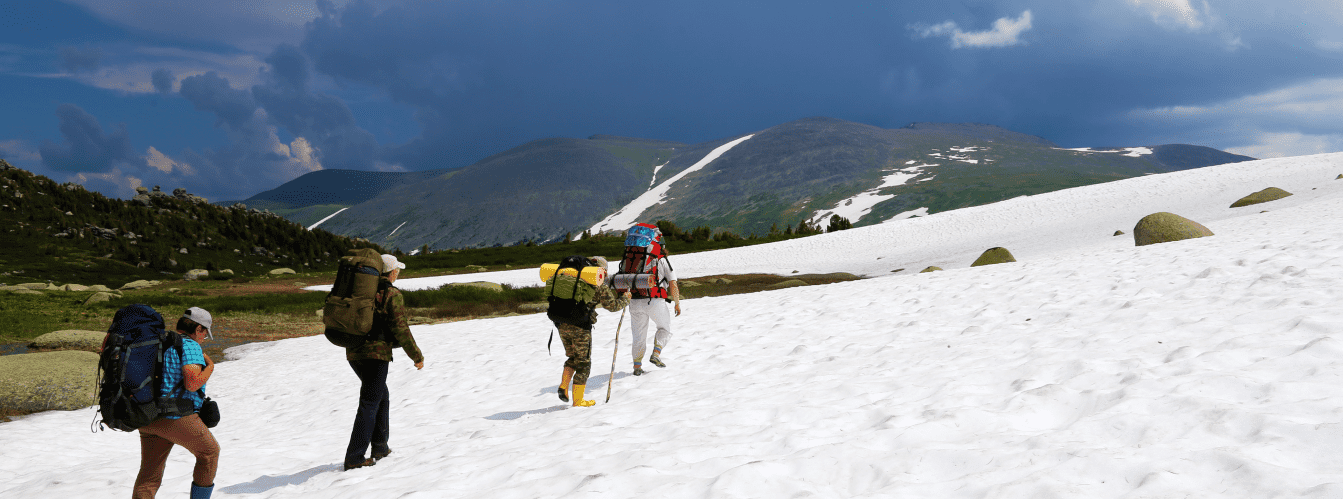
Since everything takes place outdoors, many details will depend on the time of year and weather, as well as the physical fitness of the participants (horseback riding, car, or foot). The composition and number of hunting birds can be changed at the customer's request.
Photogallery:











Comments 2