Saura Tract
Rocky limestone amphitheater, relict freshwater lake Karakup –
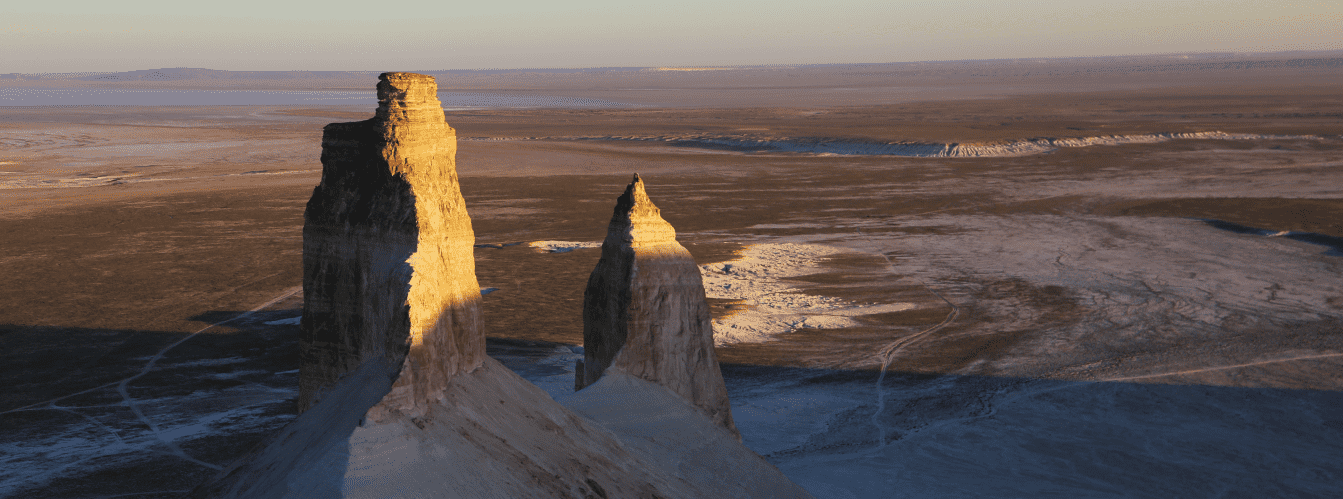
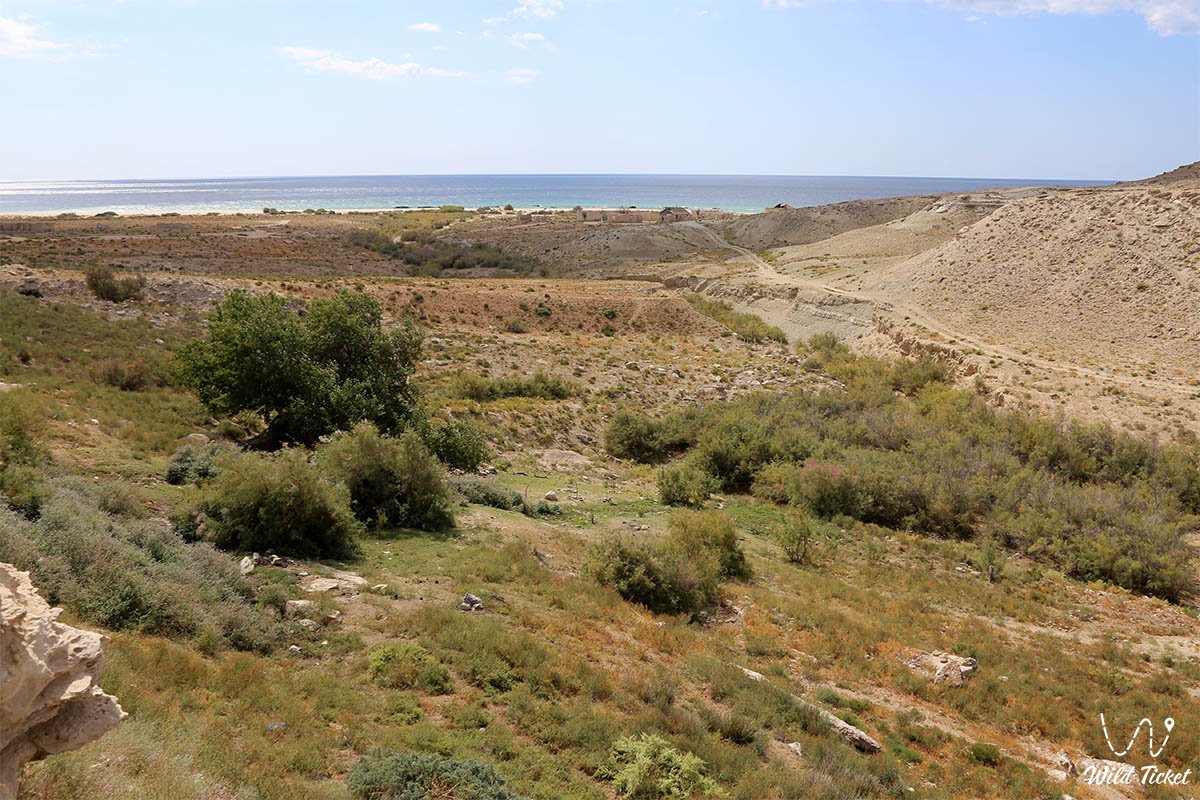
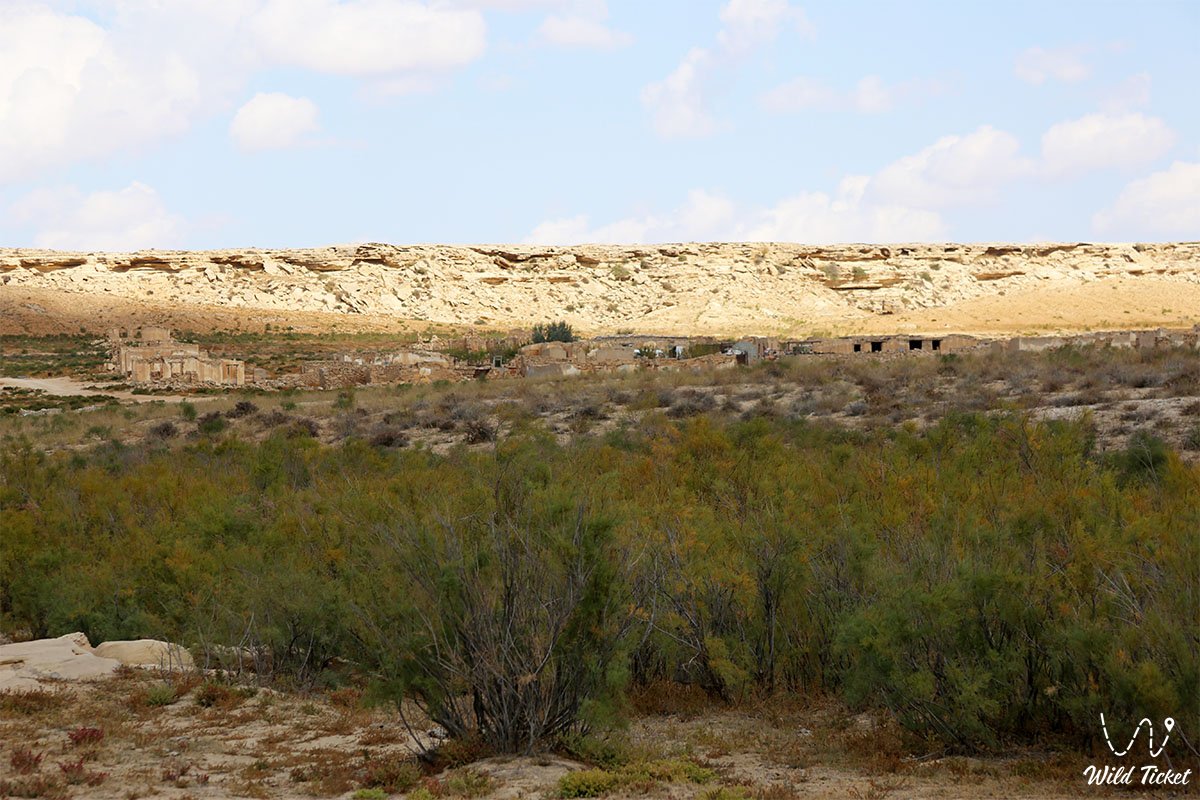
The Saura Tract (Kaz. Saura shatqaly) represents a scenic erosional rock canyon with the relict freshwater body of Karakup in the west of Kazakhstan. This flowering oasis is sheltered in a deep tectonic fault on the eastern coast of the Tupkaragan district, where overhanging fifty-meter limestone walls provide relief from the scorching sun.
This entire remarkable natural defile serves as an essential historical, cultural, and ecological gem of the Mangystau region, striking travelers with the sharp contrast between parched semi-desert and the lush green of centuries-old tree canopies. Just one and a half kilometers to the west, the Caspian Sea breaks its waves against a soft coquina shore, linked through subterranean karst aquifers to the freshwater lake hidden within the gorge.
In the excursion and tourism geography of the Tupkaragan cluster, the Saura tract stands as one of the most appealing and accessible routes for family outings and discovery journeys. Just 85–90 kilometers to the southeast along a paved highway lies the regional center Aktau, from where the route to the canyon head passes through the seaside villages of Akshukur and Sayyn Shapagatov.
Traveling further northwest along the coastline reveals other renowned landmarks of the region: the deep rocky cleft of the Tamshaly tract with its weeping cornices, the colossal geological Zhygylgan sinkhole with fossil tracks of saber-toothed cats, wild Cape Tyub-Karagan, the historic fort of Bautino, the relict poplar grove of the Khanga-Baba tract, and the sacred regional site of the Khanga-Baba necropolis.
The geological framework of the tract is composed of thick layers of Sarmatian coquina limestones deposited on the bed of the ancient Tethys Ocean and sculpted over millions of years by underground karst waters. From the central part of the canyon, tracks head east into the interior of the Mangyshlak Peninsula: toward the sacred Mount Otpan-Tau with the historical Aday-Ata complex, the mystical valley of spherical concretions Torysh, solitary residual Mount Sherkala, the multicolored Jurassic clays of the Kokala tract, and the narrow slate gorge of Karadayirmen.
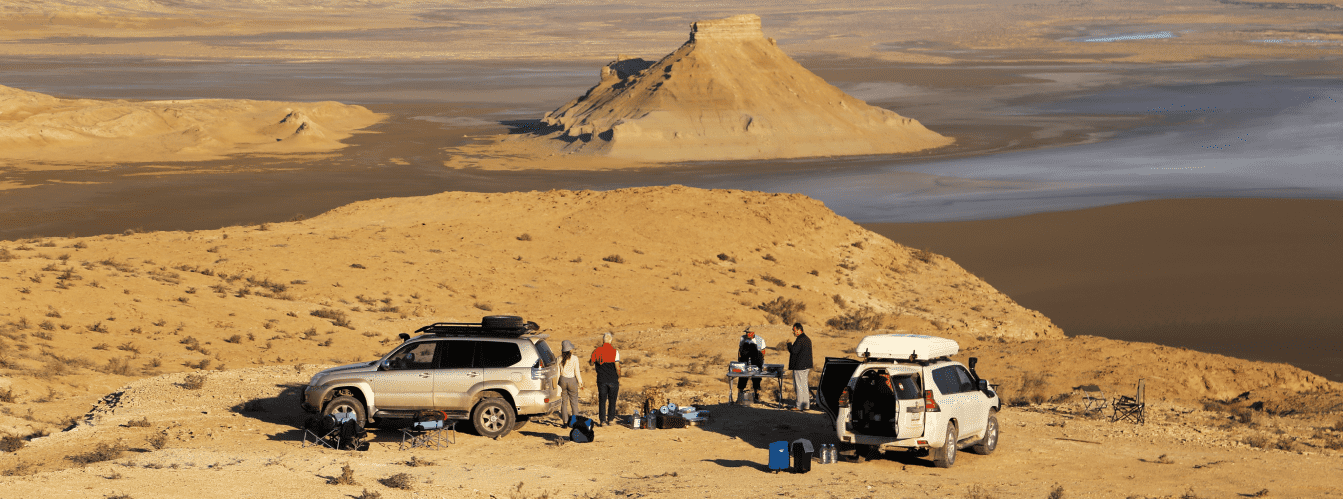
The primary wonder of the canyon is deep freshwater Lake Karakup ("Turtle Lake"), enclosed within a semicircular rock cirque resembling the crown of a yurt, which shelters an isolated relict population of the European pond turtle. Close to the main gorge lies a second, little-known gorge with a twin lake, while the ruins of a Bronze Age stone fortress stand on the plateau. After resting in the coolness of the oasis, explorers steer their 4x4 vehicles southeast toward the chalk castles of the Bozzhira tract, the salt flats of Tuzbair and Kenderli, banded Mount Bokty, the Karynzharyk depression, and the strictly protected grounds of the Ustyurt Nature Reserve.
For road-trippers and travelers, the Saura tract serves as an ideal seaside refuge: visitors come here for the rejuvenating cool of freshwater springs amidst arid plateaus, scenic beach camping along the Caspian surf just a short walk away, and the singular experience of observing relict turtles swimming in deep stone-walled waters. Today, the tract and Lake Saura are recognized as an unmatched natural monument and sacred haven of Mangystau, attracting travelers, local historians, and wildlife photographers with refreshing springs, friendly encounters with turtles, the aroma of wild mint, and the gentle surf of Caspian shores.
--------------------------------------------
How to get there and visit –
The Saura Tract and turtle lake are situated in the southwestern part of the Tupkaragan district, on the eastern coast of the Caspian Sea, where along its latitude the Tupkaragan Peninsula begins. The distance from the city of Aktau is roughly 85–90 km to the northwest (about 69 km in a straight line), from the district center town of Fort-Shevchenko – about 53–55 km, and from the historic settlement of Tauchik – approximately 65 km.
GPS geographical coordinates of Lake Saura (Karakup):
44°13'46"N 50°48'23"E
The road route from Aktau runs north along a quality paved highway of republican significance Aktau – Fort-Shevchenko through the suburban settlements of Akshukur and Sayyn Shapagatov. At kilometer 83–84 of the highway, a roadside sign indicates the turnoff for Saura, from where a well-beaten dirt road leads left (seaward) for about 7–8 km. Travel time from central Aktau by passenger car takes roughly 1.5 hours.
Access roads and terrain capability: in dry weather, any standard city sedan easily reaches the upper parking area and tourist viewing platform at the rim of the canyon. However, if you plan to bypass the gorge and descend directly to the coastal coquina beach of the Caspian along the dry wash, a high-clearance crossover or a prepared 4x4 vehicle is strictly required: the shoreline section features stretches of deep loose sand, shifting coquina gravel, and rocky runoffs.
Walking descent into the canyon: from the upper parking area, a gentle footpath meanders along the rock wall through blooming tamarisks down to the canyon floor. A relaxed walk to Lake Karakup takes 10–15 minutes. The route is straightforward and safe for children and seniors, though closed shoes with traction (sneakers or trekking sandals) are recommended, as the trail crosses smooth limestone slabs and loose gravel.
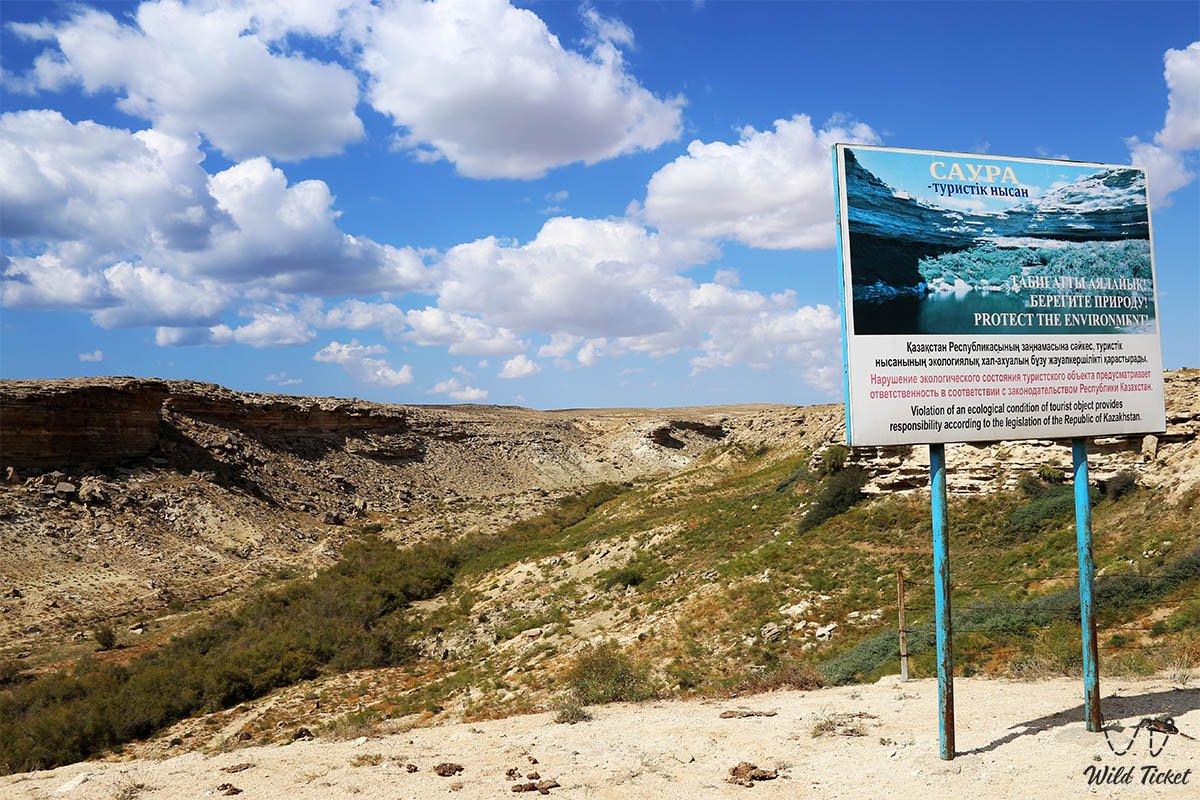
Visiting regulations and ecological safety: the Saura tract has been under state protection since 1993, and in 2018 it was inscribed onto the State List of Historical and Cultural Monuments of Local Significance.
The following are STRICTLY PROHIBITED:
– Catching, handling, taking out of water, or removing pond turtles (this is a protected regional relict biotope);
– Swimming in freshwater Lake Saura (soaps, shampoos, and sunscreens are lethal to this enclosed water body; a sea beach is located 1.5 km down the gorge for swimming);
– Tossing bread, snacks, or trash into the water;
– Lighting open campfires beneath old willow trees or within tamarisk stands (only portable gas burners are allowed);
– Driving motor vehicles onto the canyon floor or into freshwater spring beds.
Infrastructure: a trilingual information stela stands at the entrance of the tract, and the upper rim features an observation terrace with shaded picnic gazebos and a public restroom. Permanent hotels and cafes are absent on site. The nearest brand-name gas stations, shops, pharmacies, and tire shops are in Sayyn Shapagatov, Akshukur, or Fort-Shevchenko.
For comfortable day trips or beach tent camping by the sea, carry an autonomous supply of drinking water (at least 4–5 liters per person), insect repellent, sun hats, and heavy-duty trash bags to pack out all waste. Mobile reception and 4G internet function reliably on the upper plateau, but signal may cut out under fifty-meter rock cornices inside the canyon.
The best season to visit is spring from late April to early June: turtles emerge from winter torpor, the air is fragrant with wild mint and lilac tamarisk blooms, and springs run at full strength. July and August combine the shade of the oasis with warm swimming in the Caspian, though midday plateau temperatures can reach +36...+38 °C. Early autumn (September – October) brings golden foliage, comfortable weather free of heat, and sightings of newly hatched baby turtles.
--------------------------------------------
History
The history of the Saura tract spans four millennia – from Bronze Age fortifications and Silk Road trade routes to strategic defense installations of the Great Patriotic War.
During the Bronze Age (2nd millennium BCE), the stone fortress of Saura was erected on a high rocky promontory overlooking the canyon. In 2014, comprehensive archaeological excavations were carried out here under archaeologist Andrey Astafyev. The citadel featured a deliberate zigzag layout with a continuous internal corridor built of dry-laid limestone slabs. At a depth of 2.5 meters, researchers excavated the burial of an aristocratic woman, handmade pottery sherds, flint arrowheads, and a ritual stone tablet incised with a grid of 21 cells bearing red ochre markings. Severe structural damage along the walls indicates that the citadel fell during a cataclysmic prehistoric earthquake. An ancient necropolis with saganatam-type tomb structures remains on the upper plateau.
During the Middle Ages, the canyon served as a crucial caravan station along the Great Silk Road leading inland from the shores of Tupkaragan. Plentiful freshwater springs allowed merchant caravans to water hundreds of camels and shelter from nomadic raiders.
In the late 19th and early 20th centuries, the fishing enterprise of Astrakhan merchant Zakhar Dubsky operated along the Saura coast. His trade station and ice storage cellars stood here, preserving sturgeon and mullet harvested in Tupkaragan waters with ice before dispatching them aboard sailing smacks to Astrakhan.
During the Great Patriotic War, the isolated coast of Saura was chosen for defense installations. Fish-canning facilities were evacuated here (including the "Krasny Moryak" plant from Lugansk, the Kalmyk Fish Trust, and the Kizlyar station), where hundreds of women and youths worked round the clock processing provisions for the front. In addition, a classified military workshop operated at the mouth of the canyon, assembling and testing high-maneuverability "Malyutka" naval and aviation torpedoes.
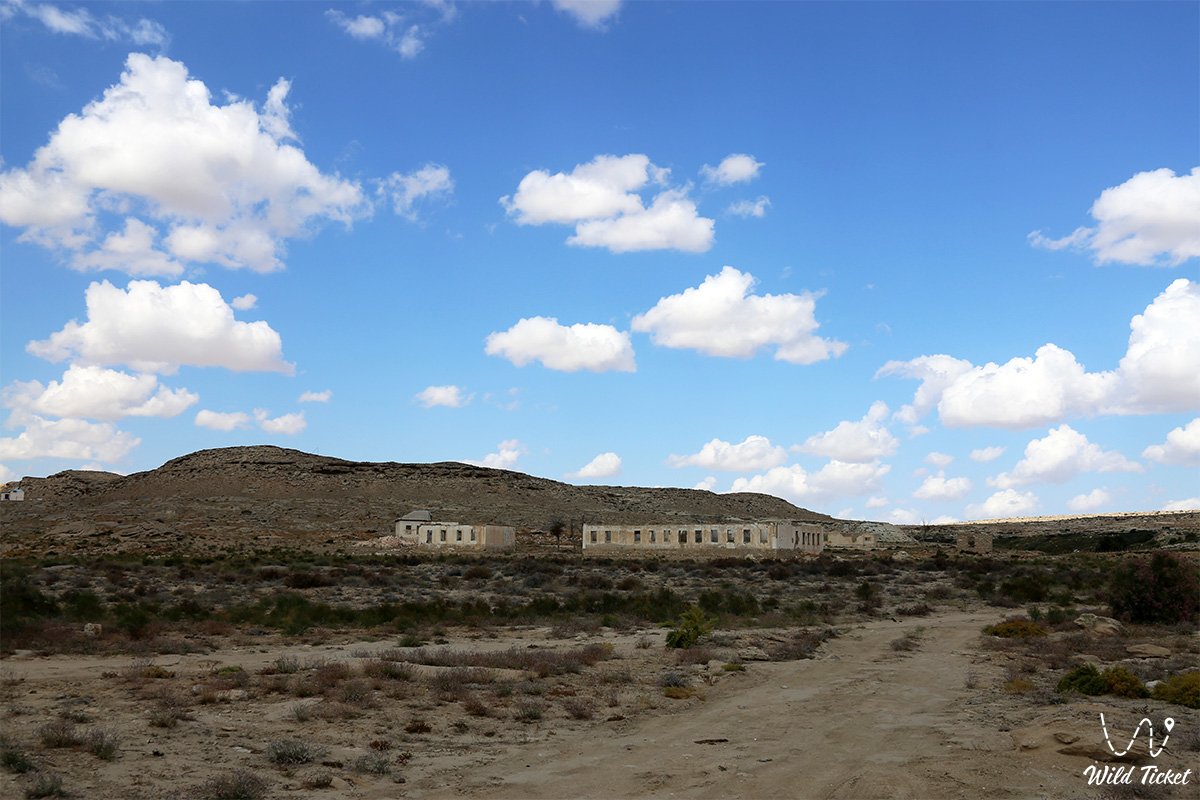
In the 1960s, a geophysical seismic party surveying Mangyshlak's oil and gas structures was stationed in the tract. A wooden signboard reading "Seismic Party" on tall stilts still stands at the entrance of the current shepherd settlement as a reminder of that period. By resolution of the regional administration on May 7, 1993, the Saura tract was placed under state protection, and in January 2018 it was registered as a historical and cultural monument.
Information
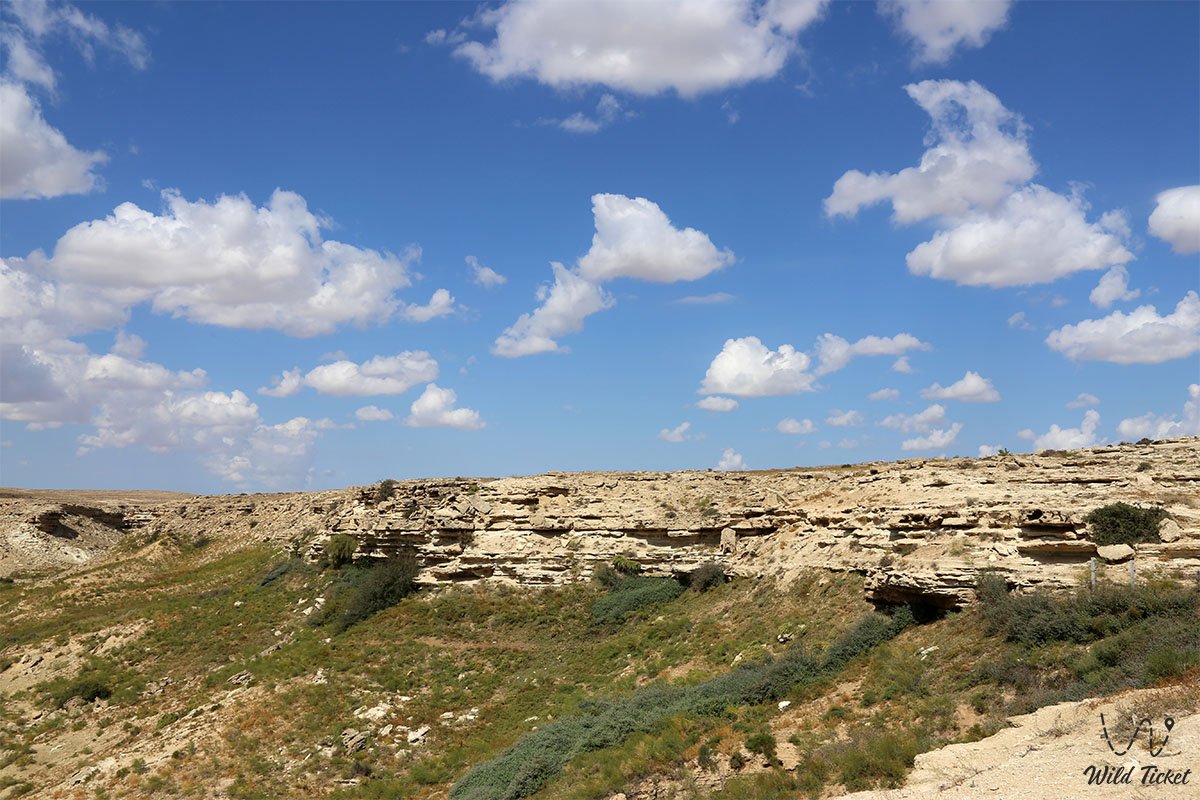
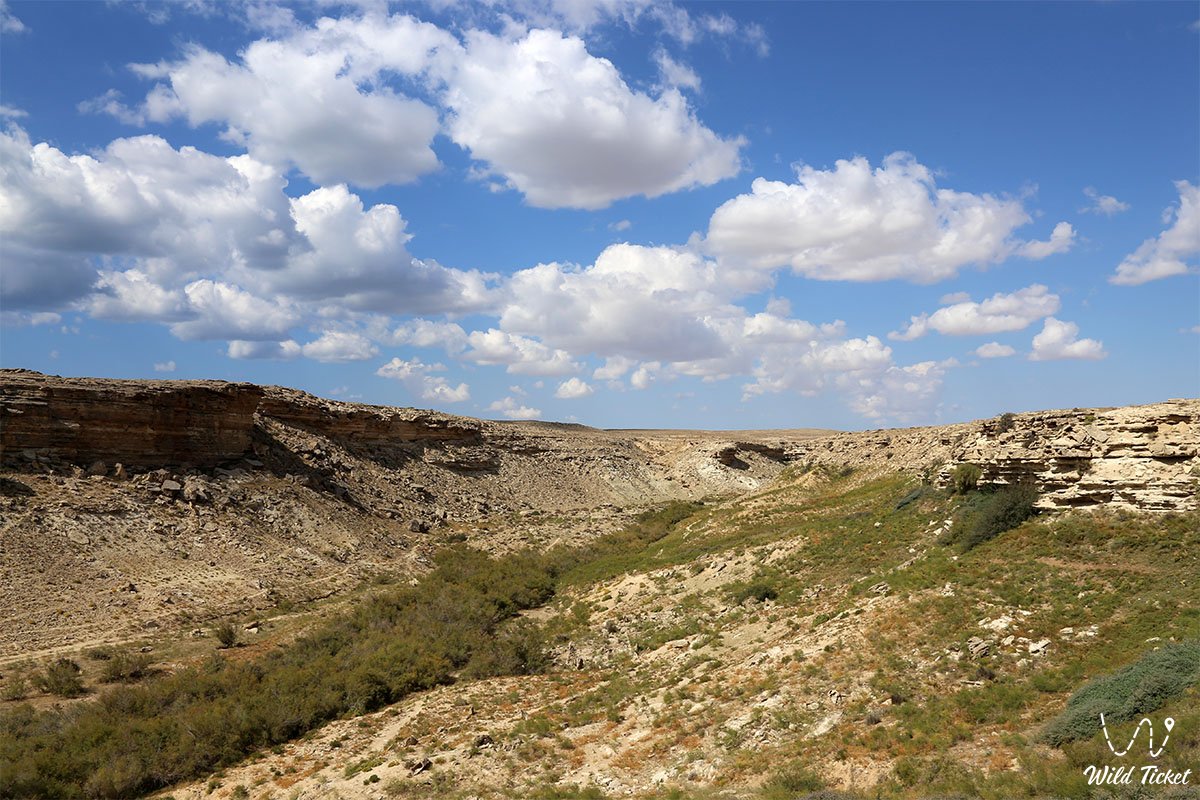
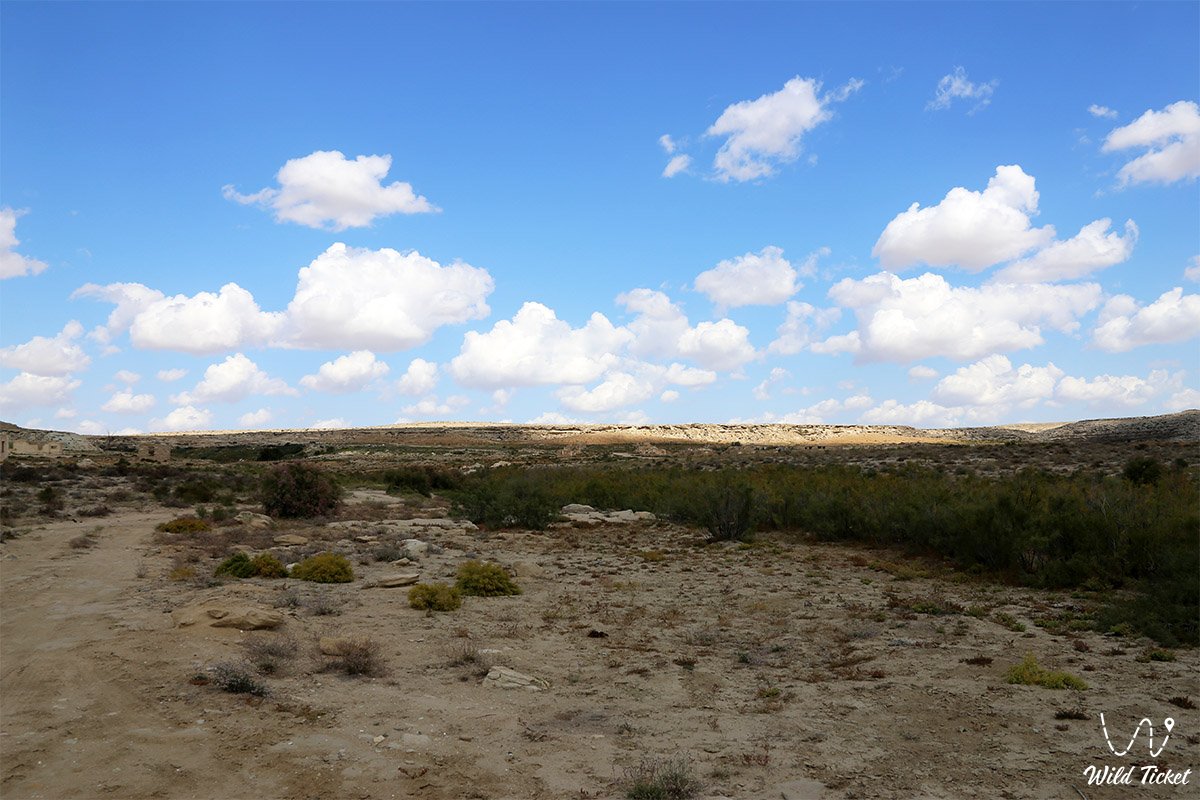
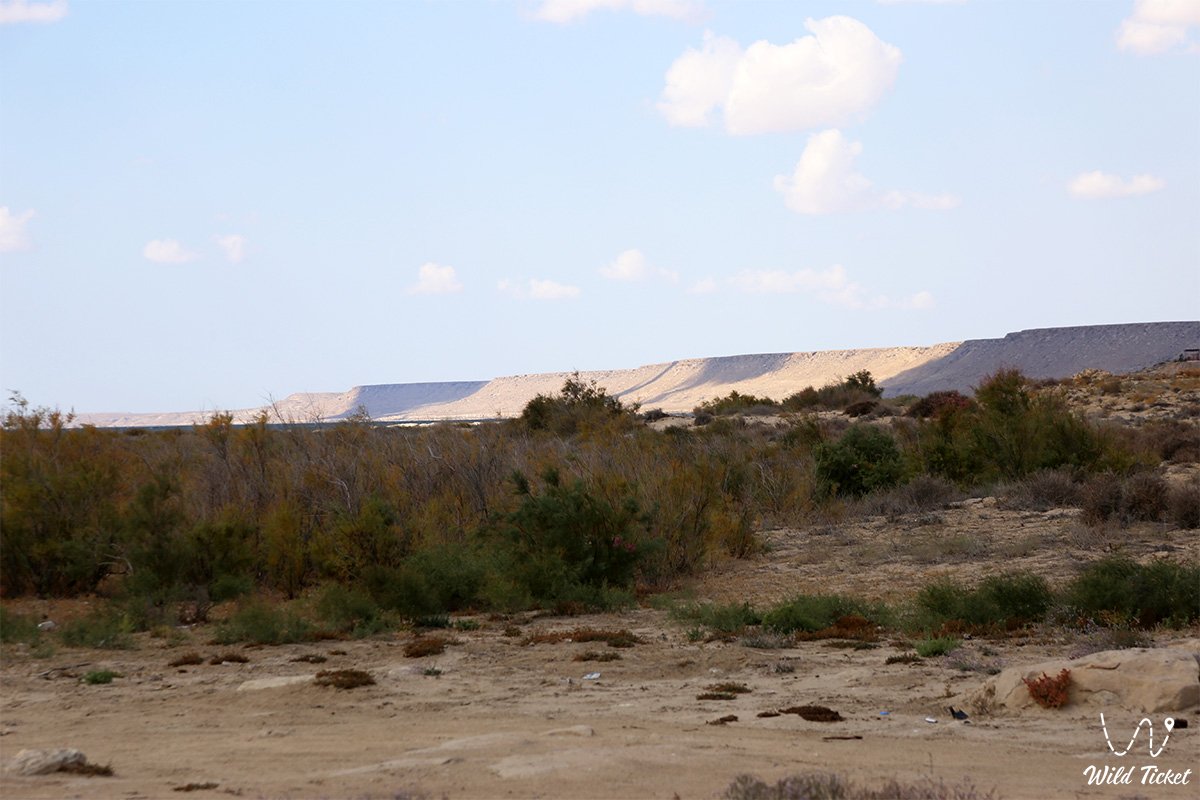
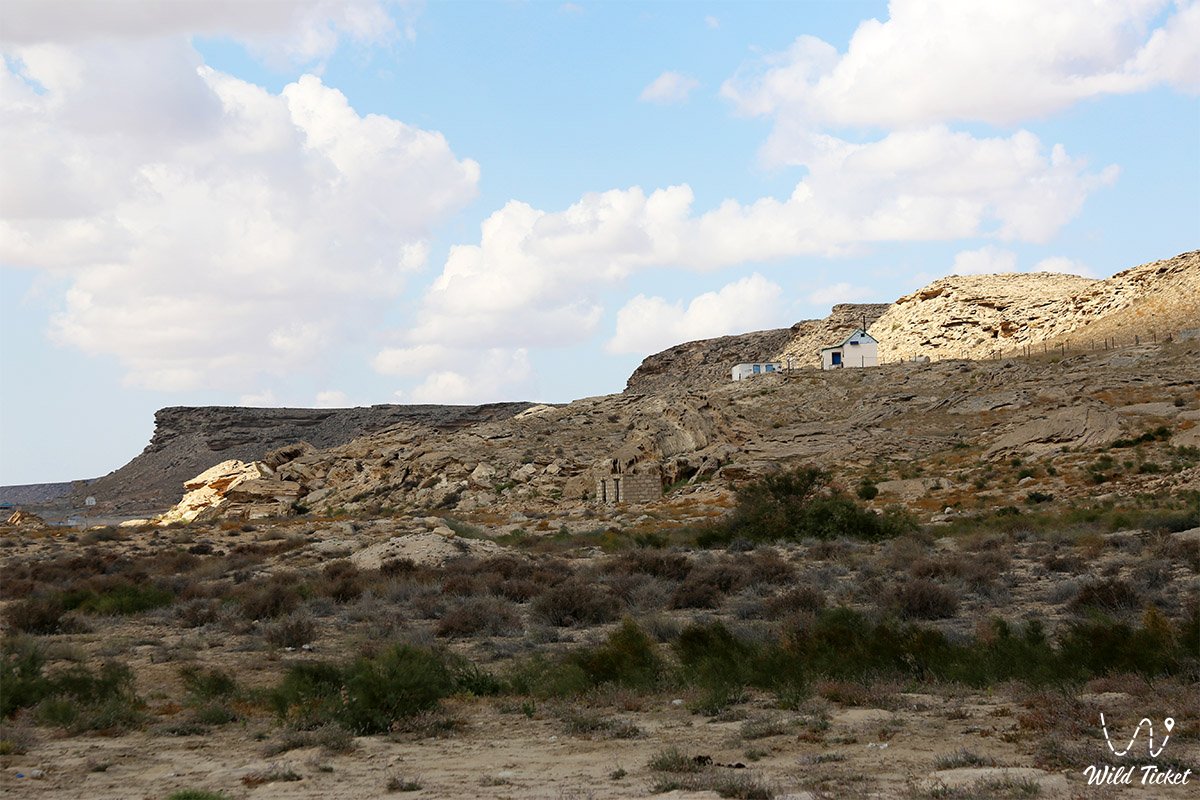
Geomorphologically, the Saura tract is a deep erosional-karst canyon extending 2.5–3 kilometers, slicing through the flat limestone plateau of Tupkaragan and opening broadly toward the Caspian Sea. The canyon walls consist of sheer vertical cliffs rising 45–50 meters high, forming a cyclopean spherical amphitheater. The elevation drop between the upper plateau rim (+40...+50 meters) and the Caspian waterline (-28 meters) creates a sheltered basin.
The geological section clearly displays Paleogene and Neogene marine strata from the ancient Tethys Ocean. Cliff scarps expose dense slabs of yellowish-gray Sarmatian coquina limestones, oolitic limestones, marls, and underlying sandy clays. The upper rock cornice projects out over the lake basin, shielding the bottom from direct sunlight. Karst dissolution and groundwater circulation carved grottoes, wind-scoured hollows, and fracture channels throughout the limestone.
The hydrological regime is unique: at the floor of the enclosed amphitheater sits freshwater Lake Saura (Karakup), measuring roughly 40–50 meters across and reaching depths of 3–5 meters. The lake lacks surface river inflows and is fed by fissure springs welling from lower cliff horizons. Surplus clean water filters through bed gravels into a stream that flows 1.5 km down the wash directly into the Caspian Sea during wet years. The water is slightly mineralized, clean, and maintains a stable temperature of +14...+17 °C. Researchers infer deep karst channels connecting the lake basin with the sea.
Adjacent to the main canyon lies a second gorge housing Saura's twin lake, concealed among cliffs, where an outlier crowned by an ancient tree rises beside spring-fed waters.
Soil cover on the canyon floor consists of moist, dark alluvial-meadow soils rich in organic matter, whereas the upper plateau features thin, gravelly gray-brown desert soils.
The climate is temperate desert with strong maritime moderation. In summer, the canyon walls shield the floor from desert winds, maintaining a microclimate 5–6 degrees cooler than the sunbaked plateau (+30...+33 °C versus +38 °C). Winters are mild with average January temperatures of -2...-4 °C. Annual precipitation averages around 140–160 mm.
Detailed description of the venue
The natural and archaeological ensemble of the Saura tract includes the following key zones, historical ruins, and recreational areas:
• Rock amphitheater of Lake Karakup – a semicircular vertical limestone wall 50 meters high arching over the lake like the dome of a giant yurt.
• Freshwater Turtle Lake – a deep pool of crystal-clear spring water where pond turtles bask upon sunlit snags and moss-covered stones.
• Second gorge and twin lake – a secluded neighboring canyon featuring a separate spring pool, a rock outlier with a relict tree, and thickets of wild mint.
• Ruins of the ancient Saura fortress – archaeological excavation of a zigzag dry-laid stone citadel from the Bronze Age on the high plateau.
• Ancient necropolis on the plateau – stone burial monuments of the saganatam type bearing clan tamgas, overlooking the sea.
• "Seismic Party" historical sector – a shepherd homestead preserving a 1960s wooden signboard from geophysicists alongside relics of Dubsky's fishing station.
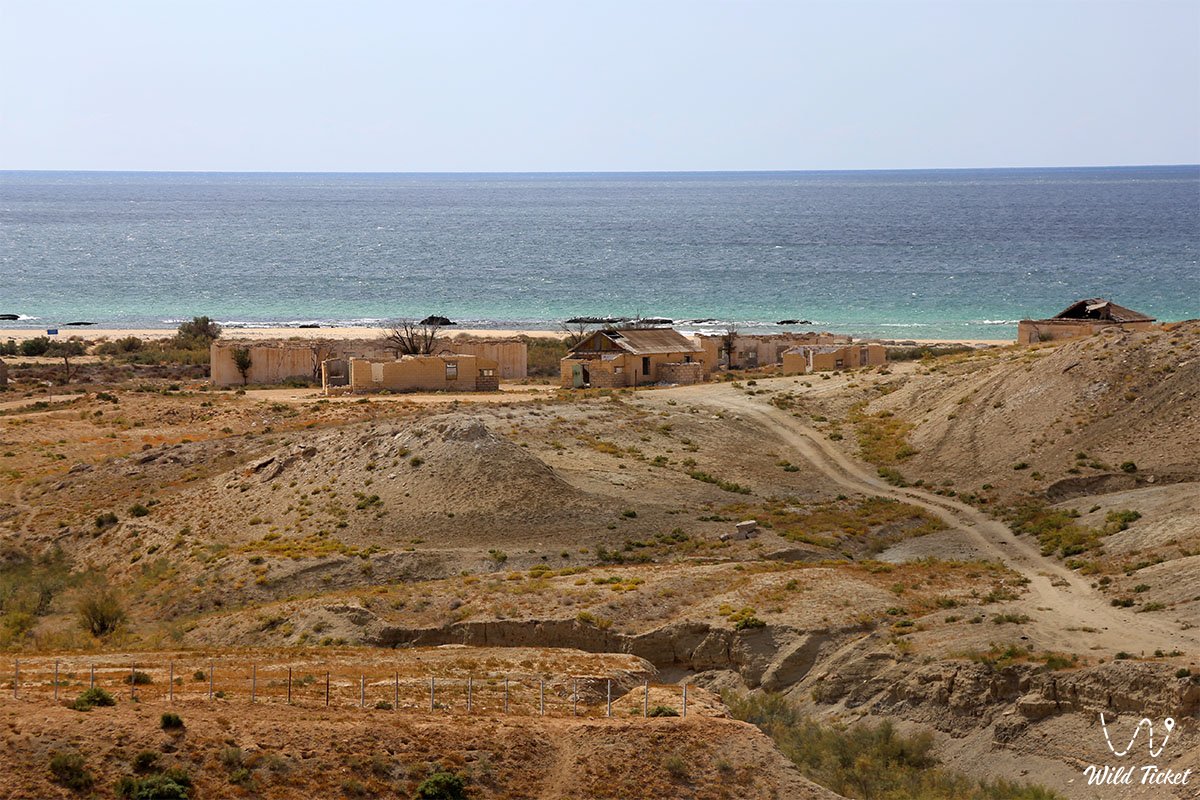
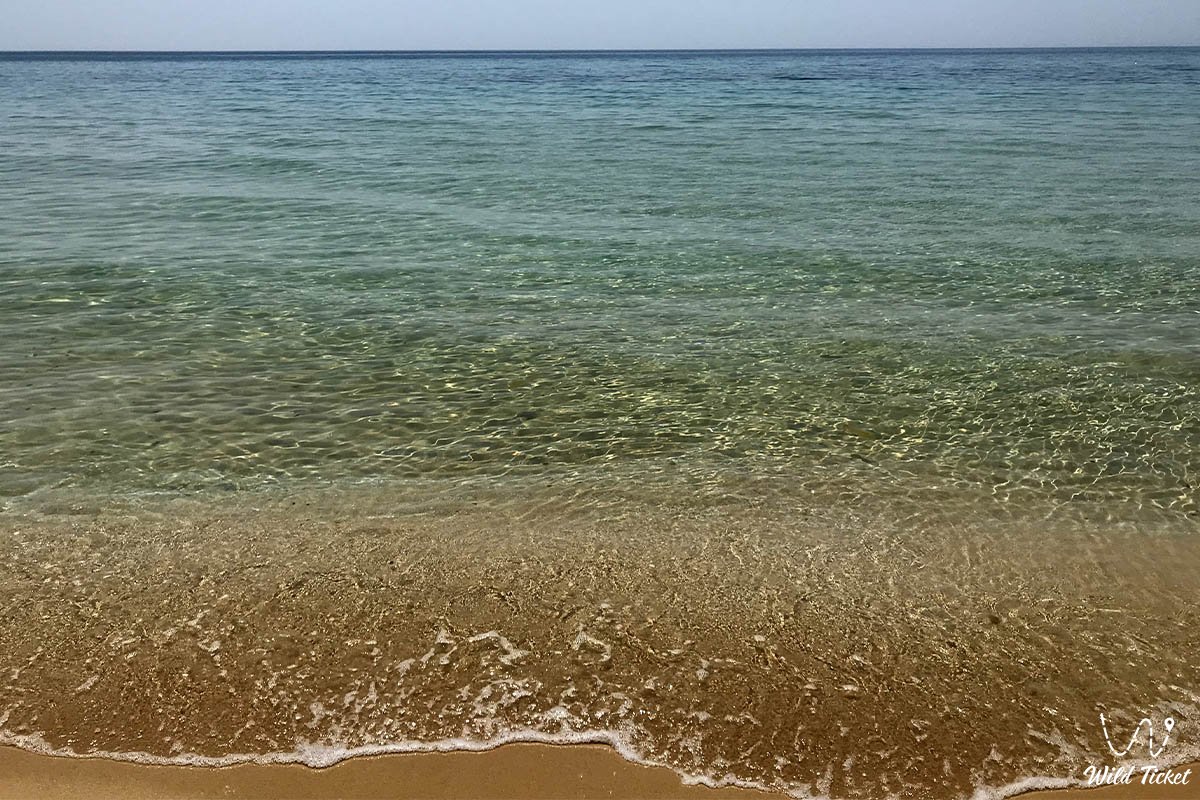
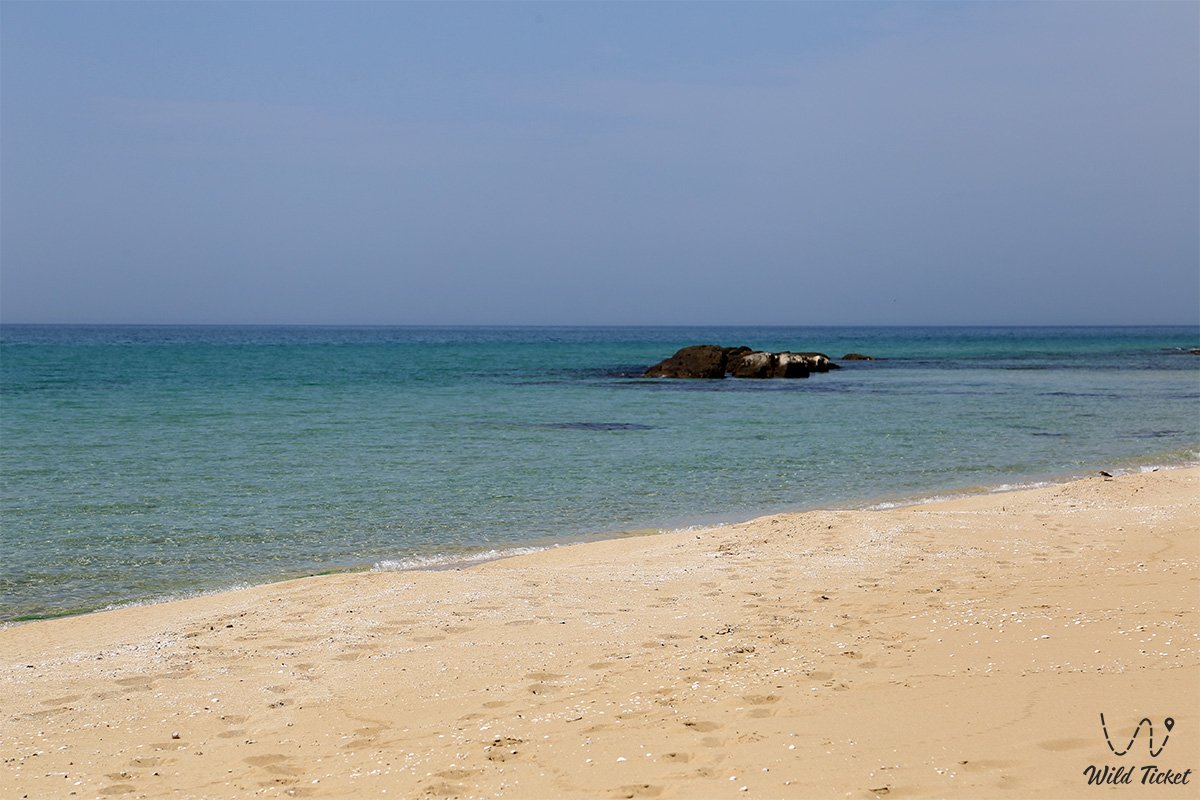
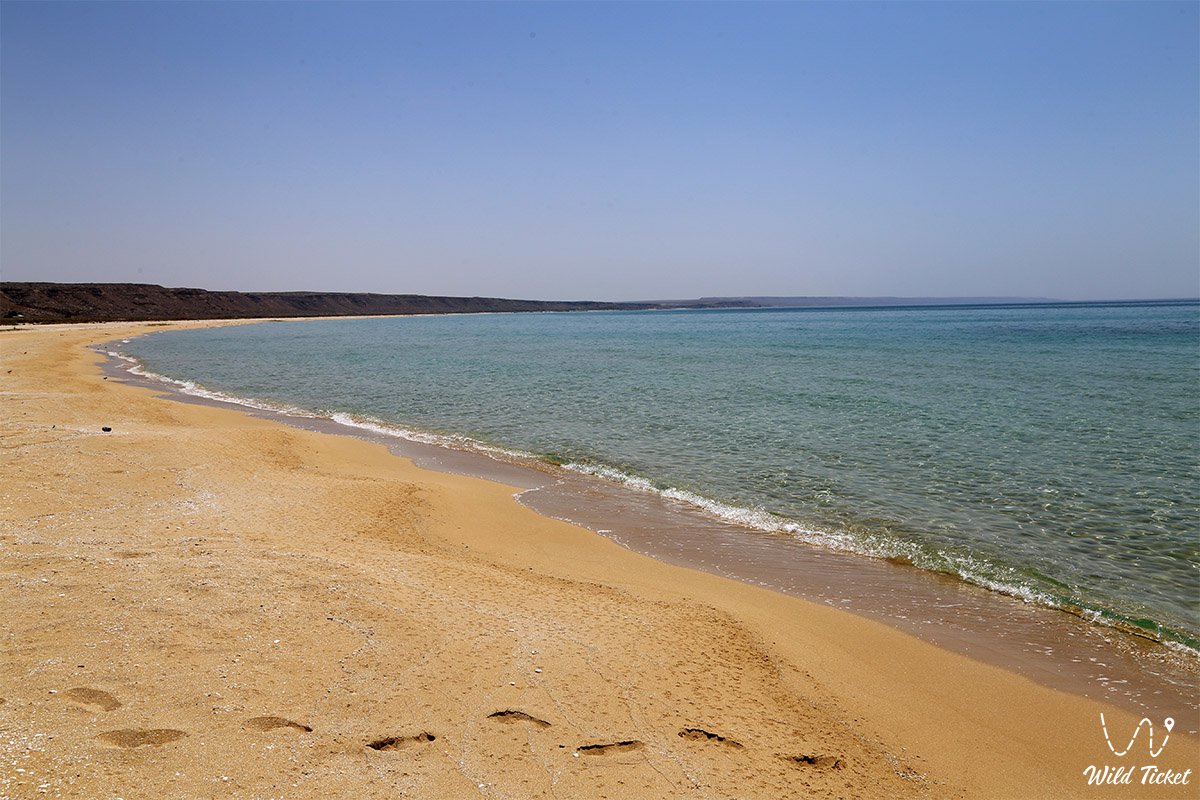
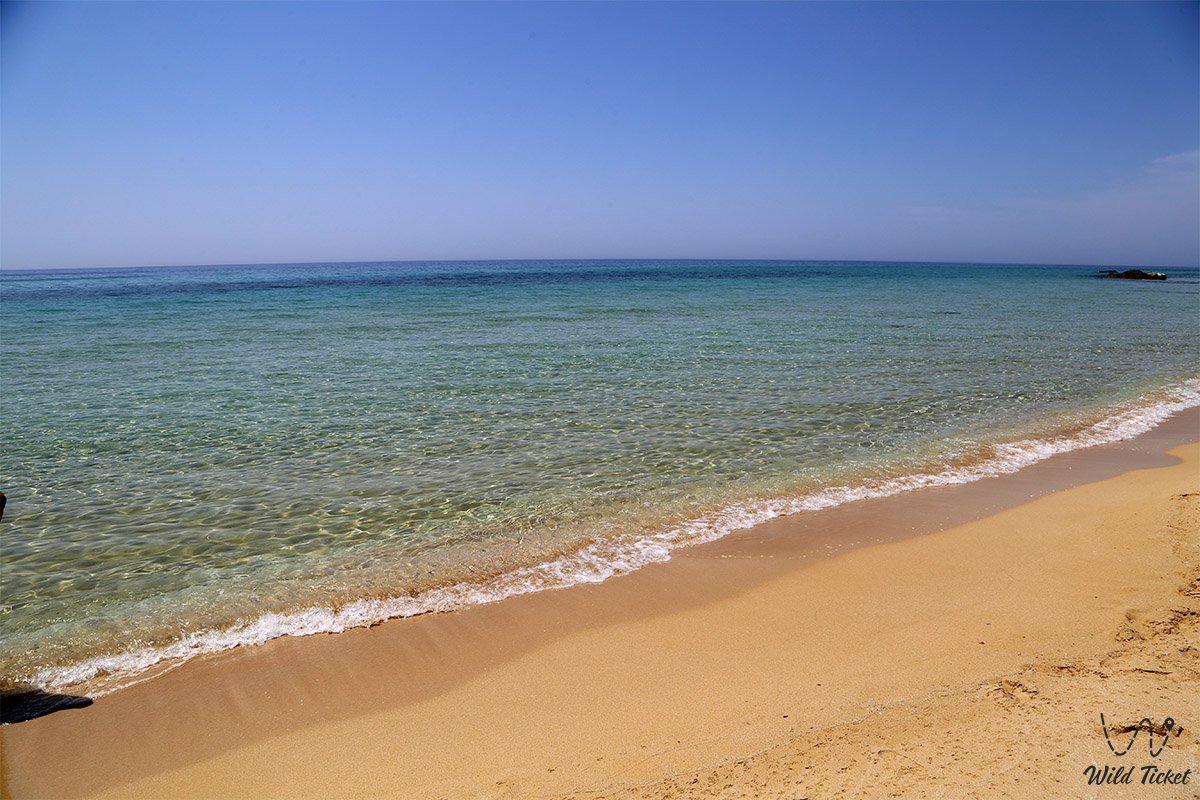
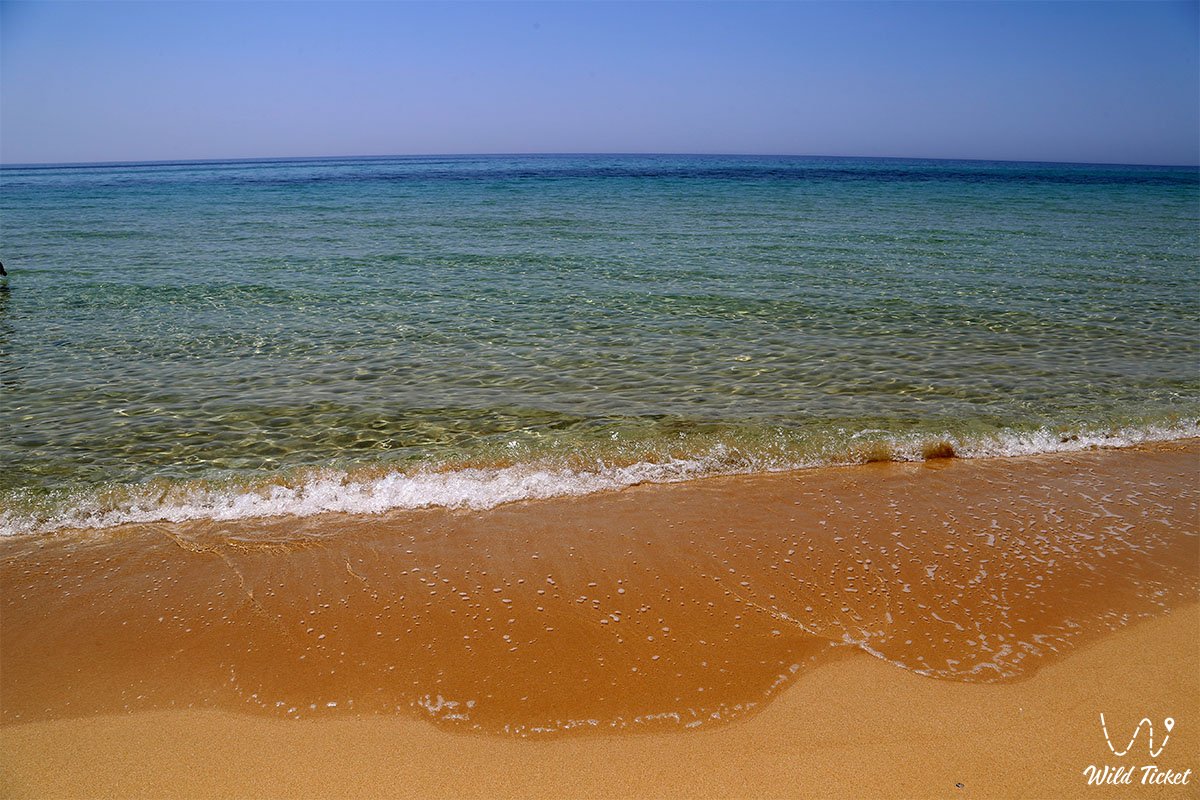
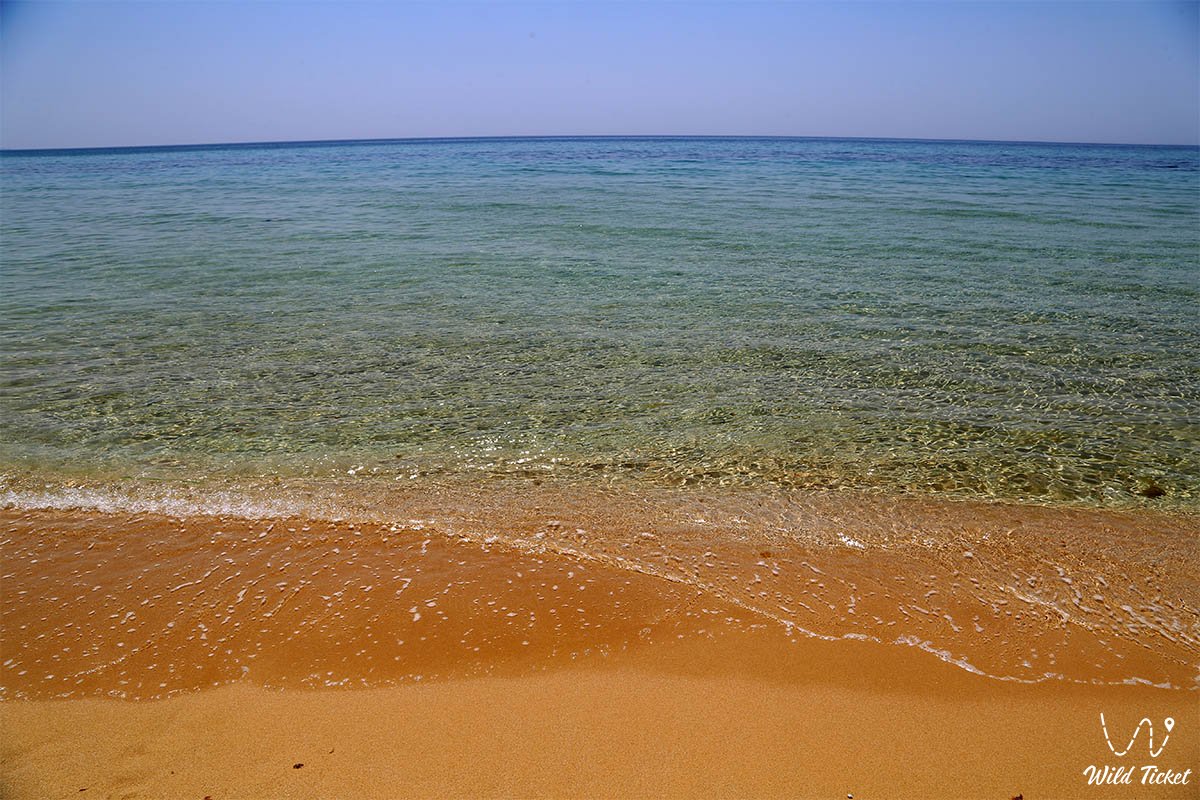
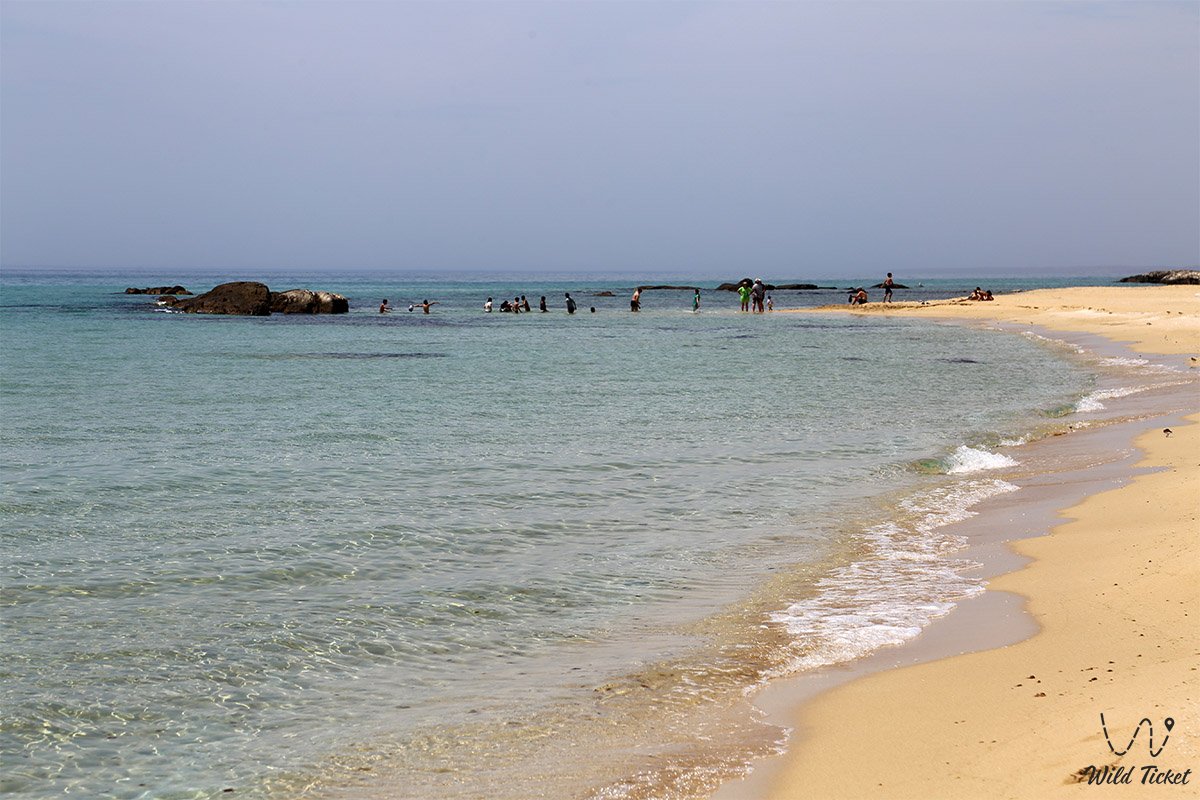
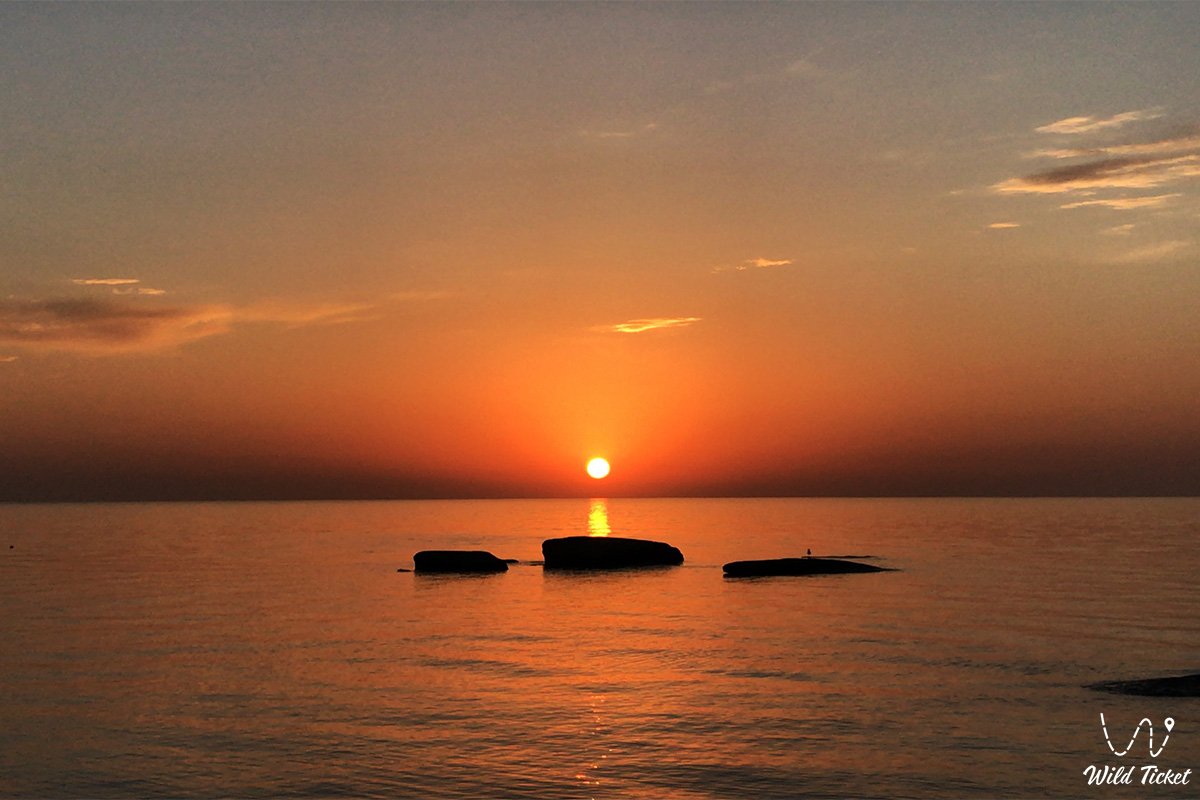
• Saura coquina sea beach – the mouth of the canyon at the Caspian shoreline with soft sand, whole seashells, and shallow lagoons.
Flora and fauna
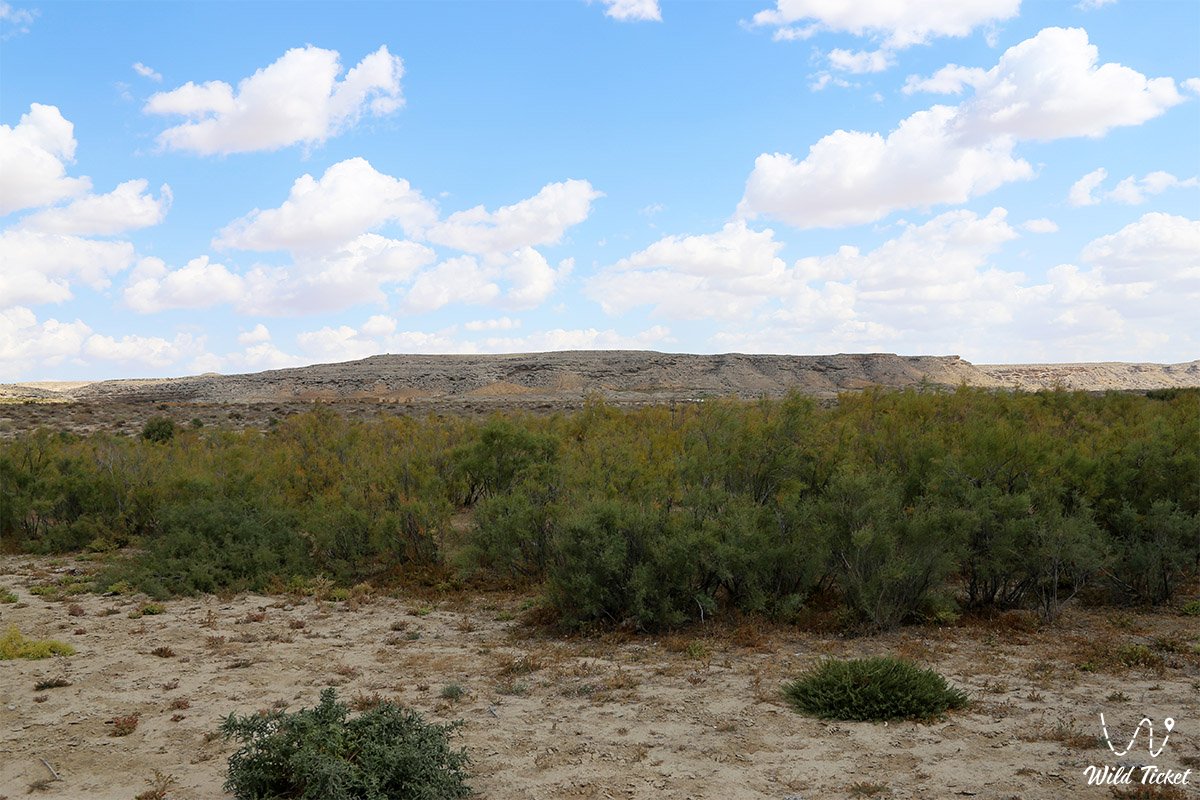
The plant life within the Saura tract flourishes in contrast to the arid steppe. The descent is lined with dense thickets of tamarisk that burst into pink blooms in spring. Stately Dzhungarian willows shade the canyon entrance and lake margins. The bed is carpeted with wild peppermint, watercress, common reed, cattail, and horsetail. Across the dry upper plateau grow Syrian rue (adraspan), gray-soil wormwood, camelthorn (dzhantak), and Anabasis salsa (biyurgun).
The signature species of Saura is the relict European pond turtle (Emys orbicularis), forming an isolated biotope that is the only one on the Mangyshlak Peninsula. Adult shells measure 25–30 cm long, showing dark coloration with small golden-yellow flecks and a long tail. The turtles feed on aquatic insects, diving beetles, crustaceans, and mollusks, surfacing every 15–20 minutes for air. Emerging from winter dormancy in April, they lay eggs in shoreline sands in late May (up to three clutches of 8 eggs), and hatchlings appear in August–September. Across the dry plateau dwells the Central Asian steppe tortoise, which lives up to 40 years.
Avifauna is diverse in the tract. Songbirds in the willow canopies include common nightingales, Turkestan shrikes, common rosefinches, willow warblers, Blyth's reed warblers, and black-headed buntings. Flocks of rosy starlings, European bee-eaters, European rollers, hoopoes, and black-bellied sandgrouse course through the skies. Common kestrels, swifts, crag martins, eagle-owls, and wheatears nest in the cliffs.
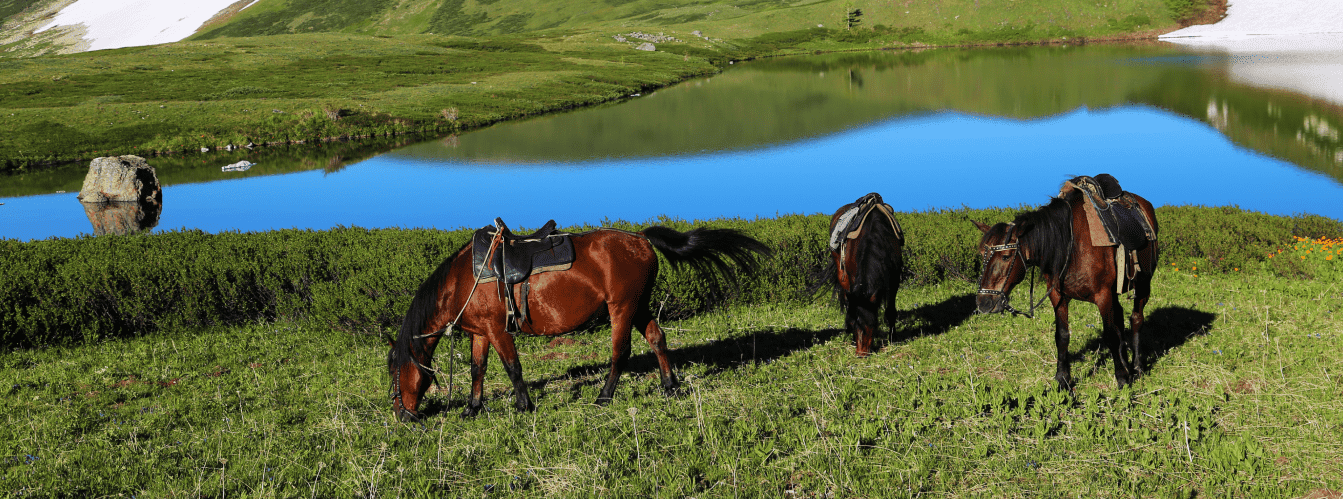
Mammals denning along rock crevices include the corsac fox, badger, steppe polecat, long-eared hedgehog, and tolai hare. Semi-wild horse herds descend to the stream to drink. Small freshwater fish, marsh frogs, and green toads live in the lake, while crabs and littoral shrimp inhabit the Caspian shallows nearby.
Herpetofauna is represented by the agile steppe agama, toad-headed agama, Caspian gecko, dione snake, and dice snake.
Legend
Several legends preserved by regional elders are woven around the Saura tract and its lake.
Legend of the Unfortunate Mother and Tears of Hope
Tradition tells that in ancient times, a pure-hearted woman lived in a local aul. Her heart was filled with joy until she carried a child. Upon learning this, her husband cast her out in disgrace, refusing the unborn child. The lonely woman visited the edge of the deep precipice at sunrise and sunset, weeping and pleading for mercy.
Unable to bear her sorrow, she cast herself from the cliff. Her tears did not vanish: from the fractured stone welled a spring, filling the lake with living tear-water. A steadfast belief endures: if a woman cannot conceive, she should visit Lake Saura three times over seven days and wash in its water. Tradition says the unborn child blesses those who ask, and laughter soon fills their homes.
Legend of the Seven Swans of Doubt and Beket-Ata
Another story connects Saura with the Sufi teacher Beket-Ata. Scholars from different lands once debated whose faith was purest before the Almighty. Beket-Ata proposed a trial: "Whoever reaches Saura gorge by the sea first shall possess the truest faith." The scholars raced across the steppe on prized steeds and fleet camels. At dawn, reaching Saura, they were astonished to find Saint Beket-Ata seated peacefully beside the lake, where seven snow-white swans drifted upon the water.
When asked how he outpaced the wind, Beket-Ata smiled and replied: "I flew here upon the black swans of your doubts. They settled upon the pure water of Saura and were cleansed white, while all the darkness of your disbelief remained on the bed of this blessed lake."
Legend of the Orphan and the Mirror of Destiny
Old lore also tells of an orphan boy who served a harsh caravan master and confided his sorrows to Lake Saura. One day, he saw his reflection as a respected elder and sage. Soon, a passing caravan purchased the boy, and a great thinker became his mentor. Years later, the orphan grew into a renowned scholar and healer, showing that a pure heart and Saura's waters can illuminate a noble destiny.
Conclusion
The Saura tract is an incomparable flowering masterpiece and life-giving sanctuary of Tupkaragan, where the primeval wildness of fifty-meter cliffs harmoniously intertwines with the coolness of emerald turtle lake Karakup, the aroma of wild mint, and the gentle blue of the Caspian Sea. A journey to Saura bestows upon every traveler blessed rest in the shade of ancient willows, the joy of connecting with rare relict turtles, touch with the secrets of ancient citadels, and a luminous sense of spiritual peace on the edge of the sacred land of Mangystau.
Interesting sights nearby:
• Zhygylgan Geological Sinkhole;
• Fossilized Tracks in Zhygylgan Tract;
• Rocky Cape Tyub-Karagan;
• Tyub-Karagan Bay;
• Bautino Seaport Village;
• Fort-Shevchenko Town-Museum;
• Relict Poplar Grove of Khanga-Baba Tract;
• Scenic Blue Bay;
• Koshak Bay;
• Buzachi Peninsula;
• Aktau-Buzachi Nature Sanctuary;
• Tamshaly Rocky Gorge;
• Second gorge and relict twin lake of Saura;
• Archaeological ruins of the stone Saura fortress;
• Saura necropolis with saganatam burials;
• "Seismic Party" geophysical base.
Sacred sights and pilgrimage destinations:
• Beket-Ata Underground Mosque;
• Karaman-Ata Underground Mosque;
• Shakpakty-Ata Underground Mosque;
• Sultan-Epe Underground Mosque;
• Masat Ata Mosque;
• Bayte Sanctuary.
Photogallery: