Excursion to the Kokbulak Gorge in the Aksu-Zhabagly Nature Reserve, Karatau Mountains
Kokbulak is a picturesque mountain gorge located in the Aksu Zhabagly Nature Reserve, in the Karatau Mountains, on the Almaty-Shymkent highway. The gorge excursion takes one day; the journey is long and the route runs along a mountain road.
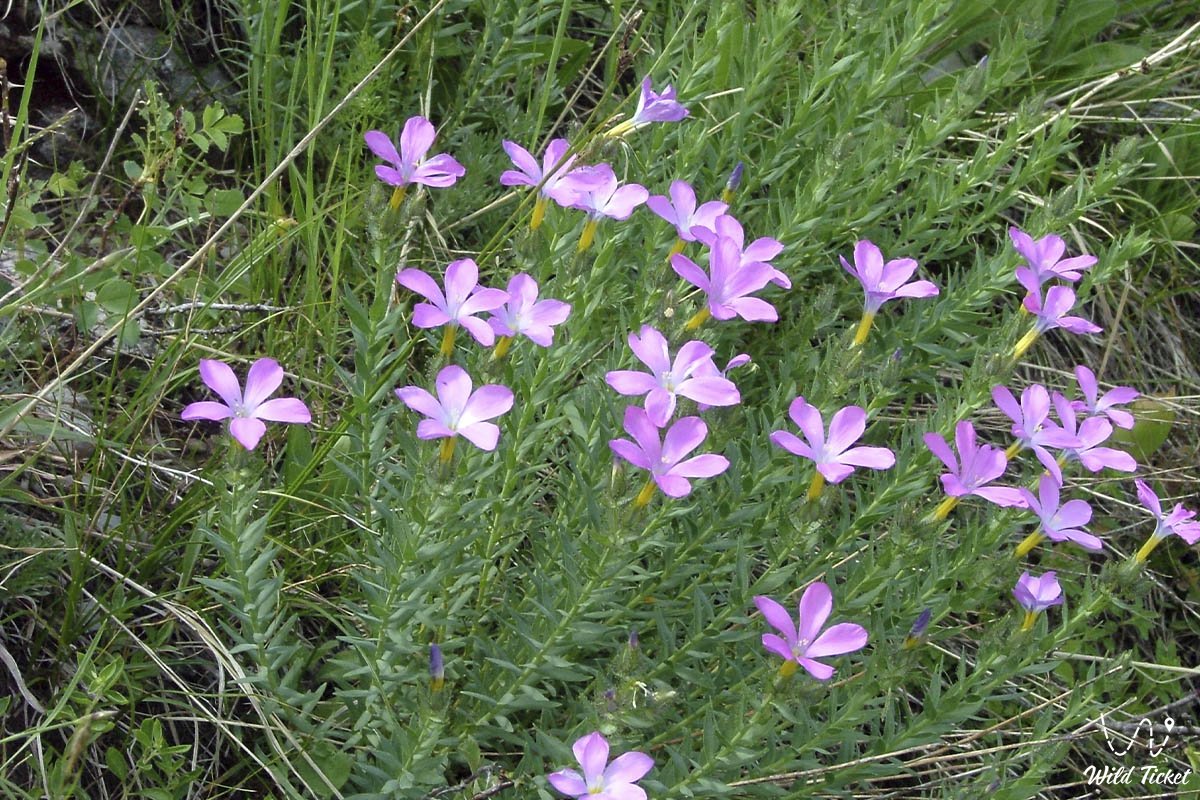
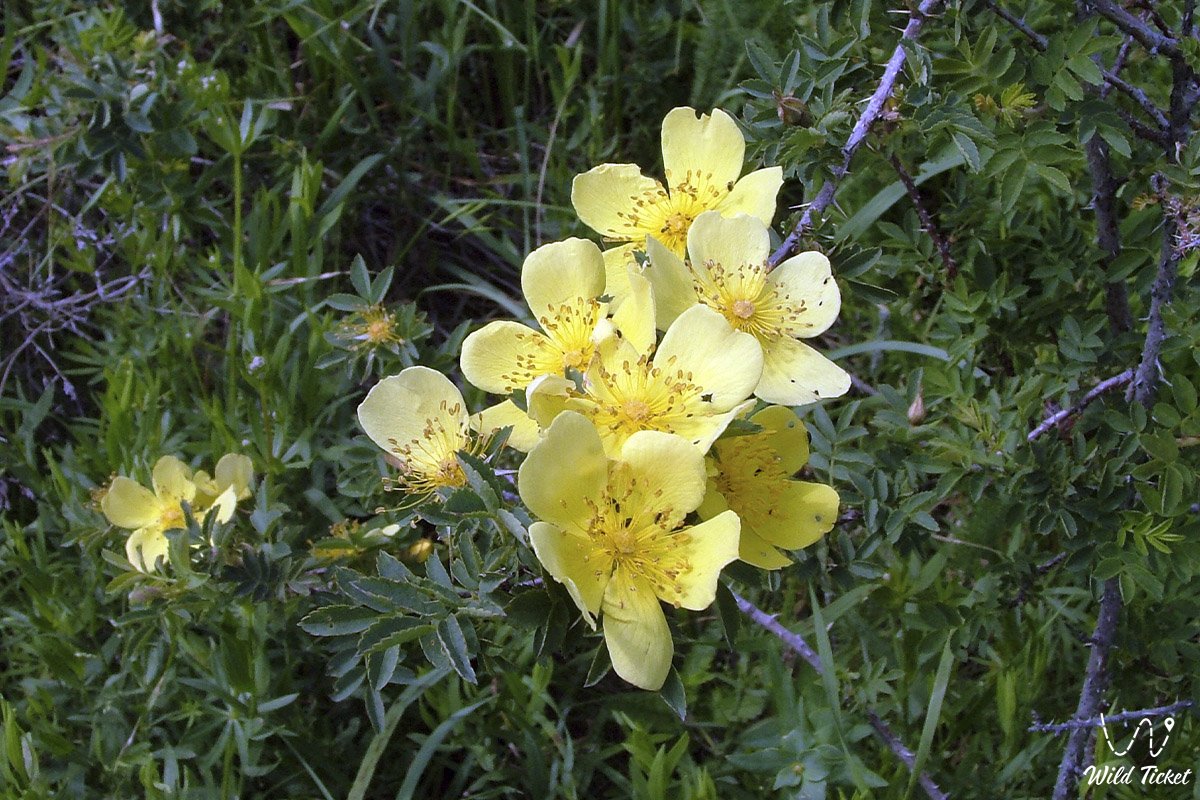
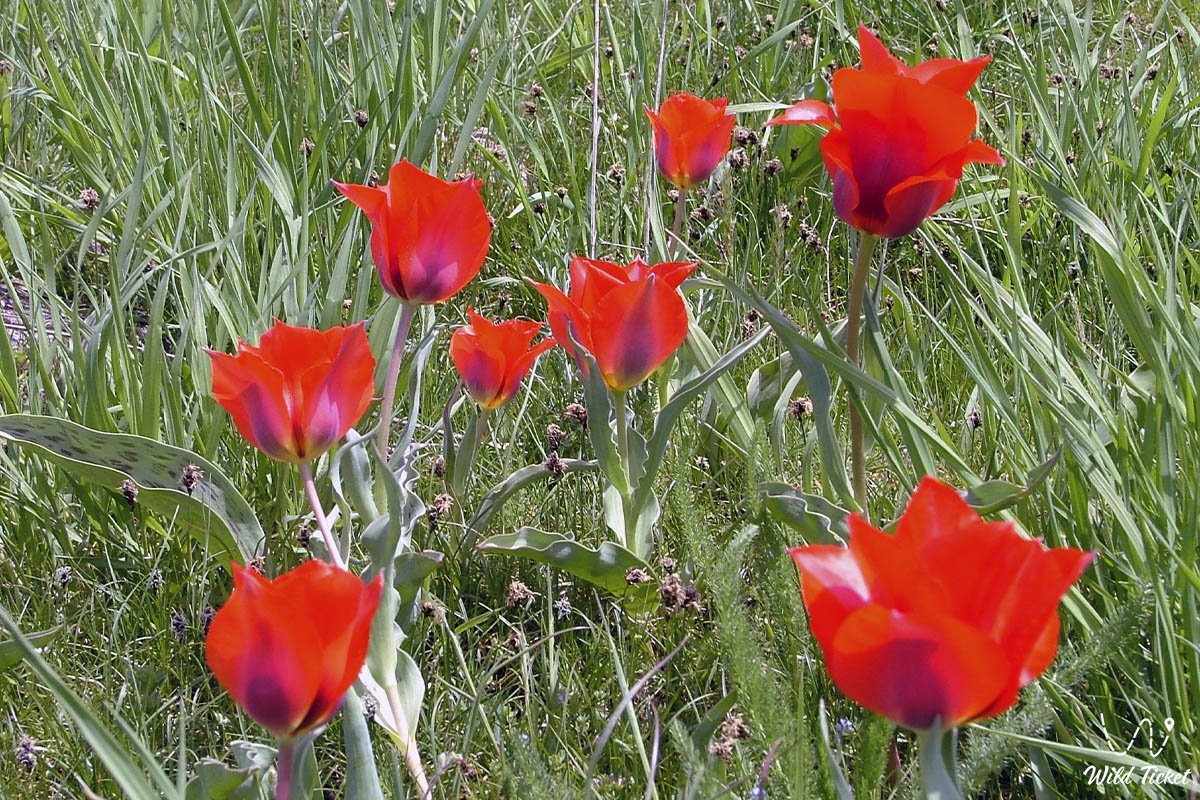
The gorge is home to a wide variety of plants, so if you're interested in plant species and studying them, you definitely need to visit. In the spring, you can admire the tulips in bloom here, a new exotic tourism trend that is just gaining momentum in Kazakhstan. Kazakhstan is famous for its wild tulips.
We invite you to a spring tour to Kokbulak Gorge to see the blooming of Kazakhstan's tulips.[left][/left]
- Distance of the route:
140 km
- Season time:
May - September
- Best time:
June - August
- Group size:
not more 12 person
- Days & nights:
1 day
Tour itinerary:
From the village of Zhabagly, we drive to the Kokbulak Gorge along the paved Almaty-Shymkent highway. Before the village of Aksukent, we turn toward the interchange for the village of Boraldai.
After passing the railway bridge, the road runs along the western slopes of the Karatau Mountains into the Kokbulak Gorge. We reach the western slope of the Karatau Mountains, down which the Boraldai River flows.
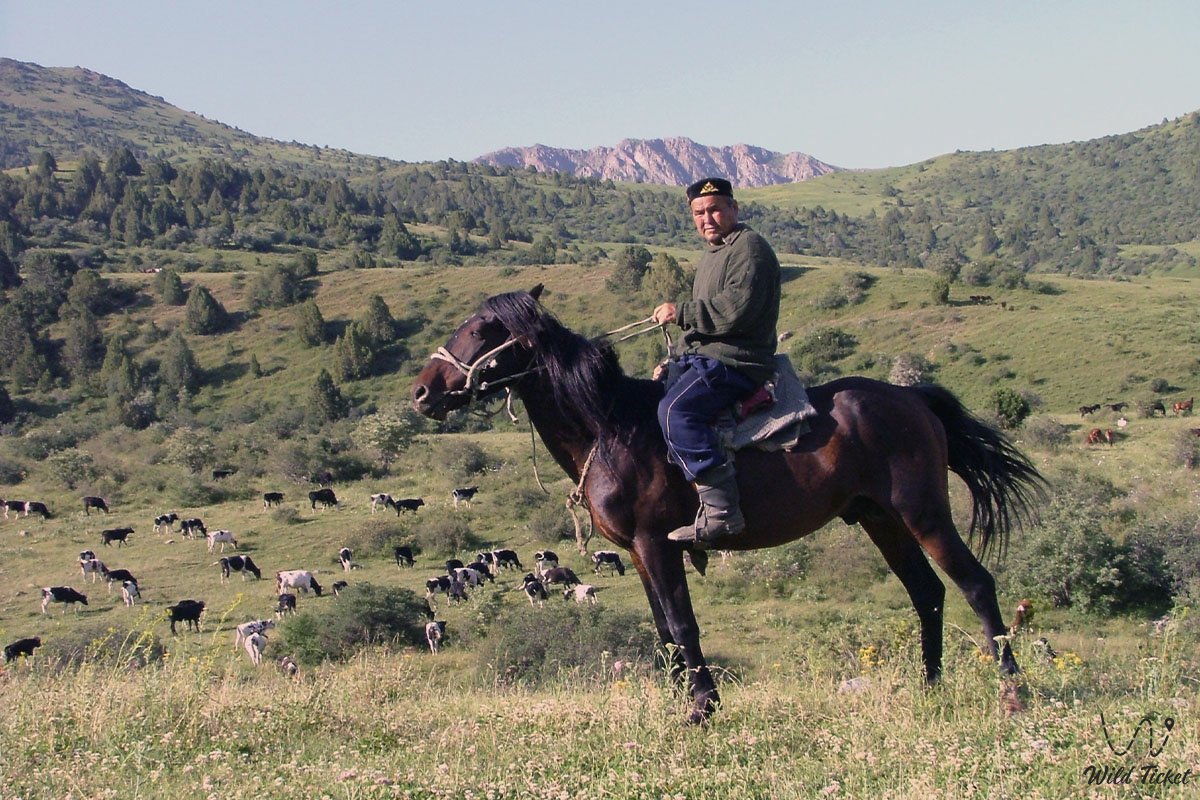
We drive along the gorge and turn off onto a branch road that leads to the beautiful Kokbulak Gorge. This day excursion includes a walk through juniper forests, which grow interspersed with pistachio trees and wild grapes. Many other plants characteristic of this area also grow here.
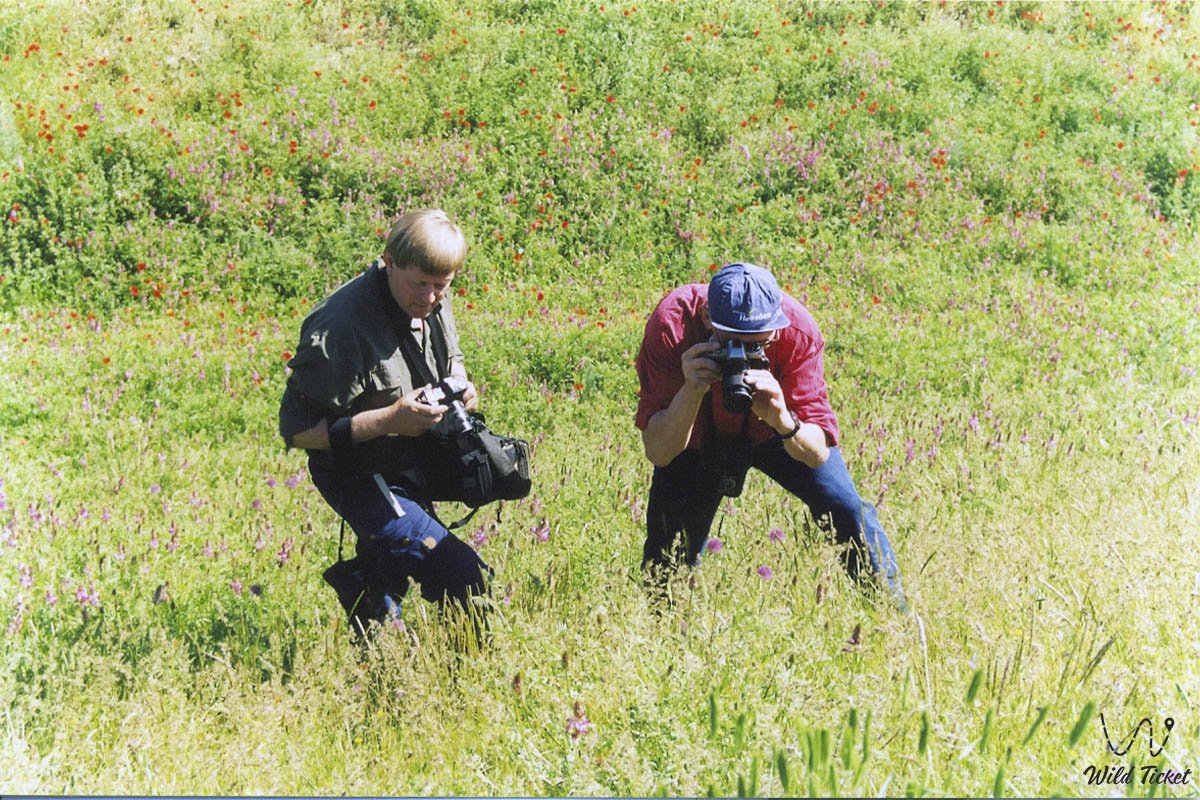
In spring, Kaufman and Greig tulips, as well as other beautiful tulip species, bloom in the Kokbulak Gorge.
The Karatau Mountains are the northernmost range of the Western Tien Shan. In its southern part, it joins the spurs of the Talas Alatau, then extends north for almost 400 kilometers. These are very old mountains, having experienced repeated leveling and uplifting throughout their geological history.
Therefore, they have a very complex and unique topography and consist of a system of deeply dissected, individual small ridges. The entire massif is roughly divided into three parts: Boroldai, Maly Karatau, and Bolshoy Karatau.
Due to their unique geographic location and geological history, these mountains are incredibly interesting for nature lovers. Suffice it to say that the number of endemic plant species and races reaches 9%, making this one of the richest areas in the world for endemic species.
Despite the region's overall aridity, almost every gorge has a small river or stream. This creates a unique microclimate and distinctive flora and fauna. The Karatau Mountains are surrounded by numerous salt and freshwater lakes.
Photogallery: