Rugged limestone shield of Southern Mangyshlak and breeding sanctuary for the MacQueen's bustard –
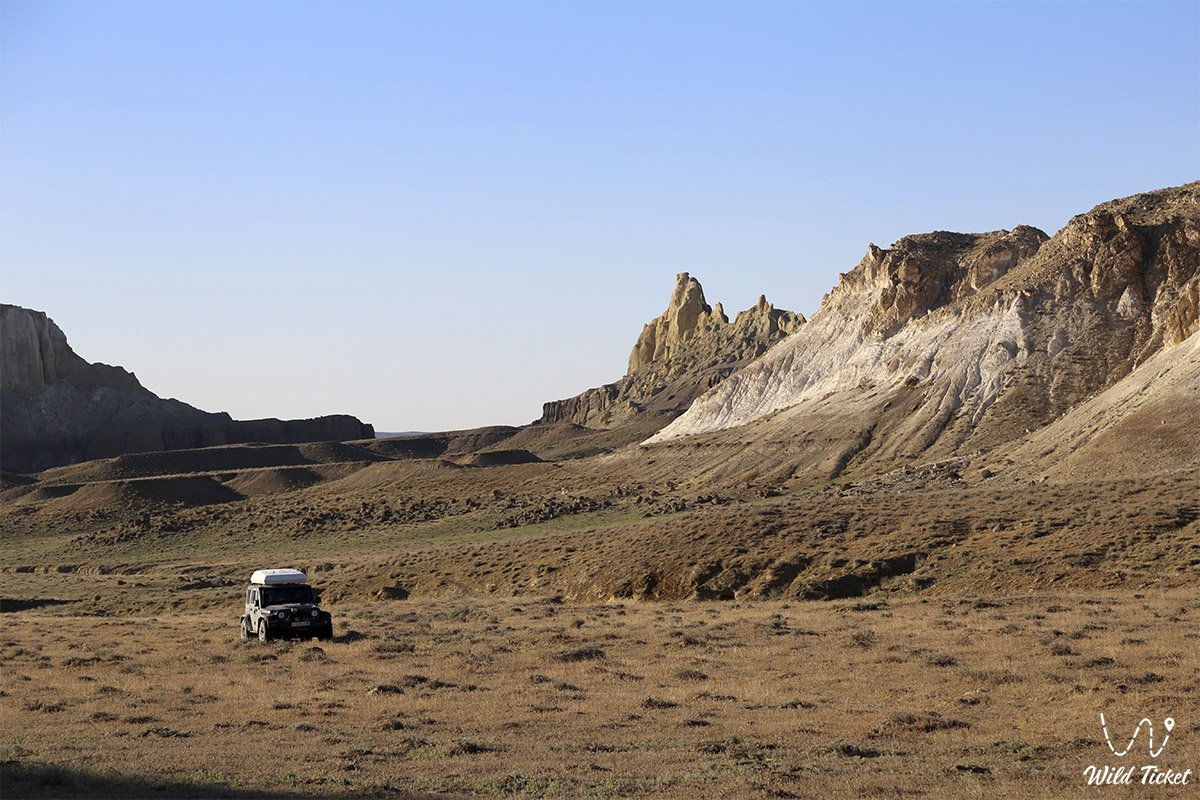
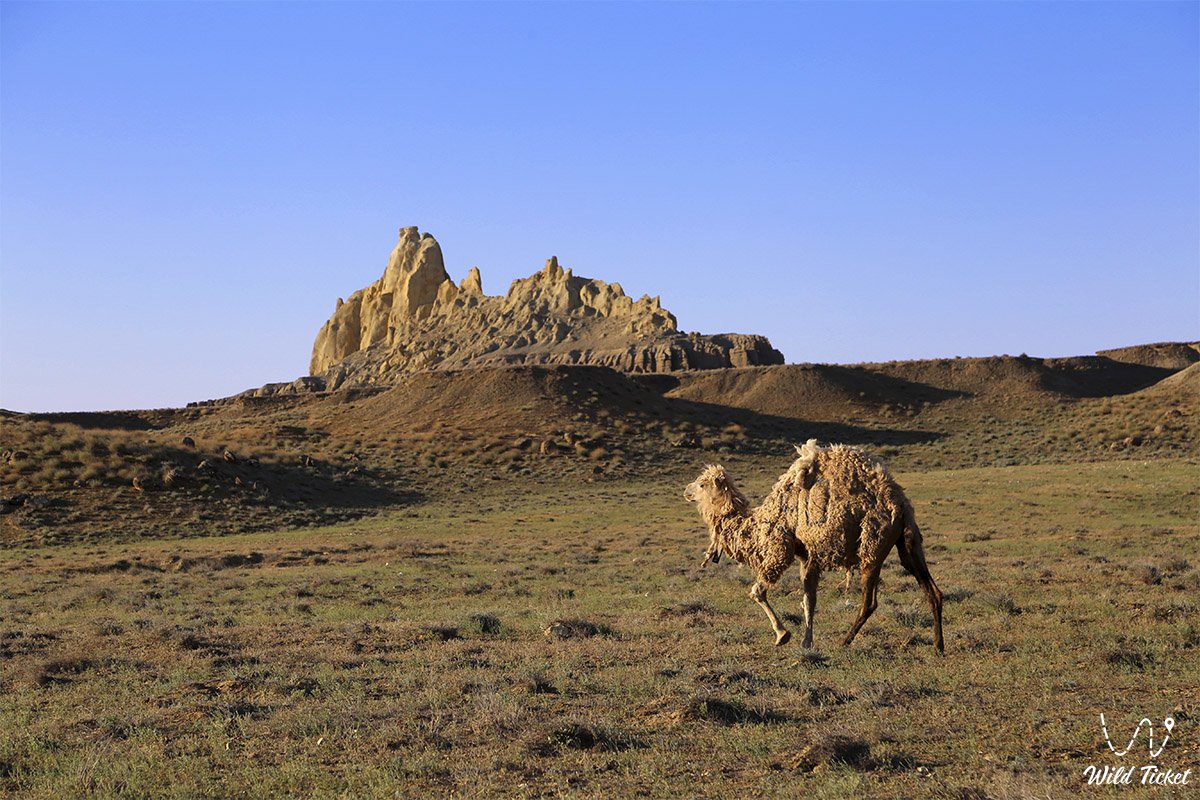
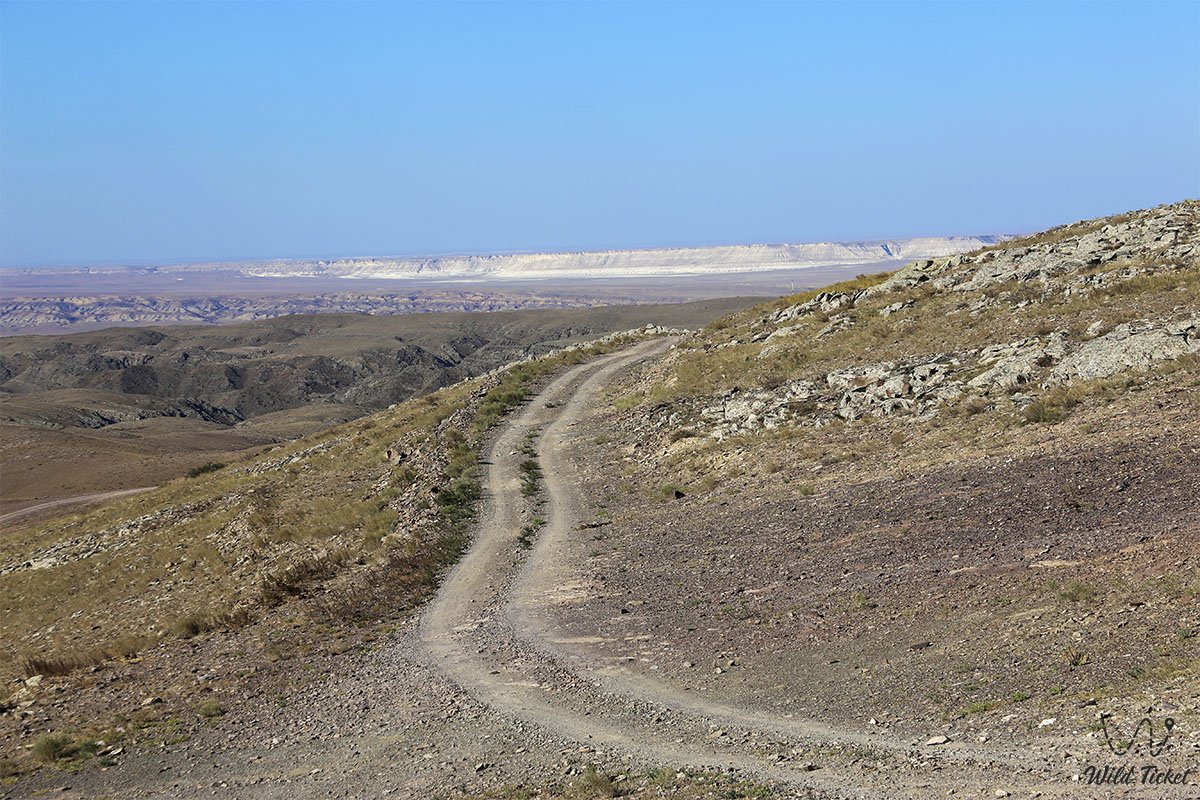
The Kenderli-Kayasan Plateau (Kaz. Kendirli-Qayasan ustirti) represents an extensive structural-denudational bedded upland, a key landscape-geographic district, and the core of the state nature sanctuary of the same name, located in the Karakiyan district. The plateau covers hundreds of thousands of hectares in the southern half of the Mangyshlak Peninsula, serving as a natural transitional terrace between the coastal desert plains of the Caspian and the cyclopean scarps of the Ustyurt Plateau.
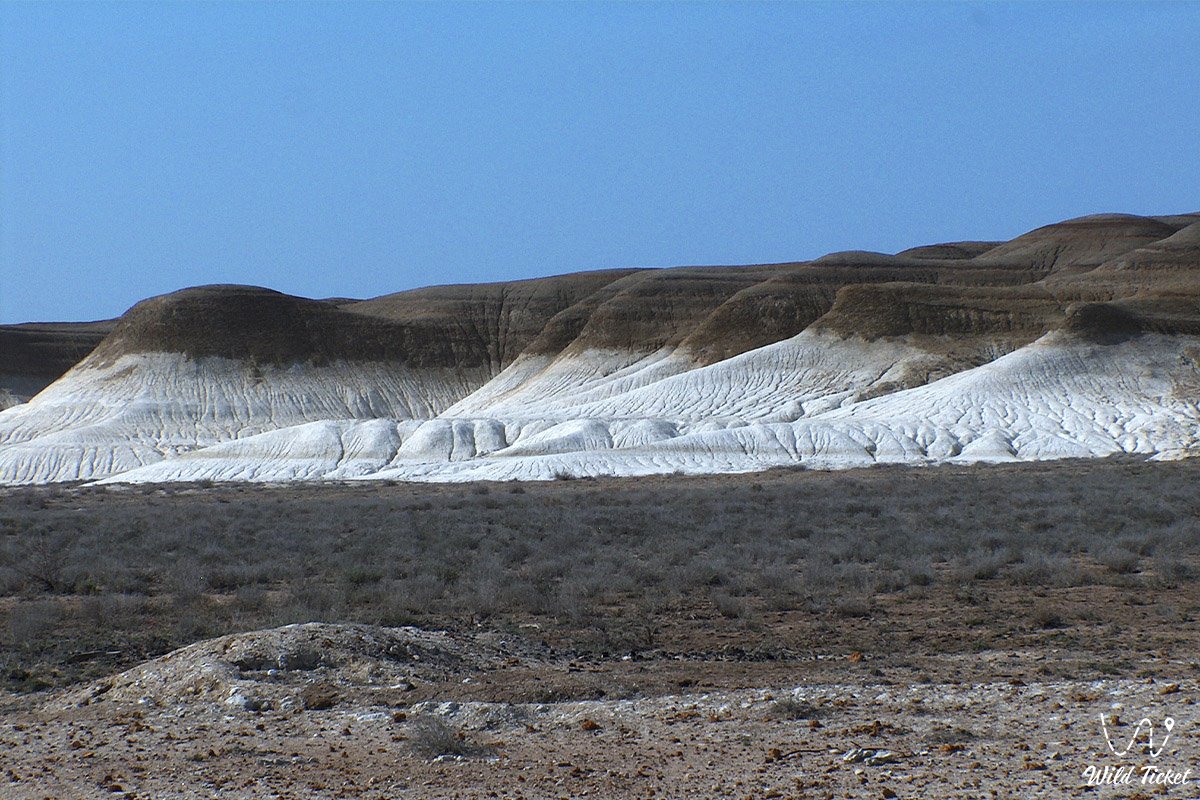
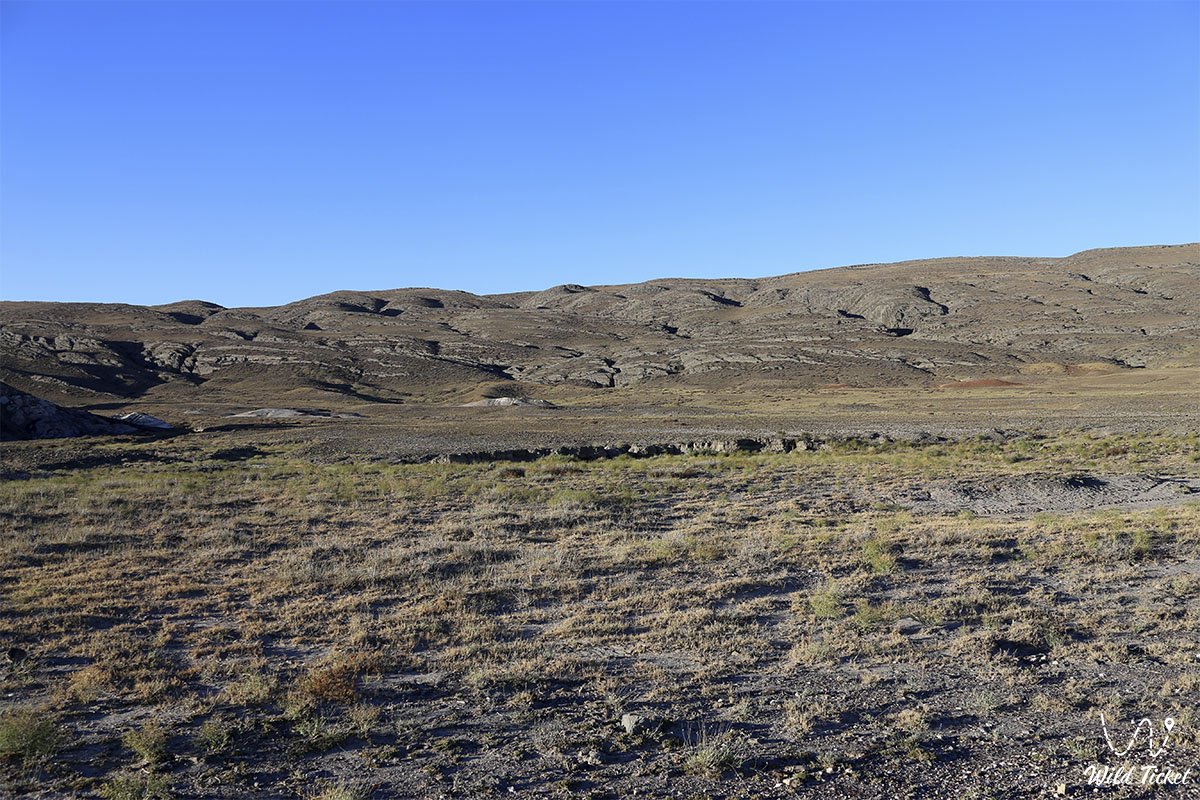
This entire grandiose stony upland is a direct geological legacy of the prehistoric Tethys Ocean: receding ancient waters forged a thick armor of Sarmatian coquina limestones, marls, and gypsum beds here. The monotonous, seemingly endless gravelly-wormwood plain of the plateau is abruptly dissected by profound tectonic downwarps and erosional depressions.
Within its expanse and along its borders lie the Basgurly, Zhazgurly (Zhasgurly), and Kuandy depressions, as well as the southern extension of the deepest Karagiye depression. From the east and southeast, the plateau breaks away in high rocky chinks of Kayasanirek and Kulandy, beyond which open the boundless basin of the Karynzharyk depression, the glistening Kenderli salt flat, and the hummocky sands of Kenderlikum.
From an ecological perspective, the Kenderli-Kayasan Plateau, which forms part of the Kenderli-Kayasan Nature Sanctuary, holds global conservation significance. Thanks to its dense gravelly-clay substrate and boundless open plains, the plateau serves as an ideal biotope and global breeding ground for the endangered MacQueen's bustard (houbara bustard, or zhek) and hunting grounds for the raptorial saker falcon.
International monitoring and reintroduction programs for endangered avian species are actively conducted across the plateau and adjacent chinks. Furthermore, these rangelands are vitally necessary for populations of the graceful goitered gazelle, Ustyurt mountain sheep (urial/mouflon), and saiga antelope.
Historically, rigorous nomadic caravan tracks and branches of the ancient Silk Road across Mangystau crossed the plateau, where solitary freshwater wells and prominent outlier heights served as navigational beacons across the waterless steppe.
Today, the Kenderli-Kayasan Plateau is recognized as a benchmark of primeval Eurasian arid nature, attracting expedition teams of researchers, biologists, and road-trippers with the rugged majesty of its infinite horizons and the absolute silence of the desert.
--------------------------------------------
How to get there and visit –
The Kenderli-Kayasan Plateau is situated in the central and southern portions of the Karakiyan district in the Mangystau region, south of the city of Zhanaozen, east of the maritime coast of Kenderli Bay, and west of the Karynzharyk depression and the Ustyurt Reserve, Republic of Kazakhstan. The distance from the city of Aktau to the entry onto the plateau spans from 190 to 250 km, and from the city of Zhanaozen – from 60 to 120 km.
GPS geographical coordinates of the central part of the Kenderli-Kayasan Plateau:
43°08'20"N 53°45'10"E
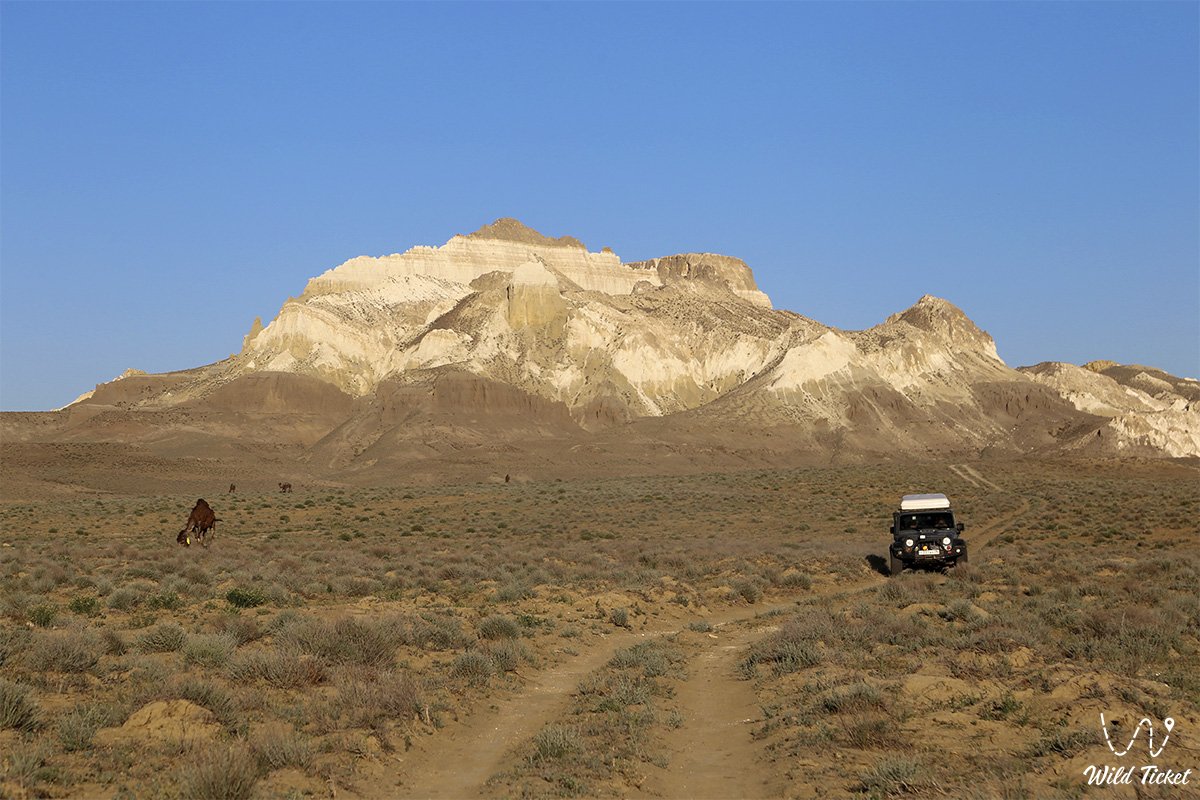
The primary driving route from Aktau leads southeast along the paved highway of republican significance to the city of Zhanaozen (about 150 km, 2 hours of travel). From Zhanaozen, continue south on asphalt toward the settlement of Senek (about 60 km) or southwest toward the settlement of Bostan and the village of Kulandy. From these settlements, hundreds of kilometers of compacted gravelly steppe graded tracks and rocky-clay ruts lead deep into the plateau, heading toward the chinks of Kayasanirek, Kulandy, and the Basgurly and Zhazgurly basins.
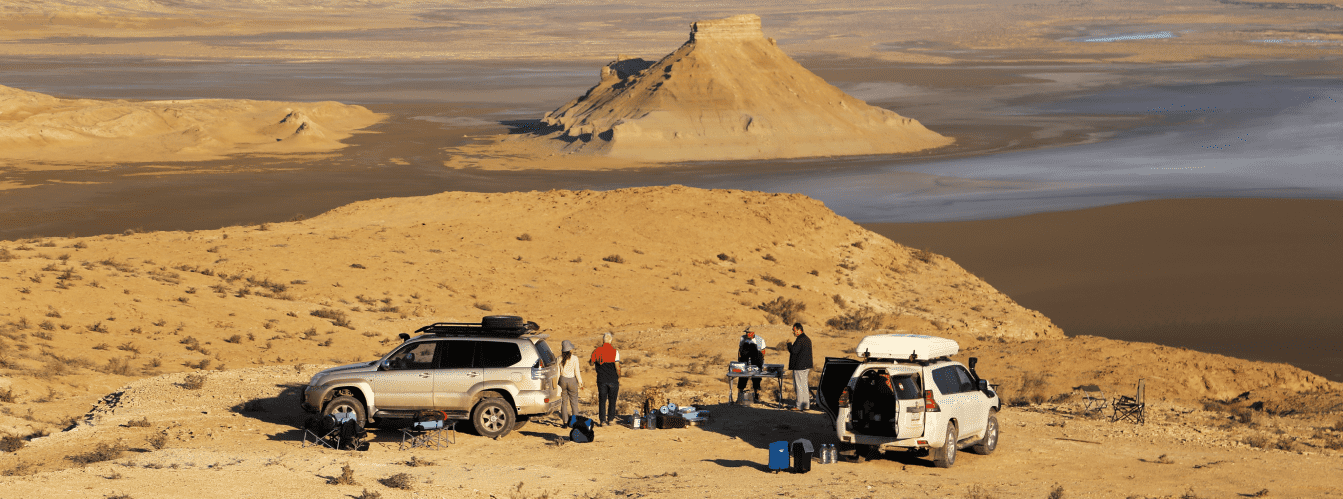
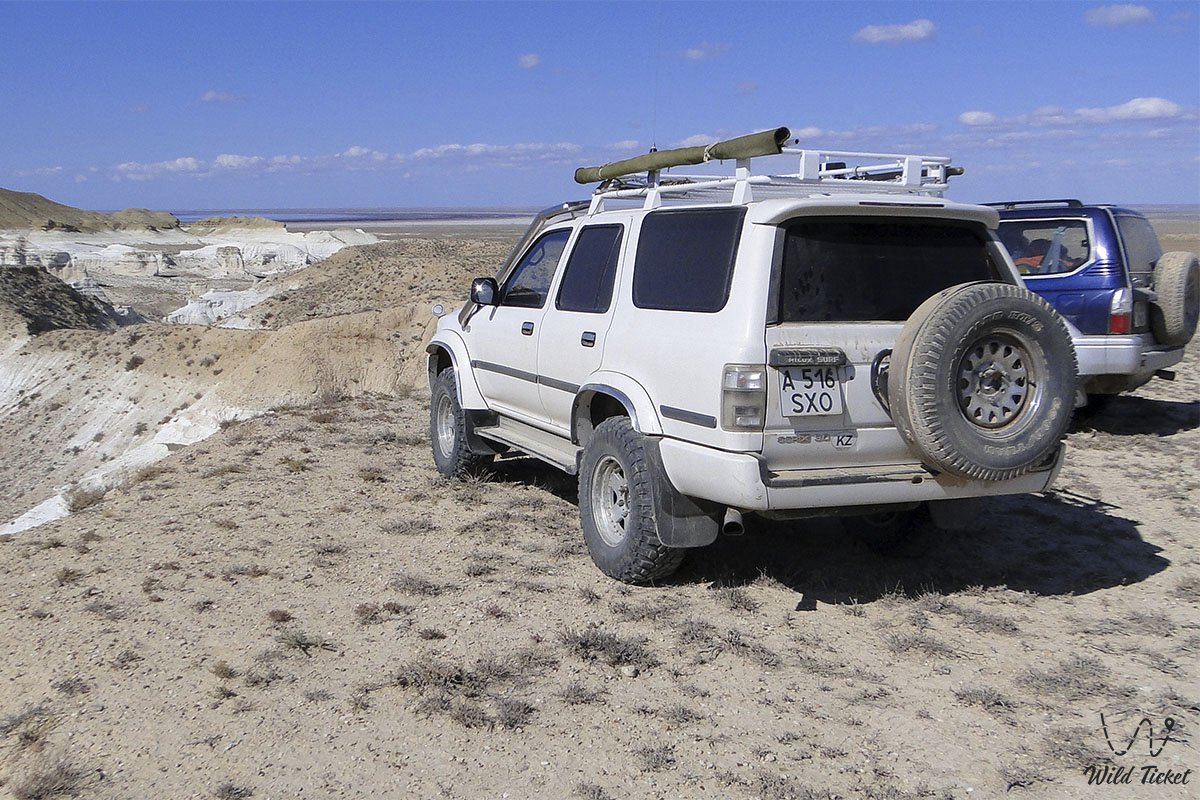
Traveling across the plateau entails high difficulty and complete autonomy: navigation is possible exclusively in prepared body-on-frame four-wheel-drive vehicles (4x4) with high ground clearance, heavy-duty suspension, reliable off-road tires (AT/MT), and within a convoy of at least two vehicles. Sharp limestone scree places high stress on tires; therefore, each crew must carry an operable air compressor and no fewer than two spare wheels.
During periods of rainfall, dense clay sectors of the plateau turn instantly into slick, greasy mud, immobilizing wheeled vehicles.
Visiting regime: a significant portion of the territory is incorporated into the Kenderli-Kayasan State Nature Sanctuary and is patrolled by inspectors of "Okhotzooprom." When entering, visitors must strictly adhere to the conservation regime: driving is permitted only on established field tracks, while driving onto virgin soil, sand massifs, and salt marshes is strictly forbidden to prevent destroying soil cover and disturbing avian nesting grounds.
Owing to the proximity of the state border with Turkmenistan, carrying original identity documents (passport or ID card) is mandatory.
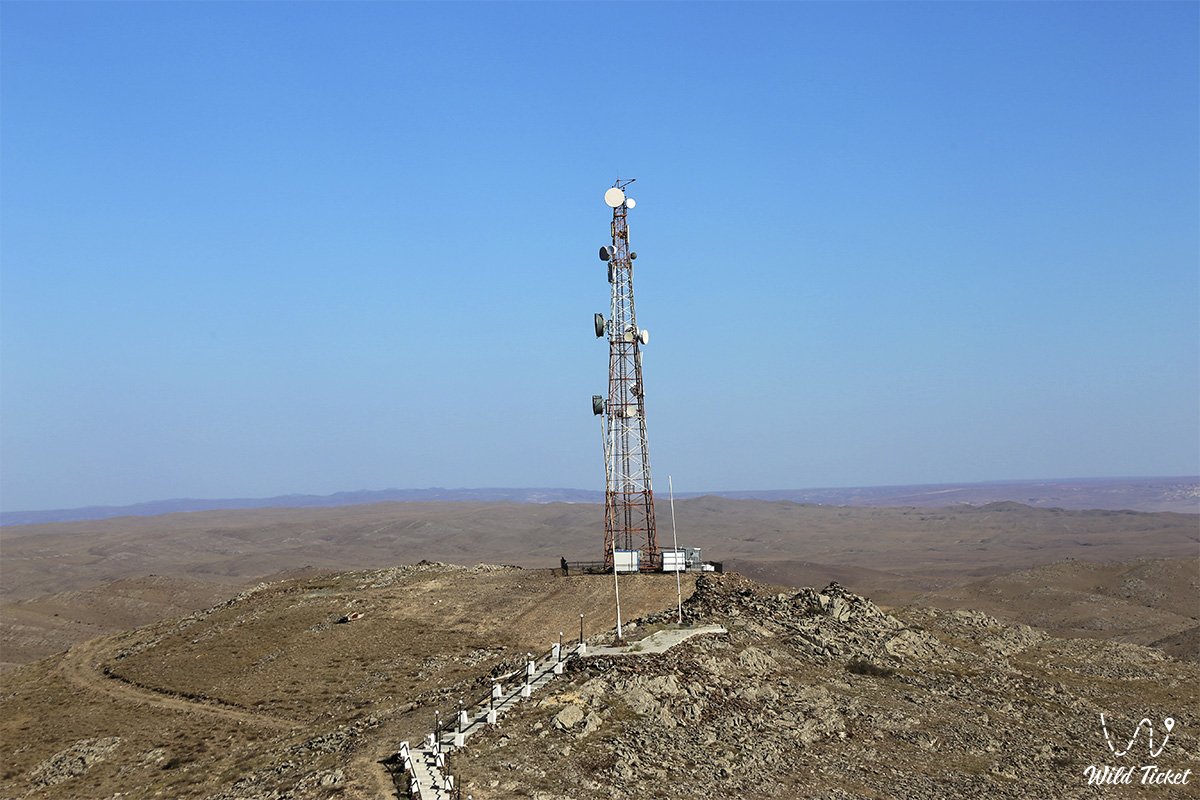
Infrastructure across the plateau is entirely absent: mobile phone connectivity is unavailable for dozens of kilometers around. The nearest brand-name gas stations, tire repair services, shops, and medical stations are located in Zhanaozen, with small local stores in the villages of Senek and Kulandy. Every vehicle crew must carry a drinking water reserve (at least 5 liters per person per day), extra fuel in jerrycans, navigation instruments with downloaded offline satellite maps, and a satellite phone for emergency communications.
The best time to visit is spring (from mid-April to late May), when the plateau is briefly carpeted with verdure and blooming tulips, and temperatures remain comfortable for expedition driving, as well as early autumn (September – October). In July and August, extreme heat climbs above +42...+46 °C accompanied by desiccating dust winds.
--------------------------------------------
History
The history of the Kenderli-Kayasan Plateau spans many millennia, uniting archaic traces of Stone Age humans with the nomadic pathways of Mangyshlak's Aday clans Mangyshlak Peninsula. Archaeological excavations on the plateau have recorded dozens of Neolithic campsites and flint workshops: primitive hunters settled along the rims of cliffs and karst ravines, lying in wait for wild ungulates at watering holes.
During the Middle Ages, the plateau served as a vital connector for caravan arteries skirting the saline marshes of Karynzharyk. Merchants and dervishes guided camel caravans from Caspian roadsteads toward the oases of ancient Khwarazm, navigating by deep brackish wells cut into the limestone crust of the upland. Along the slopes of deep depressions, shepherds established seasonal wintering encampments (kystau), where limestone chinks protected sheep flocks from severe winter blizzards.
In the 20th century, the territory of the plateau was actively utilized for transhumance livestock grazing. However, intensive industrial development across the region, the arrival of high-clearance motorized transport, and poaching inflicted a heavy toll on native fauna. By the late 1990s, the MacQueen's bustard faced critical extinction risks, and populations of goitered gazelles and mouflons dropped severely.
A new era in the history of the plateau began in 2001, when the Kenderli-Kayasan State Nature Sanctuary, spanning over 1.2 million hectares, was established by Decree of the Government of the Republic of Kazakhstan. Under a large-scale interstate conservation partnership with the International Fund for Houbara Conservation (IFHC, UAE), the Kenderli-Kayasan Plateau became the premier global field center for the conservation and release of captive-bred MacQueen's bustards into the wild.
Today, the plateau is recognized as an Important Bird and Biodiversity Area (IBA) and a mammal conservation zone of international prominence, safeguarding the primeval genetic pool of Eurasian deserts.
Information
Geomorphologically, the Kenderli-Kayasan Plateau is an undulating structural denudation plain sloping gently toward the Caspian basin. Absolute surface elevations vary between 120 and 220 meters above sea level. The margins of the plateau are dissected by a branching network of dry erosional ravines (says) and deep tectonic downwarps.
The central geomorphological hallmark of the plateau is the stark contrast between flat plains and deep enclosed depressions:
1. Basgurly Depression – a tectonic basin with a salt-marsh floor and sheer scarps, plunging to depths of -40 meters below sea level.
2. Depressions of Zhazgurly (Zhasgurly) and Kuandy – extensive enclosed basins where spring snowmelt accumulates.
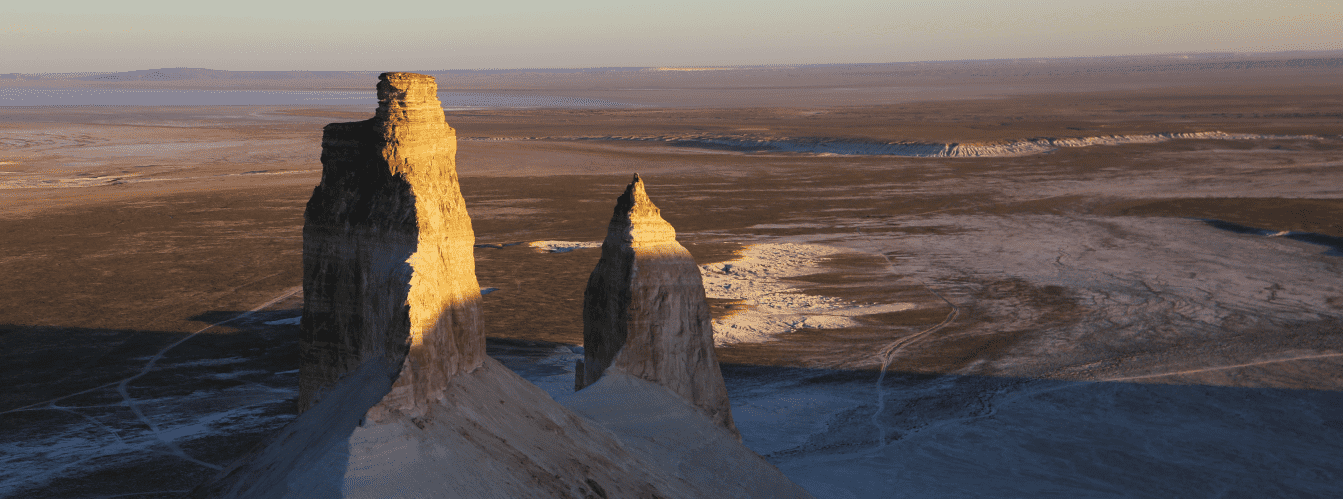
3. Chinks of Kayasanirek and Kulandy – steep rocky escarpments 100 to 200 meters high featuring screes, caves, and cornices, breaking away toward the Karynzharyk depression.
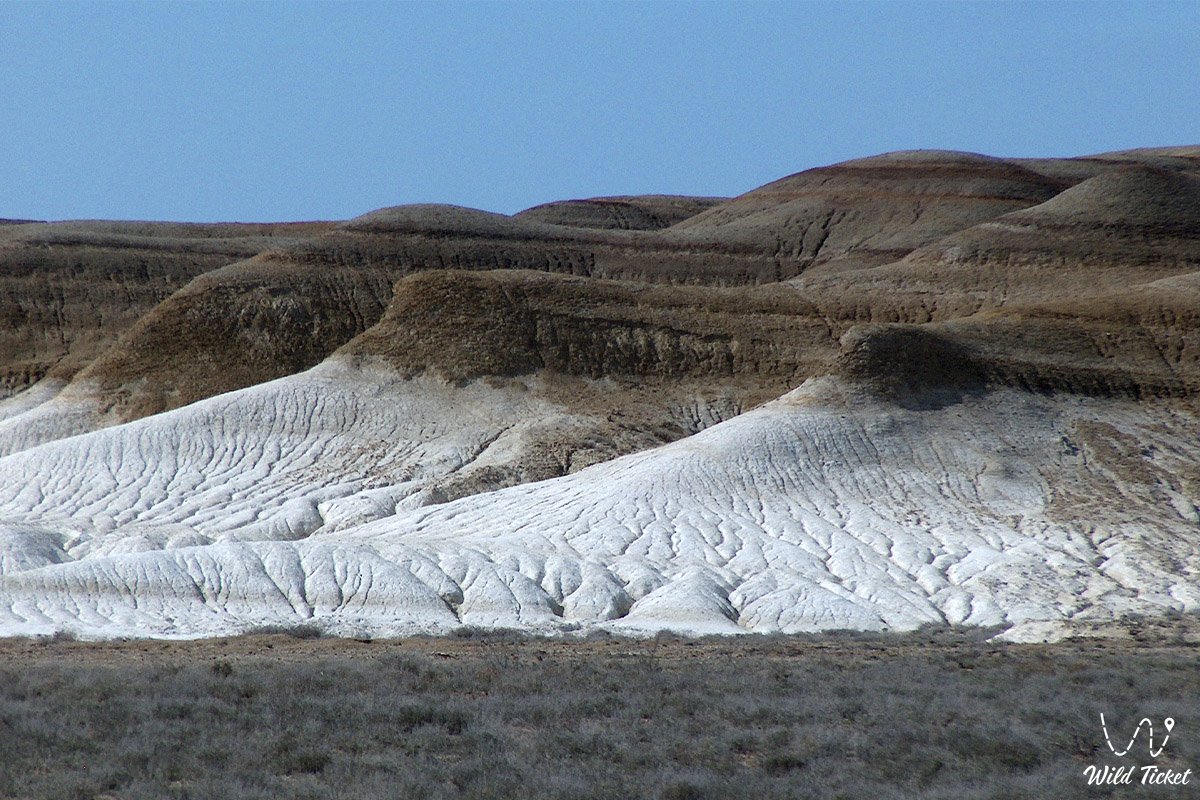
The geological basement is composed of Upper Cretaceous, Paleogene, and Neogene marine sedimentary strata of the prehistoric Tethys Ocean. The upper capping bed is formed of dense Sarmatian coquina limestones, marls, and gypsum interlayers. A gravelly weathering crust covers the surface. The cliff walls of the chinks yield abundant Mesozoic and Cenozoic marine fossils: teeth of prehistoric sharks, fossilized oyster shells, and sea urchins.
Soil cover is composed of gray-brown desert gravelly soils, which transition into crustal salt flats and takyrs within depressions.
The hydrological regime is extremely arid: permanent surface streams and brooks are completely absent from the plateau. The only moisture sources are rare deep wells (kuduks) tapping into fractured groundwater aquifers, along with seasonal meltwater pools at the base of endorheic basins.
The climate is sharply continental, dry desert. Winter is relatively short but harsh, with freezing temperatures down to -20...-25 °C and piercing winds. Summer is intensely hot: daytime temperatures exceed +40...+45 °C, with coquina rock surfaces heating up to +65 °C. Annual precipitation is extremely low – approximately 100–130 mm.
Detailed description of the venue
The natural complex of the Kenderli-Kayasan Plateau encompasses the following key landscape and conservation zones:
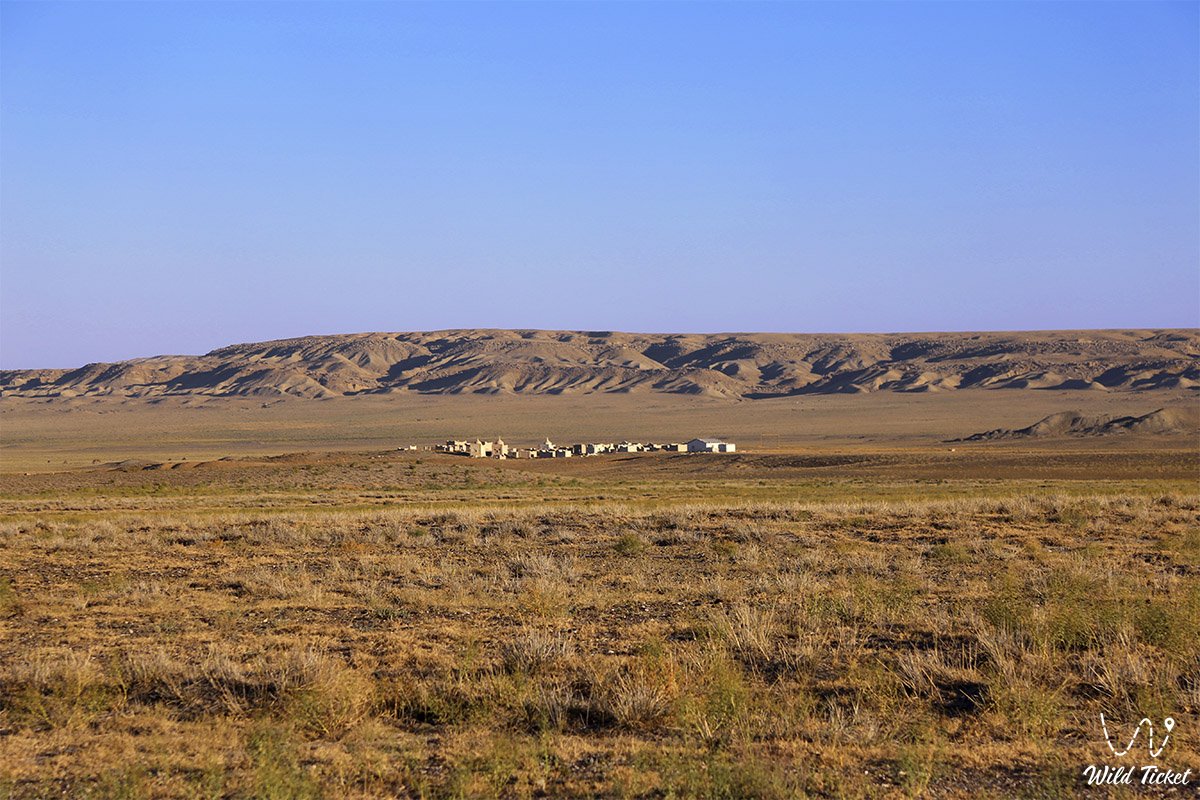
• Kayasan gravelly-wormwood plain – the central plateau with a firm substrate strewn with coquina debris, serving as an optimal breeding biotope for the MacQueen's bustard and rangeland for goitered gazelles.
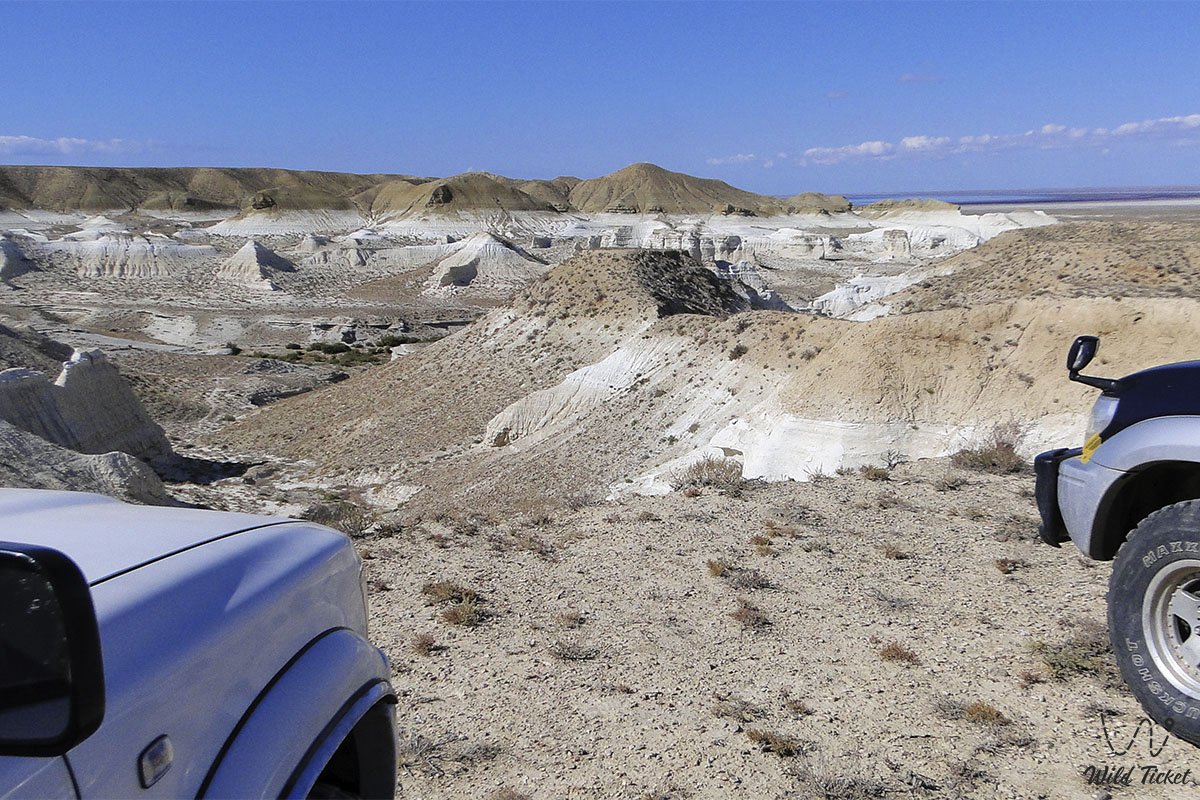
• Basgurly endorheic depression – a grandiose depression dropping to -40 meters with sheer stratified walls, a salt-flat bed, and erosional outliers.
• Zhazgurly and Kuandy depressions – enclosed erosional basins with takyrs that accumulate seasonal runoff, bordered by clay and chalk scarps.
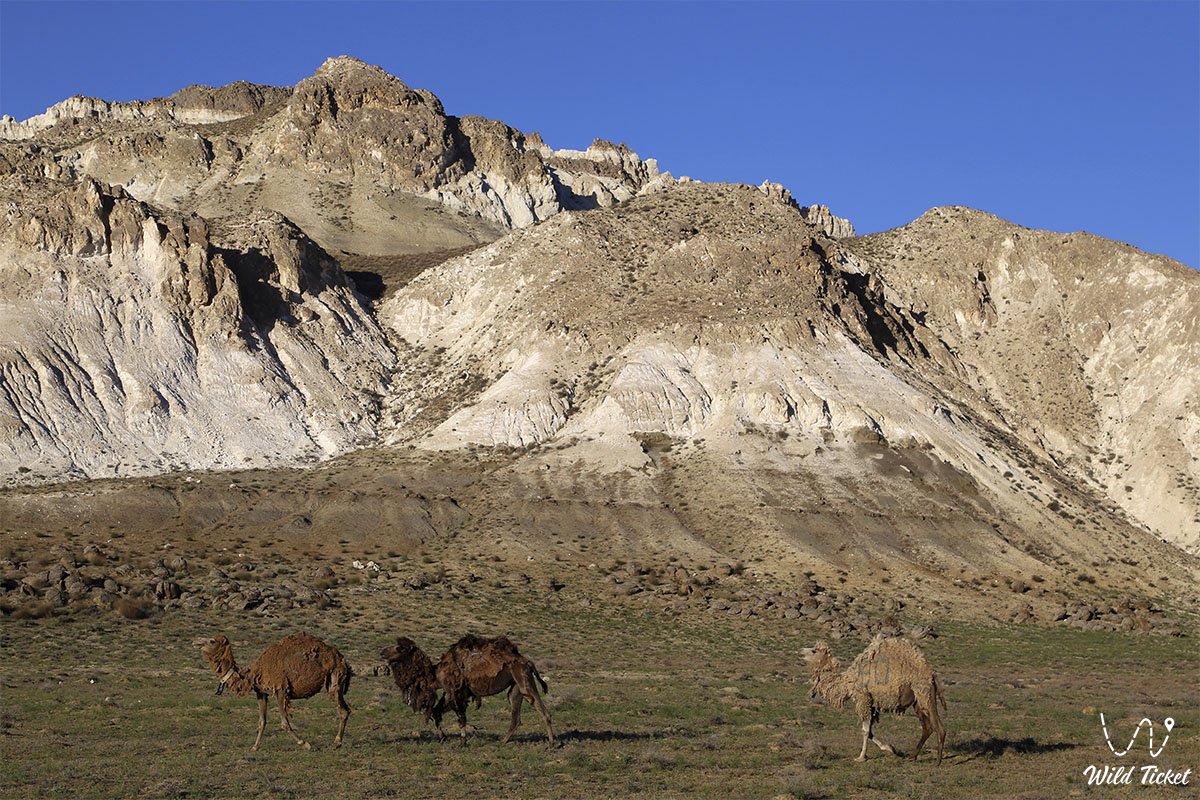
• Rocky chinks of Kulandy and Kayasanirek – sheer 100–200-meter cliffs of the plateau that function as nesting ledges for raptors and a sanctuary for the Ustyurt mountain sheep.
• Paleontological outcrops of Tethys – exposures of limestones and marls along the lips of chinks yielding deposits of fossil shark teeth and mollusk shells.
• Scientific bustard monitoring sectors – open expanses of the plateau where ornithologists conduct ringing, attach satellite tracking transmitters, and perform regular population counts.
• Panoramic vantage points on the plateau rim – natural headlands offering sweeping vistas over the bowl of the Karynzharyk depression, the Kenderli salt flat, and Mount Karamaya.
Flora and fauna
The plant life of the Kenderli-Kayasan Plateau is strictly adapted to acute moisture deficits, high winds, and stony soils. The plains are dominated by drought-resistant dwarf subshrubs and xerophytes: gray-soil wormwood, Lerche's wormwood, Anabasis salsa (biyurgun), Anabasis brachiata (tasbiyurgun), boyalych, eastern saltwort, and Krascheninnikovia (teresken). These plants form a valuable forage base for wild ungulates. Endemic and rare species grow along the clay and rocky slopes of the chinks: Malacocarpus crithmifolius, Atraphaxis, Convolvulus persicus, and Crambe edentula. Salt marshes within depressions host halophytic communities: Halocnemum strobilaceum, Kalidium, and Salicornia. In spring, the plain is briefly blanketed with blooming wild Sogdian tulips, two-flowered tulips, and ephemerals.
The wildlife of the plateau possesses outstanding conservation value. The primary ornithological asset is the MacQueen's bustard (houbara bustard), an exceptionally cautious bird of open clay-gravel semi-deserts. Inaccessible ledges of the chinks support nesting birds of prey: saker falcon, peregrine falcon, golden eagle, steppe eagle, long-legged buzzard, Egyptian vulture, and eagle-owl. Black-bellied sandgrouse, Pallas's sandgrouse, desert larks, and stone-curlews are common across the plains.
Among mammals, the key residents of the plateau are the graceful goitered gazelle and the Ustyurt mountain sheep (mouflon/urial), which populates the adjacent chinks. Herds of saiga antelopes cross the territory during seasonal migrations.
Among carnivores and small mammals, the sand cat, caracal, Pallas's cat, steppe polecat, marbled polecat, corsac fox, tolai hare, Brandt's hedgehog, long-eared hedgehog, and colonies of gerbils and jerboas inhabit the plateau. Wolves and jackals patrol the upland during night hours.
The herpetofauna is represented by the desert monitor, Central Asian tortoise, agile steppe agama, toad-headed and secret toad-headed agamas, plate-tailed gecko, sand boa, arrow snake, four-lined snake, and Halys pit viper. Solifuges, scorpions, and black widow spiders (karakurt) dwell in rock fissures.
Legend
An ancient nomadic legend concerning the Bird of Steppe Peace and the faithful guardian falcon is linked to the boundless expanses of Kenderli-Kayasan.
Tradition tells that at the dawn of time, when the Mangyshlak Plateau was first being settled by nomadic tribes, two sacred birds held dominion over this rugged land – the White Saker Falcon and the Golden-Eyed Bustard. The Falcon was sovereign of the inaccessible chinks, whose keen sight could detect an enemy hundreds of leagues away, while the Bustard was the spirit of the peaceful wormwood plain, whose light steps brought blessing to the steppe pastures.
One day, a great drought descended upon the steppe, accompanied by an invasion of a dark desert demon determined to dry up every subterranean well and destroy humans and beasts alike. Seeing the impending ruin, the White Falcon soared to the chinks of Kayasanirek and engaged in a furious battle with the evil spirit, checking its gusts with his mighty wings. Meanwhile, the fair Bustard ran across the scorching plateau, tapping her feet against the hard limestone. Wherever her tracks touched stone, freshwater springs welled up from the deep earth, replenishing the wells with life-giving moisture.
Together, the birds vanquished the darkness and saved the valley, remaining forever as guardian spirits of this upland. Elders say that so long as swift saker falcons circle above the plateau's chinks and the cautious MacQueen's bustard runs freely across the gravelly plains, the land of Kenderli-Kayasan will preserve peace, stillness, and ancestral blessings for all who tread upon it with righteous intent.
Conclusion
The Kenderli-Kayasan Plateau is a rugged and majestic natural monolith of Southern Mangyshlak, where the primeval power of limestone plains merges with the dramatic grandeur of chinks and the fragile world of rare desert inhabitants. An expedition across the boundless expanses of Kenderli-Kayasan grants a rare sense of discovery, allowing travelers to encounter untouched wilderness, watch the flight of steppe eagles over precipices, and experience the authentic majesty of the Mangystau land.
Interesting sights nearby:
• Kenderli-Kayasan State Nature Sanctuary;
• Endorheic Basgurly and Zhazgurly Depressions (-40 m);
• Kuandy Depression;
• Rocky chinks of Kulandy and Kayasanirek;
• Karynzharyk Endorheic Depression spanning 85 km;
• Kenderli Salt Flat (Kendirlisor);
• Onere Chalk Outliers ("Three Batyrs");
• Residual dark mountain and Karamaya Ridge;
• Sand massif and dunes of Kenderlikum;
• Ustyurt State Nature Reserve;
• Village of Kulandy and the settlement of Senek;
• Oil Town of Zhanaozen.
Sacred sights and pilgrimage destinations:
• Beket-Ata Underground Mosque in Oglandy Tract;
• Shopan-Ata Underground Mosque in Karakiyan District;
• Karaman-Ata Underground Mosque and Necropolis;
• Mausoleum of Saint Man-Ata on Manata Pass;
• Shakpak-Ata Rock-Cut Cruciform Mosque;
• Sultan-Epe Underground Mosque and Necropolis;
• Otpan Tau Historical and Cultural Complex on Mount Otpan-Tau;
• Masat-Ata Underground Cave Mosque.
Photogallery: