Excursion to Aksu canyon in Aksu Djabagly reserve
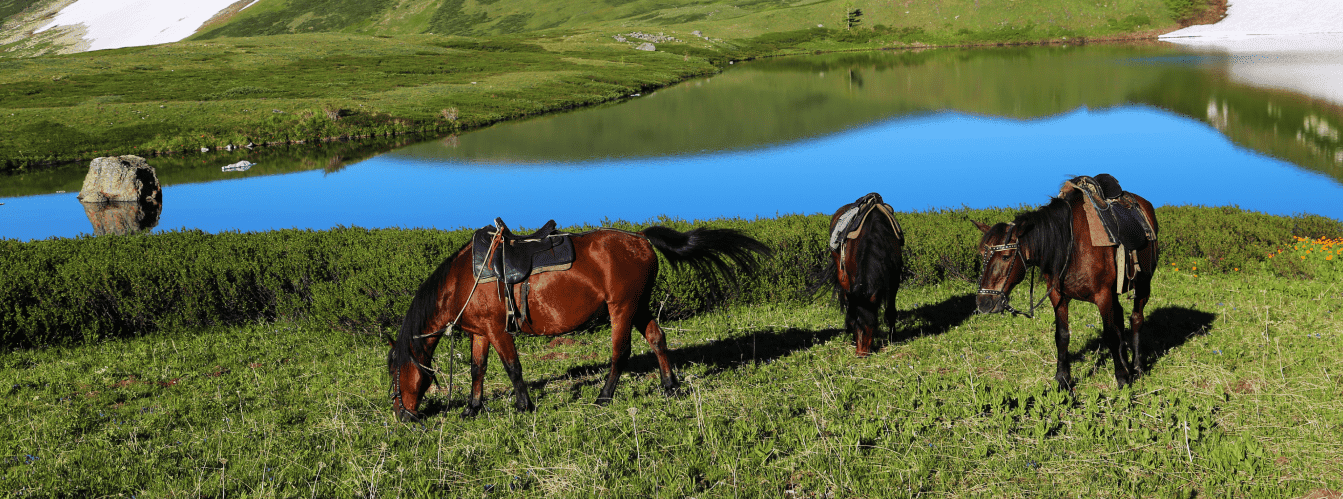
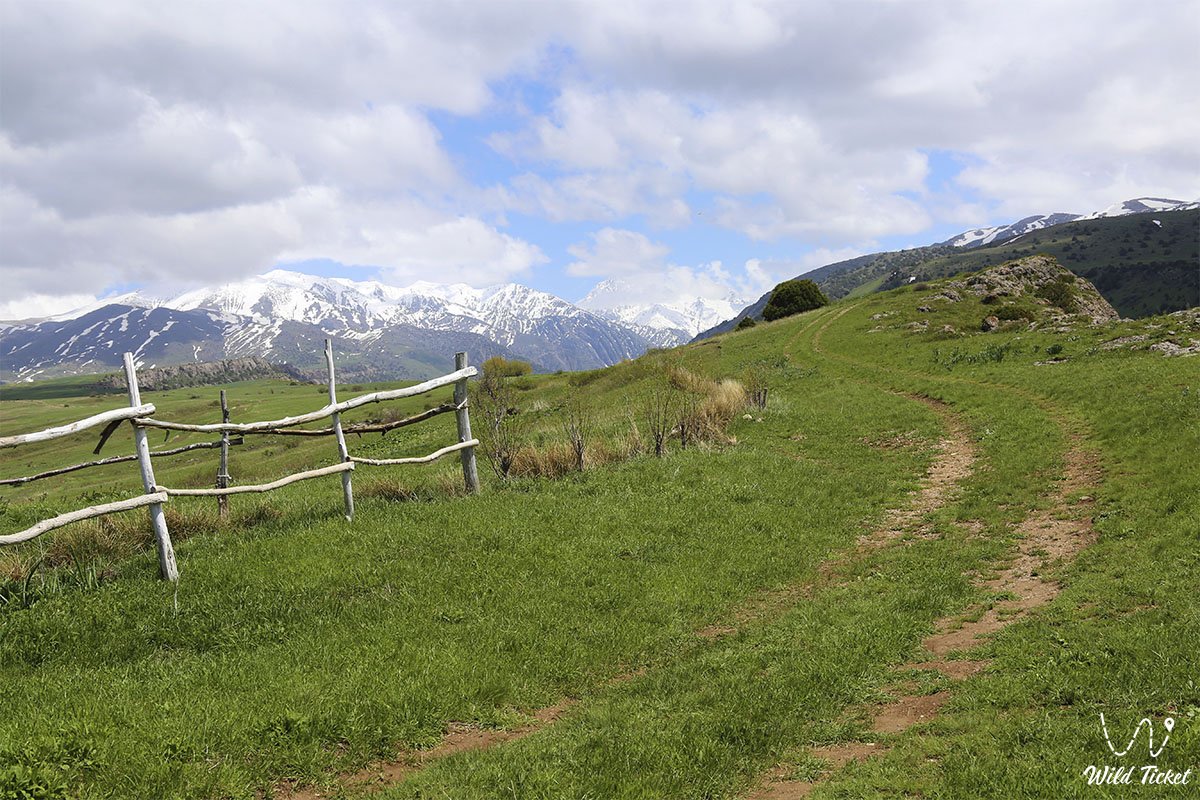
The Aksu river canyon, the Aksu river, have the same name and are located in the oldest nature reserve in Kazakhstan, Aksu-Zhabagly. A mountain path leads to the canyon along which we can climb to the upper reaches of the gorge, we can also get here on horses rented in the village of Zhabagly.
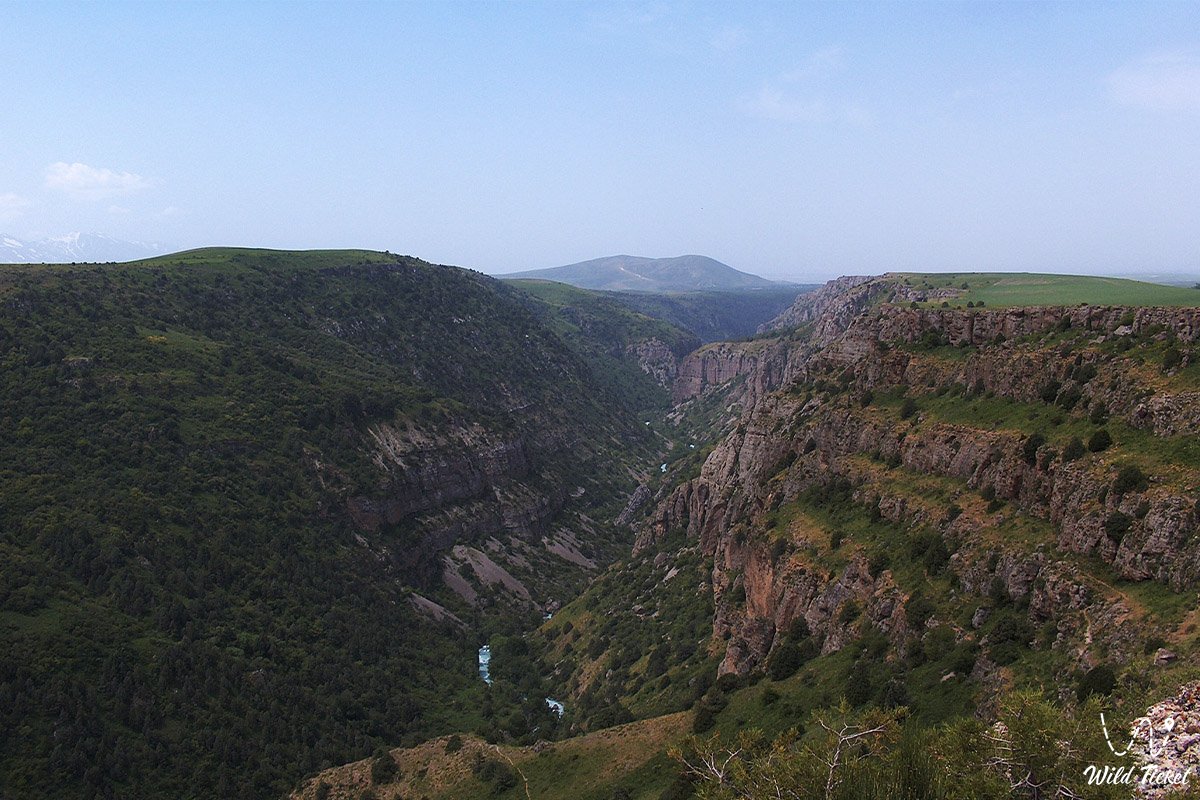
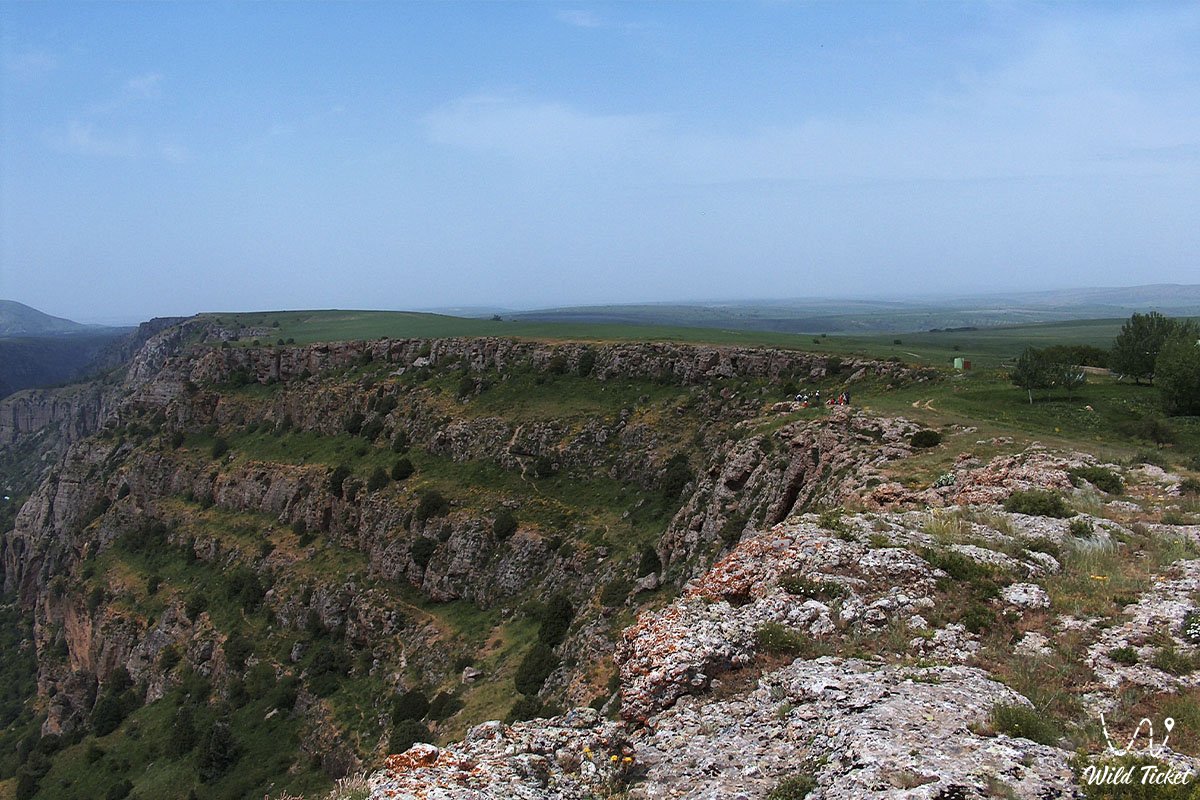
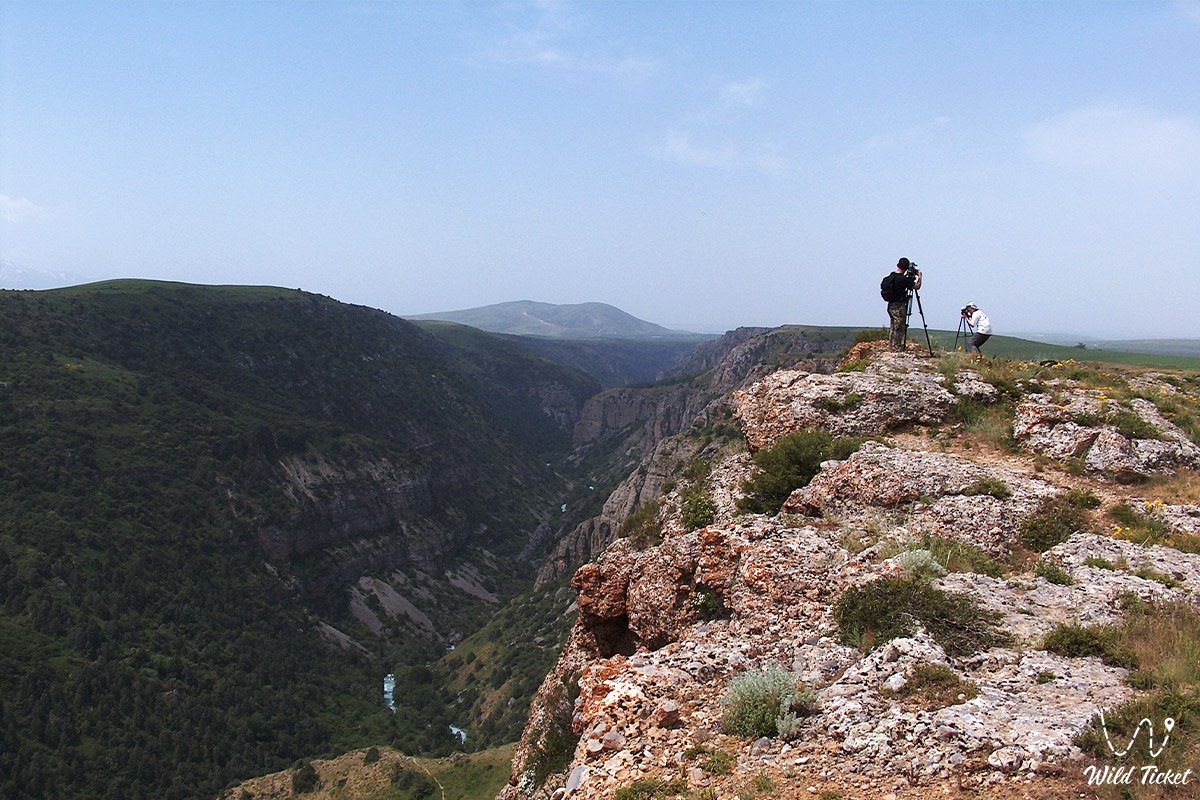
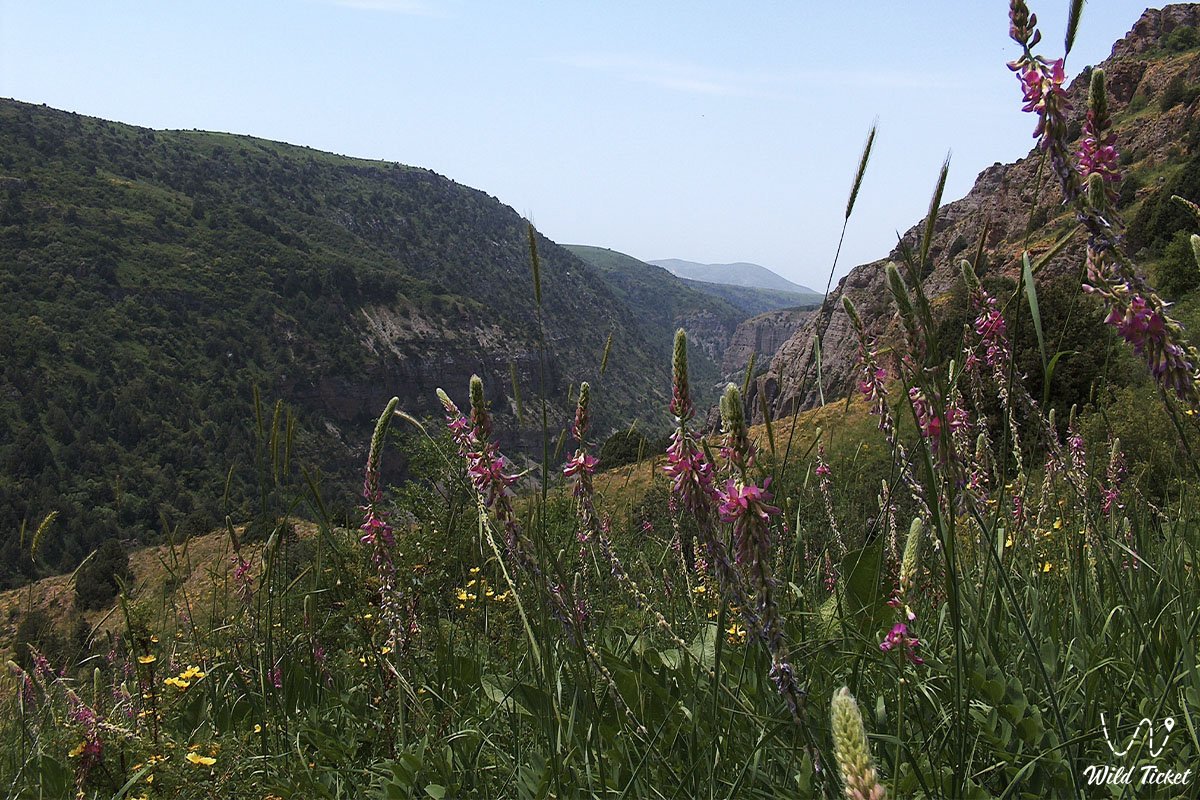
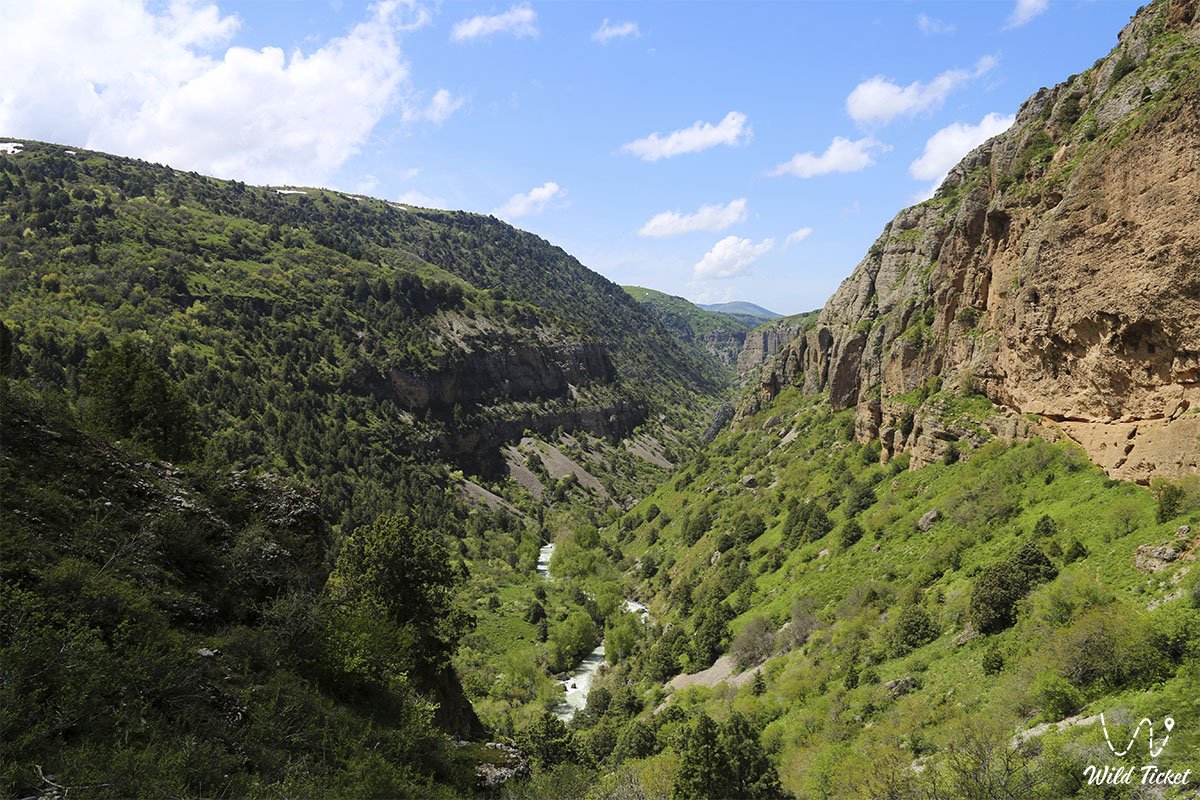
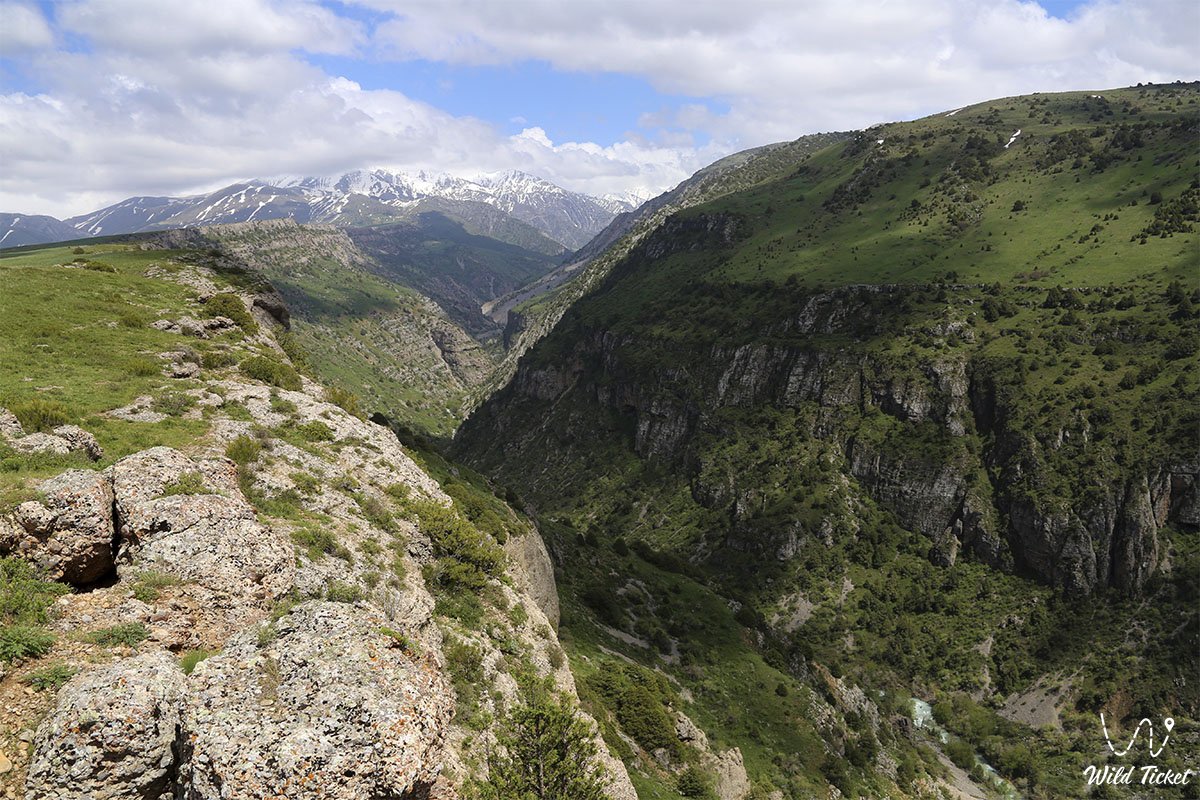
The Aksu river canyon is quite deep, from the top of the canyon you can see the river and the canyon itself. Various types of plants grow in the canyon and many mammals live. The depth of the canyon in some places reaches 500 meters, be careful and careful while walking here. The canyon is 30 kilometers long, so the walk will take place from morning until lunchtime. The reserve has a tourist infrastructure and guides, you can spend the night in one of the guest houses in the village of Zhabagly.
- Distance of the route:
92 km
- Season time:
May - September
- Best time:
June - August
- Group size:
12 person
- Days & nights:
1 day
Tour itinerary:
Aksu-Zhabagly Nature Reserve, a trip to Aksu Canyon (46 km).
From the village of Zhabagly, we drive to the Aksu Canyon, which is located at an altitude of 1,620 meters above sea level, along the way we pass a couple of villages of Yeltai and Iirsu. After driving 25 kilometers and reaching the descent into the canyon, we follow down, the road will take about an hour. After descending, we walk along the canyon and take photos, and enjoy the extraordinary beauty of this part of the Aksu-Zhabagli Nature Reserve.
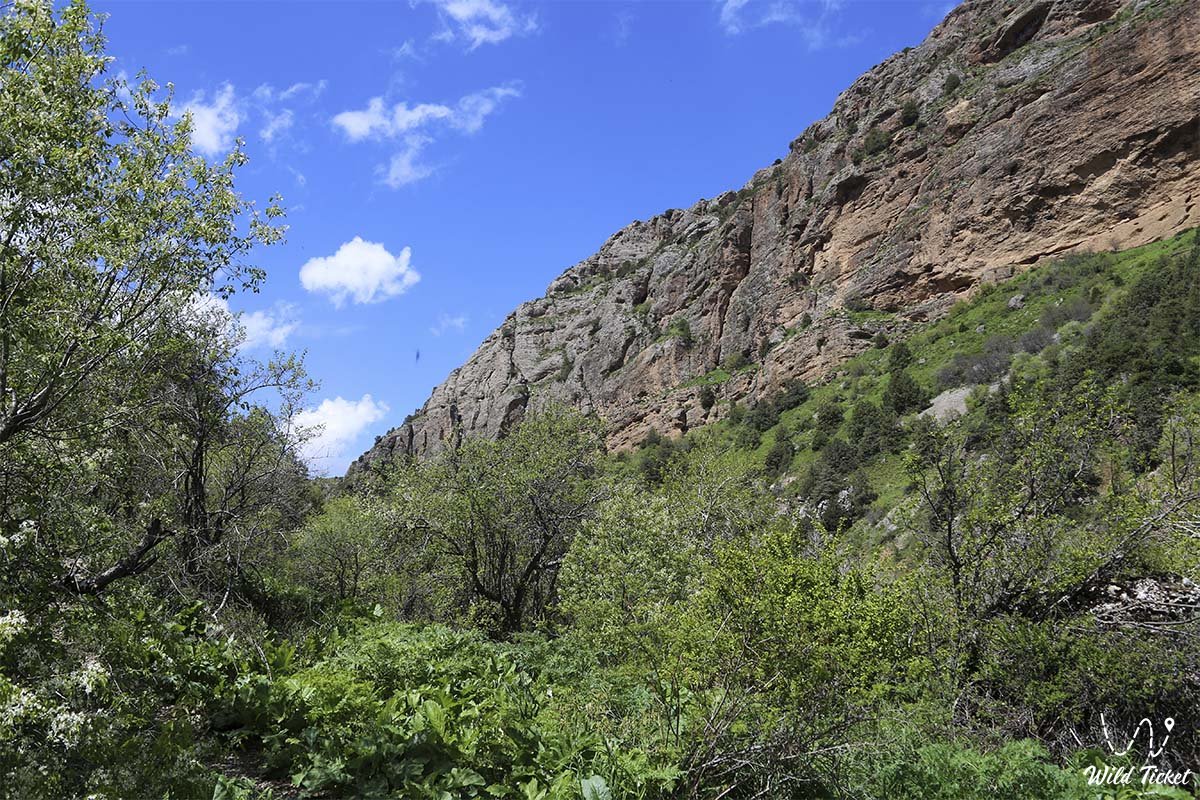
We set off on foot along the path on the northern slope from the Aksu cordon to the bridge on the river of the same name. Our path will lie through thickets of juniper forest and Caucasian Carcass. If we look towards the southern slope, we can see the nests of rock swallows. It is very convenient to observe the life of birds of prey from our place, such as golden eagle, snake-eater, dwarf eagle, barrow, vulture, barn owl, vulture, bearded kestrel, saker falcon and many others. It is quite possible to see mountain goats and bears.
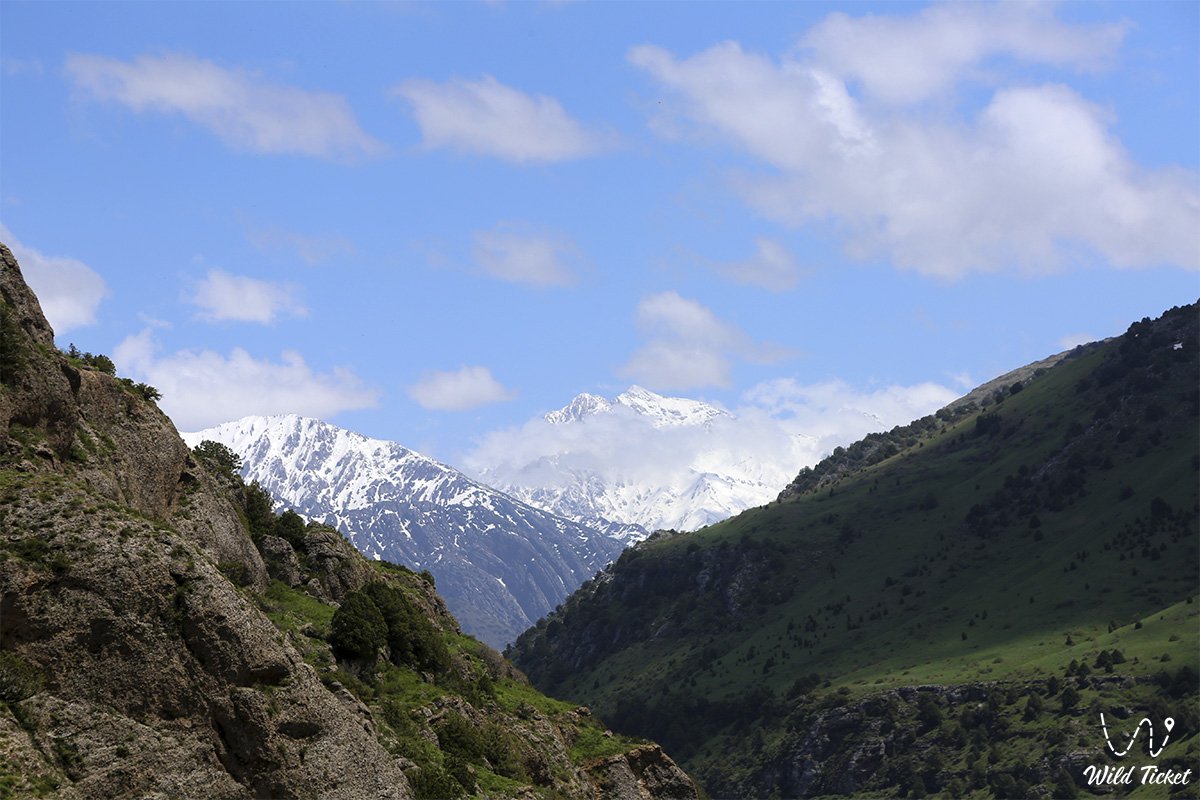
This canyon is one of the deepest in Central Asia. Its depth reaches 500 meters and its width is about one kilometer. The walls of the Aksu Canyon consist of sediments from an ancient lake, and descend in ledges to the Aksu riverbed. The water in it is cold and clean, formed by the melting of the glaciers of the Talas Alatau.
During floods, the water turns turquoise, which is obtained as a result of rock particles that erode in the upper reaches of the river. By the end of summer, the water in the river becomes clear and transparent. A tugai forest grows along the riverbank, mainly consisting of birches, willows and poplars. After descending the narrow path of the southern slope, we find ourselves by the river, enjoying its noise and coolness and relaxing in the shade of the forest.
Moving along the north side of Aksu Canyon, the path will lie through the forest formed by the Sievers apple tree, the fruits of these apples are very tasty, and take on absolutely various shapes and sizes. At the end of the canyon, the road goes to the southern part of the Aksu-Jabagli Nature Reserve, where the beautiful and picturesque Chuuldak tract is located. It is recommended to visit it from the beginning of spring to the end of autumn.
When the plants on the slope begin to dry out, the smell of the coniferous juniper forest becomes richer. In autumn, this landscape becomes charming due to the contrast between the yellowing trees and the blue shadows in the canyon. At this time of the year, you will be able to see horsetail ephedra fruits, dove-blue cones, archie berries, and many other fruit-bearing plants.
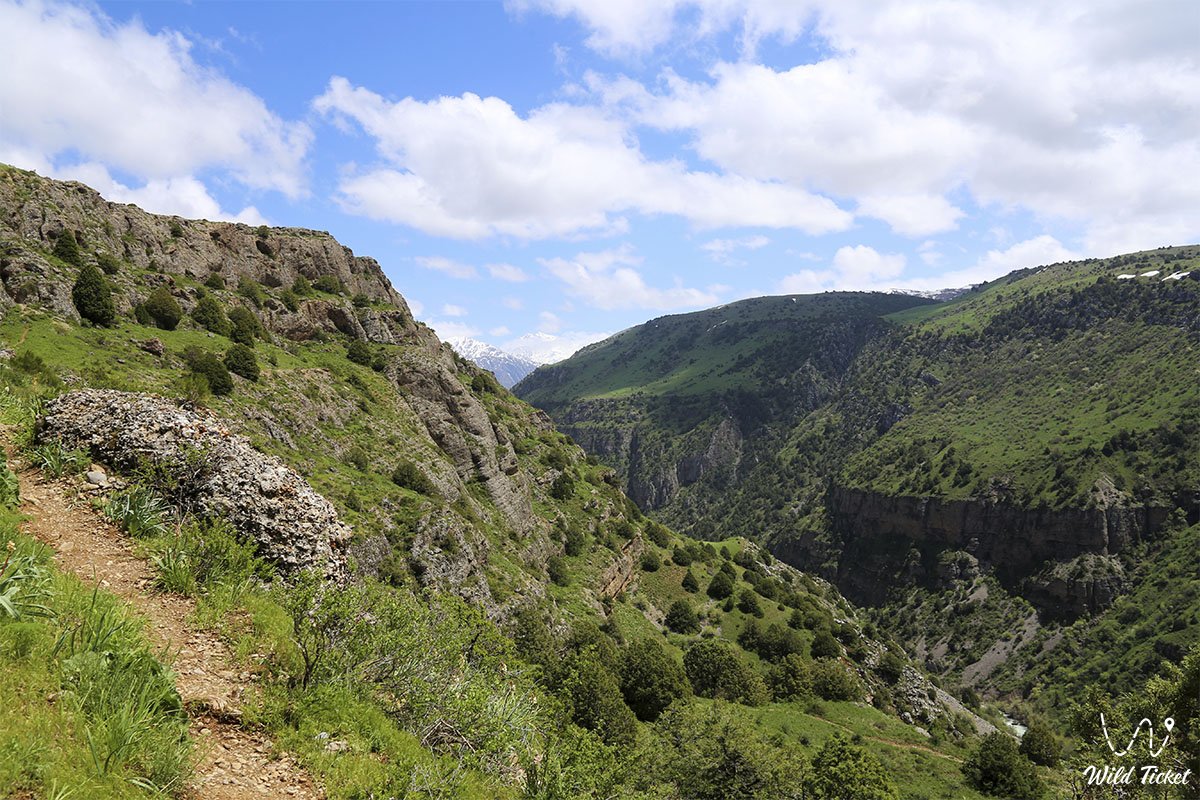
During a visit in any season of the year, you can see a stone thrush and kamenka over the canyon. And if you walk along the top of the canyon without going down into the gorge, you can never get tired of enjoying the new views from its edge. There is a trail that leads us down to the upper terrace of the canyon, about a third of the way, and then returns back up.
At the end of our tour, we have lunch and then begin the return ascent, which will take about an hour and a half. If you wish, on the way back we can stop in the village of Yeltai and get acquainted with the local life of the population. The way of life here is patriarchal. If you have the opportunity, you can participate in making a cat or in another craft. Next, we return to the village of Zhabagly.
Photogallery: