Tour itinerary: city of Aktau – Karagiye depression – town of Zhanaozen – village of Kyzylsai – Bozzhyra tract – Bozzhyra panoramas – Mount Ulken-Keme
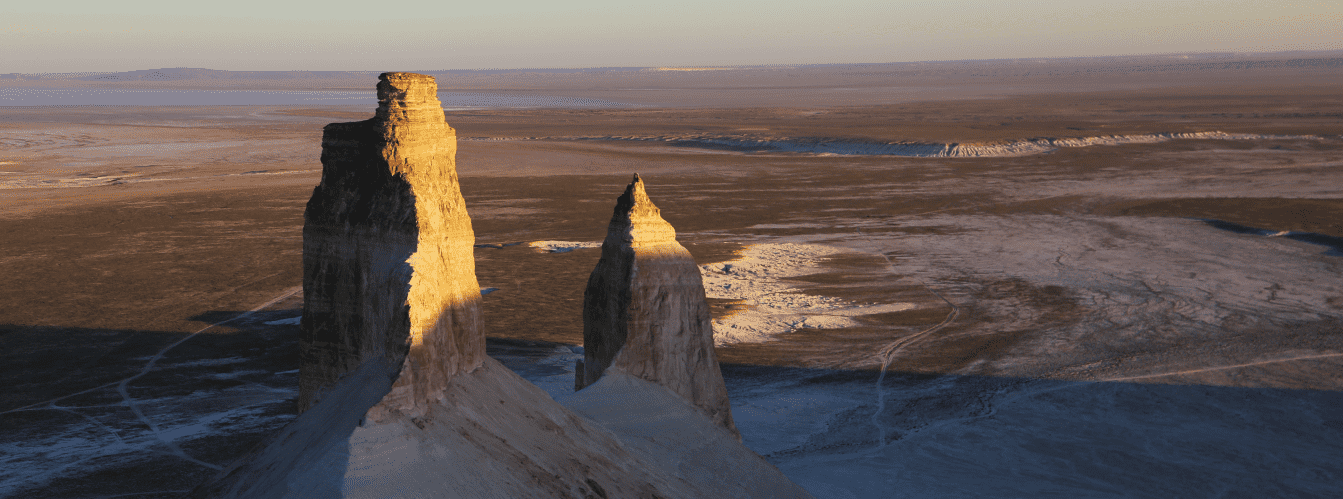
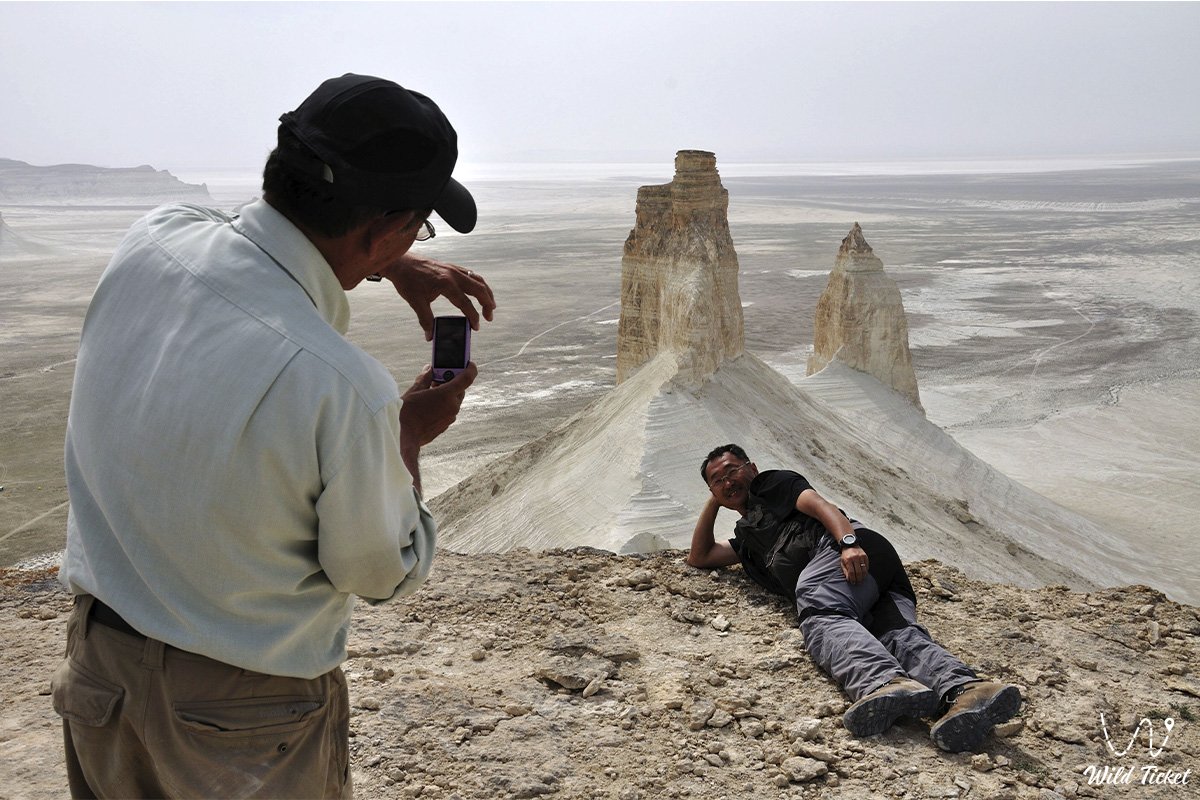
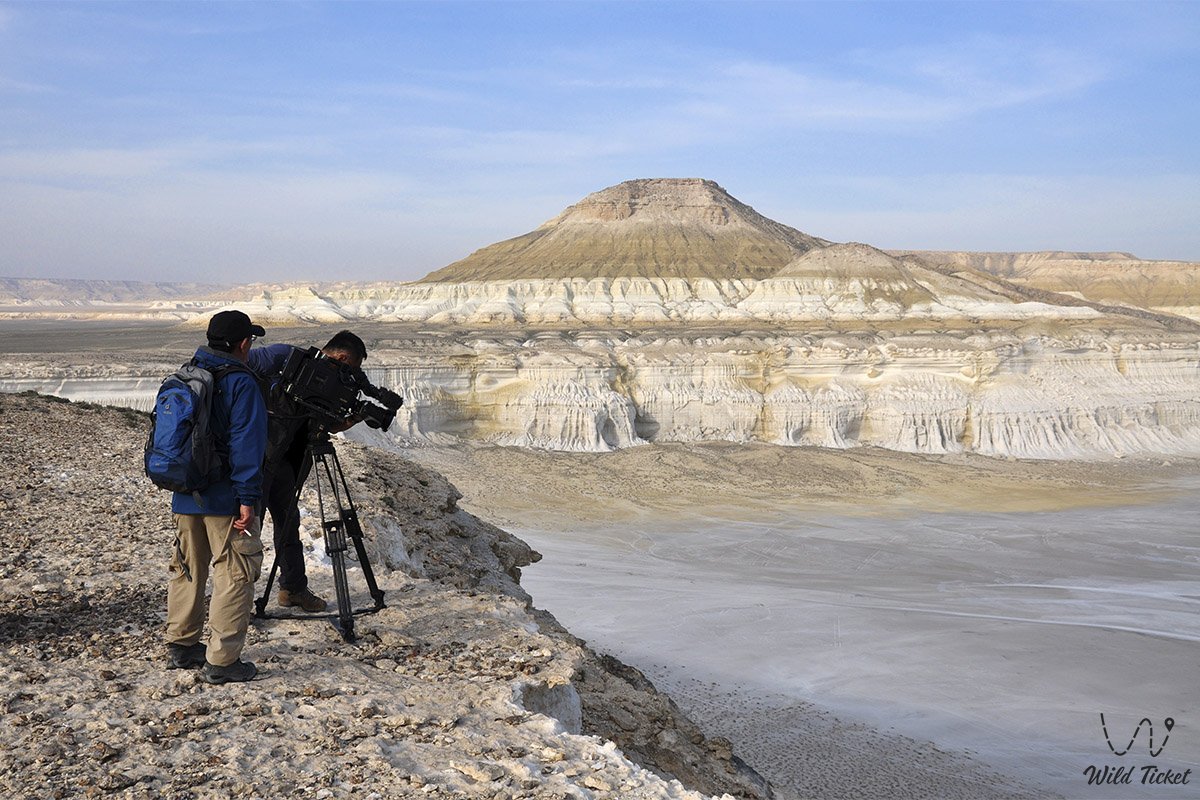
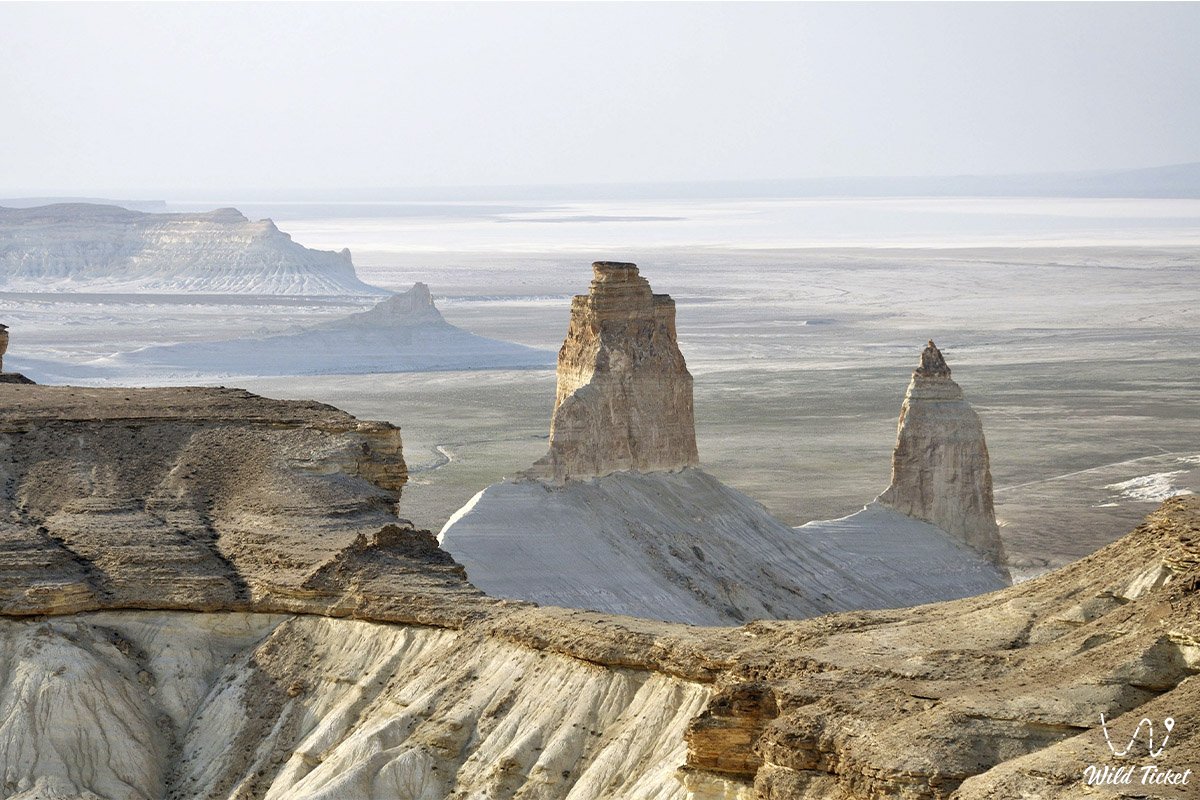
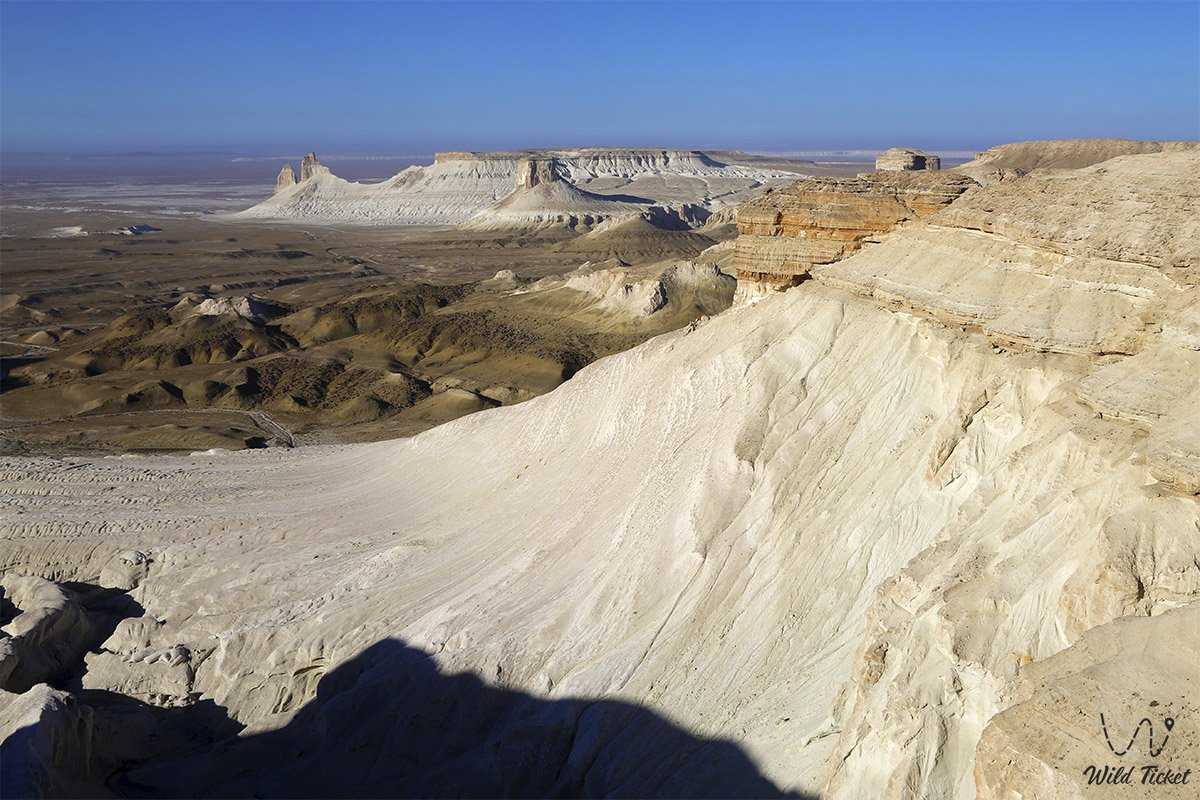
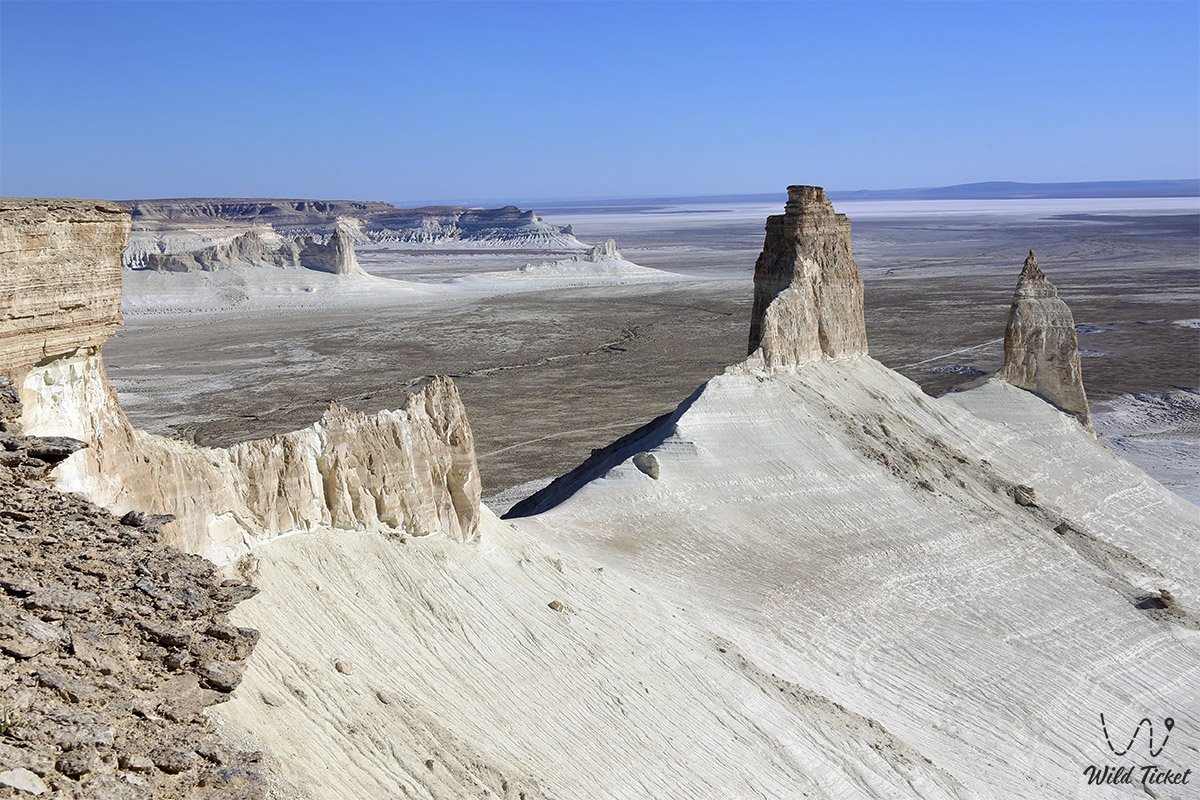
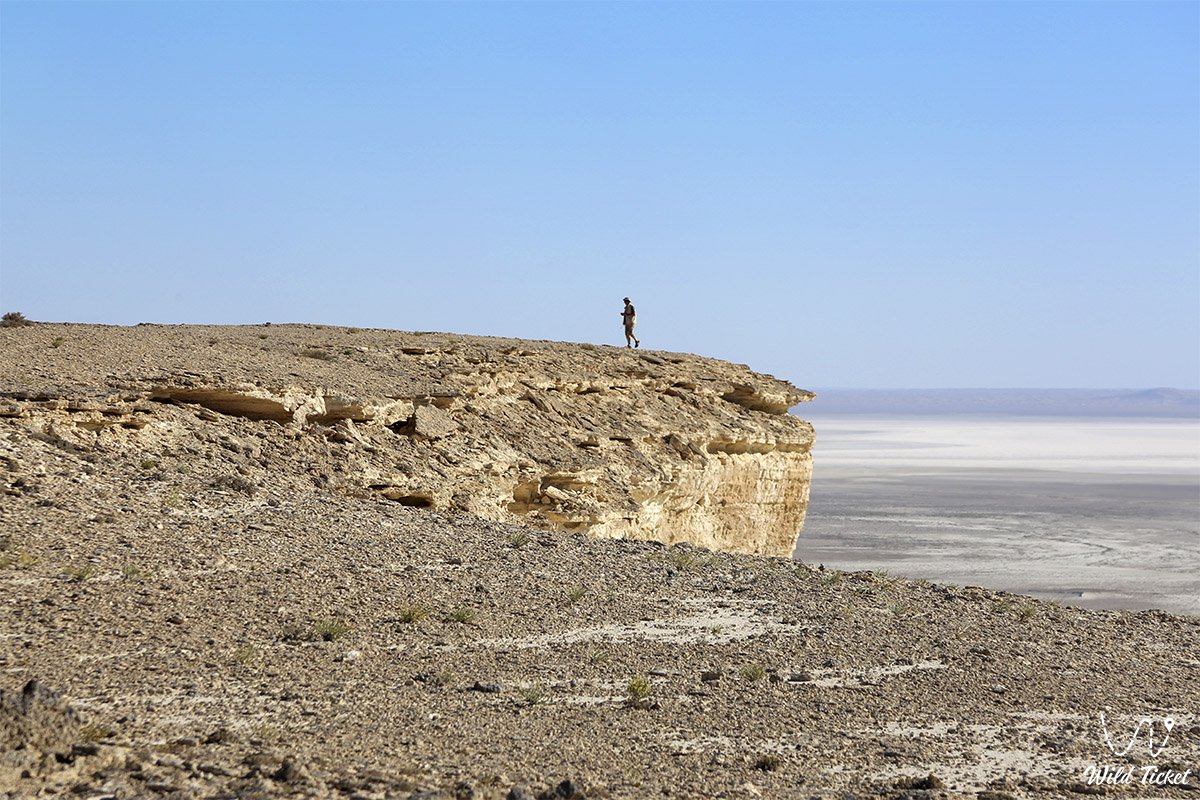
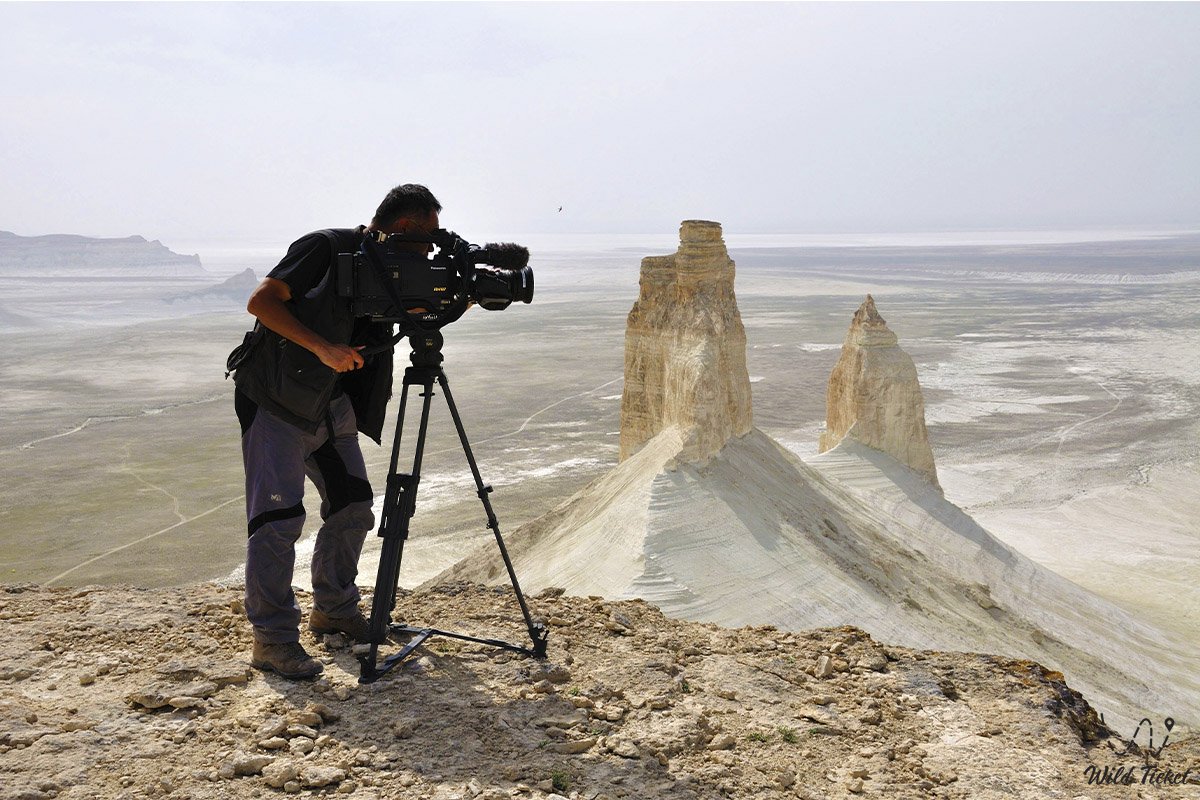
Mount Ulken-Keme (translating from Kazakh as "Big Ship") is a colossal rock massif-ledge of the Western Chink of the Ustyurt plateau rising 240 meters above sea level. This monumental limestone promontory serves as a key landscape dominant of Mangystau. It projects into the airspace of the tract for more than 300 meters, resembling a stranded ocean liner. A breathtaking 360-degree panorama unfolds from its flat summit: deep below lies the whitish plain of Oynak Bozzhyra, on the southern horizon shimmers the salt crust of Sor Karashek, nearby extends the paleontologically rich Silicon Valley, and directly at the foot of the prow rise the two celebrated chalk peaks—Azu-Tisteri ("Fangs of Bozzhyra").
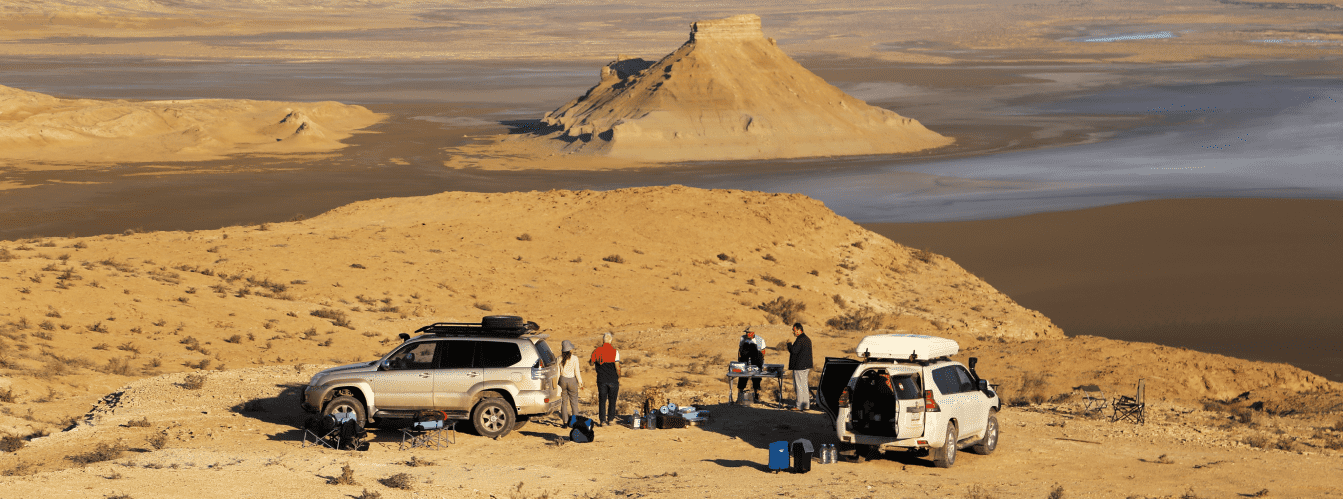
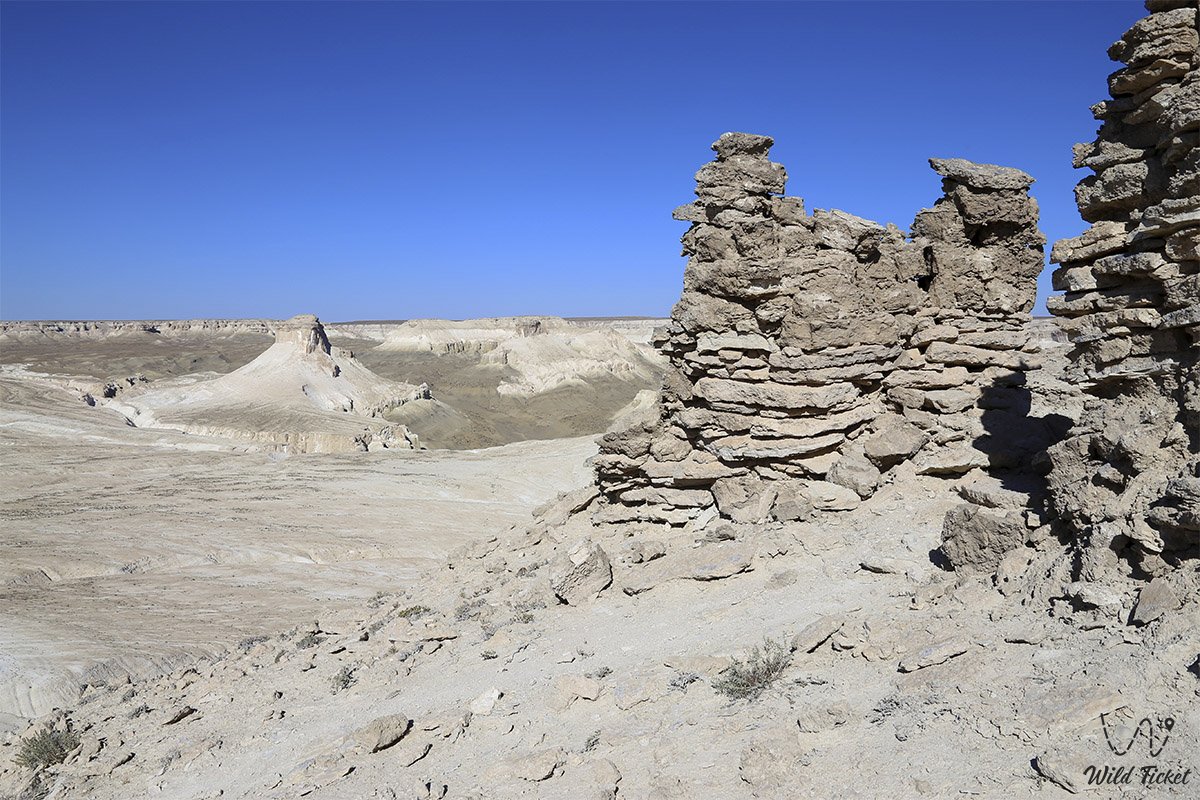
The journey to the summit combines off-road 4x4 driving and hiking across rocky terrain. It is best to head here accompanied by an experienced guide who knows the steppe ruts well and can choose the shortest approach from the side of the Zhogarly plateau. The vehicular portion of the trip concludes on the Ortasha plateau, where travelers leave their vehicles at the parking area and begin a foot trail roughly one kilometer long. In places, the path fades among hard limestone slabs, but the heading toward the tip of the promontory remains unmistakable. The primary landmark and historical monument along the route is an ancient stone fortress-shelter, constructed with dry-laid masonry across the narrow neck to defend the citadel.
GPS coordinates of Mount Ulken-Keme:
43°25'25"N 54°04'14"E
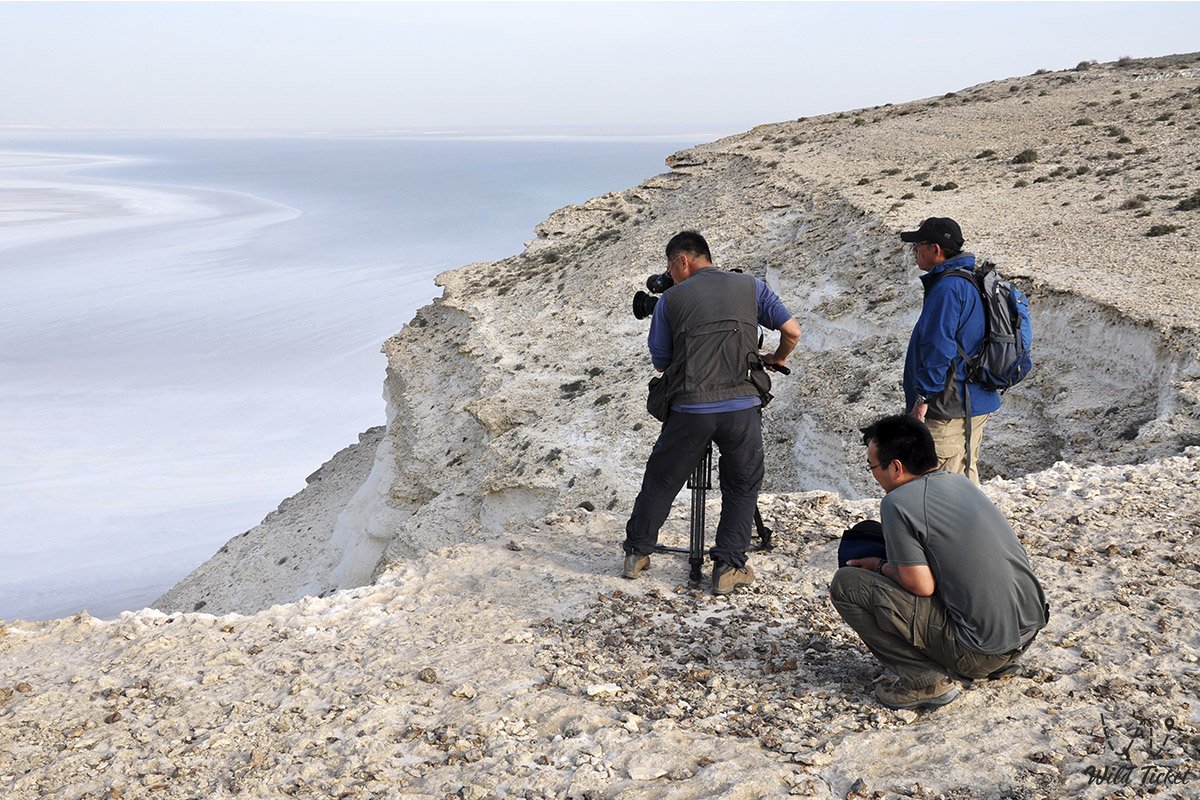
Important, safety rules: being on the promontory demands the utmost discipline and concentration. The vertical rock precipice here exceeds a 150-meter drop, with a total lack of any barriers or railings. Approaching the edge while standing upright is strictly prohibited: sudden, powerful gusts of wind regularly sweep across the heights, capable of knocking a person down. For panoramic photography of the Azu-Tisteri rocks, it is safest to lie flat on your stomach on the solid stone slab, extending only the camera lens forward. Do not step onto fractured cornices undercut by erosion, and keep children by the hand at a safe distance from the edge.
Tour itinerary:
Photogallery: