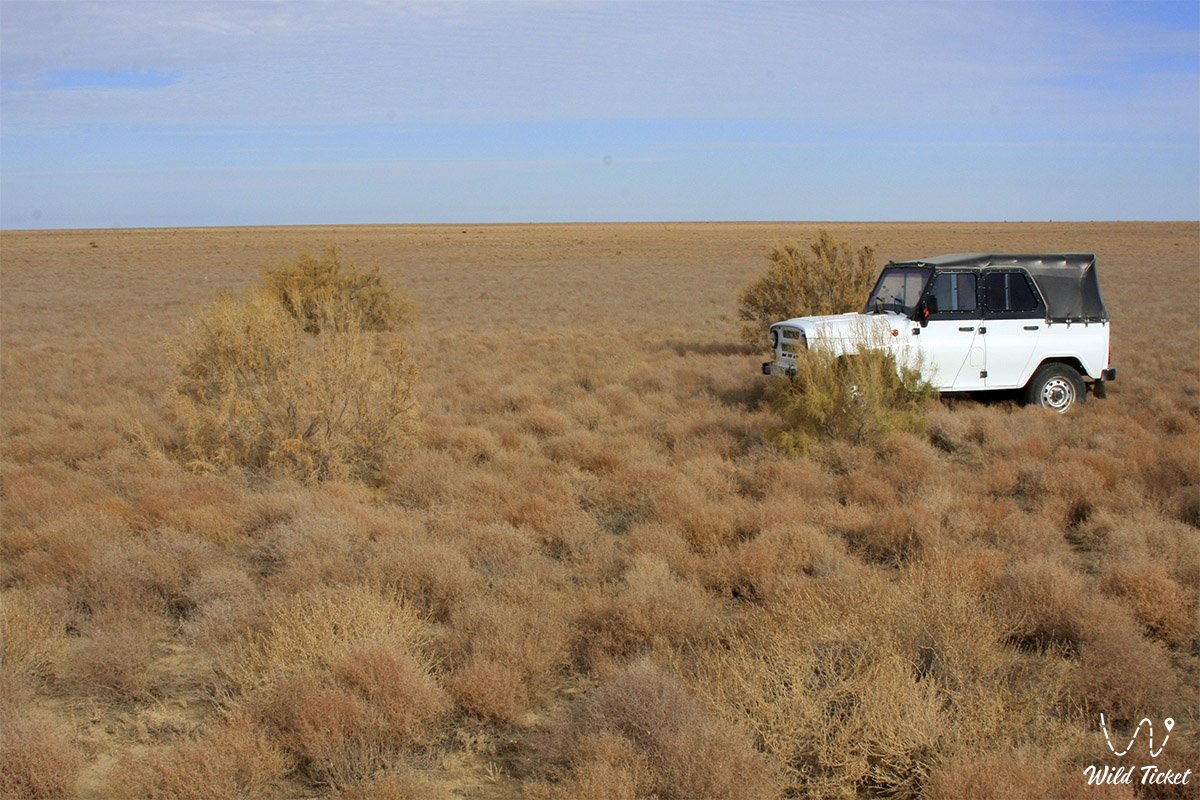
Unique fauna and flora of the relict plateau and the Aralkum Desert -
The wildlife of Barsakelmes Island (now a protected tract) represents a unique, isolated, and highly adaptive biocenosis of northern and middle deserts of the Turan type. Located in the Aral district in the Kyzylorda region on the territory of the UNESCO Barsakelmes State Nature Biosphere Reserve, this natural complex developed under conditions of centuries-long isolation in the central part of the Aral Sea, and then underwent a severe test through a global ecological crisis.
The ecosystems of Barsakelmes form within the harsh climatic framework of the Turan Lowland: under a deficit of fresh water, extreme temperature fluctuations, and a high level of soil mineralization. Prior to the shallowing of the Aral Sea and its division into the Large Aral and the Small Aral, the island served as a natural refuge with a mild marine microclimate, where among saxaul thickets and freshwater buguty reservoirs, a rich faunal complex formed.
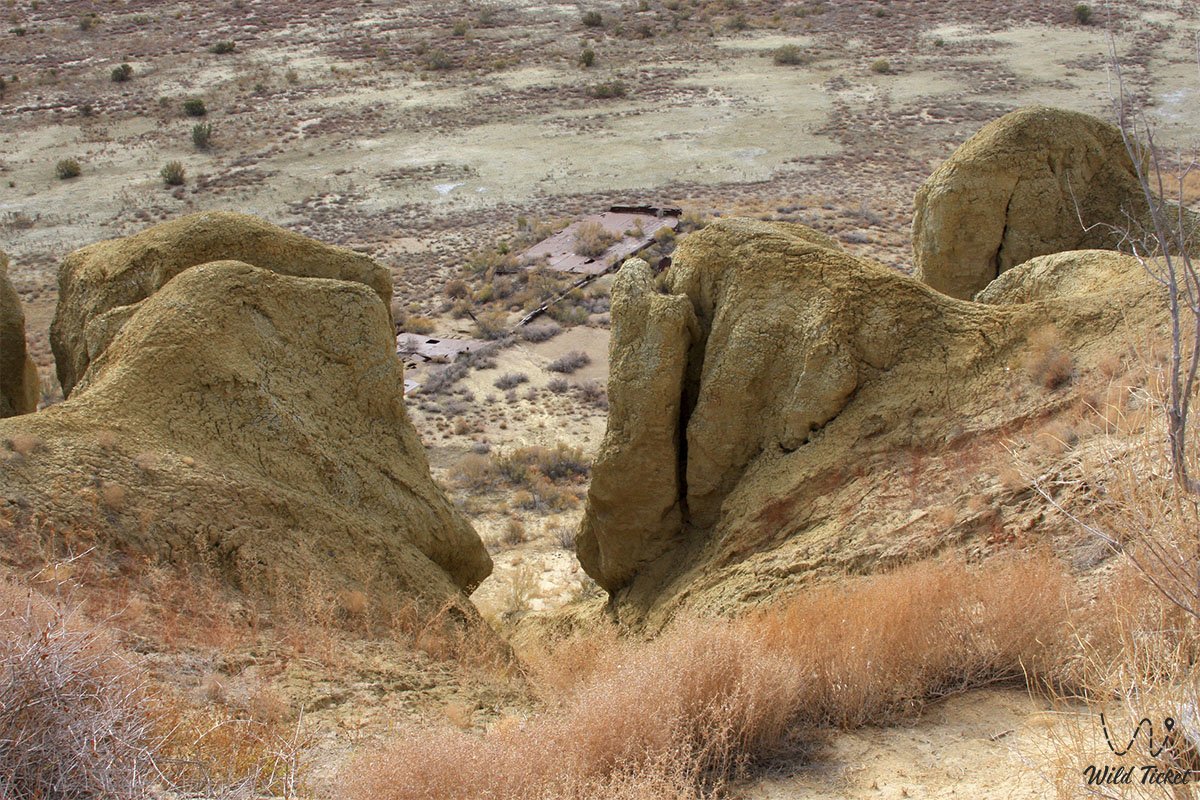
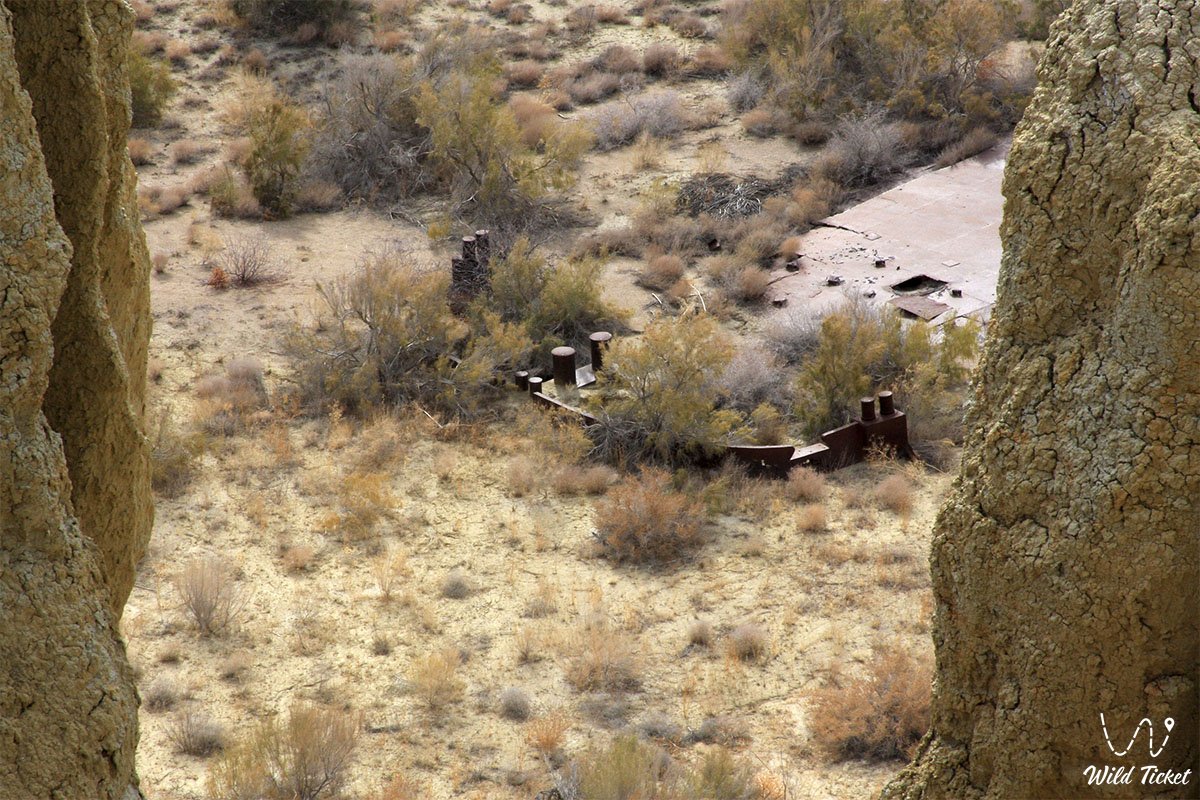
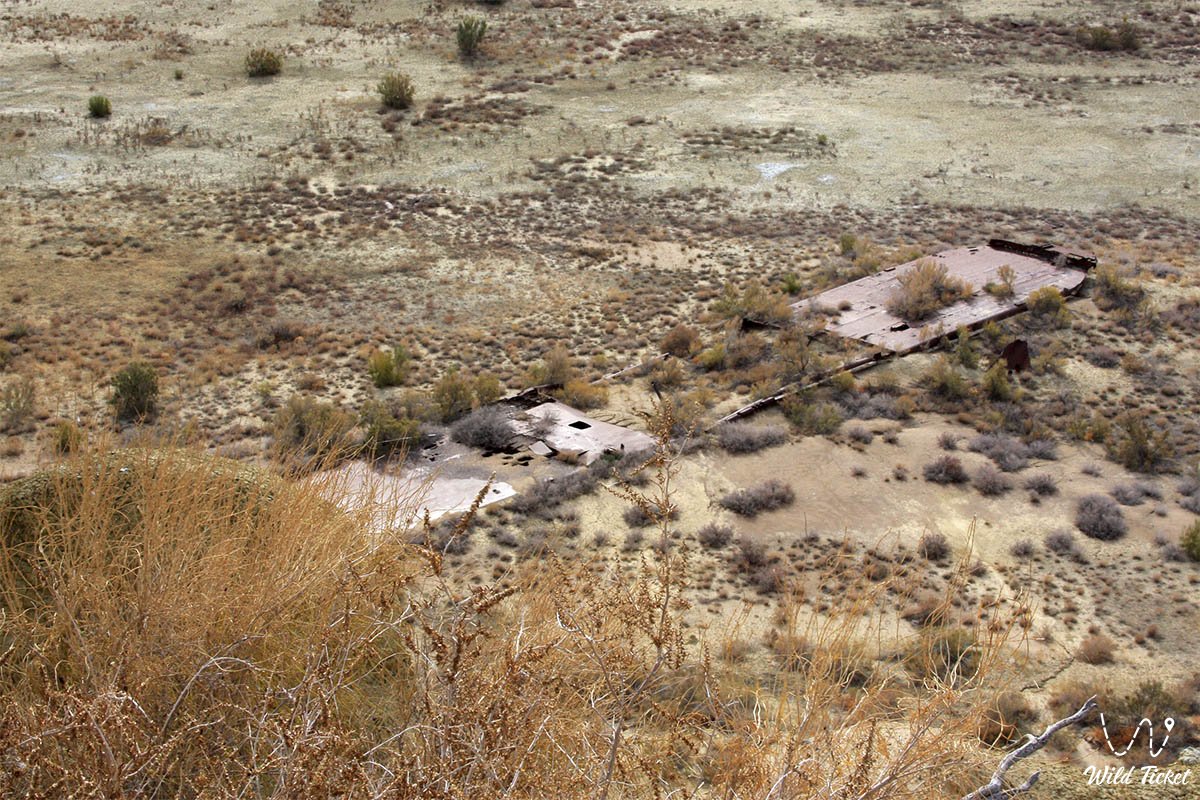
After the disappearance of the marine water mirror and the union of the former island with the mainland, the natural world of the tract transformed, becoming a model of primary ecological successions on the exposed sand-and-salt soils of the young Aralkum Desert.
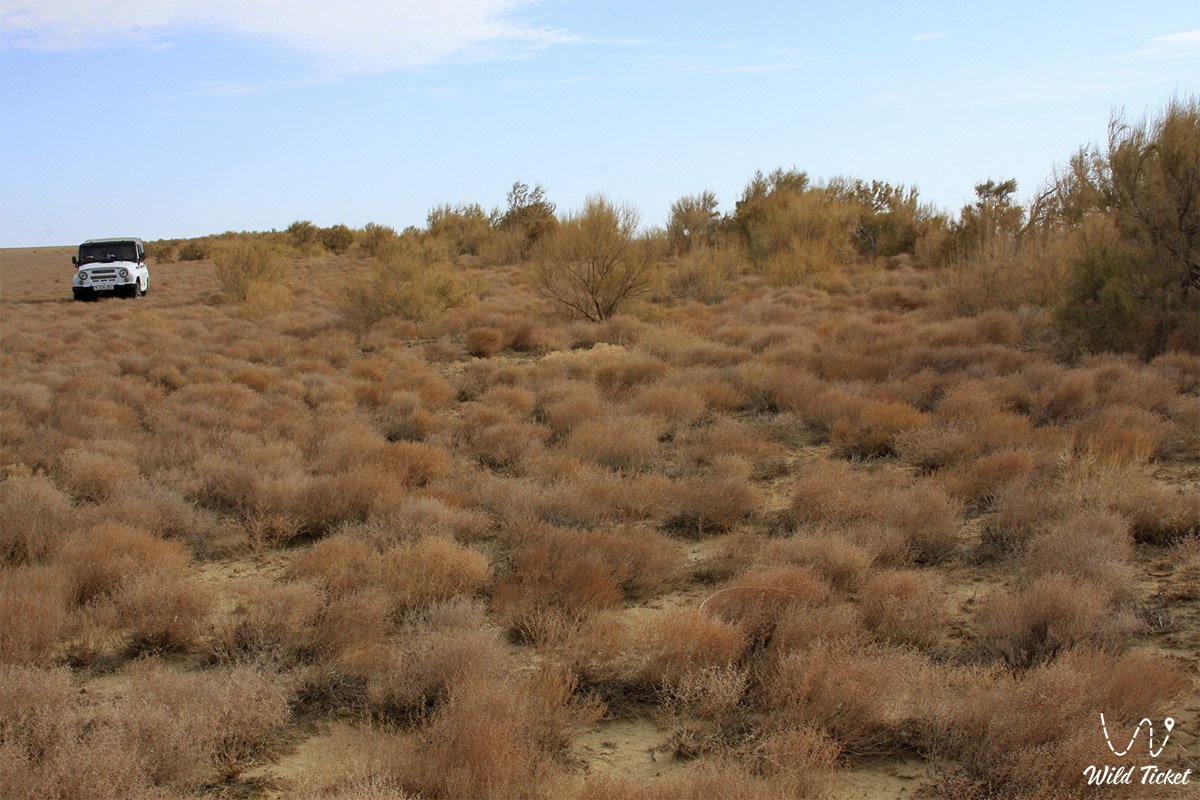
The main biological value of the tract is the gene pool of rare and Red Book-listed ungulates of Eurasia. Barsakelmes became a global cradle for saving the endangered Turkmenian kulan, as well as a reliable haven for relict populations of the goitered gazelle and saiga antelope. The flora of the territory is also unique, combining zonal plakor communities of gray-soil wormwood, endemic glassworts, thickets of desert saxaul, and spring carpets of beautifully flowering ephemeroids.
For zoologists, botanists, ecologists, and lovers of pristine wild nature, Barsakelmes remains a living laboratory of evolution, where each species demonstrates astonishing physiological mechanisms of survival on the brink of the possible.
--------------------------------------------
How to get there and visit -
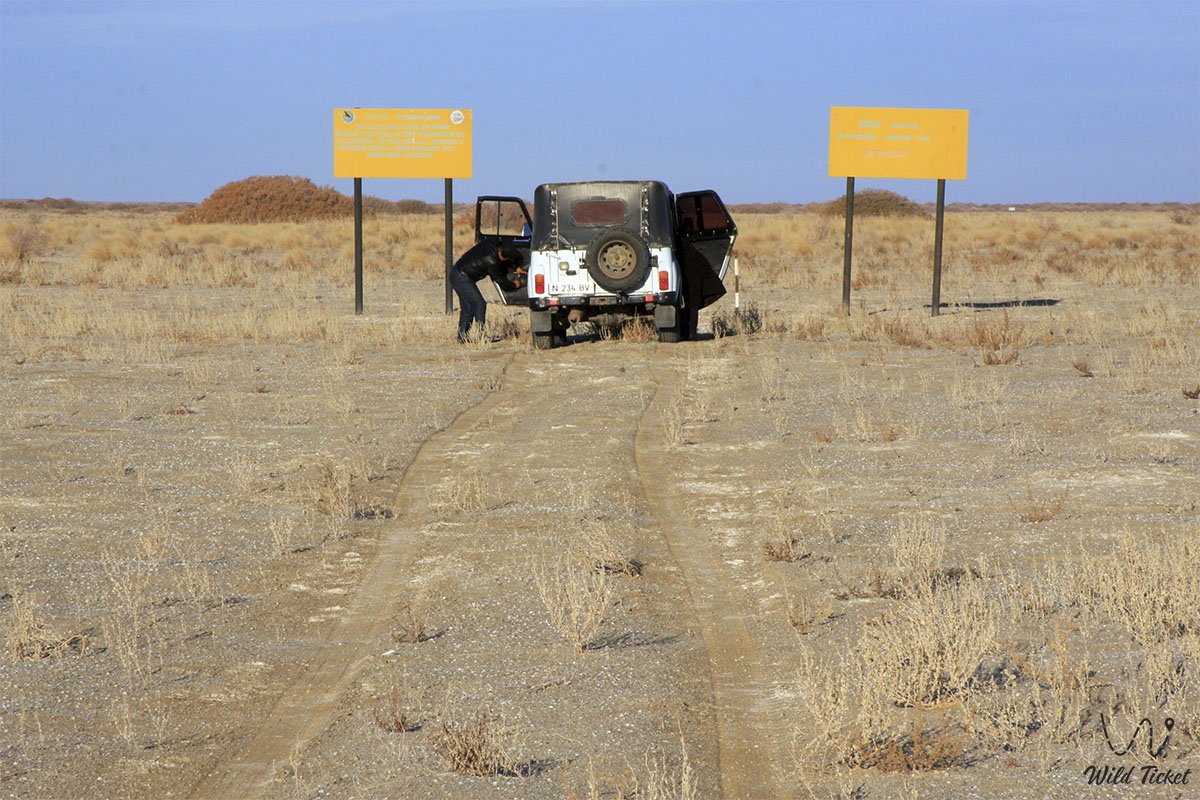
The tract, island, and reserve of Barsakelmes are located in a hard-to-reach sector of the former seabed of the Aral Sea, approximately 180 kilometers southwest of the city of Aralsk. The route to the natural complexes of the plateau begins in Aralsk, follows south along the M-32 highway, passes through the auls of Karateren and Akbasty, and then enters a zone of complete off-road terrain across the drained seabed.
GPS geographical coordinates: 45°59'54"N 60°12'39"E
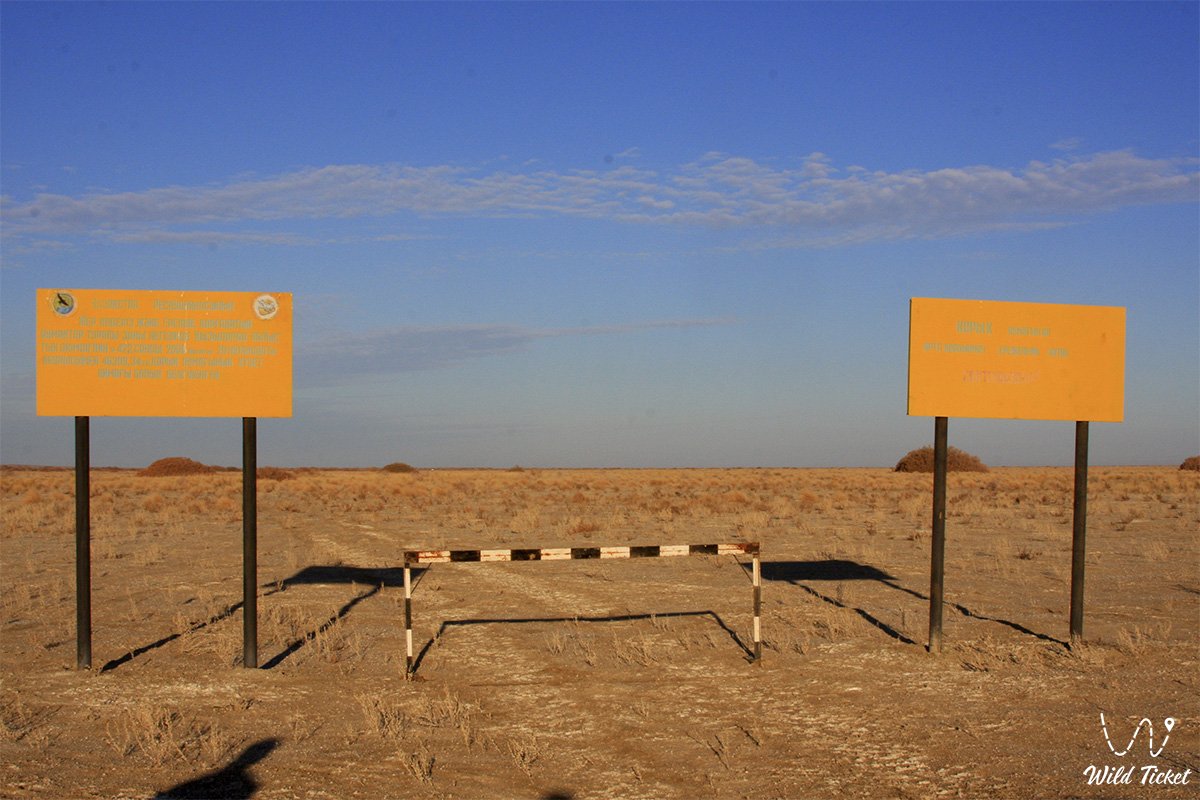
The wild nature of the tract is under the strictest state protection within the core of the Barsakelmes Biosphere Reserve (IUCN Category 1A). Unorganized, unauthorized entry here is strictly forbidden.
Observing wild animals and visiting the tract are possible exclusively by pre-approved requests and special passes issued through the reserve directorate in Aralsk.
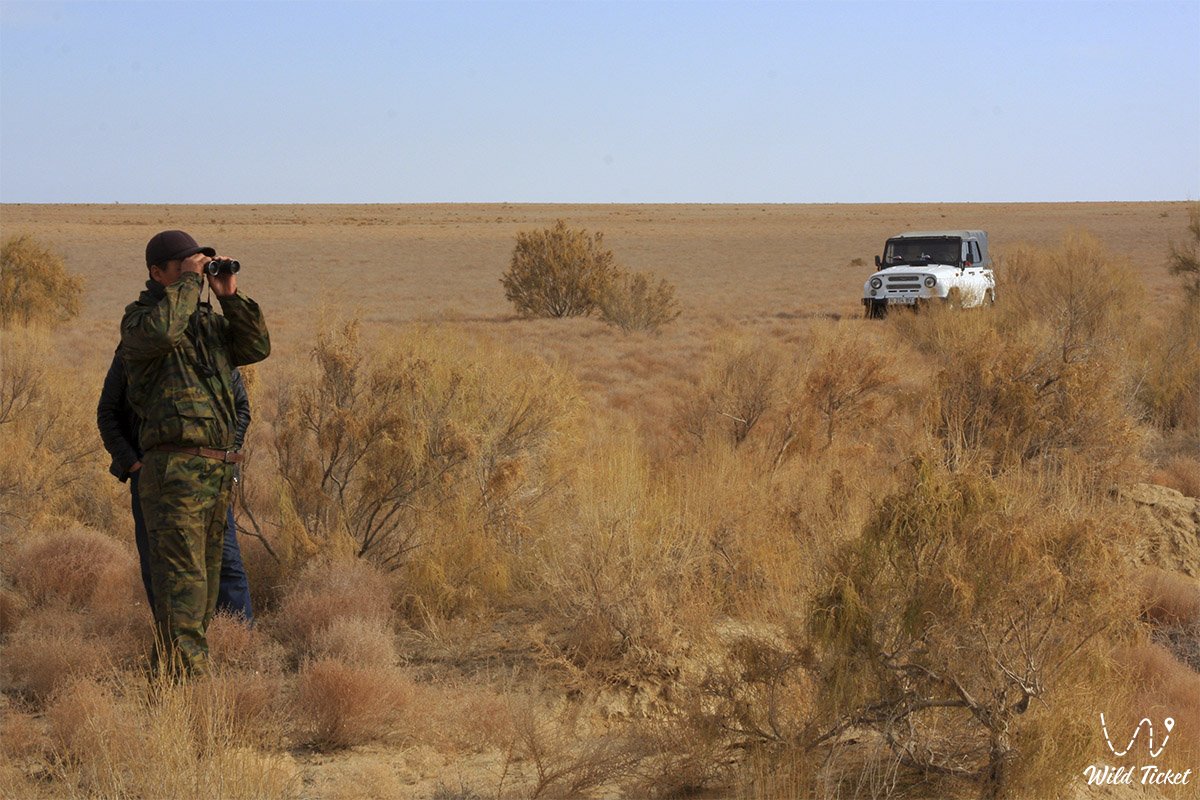
Expeditions are conducted strictly accompanied by scientific staff or state protection inspectors along regulated ecological trails.
The best time for wildlife observation is spring (from mid-April to late May), when tulips and desert shrubs bloom and animals are most active, and early autumn (September – October). During summer months, daytime heat consistently exceeds +40...+44 °C, animals hide in the shade of saxaul thickets, and sand-and-salt storms hinder visibility. In winter, temperatures drop to -36 °C accompanied by severe hurricane blizzards.
Tourist lodges and hotels are absent in the tract. Overnight stays of scientific groups and expeditions are permitted exclusively at ranger stations or in field tent camps at strictly designated points.
A 5-day itinerary for a trip to the Barsakelmes region and the Aral Sea..
--------------------------------------------
History
The formation of the protected natural complex of Barsakelmes began long before its recognition as a global biosphere reserve. The richness of the island's wildlife was first scientifically described in August 1848 by the expedition of Lieutenant Commander Alexei Butakov. Expedition members noted that the island was literally teeming with life: unafraid saigas and gazelles roamed among blooming herbs, the shores were dotted with bird colonies, and schools of Aral fish splashed in the coastal waters.
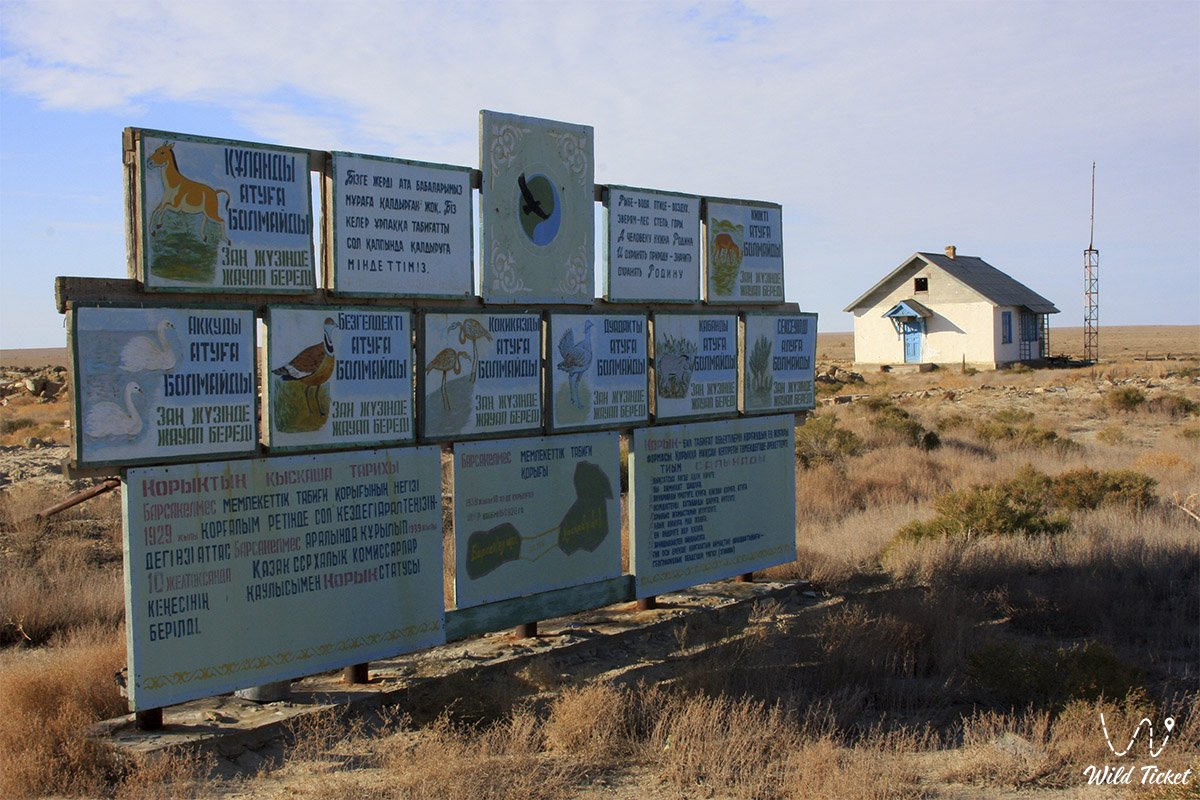
In 1929, a hunting and trapping enterprise of the "Soyuzpushnina" trust was established on the island. The purpose of the station was not so much resource utilization as an ecological experiment in enriching the island's biota: saigas, goitered gazelles, European hares, yellow ground squirrels, grey partridges, and pheasants were introduced here. The absence of predators and the isolation allowed the species to multiply rapidly. On December 10, 1939, by decree of the Council of People's Commissars of the Kazakh SSR, Barsakelmes Island was declared a state nature reserve.
A key event in the chronicle of the island's wildlife was 1953, when 9 individuals of the Turkmenian kulan (2 males and 7 females) were delivered here from the Badkhyz Reserve. This step saved the species from total extinction in the region: the last wild kulan in Kazakhstan had been exterminated by 1936. The animals adapted remarkably well, and by the early 1980s, the herd of kulans exceeded 240 individuals, while saiga and goitered gazelle populations numbered in the hundreds.
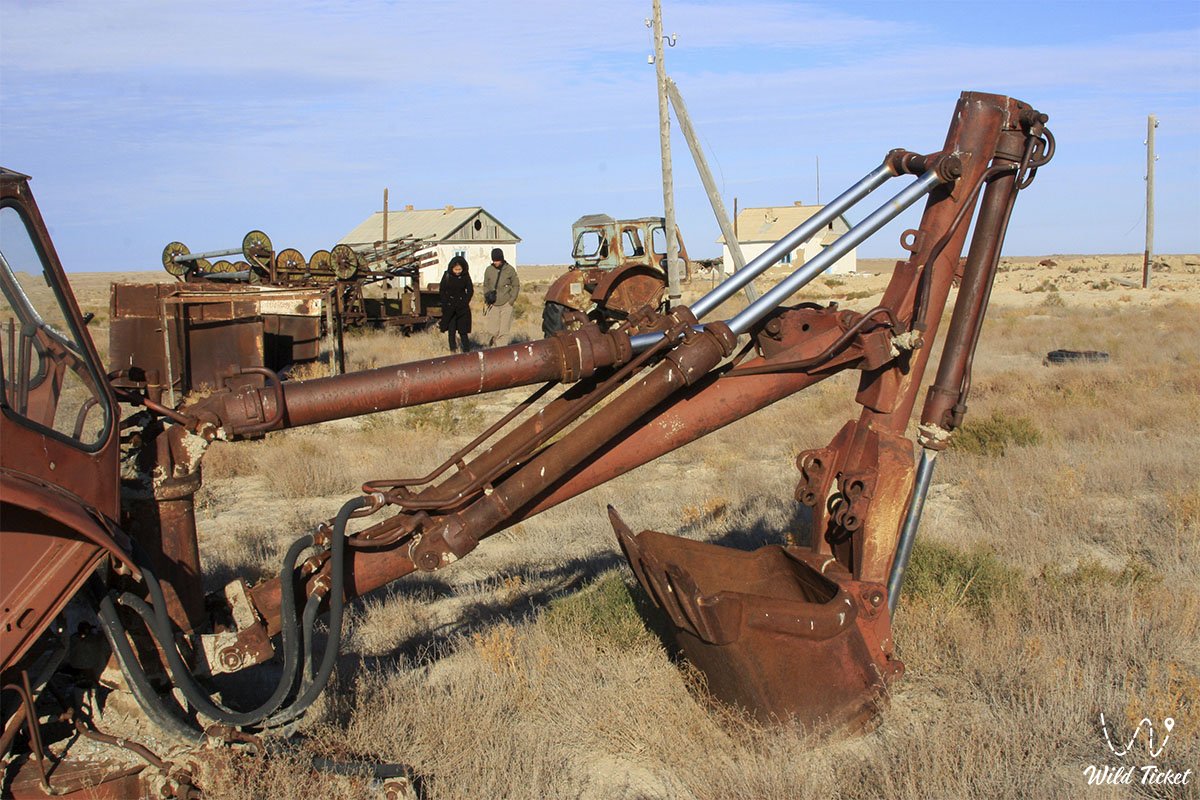
The environmental disaster of the Aral Sea's desiccation in the late 20th century pushed the fauna to the brink of survival: freshwater reservoirs dried out, groundwater mineralization increased, and forage grasses disappeared. To preserve the gene pool, zoologists evacuated over 250 kulans to the "Altyn-Emel" and "Betpak-Dala" reserves and to the Ustyurt Plateau. The remaining individuals displayed miracles of resilience, and after the island connected with the mainland in the late 1990s, they migrated to the neighboring mainland section of Kaskakulan, where artesian wells operate.
In 2005–2006, the area of the reserve was expanded to 160,826 ha, and in 2016, the natural complex of Barsakelmes was included in the UNESCO World Network of Biosphere Reserves.
Information
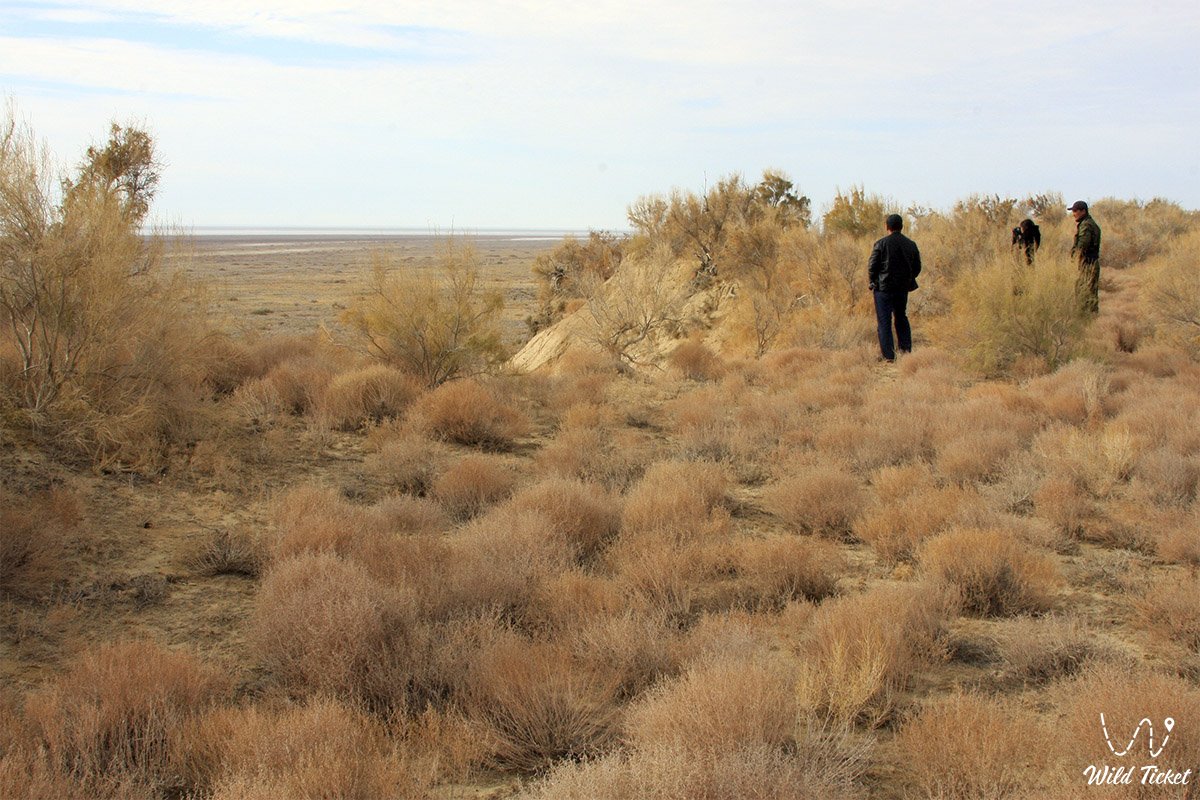
The biocenosis of Barsakelmes exists under conditions of a cold arid climate with an average annual precipitation of only 108–128 mm. Gray-brown soils of varying degrees of salinity, developed under gray-wormwood and biyurgun communities, as well as takyrs and solonchaks, predominate in the soil cover.
Desert forests play a special role in the lives of wild inhabitants. The forested area of the tract is about 164 hectares and is formed by pure stands of black and white saxaul. These shrub woodlands serve as natural shelter for ungulates and birds from the scorching heat and winter blizzards, as well as the primary source of winter browse forage.
Today, the Barsakelmes Nature Reserve protects over 278 species of higher vascular plants (including 14 Kazakhstani endemics), 30 species of mammals, 20 species of reptiles, 2 species of amphibians, and over 178 species of birds. The Kaskakulan section, with its three artesian fountains, has become the main refuge for the revived kulan population, numbering 276 individuals today.
Scientific staff of the reserve, specialists from Kazakhstani biological institutes, and international researchers carry out continuous monitoring of the adaptation of wild animals and plants to life in the rapidly forming Aralkum Desert.
Detailed description of the venue
The natural-territorial complex of the wildlife of Barsakelmes covers diverse landscape and ecological areas:
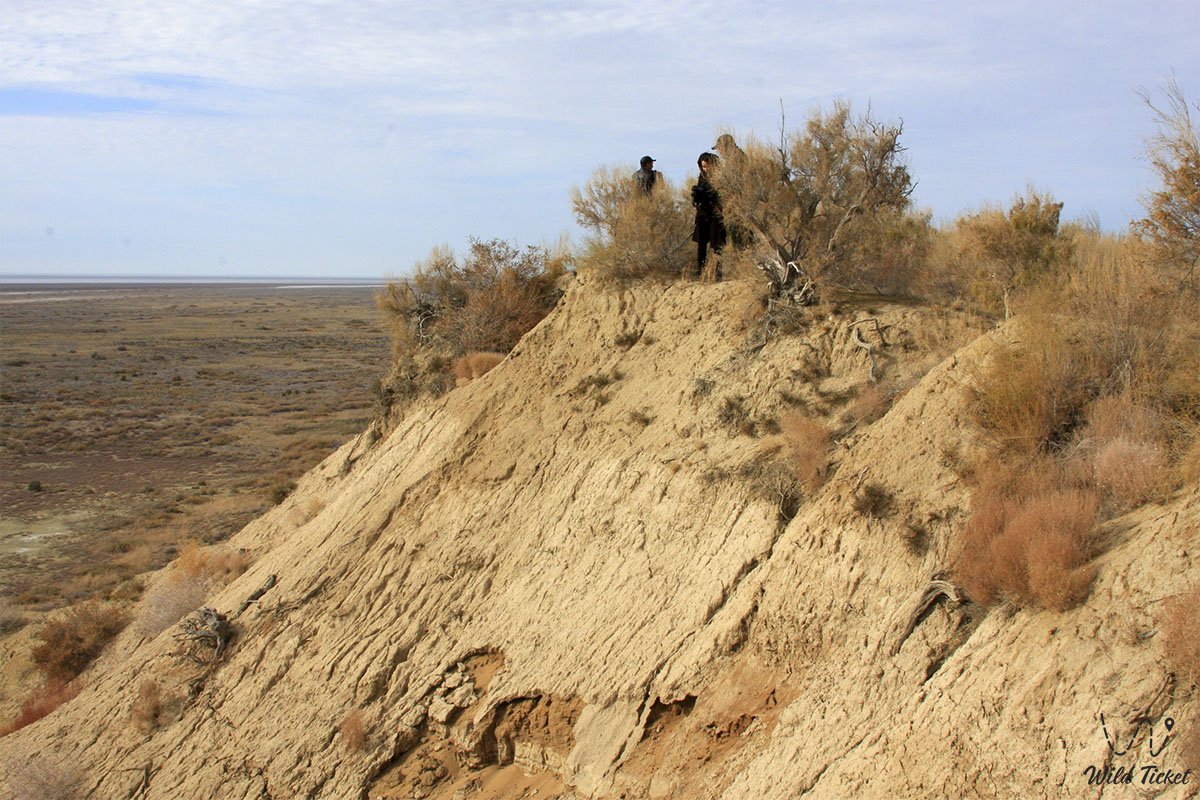
• Plakor Plateau of Bayan – the elevated plain of the former island with maximum heights up to 108–113 m, covered with wormwood-biyurgun pastures of saigas and goitered gazelles.
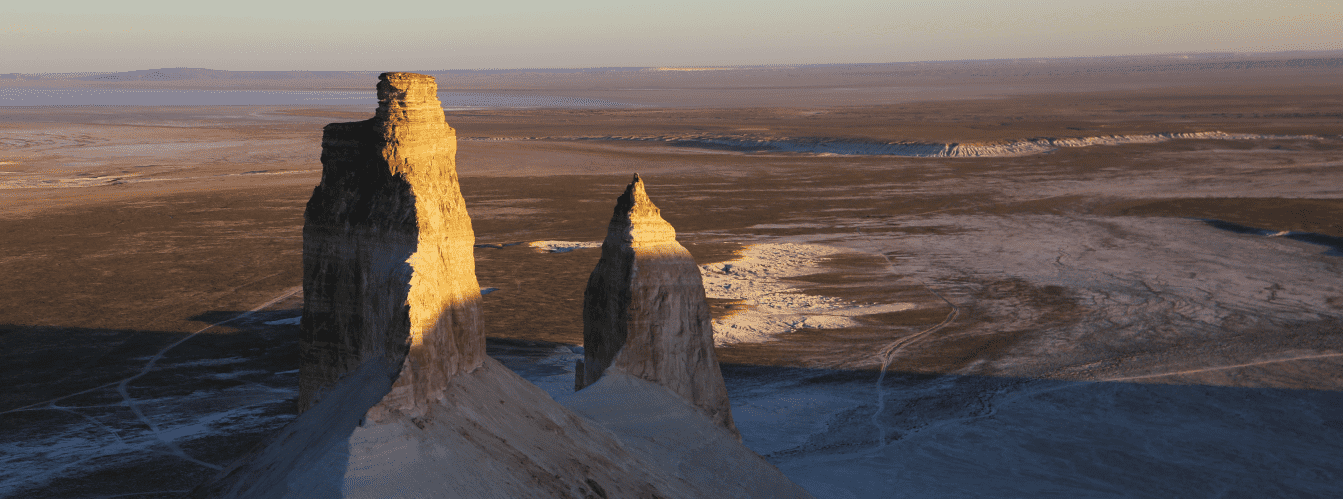
• Chinks of the southern shore – rocky cliffs up to 60 meters high with wind-eroded niches, serving as nesting sites for birds of prey.
• Black saxaul groves – massifs of tree-like halophytes 2.5–3 meters high in sandy depressions, creating micro-oases for wild inhabitants.
• Eastern white saxaul stands – ridged sands with sparse communities of white saxaul, sand acacia, and kandym.
• Kebirsay Badlands (Eastern and Western) – labyrinths of erosional ravines and gypsum clays, a refuge for small predators, reptiles, and rodents.
• "Kaskakulan" section – an extensive mainland sector of the reserve with fresh artesian ponds, reed beds, and the core range of kulans.
• Coastal terraces of the drained seabed – young sand-and-salt plains with pioneer groupings of glasswort and sarsazan.
• Dried-up Petkin-Kul basin – a historical land depression with dense thickets of tamarisk and saltworts.
Flora and fauna
The plant world of Barsakelmes amazes with its diversity of adaptations to aridity and salinity. The foundation of phytocenoses is formed by gray-soil wormwood, salt-marsh biyurgun, desert wheatgrass, itsegek, and six species of feather grass. Among shrubs and trees, black saxaul (Haloxylon aphyllum), white saxaul (Haloxylon persicum), tamarisk, dzhuzgun (Calligonum – 16 species), Atraphaxis, and large-flowered caragana predominate.
Halophytes thrive in saline depressions: European glasswort, jointed glasswort (sarsazan), Caspian potash-plant, and suaeda. Species listed in the Red Book and endemics are of particular value: Pratov's saltbush, Borshchov's tulip, two-flowered tulip, Aral wormwood, and Calligonum talibinii. In spring, the plateau is covered with a vivid carpet of ephemerals: Adonis ("ember in fire"), corydalis, fumitory, geranium, Tatar rhubarb, and Leontice incerta bloom.
The mammal fauna is represented by valuable desert species. The main symbol is the Turkmenian kulan (Equus hemionus onager), a beautiful and graceful animal externally resembling Przewalski's horse, but smaller at the withers. Kulans are peaceful; in the reserve they are accustomed to rangers and do not display aggression. Herds of swift goitered gazelles and saigas inhabit the area alongside them.
Predators are represented by the steppe wolf, corsac fox, red fox, badger, marbled polecat, and the rare sand cat. The world of small mammals is rich in rodents: the tolai hare, European hare, yellow ground squirrel, small jerboa, small five-toed jerboa, pygmy jerboa, and long-eared hedgehog.
The avifauna includes 178 species of birds: the rare houbara bustard, black-bellied and white-bellied sandgrouse, Pallas's sandgrouse, pale-backed pigeon, eagle owl, as well as formidable birds of prey – the golden eagle, steppe eagle, eastern imperial eagle, long-legged buzzard, saker falcon, and peregrine falcon. Among reptiles, the toad-headed agama, plate-tailed gecko, steppe tortoise, sand boa, and swift arrow snake are common. Invertebrates number more than 2,000 species, and spiders number 107 species.
Legend
The wildlife of Barsakelmes has inspired folk imagination for centuries, giving birth to mysterious myths. A Kazakh proverb says: "If you kill a kulan, you will lose the measure of good and evil, and you will commit terrible things in a daze." This ancestral belief served as an unspoken law of the steppe, protecting free wild horses from senseless extermination.
Since antiquity, the island was considered an enchanted place guarded by nature spirits. According to legend, giant steppe snakes over seven meters long lived on Barsakelmes, guarding the peace of the saxaul groves. This legend is indirectly supported by Taras Shevchenko's sketch made in 1848, in which the exiled poet depicted a mysterious colossal egg in a clay cliff.
Another legend tells of a herd of "phantom kulans" that appear on the tops of the chinks before sandstorms. It is believed that wild animals sense the invisible currents of the Earth and warn travelers of danger. The myths about flying lizards and time slips, even though they turned out to be literary hoaxes of Soviet writers, only emphasized the aura of primordial inaccessibility and wild magic of this land.
Conclusion
The wildlife of Barsakelmes Island is a living hymn to the resilience of life, which managed not merely to endure in the midst of a global ecological disaster, but to turn into a benchmark model for restoring desert biomes of the planet. The protected expanses of the plateau, free herds of kulans against the backdrop of saxaul groves, and boundless salt expanses give rise to an image of the pristine and pure nature of Turan.
Preserving this relict oasis remains an essential duty of science, reminding humanity of the fragility of terrestrial connections and the great power of life's revival.
Interesting sights nearby:
• Aral Geopark;
• Large Aral Sea;
• Kokaral Dam;
• Butakov Bay;
• Shevchenko Bay;
• Aralkum Desert (dried seabed);
• Lake Kamystybas (Kambash);
• Aral-Asar Settlement;
• Kerderi Mausoleum;
• Istyk-Su Hot Radon Spring near Akespe Village;
• Baikonur Cosmodrome and Museum of Cosmonautics;
• Korkyt Ata Memorial Complex;
• Medieval Settlement of Sygnak;
• Ancient Settlement of Zhankent (Yangikent);
• Ruins of the cities of Jend and Chirik-Rabat.
Additional Information:
• Barsakelmes Nature Reserve;
• Barsakelmes Island;
• History of Barsakelmes Island.
Photogallery: