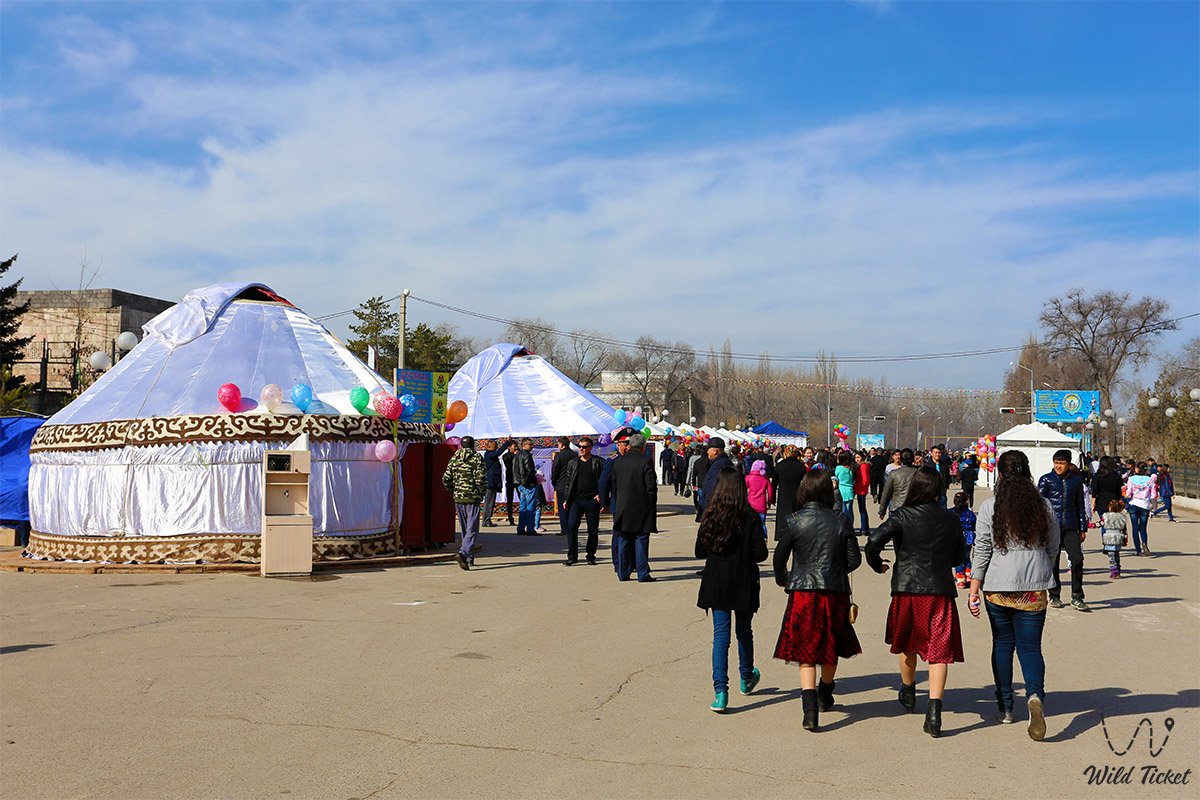
The house of nomads, the philosophy of the steppe and a living tradition -
Symbol of freedom, family and endless roads of the Great Steppe -
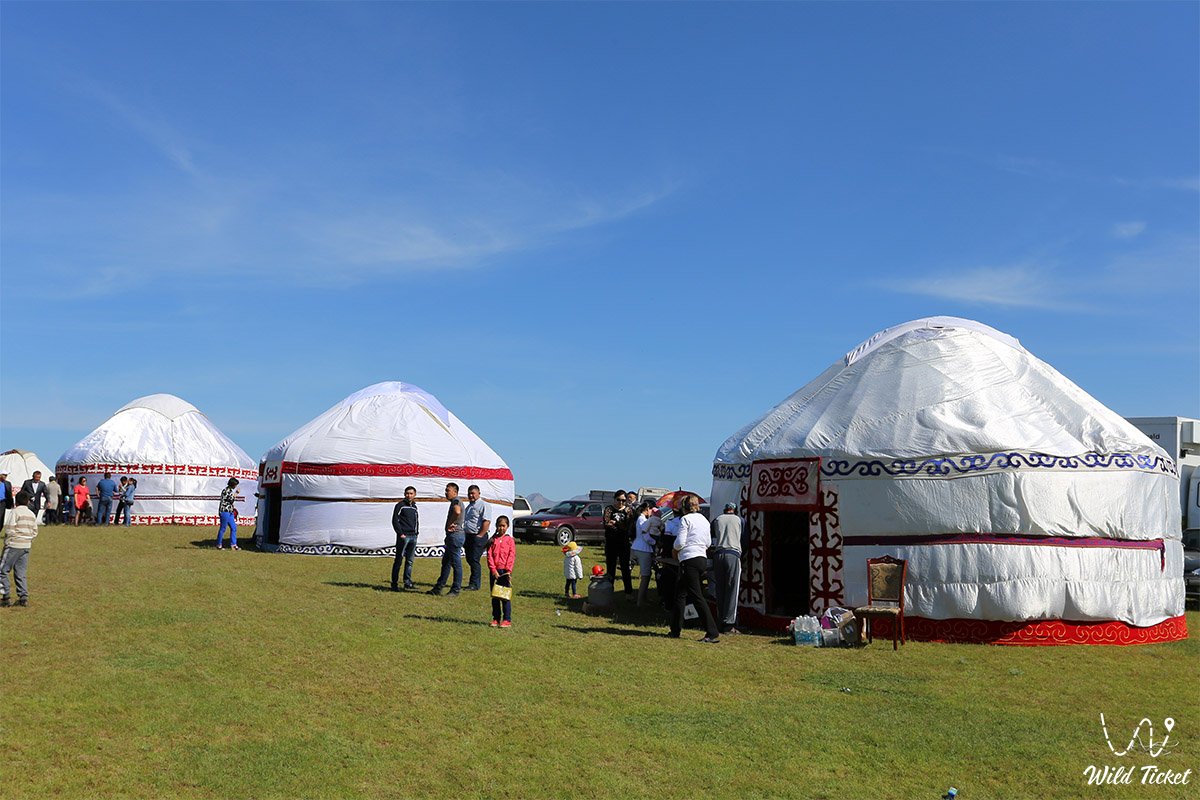
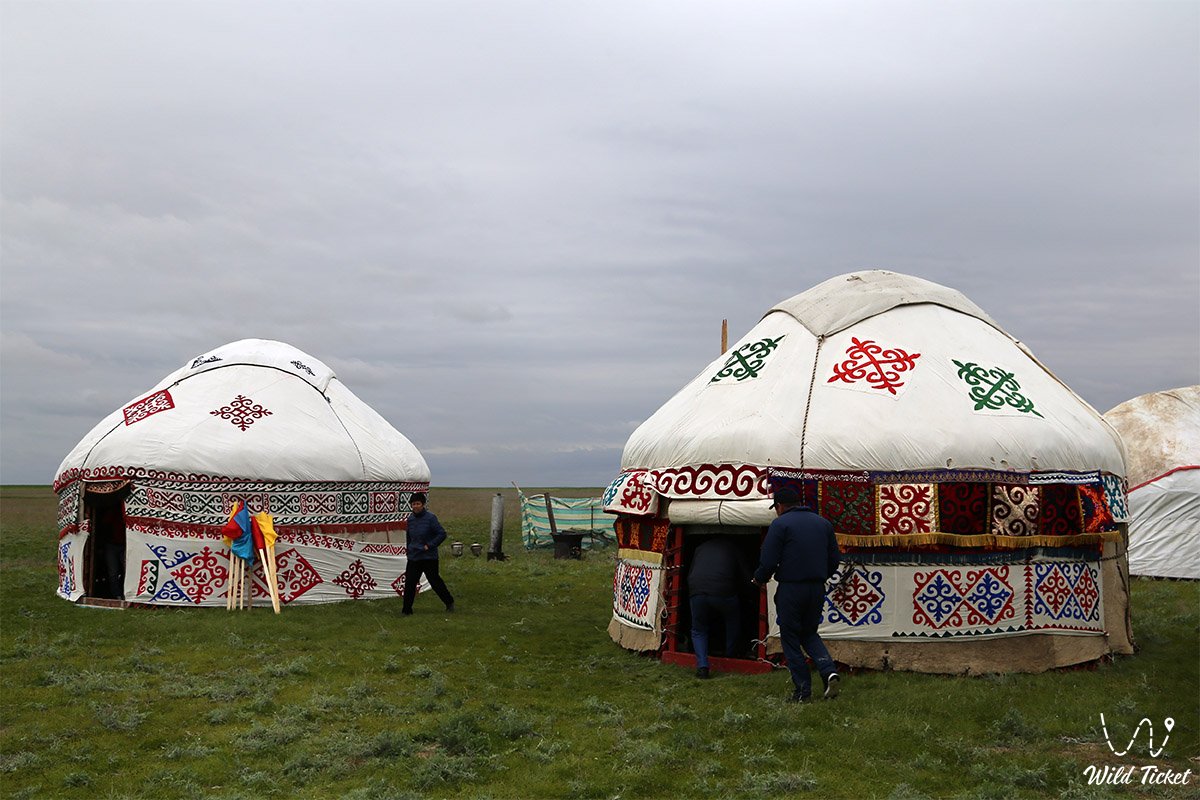
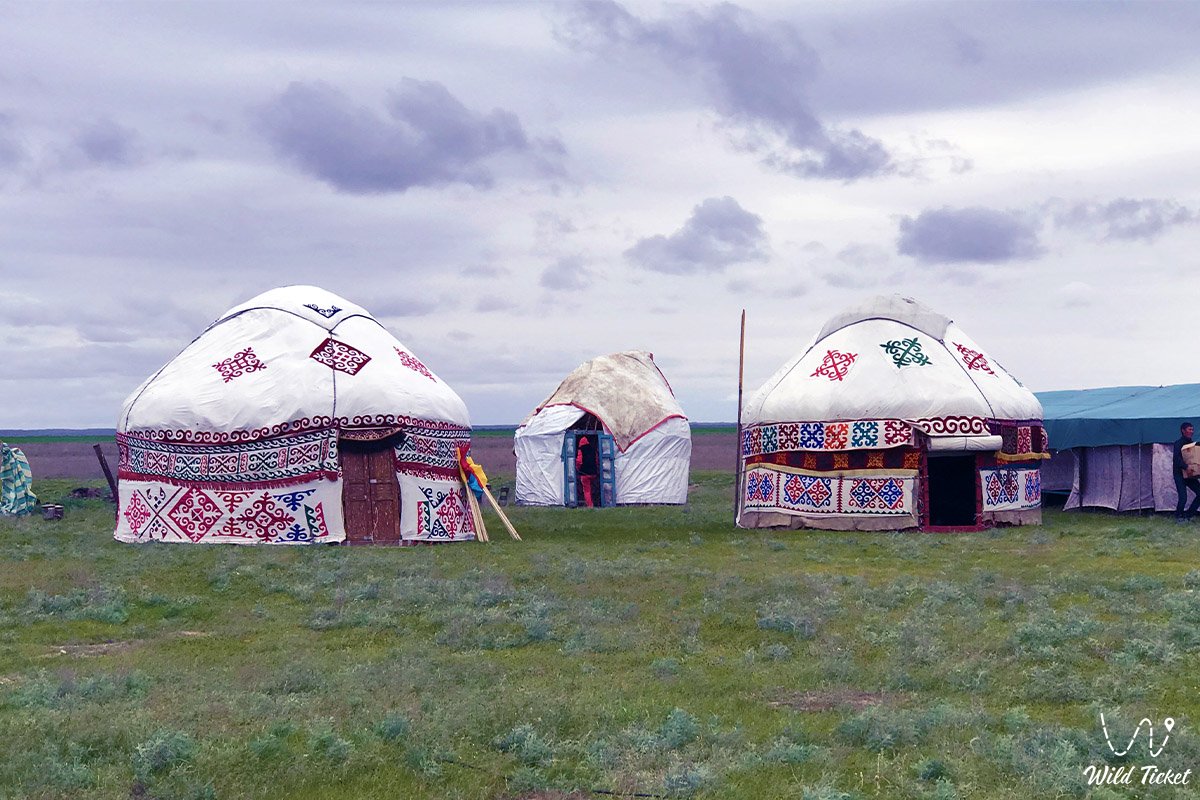
Kazakh yurt is not just a portable dwelling. This is the way of life, worldview and spatial philosophy of a people who for centuries lived in motion, in the open air, in harmony with nature. The yurt was everything to the nomad: a home, a temple, a family hearth and a symbol of the motherland. It is not for nothing that the word "yurt" in the Turkic languages means not just a dwelling, but "the land of the family", "father's house", "people".
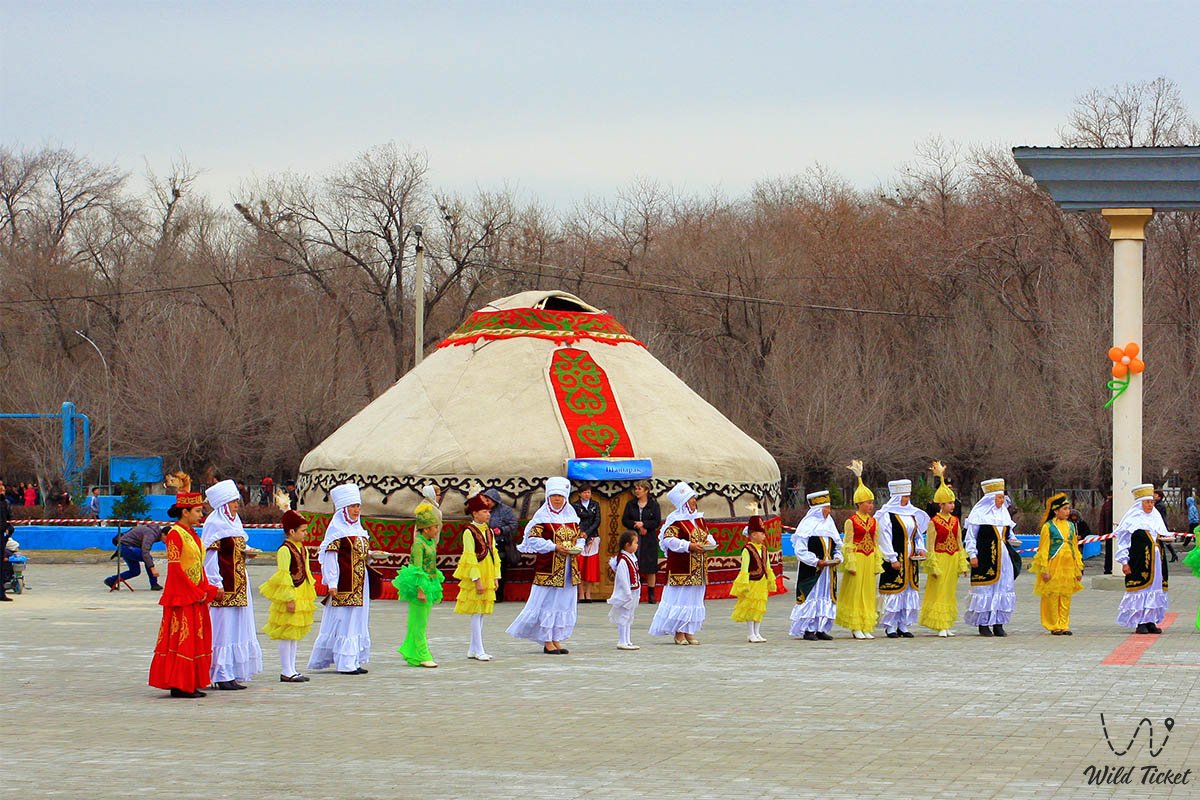
In Kazakh culture, a yurt has never been a temporary shelter. She was a real home where children were born, guests were received, rituals were performed, important decisions were made and traditions were passed on. Even today, when Kazakhs live in cities, the yurt remains a spiritual symbol of national identity.
History and Origin: A Path through the Ages
The origins of the yurt go back to ancient times, to the times of the Saks, Usuns and early Turkic tribes. The prototypes of the yurts were first primitive tents and huts, then more complex frame structures, which gradually acquired a familiar rounded shape. Already in the 1st millennium BC, such dwellings were used by the nomads of the Eurasian steppes.
The yurt became an outstanding technological invention of its time. It perfectly corresponded to the nomadic lifestyle: it could be disassembled in an hour, transported on a camel or horse and reassembled in a new place. It was thanks to the yurts that nomadic peoples could move freely between pastures without losing comfort and security.
At the same time, the yurt has never been a fortress. It had no windows or loopholes, not because of a technical impossibility, but because of its worldview. The nomad did not separate himself from the world by walls. His house was open to the sky, wind and space, and security was ensured not by stone walls, but by harmony with the environment and the tribal community.
Interestingly, the word "yurt" itself came to Russian from Turkic dialects, where originally "yurt" meant "homeland", "campsite" or "people". This perfectly captures the essence: for the nomad, the yurt was a mobile homeland, the center of his microcosm. In 2014, the Kazakh yurt was recognized by UNESCO as an intangible cultural heritage of humanity, which emphasized its unique value for world culture.
Design and Architecture: The Genius of Simplicity
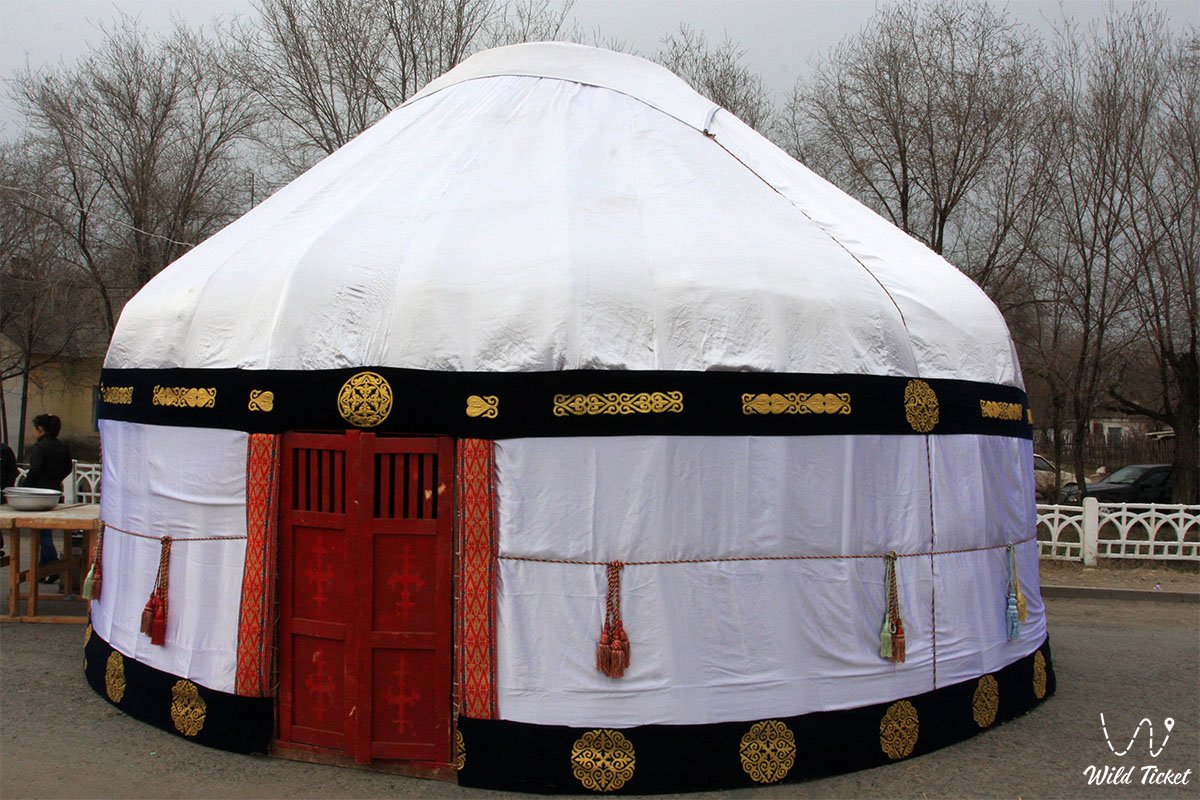
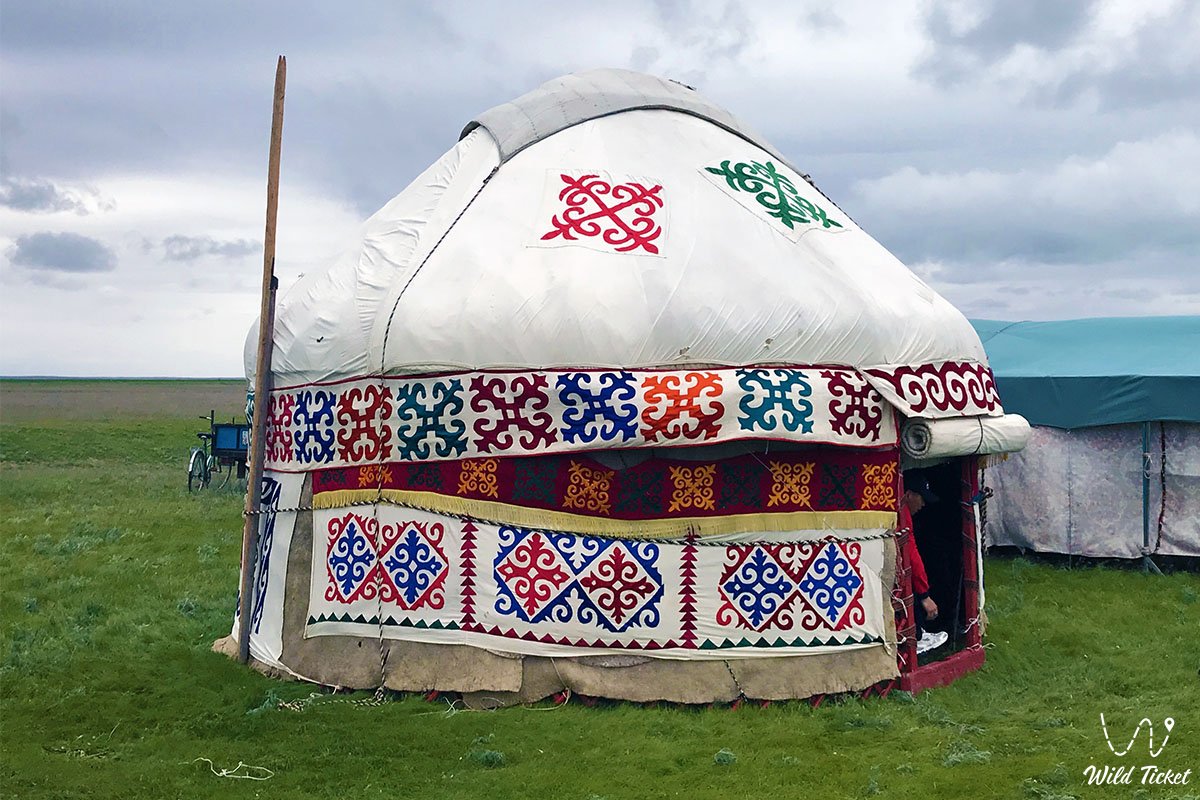
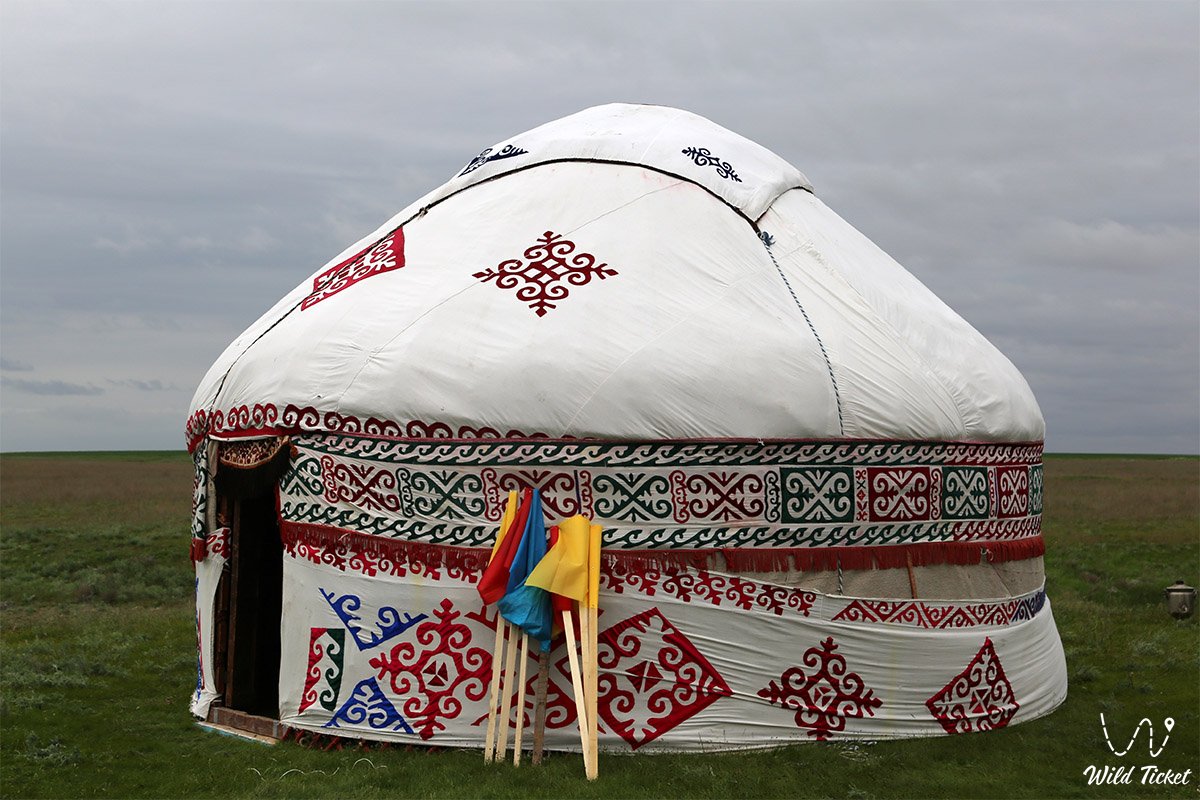
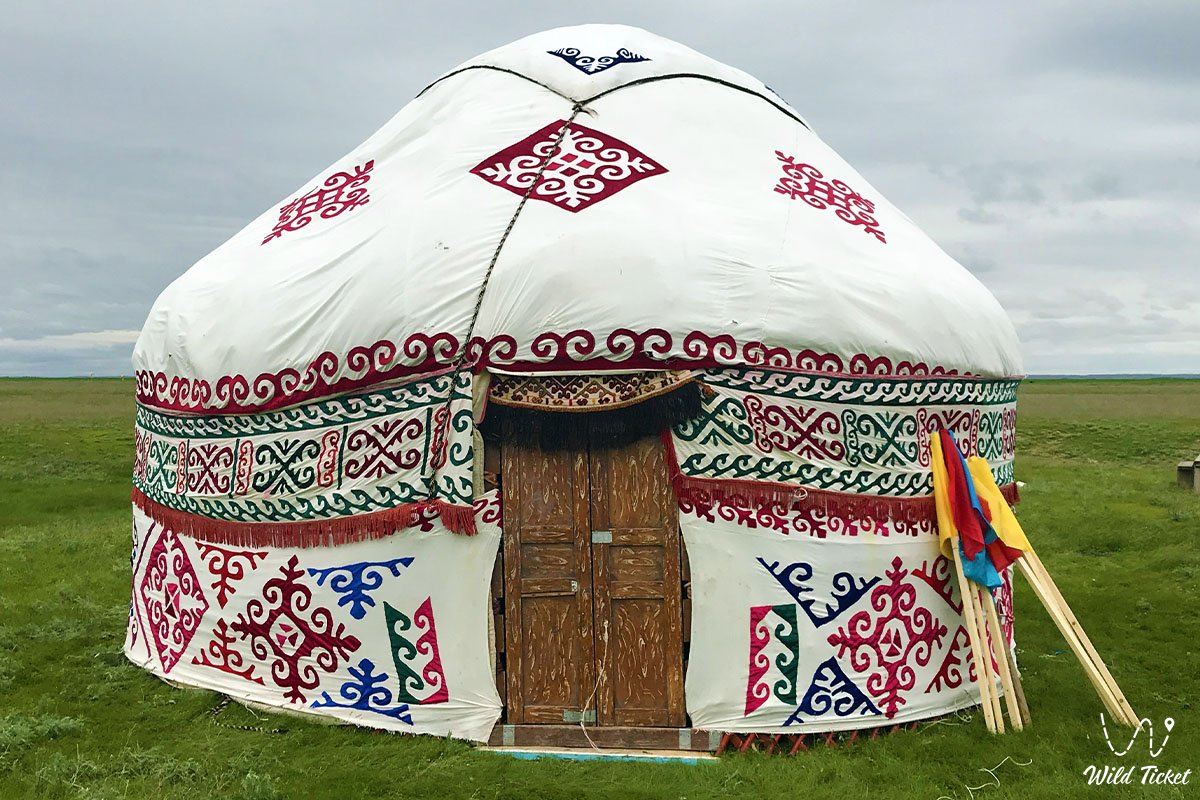
The Kazakh yurt consists of three main wooden elements. These are folding lattice walls – kerege, curved poles of the dome,– uyk, and a round hoop crowning the structure – shanyrak. All these parts are connected into a lightweight but surprisingly strong structure that holds without a single nail.
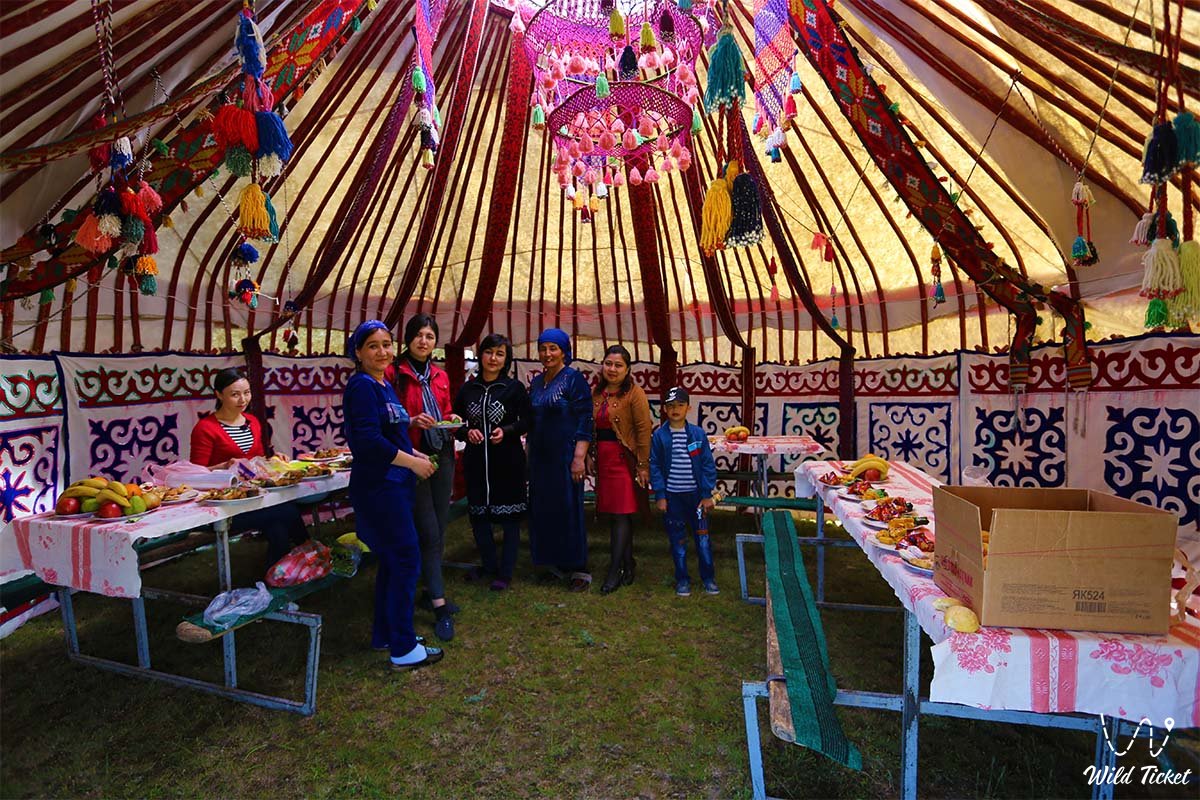
Shanyrak occupies a special place. It serves simultaneously as a skylight, chimney, and sacred center of the house. Sunlight enters the yurt through it, the smoke of the hearth comes out, and, according to ancient beliefs, there is a connection between the family and the sky. It is no coincidence that shanyrak has become one of the main symbols of Kazakhstan and is depicted on the national coat of arms.
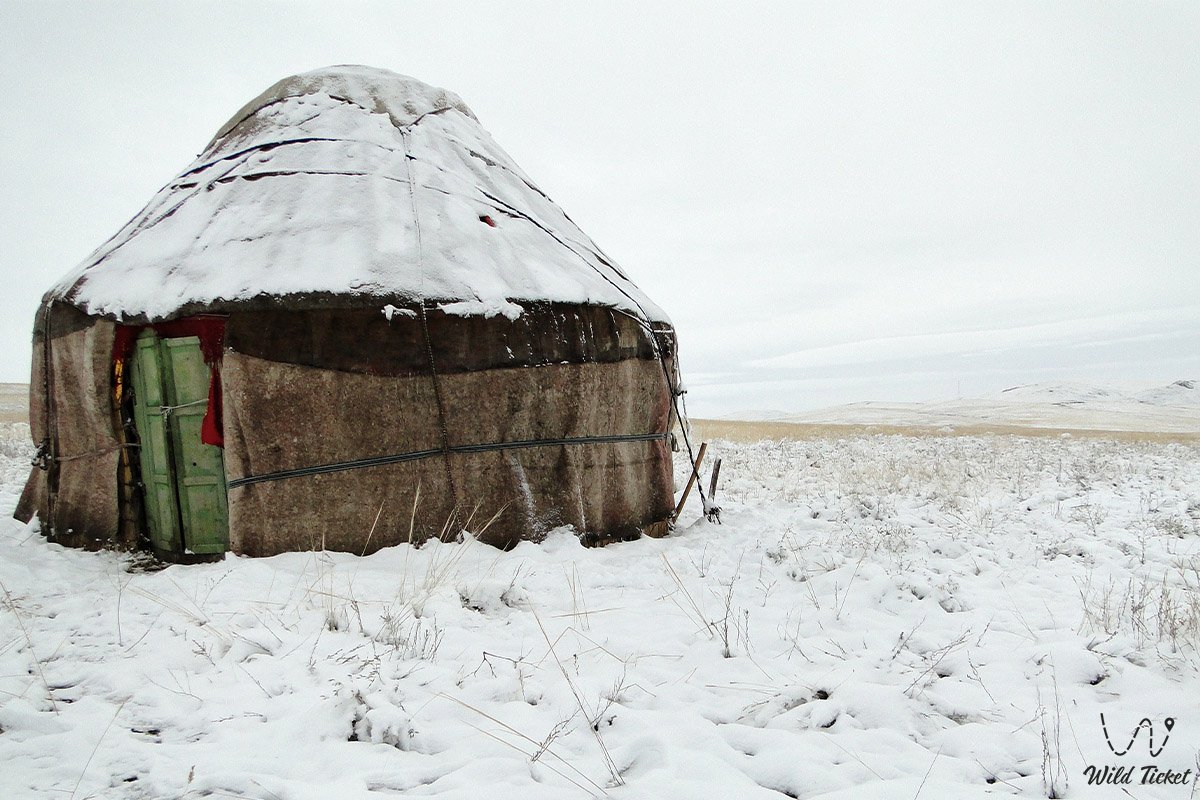
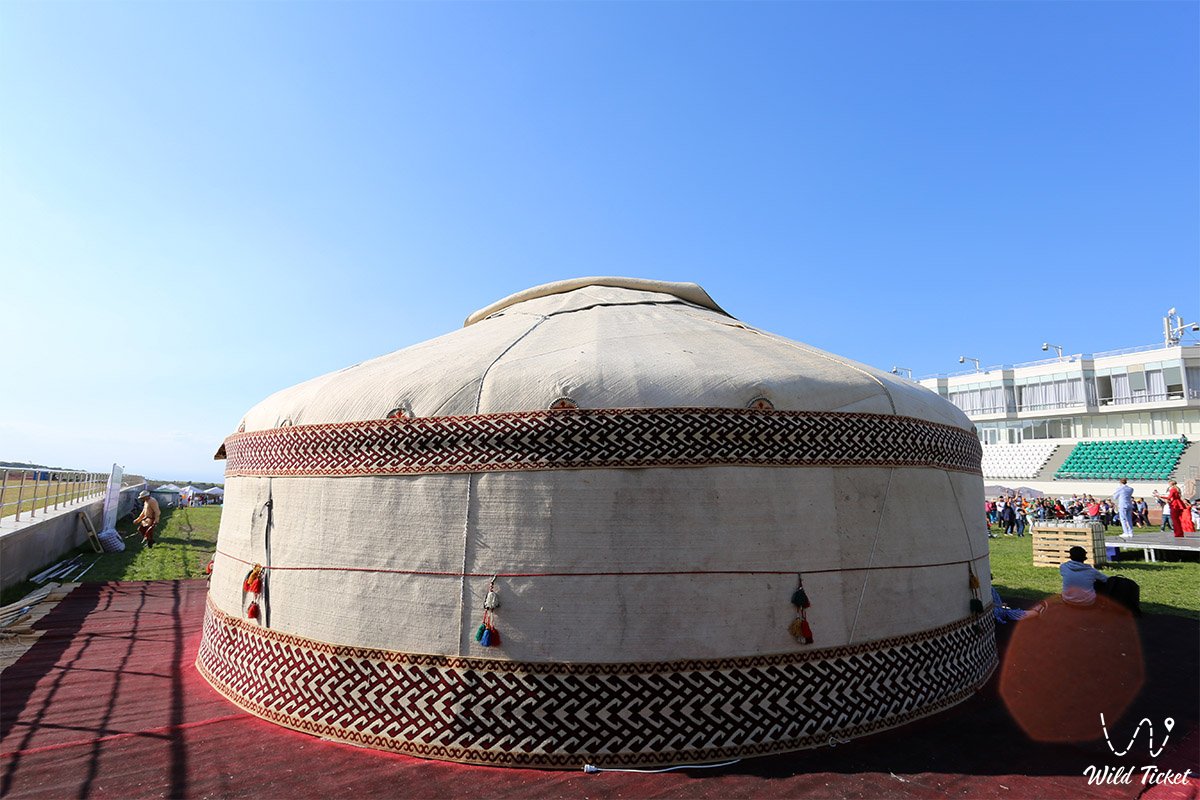
The frame is covered with thick felt, which perfectly protects from cold, wind, rain and heat. It keeps you warm in winter and cool in summer. The yurt itself "breathes", allowing you to regulate ventilation by simply lifting the felt panels.
Inside, the yurt is designed as a model of the universe. In the center, under the shanyrak, there is a hearth, the sacred heart of the house. Opposite the entrance there is a courtyard, a place of honor for elders and guests. Each side has its own meaning, and carpets, chests and fabrics do not just decorate the space, but create an orderly world in which everything has its place.
The Kazakh yurt belongs to the Turkic type. Unlike the Mongolian yurts, there are no central pillars in it, as the curved uyks transfer the load to the walls. This makes the space inside freer and brighter, and the shape itself is especially harmonious.
Philosophy and Symbolism: The Universe in miniature
A yurt is a philosophical concept embodied in matter. Its round shape symbolizes infinity, cyclicity of life and harmony. There are no corners here, which means there is no place for evil spirits.
The inner space is a strictly organized model of the world:
• Shanyrak is the sky and the sun.
• The space below it is the world of people.
• The hearth (oshak) in the center is a sacred place, a source of life, warmth and family unity. Stepping over it or throwing trash at it was a strict taboo.
• The tower is the most honorable place opposite the entrance, where the elders sit and accommodate the most respected guests. It is decorated with the best carpets and art objects.
• The space is divided into the men's (to the left of the entrance, where weapons and harness were stored) and the women's (to the right, where household utensils stood) halves.
The special worldview of the nomads is clearly manifested in the fact that no windows have appeared in the yurt throughout its history. It wasn't a technical issue. It's just that a nomad whose life was spent in the endless steppe did not feel the boundaries between the inner world of the house and the outer world of nature. He was already complete with it. A yurt is not a fortress shutting out the world, but a house harmoniously integrated into it.
---------------------------------------------
How to see and view -
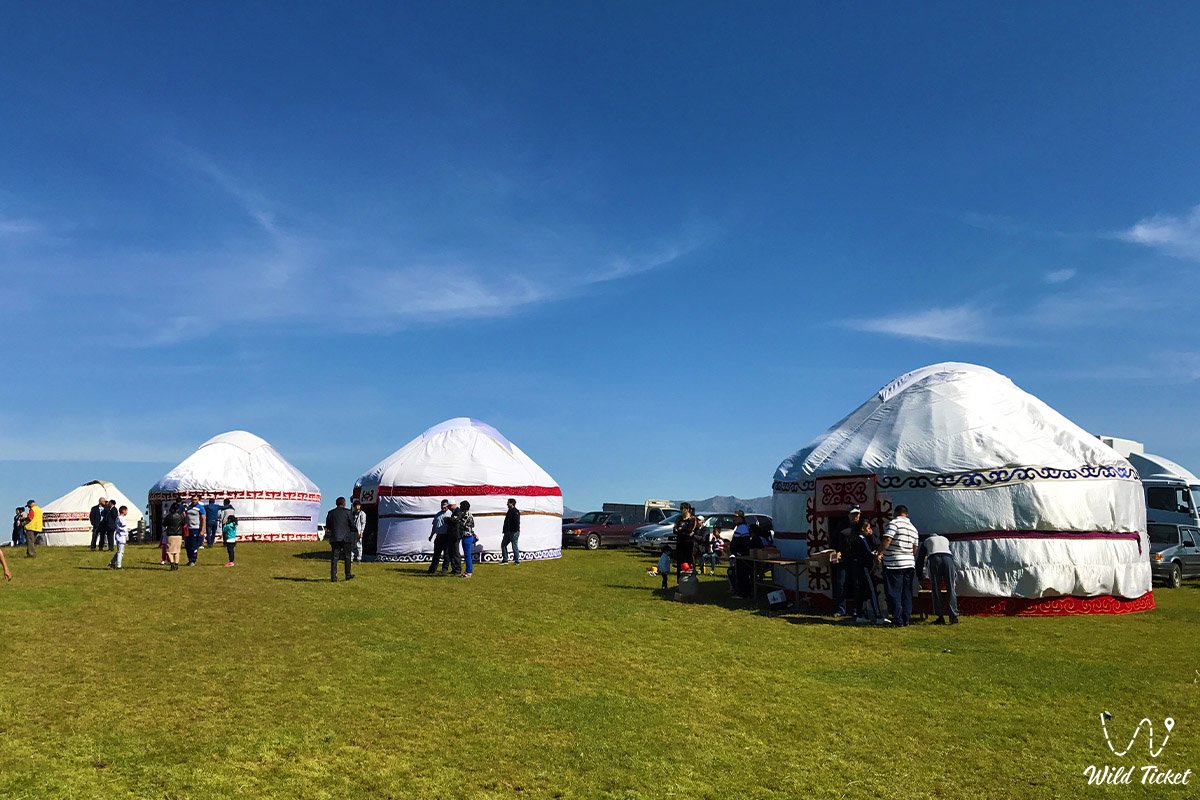
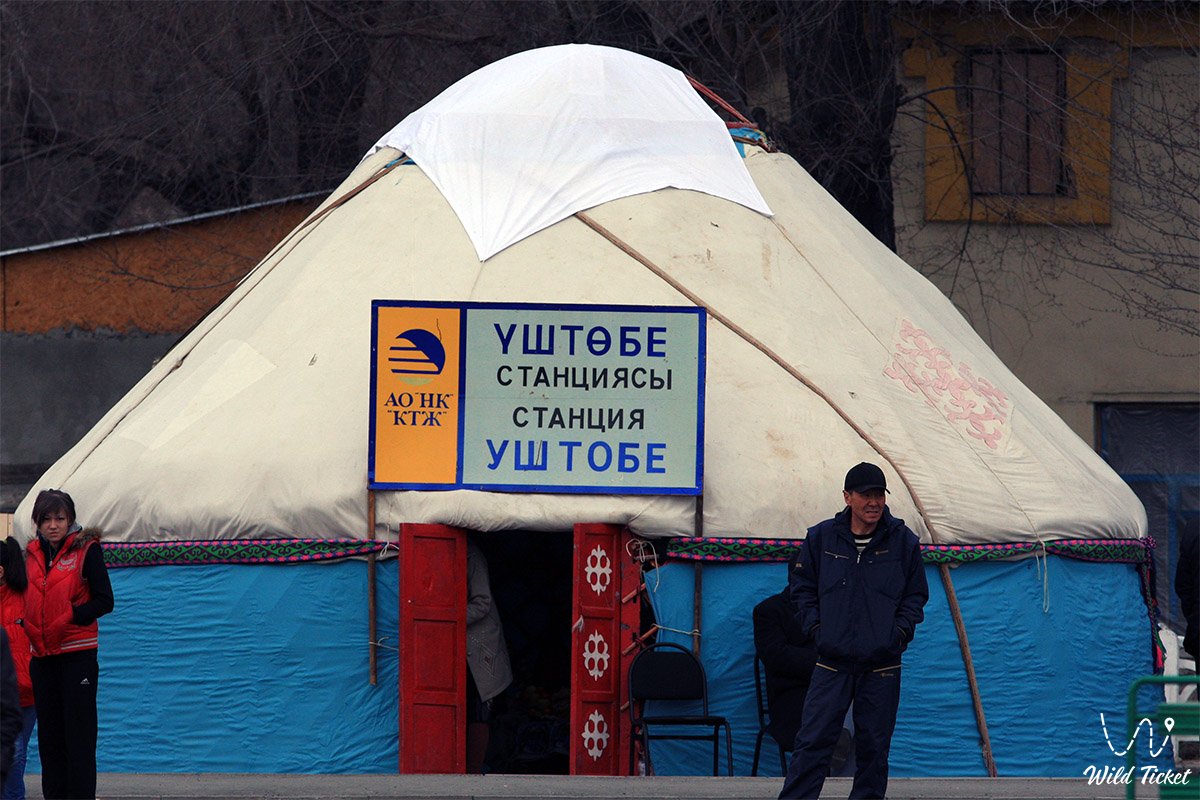
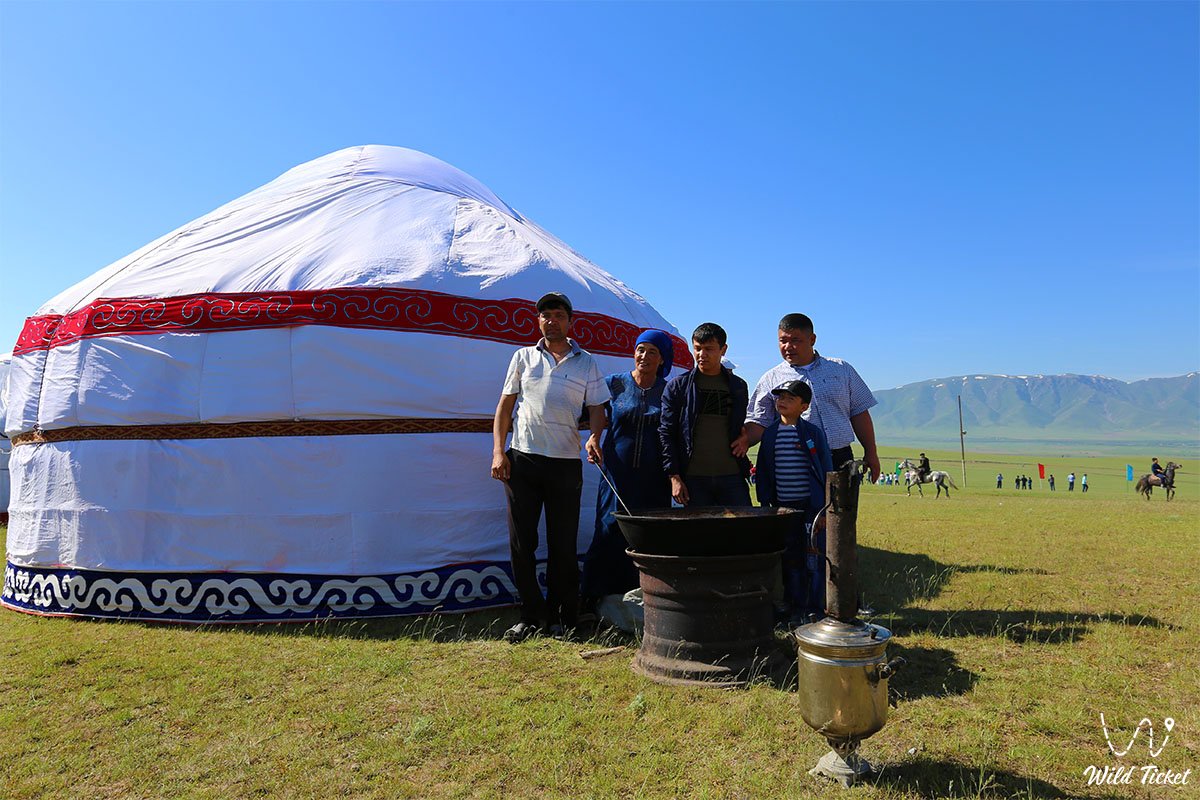
Today, you can see and feel a real Kazakh yurt in ethnoaules, ethnoparks, tourist complexes and festivals throughout Kazakhstan. There are especially many yurt camps in the Almaty region, in the mountains and on the plateau, where tourists are offered not only excursions, but also overnight stays in yurts, national cuisine and acquaintance with traditional life.
The yurt is increasingly becoming a part of ethnotourism, allowing travelers to live at least one day the way nomads lived many centuries ago.
---------------------------------------------
Atmosphere
There is a special feeling of comfort and peace inside the yurt. There are no corners, no rigid boundaries – space flows smoothly around a person, creating a sense of security and inner harmony. The light coming through the shanyrak gently fills the room, and the warmth of the hearth makes it lively and warm.
The yurt seems to slow down time. It's easy to get away from the hustle and bustle and feel like a part of nature and an ancient tradition.
Legend and legend
Since ancient times, Kazakhs have believed that shanyrak preserves the fate of the family. As long as he is whole and bright, the family will live in peace and prosperity. The destruction of shanyrak was considered a symbol of the loss of the family, and its transmission from father to son was a continuation of life.
They say that if you stand under a shanyrak and turn to heaven with a pure heart, the request will definitely be heard.
The Kazakh yurt is not just an architectural form. This is the living philosophy of the steppe, embodied in wood, felt and the circle of the sky. It connects a person with nature, family and time, reminding that a true home is not walls, but harmony with the world. For Kazakhstan, the yurt remains one of the most powerful symbols of culture, the spirit of freedom and the endless path that nomads have followed through the centuries.
Photogallery: