Tour to petroglyphs of Kazakhstan, tour to Arias place, Almaty region
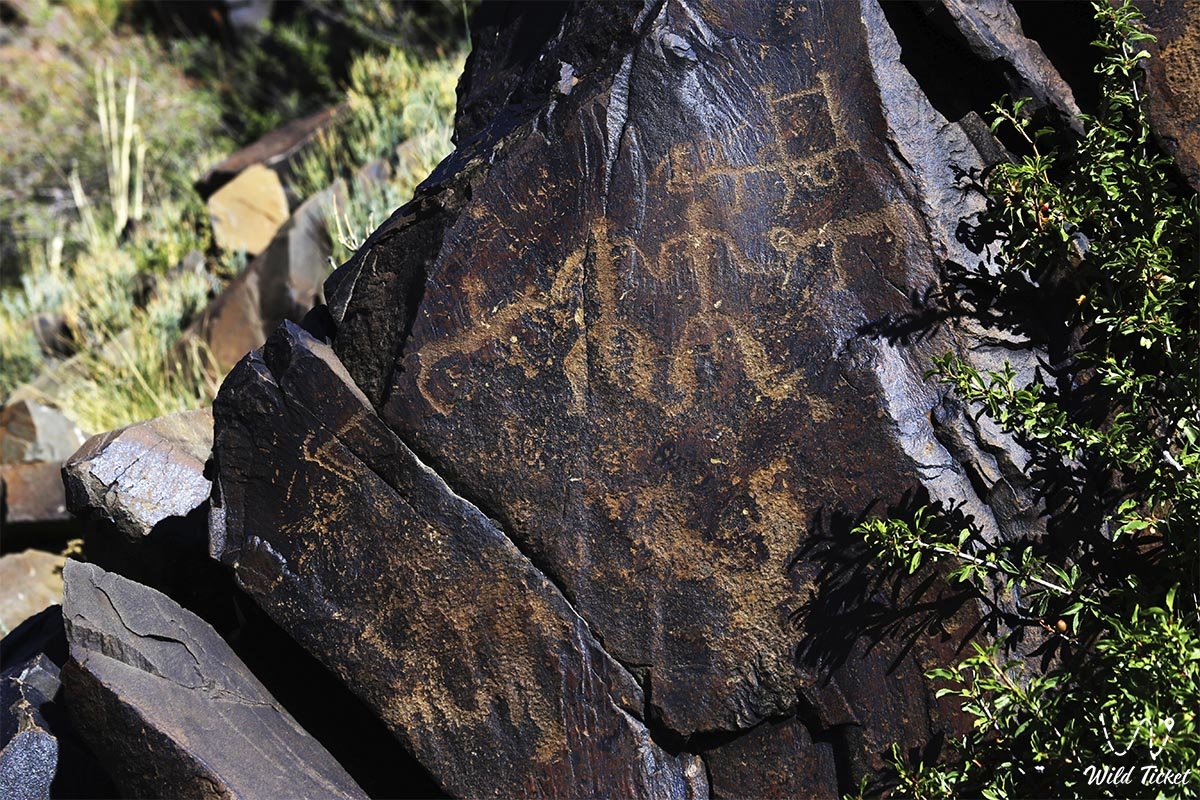
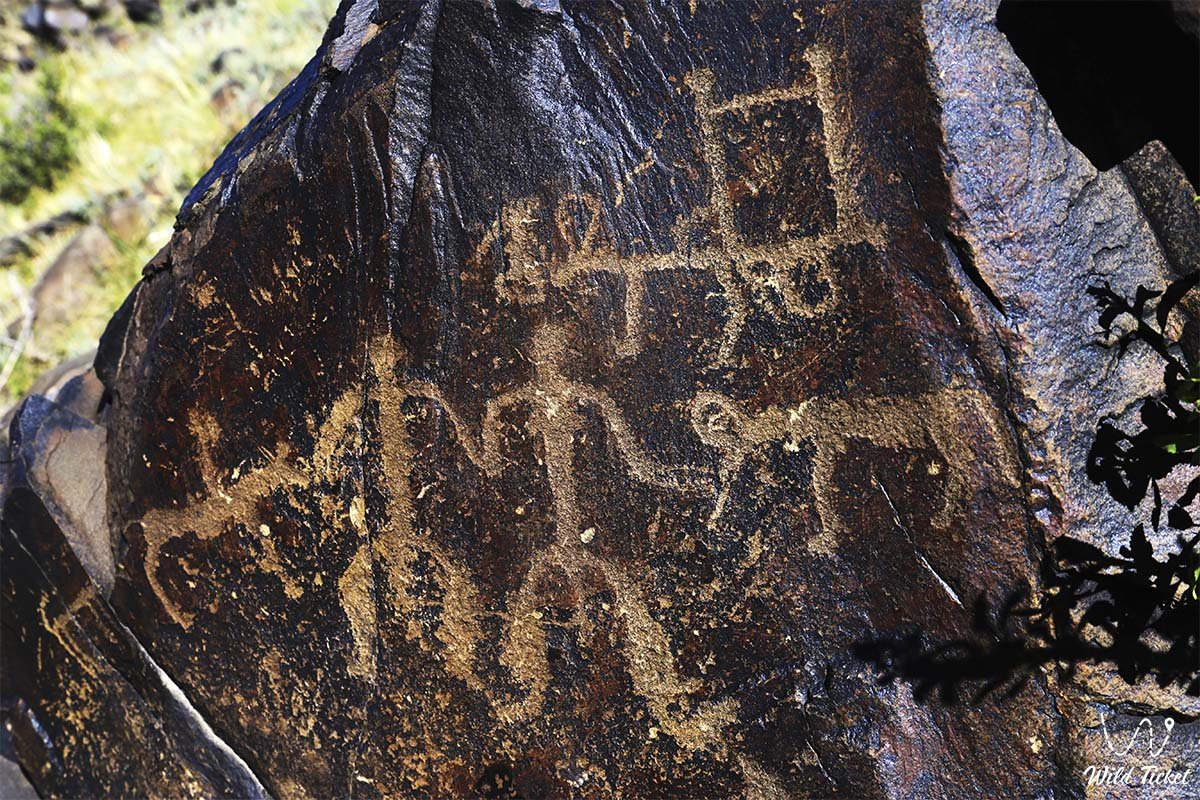
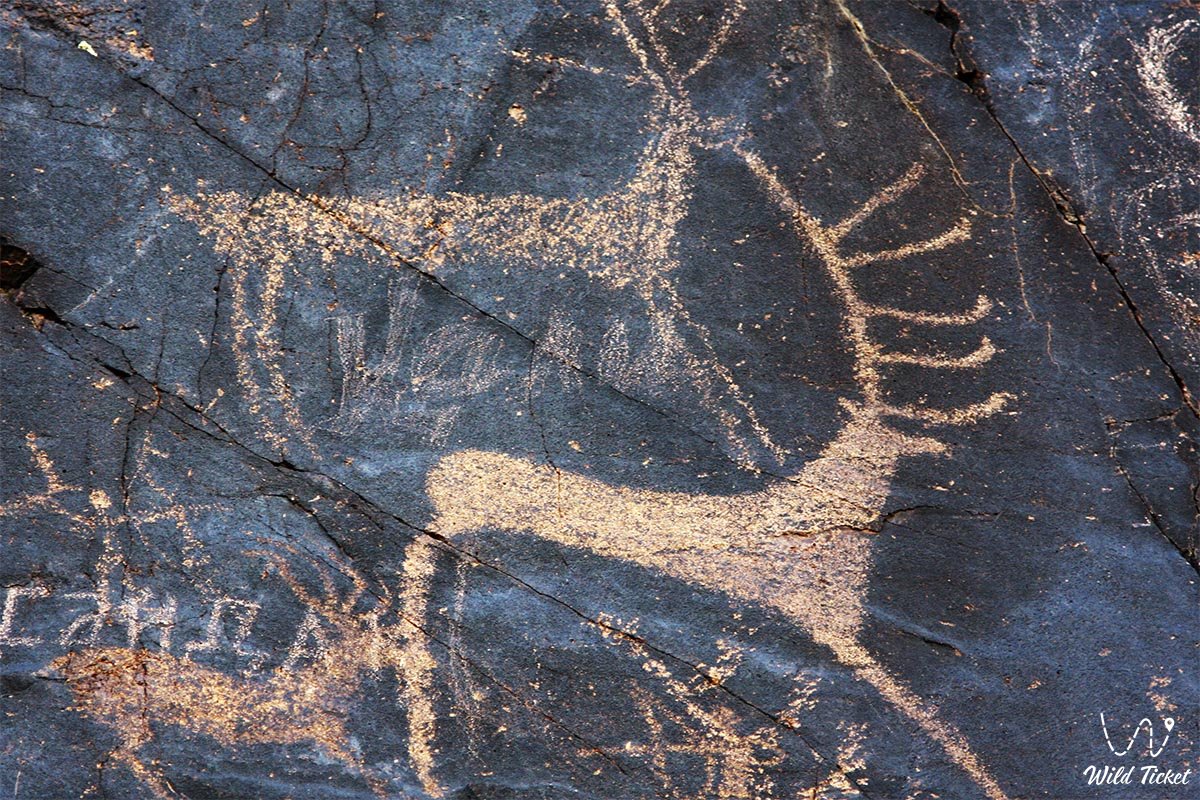
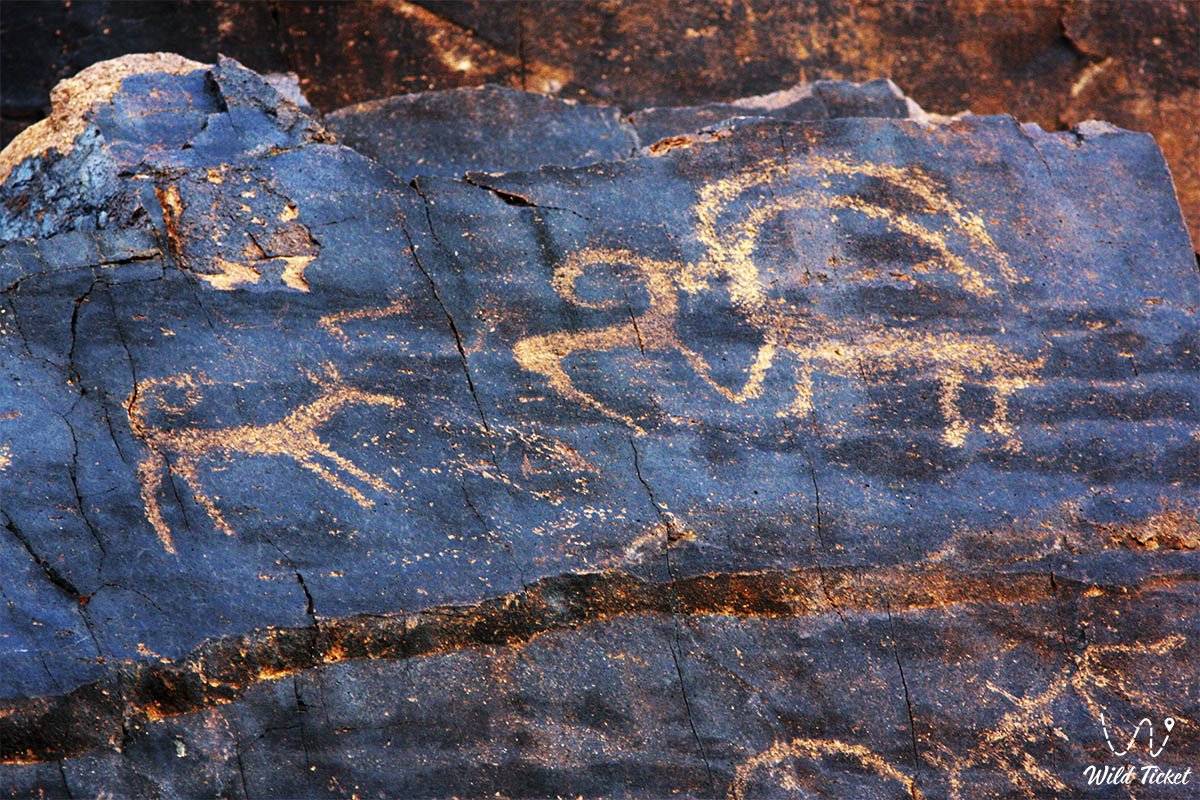
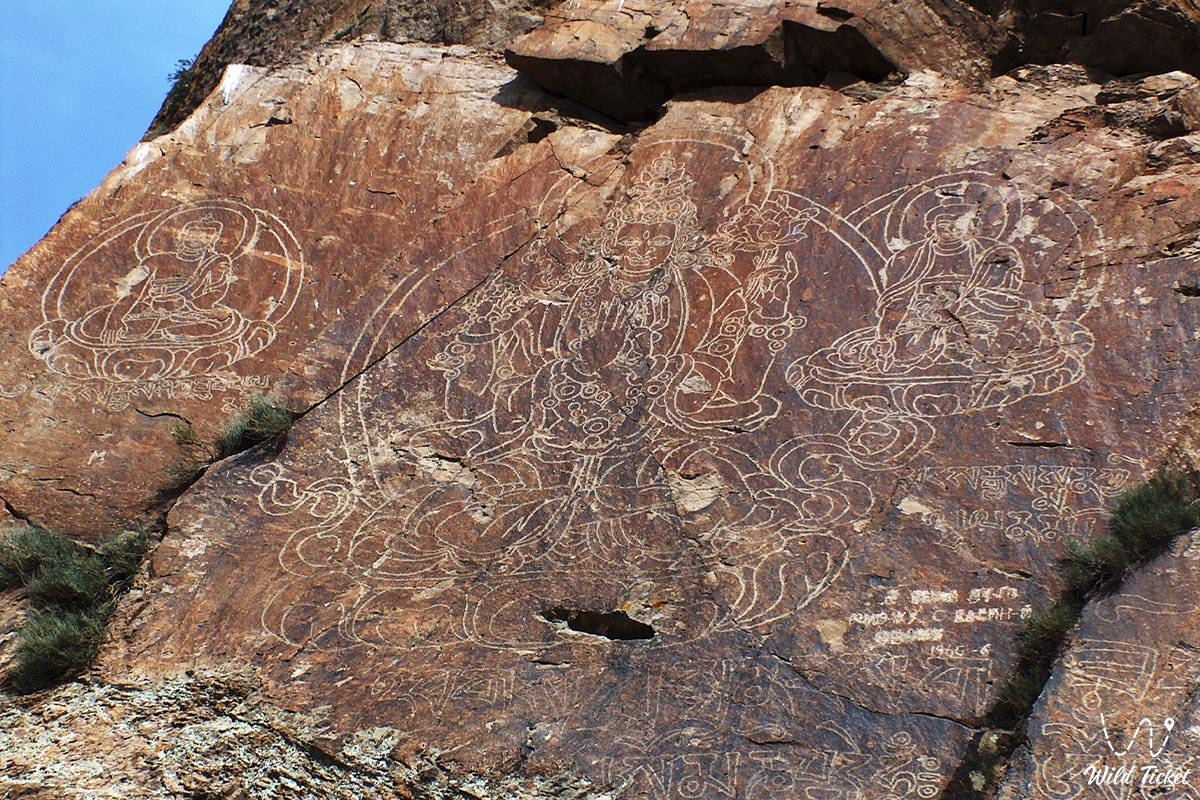
Petroglyphs of Kazakhstan: We invite you to visit ancient rock art in the Almaty region. This tour includes visits to Bayan Zhurek petroglyphs, the Tasbas tract petroglyphs, and the Eshkiolmes petroglyphs.
All rock art sites are located within the Almaty region, so we can see them all in just a few days. This rock art tour can be combined and shortened according to your preference.
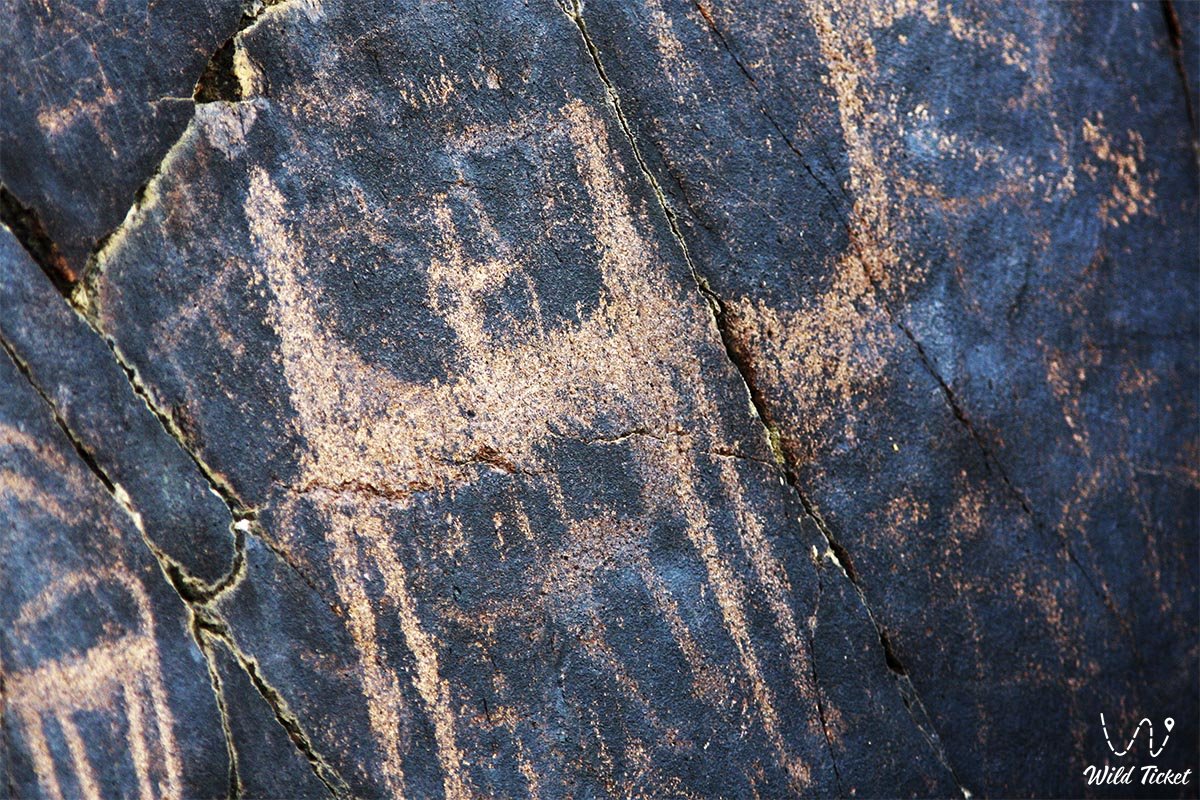
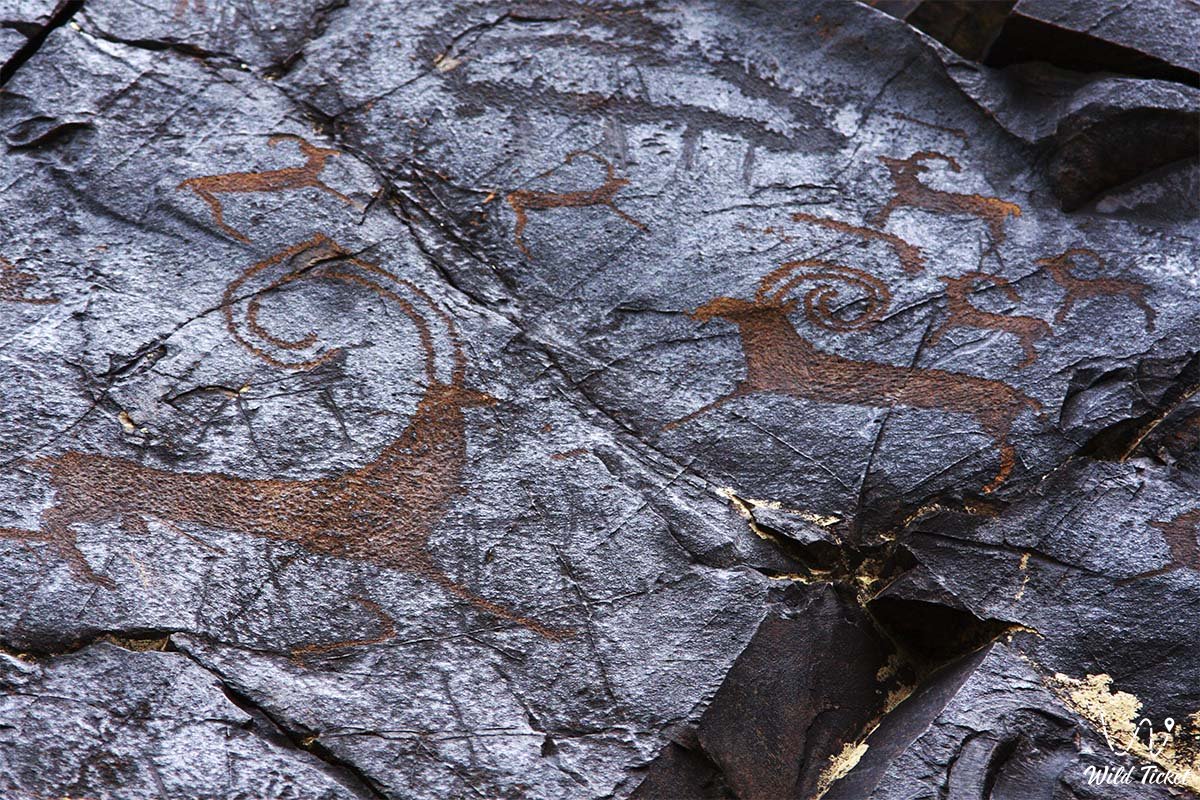
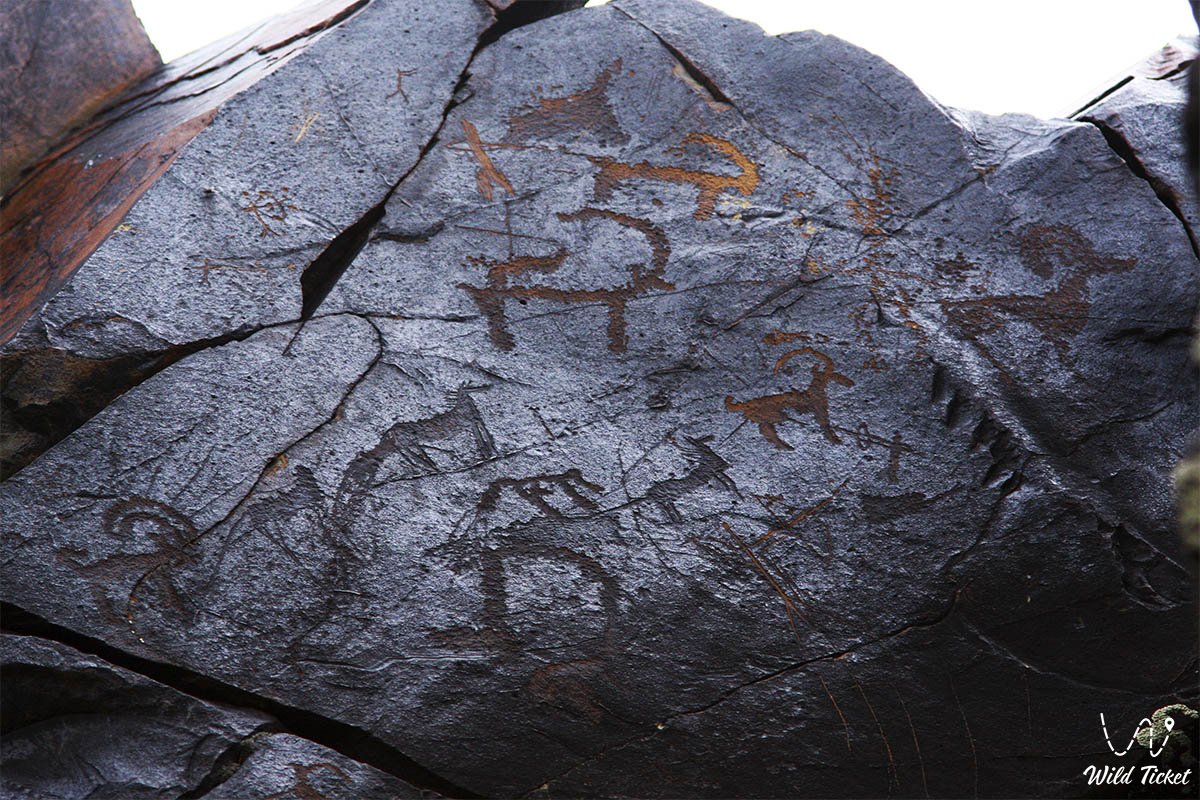
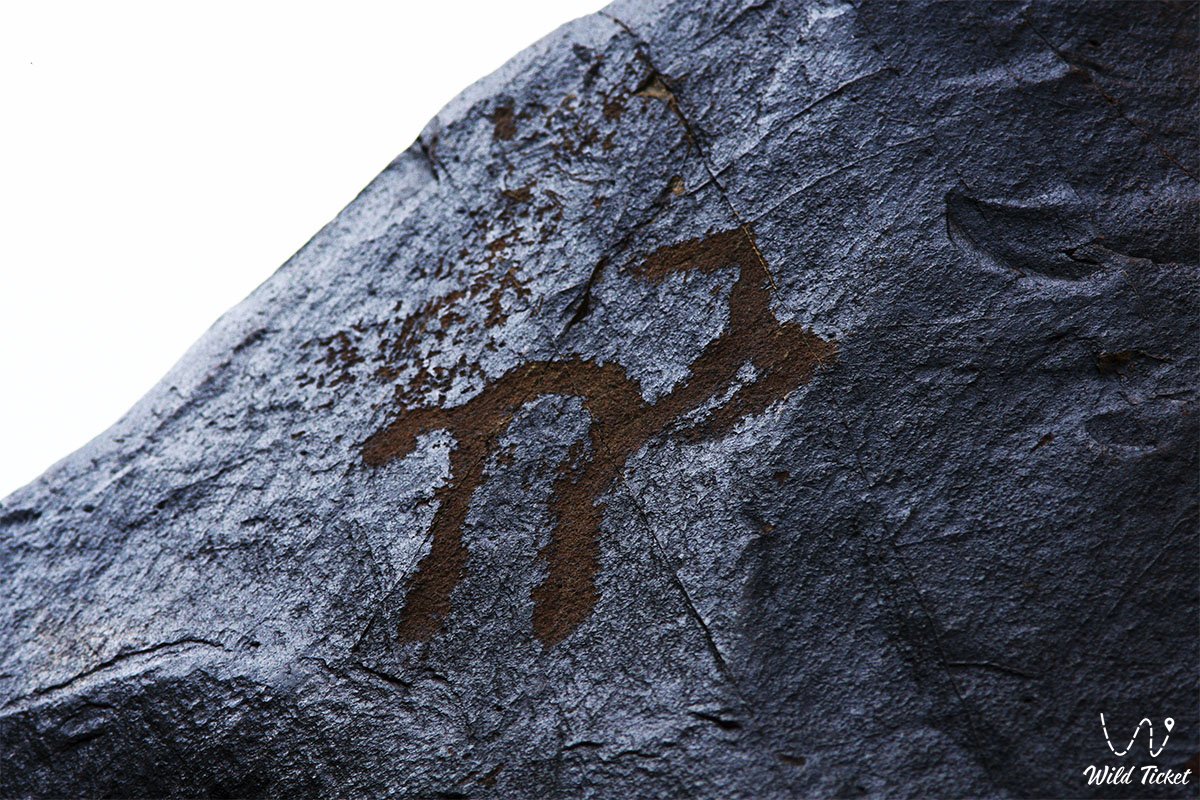
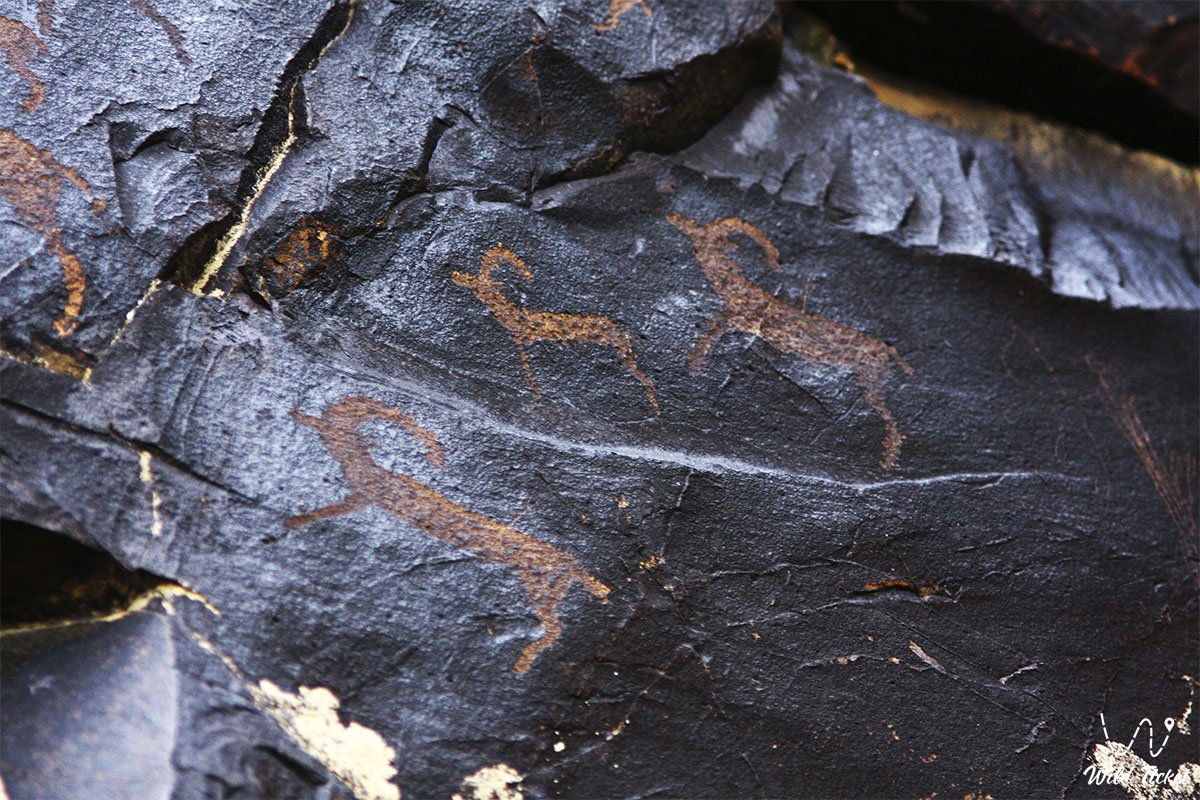
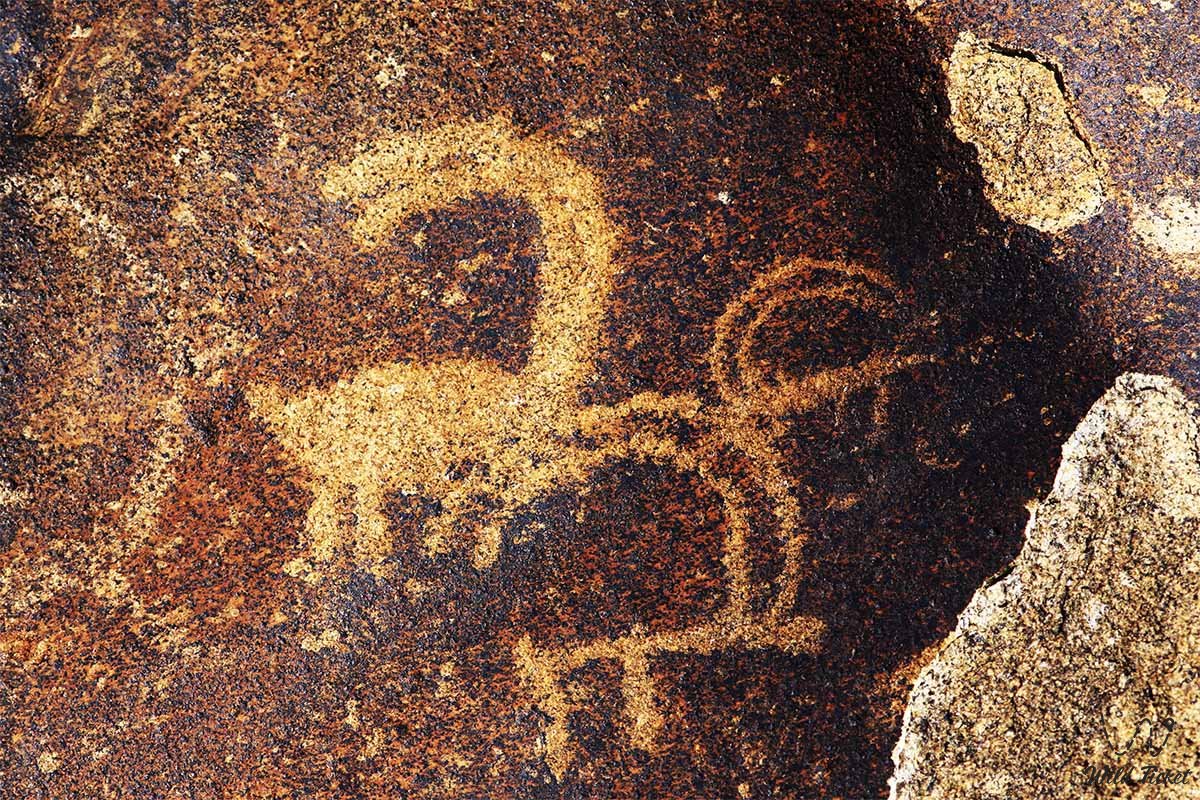
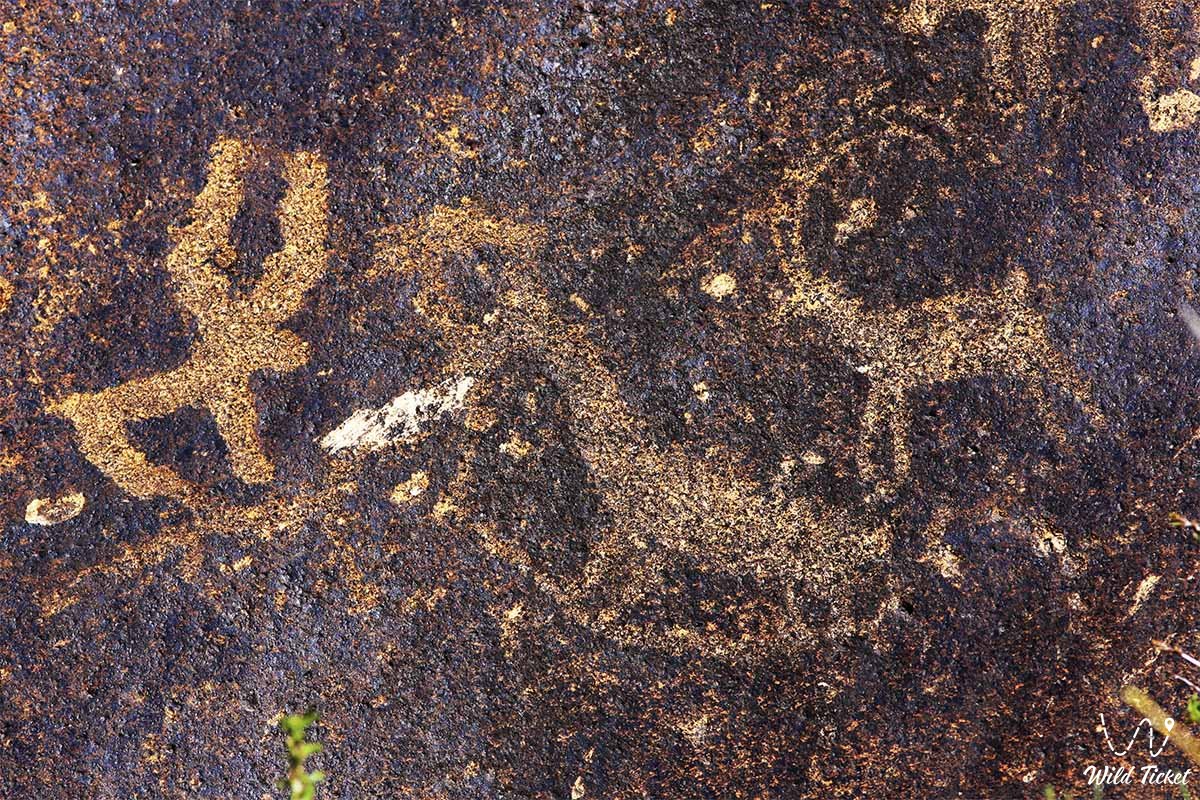
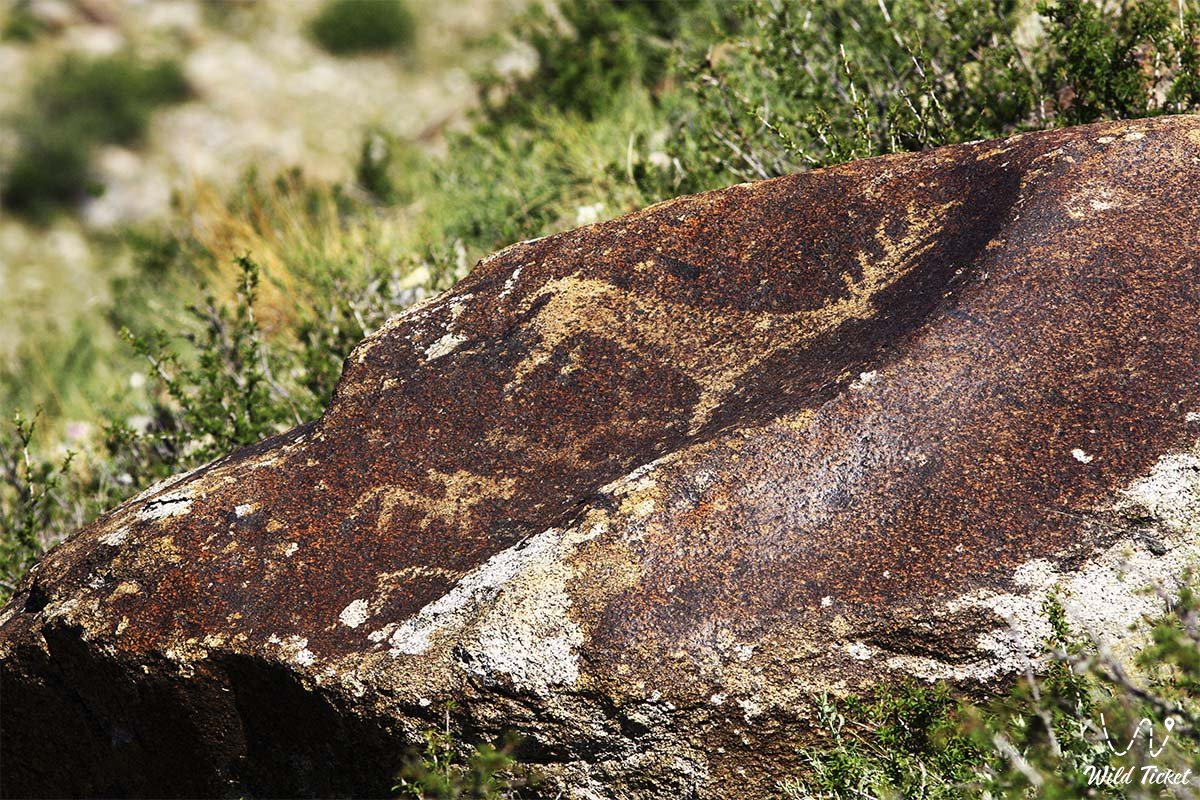
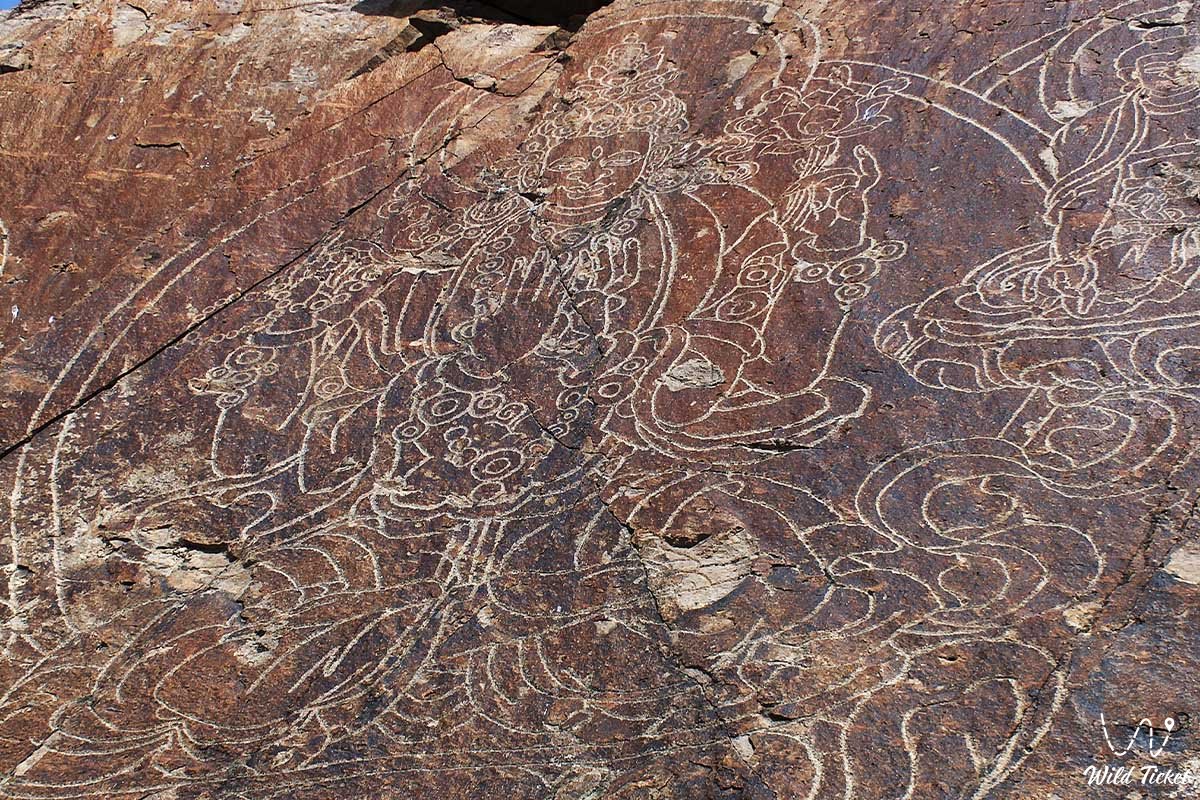
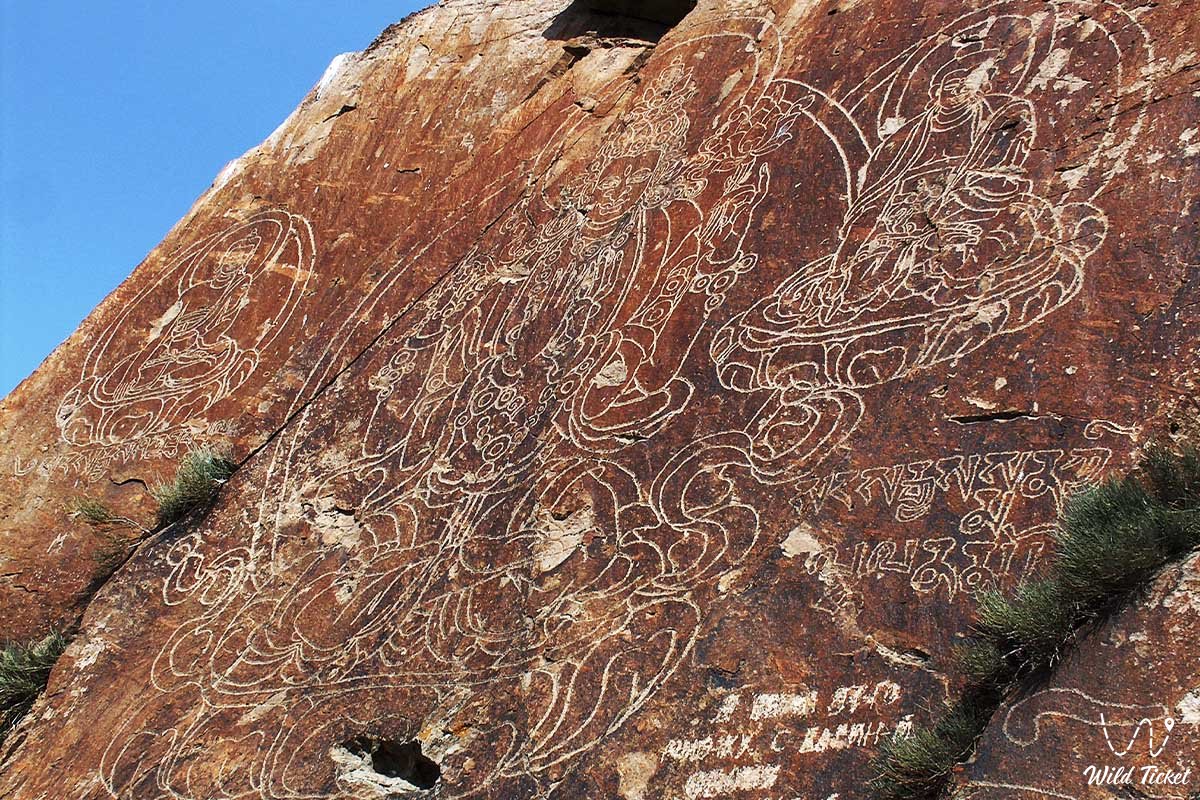
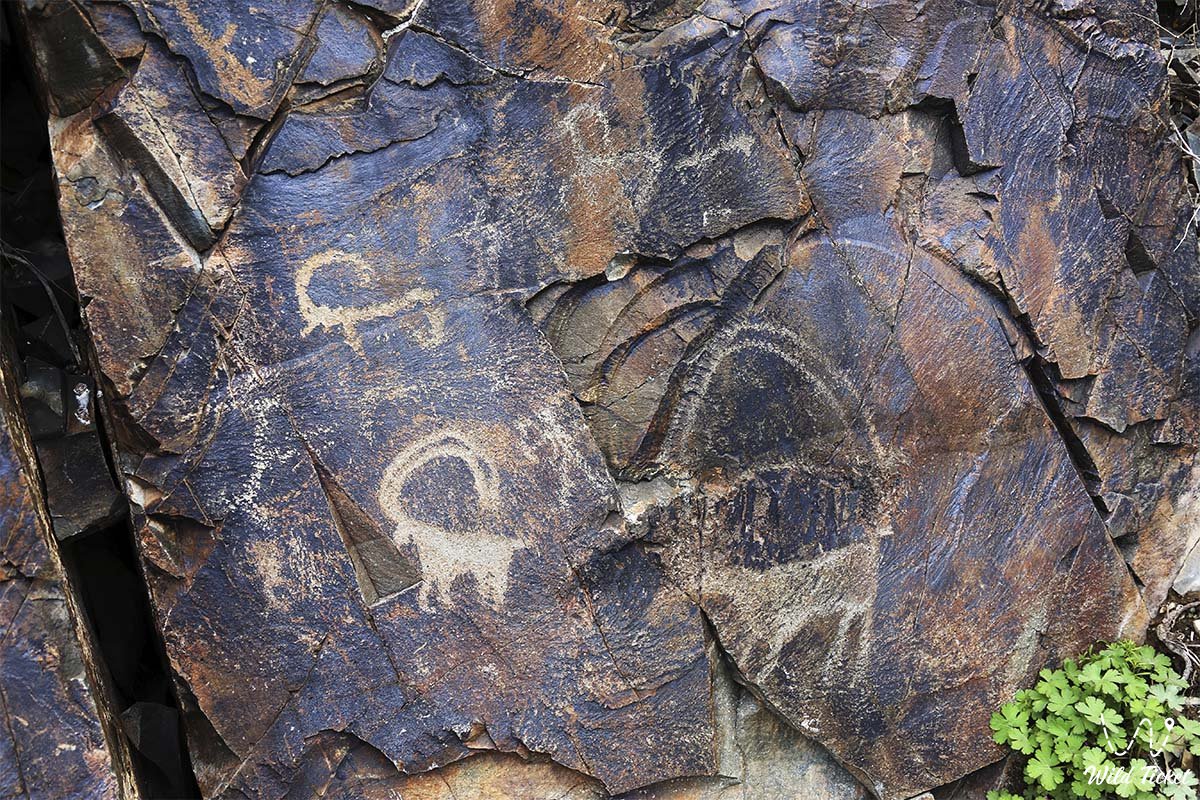
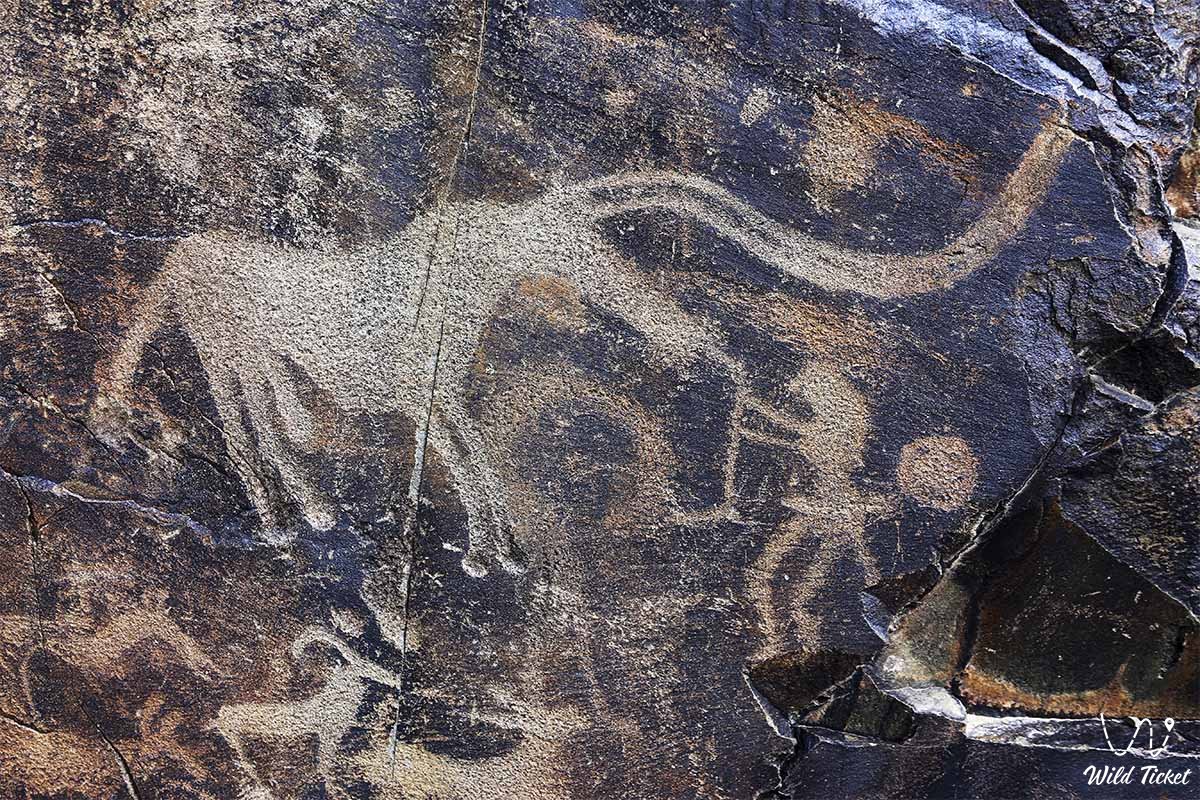
Petroglyphs are rock art made from stone dating back to prehistoric times. Petroglyphs are engraved, scratched, or carved. Petroglyphs are found throughout the world, except in Antarctica.
The images often have great cultural and religious significance for the communities from which they originate. Understanding the meaning of petroglyphs is, if at all possible, only possible with a thorough knowledge of the culture in question. The study of the meaning of petroglyphs is the subject of archeology and ethnology.
There are three main techniques for creating petroglyphs, which can often be used for the same motif:
• Engraving - the process of creating fine lines on rock with a hard object;
• Scraping - the process of indenting surfaces with a rubbing motion;
• Knocking - the process of deepening surfaces with percussion or tapping motions.
- Distance of the route:
981 km
- Season time:
May – September all season
- Best time:
July - September
- Group size:
not more 12 person
- Days & nights:
7 days - 6 nights
Tour itinerary:
[spoiler=1 day. Familiarization with the city of Almaty.
Upon arrival in Almaty, we will meet at the airport and then transfer to the hotel, check in and have breakfast. After we have breakfast, we will have an excursion to the National Historical Museum, which houses the "golden" room of the Sakas. This museum contains the gold found during the excavations of the Golden Man in the Issyk mounds.
After finishing the tour at the museum, we will go to Republic Square (popularly known as Novaya Ploshchad), where we will visit the Independence stele, on top of which there is a sculpture of the Golden Man. Then we go on a city tour, which will include a visit to the 28 Panfilovtsev Memorial Park, the Cathedral, as well as the museum of musical instruments.
After a sightseeing tour of Almaty, we drive to the Kok-Tobe cable car station, located on Dostyk Avenue near the Palace of the Republic. We take the funicular up to the top of Kok-Tobe Mountain (1130 m), the ascent takes 5 minutes (1.7 km). On the mountain we visit the mini zoo, where you can see birds of prey, pheasants and peacocks, as well as deer and llamas, then walk to the monument dedicated to the band "The Beatles", after that we will go to the souvenir shop and art gallery.
After a walk on Kok-Tobe Mountain, we go down to the bus station and return to the hotel, where we have dinner and relax.
[/spoiler]
Almaty city – petroglyphs of Bayan-Zhurek (364 km).
We leave the city in the direction of Kapchagai, which lies to the north of Almaty. After passing the Kapchagai dam, our road is already heading east. On the right, you can observe the Kapchagai reservoir, 180 kilometers long and 22 kilometers wide. After passing the village of Shengeldy, past the Izhton plateau, our way lies to the village of Mukry, we will get there through the Arkharly pass.
When we reach the Mukry pass, we will see the valley that lies along the Dzungarian Alatau. Next, after bypassing the city of Taldykurgan, we will pass a military airfield, and then following this road, we will move another forty-seven kilometers, after which we will turn to the village of Kapal. Thirty-nine kilometers later, we reach the village, and ten kilometers after it, we exit the paved road onto a country road.
After driving along this road for seven kilometers, we will reach our destination. Now we will have a walk to the Bayan-Zhurek petroglyphs, inspect and take photos. Next, we will visit the ancient burial grounds. We return to the camp. We have dinner and relax.
Petroglyphs of Bayan-Zhurek – garden of Sacrificial stones – settlements of the Bronze Age in the Tasbas tract – stone sculptures of Bayn-Zhurek (13 km).
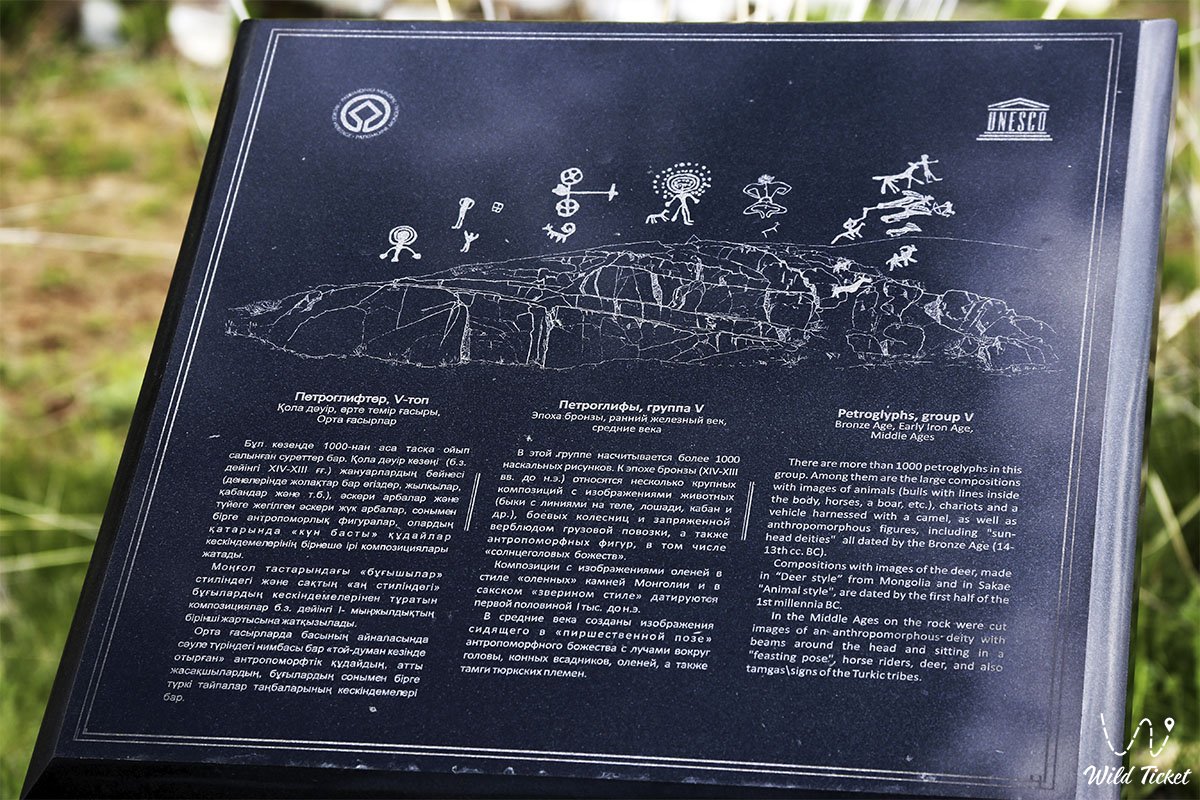
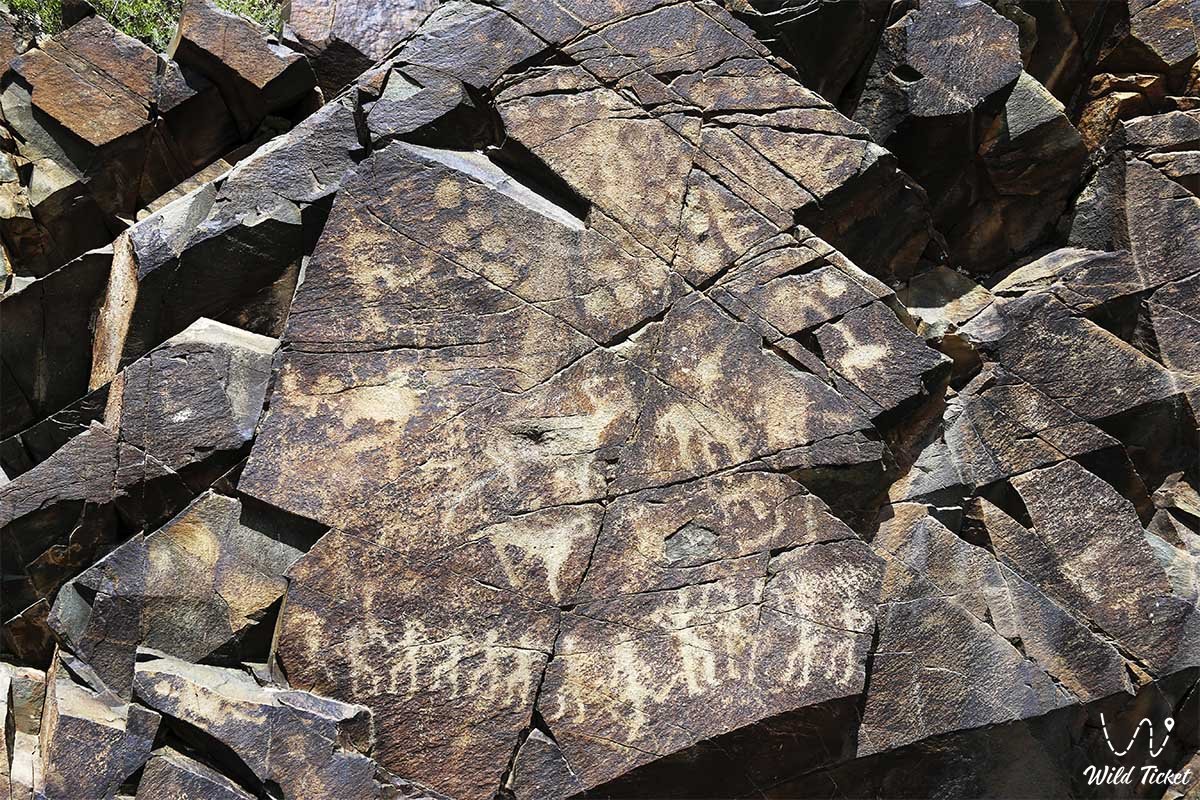
After breakfast, we will go on an excursion to the Bayan-Zhurek petroglyphs, which are located in the first gorge of the Bayan-Zhurek mountains. Single images and complex compositions reflect the way of life, beliefs and worldview of the tribes and peoples who inhabited this area from the Bronze Age to the Middle Ages. We inspect the petroglyphs and take pictures.
After visiting the rock carvings, we will have lunch and continue on to the garden of Sacrificial stones. It is located between the Dzungarian Alatau and the Bayan-Zhurek mountains, and consists of a series of stones with holes that stand vertically. After reaching the garden, we walk around the neighborhood and take pictures.
Next, we drive to the Tasbas tract, located five kilometers away from us. After reaching the tract on the Kara-Bien River, we walk around the nearby area, inspect the settlements of the Bronze Age, and take photos. After that, we will have a short two-kilometer walk to the Bayan-Zhurek mountains, where we will see the stone granite sculptures. After the walk, we return to the campground, have dinner and relax.
Tasbas tract – Bayan-Zhurek Mountains – Iron Age mounds – Taldykurgan city – Koksu River – Eshkiolmes petroglyphs (167 km).
After we have breakfast, on our way to Kapal village, we will stop at a couple of Early Iron Age mounds. There we will walk around the neighborhood and take pictures. Next, we will go to the city of Taldykurgan, the road to it will be 117 kilometers. Arriving in the city, we go on an excursion to the Museum of the history of the Almaty region.
After completing the tour of the museum, we drive to the village of Zholbarysuli, after which we will turn onto the road to the village of Aldabergenovo. After passing the intake dam on the Koksu River, our road will lie on the right bank. We will pass a section with protruding rocks, then our path will go through a couple of gorges, and we will take a country road located between the mountain range and the Koksu River.
When we reach the desired gorge, we walk to the Eshkiolmes petroglyphs (the first and second groups of drawings), inspect, take pictures. Then we return to the campground on the riverbank, have dinner and relax.
Petroglyphs of Eshkiolmes – Almaty city (277 km).
After breakfast, we will go to the petroglyphs of the third and twentieth groups. Then, we will climb Mount Ushastaya, which houses Saka rock carvings and drawings from the Bronze Age.
We walk, inspect petroglyphs, take pictures. Next, we return to the camp and have lunch. After lunch, the road to Almaty awaits us, which will be 277 kilometers. When we get to the city, we check into a hotel, have dinner and relax.
Almaty city – Kopa railway station – Karabastau village – Tamgaly tract (160 km).
After breakfast at the hotel, we leave for the Almaty– Bishkek highway, which goes west and leads us to the Tamgaly petroglyphs. After driving a hundred kilometers and several villages along the way, we turn towards the Kopa railway station. Turning, we drive another sixty kilometers to the village of Karabastau, after which we turn off the road to the left to the nearby hills.
After a mile and a half across the steppe, we arrive at our destination. Leaving the car in the parking lot, we will make a short seven-hundred-meter walk to the Tamgaly petroglyphs. There's an excursion waiting for us, then we look around and take pictures. Then, we send them back to the city. We have dinner and rest at the hotel.
Transfer to the airport for departure from Almaty.
Transfers by jeeps or minibuses "Delica".
The optimal number of people for such a tour is no more than 12 people.
Personal equipment for tourists should include: a sleeping bag, a sleeping mat, and a flashlight. Recommended clothing and shoes: sneakers with hard soles, trekking boots or shoes, cap or panama hat, sunglasses.
Accommodation in tents is for 2 people, if desired, you can provide single accommodation for an additional fee.
The Russian–speaking guides on this tour are Alexei Nikolaevich Maryashev, Professor, Doctor of Historical Sciences, or Olga Gumirova, writer, journalist.
Photogallery: