Geological Phenomenon of Silica and Paleontological Mysteries of the Ustyurt Plateau –
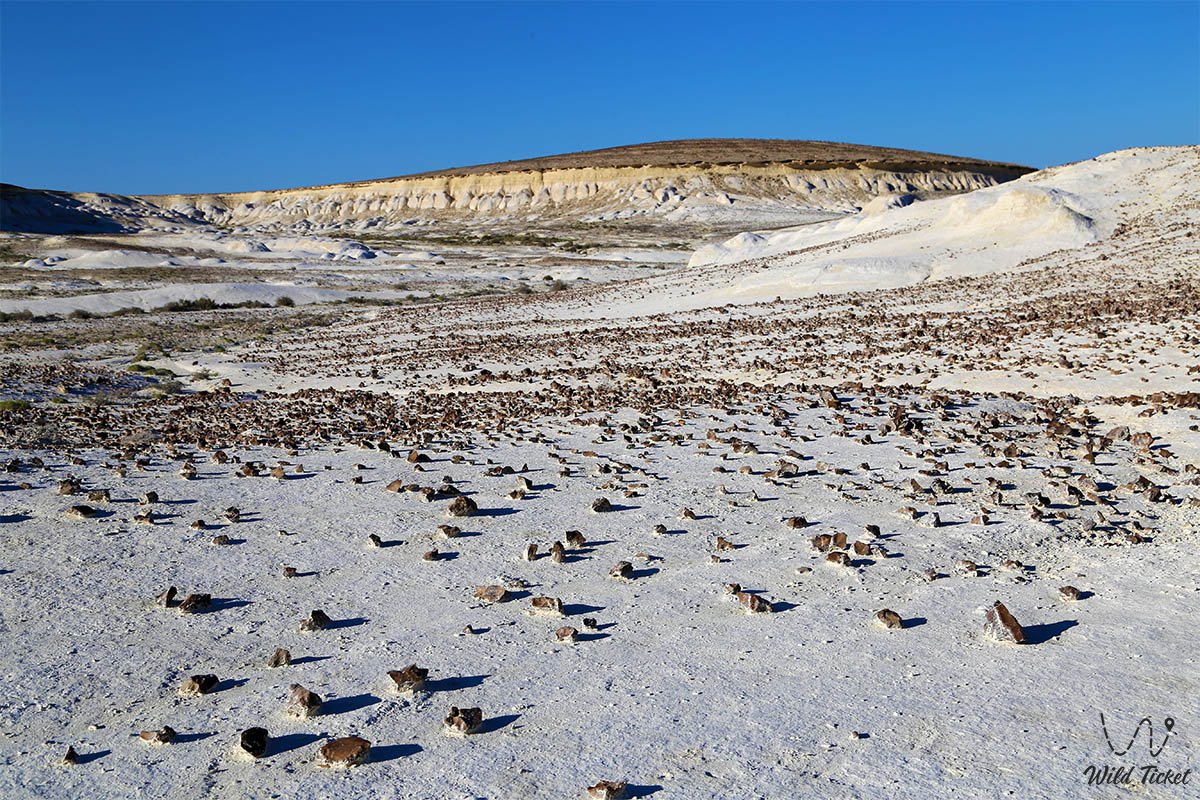
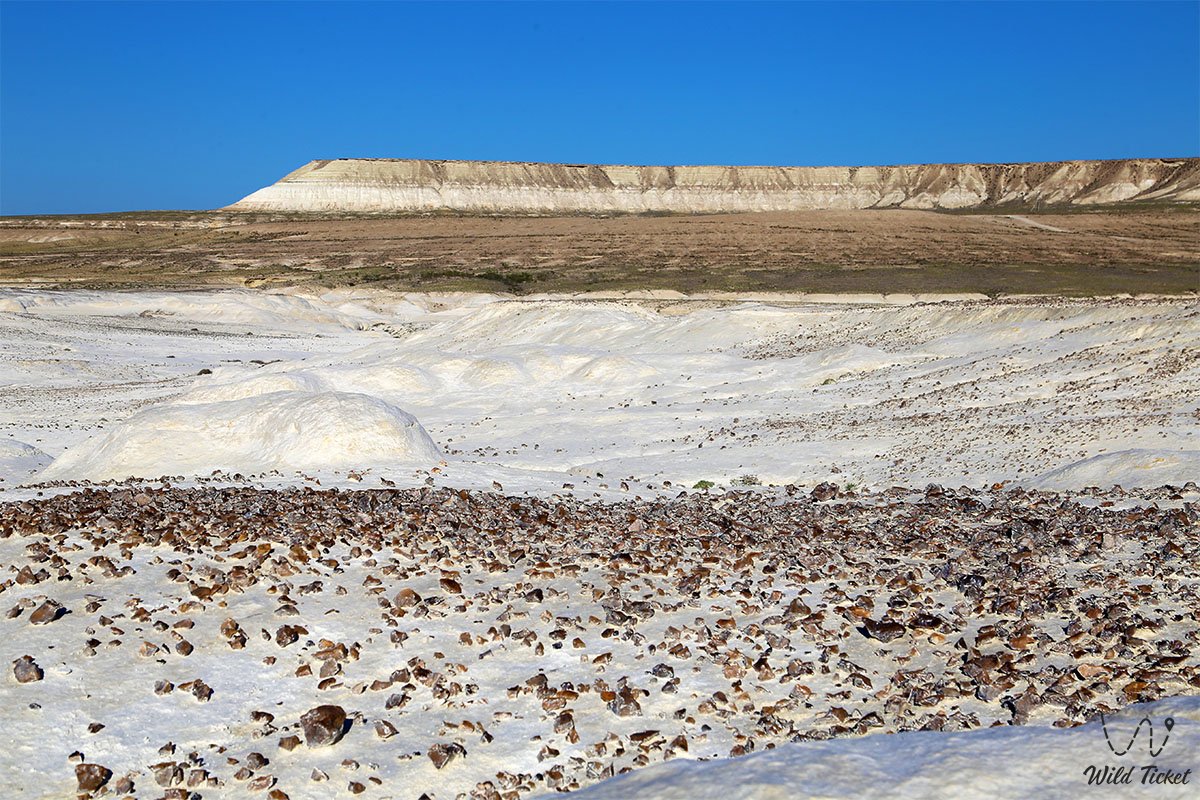
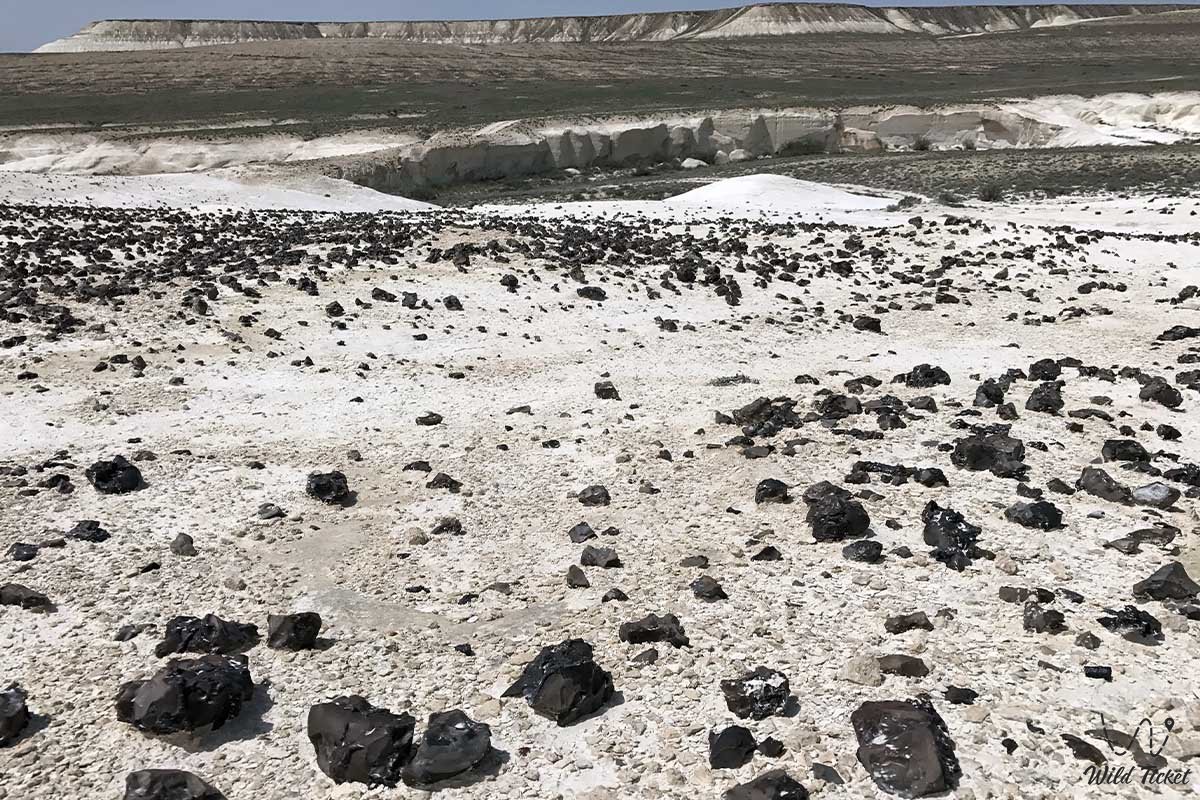
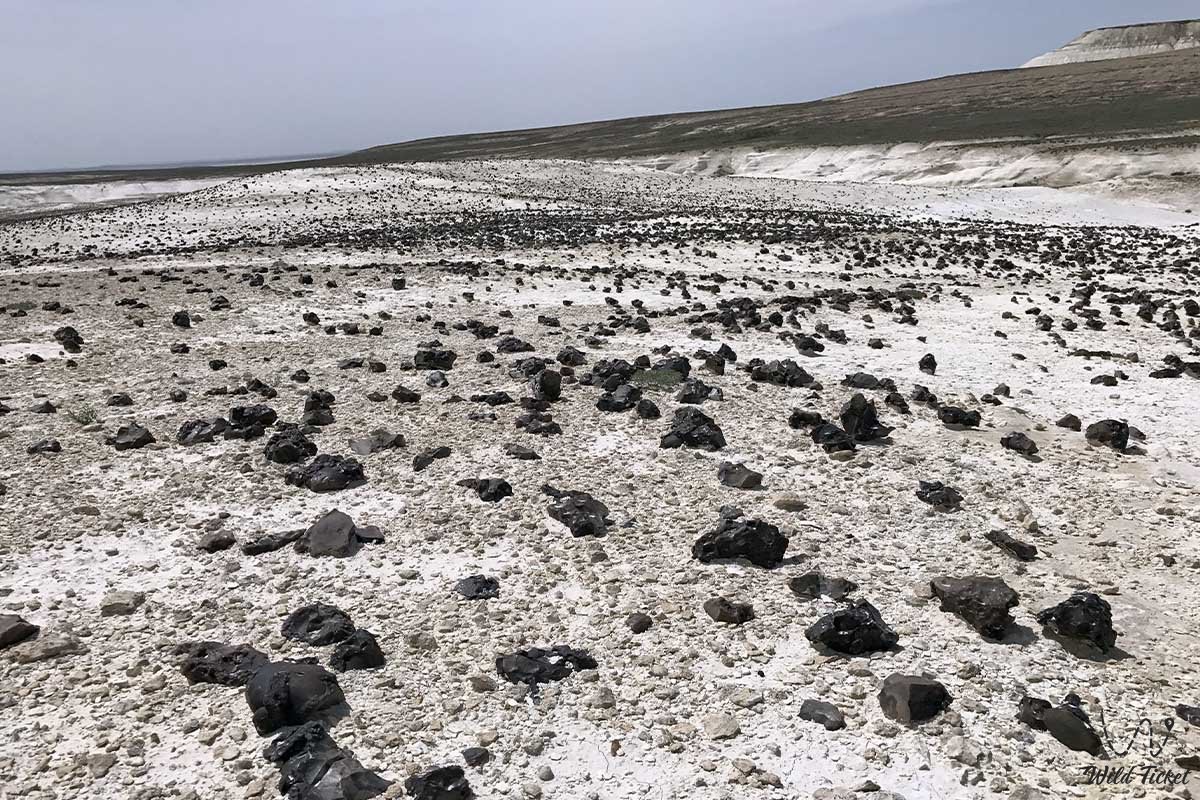
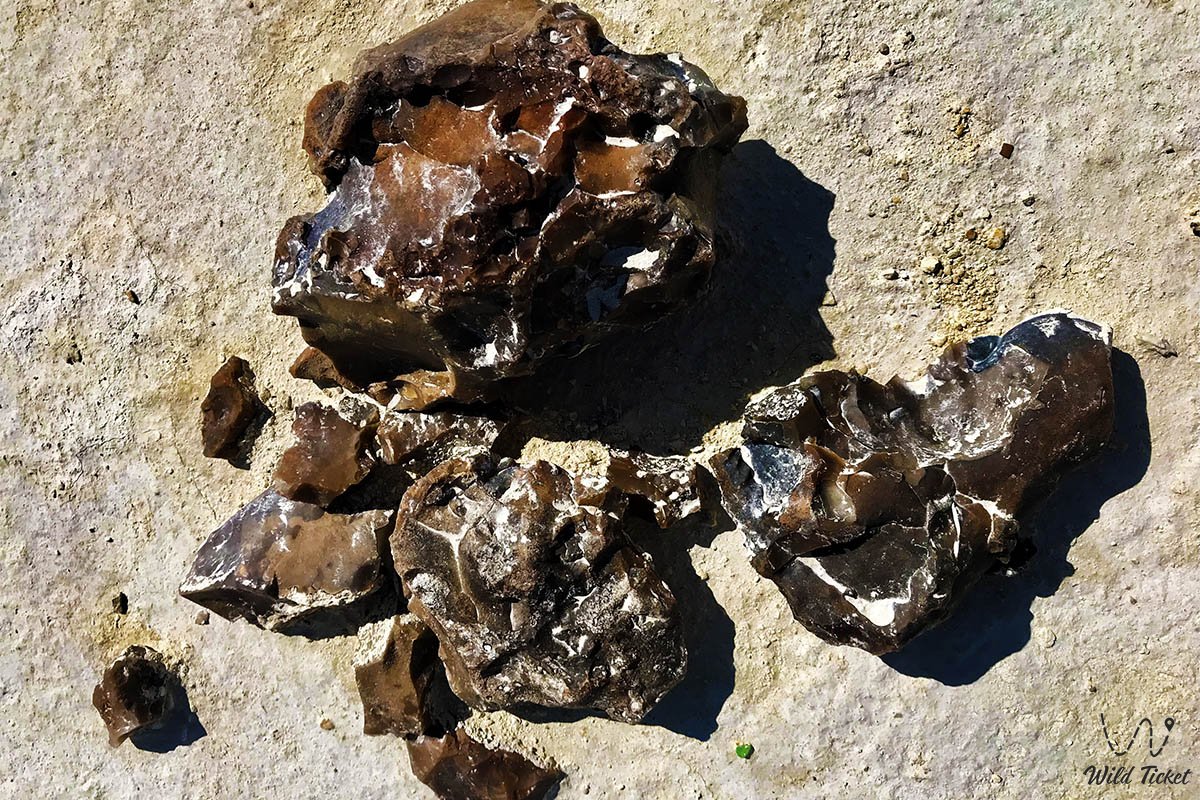
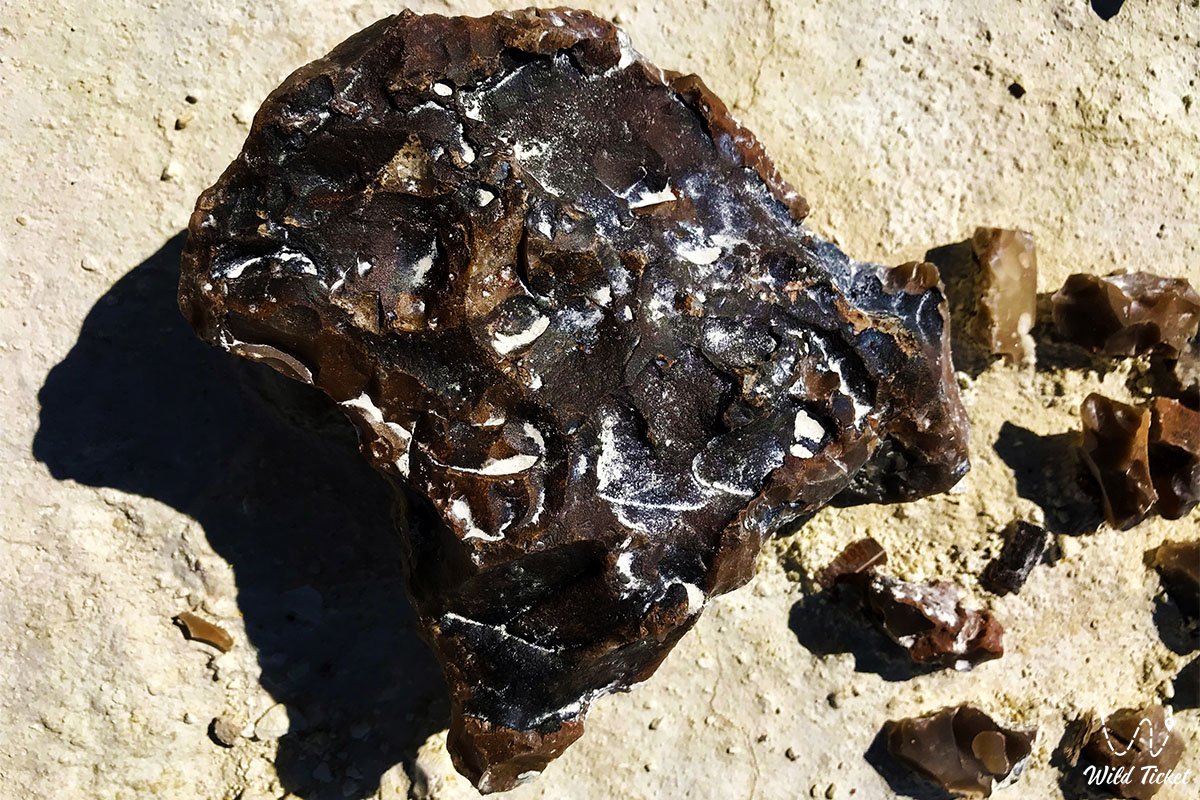
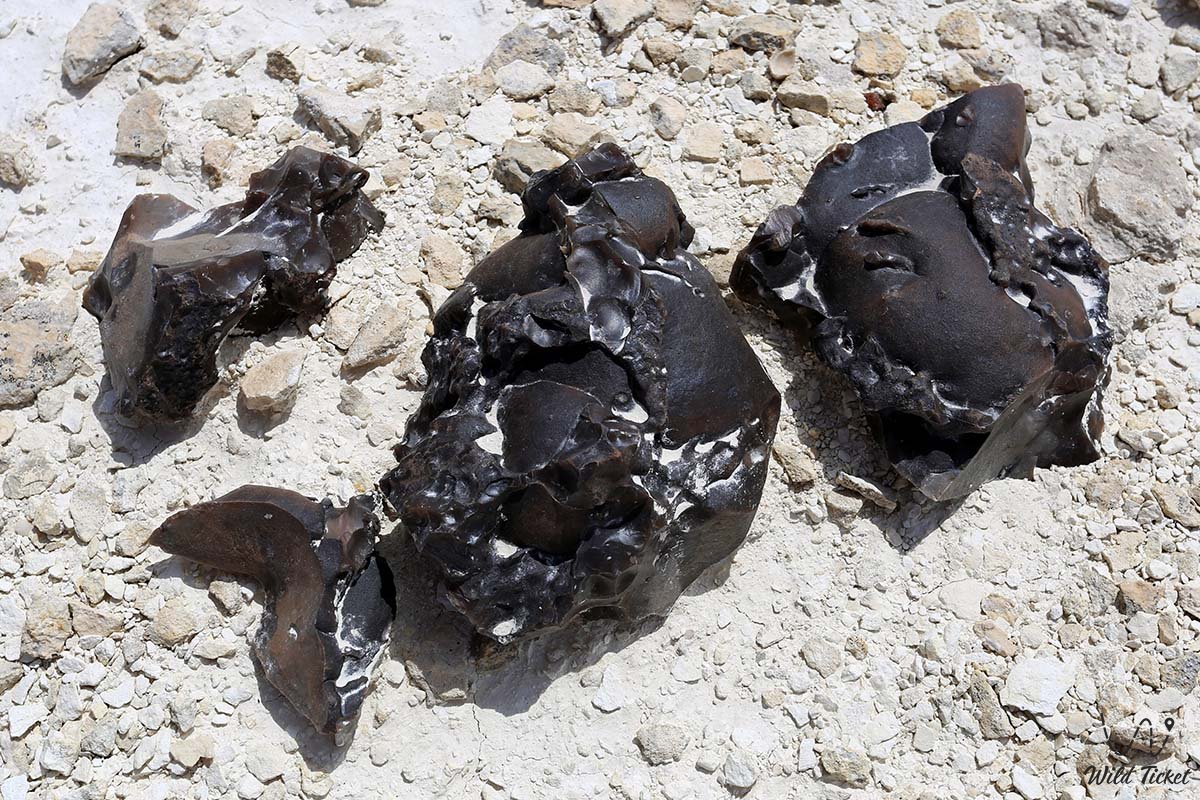
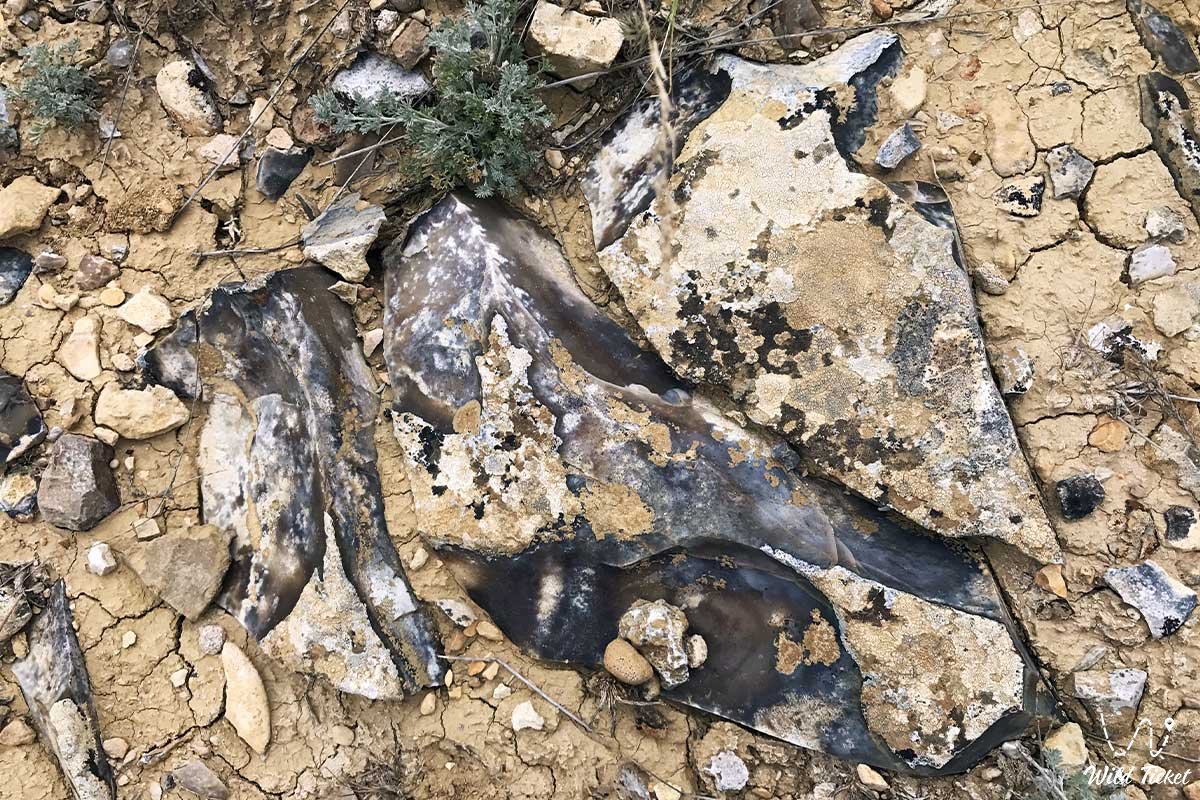
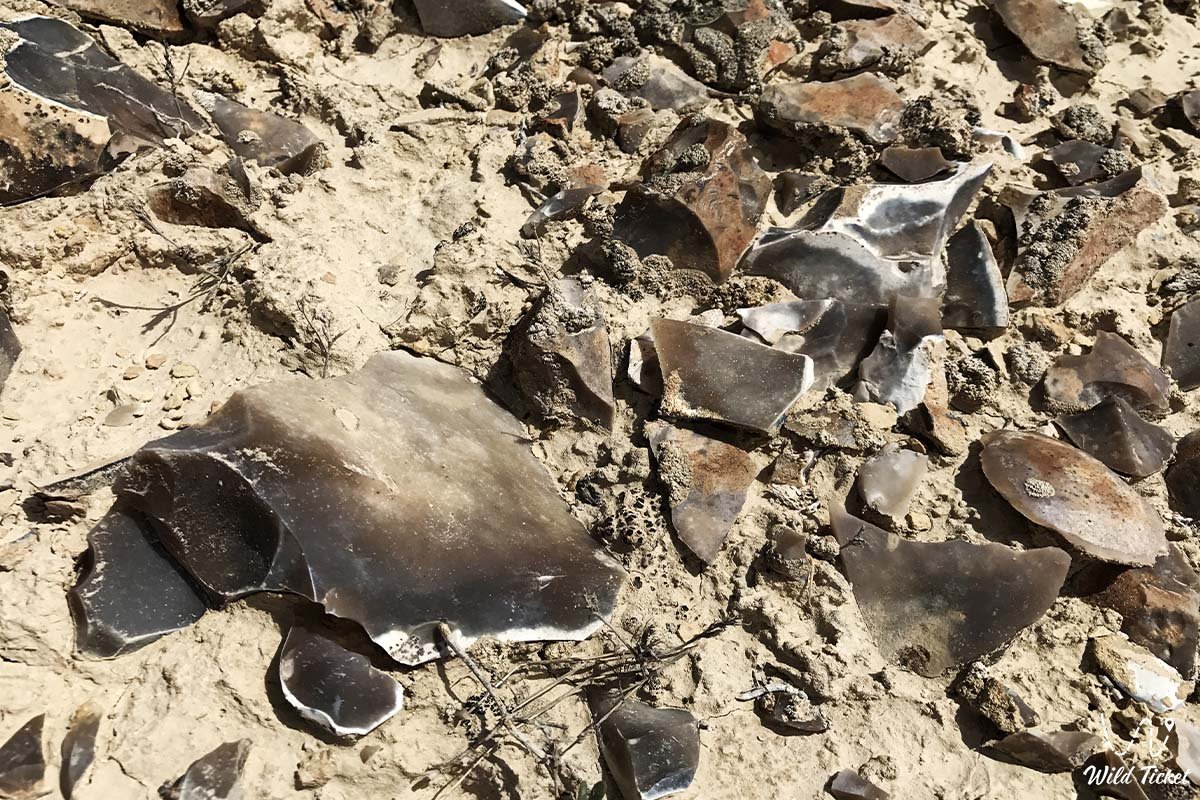
Flint Valley in the Bozjyra Tract is a striking geological and paleontological natural monument and an expansive terrace in the southeastern part of the Mangistau Region, strewn with millions of flint accumulations across an immense area. Hundreds of millions of years ago, this entire majestic basin formed the floor of the colossal prehistoric Tethys Ocean. Through biogenic and diagenetic precipitation of amorphous silica within the carbonate muds of the ancient sea, massive layers of flint nodules, lenses, and slabs were formed. Following the retreat of the oceanic waters and subsequent denudation, the surrounding soft limestones and marls eroded away, exposing endless fields of dark flint minerals on the surface.
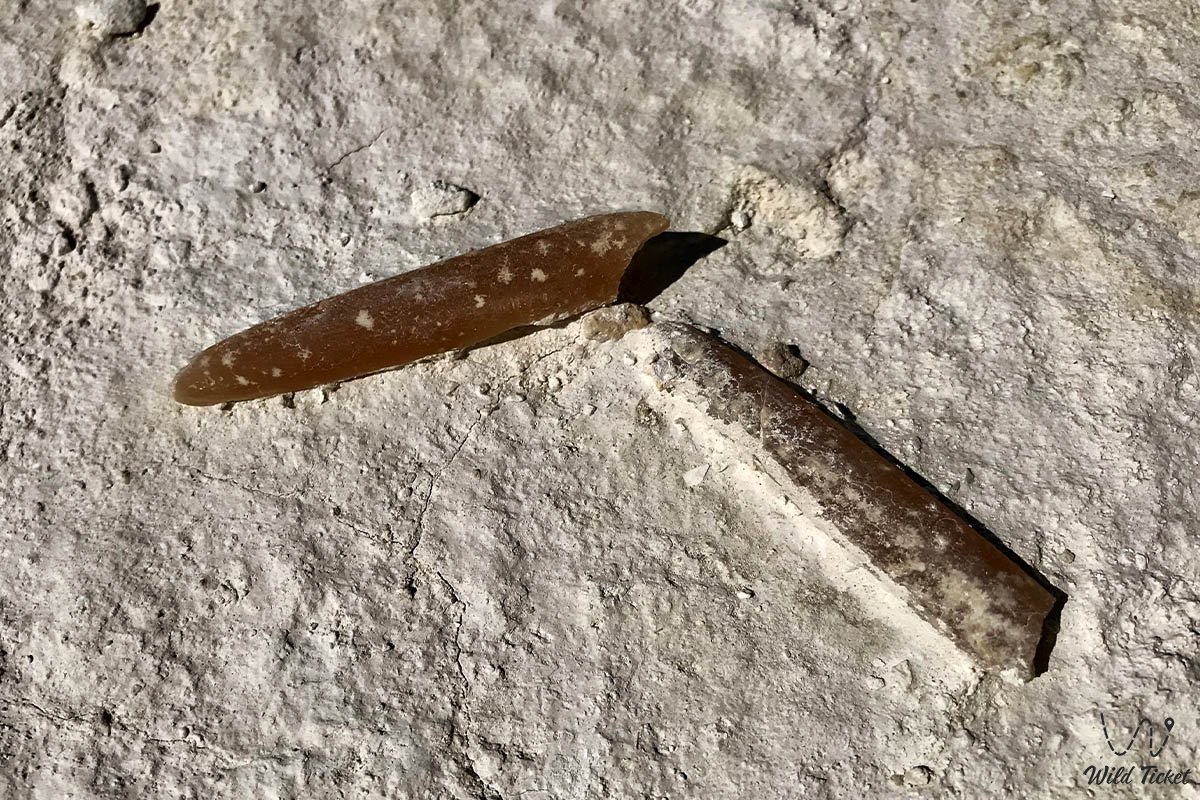
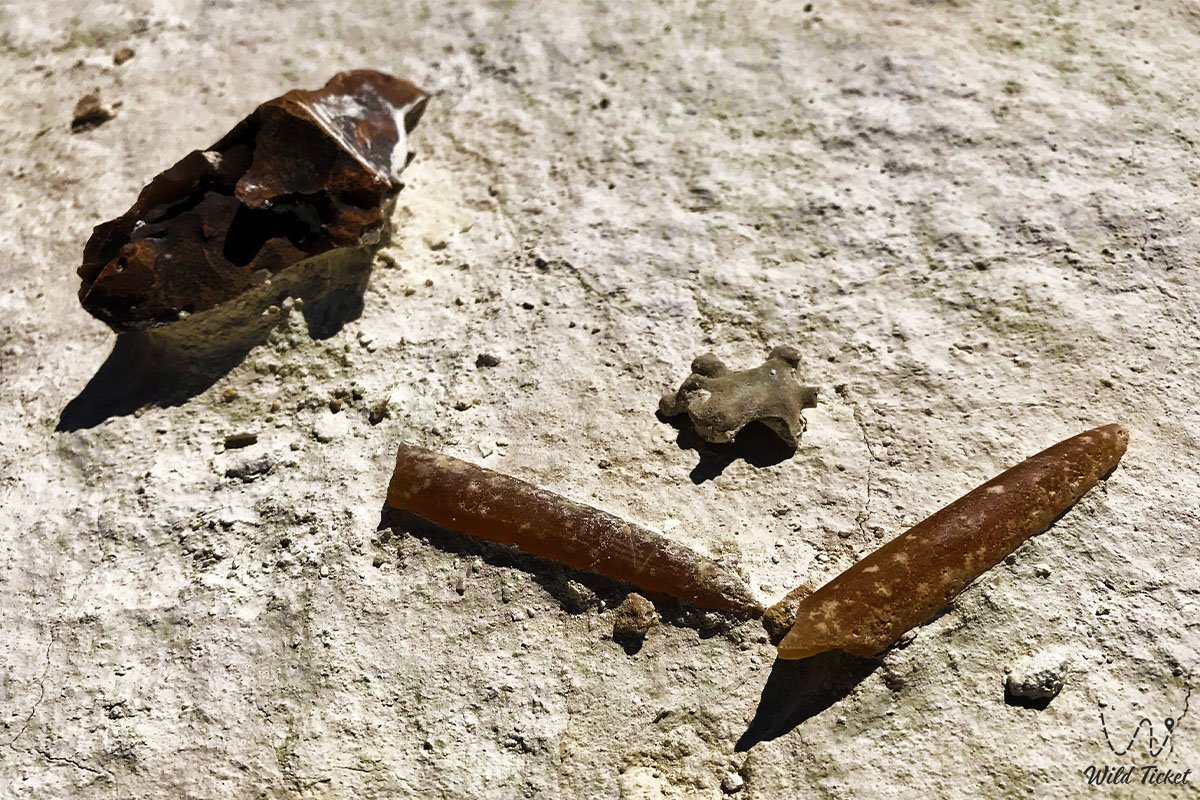
Today, this valley serves as an extraordinary paleontological window into the past: right beneath their feet among pitch-black stones, travelers discover genuine relics of extinct oceanic life – petrified shells of ancient mollusks, ammonites, sea urchins, and teeth of prehistoric giant sharks.
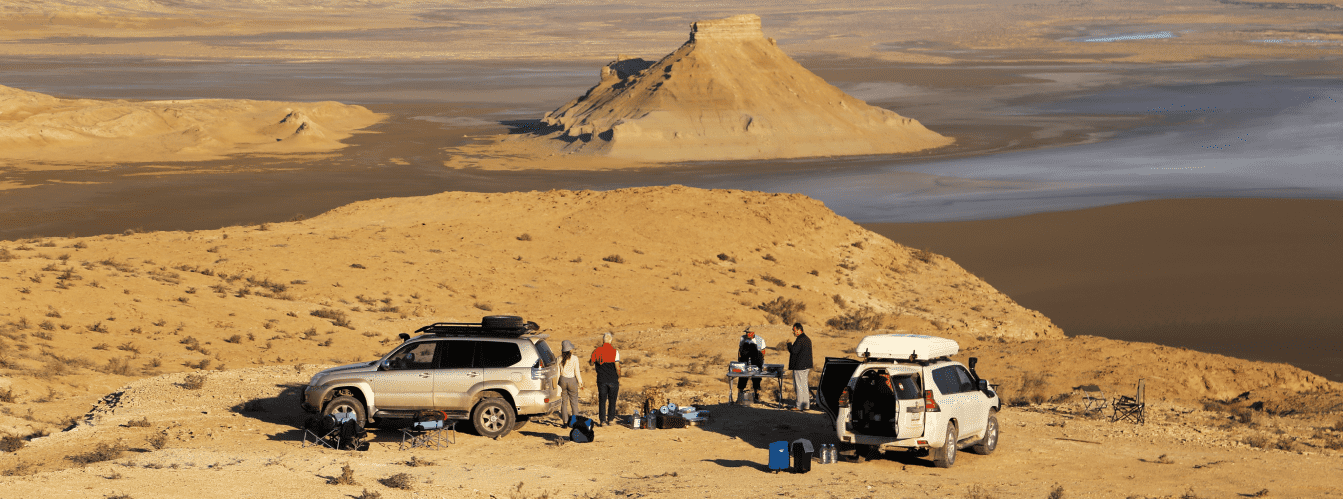
Within the framework of regional travel routes and expedition logistics, Flint Valley holds a prominent position, located at the very center of the Ustyurt Plateau landscapes. Travelers typically journey here in equipped high-clearance 4x4 off-road vehicles from the city of Aktau (around 280–300 km) via the town of Zhanaozen.
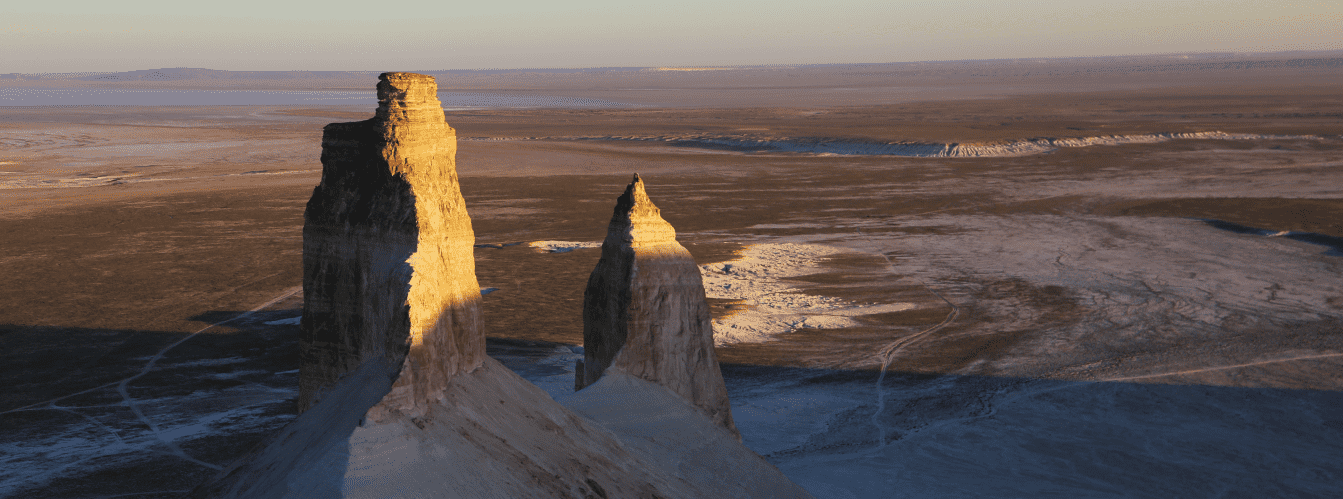
The route to the flint fields seamlessly integrates iconic natural and historical landmarks of Mangystau. Towering directly around the valley are monumental chalk buttes of the Bozjyra Tract, including the famed stone "Fangs of Bozjyra", the striped pyramid of Mount Bokty, the vast Tuzbair Salt Flat, the endorheic Karynzharyk Depression with the "Three Brothers" buttes, and protected lands of the Ustyurt State Nature Reserve.
As part of extended circular expeditions across the peninsula, a visit to Bozjyra is complemented by northern landmarks: Mount Sherkala, the Kokala Tract, the Torysh valley of spherical concretions, picturesque Sarytash Bay, the limestone Kapamsay Canyon, Shakpaktysay Gorge, and Samal Canyon.
Thanks to the presence of ultra-hard mineral outcrops and Mesozoic fossils, the valley in the Bozjyra Tract has been recognized as a large-scale Paleolithic and Neolithic workshop site. Prehistoric humans utilized weathered flint accumulations to manufacture spearheads, arrowheads, knives, and scrapers, supplying primeval tools to settlements throughout the Caspian region. Today, this location attracts geologists, paleontologists, wildlife photographers, and adventurers eager to connect with the secrets of the Tethys Ocean.
--------------------------------------------
How to Get There and Visit –
Flint Valley is situated in the southeastern section of the Mangistau Region, within the boundaries of the Karakiyan District, directly within the renowned Bozjyra Tract on the Ustyurt Plateau. The site is located in a deep erosional-denudational depression at the foot of Bozjyra’s monumental chalk chinks and buttes. The distance from the regional center, the city of Aktau, is approximately 280–300 km, around 140–150 km from the town of Zhanaozen, and about 20–25 km along steppe tracks from the junction near the Beket-Ata Underground Mosque.
GPS geographic coordinates of the central part of Flint Valley:
43°27'11"N 54°00'44"E
Paleontological Guide to Mount Sherkala: Fossil Hunting at the Bottom of the Tethys Ocean
Paleontological Tour in Mangyshlak 2 Days
Route from the city of Aktau heads southeast along the national paved highway through the settlement of Munaily to the town of Zhanaozen (around 145–150 km of excellent asphalt). From Zhanaozen, the route continues eastward through the village of Kyzylsai and Senek Village toward the necropolises of Shopan-Ata and Beket-Ata (another 100–115 km of asphalt and graded gravel). Before reaching the Oglandy tract (Beket-Ata Mosque), the road branches south along established steppe and salt-marsh tracks across the plateau toward the Bozjyra Tract, Karmak Tract, and Mount Bokty (approximately 30–40 km of off-road driving directly to the flint fields). Total driving time from Aktau in an SUV is about 4 to 5 hours.
Access roads and terrain passability: passenger cars can only reach Zhanaozen and travel along the paved road toward Beket-Ata Mosque. Descending into the Bozjyra Tract itself, negotiating clay salt pans (sors), tackling rocky plateau shelves, and driving across Flint Valley requires a fully prepared four-wheel-drive 4x4 SUV with a minimum ground clearance of 200–220 mm.
The primary hazards here are razor-sharp flint shards capable of instantly slashing standard tire sidewalls, alongside deep washouts and treacherous sand-solonchak traps. Heavy-duty all-terrain tires (AT or MT grade), an air compressor, a farm jack (hi-lift), and at least two functional spare tires are mandatory. During occasional spring or autumn rains, the clay at the foot of the chinks turns into impassable sludge that completely immobilizes vehicles.
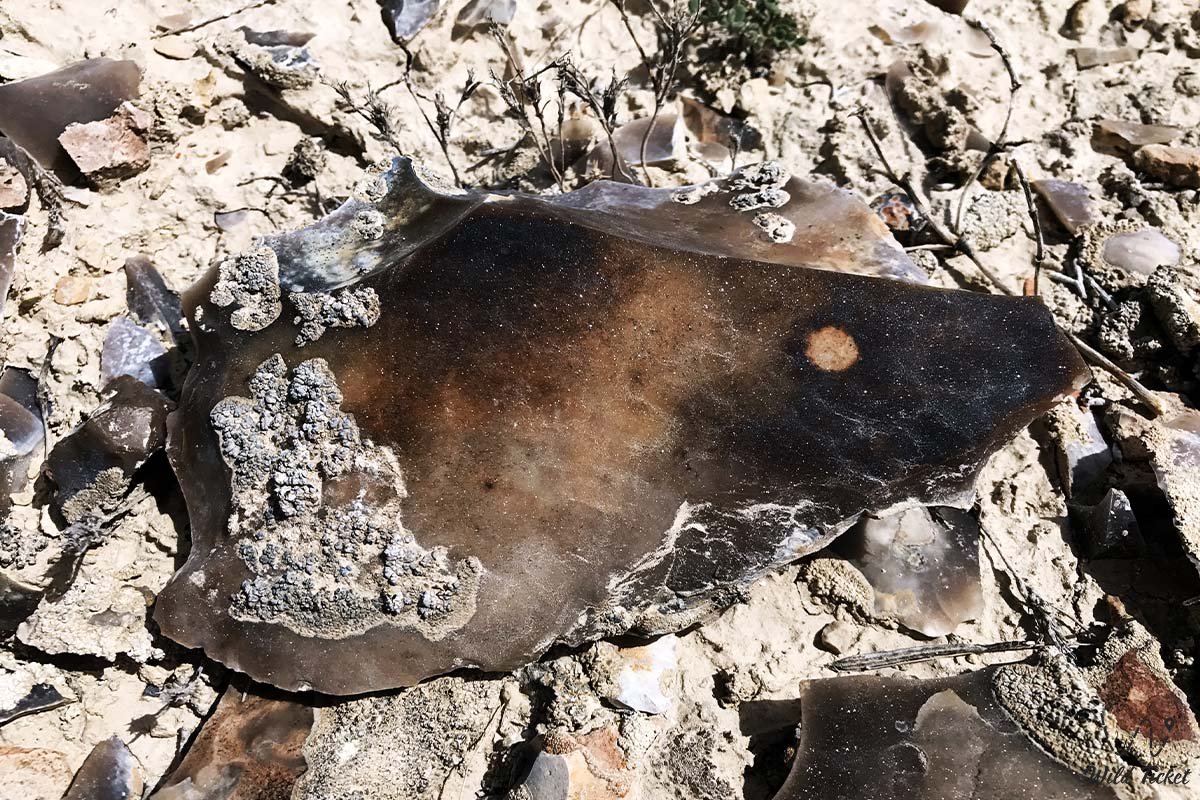
Hiking and paleontological exploration: exploring the valley, searching for ancient Tethys shark teeth, fossil shells, and prehistoric flint artifacts is done on foot. The ground is blanketed with razor-sharp flint flakes. Walking the area in open footwear, sandals, or soft mesh sneakers is strictly prohibited to prevent severe foot cuts. Sturdy trekking boots featuring rigid, thick soles and high ankle support are necessary.
Environmental and archaeological safety guidelines: the Bozjyra Tract and Flint Valley constitute a fragile natural system of global significance.
Within the valley, it is STRICTLY FORBIDDEN to:
– damage natural outcrops or engage in uncontrolled commercial collection of fossils and minerals;
– drive off established tracks onto the white chalk slopes of the chinks and delicate salt flats (tire ruts remain visible for decades);
– leave behind any litter, plastic containers, tin cans, or wet wipes;
– light open ground fires (use of portable gas burners only);
– disturb birds of prey nesting on cliff ledges or harass herds of Ustyurt mouflons;
– paint or carve inscriptions on chalk buttes and ancient rocks.
Infrastructure: Flint Valley in the Bozjyra Tract lies in an area of complete wilderness hundreds of kilometers from urban centers. The nearest permanent fuel stations, supermarkets, auto repairs, and tire shops are in Zhanaozen (around 140–150 km) and partly in Senek village. Overnight field stays demand full self-sufficiency: a potable water supply of at least 5–6 liters per person daily, reserve fuel in metal jerrycans (at least 30–40 liters beyond the tank), wind-resistant tents with storm guy-lines (gale-force winds sweep across the Ustyurt chinks), and an extensive expedition medical kit. Mobile coverage under the cliffs and within the canyons of Bozjyra is nonexistent, with faint signals accessible only on top of the Ustyurt Plateau.
Best time to visit is spring and autumn. The most favorable period spans from late April to early June, when daytime temperatures stay between +20...+25 °C, steppe tulips bloom, and the air is crisp and clear.
The second optimal season is September and October, offering dry sunny days and moderate weather. During July and August, the Bozjyra basin endures extreme heat exceeding +40...+45 °C, where scorching dark flint boulders store intense heat, making exposure to the sun hazardous.
--------------------------------------------
History
The history of Flint Valley at Bozjyra unites millions of years of ancient life from the prehistoric Tethys Ocean with the material culture of nomadic life in the Caspian region.
When warm waters of the ancient sea covered what is now the Ustyurt Plateau, amorphous silica slowly settled within bottom carbonate sediments. As oceanic creatures died, the dentition of giant fossil sharks and the shells of cephalopods were encased in limestone strata. Epochs later, once the sea receded, weathering unveiled this geological layer: the snow-white chalk walls of Bozjyra revealed their inner stone cores, blanketing the base of the salt flats with millions of hard nodules and the teeth of ancient marine predators.
During the Middle and Upper Paleolithic (Mousterian and Late Paleolithic eras, approximately 100,000 to 12,000 years ago), prehistoric hunters first arrived here. In the Stone Age, flint’s cryptocrystalline structure produced exceptionally sharp cutting edges, making it indispensable for survival. The valley near the Bozjyra chinks became a vast open-air prehistoric toolmaking center.
Early humans gathered flint nodules directly from the surface, knapping them with hammerstones to extract high-grade blades. The valley preserves traces of numerous workshops containing cores, flakes, scraper blanks, spearheads, and arrowheads. By the Neolithic era, tools manufactured from Ustyurt flint were distributed along caravan trails toward the shores of the Caspian and Aral seas.
In the Middle Ages, Bozjyra's flint stones continued to serve nomadic Aday pastoralists and Silk Road caravan travelers as strike-a-lights for creating sparks across the steppe. In the twentieth century, geological expeditions documented the Bozjyra Tract and its flint beds as benchmark natural monuments of Eurasia.
Information
From a mineralogical standpoint, flint is a dense aggregate of cryptocrystalline silicon dioxide SiO2, composed of fine-grained chalcedony, quartz, and minor amounts of opal. Silicon itself is an element in Group 14 of the periodic table, ranking second in abundance in the Earth's crust behind oxygen (accounting for over 27% of its mass). Silicon was identified and described in 1811 by French scientists Joseph Louis Gay-Lussac and Louis Jacques Thénard, and isolated in its elemental form by Swedish chemist Jöns Jacob Berzelius in 1823.
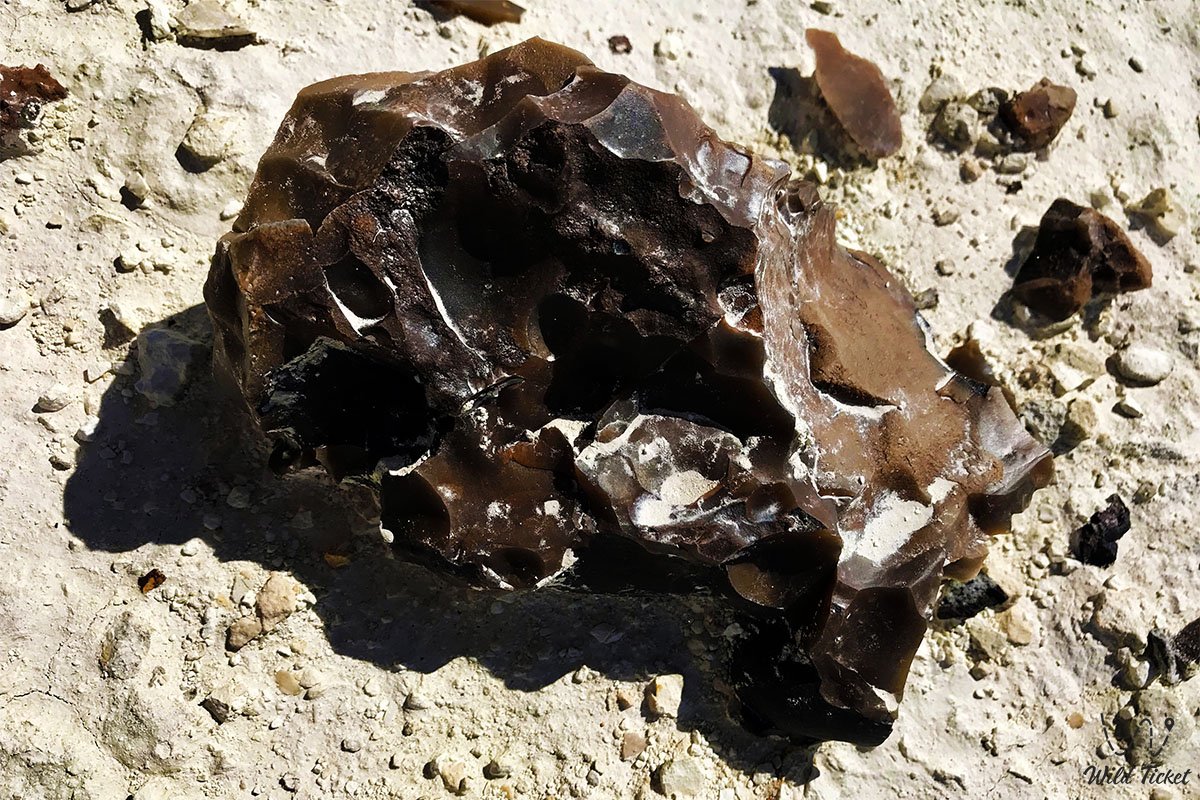
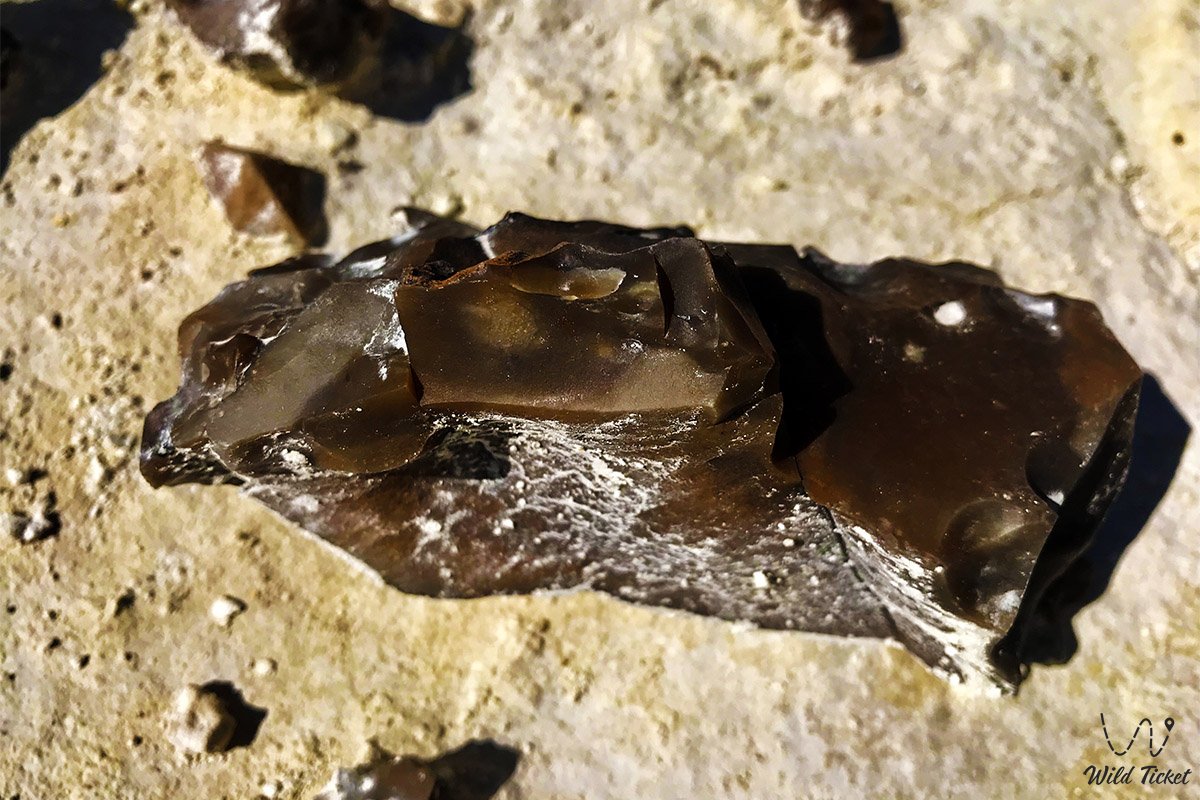
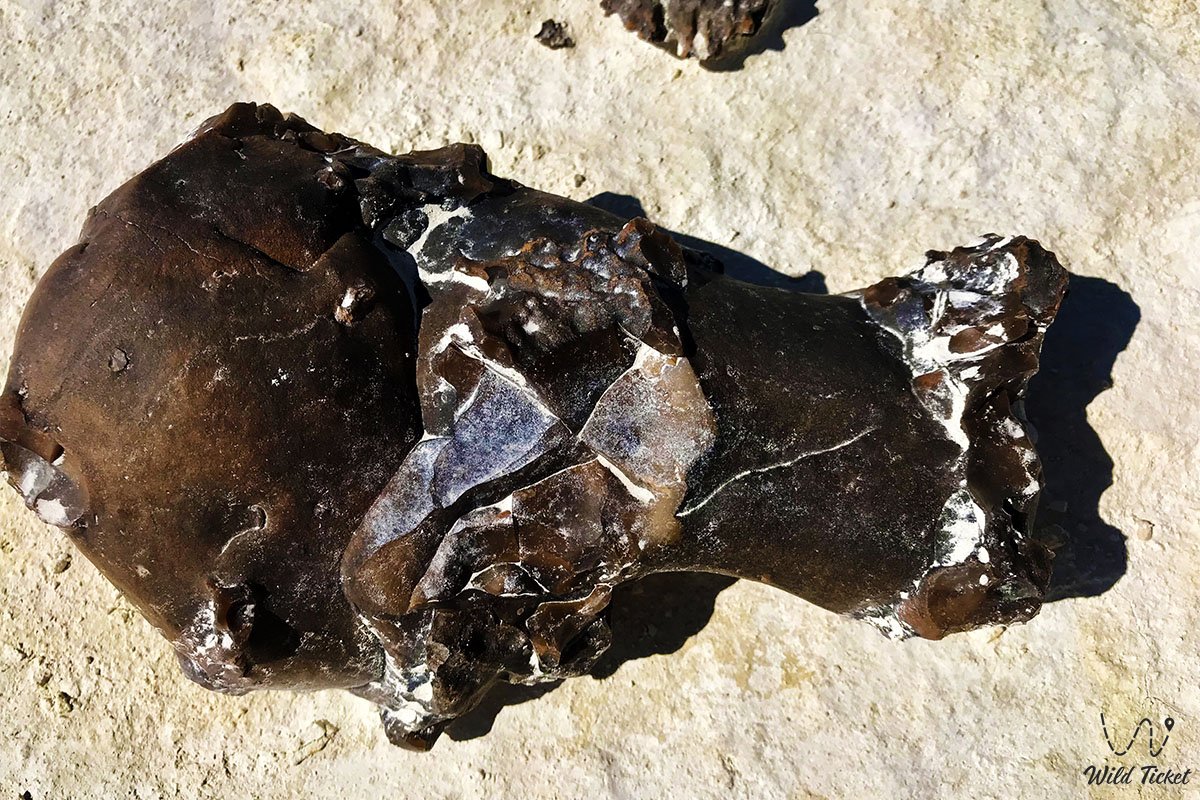
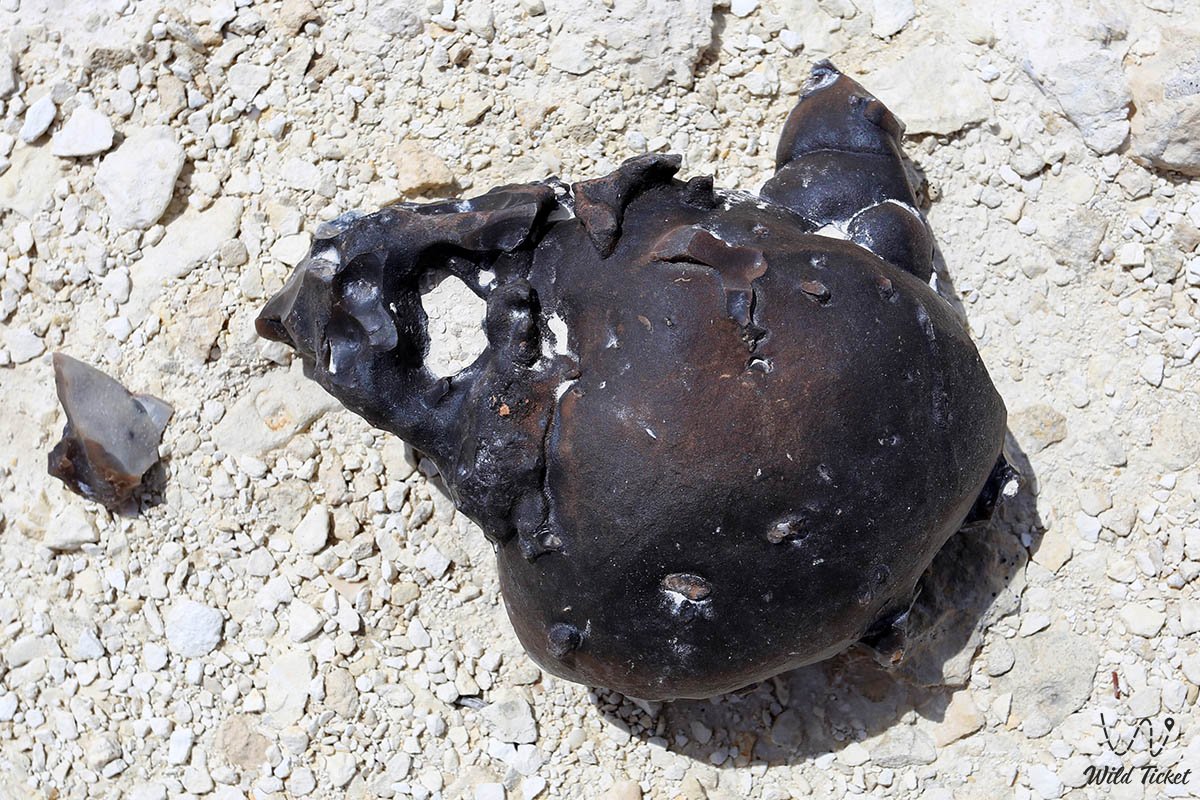
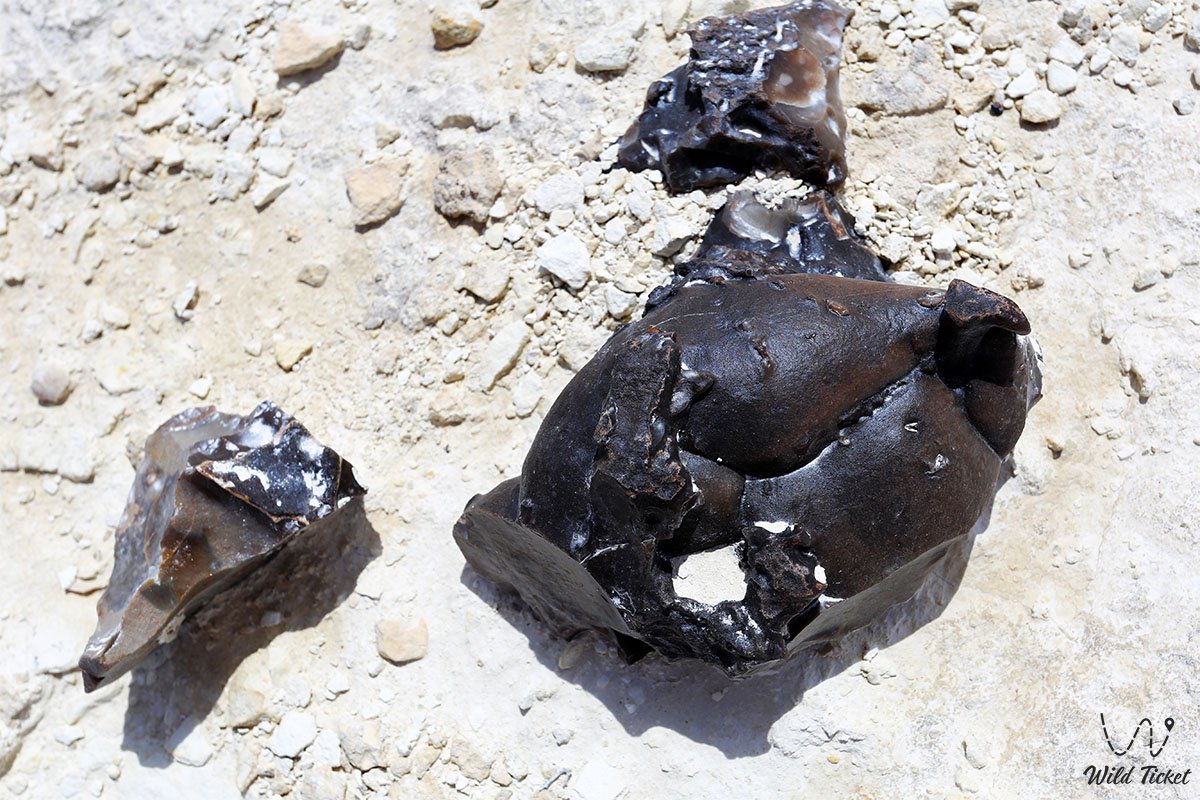
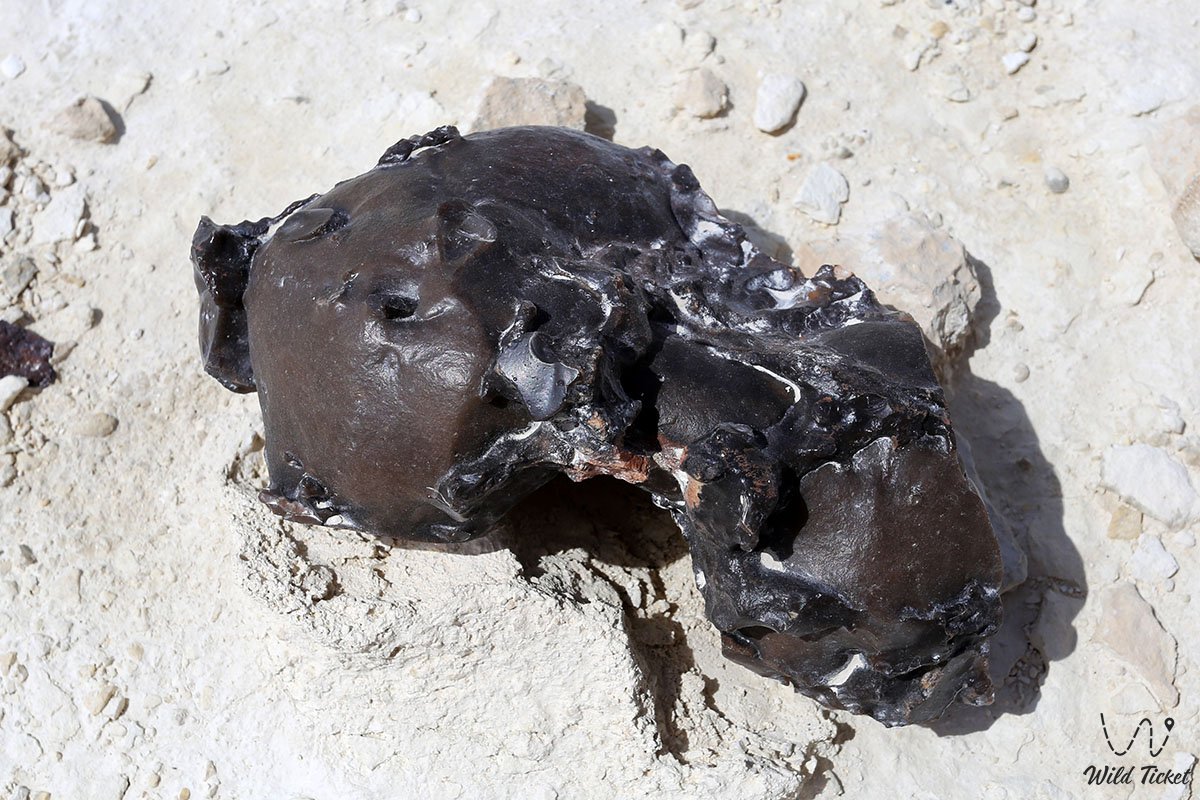
In nature, the flint of Bozjyra Valley displays dull gray, pitch-black, brownish, dark amber, and honey tones with a vitreous or waxy luster. The mineral's density ranges between 2.32 and 2.65 g/cm3, its Mohs hardness reaches 7, and pure silicon features a melting point of 1420 °C.
In modern industry, silicon is extracted through high-temperature coke reduction of silica within submerged arc furnaces, while ultra-pure semiconductor crystals are synthesized via silicon tetrachloride reduction. At elevated temperatures, silicon reacts with various non-metals, yet under standard ambient conditions it remains chemically inert and acid-resistant. In metallurgy, pure silicon serves as an alloying agent for iron, copper, aluminum, and lead: it enhances acid resistance, elasticity, tensile strength, and magnetic characteristics (silicon steels, bronzes, and silumin alloys).
Geological formation of the flint fields of the Bozjyra Tract took place during the Cretaceous and Paleogene periods on the floor of the Tethys Ocean. Silica released from decaying siliceous sponges, diatoms, and radiolarians concentrated within bottom muds, replacing calcium carbonates around mollusk shells and skeletal remains. Following the tectonic uplift of the Ustyurt Plateau, wind deflation eroded the soft chalk layers, leaving a resilient layer of flint concretions and fossilized shark teeth across the surface.
The climate of the tract is sharply continental, extremely arid, and desert-like. Winters are cold and windy, with average January temperatures of -6...-9 °C. Summers are dry and sweltering, with average July temperatures of +28...+32 °C and frequent midday highs topping +42...+45 °C in enclosed basins. Annual precipitation is minimal, totaling only 100–120 mm per year.
Detailed Description of the Site
The natural and paleontological complex of Flint Valley in the Bozjyra Tract includes the following landmark features:
• Extensive fields of flint nodules – vast stony flats at the foot of the chinks, covered with millions of solid nodules of black, pitch, and matte gray flint ranging from gravel-sized stones to half-meter boulders;
• Paleontological horizons of the Tethys Ocean – exposed ancient seabed strata where fossilized teeth of giant prehistoric sharks, extinct mollusk shells, and fossil sea urchin imprints lie right on the surface;
• Stone Age workshops and campsites – prehistoric mineral processing sites featuring clusters of cores, thin blades, flint debitage, and retouched stone implements;
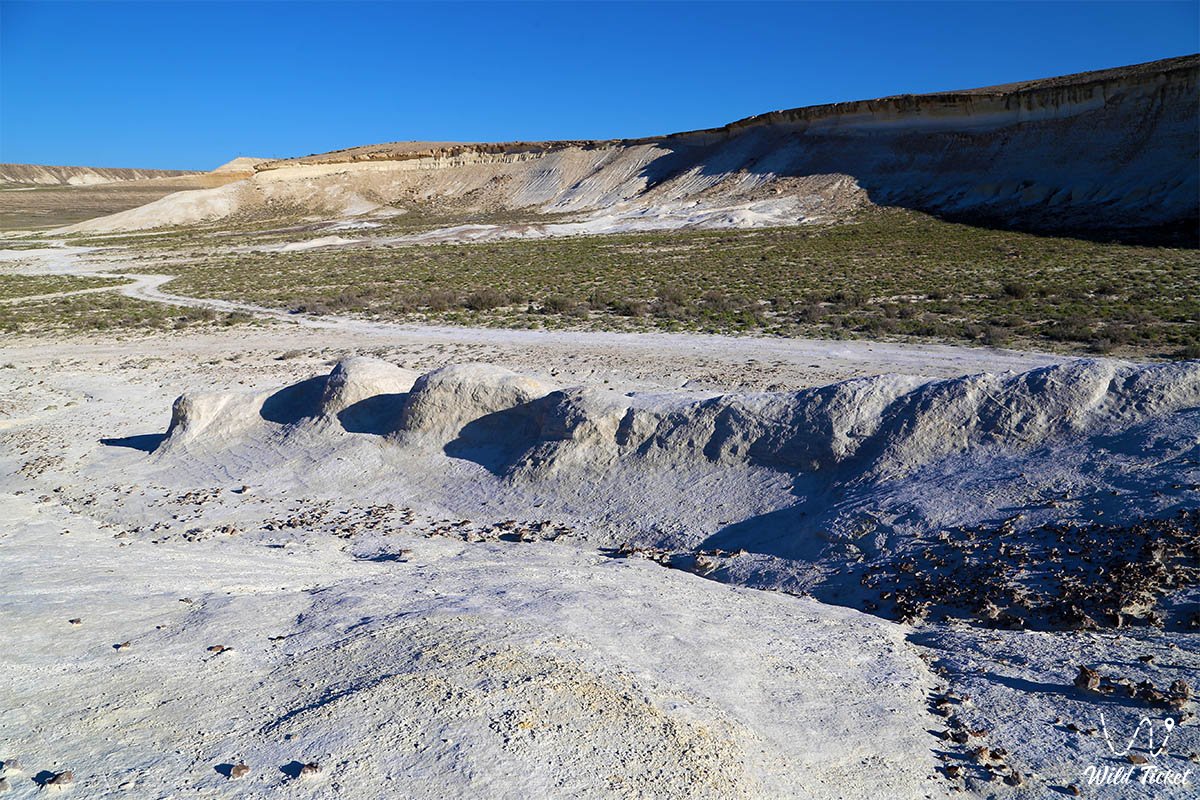
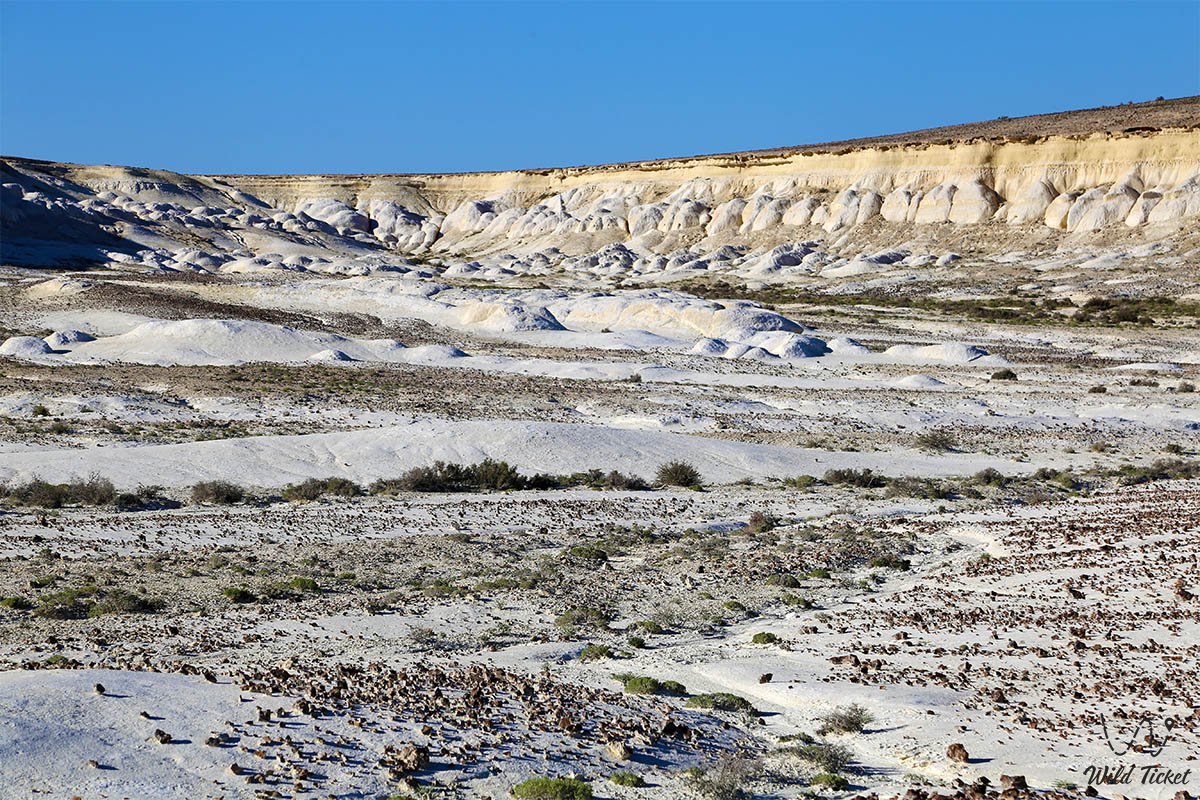
• Majestic chalk chinks of Bozjyra – monumental vertical escarpments of the Ustyurt Plateau up to two hundred meters high, serving as the gleaming white amphitheater of the valley;
• Residual towers and the "Fangs of Bozjyra" – world-famous residual weathering landforms rising above the flint plain like fantastical sculptures;
• Solonchak floors and takyrs – flat, endorheic clay surfaces bordering the rocky valley toward the low-lying basins.
Flora and Fauna
Plant life of Flint Valley at Bozjyra endures extreme water shortages and high soil salinity. Turanian gypsophyte and halophyte communities dominate here: gray-soil wormwood, solonchak wormwood, biurgun, boyalych (tree-like saltwort), jointed anabasis, and eastern saltwort. Depressions beside takyrs sustain glasswort (Salicornia) and Halocnemum strobilaceum. In May, the plains around Bozjyra briefly come alive with ephemeral blooms: Sogdian wild tulips, desert onions, and Turkestan rhubarb.
Wildlife reflects typical adaptations to rocky semi-deserts and the steep chalk cliffs of the Ustyurt chink. The pride of the tract is the Ustyurt mountain sheep (mouflon), herds of which navigate narrow rock ledges. The valley is inhabited by wolves, corsac foxes, badgers, marbled polecats, steppe polecats, tolai hares, long-eared hedgehogs, and diverse species of gerbils and jerboas.
Bird species are largely represented by raptors nesting in inaccessible hollows of chalk cliffs: golden eagles, saker falcons, long-legged buzzards, steppe eagles, peregrine falcons, and eagle-owls. On the stony floor, chukar partridges, desert wheatears, sandgrouse, and crested larks make their homes.
Reptiles are commonly represented by the Central Asian tortoise, rapid fringe-toed lizard, toad-headed agama, tartar sand boa, cliff racer, barred snake, and meadow viper.
Legend
A nomadic legend connects Flint Valley at Bozjyra with the Petrified Scales of a Dragon and Celestial Flame.
Tradition tells that in ancient days, when the waters of the Tethys Sea receded, a giant black Aydakhar – an underworld dragon – settled in the dry abyss of Bozjyra. He guarded the treasures of the vanished sea floor, refusing to let nomads approach the pure water springs. His armor was as hard as indestructible pitch-black stone, and his teeth struck like sharp blades.
A great steppe batyr climbed the white cliffs of Ustyurt to confront the beast. The battle lasted seven days and seven nights, shaking the chalk mountains and throwing up clouds of salty dust. The batyr struck the dragon down with an arrow from his sacred bow; upon crashing to the earth, the monster's black armor shattered into millions of sharp fragments, carpeting the entire basin with flint stones, while his teeth petrified forever within the soft chalk.
With his dying breath, the dragon unleashed a plume of fire, and the heavens sealed the flame within every scattered shard. Since then, nomads called these stones "chakmak" (flint). They knew that striking two stones together freed the captured sky fire, bringing warmth to camps on cold steppe nights and protecting travelers from wilderness spirits.
Conclusion
Flint Valley in the Bozjyra Tract is an outstanding natural monument of Mangystau, uniting the otherworldly forms of the Ustyurt chalk formations with the ancient legacy of the Tethys Ocean. Extensive flint fields, fossilized shark teeth, and artifacts of early human toolmakers make this destination an unforgettable stop for anyone exploring the Silk Road region.
Interesting Nearby Attractions:
• Bozjyra Tract ("Fangs of Bozjyra" buttes);
• Mount Bokty;
• Tuzbair Salt Flat;
• Karynzharyk Depression and "Three Brothers" buttes;
• Karagiye Depression;
• Kokala Tract;
• Mount Sherkala;
• Torysh Valley of Spherical Concretions;
• Kapamsay Canyon;
• Shakpaktysay Canyon;
• Sarytash Bay;
• Zhygylgan Tract;
• Sands of Senek Village;
• Bozjyra Chalk Mountain (Karmak);
• Karmak Tract.
Pilgrimage Sites in Mangystau:
• Beket-Ata Underground Mosque;
• Karaman-Ata Underground Mosque;
• Shakpak-Ata Underground Mosque;
• Sultan-Epe Underground Mosque;
• Shopan-Ata Underground Mosque;
• Masat-Ata Underground Mosque;
• Koben Mosque;
• Zholaskan Mosque;
• Kolbas Ishan Mosque;
• Sonabay Underground Mosque;
• Uytoly-Ata Mosque;
• Ishan Khoja Mosque;
• Zhaman Sauran Mosque;
• Sanctuary of Bayte;
• It-Olla Mosque.
Photogallery: