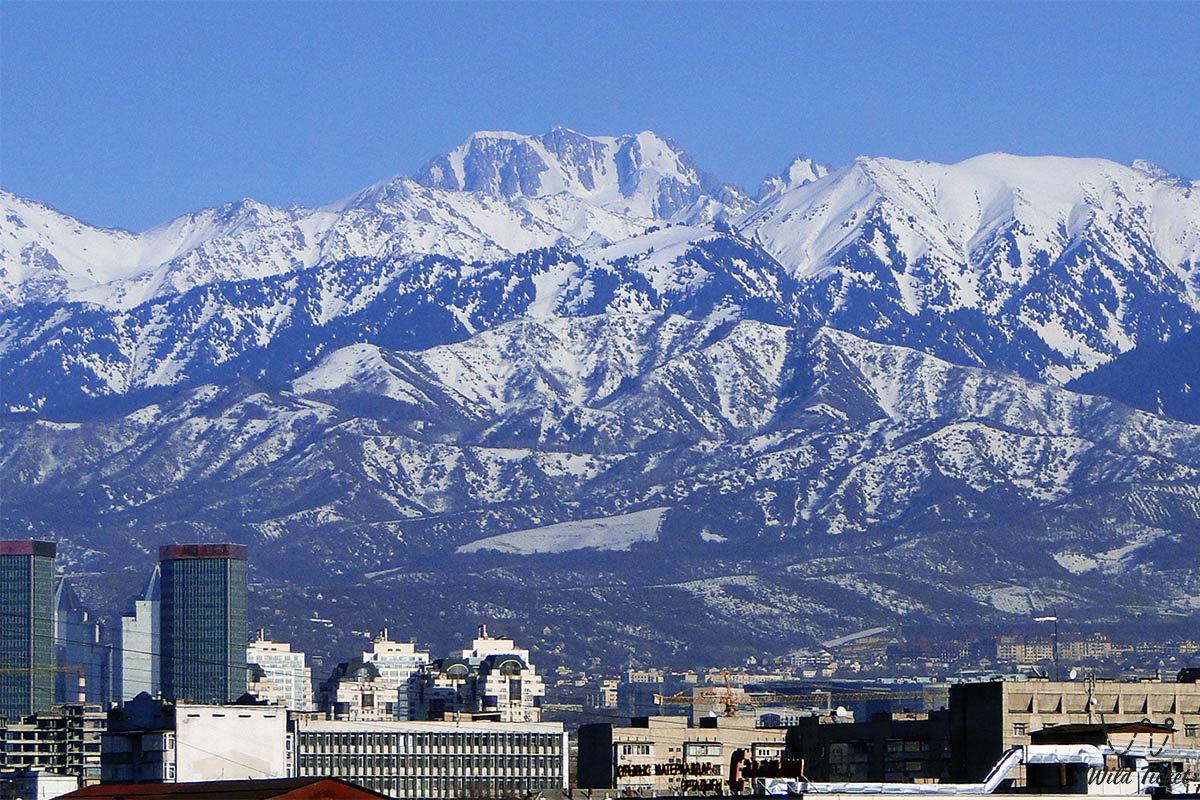
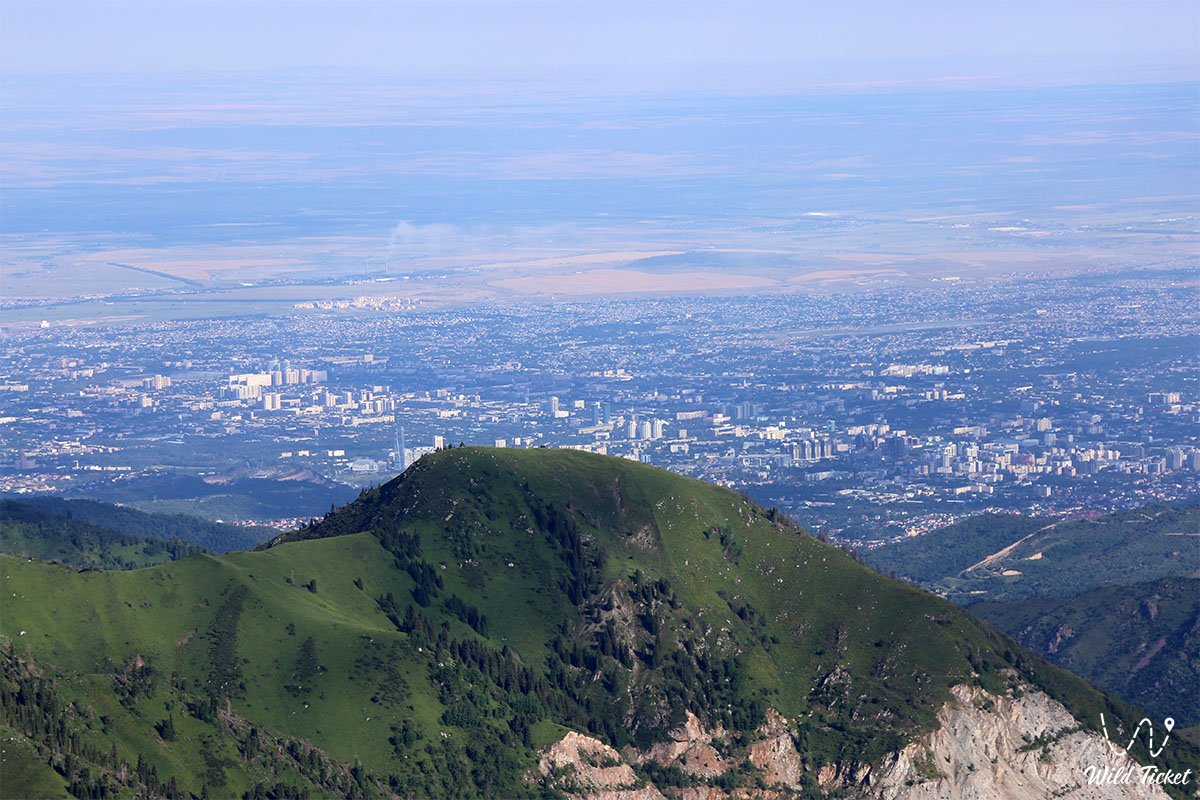
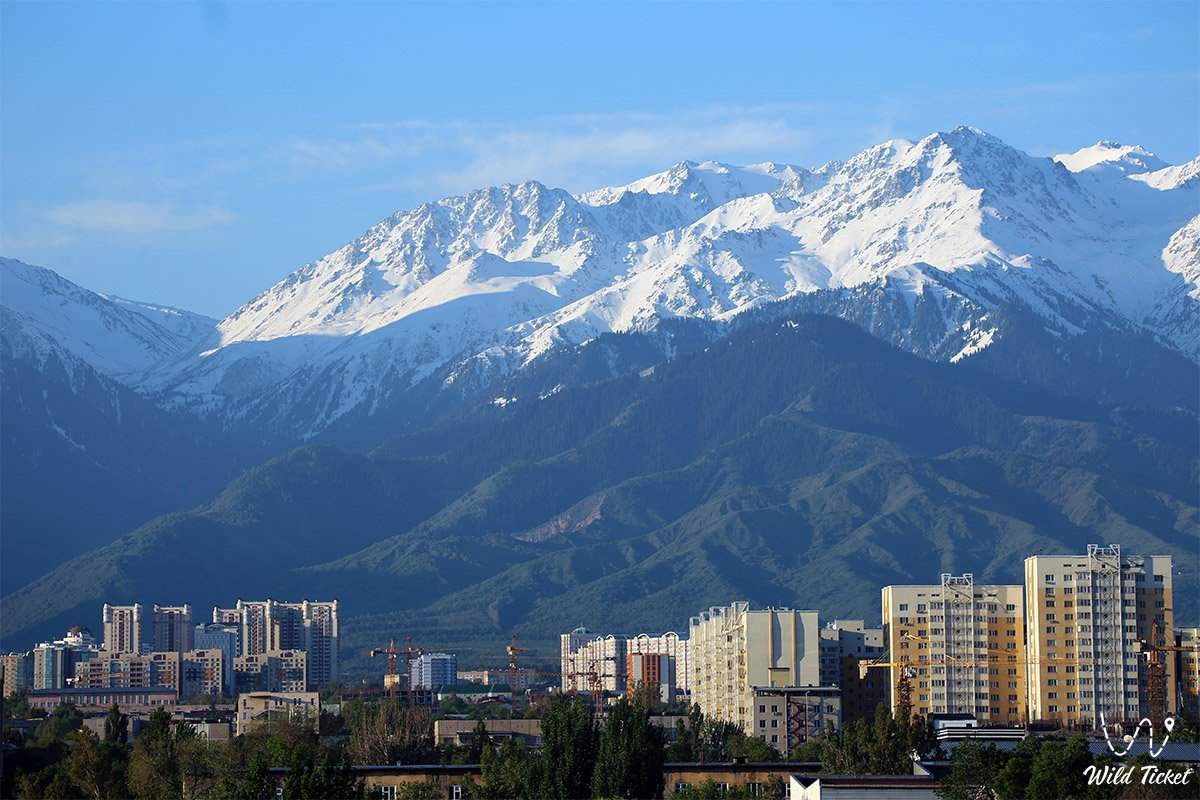
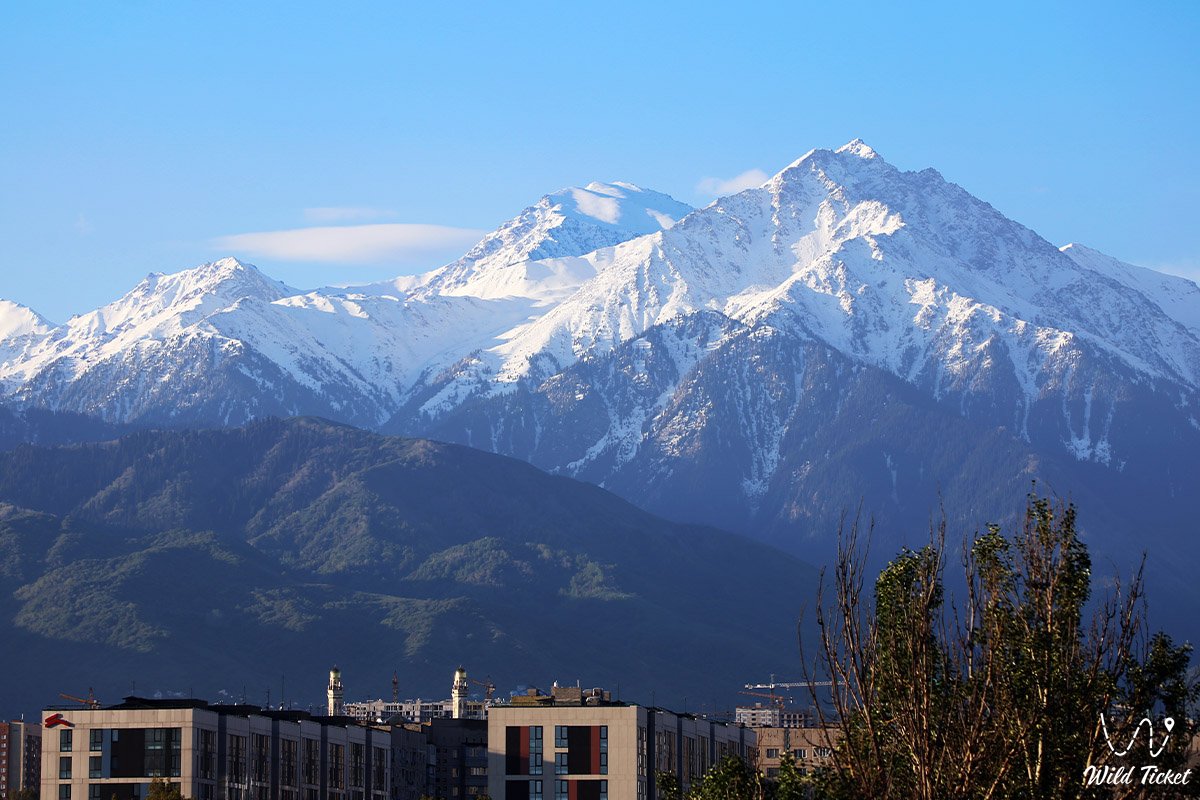
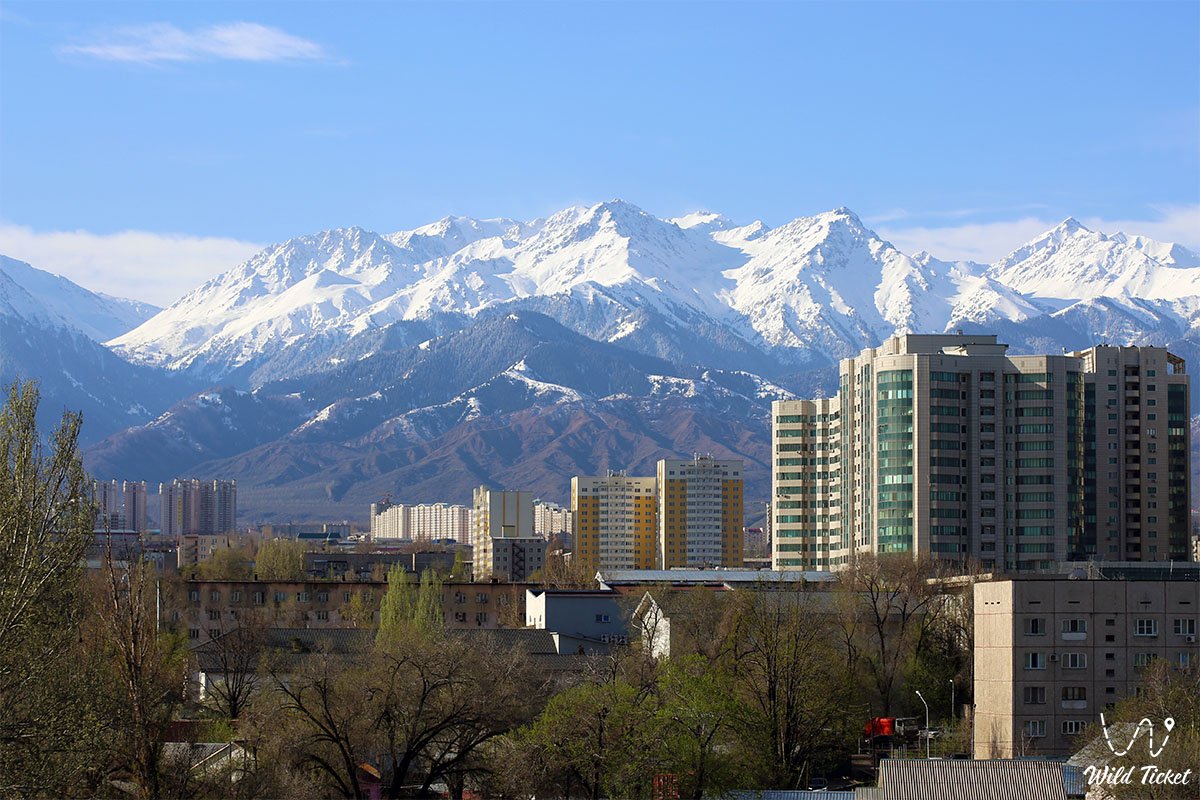
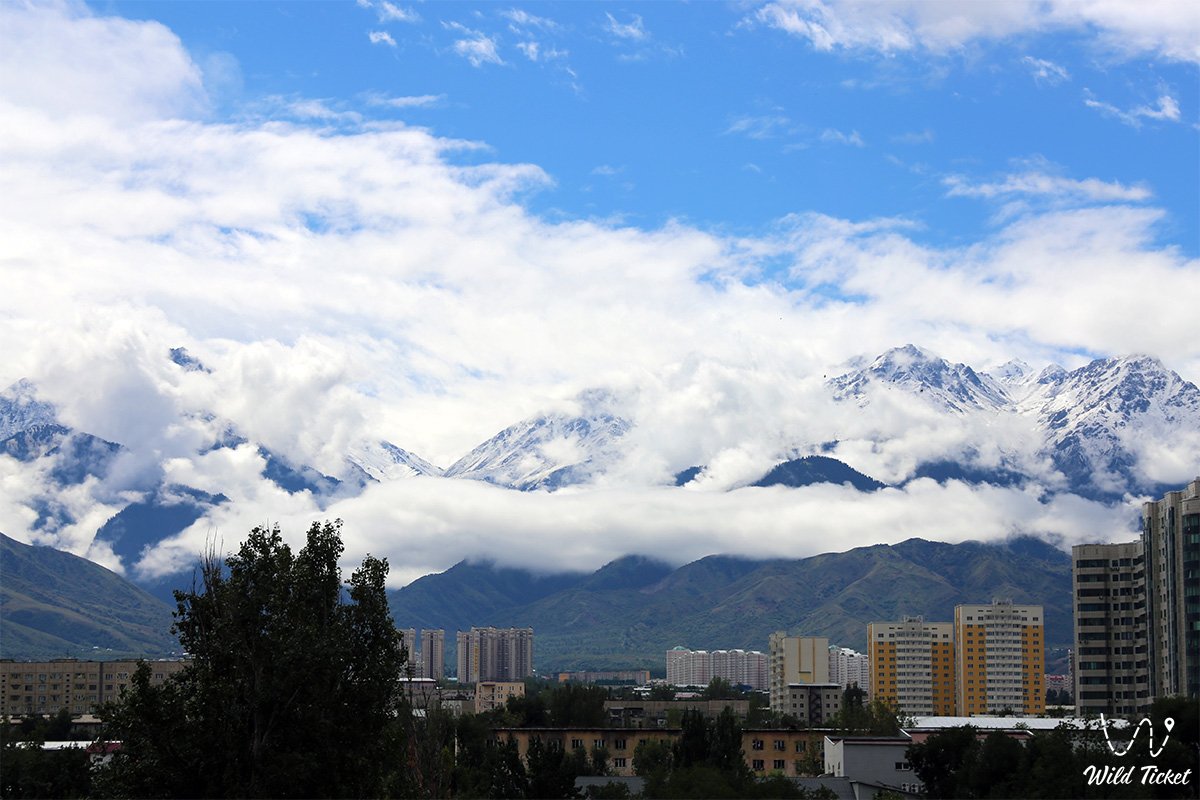
City at the foot of the mountains, where time flows in layers -
From the ancient settlements of the Silk Road to the modern southern capital -
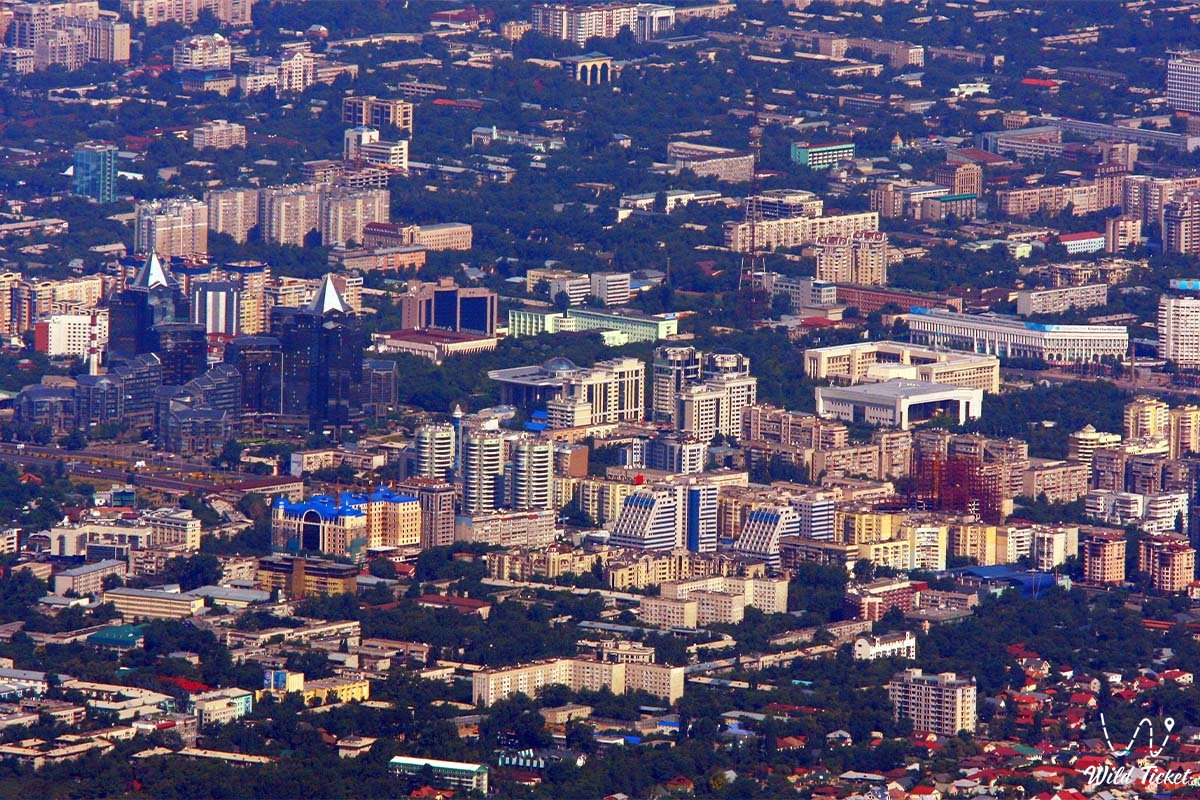
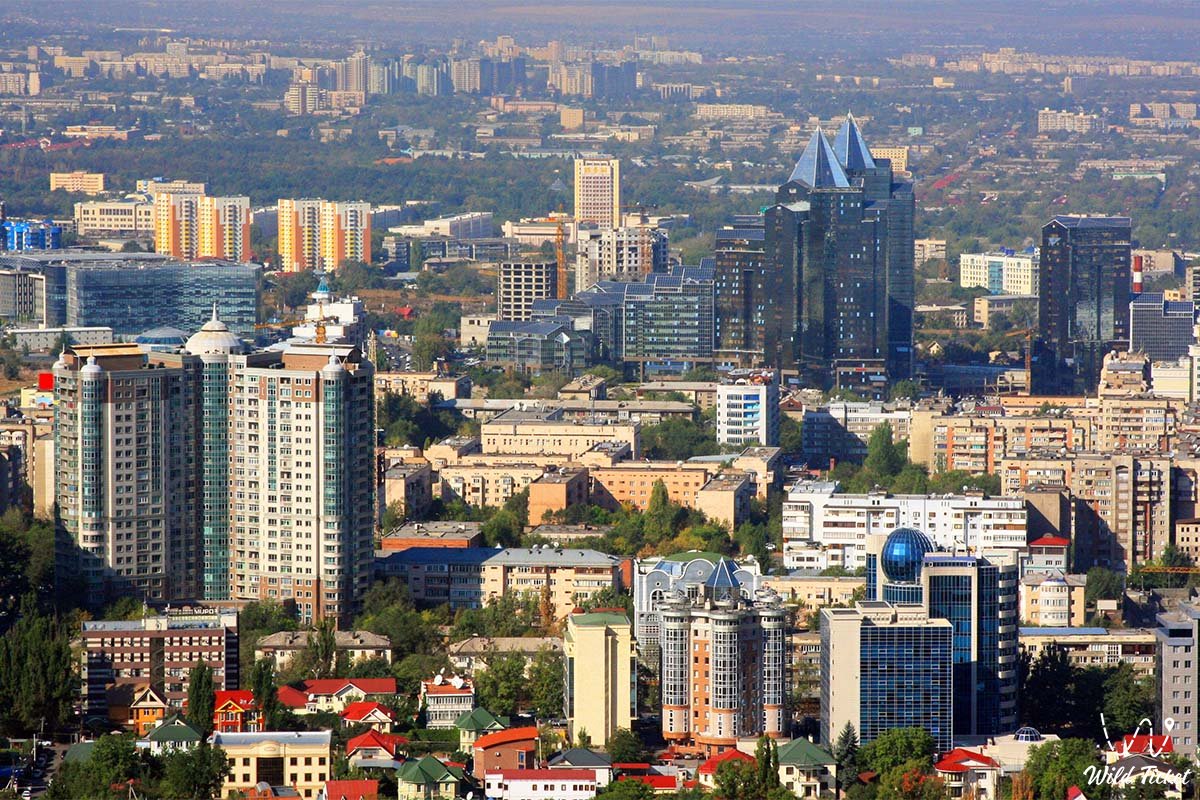
Almaty today is the largest city in Kazakhstan by population and, despite the loss of the status of the capital, remains the financial, cultural and economic center of the country. It is a city that continues to set the rhythm, form meanings and concentrate the intellectual and creative energy of the republic. Its name, translated from Kazakh, means "apple tree" – and this is not an accidental metaphor, but a direct reference to the nature of these places. Since ancient times, the foothills of the Trans-Ili Alatau have been famous for apple orchards, and the legendary Almaty aport apples has become one of the symbols of the city and the entire region. This land is the birthplace of the "Sievers apple tree".
The history of Almaty goes back to ancient times. Already in the 1st century AD, these lands were settled by the Saka and Uisun tribes. They led a sedentary and semi-nomadic lifestyle, engaged in cattle breeding and agriculture, developed crafts and paid great attention to upbringing and education. Archaeological finds indicate a high level of culture of these tribes, as well as an unusual social structure for its time – in Saka society, women had equal rights with men. Burial mounds were built for the burial of leaders and nobles, in which gold jewelry, weapons and household items were found. The most famous find of this period was the "Golden Man", one of the main archaeological symbols of Kazakhstan.
The first written mentions of the settlement and then of the city, which bears the modern name of Almaty, date back to the 13th century. In the Middle Ages, it actively developed as a trade and craft center. The inhabitants moved to a sedentary lifestyle, established trade with neighboring regions and states. The city was part of the Great Silk Road system and even had its own mint, which indicates its economic importance.
However, with the decline of the Silk Road, Almaty gradually lost its influence and for a long time turned into a small settlement. A new stage in the history of the city began in the 19th century, when the military fortification of Fort Verniy was founded on this site. It became a reference point for the development of Semirechye and gave an impetus to the formation of a modern city.
After the October Revolution, Verniy was renamed Alma Ata. During the Soviet period, the city received the status of the capital of the Kazakh SSR and began to develop rapidly. It was then that the main architectural ensembles were laid, administrative buildings, theaters, scientific institutions and residential areas were built. During the Great Patriotic War, factories and enterprises from different regions of the USSR were evacuated to Almaty, which gave a powerful impetus to the development of industry. In those years, the city consolidated its reputation as one of the greenest cities in the Soviet Union thanks to parks, gardens and a well-thought-out landscaping system.
After the independence of Kazakhstan, the city returned to the historical name of Almaty. Despite the transfer of the capital, it has not lost its importance. On the contrary, over the years of independence, Almaty has significantly strengthened its position as the economic, financial and cultural center of the country. The largest banks, universities, museums, theaters and business venues are concentrated here.
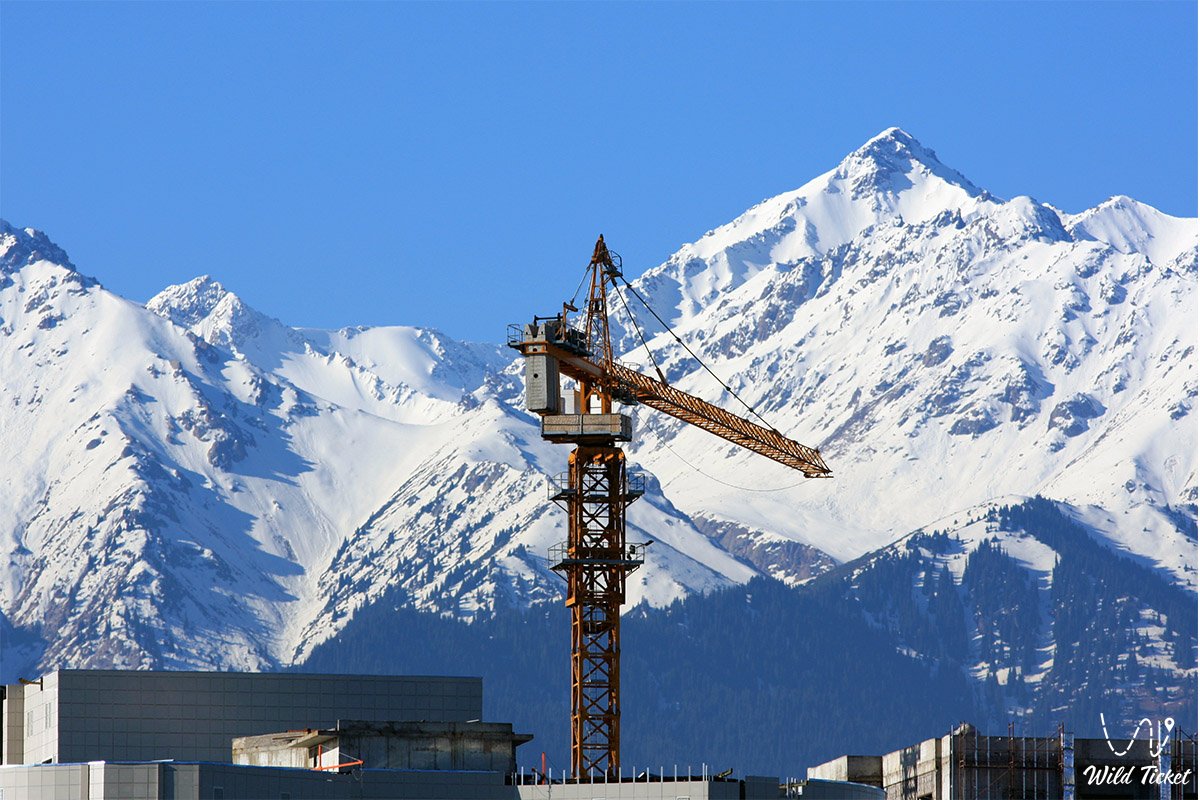
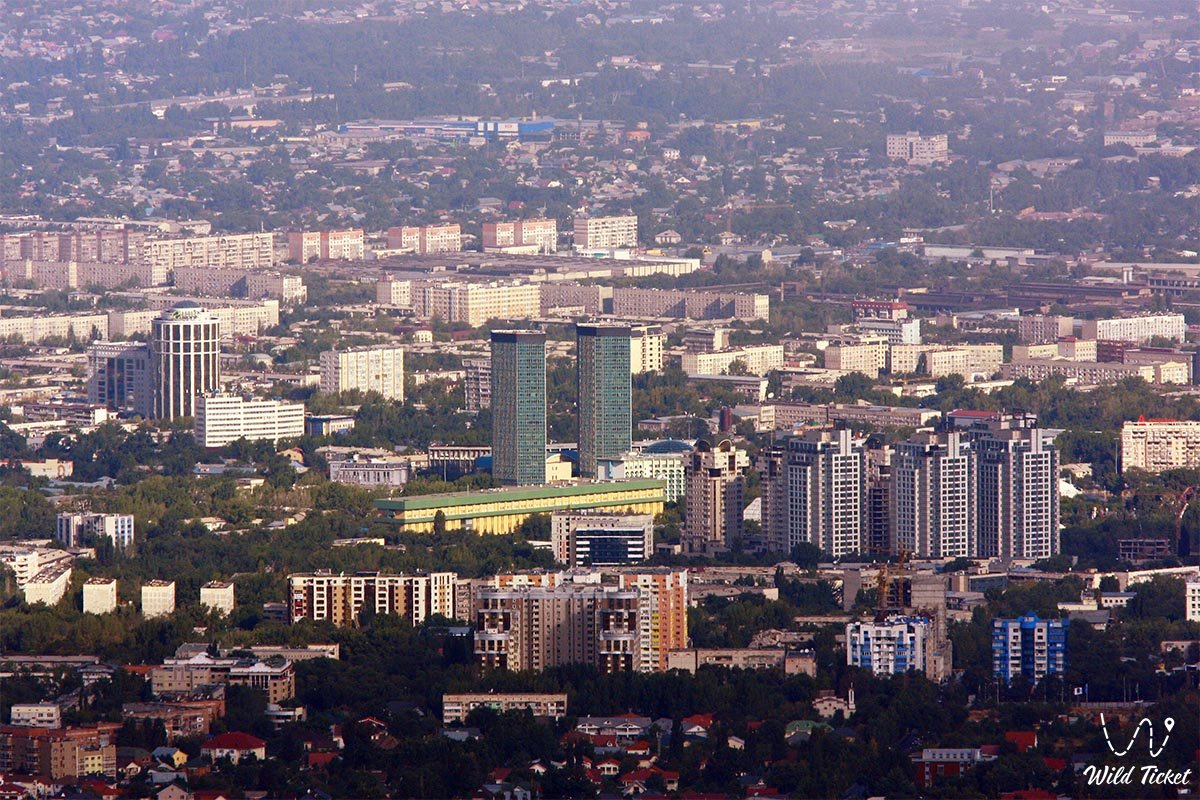
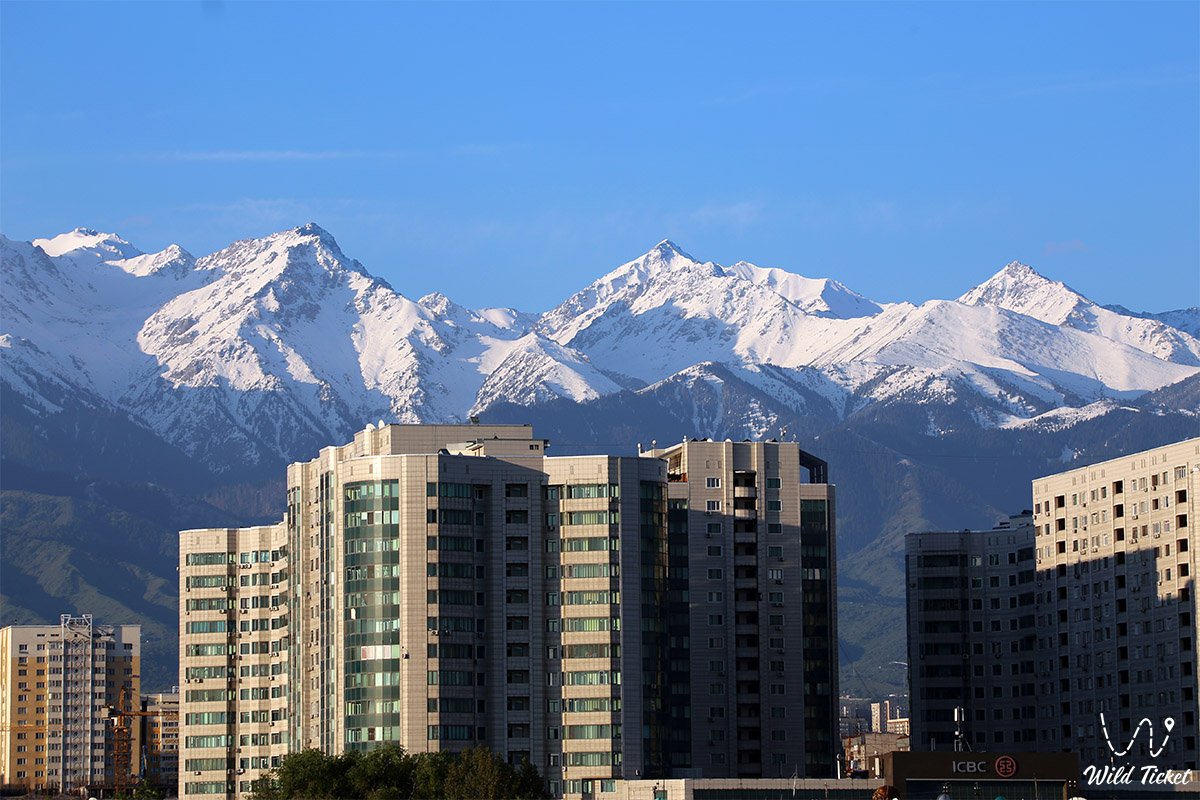
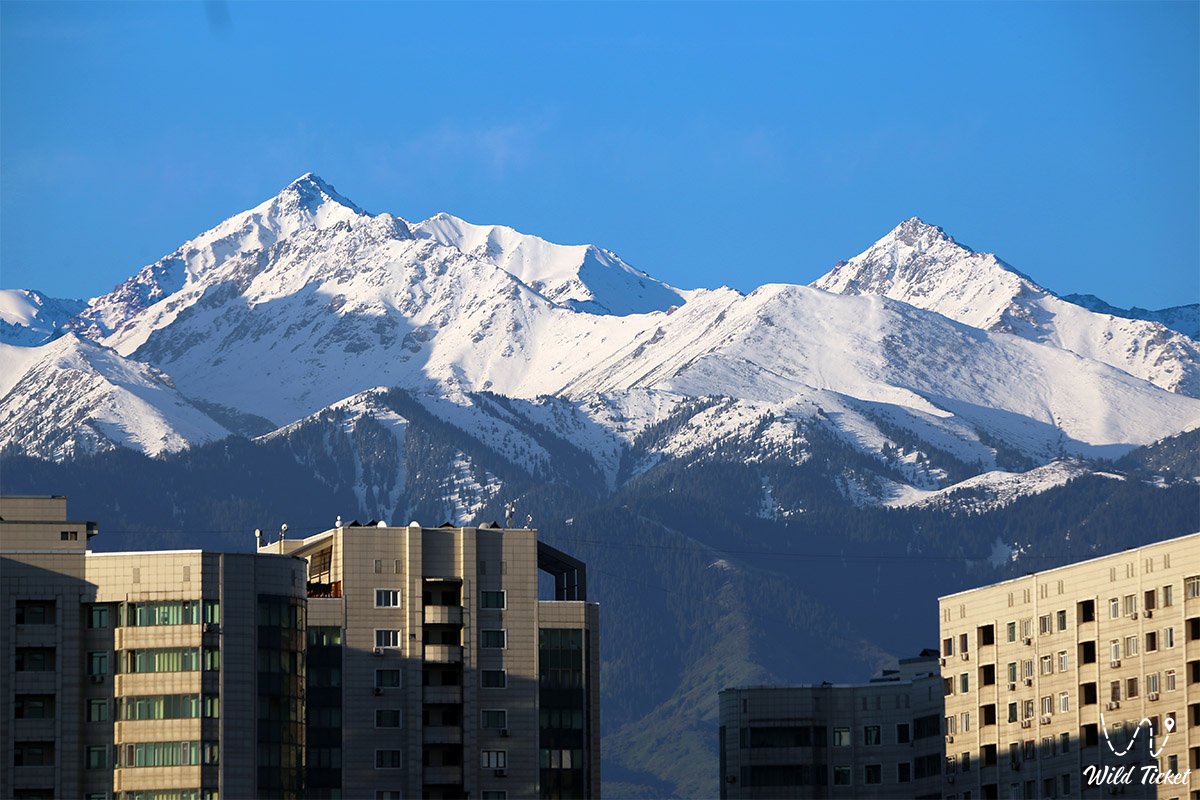
Modern Almaty is a dynamically developing metropolis, confidently looking to the future. It combines ancient history and modern rhythm of life, traditions and innovations. And although the city is no longer the official capital, for millions of people it still remains the heart of Kazakhstan - a place where history continues.
Photogallery: