A city of scenes, lively emotions and bold experiments -
Classics, avant-garde and theatrical discoveries of the cultural capital of Kazakhstan -
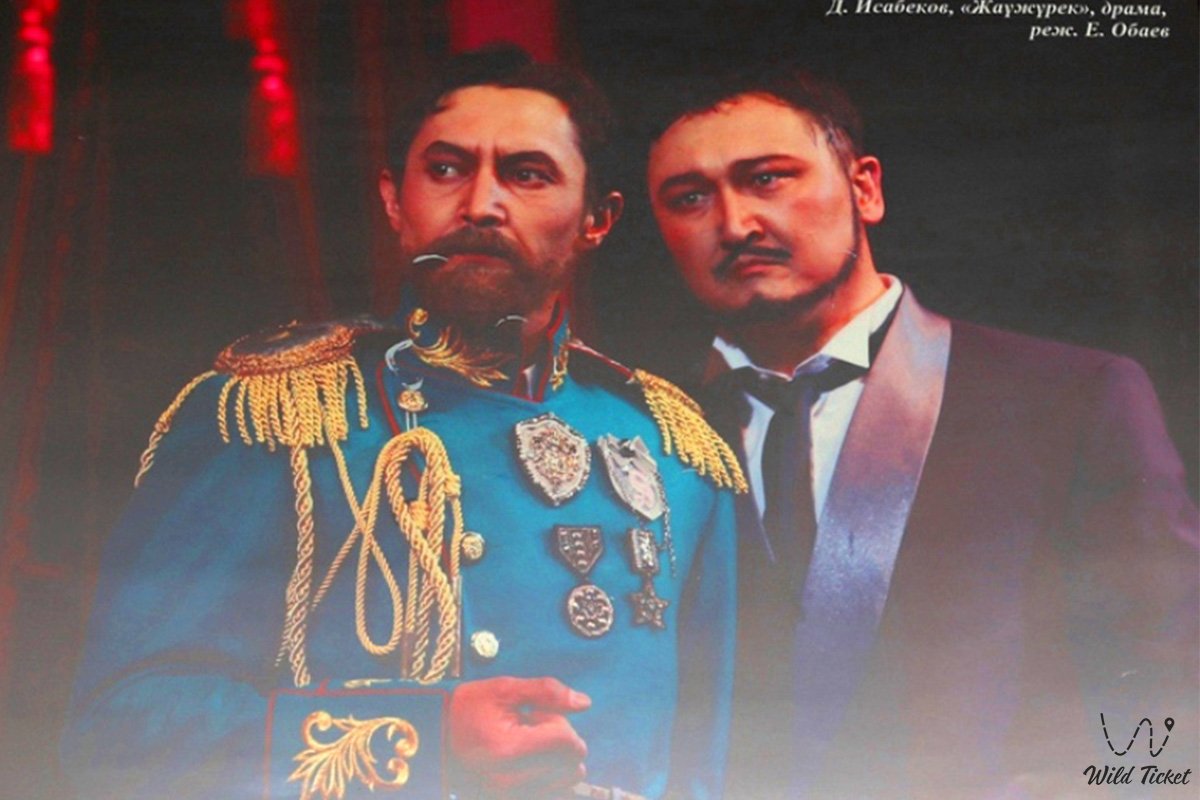
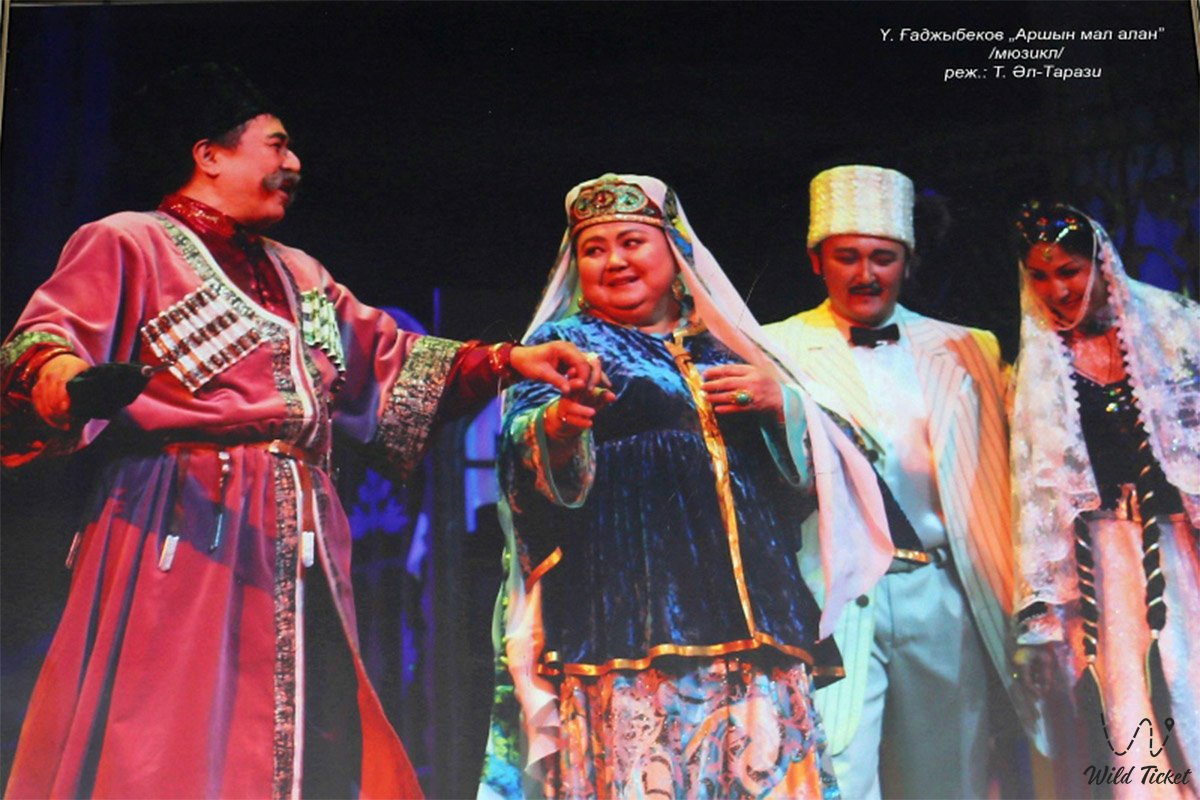
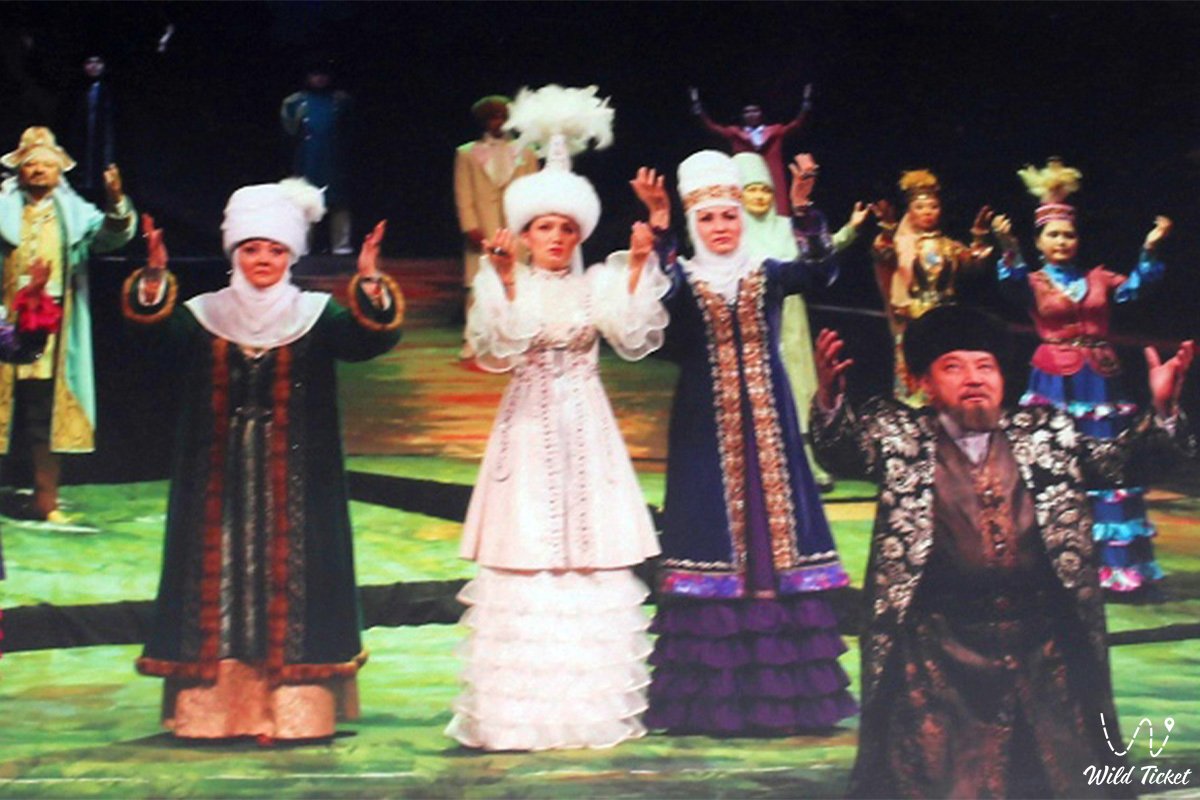
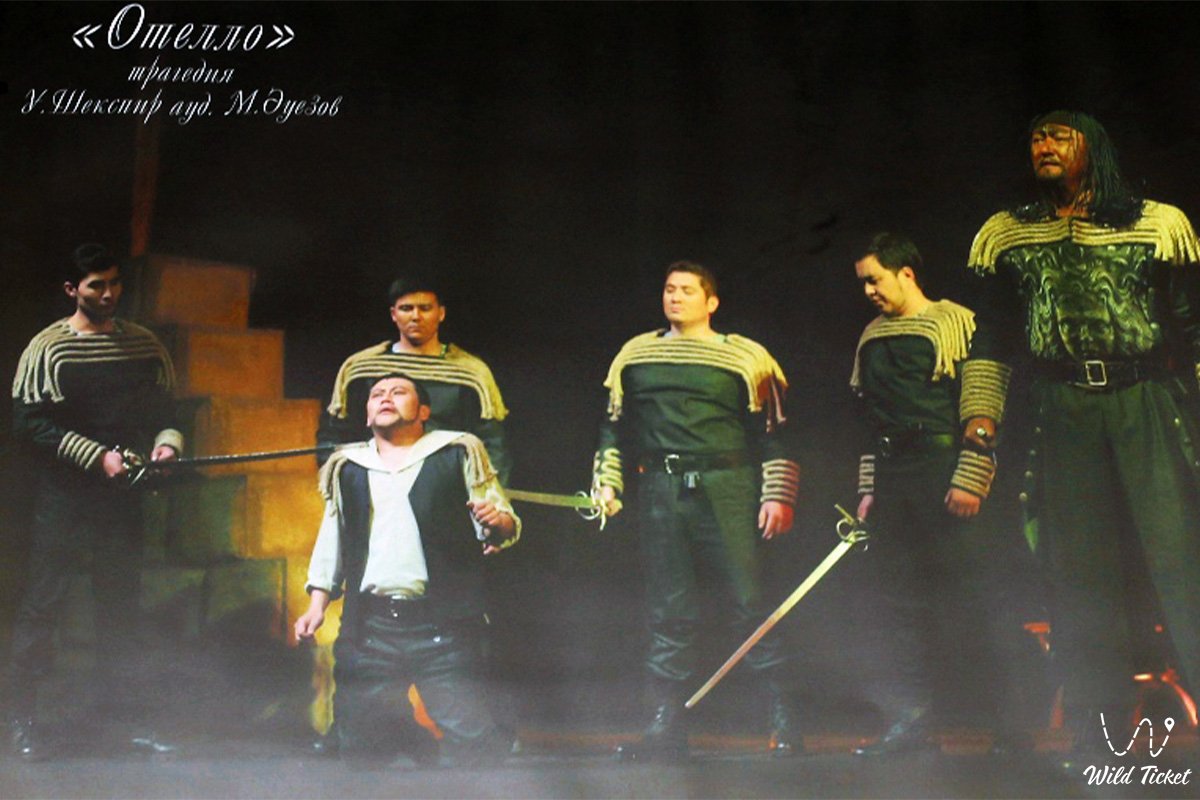
Almaty is rightfully considered the cultural capital of Kazakhstan, and theatrical life here is one of the most intense and diverse in the region. There are almost fifty theaters in the city, and each of them reflects the character of the metropolis in its own way: multi-layered, experimental, respecting traditions and at the same time open to new things. Kazakh classics, world masterpieces, modern drama, documentary theater and bold author's experiments are side by side on the stage here.
Going to the theater in Almaty is not just an evening entertainment, but a way to feel the creative energy of the city. Where else can you see the "Three Musketeers" reinterpreted through Kazakh aesthetics, or a performance based on a classic text by Gabit Musrepov to the music of Pink Floyd? Almaty theaters surprise not only with their repertoire, but also with their spaces: from monumental buildings with mosaics, columns and chandeliers to chamber halls in basements, former factory premises and even a real bomb shelter.
In addition, Almaty is one of the strongest theater schools in Central Asia. Many actors, directors and playwrights, famous far beyond the borders of the country, started here.
State theaters – classics and tradition
All theaters in the city are conditionally divided into two large categories – state and independent. State theaters exist with the support of the state and most often have the status of "academic", "national" or "republican". There are just over a dozen such venues in Almaty, and they form the foundation of the city's theatrical culture.
Among them are the opera and Ballet Theater, drama theaters, children's and youth stages, puppet theaters, as well as unique national theaters representing the culture of different peoples. Kazakh art legends from Kanabek and Kulyash Bayseitovs to Asanali Ashimov and Yuri Pomerantsev played and created history on these stages.
Many state theaters have almost a century-old history. For example, the Mukhtar Auezov Drama Theater dates back to 1925 and is considered the starting point of modern Kazakh theater. However, the theatrical life of Almaty has not frozen in the past – already in the 21st century, new state venues appeared in the city: the Zhana Gasyr Youth Theater, the Samruk Modern Dance Theater, and the Alatau Theater of Traditional Art. They work with modern forms, but they keep in touch with the national culture.
---------------------------------------------
List of theaters in Almaty:
• Mikhail Lermontov National Russian Drama Theatre;
• Kazakh National Opera and Ballet Theater named after Abai Kunanbayev;
• Natalia Sats State Academic Russian Theater for Children and Youth;
• Kazakh State Academic Theater for Children and Youth named after Gabit Musrepov;
• The State Puppet Theater;
• Kazakh National Academic Drama Theater named after Mukhtar Auezov;
• Kuddus Kuzhamyarov State Republican Academic Uighur Musical Comedy Theater;
• State Republican Academic Korean Musical Comedy Theater;
• Theater of Traditional Art "Alatau";
• Republican Academic German Drama Theater;
• Kazakh State Philharmonic named after Zhambyl.
---------------------------------------------
Independent scene – experimentation and freedom
If state theaters are the foundation, then independent theaters are the living nervous system of Almaty culture. They cannot be listed in one list: they constantly appear, transform, merge and disappear. Today, there are more than thirty independent teams operating in the city, each of which is looking for its own language and format.
The modern alternative theater scene of Almaty began to form in 2001 with the opening of the Artishok Theater, the first and most famous independent venue in the city. Over the following years, the Zhas Sakhna theaters, the Transforma cultural space, the Razia Khasanova Interius Theater, the Bata Theater and other collectives appeared, which became notable not only in Kazakhstan, but also abroad.
There has been a real theatrical boom in the city over the past five years. New associations have appeared, including those created by relocators, as well as nomadic groups that work without a permanent stage and participate in festivals. Some sites are unique even on a global scale. So, the Bunker art shelter is located in a real bomb shelter and is considered the first such theater in the world. In the inclusive theater laboratory "Action Literally", artists with autism and Down syndrome perform along with ordinary artists. Not so long ago, another similar platform appeared – adamdart, which, in addition to inclusive theater, works very closely with documentary.
There is also a special format in the theatrical map of the city, which does not fit either into the framework of state-owned or classical independent venues. We are talking about the Almaty Theatre, the only private theater in Kazakhstan. It combines the functions of a concert venue and an opera stage, experimenting with formats and genres. So far, it cannot compete in scale with KazNTOB, but it confidently occupies its own niche in the cultural life of the city.
Along with this, there are also production theater projects in Almaty that do not have a permanent stage. One such example is the Stages musical Theater, which exists in the format of tours, collaborations and one–time productions, which makes it part of the flexible and constantly changing theatrical environment of the city.
Studio, amateur, and university theaters
Studio and amateur theaters form a separate layer of Almaty's theatrical life. It's not played by professional actors, but by people who have been trained in theater studios. These performances are often characterized by sincerity and unexpected depth. There is a culture of studio theater and amateur groups in the city, as well as theaters at universities.
English-speaking and multilingual studios occupy a special place. The very first and only English–language theater in Kazakhstan is KELT at KIMEP University, and after its closure, the multilingual ArtLab laboratory at Satbayev University appeared. Such venues form an international environment and make the theater closer to those who are used to perceiving art in several language layers at once.
Children's and family theaters
Almaty is a city where theatrical culture begins in childhood. In addition to the traditional theaters for young audiences, there are independent and family theater centers where performances for adults and strong baby productions for the youngest take place. There is also a theater in the city "for children from children" – actors under the age of 18 perform on stage in the "Game". This is a rare, warm form of theater where sincerity becomes the main expressive tool.
What is important to know before visiting the theater in Almaty
Visiting a theater in Almaty requires a little planning. Tickets to state theaters are available – from 500 tenge to 10,000 tenge, especially for repertoire performances. Independent theaters are more expensive – from several thousand to 30,000 tenge. This is understandable: ticket sales and audience support are often the only way for alternative venues to survive.
You can buy tickets directly from the theater through the box office, the official website or social networks, most often through Instagram. Ticket operators are also available, where, in addition to the theater, you can find cinemas, exhibitions and workshops.
Online online platforms where you can purchase tickets:
Shodim Almaty
Ticketon.kz
Kino.kz
Performances are usually performed in Kazakh and Russian, sometimes simultaneous interpretation is provided. In national theaters, you can find productions in Korean, Uighur or German.
Most theaters are located in the city center, but it's not difficult to get to remote venues either by private transport, taxi or public transport. There is no strict dress code in Almaty theaters, but for academic stages they often choose a more evening style, and in independent theaters they calmly come in casual. It should be borne in mind that the theater season usually lasts from September to June, although some of the groups continue to work in the summer.
The theater as a reflection of the city
The theatrical world of Almaty is a mirror of the city itself. History and experiment, academic school and daring avant-garde, national tradition and modern urban context are intertwined here. Visiting the theater becomes a journey inside the urban soul, where each performance is a conversation about the time, the person and the place in which you find yourself.
Almaty is revealed from the stage no less than from mountain trails or city streets. And if you want to understand this city more deeply, the theater will become one of the most accurate and emotional travel guides.
Photogallery: