The place where fateful ideas for the country's development were born -
The Museum of the First President of the Republic of Kazakhstan is not just a repository of artifacts, but a unique memorial complex located in the building of the former working residence of the head of state. The museum is part of the Nazarbayev Center complex.
It was here, from 1997 to 2004, that the political heart of the young republic beat after the capital was moved from Almaty to Astana. Today, the building designed by the people's architect Kaldybay Montakhayev is open to everyone who wishes to feel the atmosphere of the first years of independence.
The museum's exhibition, covering an area of more than 12,000 square meters, is distributed over four floors. At its core is the principle of preserving authenticity: the working offices, meeting rooms, and relaxation areas are presented exactly as they were during the residence's active years of service. Visitors can see personal belongings of Nursultan Nazarbayev, his first scientific works, and archival documents telling the story of the journey from a simple metallurgist to the leader of the nation.
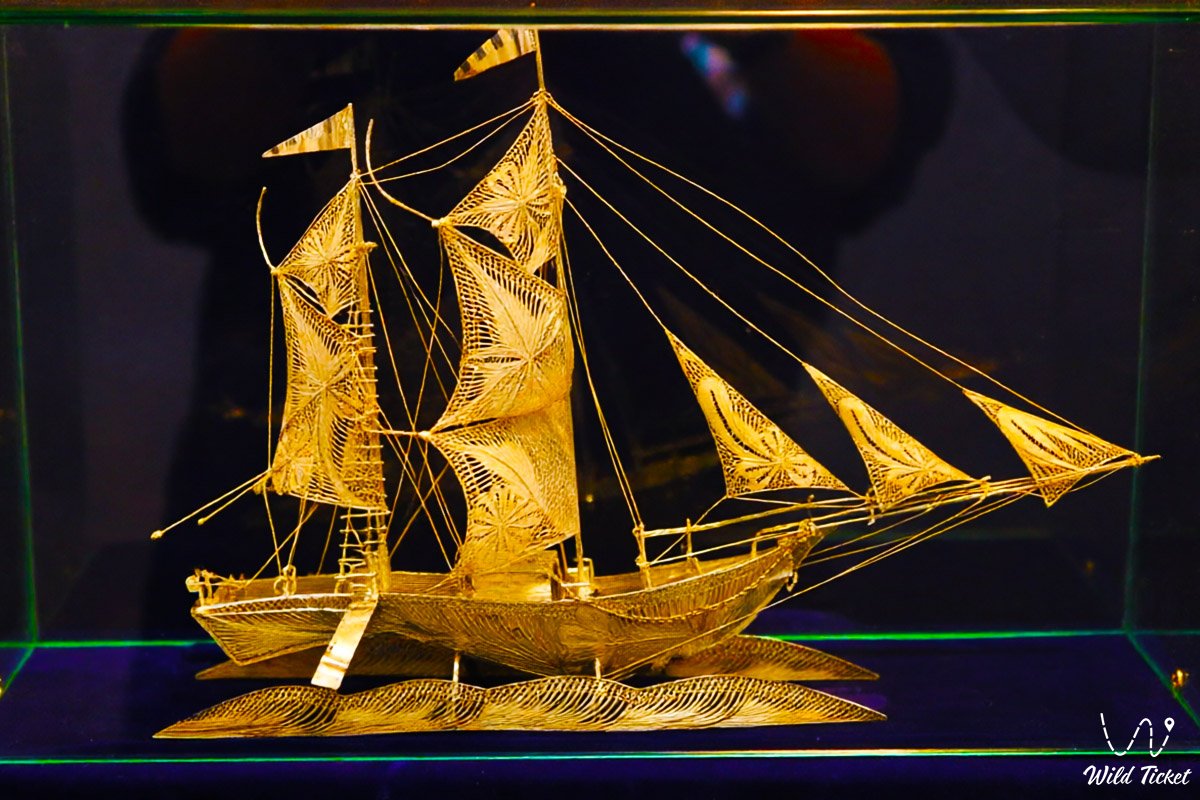
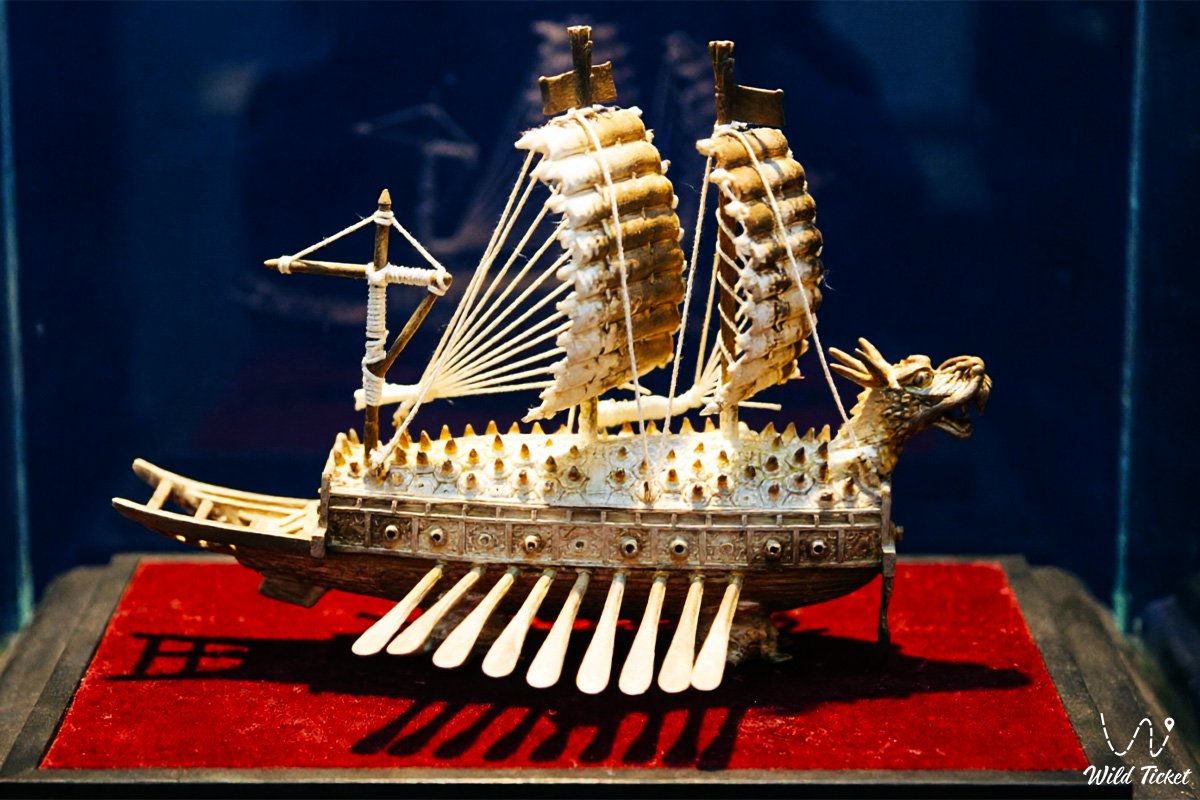
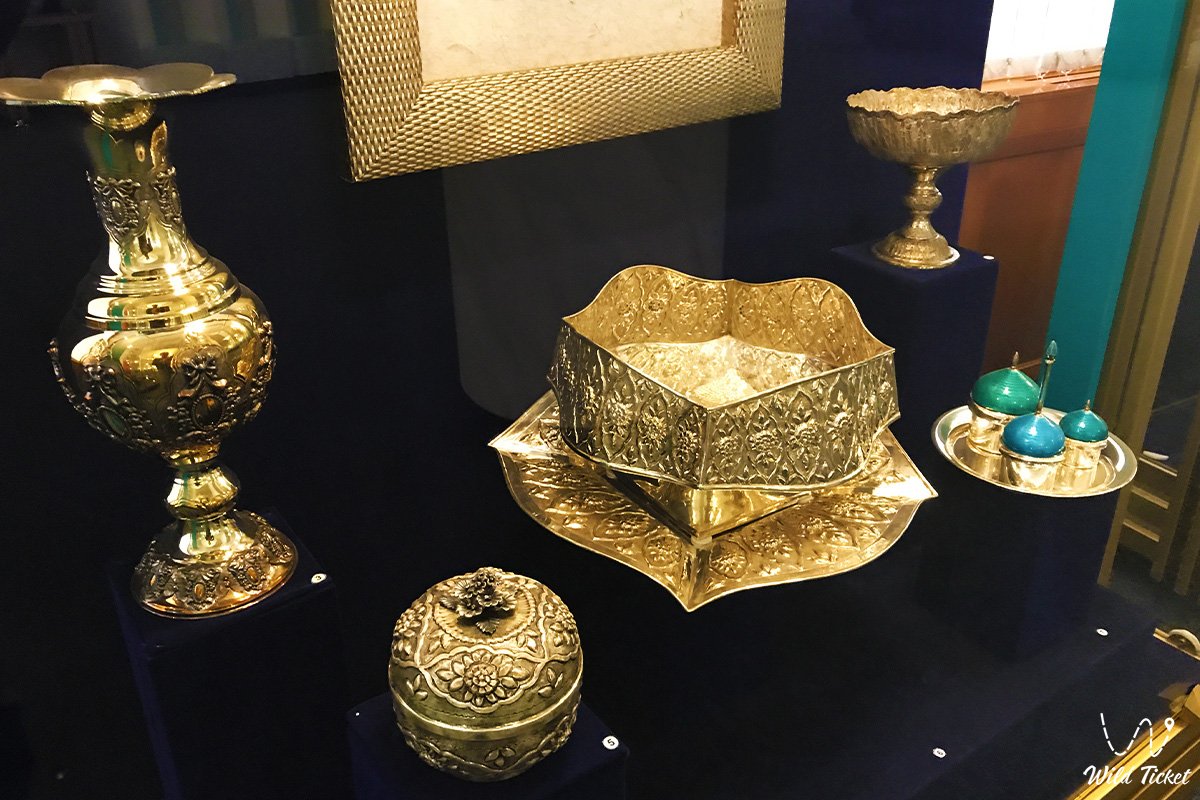
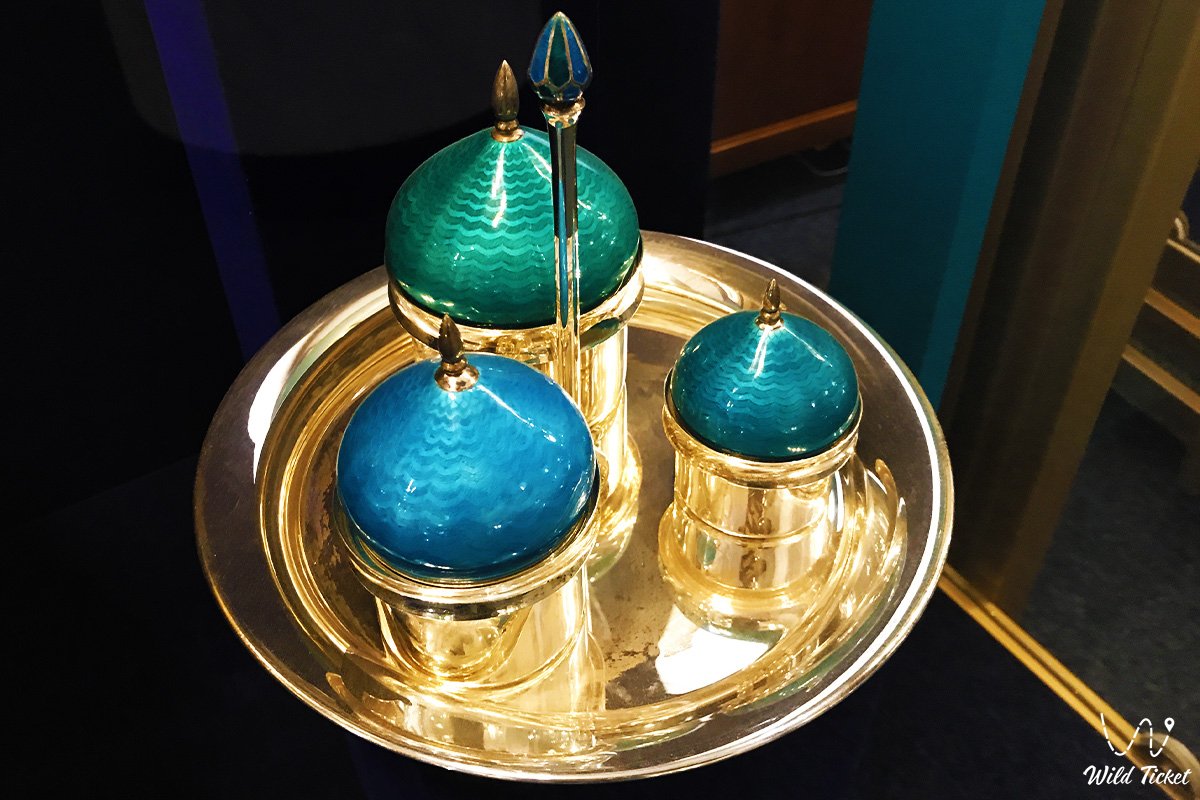
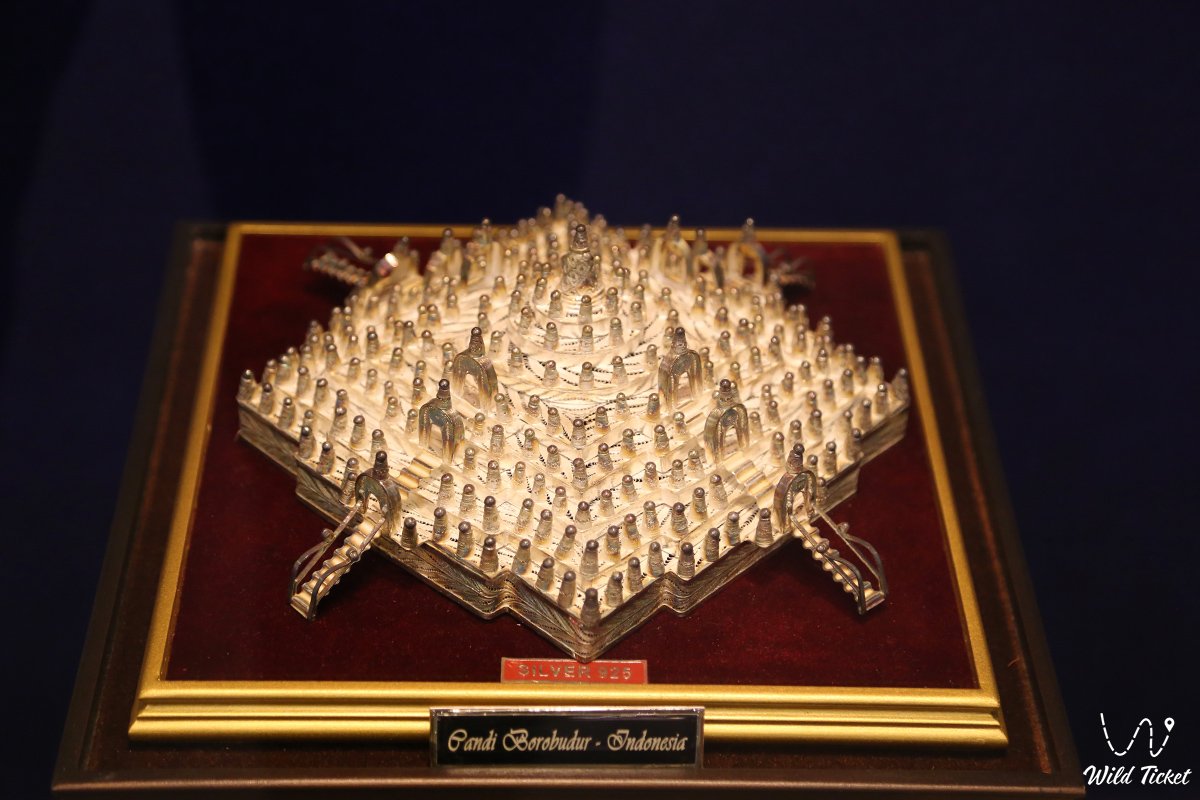
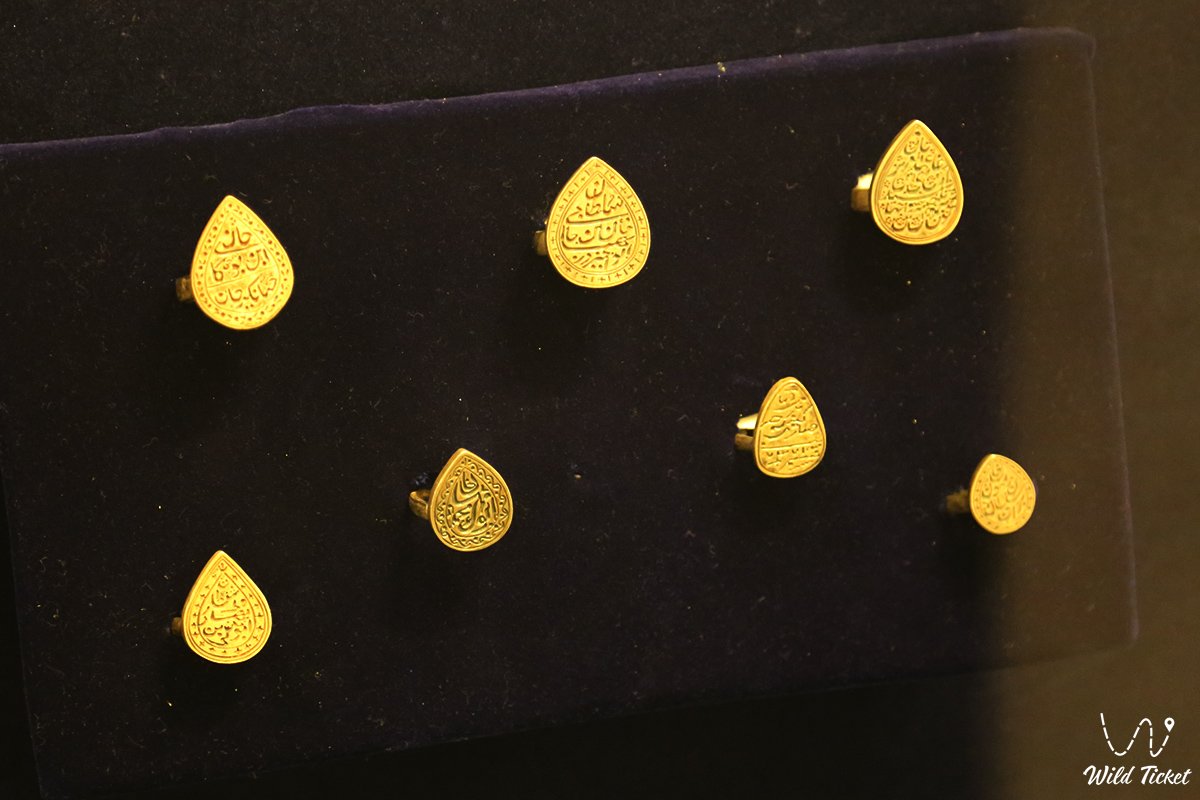
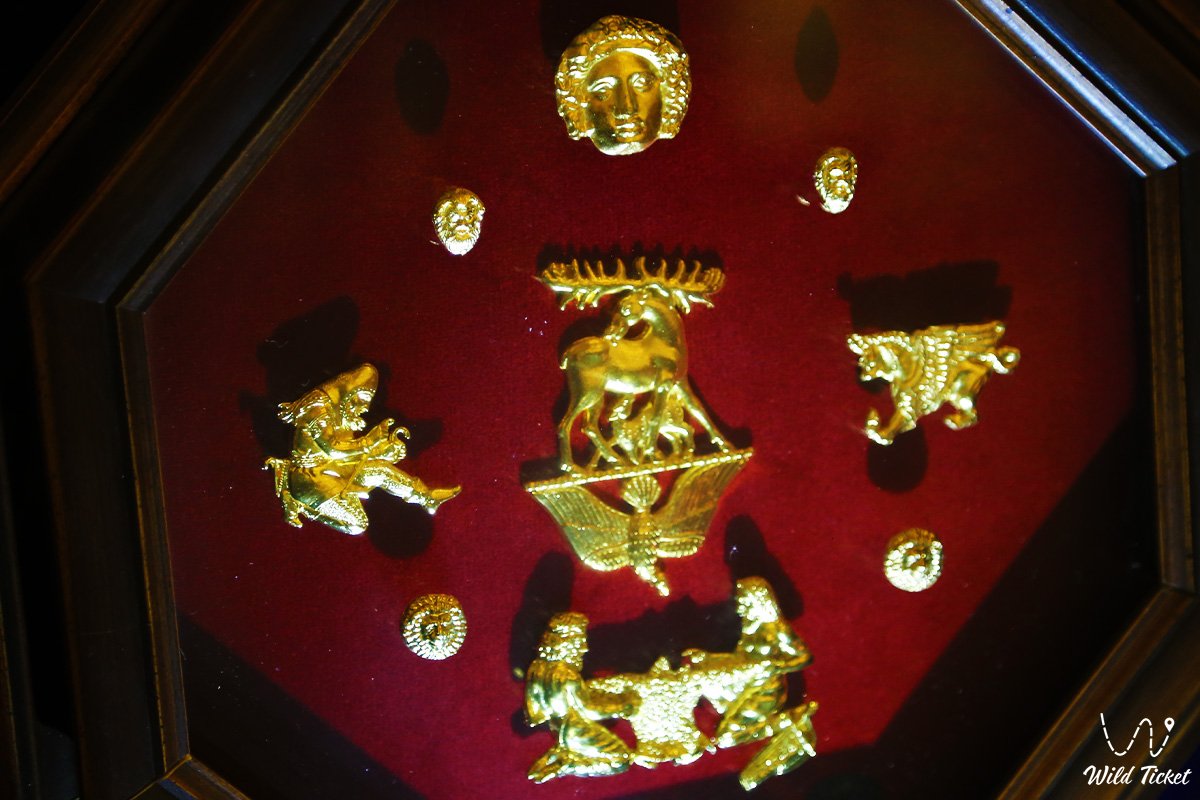
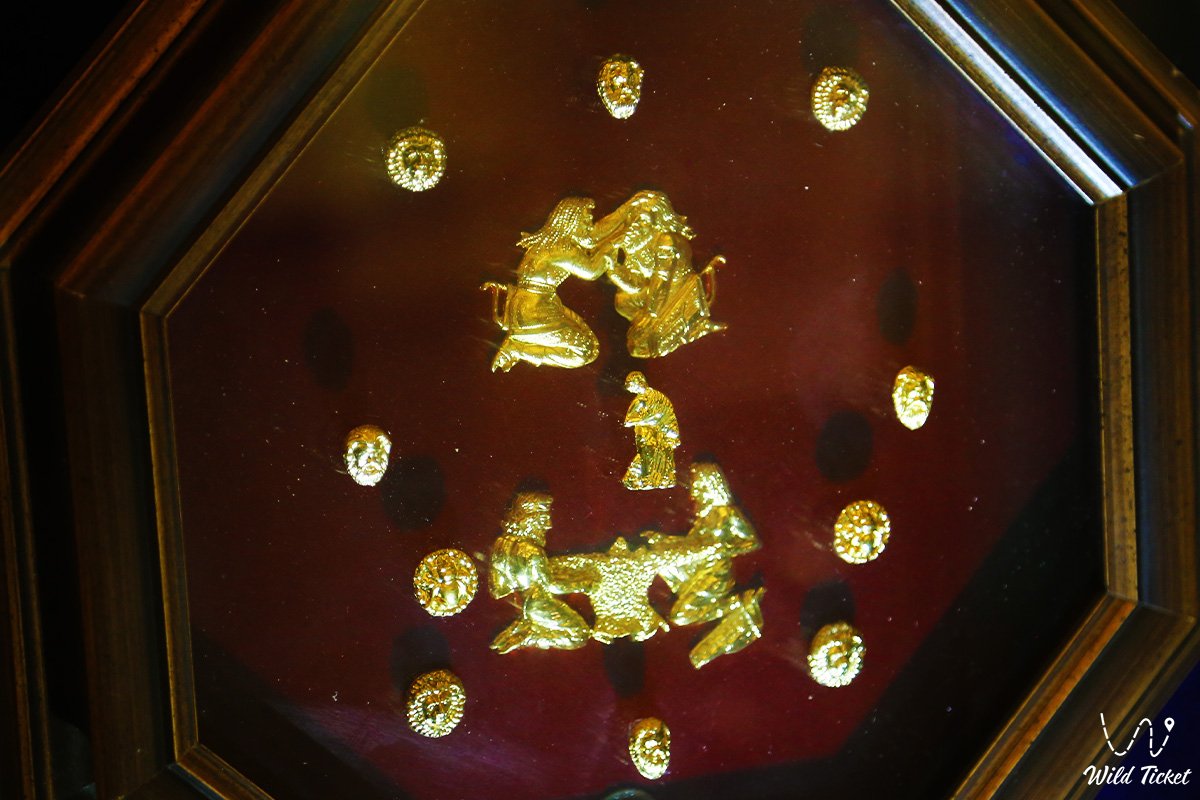
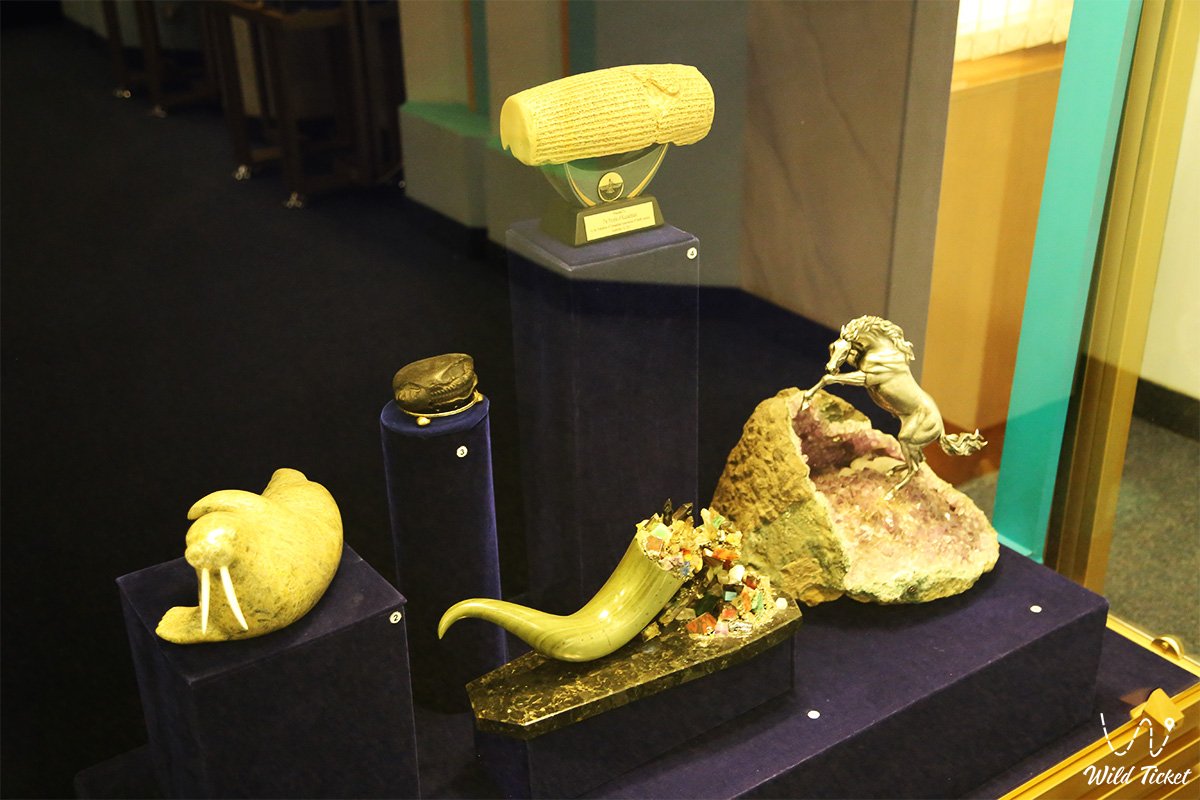
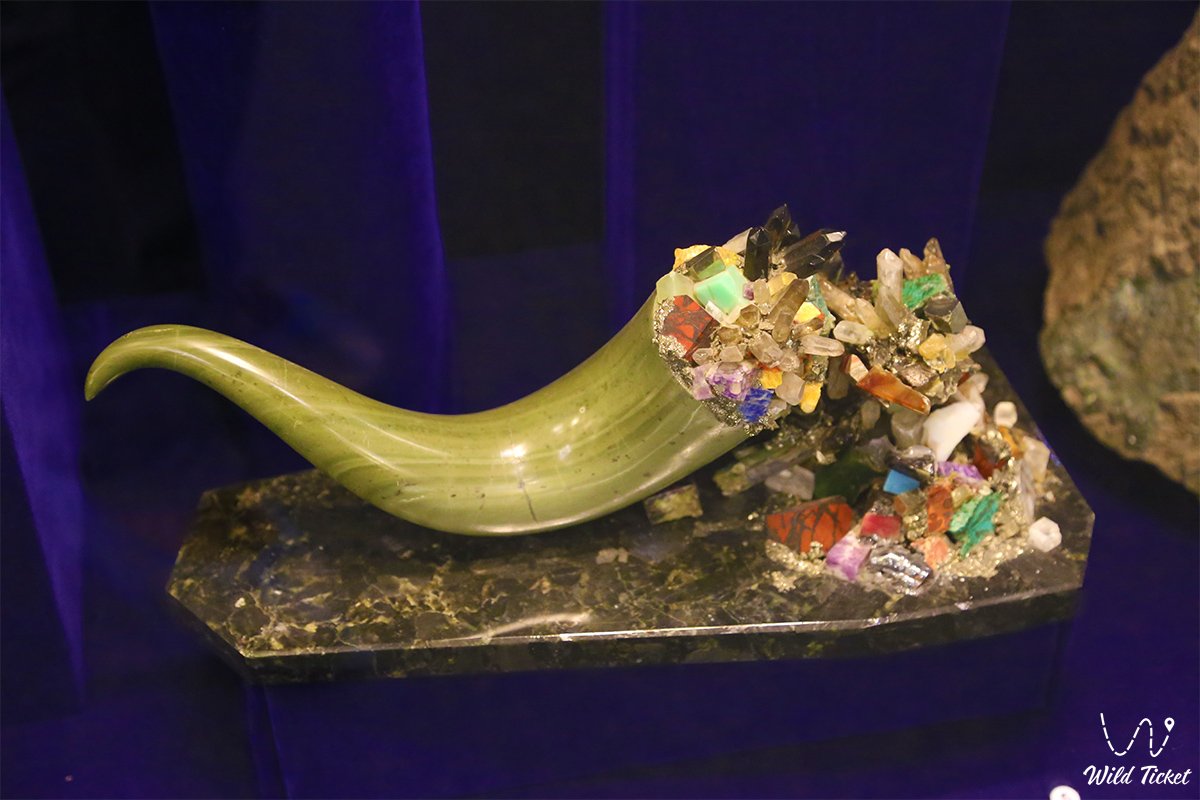
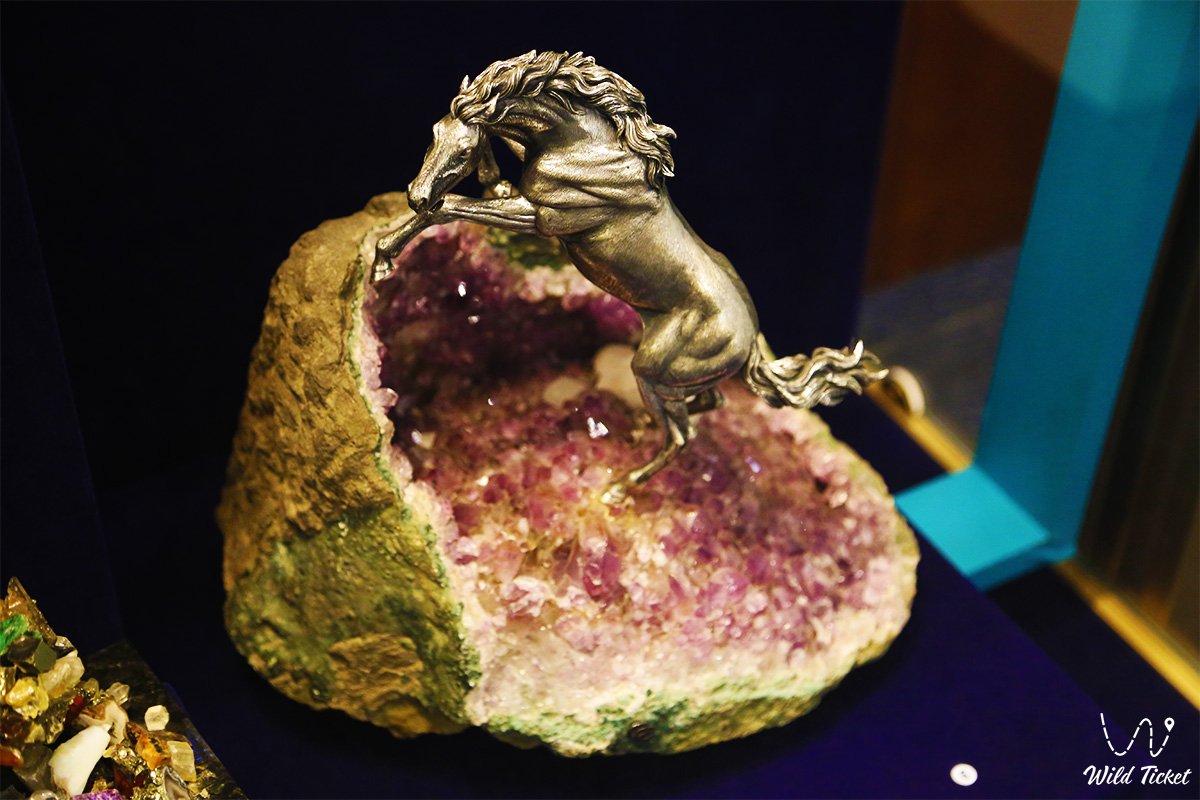
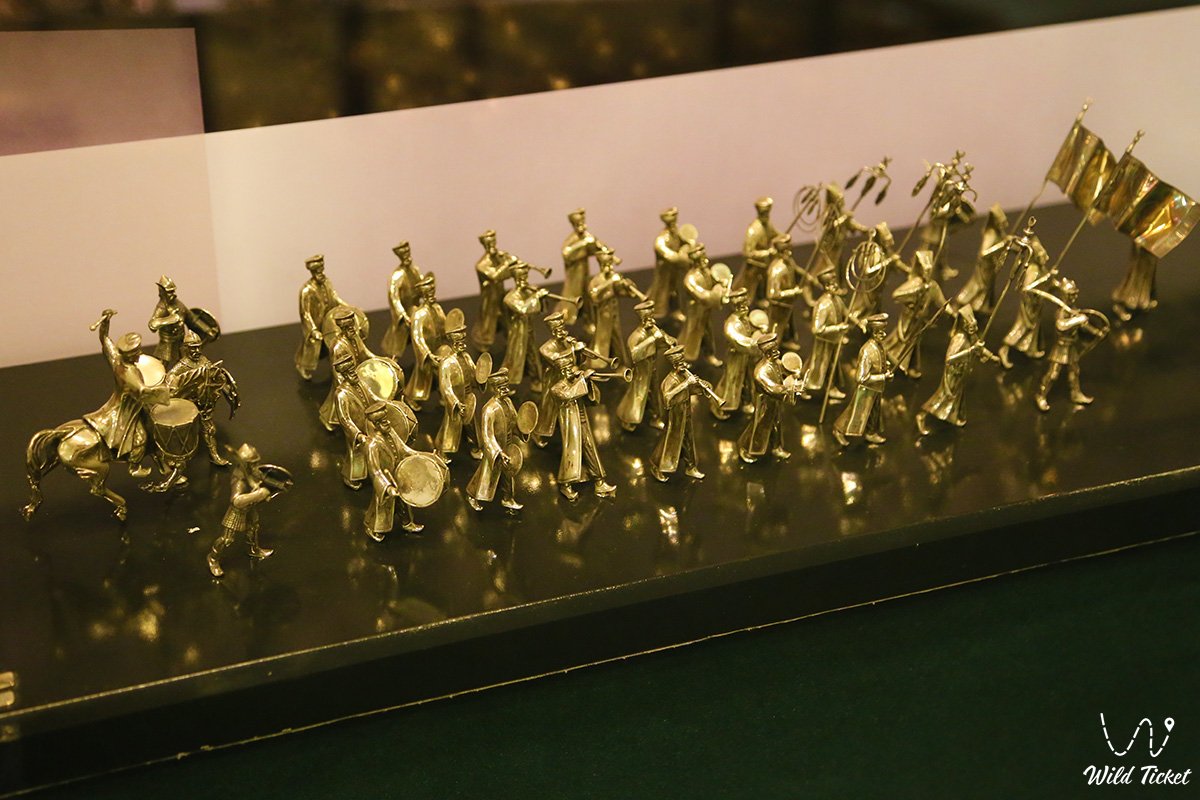
Of particular value is the collection of more than 60,000 exhibits, including priceless diplomatic gifts from kings, presidents, and spiritual leaders from all over the world.
The museum also serves as an active educational center, where interactive history lessons, seminars for children with disabilities, and discussion clubs are held, linking the past with the future of Kazakhstan.
---------------------------------------------
How to get there and visit -
The museum is located at: 1, 1a Alikhan Bokeikhan Street (Library building). Also, the historical building is situated at the intersection of Beibitshilik and Kenesary Streets.
GPS coordinates: 51°06'52"N 71°26'33"E (new building) / 51°10'00"N 71°25'10"E (old building)
You can reach the Museum of the First President by buses: No. 19, 28, 52 (to the Bokeikhan building) or No. 10, 12, 21, 25, 31, 32 (to the Beibitshilik building).
Entrance: Free. To access the building, you must have an original identity document with you.
Opening hours: Tuesday – Sunday from 10:00 to 18:00. Monday – closed. Inside the historical building, photo and video filming is prohibited.
---------------------------------------------
History
The old residence building was erected in the shortest possible time (1996–1997) by the international company "Mobitex." The architectural concept reflects a transitional period in the country's history – from Soviet modernism to a new national style. In front of the entrance, a majestic metal composition is installed: a shanyrak mounted on a spindle, under which a sphere-Earth rests, surrounded by figures of Turkic khans and rulers.
Inside the building, the central place is occupied by an atrium with a model of the "World Tree," symbolizing the deep roots of Kazakh culture and its upward aspiration. The museum has implemented a modern security and storage system that meets international standards. Special attention is paid to the parking area, which is equipped with high-speed Hormann gates, ensuring fast and secure entry for delegations.
Detailed description of the object
• Working Office: The main point of attraction on the second floor. The authentic setting is preserved here: the massive desk where key decrees were signed, the presidential breastplate, and the standard. It is a "time capsule" conveying the intense rhythm of the state apparatus's work.
• Security Council Room: Today, an impressive collection of cold weapons and firearms gifted to the head of state is displayed here. These are unique examples of blacksmith art, inlaid with precious stones and metals.
• Gold and Domed Halls: Rooms for the highest-level receptions. In the Gold Hall, the General Plan for the development of Astana was officially approved. The Domed Hall on the fourth floor strikes with its scale and natural light penetrating through the skylight.
• Exhibition "Diplomatic Gifts": A huge collection including a "Borodino" chess set from Aleksandr Lukashenko, a golden Buddha statuette, and silver cups from Mongolia. Each item is a testament to the recognition of Kazakhstan on the world stage.
Architecture
Kaldybay Montakhayev's project combines the functionality of an administrative building with the solemnity of a palace complex. The interior finishing is done using precious wood, marble, and gilding.
Of particular note is the Library building on the left bank (architect Norman Foster), designed in the shape of a giant "eye" directed at the sky. This futuristic appearance symbolizes the country's vital energy and its openness to the world. Both museum buildings form a single conceptual frame connecting the old center and the new business district of the city.
Legend and Conclusion
It is said that the "World Tree" in the museum's atrium is the energy center of the building, connecting the underworld, the earth, and the sky. Employees believe that this harmony helped in making the right decisions during the most difficult years of change.
The Museum of the First President is a living textbook that teaches the value of independence. Aleksandr Vinokurov's regular bicycle, which brought victory in the Vuelta race, or the president's old school notebooks become symbols here that great achievements begin with small labor and faith in a dream.
Interesting sights nearby:
• Akorda (Presidential Palace);
• Presidential Park;
• Palace of Peace and Reconciliation;
• Linear Park;
• Botanical Garden;
• Park of Peace and Reconciliation.
Additional information:
• Useful information about Astana;
• Where to go and what to see in Astana;
• Akmola region - tourist information.
Photogallery: