The majestic image of the last Kazakh khan on the Ishim River embankment -
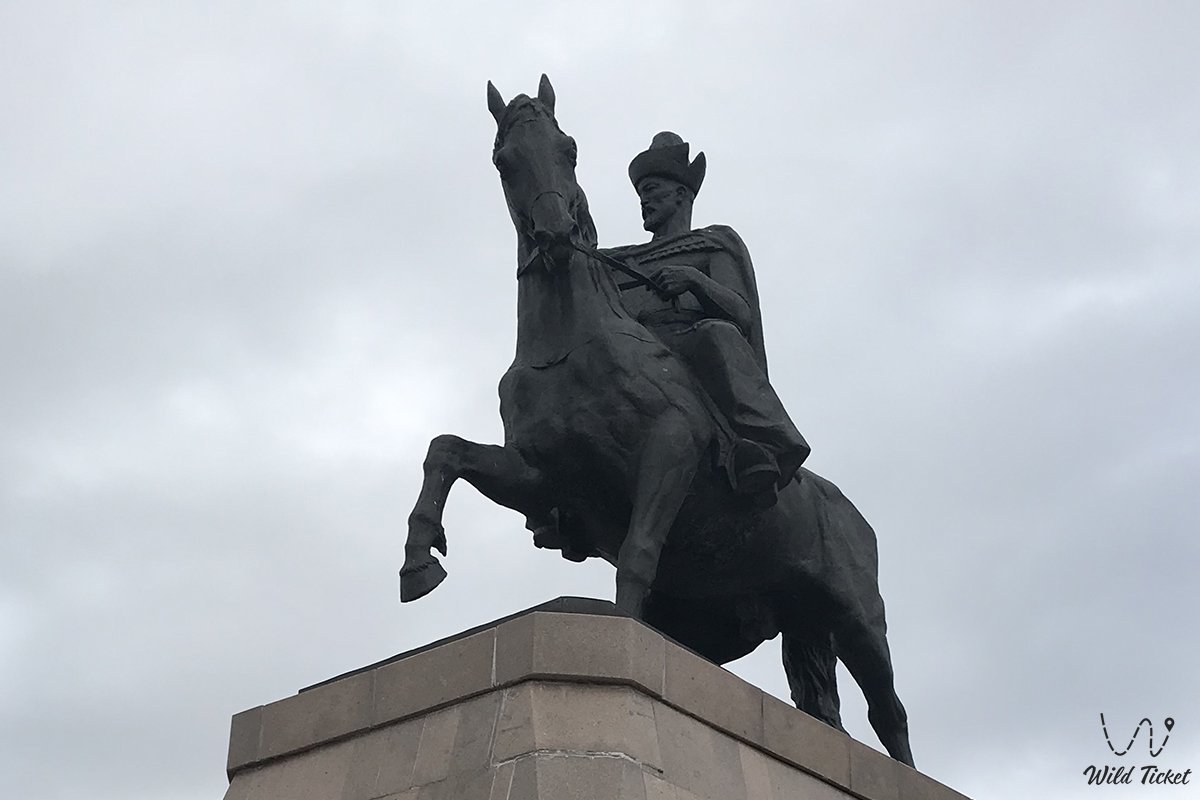
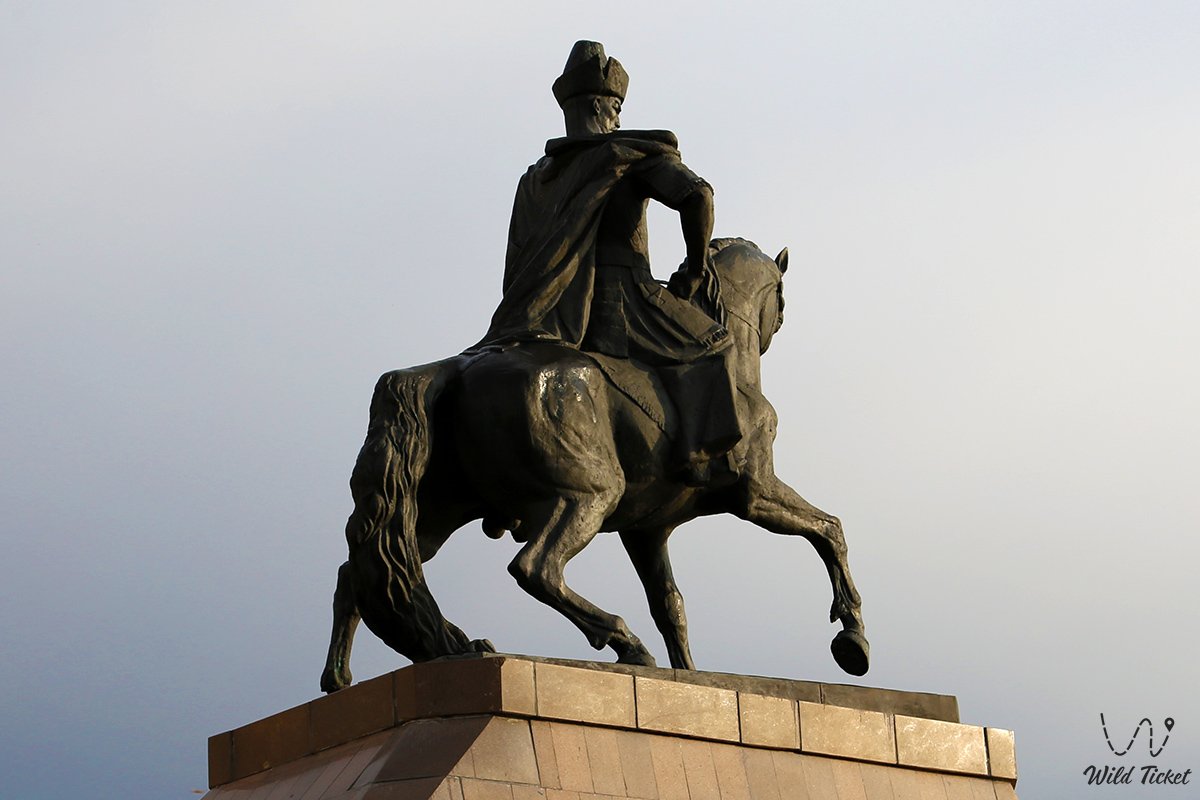
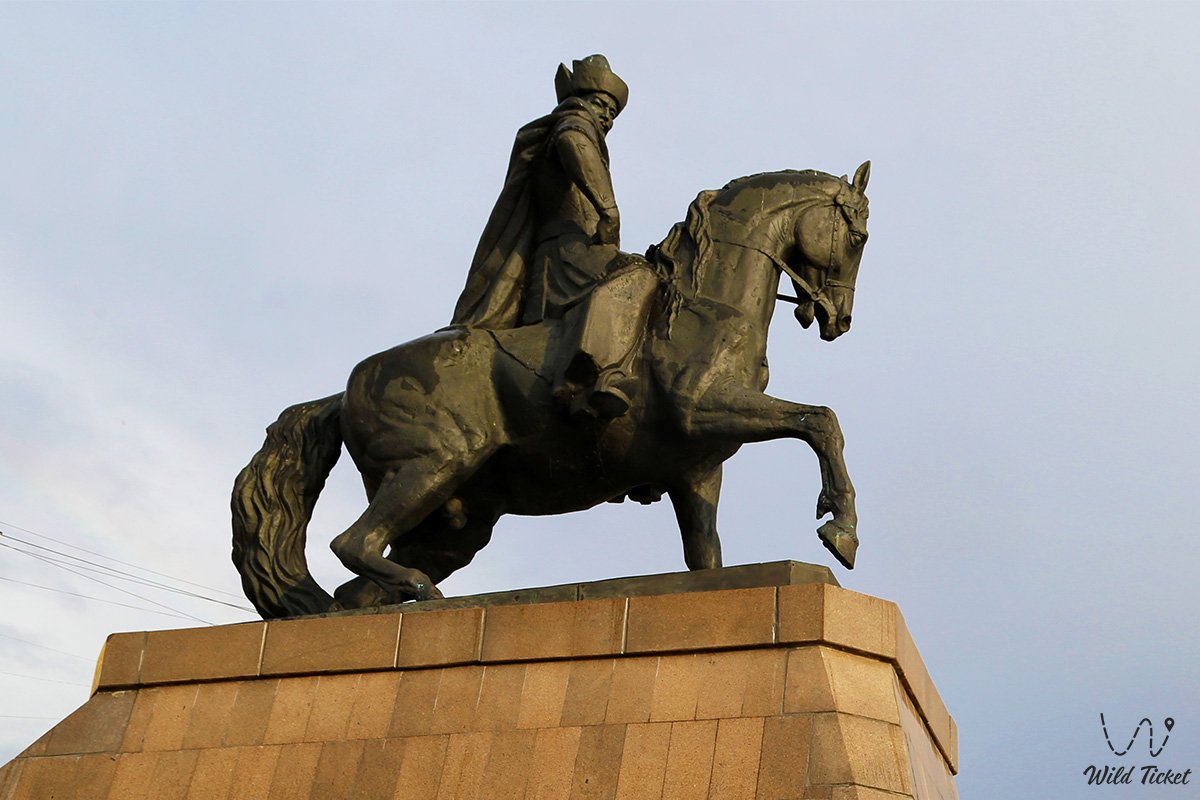
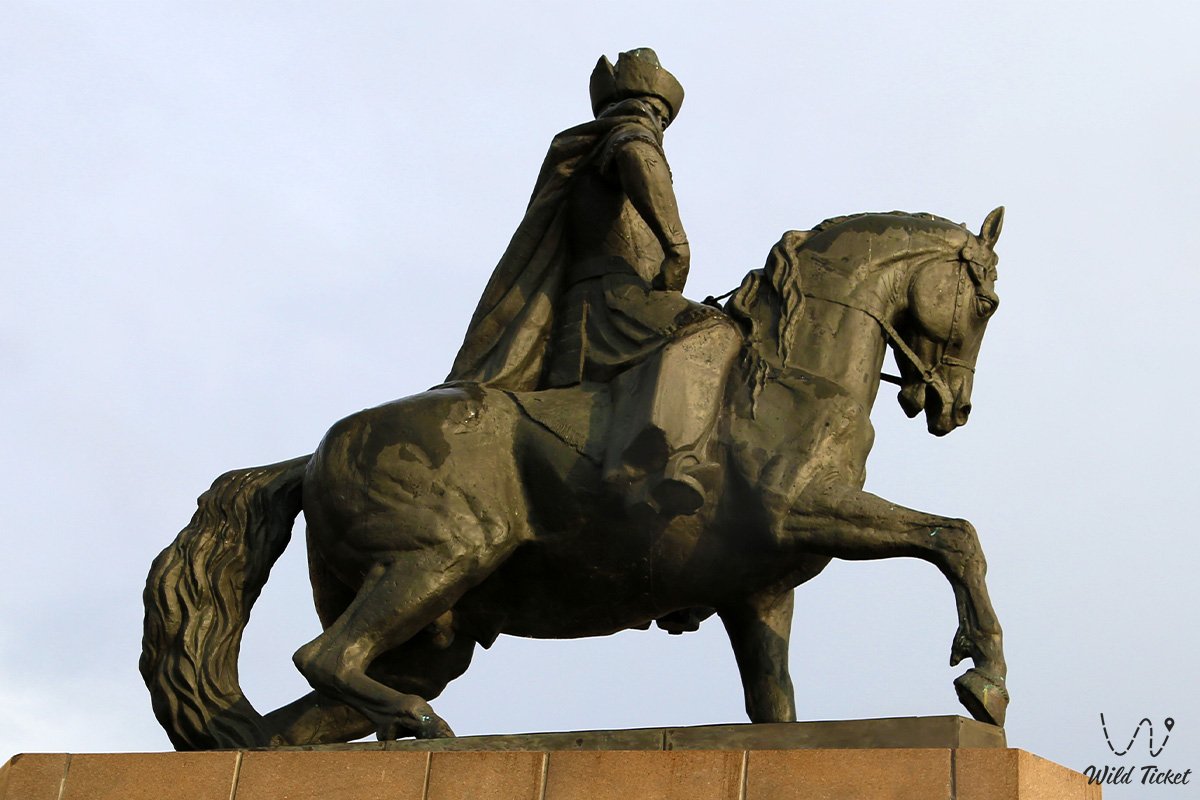
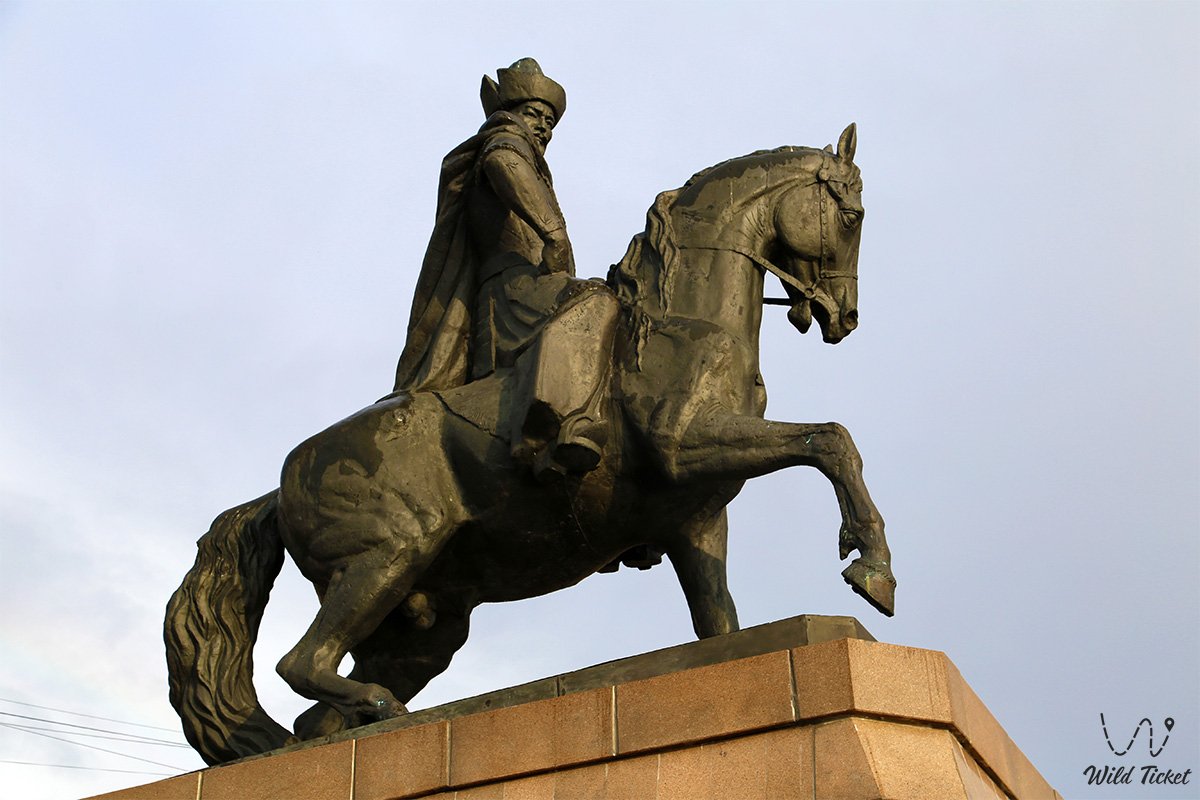
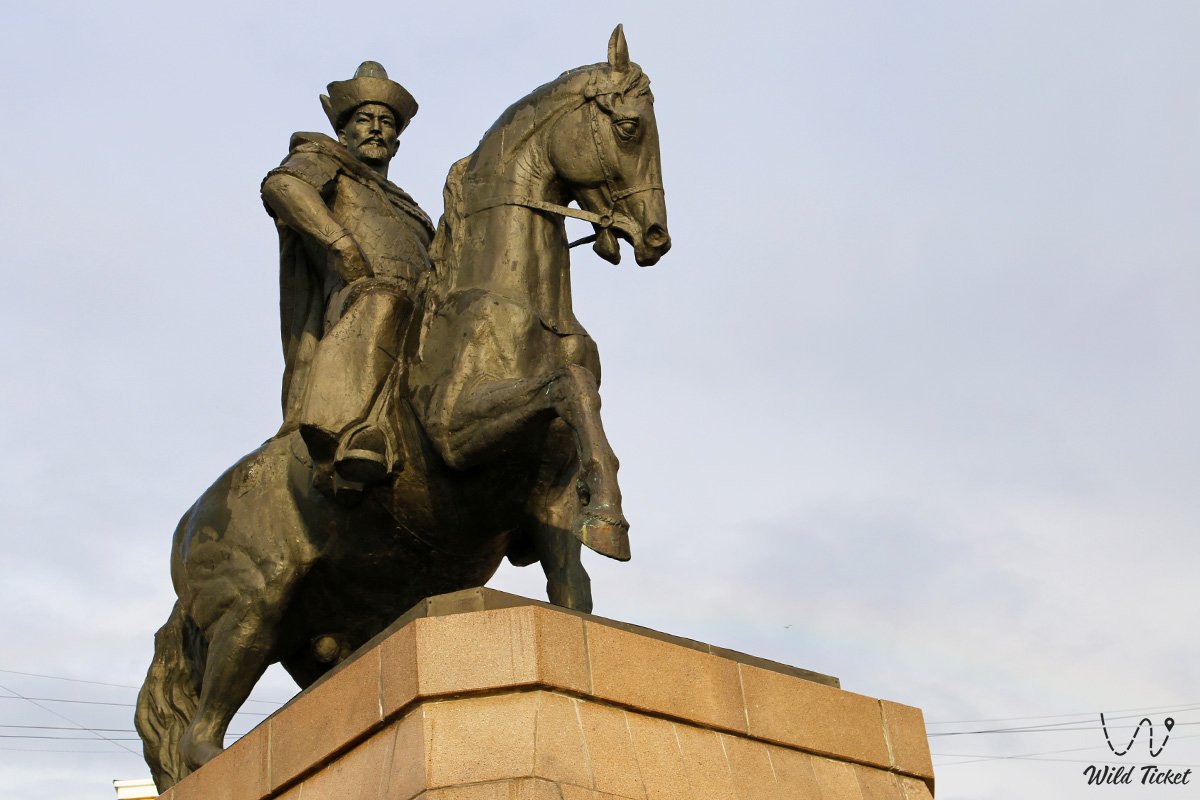
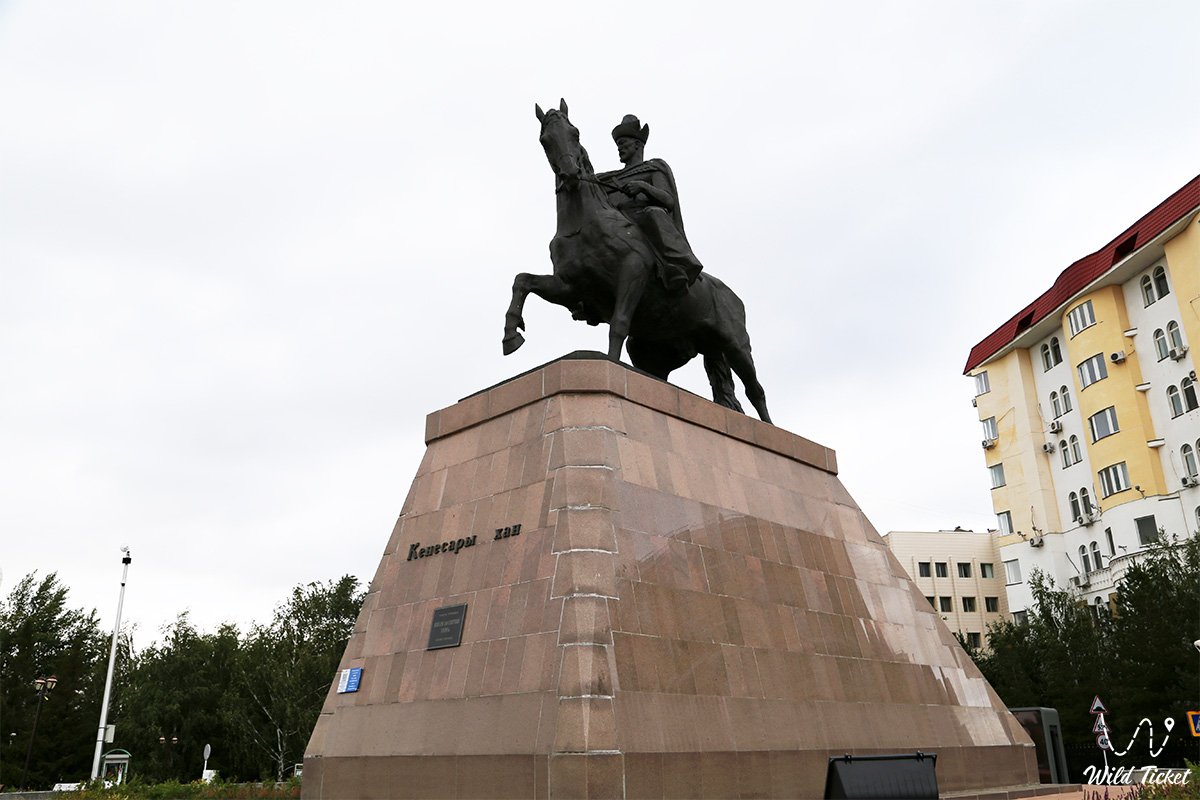
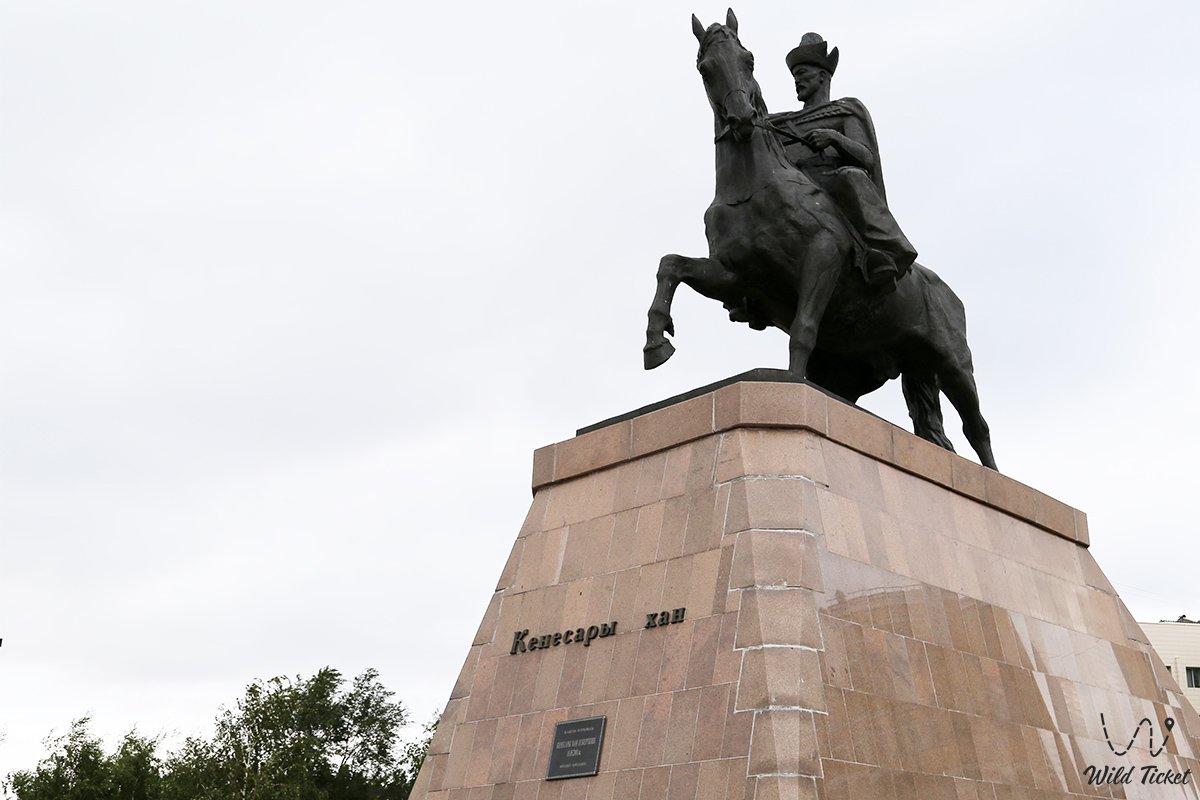
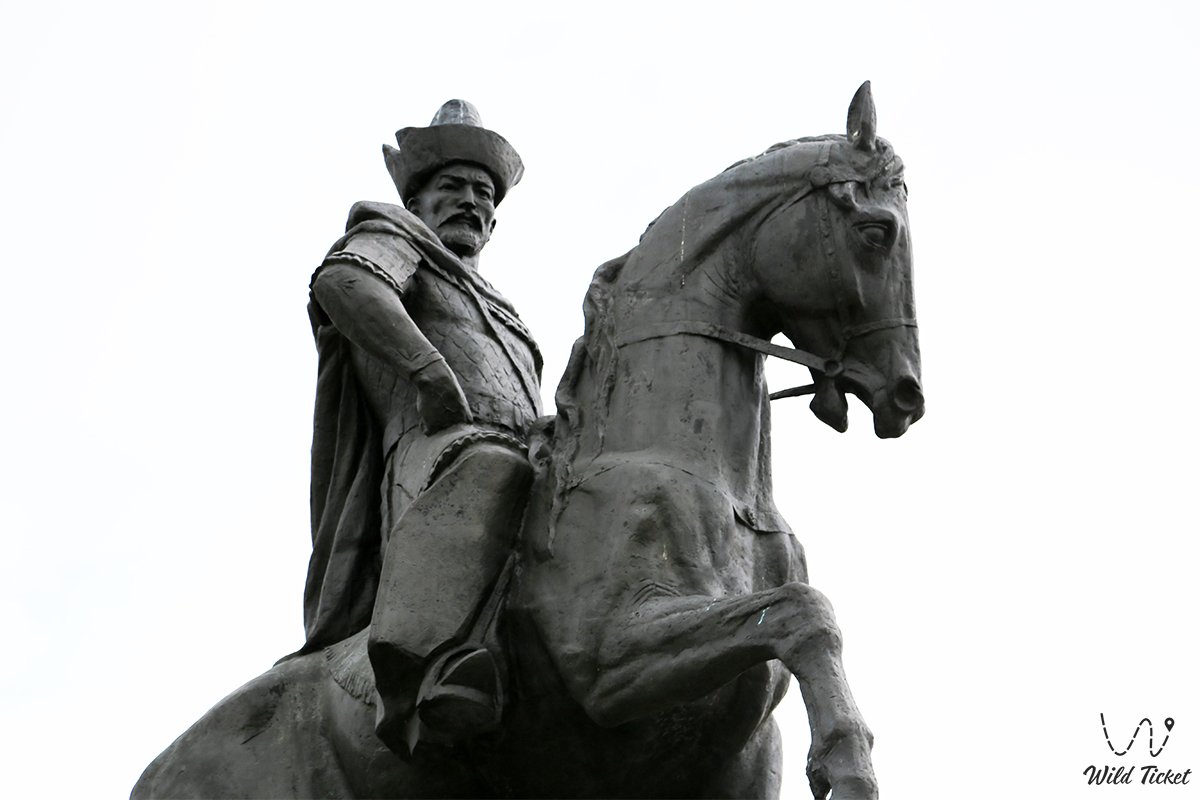
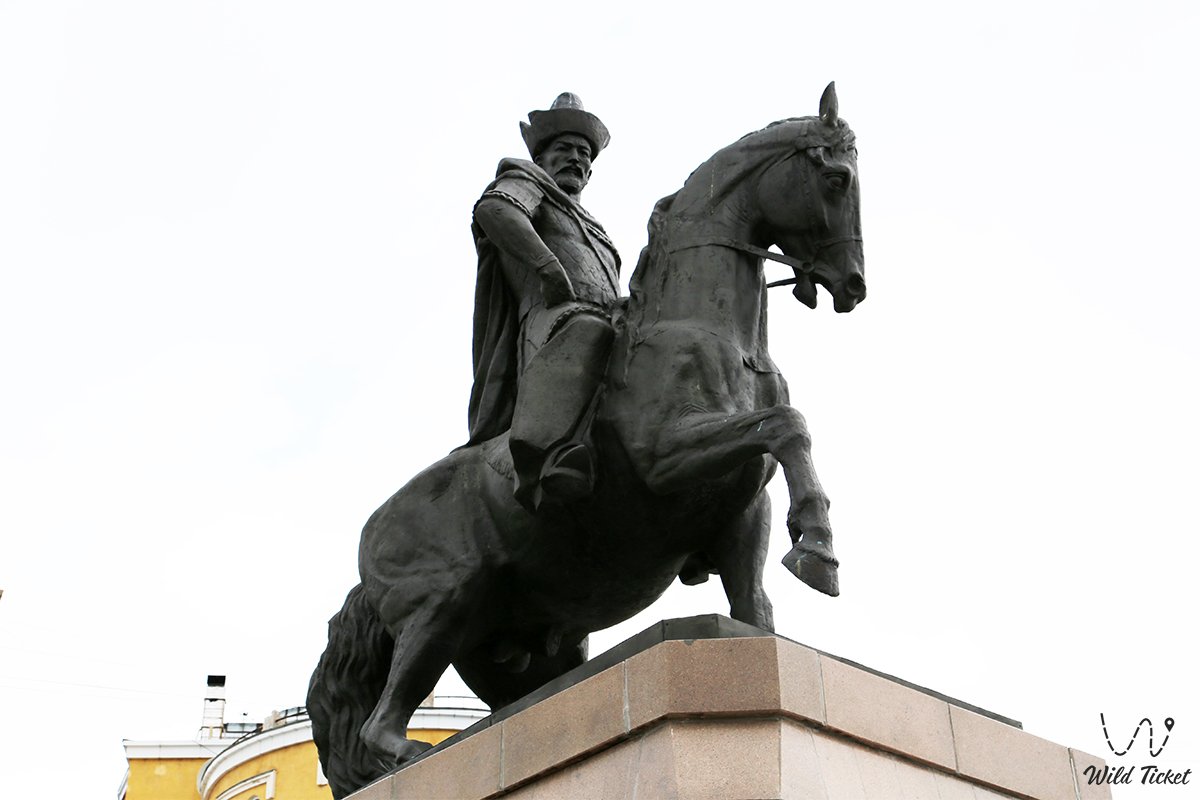
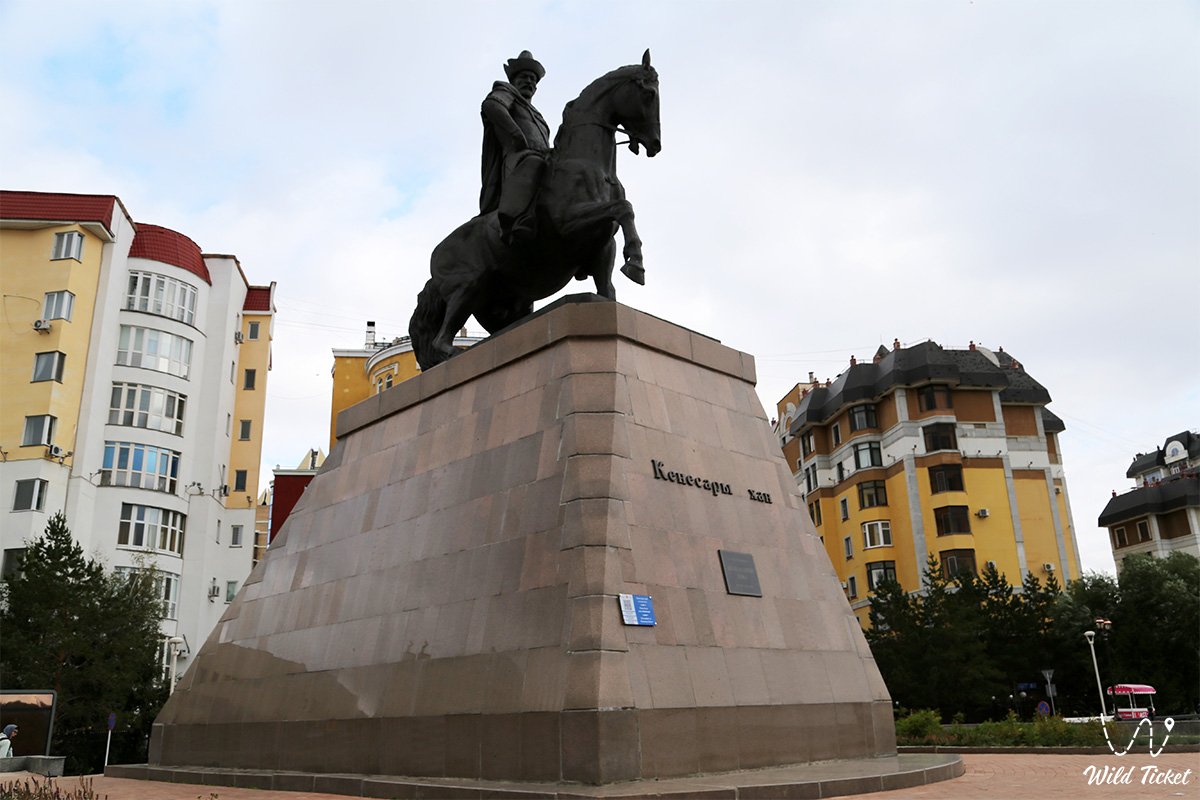
The Monument to Khan Kenesary is one of the most emotionally powerful landmarks of Astana. The bronze figure of the great commander, seated on his faithful steed, is installed on a high granite pedestal on the right bank of the river.
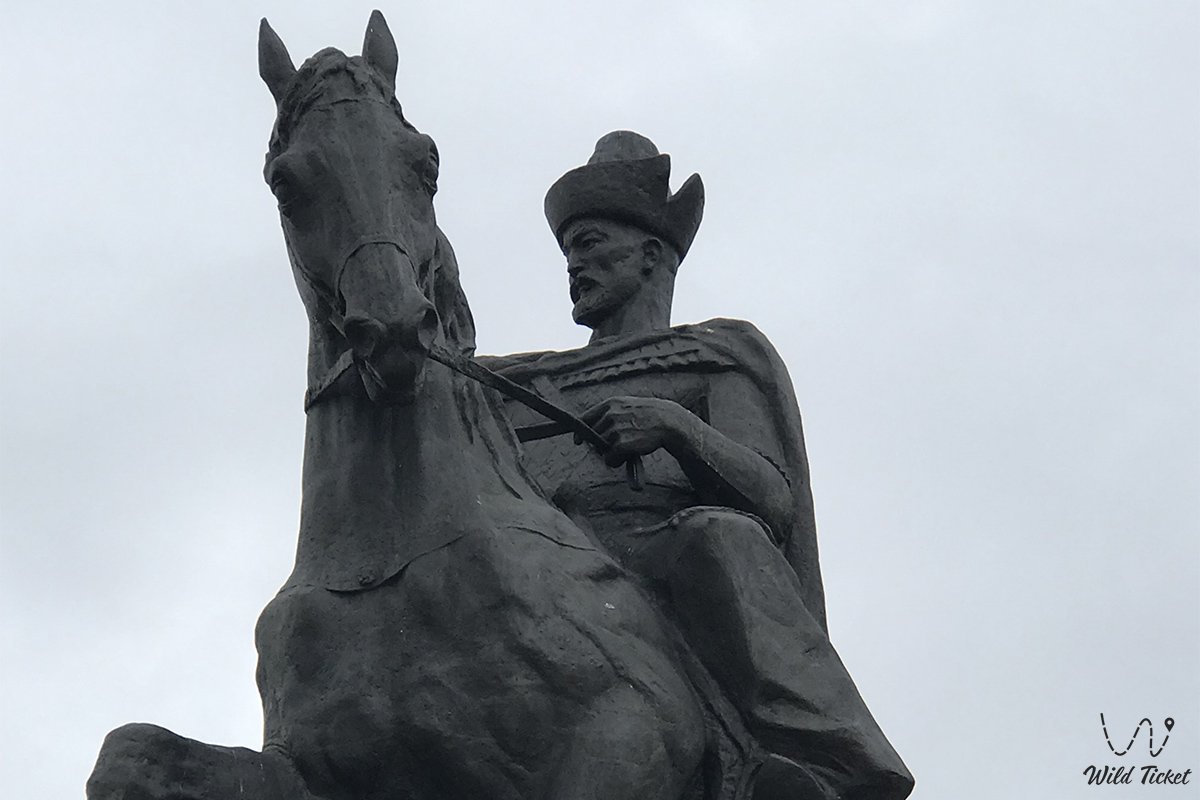
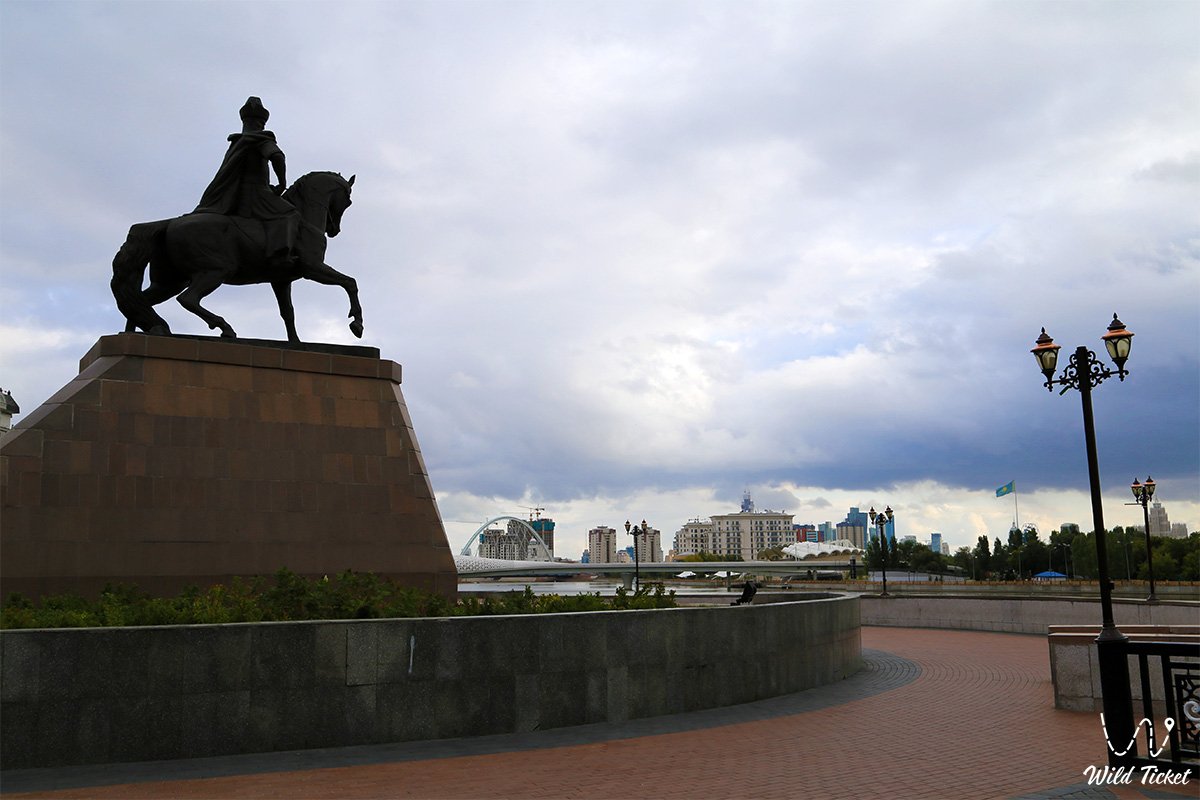
The khan's gaze is fixed into the distance, beyond the horizon of the steppe, symbolizing the eternal desire for freedom. The monument has become a place of power where history comes to life in metal, reminding us of the times when the fate of Kazakh statehood was decided here. The sculptural composition is harmoniously integrated into the landscape of the embankment. The greatness of the historical figure is emphasized here by the modern rhythm of the capital.
Opposite the monument, on the other bank of the river, is the Astana Central Park, which can be reached by crossing the Atyrau Pedestrian Bridge located near the monument.
The Kenesary Monument is a must-visit spot for those who want to understand the depth of Kazakh history and feel the spirit of nomadic civilization, embodied in the image of the legendary leader of the national liberation movement.
---------------------------------------------
How to get there and visit -
The Monument to Kenesary Khan is located on the right bank of the Ishim River, near the intersection of Azerbaijan Mambetov Street, Gumar Karash Street, or Agibay Batyr Street, Saryarka district, Astana city, Republic of Kazakhstan.
GPS coordinates: 51°09'37"N 71°25'26"E
The nearest public transport stops are on Republic Avenue and Kenesary Street.
You can reach the embankment by buses: No. 1, 2, 3, 10, 20, 23, 25, 31, 32, 37, 45, 52.
From the stop, walk towards the river to the M. Utemisov Palace of Schoolchildren; the monument will be visible from afar on a hill. For greater convenience, use taxi services through a special mobile application or drive to the monument in a private car.
---------------------------------------------
History
The monument was ceremoniously opened on May 10, 2001. The site for its installation was chosen by the First President of Kazakhstan and is deeply symbolic: it was here in 1838 that Kenesary's sarbazes stormed the Akmola fortress. In those days, the shore was overgrown with reeds, and somewhere on the site of the modern monument stood the khan's yurt, from where he directed the battle. The authors of the project were the famous sculptor Nurlan Dalbay and the architect Shota Valikhanov.
Kenesary Kasymov (1802–1847) was the grandson of the great Abylai Khan and the last ruler of the unified Kazakh Khanate. Under his banners, the most massive army in the history of national liberation movements in the region gathered. The erection of this monument in 2001 was an act of restoring historical justice and recognizing Kenesary as one of the spiritual founders of the future capital.
Information
The total height of the monument is 11 meters (up to 13 meters according to some measurements including the base). The bronze figure of the rider itself is 7 meters high, and the granite pedestal is about 6 meters. The total weight of the structure exceeds 10 tons, of which about 8 tons are pure bronze. The monument was cast at the Kirov Plant in Almaty, which was a very difficult technical task for the casters of that time.
The infrastructure around the monument is conducive to long walks. The embankment is equipped with benches and night lighting, which effectively highlights the silhouette of the rider. In the immediate vicinity is the city Arbat and piers for river trams. The square in front of the monument often becomes a venue for ceremonial events and meetings, uniting generations around a common history.
Detailed description of the object
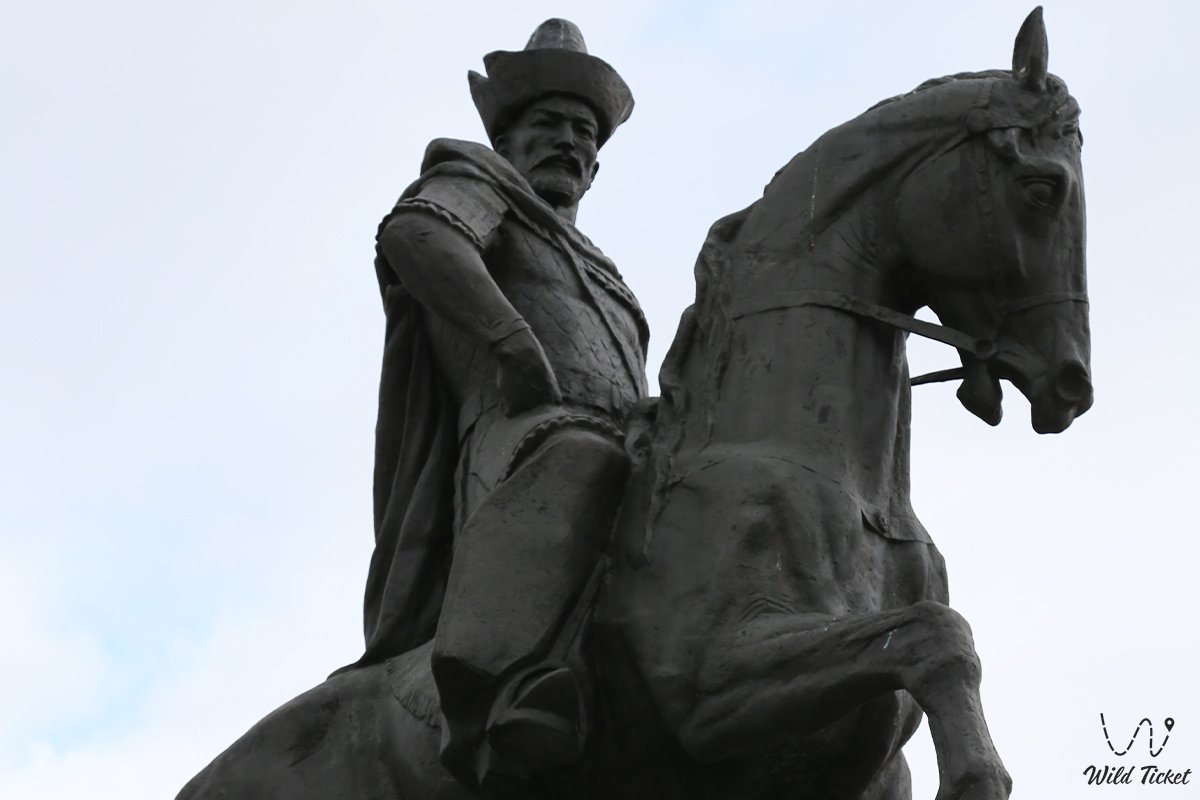
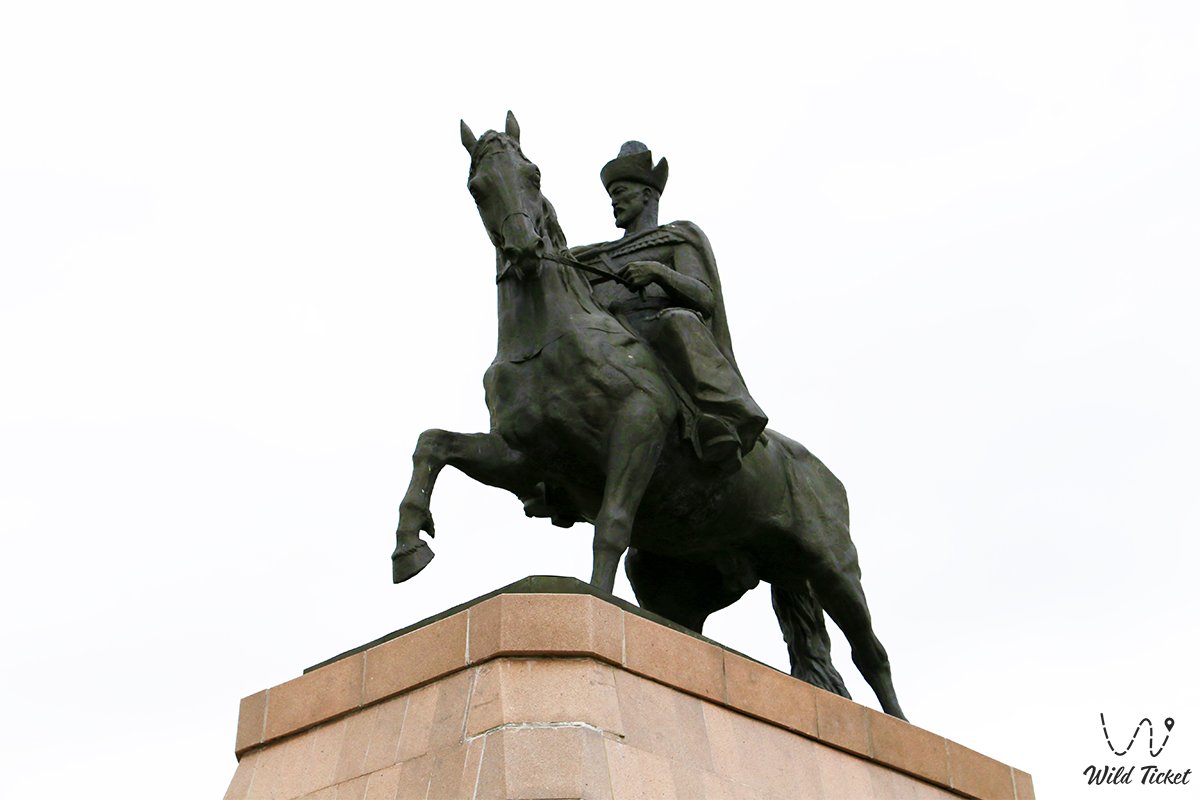
The sculpture of Kenesary Khan is striking in its monumentality and attention to detail. The ruler is depicted in battle armor, his right hand resting confidently on his thigh, and his left hand firmly holding the reins of a spirited horse. The author managed to convey a state of deep thought and concern on the khan's face – this is the moment of making a fateful decision for the entire country during the anxious times of struggle.
The horse in its swift movement seems to be stopped for a moment by the rider's will. The contrast between the powerful granite pedestal and the dynamic bronze figure creates a sense of the unshakeable spirit. From this point, one of the best views of the Ishim River and the "Atyrau" pedestrian bridge opens up, connecting the historical past of the right bank with the futuristic future of the left bank.
Architecture
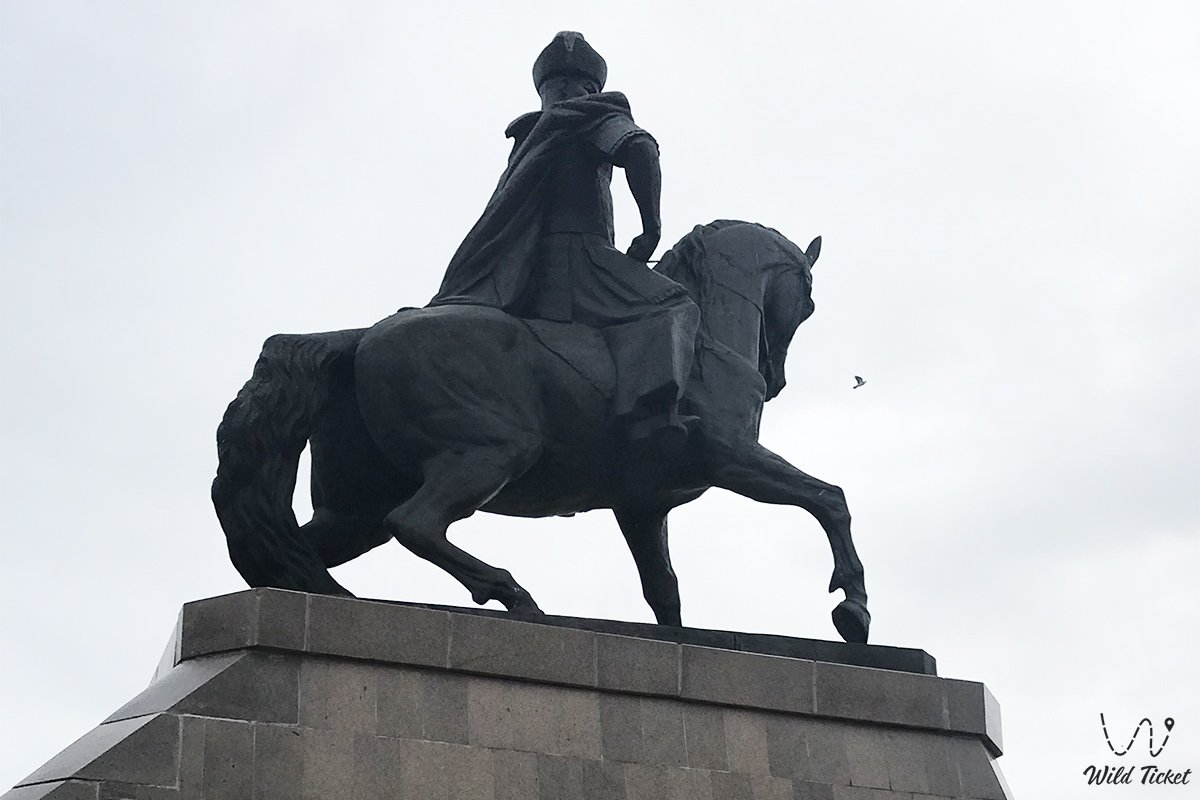
The architectural design of the monument is executed in the best traditions of classical monumentalism. Shota Valikhanov and Nurlan Dalbay created a composition that dominates the shoreline. The pedestal, faced with gray granite, emphasizes the aristocratic greatness of the figure.
The proportions of the rider and the horse are perfectly maintained, giving the monument realism and power. The location on the high bank allows the figure of the khan to literally "soar" over the city, making it a visual landmark of the embankment.
Legend
Among the townspeople lives a legend that the monument to Kenesary Khan is the "energy shield" of the capital. They say that as long as the khan looks upon the city from his pedestal, Astana will grow and flourish.
Old-timers say that on particularly windy nights, the clatter of armor and the muffled hum of voices can be heard from the direction of the monument – as if the khan's army is still keeping its watch on the banks of the Ishim.
Another belief says: if you come to the monument at dawn before a difficult task and touch the granite base, the khan will share his indomitable will and wisdom.
For the people of Astana, this is not just a monument, but a living connection with their ancestors, a symbol that freedom and honor are more precious than any obstacles.
Interesting sights nearby:
• Arbat in Astana;
• Amphitheater on the Esil River;
• Republic Avenue;
• Military History Museum of the Armed Forces of the RK;
• M. Utemisov Schoolchildren's Palace;
• City beach on the Ishim River.
Additional information:
• Useful information about Astana;
• Where to go and what to see in Astana;
• Akmola region - information and photos.
Photogallery: