Tour - The Magic of the Small Aral: Journey to the Heart of a Lost Sea (5 days)
There are places that completely change your perspective on the planet, and the Aral Sea and the Aral region are among them. This is not just a tourist route, but a true expedition at the crossroads of harsh natural elements, major environmental dramas, and the ancient history of the steppe. Over the course of 5 days, you will see what was hidden beneath the water just half a century ago, meet genuine Aral fishermen, and touch the mysteries of the ancient settlements along the Great Silk Road.
Why this tour is unique:
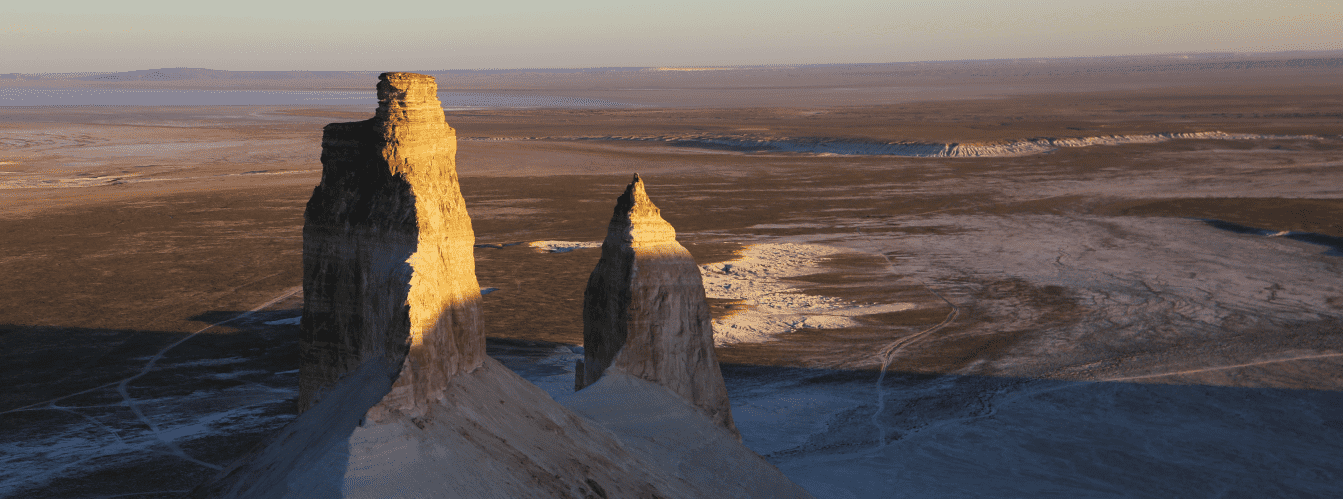
• Living history of the Aral: You will see the remains of ships and walk along the bottom of the former sea, where the Martian cliffs of the Saryshoky tract now rise. Your journey will begin from the city of Aralsk.
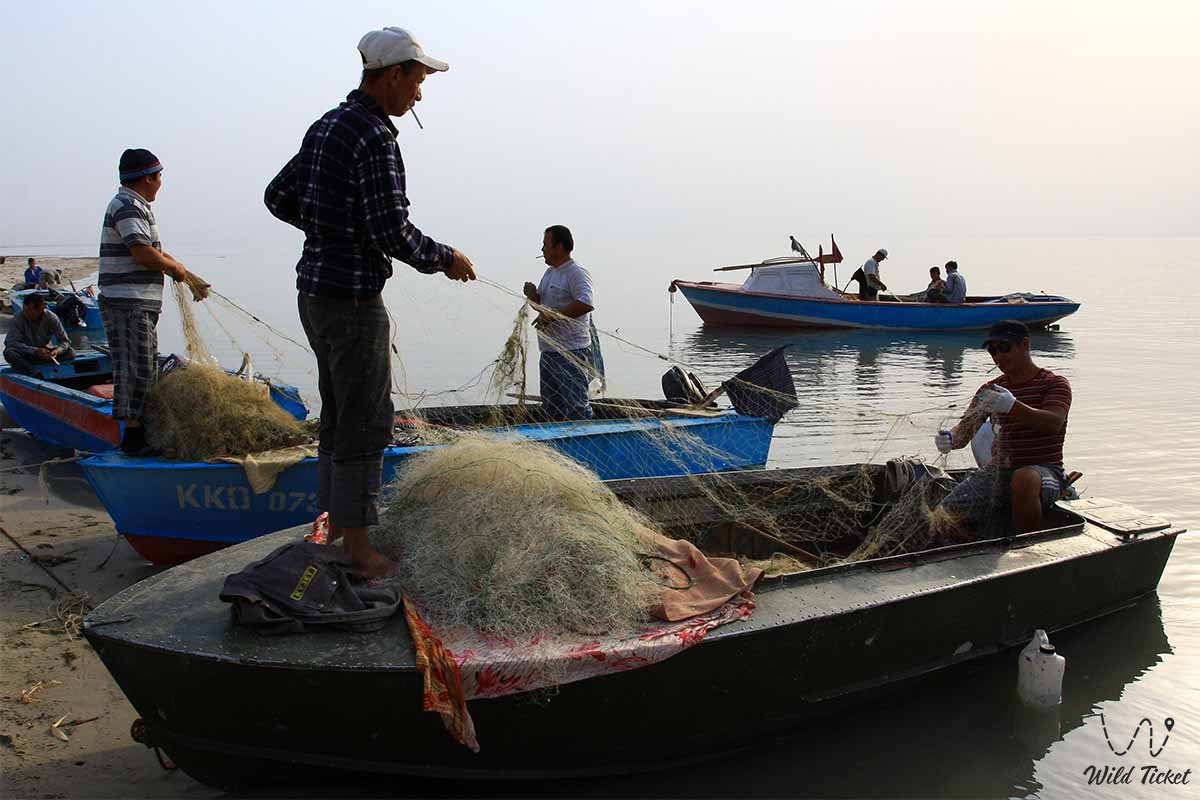
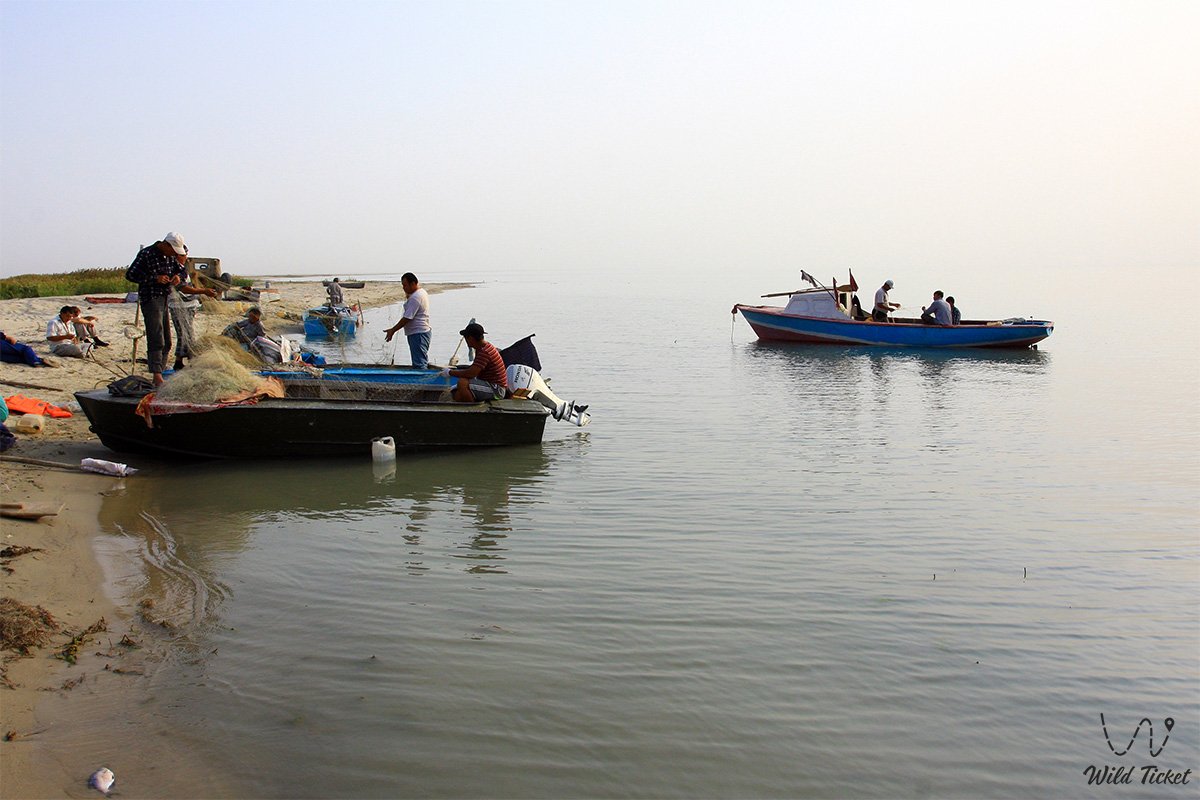
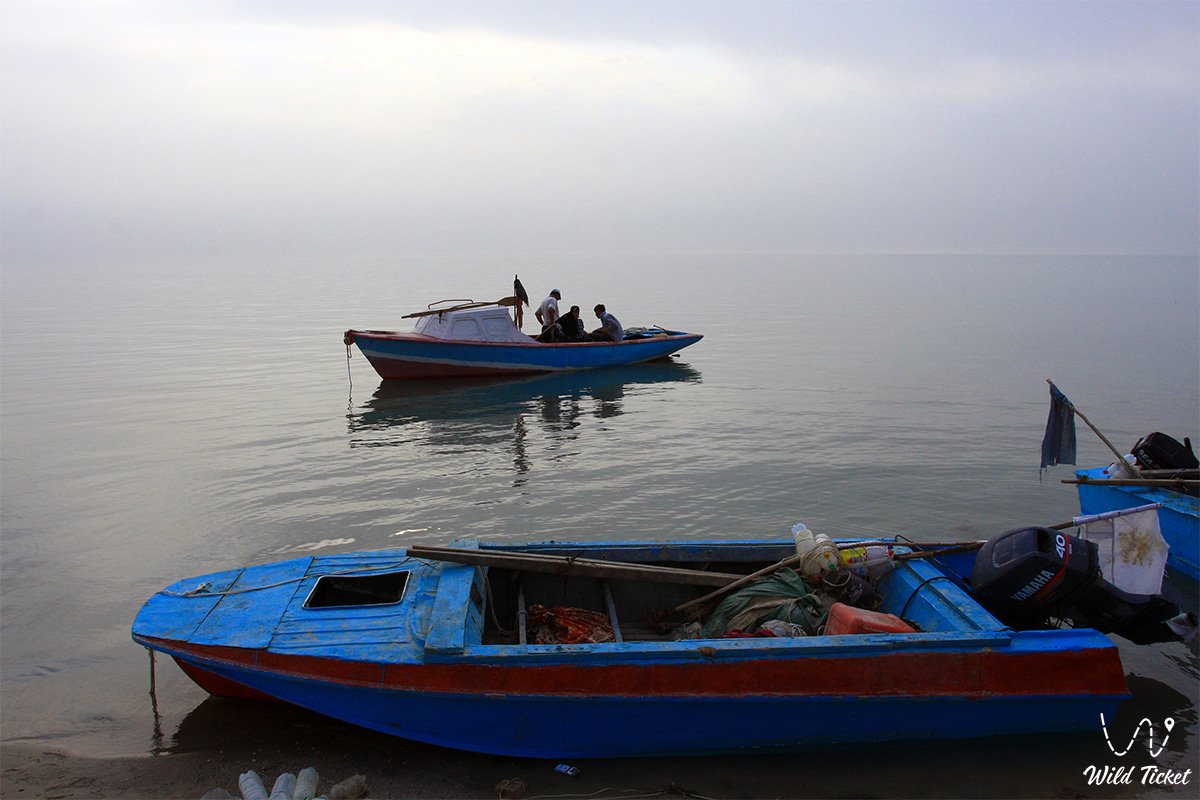
• Authentic life of the Aral region: No artificial decorations. You will spend the night in an authentic guesthouse in the fishing village of Tastubek, taste freshly caught Aral fish, and have lunch with local residents among the sands in the village of Akespe.
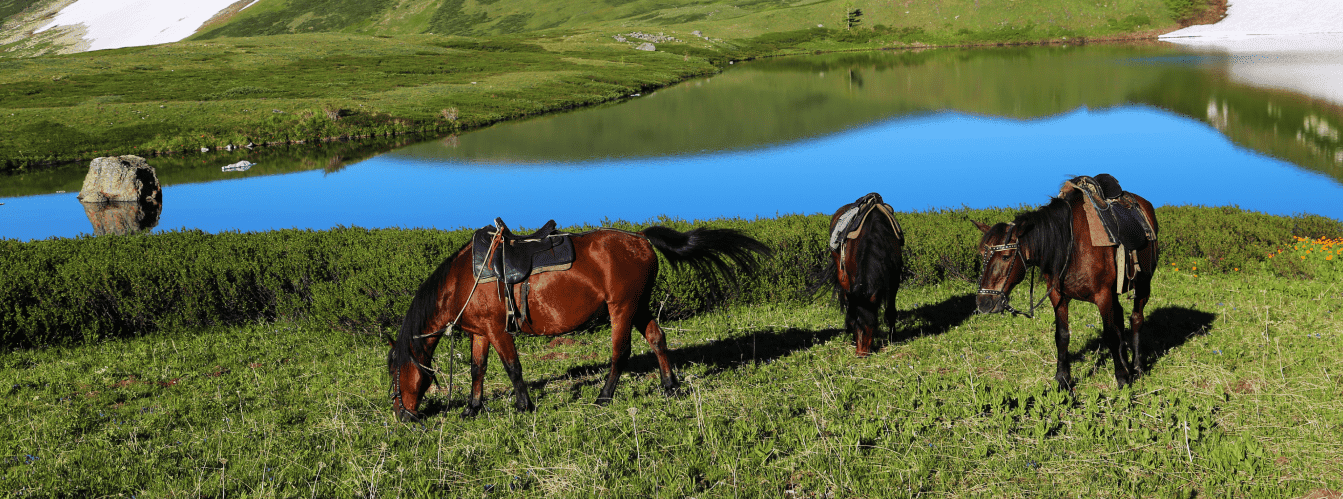
• Wild nature and relaxation: Endless sand dunes, swimming in the healing salty waters of the Small Aral Sea, relaxing by the picturesque Lake Kambash (Kamystybas), and hot thermal springs in the middle of the steppe await you.
• Grand engineering: You will see with your own eyes the Kokaral Dam and the Aklak sluice facility—unique structures that brought water and life back to the Small Aral.
• Antiquities and local flavor: You will stroll through the streets of old Kazalinsk (Ayteke Bi) with its 19th-century merchant houses and visit the mysterious medieval settlement of Zhankent, the former capital of the Oghuz Khanate.
This journey is for those who seek powerful emotions, appreciate wild aesthetics, and want to witness how nature and humanity fight for survival. Are you ready for the ultimate adventure of your life?
Read the detailed day-by-day tour program below:
Main route line:
Aralsk city – Tastubek village – Karateren village – Lake Kambash – Ayteke Bi village (Kazalinsk).
- Distance of the route:
650 km
- Season time:
May - June - July - August - September
- Best time:
May - June
- Group size:
1 - 15
- Days & nights:
5 days - 4 nights
Tour itinerary:
Arrival in Aralsk city – meeting at the railway station, beginning of the city tour. Inspection of the railway station and adjacent monuments. Visiting: the city museum, the museum of fishermen, the museum of ships of the Aral flotilla. Visiting monuments: Abulkhair Khan, Zhibek and Tolegen, the fisherman, the Przewalski's horse, the alley of heroes. Further transfer to the Aral hotel, accommodation, free time in the evening. Lunch, Dinner (at a local cafe in Aralsk city).
Breakfast at the hotel (discuss the start time with your driver-guide, approximately breakfast at 08:00, departure at 09:00).
Transfer: Aralsk city - Zhalanash village - Tastubek village (109 km).
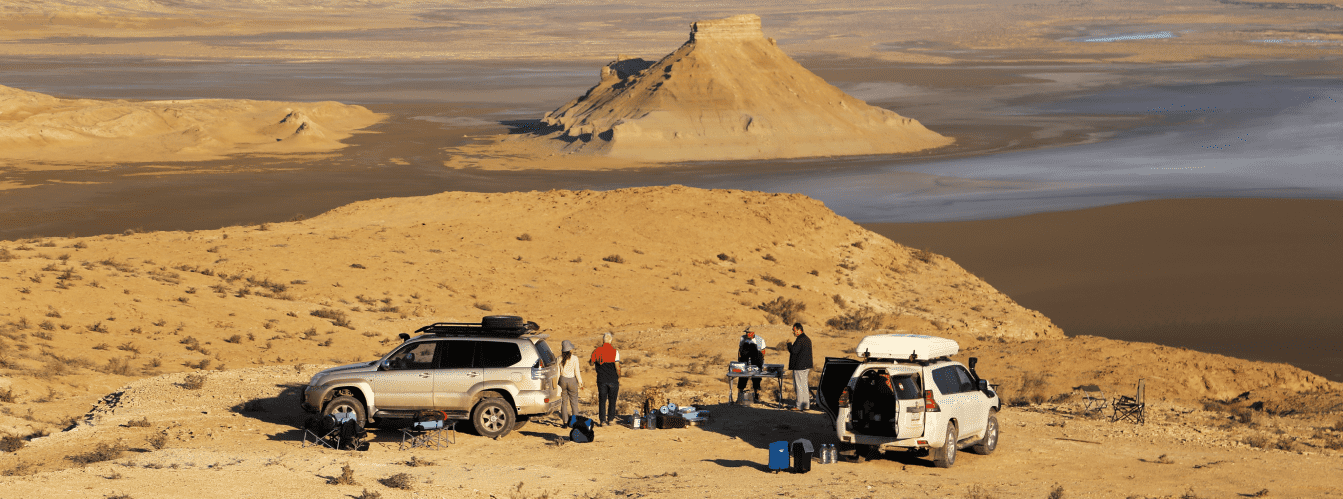
Upon leaving Aralsk city, our road will lie to the northwest. Somewhere after five kilometers of the journey, the asphalt road ends, and further a trip along a grader road to Zhalanash village awaits us. Approximately thirty kilometers before the village, on the left side of the road, we will see beautiful cliffs of the Saryshoky tract, the northern ledge of the Small Aral, and stop to take photos.
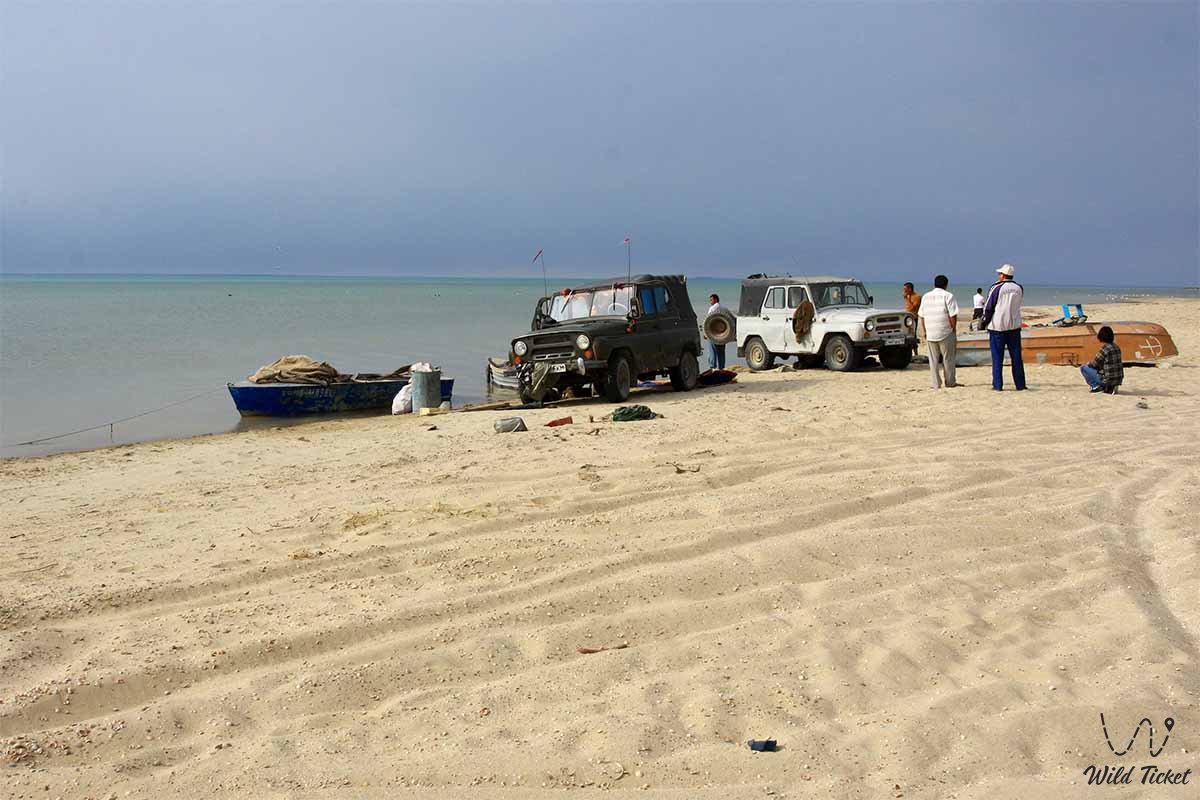
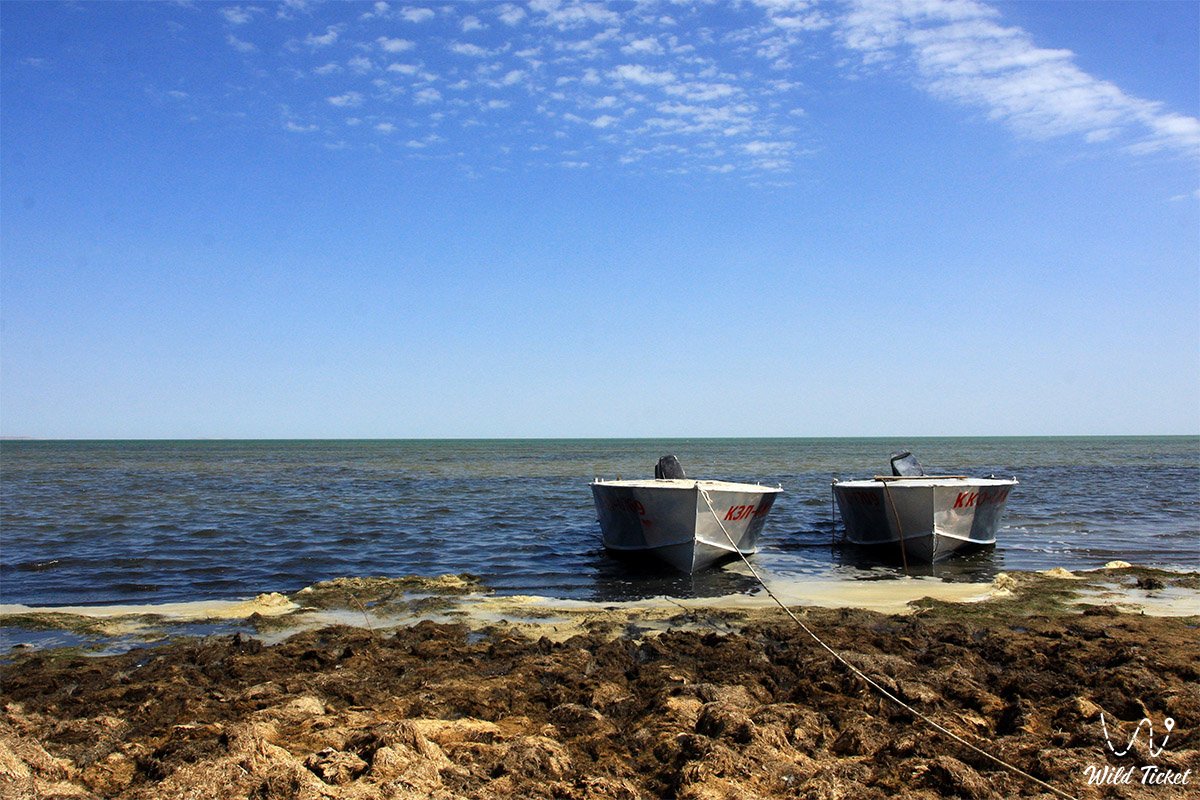
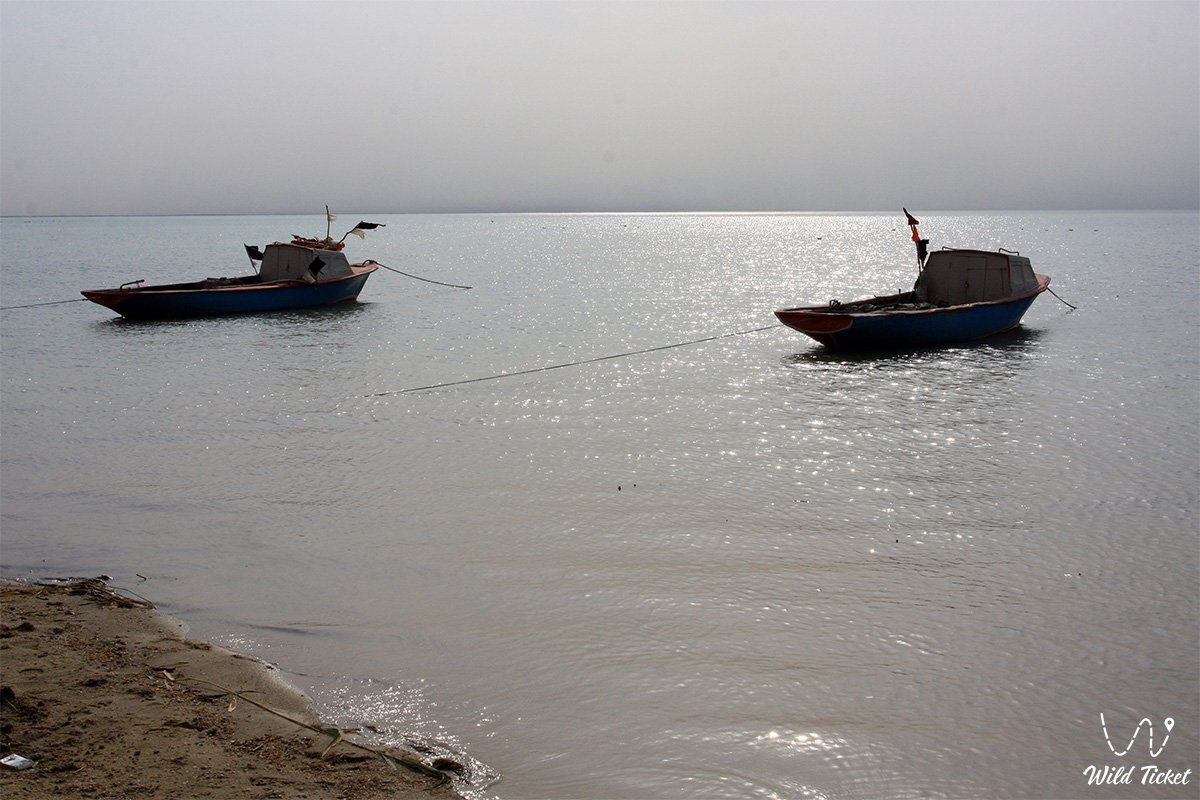
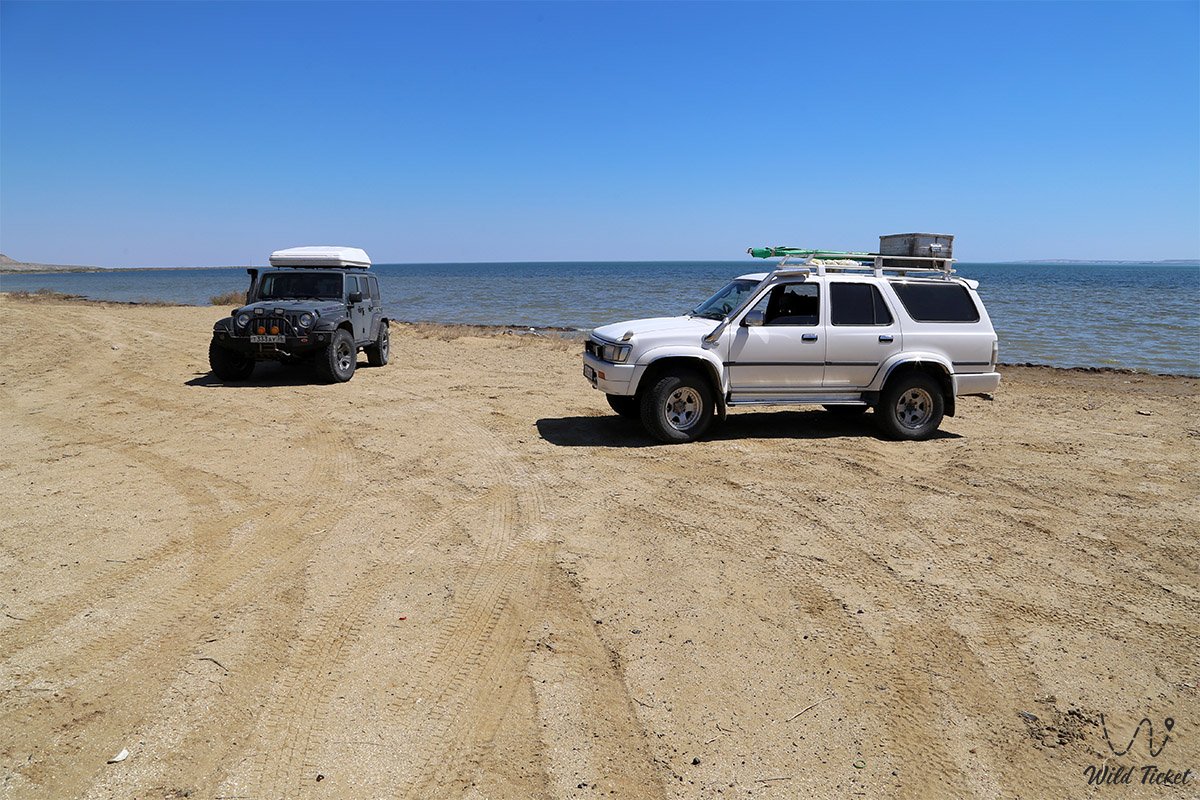
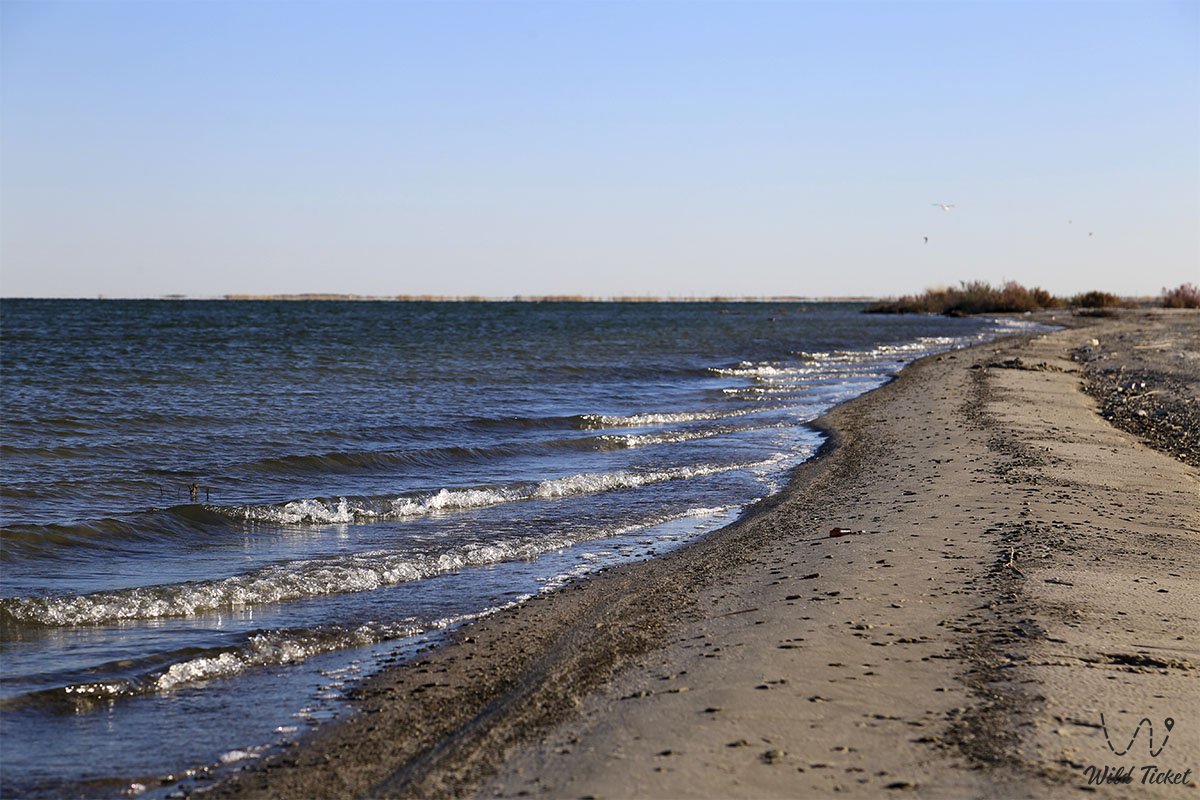
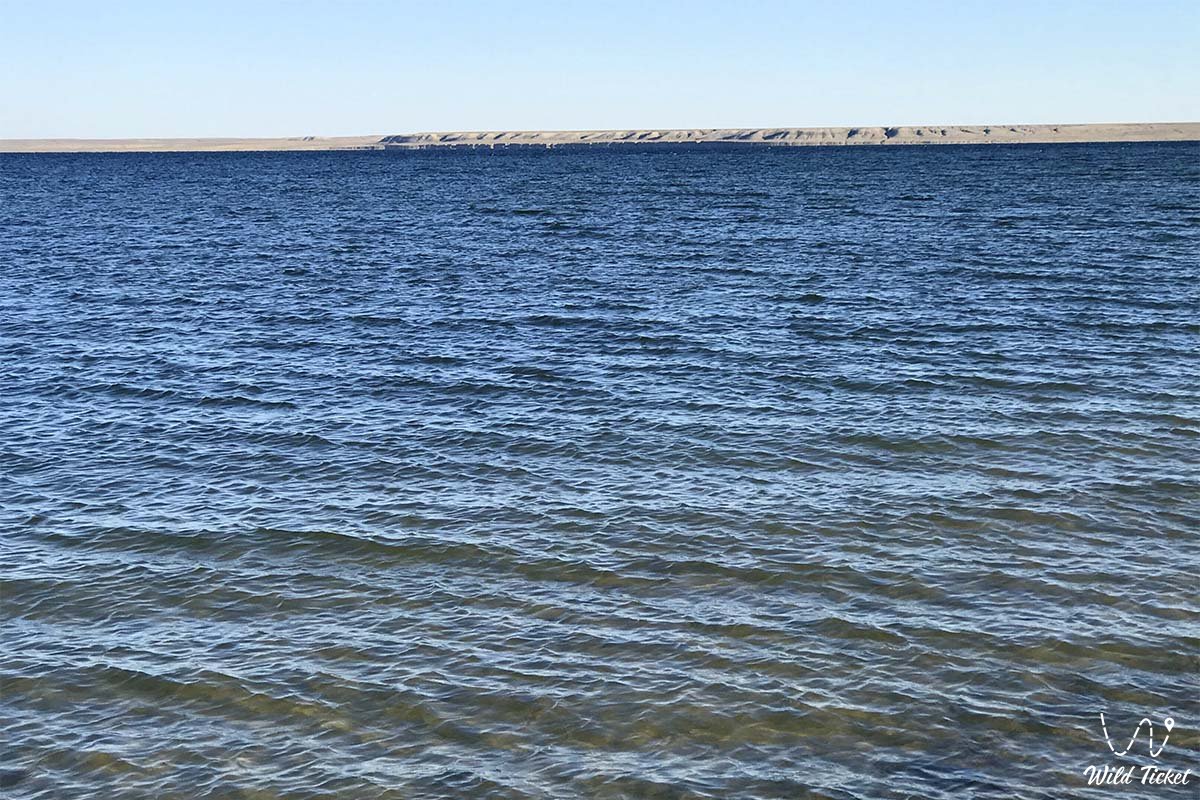
We reach Zhalanash village after 63 kilometers. An endorheic salt lake, called the Aral Sea, used to be located here, of which nothing is left in this part now. Having driven another 38 kilometers, we reach the coast of the Small Aral. Here we stroll, swim in the salty waters of the Aral, and also take part in fishing or go boating. Having finished the program on the coast, we transfer to the nearby Tastubek village, check into a guesthouse, have dinner, and relax. Breakfast at the Aral hotel. Lunch, dinner (at the guesthouse in Tastubek village).
Breakfast at the guesthouse.
Transfer: Tastubek village – Akespe village – Aralsk city (200 km).
After breakfast, we head north to Akespe village. Our road will pass along the eastern part of the Butakov Bay and lead us to the northernmost cliffs of the Small Aral. During our journey, we will stop to take photos of various beautiful landscapes.
Having driven forty-six kilometers, we reach a thermal spring located three kilometers from Akespe village (if there is a desire and opportunity to swim in the thermal spring, we will do so). We stroll and take photos. Next, we proceed to the village itself and take photos on the nearby sand dunes. We will have lunch in the village with local residents. After a late lunch, we return to Aralsk city. Accommodation at the hotel. Breakfast at the guesthouse in Tastubek. Lunch in Akespe village. Dinner in Aralsk (at the Aral hotel or at a local cafe).
Breakfast at the Aral hotel.
Transfer: Aralsk city – Bogen village – Karateren village – Amanotkel village – Lake Kambash – Ayteke Bi village (Kazalinsk) (350 km).
We set off for the fishing village of Bogen, where we will visit a local mosque and a school built in 1954, which is located right among the sand dunes. After Bogen village, we will stop by the Aklak sluice facility. This sluice facility is located on the Syr Darya River and was built to fill a number of lakes situated upstream from the dam.
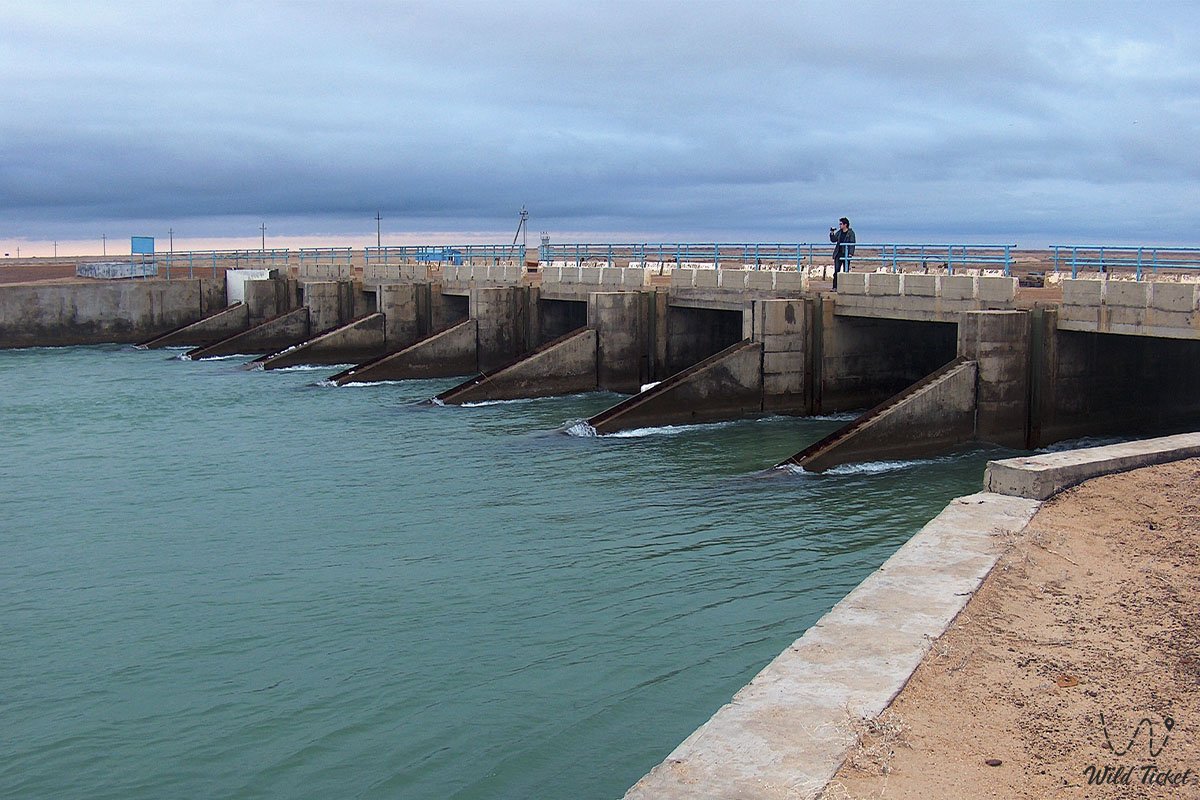
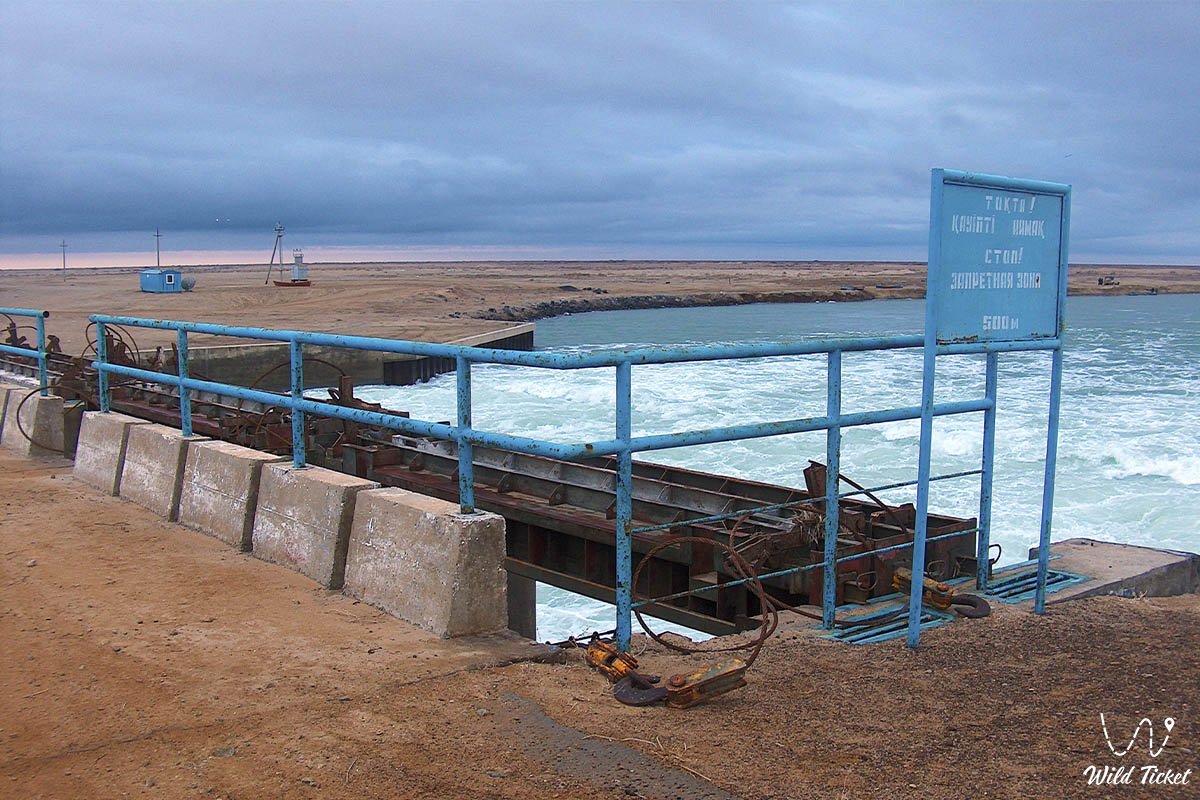
After visiting the sluice facility, a trip to the Kokaral Dam awaits us, which is 13.7 kilometers long and six meters high. It features a hydraulic gate that makes it possible to discharge excess water. This helps regulate the reservoir level and separates the Small Aral from the Big Aral.
Attention: The Aklak sluice facility and the Kokaral Dam are strategic facilities; walking around the territory and photo/video shooting there are strictly prohibited.
Having finished inspecting the dam, we head towards Lake Kambash. On our way, we will come across a bridge over the isthmus between two lakes — Kambash and Laykol.
There are about a dozen lakes in this area, such as Sarykkol, Zhalanashkol, Karakol, and others. Upon arrival in Koszhar village, we head to a fish processing plant (the equipment for which was brought from Israel) and learn about the operation of the local fish hatchery. Note: the fish hatchery itself operates in its active phase only in the spring time from April to May.
After the trip to the plant, the road to Lake Kambash awaits us. Upon arrival at the lake — a stroll along the shore and relaxation. Then we go to Ayteke Bi village. Accommodation at the hotel. Breakfast at the Aral hotel. Lunch along the route (in Bogen village or in a cafe at Lake Kambash, depending on the travel time). Dinner in Ayteke Bi at a cafe.
Breakfast at the hotel in Ayteke Bi.
Next, a tour of Kazalinsk: a sightseeing tour and a visit to the Gani Muratbayev Museum await us, as well as an inspection of various monuments and the mausoleum of Karasakal Erimbet. After inspecting the mausoleum, we will visit the house of Ganibay and the Nogaichikov Mosque (both structures date back to the nineteenth century). Next, we will see the building of the district house of culture named after Roza Baglanova (a former church built in 1904) and stop by the city square.
Next, a trip to the Zhankent ancient settlement awaits us, which is located near Orkendeu village. Arriving in Zhankent (former Yangikent), we set off on a sightseeing tour of the settlement, after which we return to Ayteke Bi village to the railway station. Departure by train at the appointed time from Ayteke Bi (Kazalinsk) to Kyzylorda.
Breakfast at the hotel in Ayteke Bi. Lunch in a cafe in Ayteke Bi. Dinner in Ayteke Bi before departure (the time is agreed upon with the driver-guide).
Back in the mid-20th century, the Aral Sea was the fourth largest endorheic lake on the planet, a true oasis in the heart of the Central Asian deserts. Its area exceeded 68 thousand square kilometers, shipping flourished on it, and the ports of Aralsk and Muynak received huge fishing fleets. Local plants supplied canned fish to the entire vast country.
The environmental disaster began in the 1960s, when for the sake of a large-scale expansion of cotton and rice plantations, the waters of the main feeding arteries – the Syr Darya and Amu Darya – were diverted into thousands of irrigation canals. The inflow of fresh water into the sea decreased critically. The Aral began to recede rapidly from its shores, right before the eyes of a single generation.
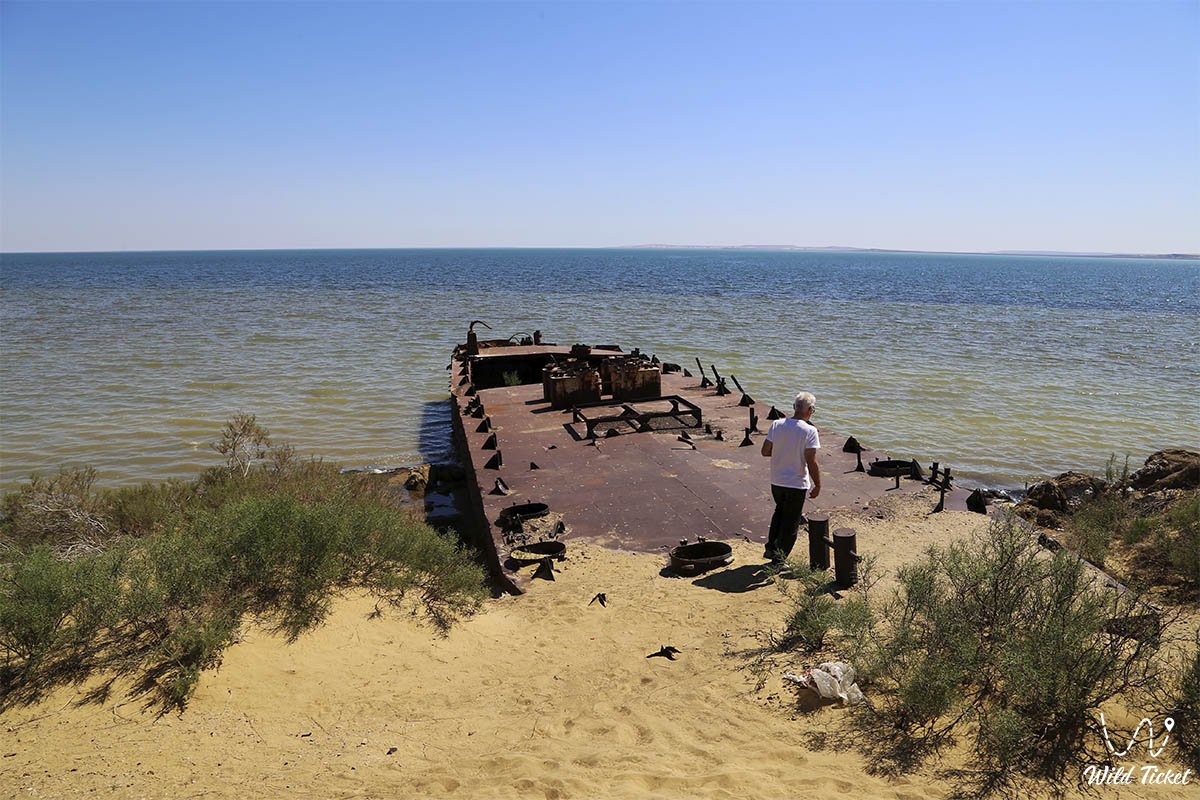
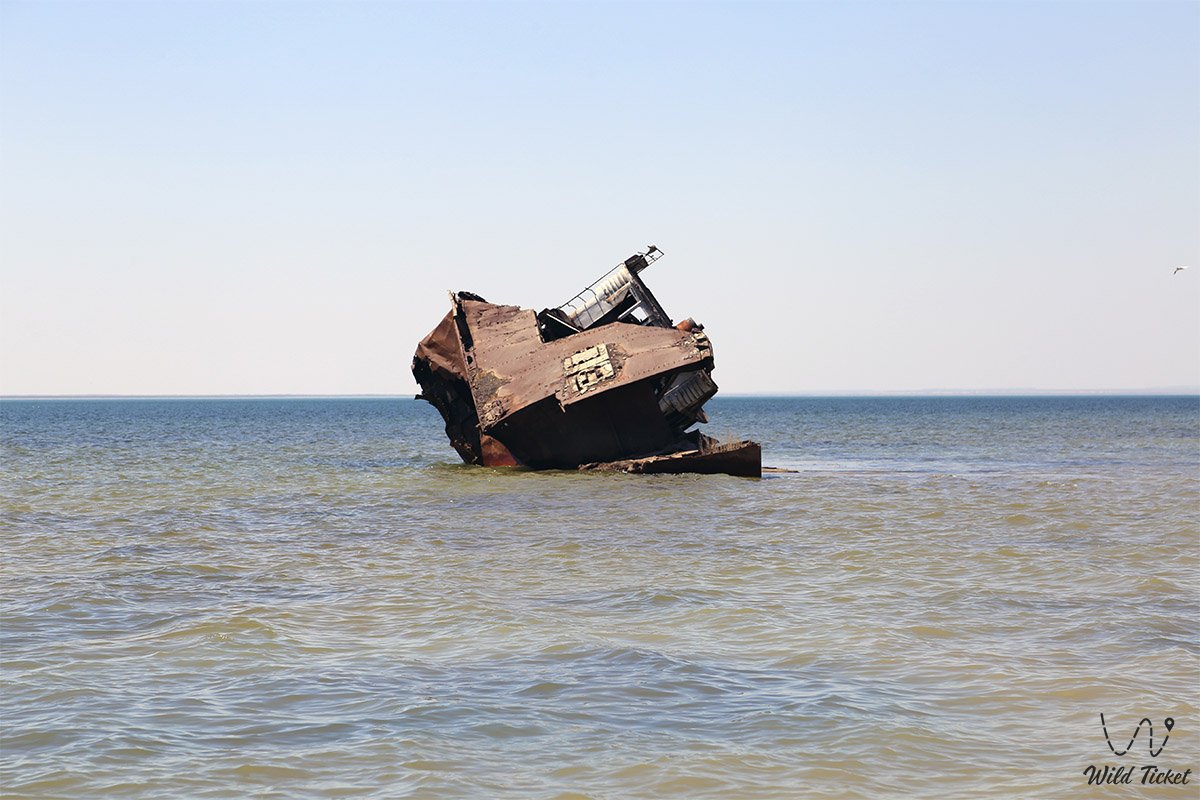
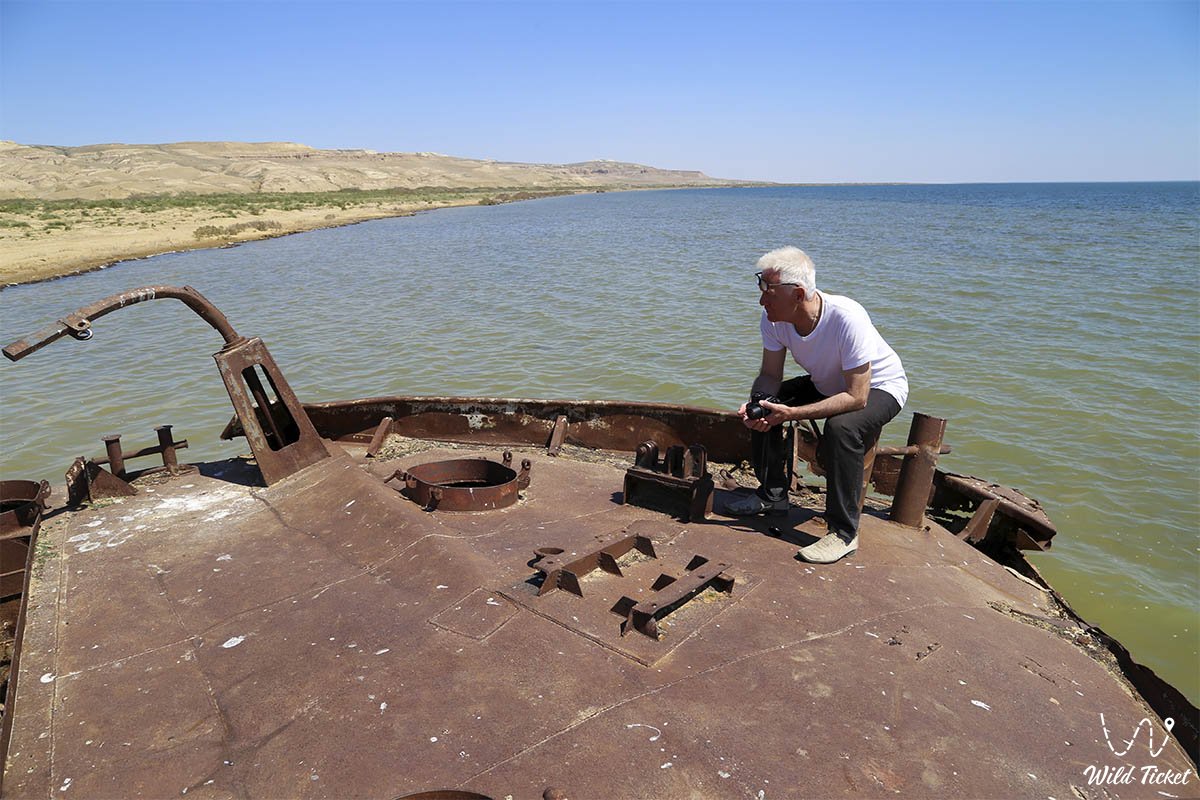
By the end of the 1980s, the single giant body of water was divided into two isolated parts: the southern part (Big Aral) and the northern part (Small Aral, located on the territory of Kazakhstan). The water receded from Aralsk by more than 100 kilometers. The exposed bottom turned into a new, dead desert called Aralkum, with an area of more than 5 million hectares. The wind began to scatter salt poisoned with pesticides for thousands of kilometers around, port cranes froze amidst the sand dunes, and ships found themselves trapped in the sands, turning into silent rusty ghosts.
While the South Aral Sea completely dried up and disappeared, the Kazakh northern part received a unique chance of salvation. In the 1990s, local residents and authorities began building makeshift sand dams to retain at least the water of the Syr Darya, but storms destroyed them time after time.
The turning point came in 2005, when within the framework of a large-scale project, the construction of a monumental engineering structure – the Kokaral Dam – was completed. It spanned across the Berg Strait, definitively separating the Small Aral from the drying Big Aral. The dam, almost 14 kilometers long and 6 meters high, is equipped with a powerful hydraulic gate that allows regulating the water level and discharging its excess to the south.
The results exceeded all expectations of scientists. In just a few years, the water level in the Small Aral rose by several meters, and the area of the water mirror grew by almost 30%. The sea approached Aralsk to a distance of about 17 kilometers. But most importantly – the salinity of the water dropped from a critical 30 grams per liter to an acceptable 8–9 grams. This made it possible to return commercial fish species (flounder, bream, carp, pike perch) to the body of water. Today, life has returned to the coastal villages: fishing teams and plants are working here again, and local residents look to the future with hope. In our expedition, you will see with your own eyes this rarest example of how human engineering was able to reverse a global catastrophe.
Photogallery: