Legendary Soviet shuttle that conquered space in automatic mode -
Buran Spacecraft is a Soviet reusable orbital rocketplane that became one of the most ambitious projects in the history of domestic cosmonautics. Developed as a response to the American Space Shuttle program, it was intended for launching payloads into orbit, conducting scientific and military research, servicing orbital stations, and returning cargo to Earth. To see the Buran, you need to reach the city of Baikonur, from where tours to the cosmodrome begin.
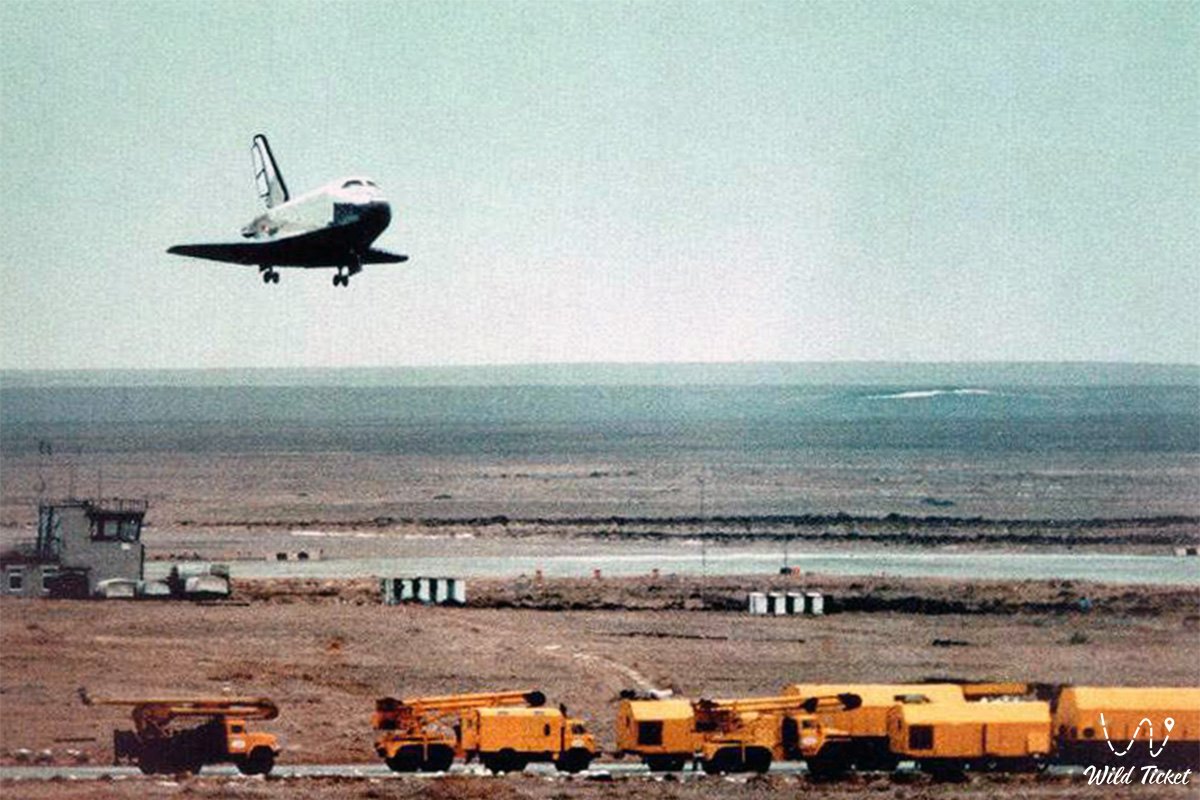
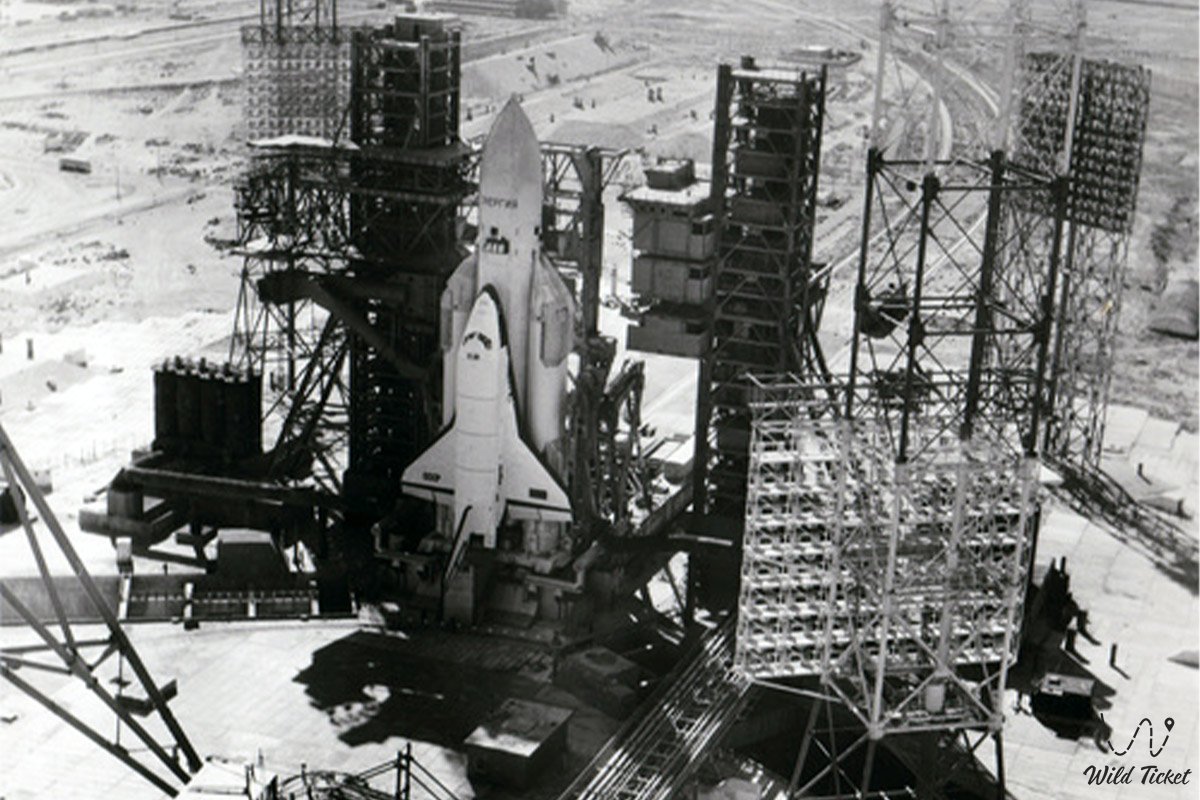
The Energia-Buran program became the pinnacle of the scientific and technical potential of the USSR in the 1980s, uniting more than 1,200 enterprises and about 1.5 million specialists. The only orbital flight of the spacecraft took place on November 15, 1988: in fully automatic mode, Buran completed two orbits around the Earth and made a high-precision landing at the Yubileyniy Airfield at the Baikonur Cosmodrome.
Today, Buran remains a symbol of a technological breakthrough achieved at an unprecedented level of complexity of design and production tasks. The program was closed in the early 1990s, but the shuttle's heritage continues to live in unique technologies, materials, and automation systems that were developed to ensure its safe flight and return.
---------------------------------------------
How to get there and visit -
The Buran spacecraft can be viewed at the Baikonur Cosmodrome, a desert area 40 kilometers from Baikonur City, Kyzylorda region, Republic of Kazakhstan.
GPS geographical coordinates (Cosmodrome Museum): 45°54'34"N 63°19'04"E
A trip to the cosmodrome is carried out by prior agreement through accredited travel companies. The most convenient way is a flight to the airport of Kyzylorda city or using railway transport to the Tyuratam station. On the territory of the cosmodrome, movement of groups occurs on specialized transport, as the objects of the Buran program are scattered across different pads.
Opening hours: Visiting the objects of the museum complex is available within excursion programs approved by the administration of the cosmodrome. It is recommended to plan your visit in advance, checking the opening hours of museums and the accessibility of pads. During the visit, it is important to observe safety rules and follow the instructions of accompanying persons.
Contacts Daily: Applications for organizing excursions are accepted by licensed tour operators working on the territory of the cosmodrome. The minimum program to the Baikonur Cosmodrome consists of 3 full tour days.
---------------------------------------------
History
In 1972, after the announcement of the Space Shuttle program by US President Richard Nixon, Soviet intelligence and specialists assessed the potential threat: the shuttle could be used as a nuclear weapons carrier or a tool for kidnapping Soviet satellites. In 1973, development of the project began, and in November 1976, the technical specification for Energia-Buran was approved. The leading developer was NPO Molniya headed by Gleb Lozino-Lozinsky, who had experience working on the Spiral project. Production was carried out at the Tushino Machine-Building Plant from 1980.
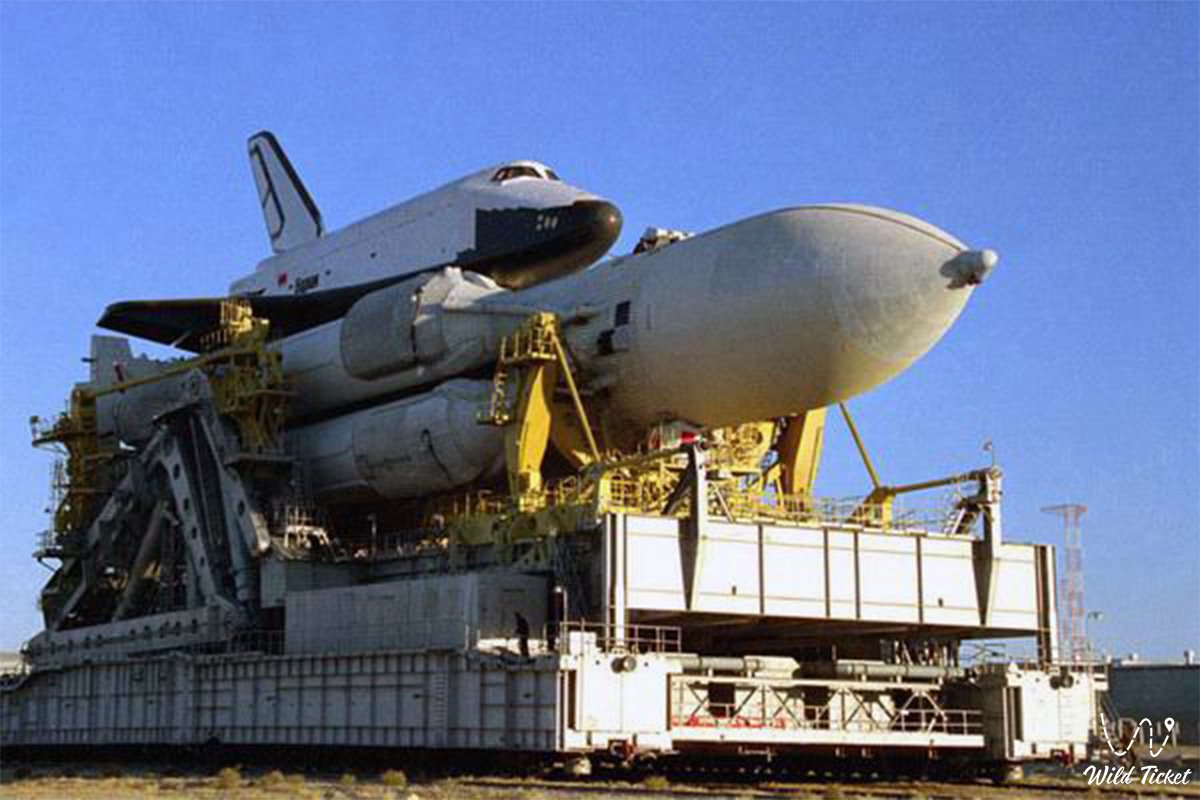
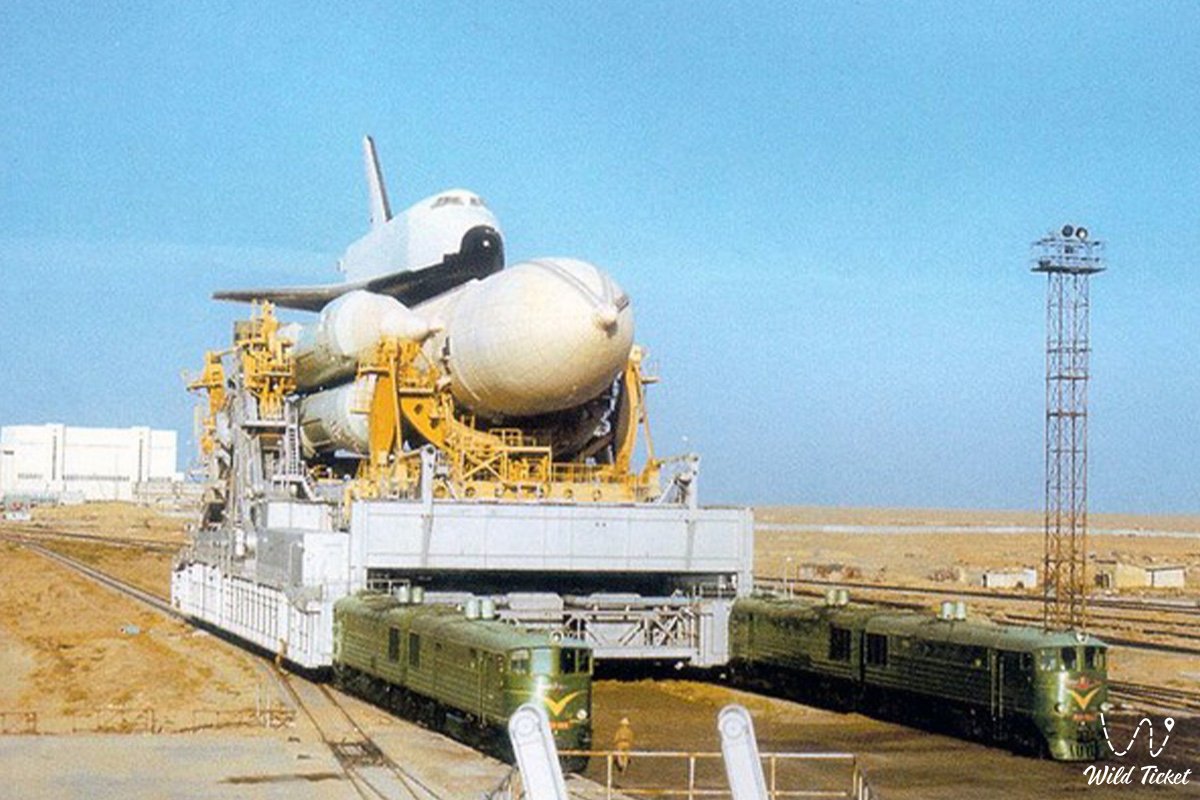
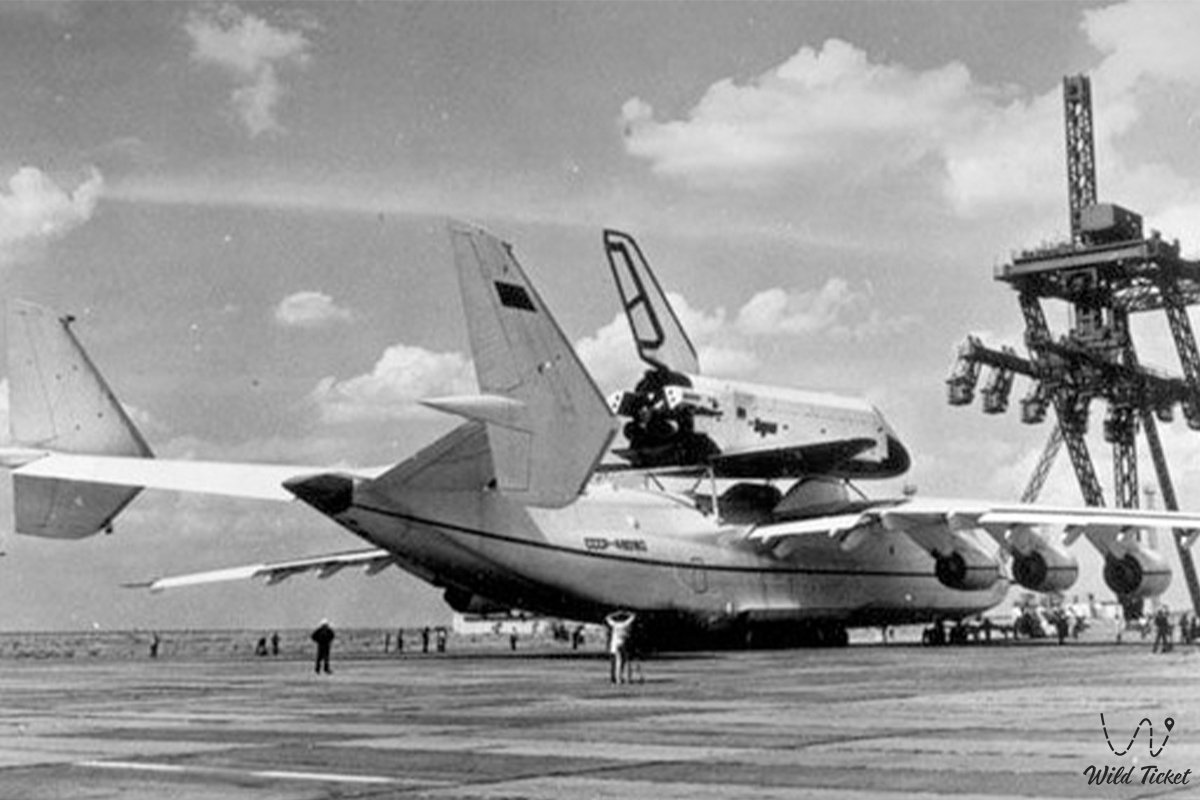
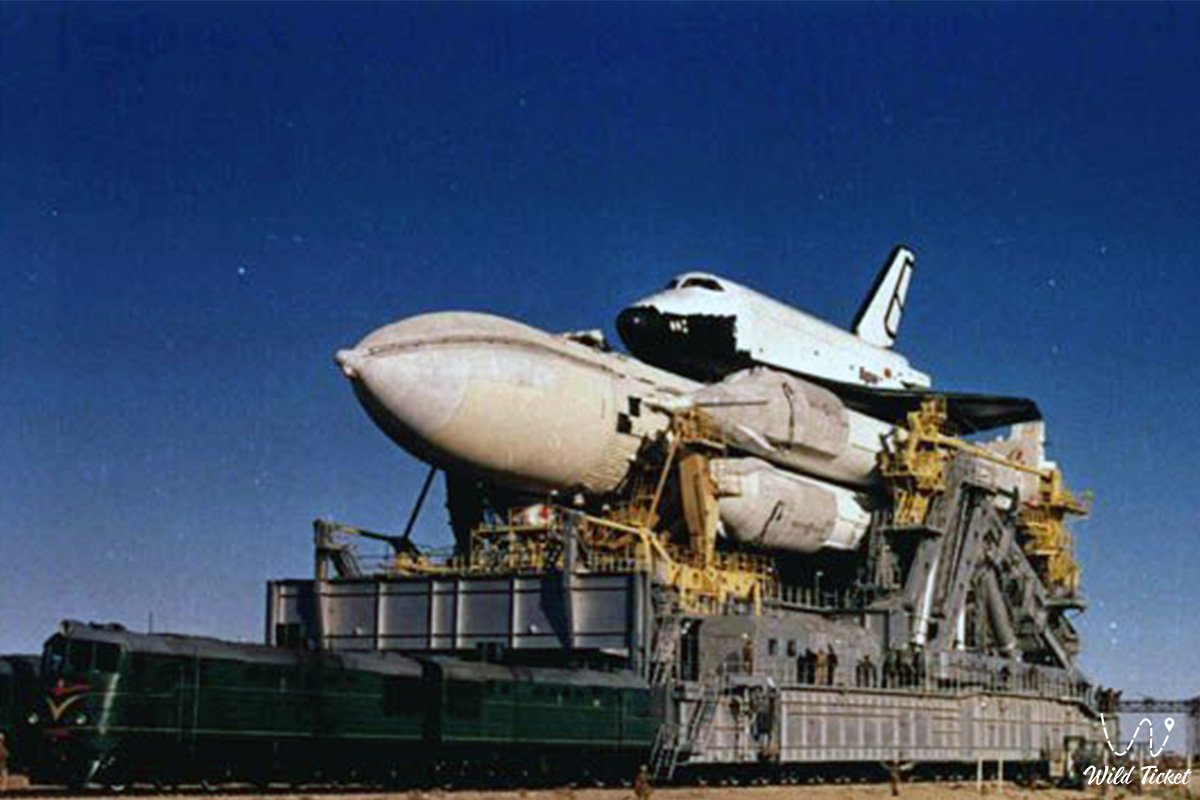
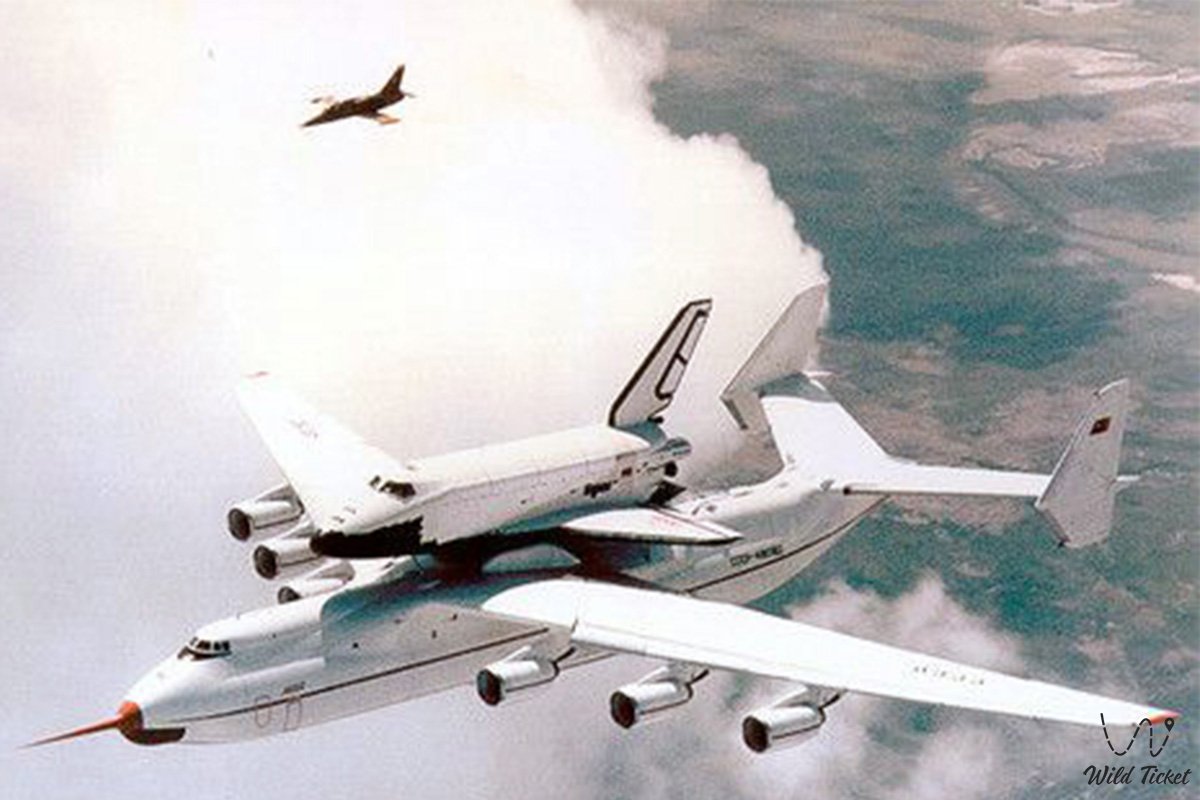
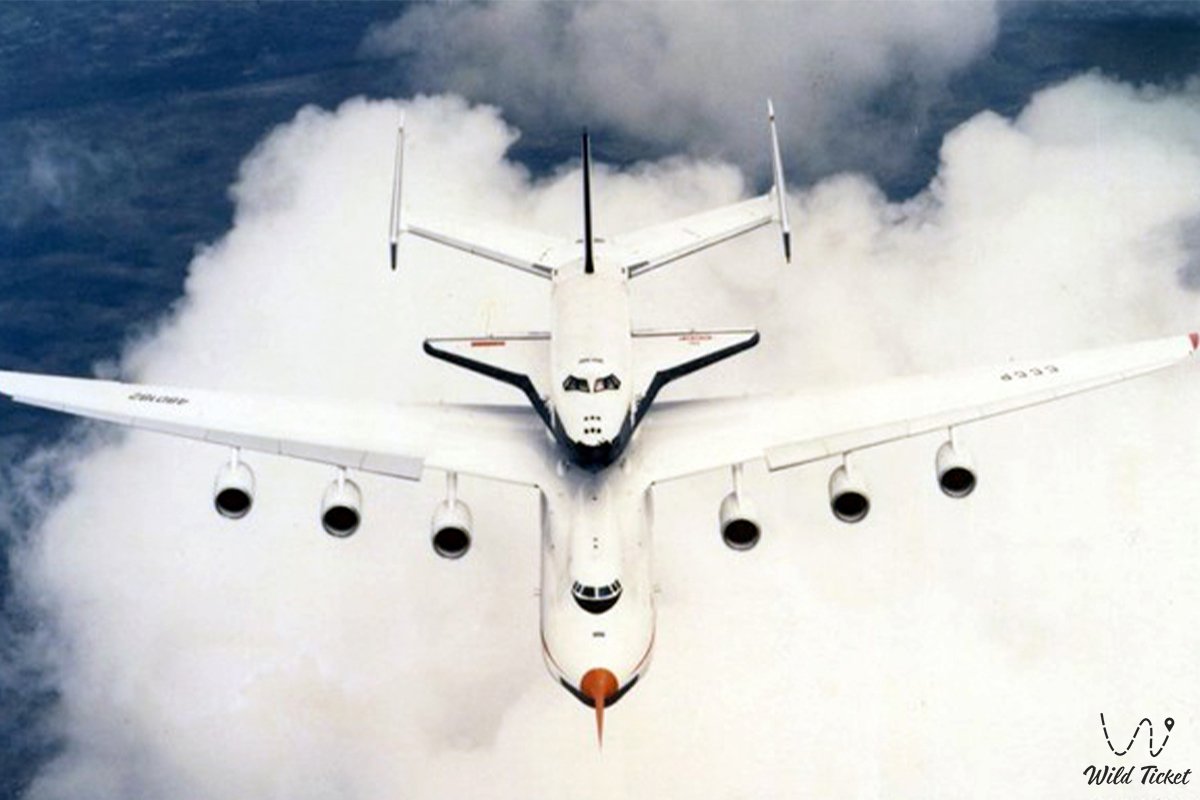
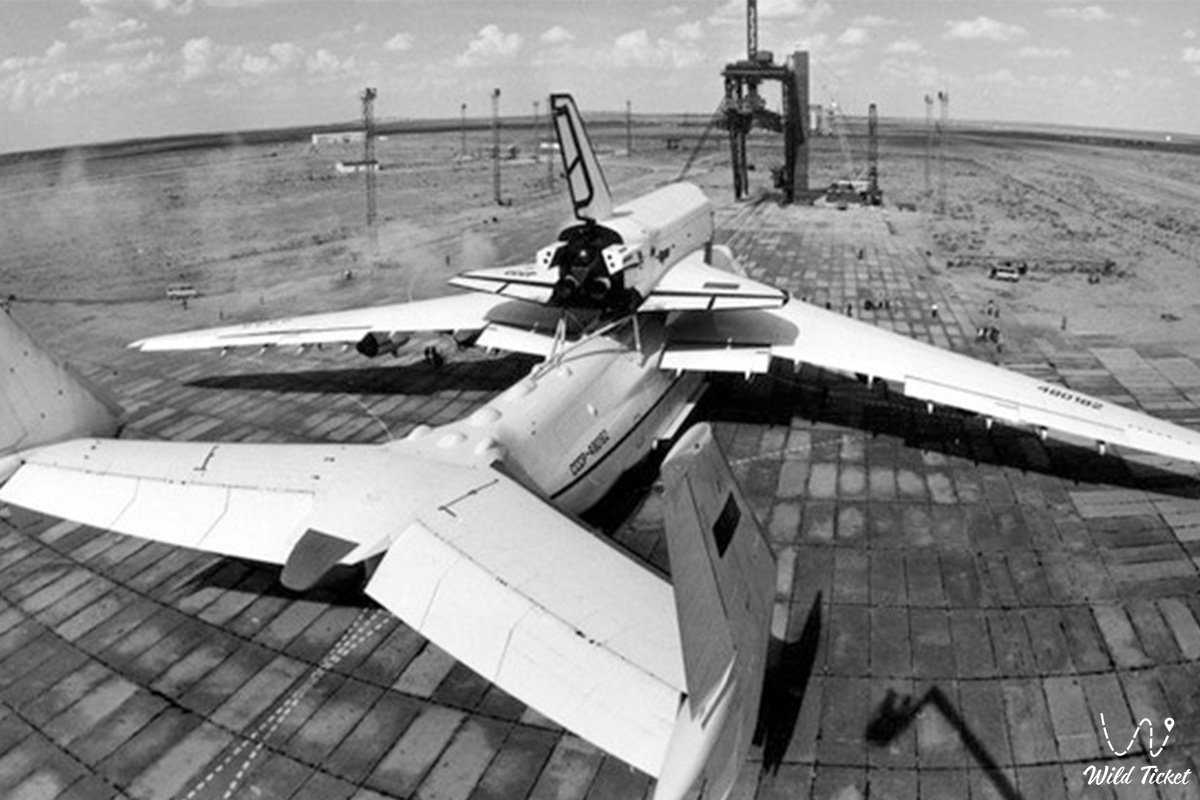
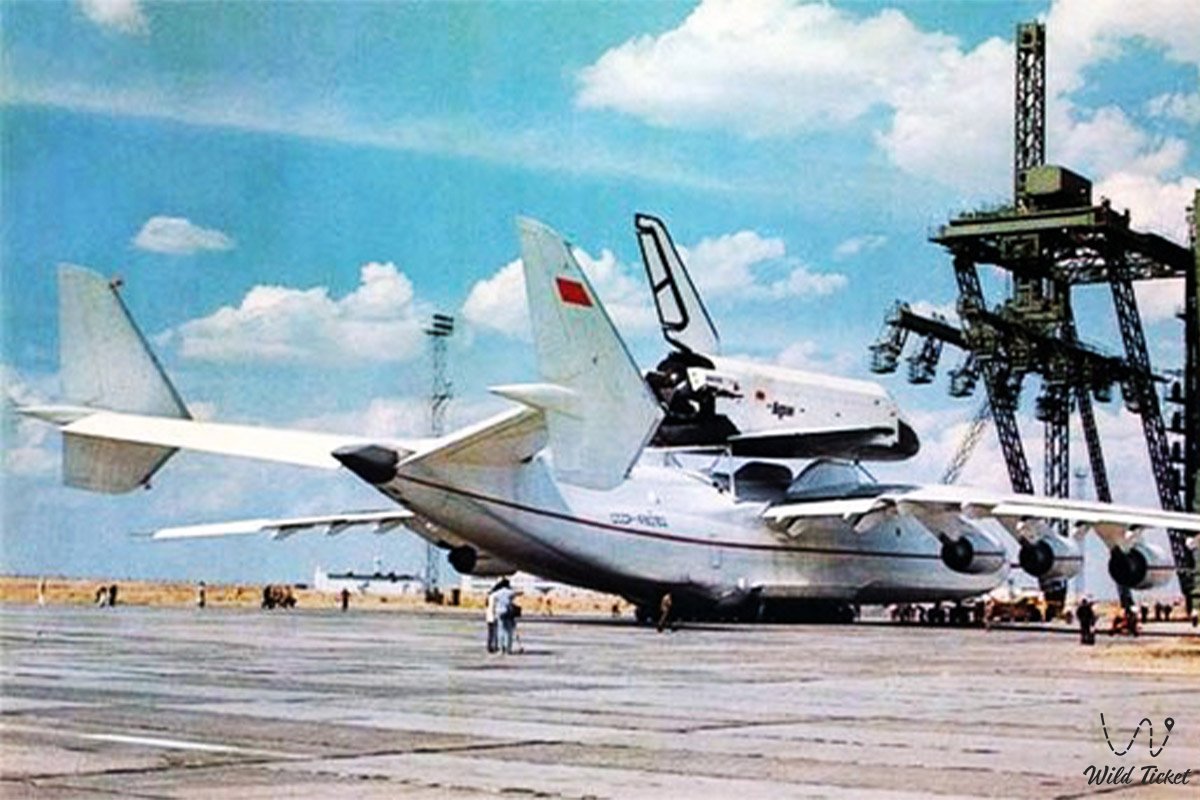
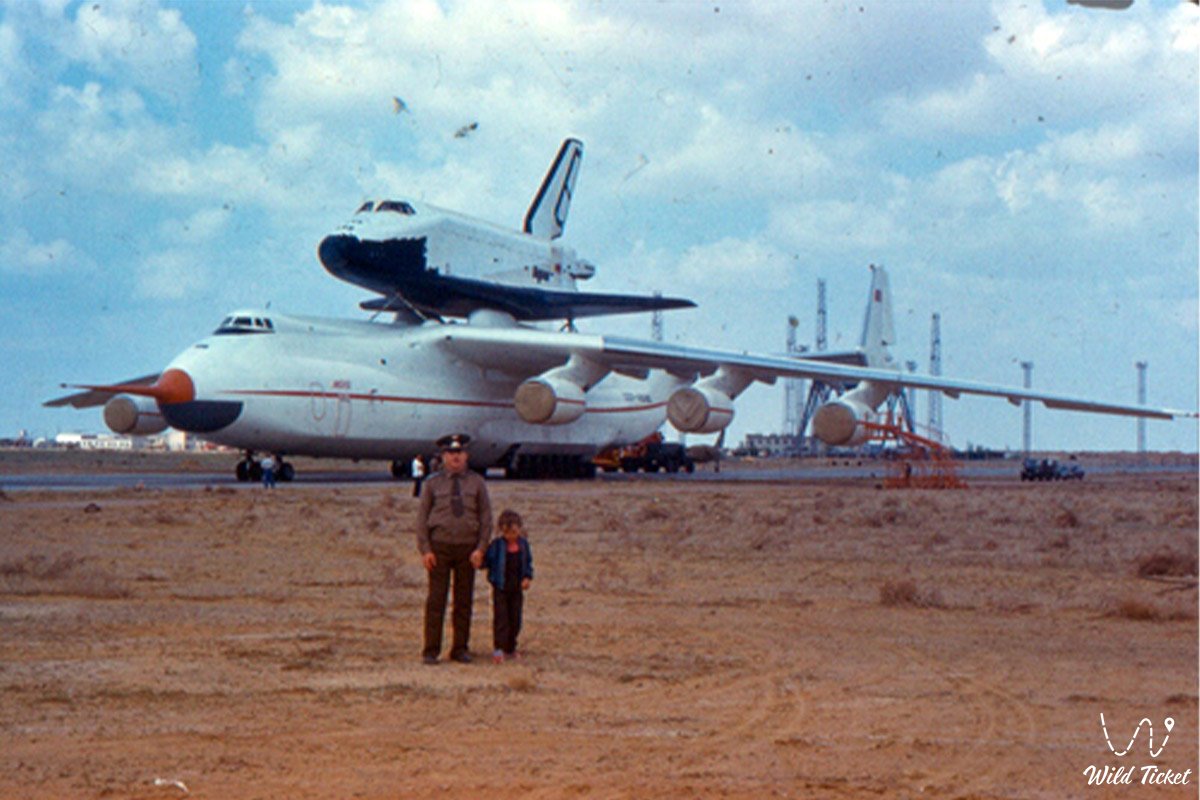
The program included the creation of the Energia ultra-heavy rocket, the Yubileyniy Airfield for landing, the VM-T Atlant and An-225 Mriya transport aircraft, as well as the BTS-002 training analogue for atmospheric flights.
On November 15, 1988, Buran made a triumphant flight, entered into the Guinness World Records as the first automatic orbital flight with a landing. Unfortunately, political changes and the economic crisis of the early 90s led to the closure of the program. The official decision to terminate work was made in 1993. The tragic finale occurred on May 12, 2002: during the collapse of the roof of the assembly and testing building at Baikonur, the only spacecraft that flew into space was completely destroyed.
Information
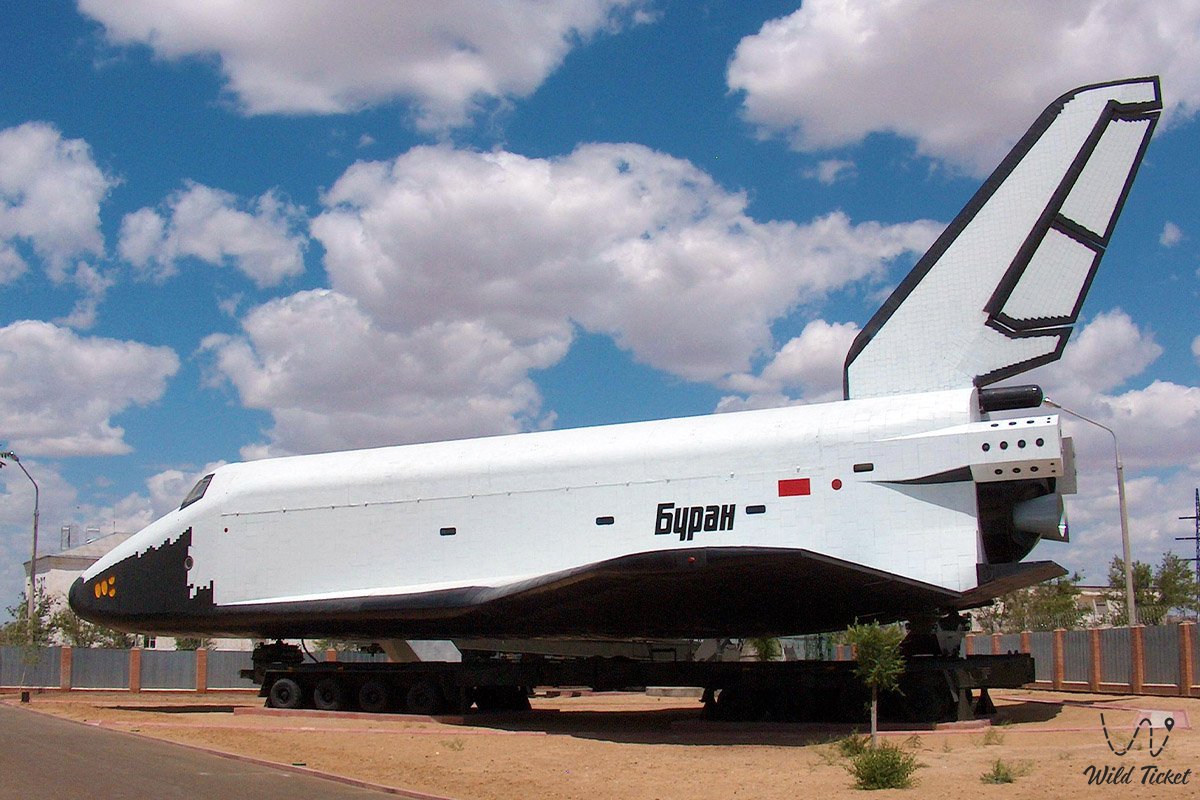
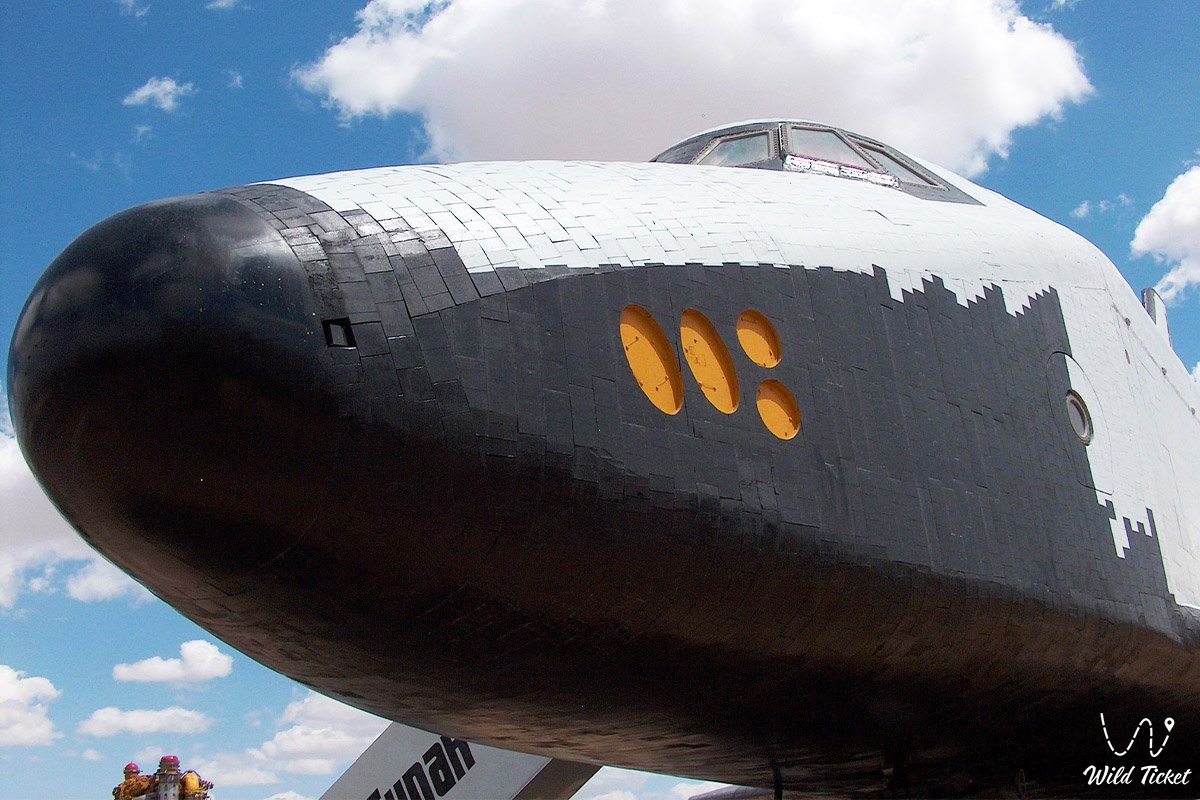
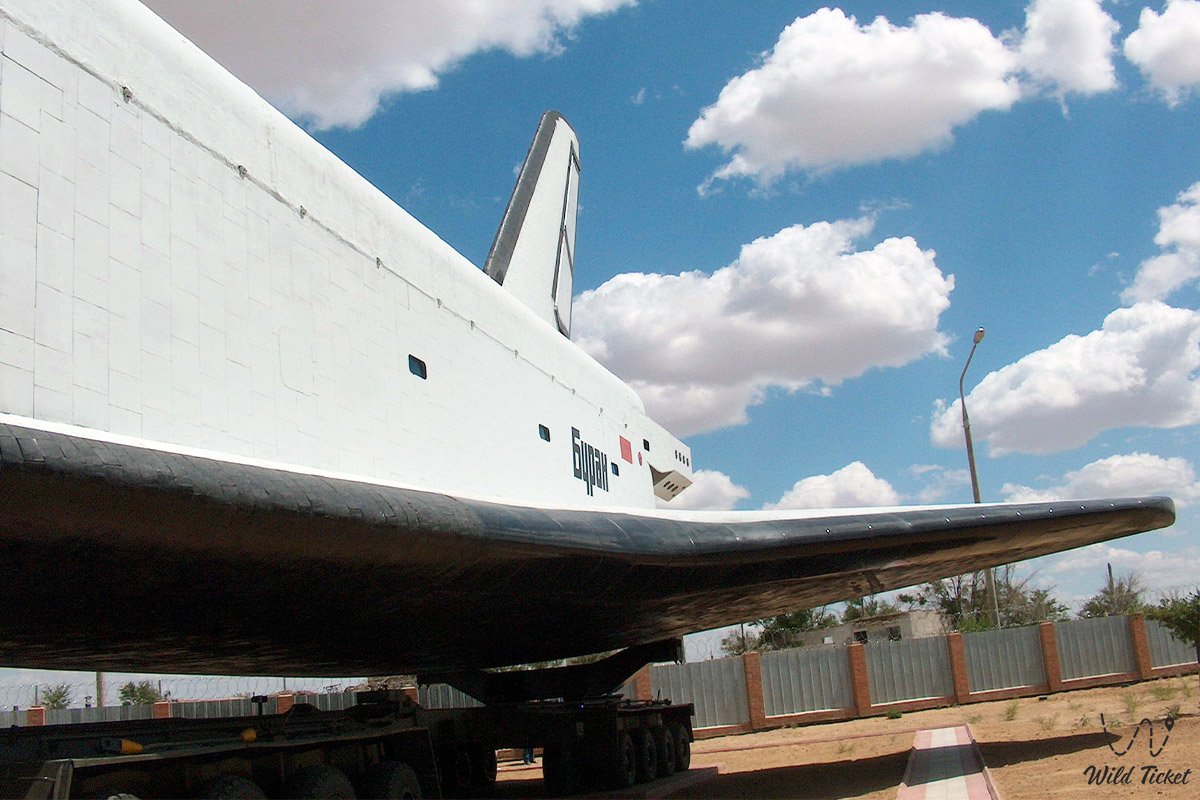
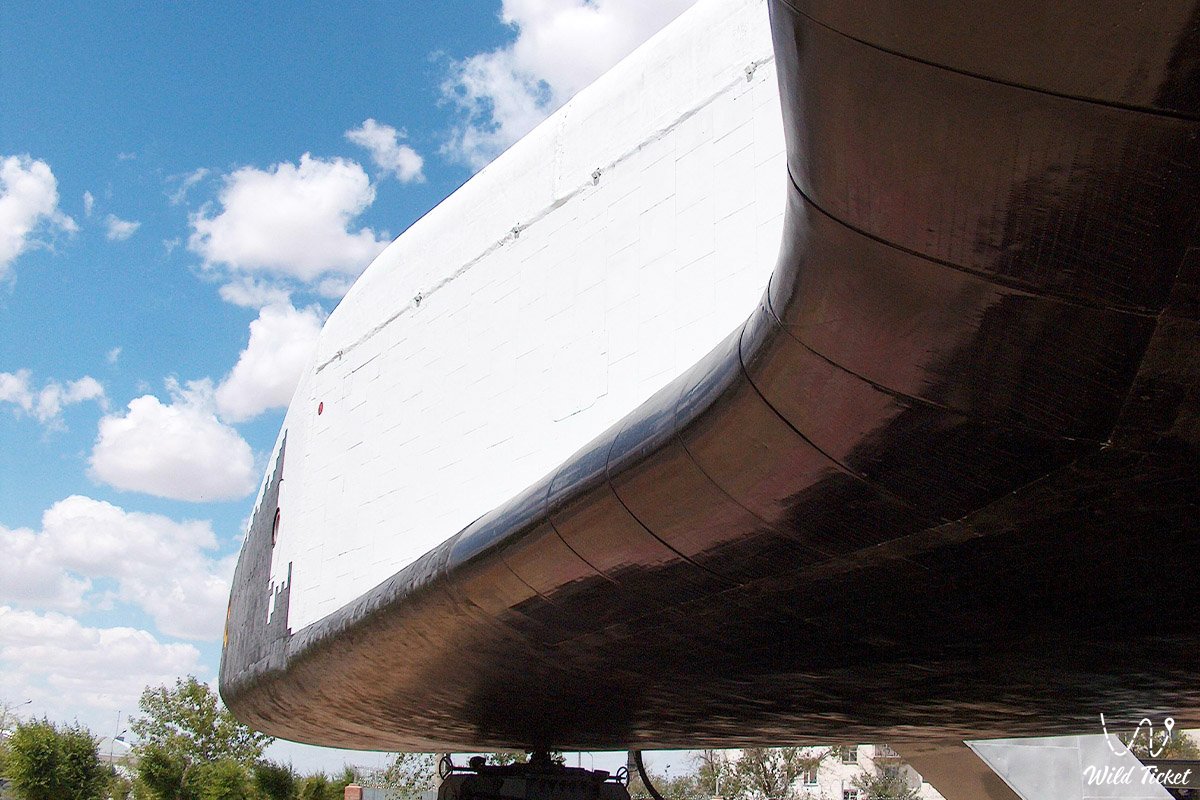
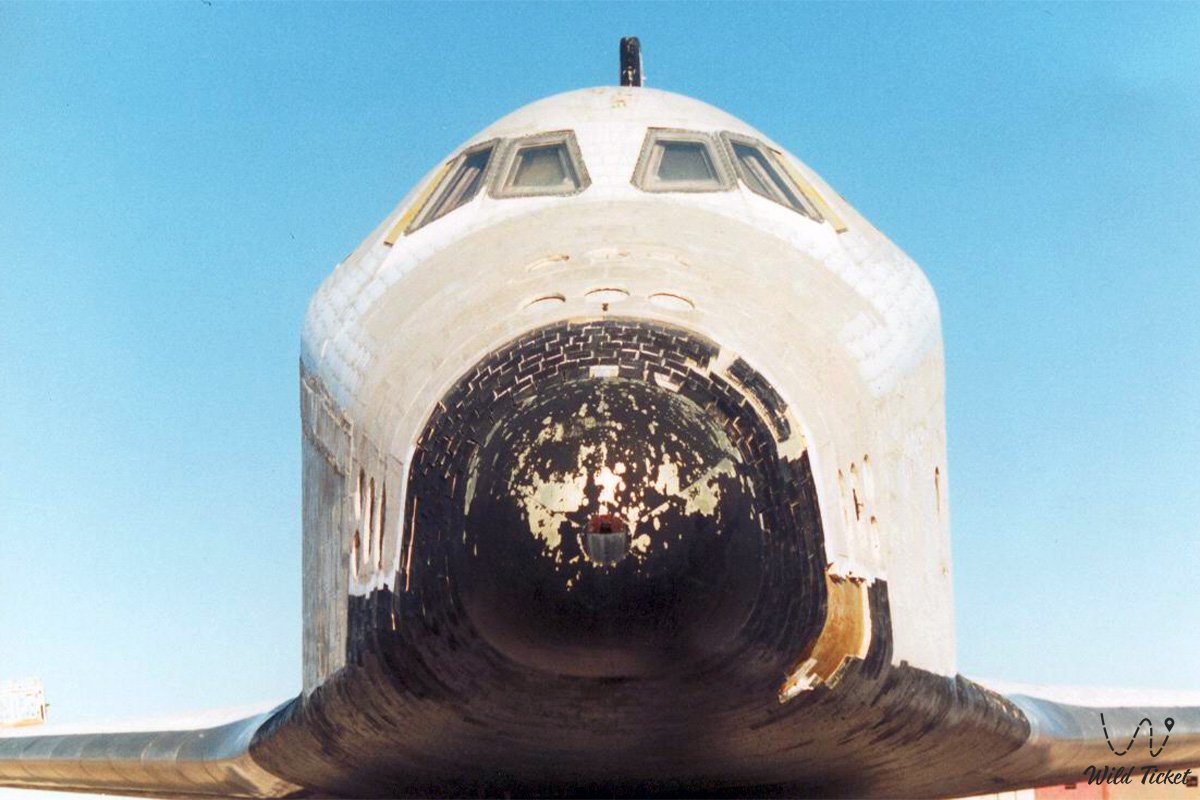
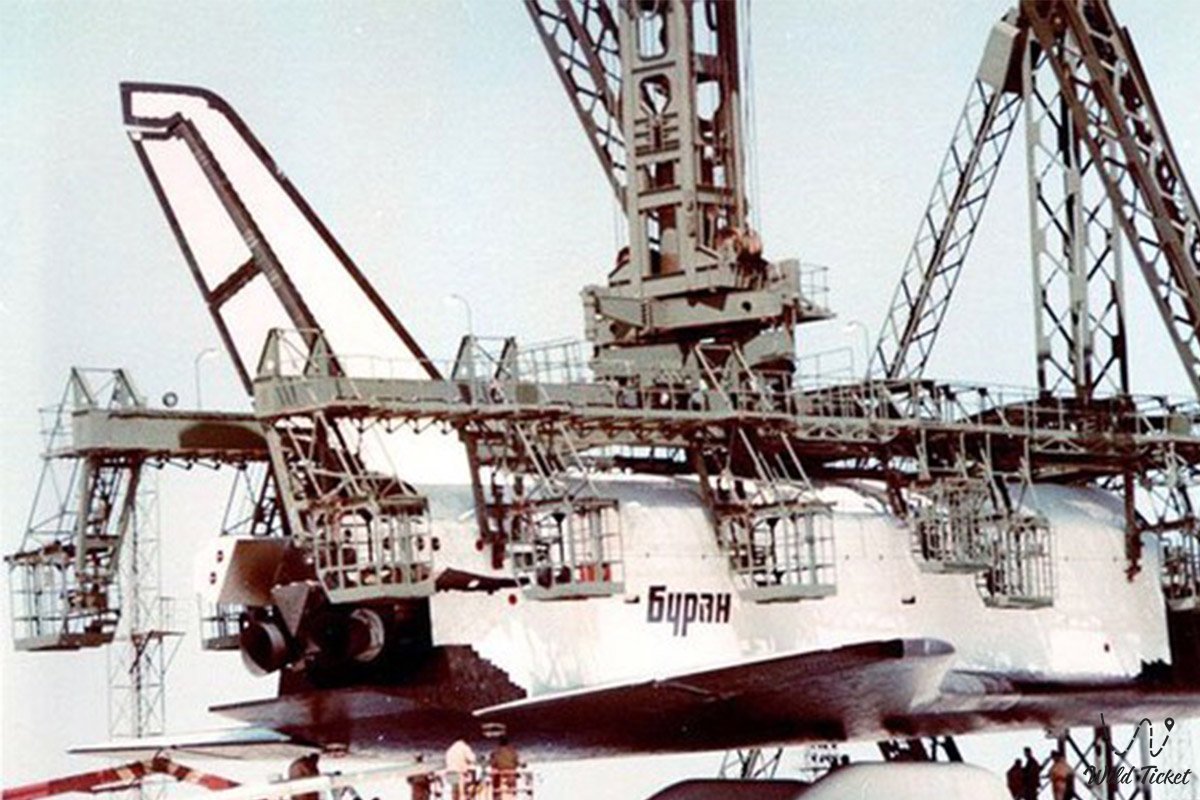
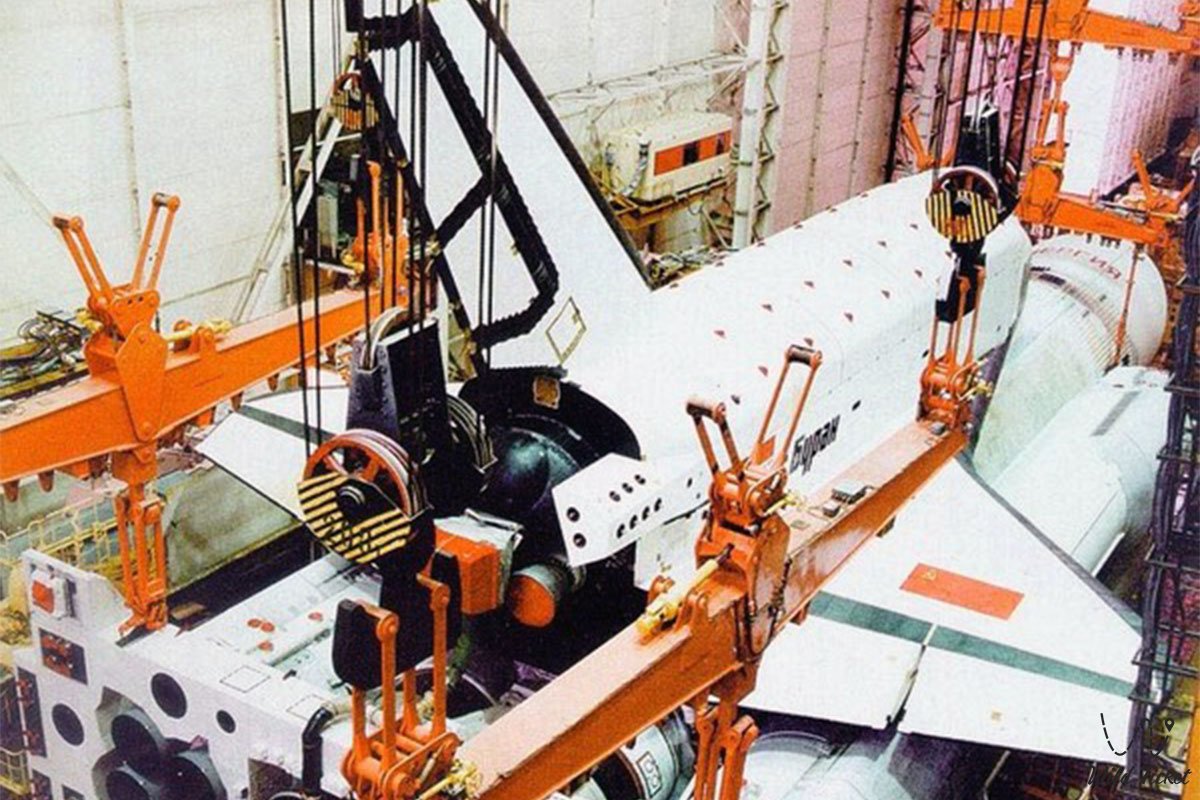
Buran was 36.4 m long, had a wingspan of 24 m, a height with landing gear of 16.5 m, and a launch mass of about 105 tons at maximum load. The payload was up to 30 tons into orbit and up to 20 tons upon return. The spacecraft was designed for 100 flights. The structure included a sealed cabin for 10 people, a cargo bay (18.55x4.7 m), and a unique thermal protection system of 38,000 ceramic tiles capable of withstanding up to 1,600 °C.
The Energia-Buran system had fundamental differences from its American counterpart: Buran did not have main engines (they were located on the launch vehicle), which made it possible to use the Energia rocket as a universal carrier for other payloads weighing up to 100 tons. The autonomy of the spacecraft was higher: the onboard control complex based on the Biser-4 digital computer ensured not only flight but also a completely automatic landing with several options for approaches to the runway. The propulsion system included orbital maneuvering engines (2 of 90 kN), 38 control engines, and 8 precision orientation engines, which allowed active maneuvering in orbit.
Detailed description of the venue
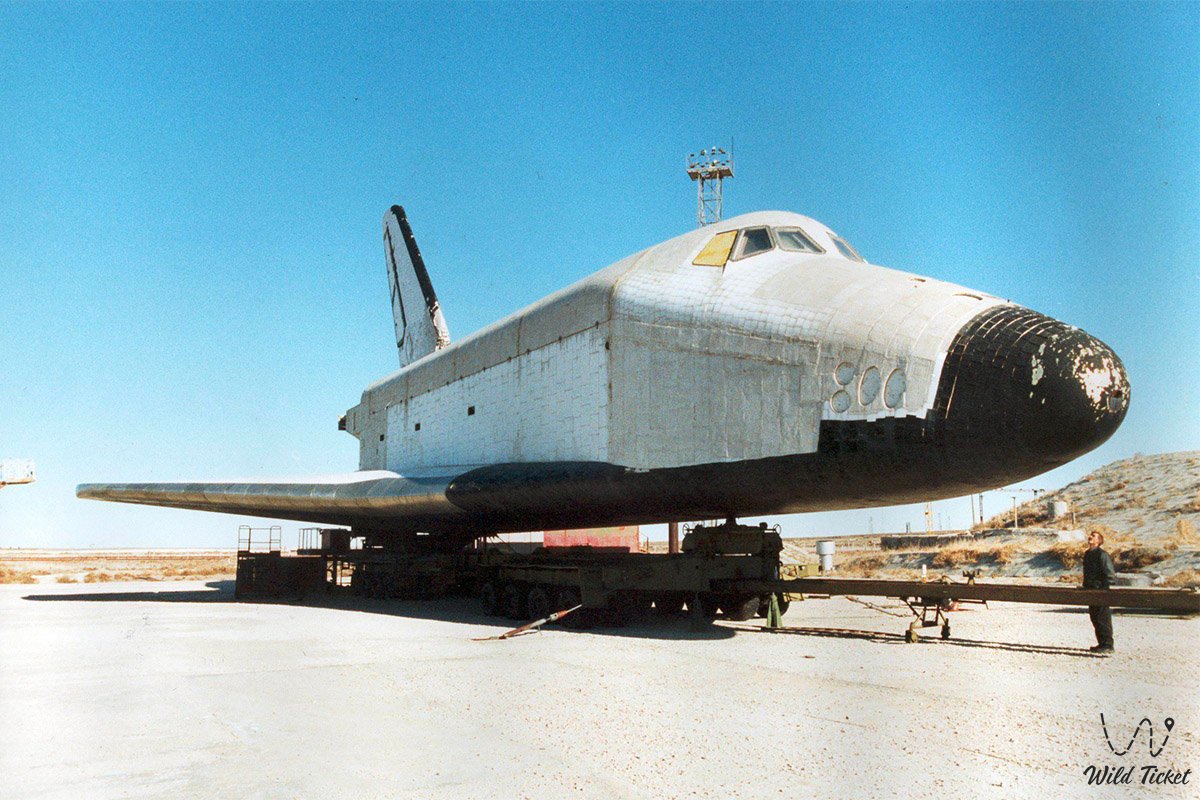
• Orbital spacecraft (Buran 1.01) – the apparatus that made the historical flight of 1988. It was equipped with unique software in PROL2 and Assembler/370 languages, ensuring flight control in case of communication loss.
• Buran 1.02 ("Burya") – the second flight specimen, 95% ready for flight. Currently, it is located in the abandoned MZK hangar at Baikonur.
• BTS-002 (GLI) – the atmospheric analogue that made 24 flights in the period of 1985–1988. Now it is exhibited in the museum of Speyer city (Germany).
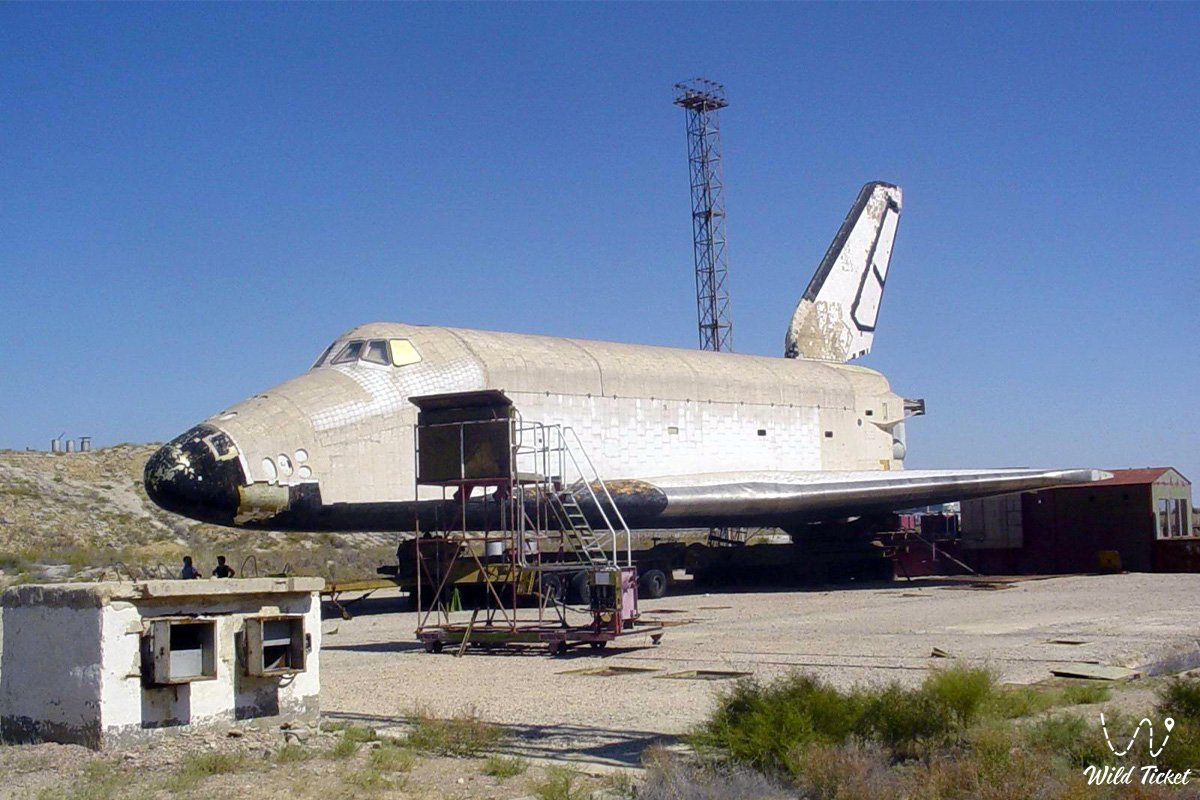
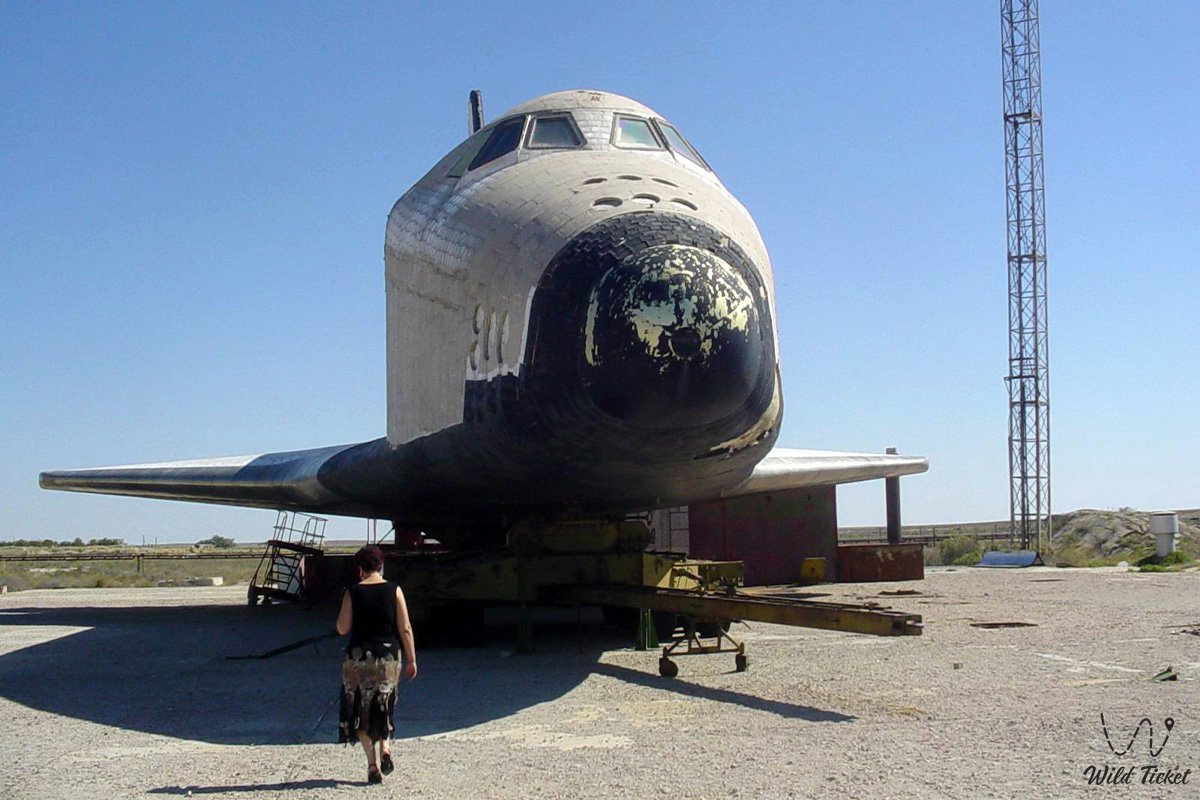
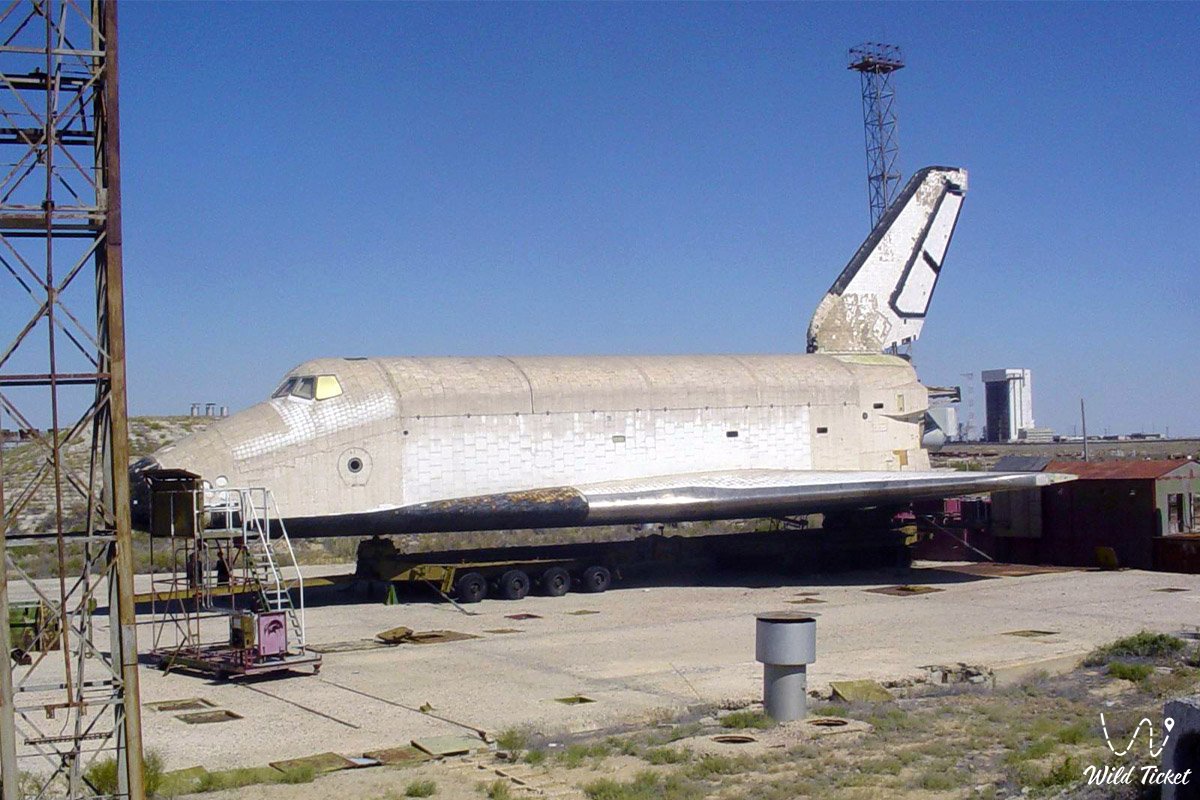
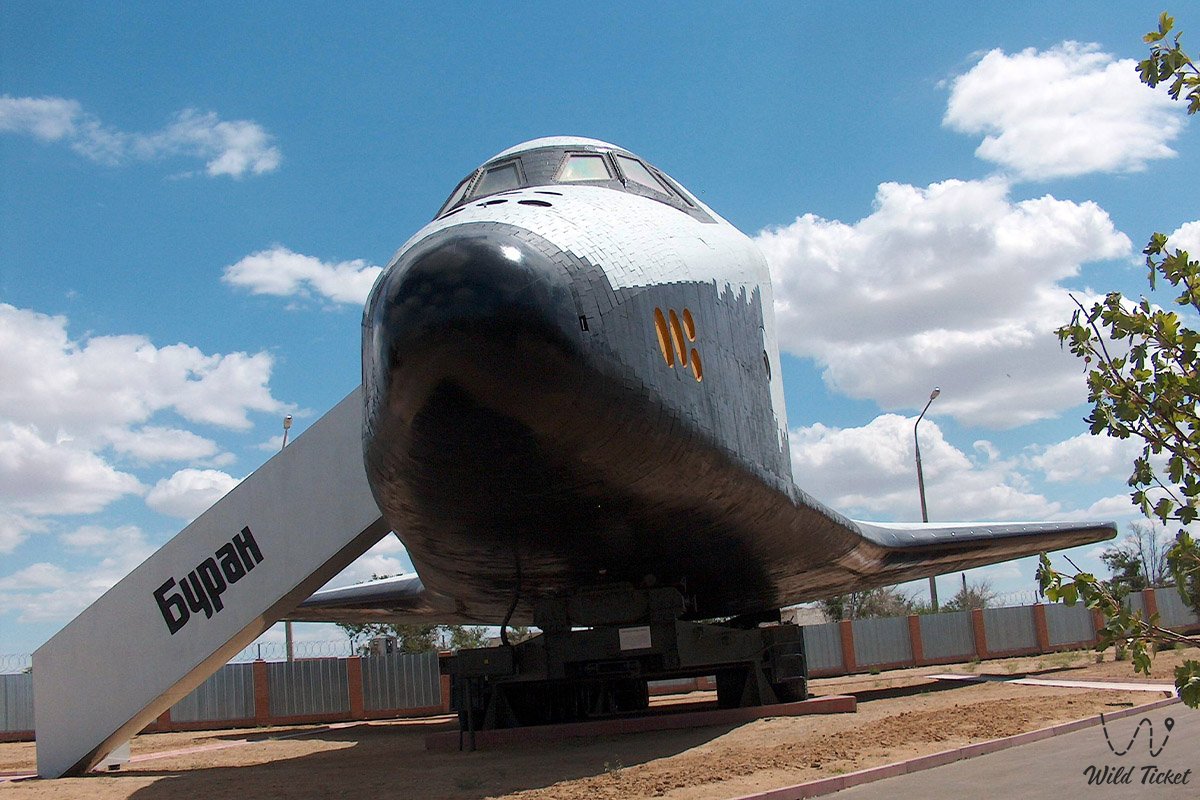
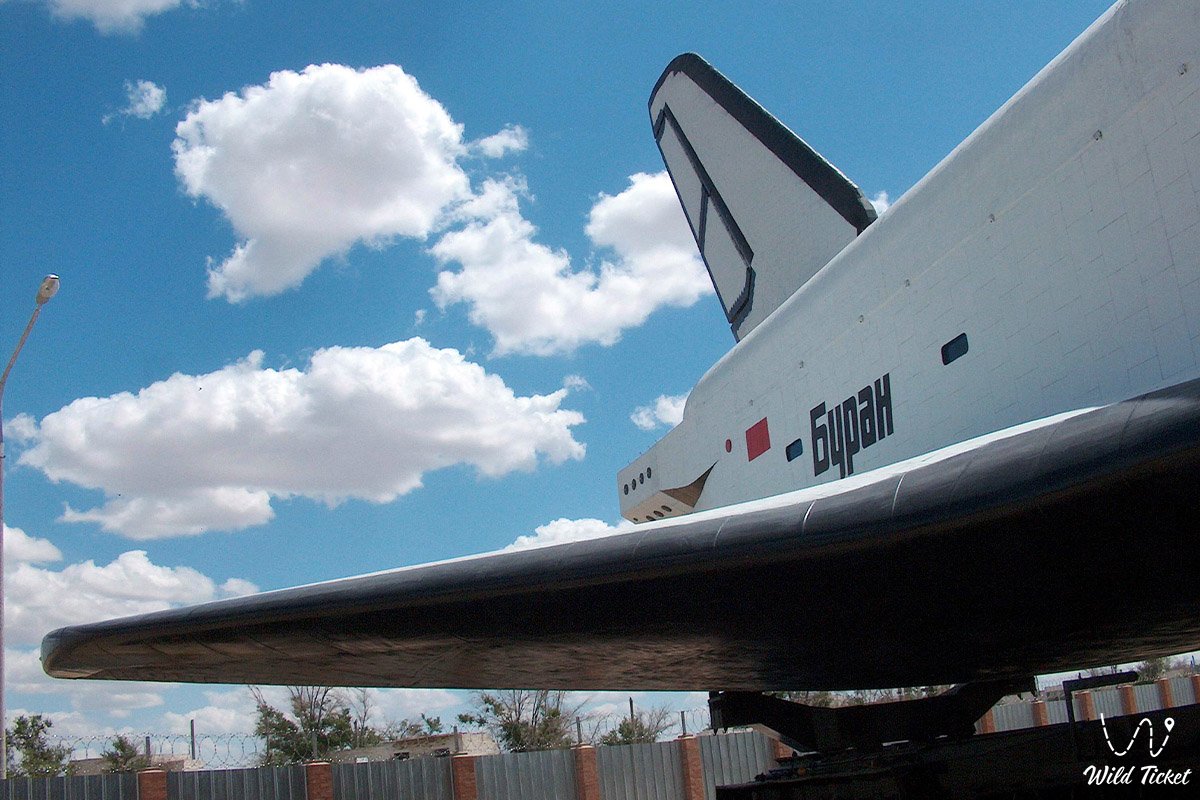
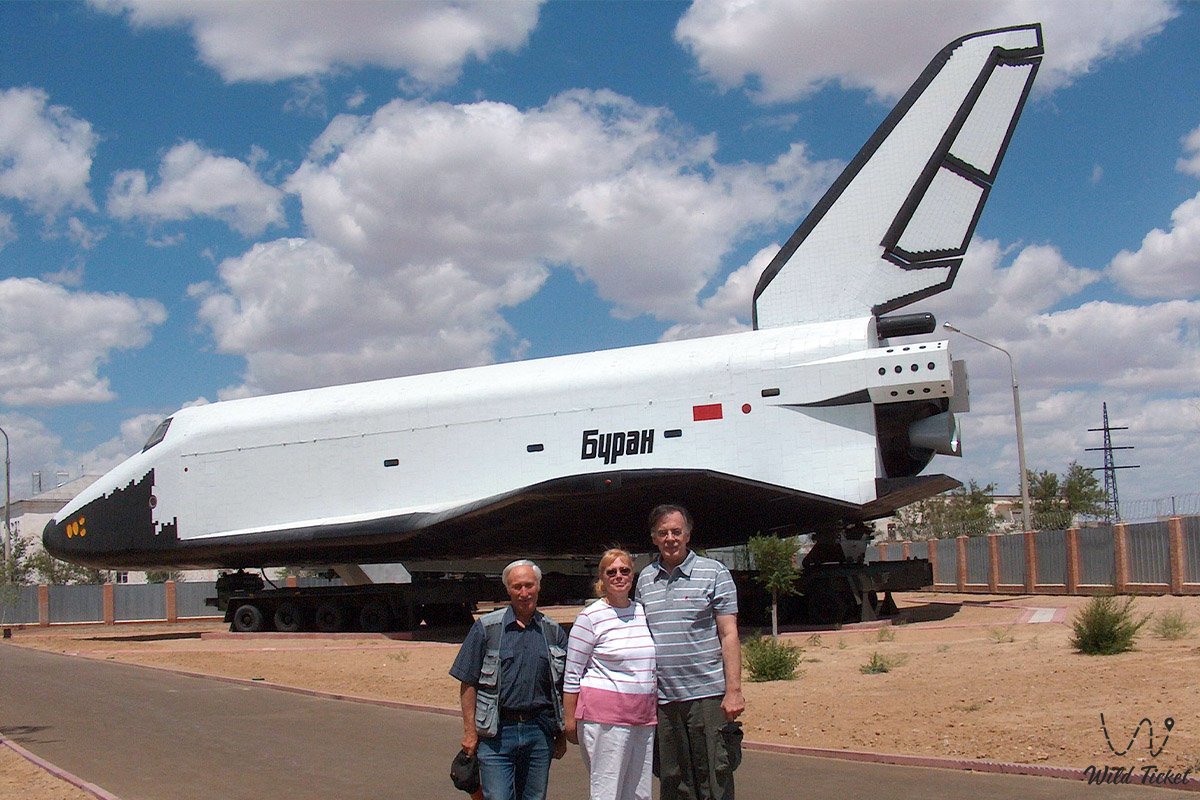
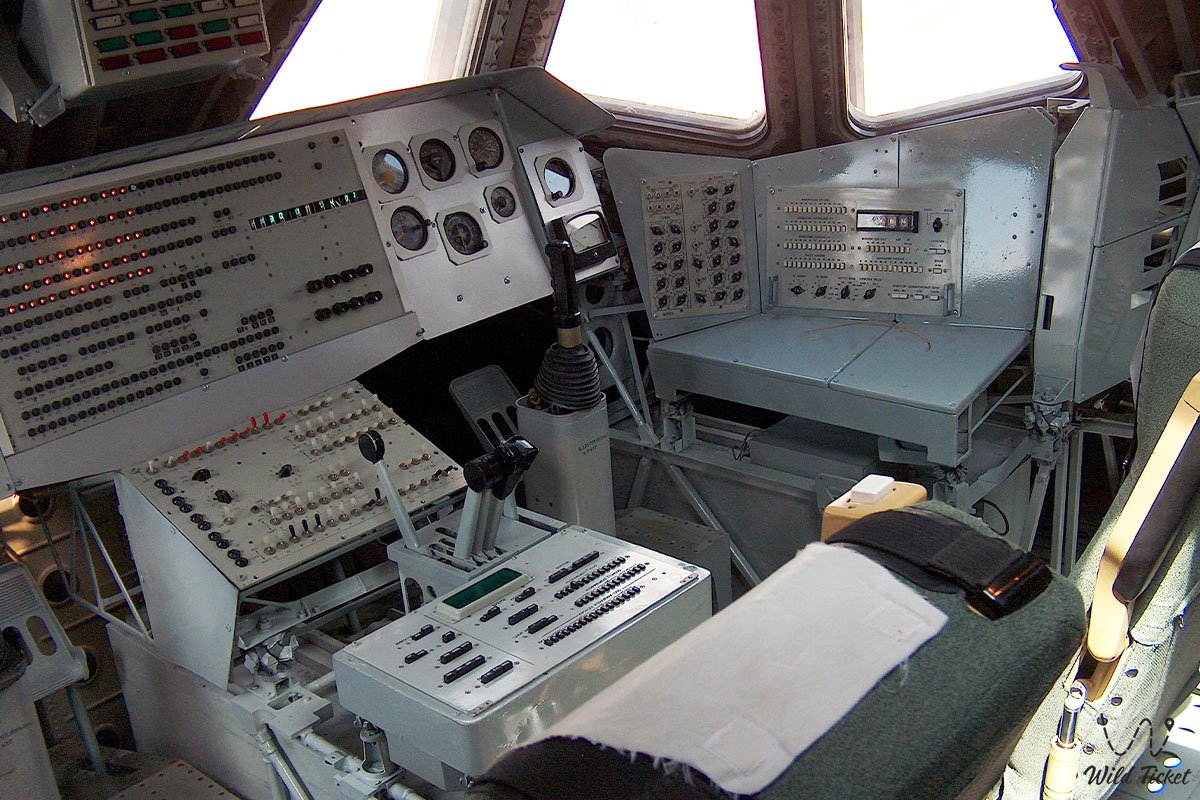
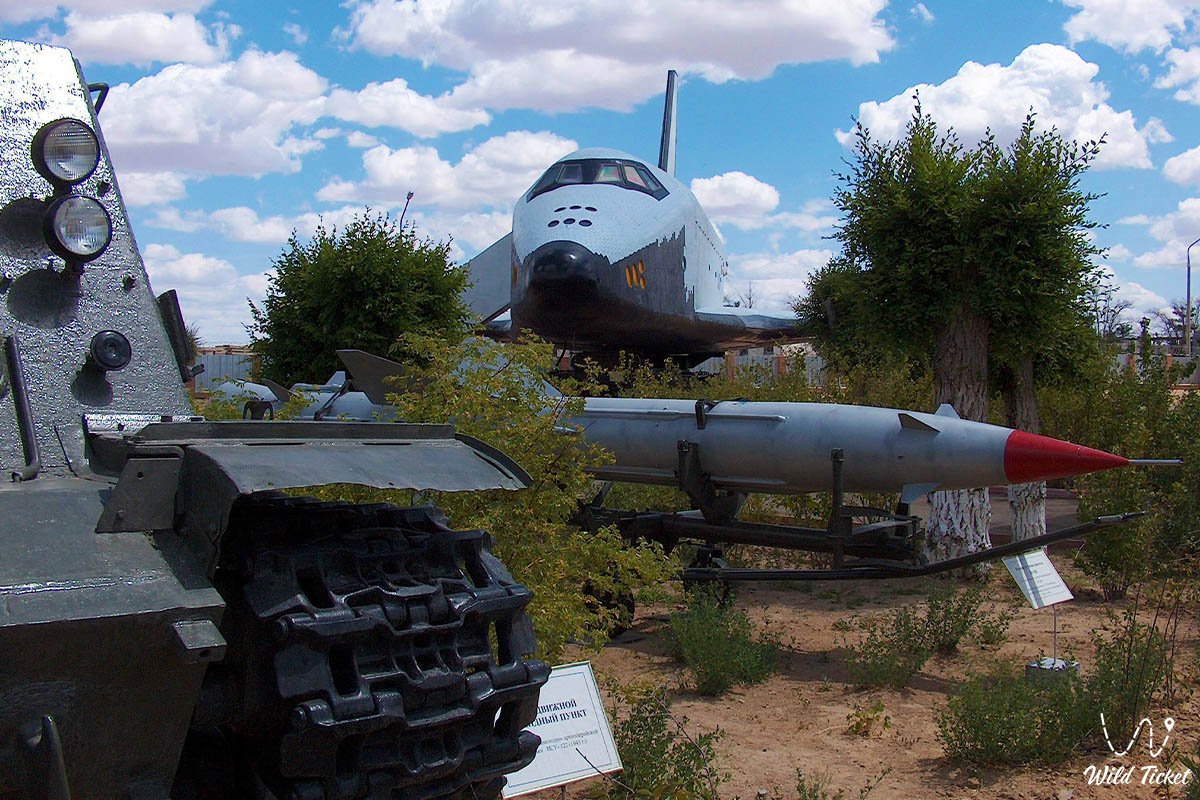
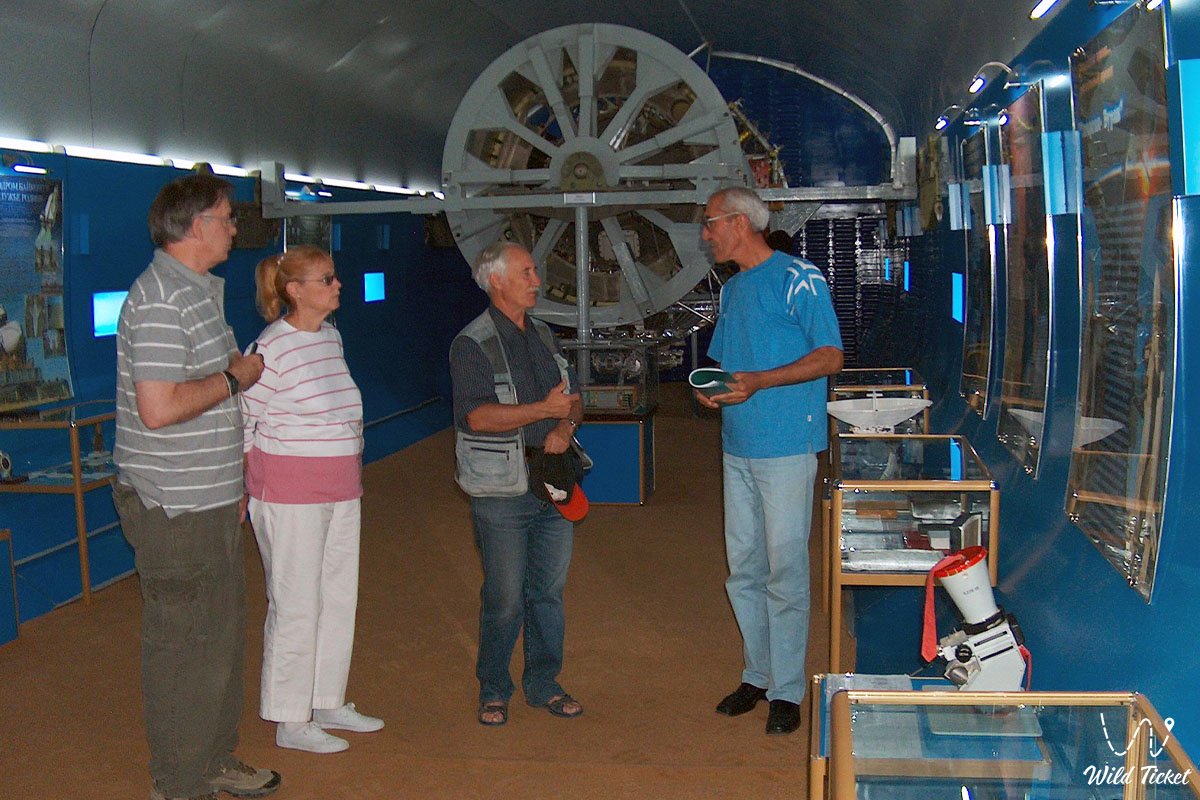
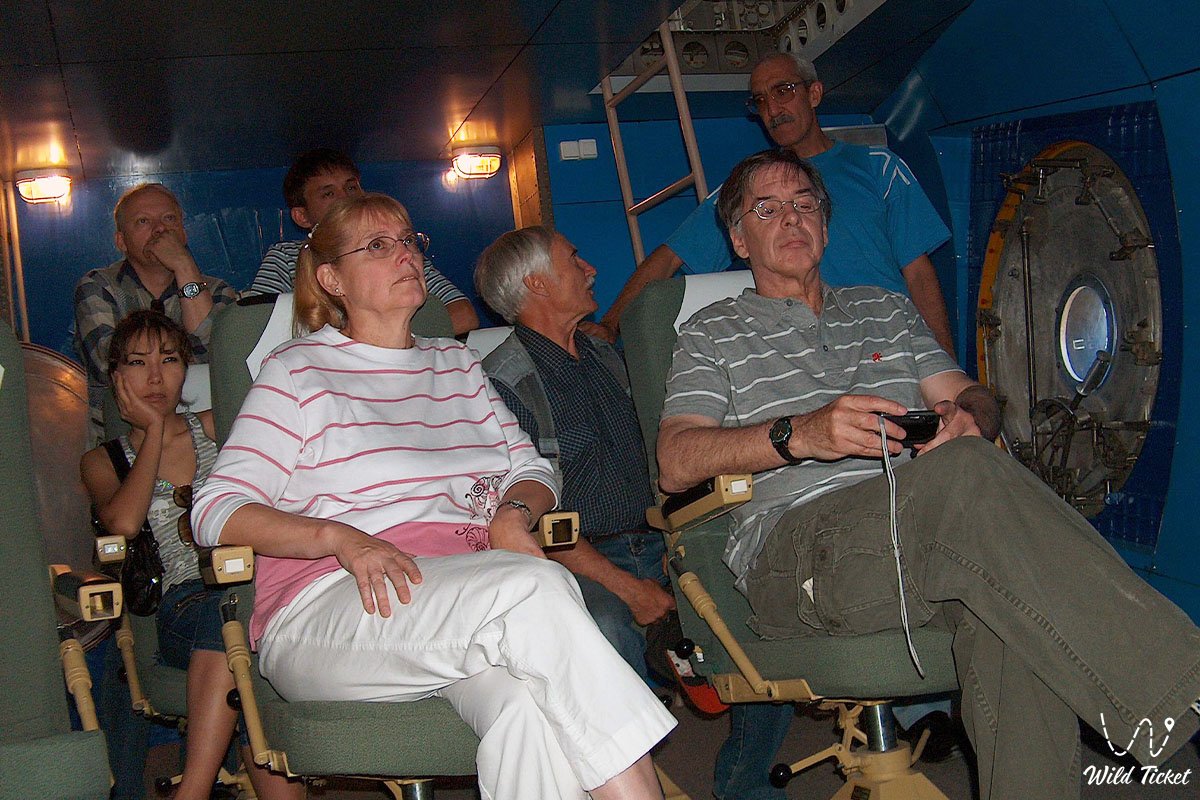
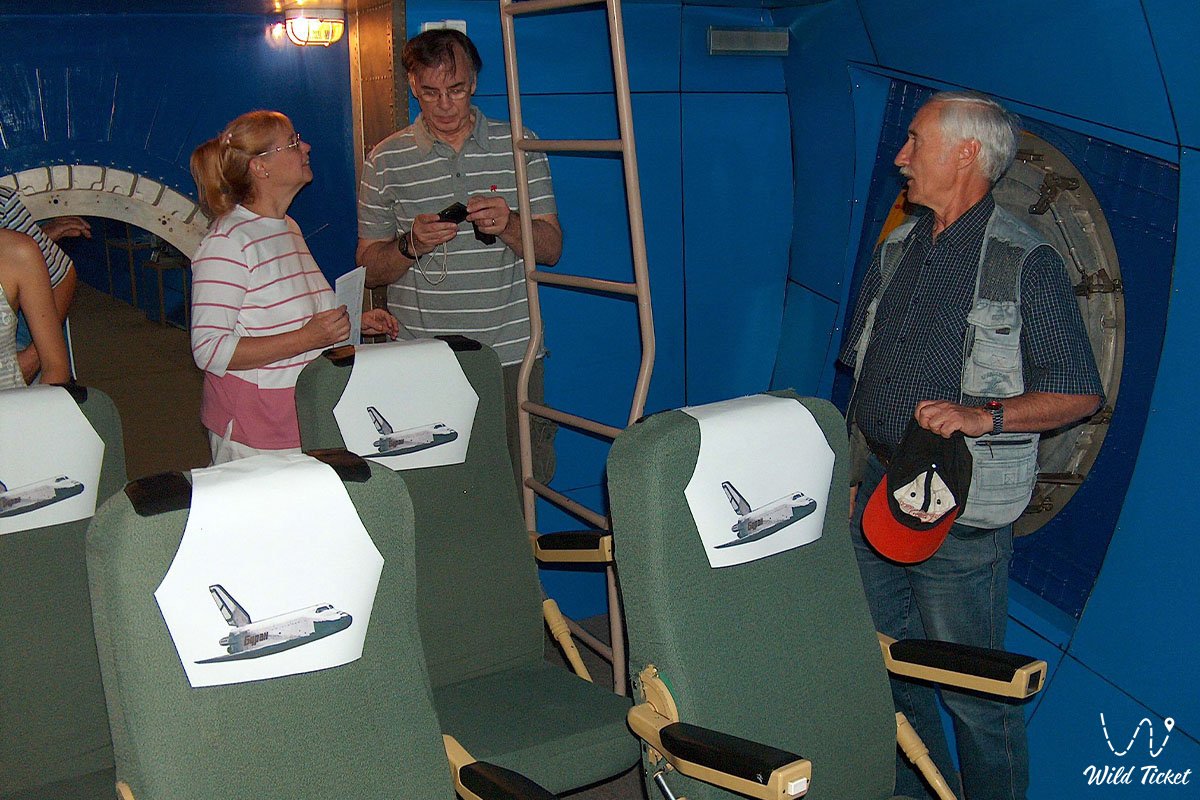
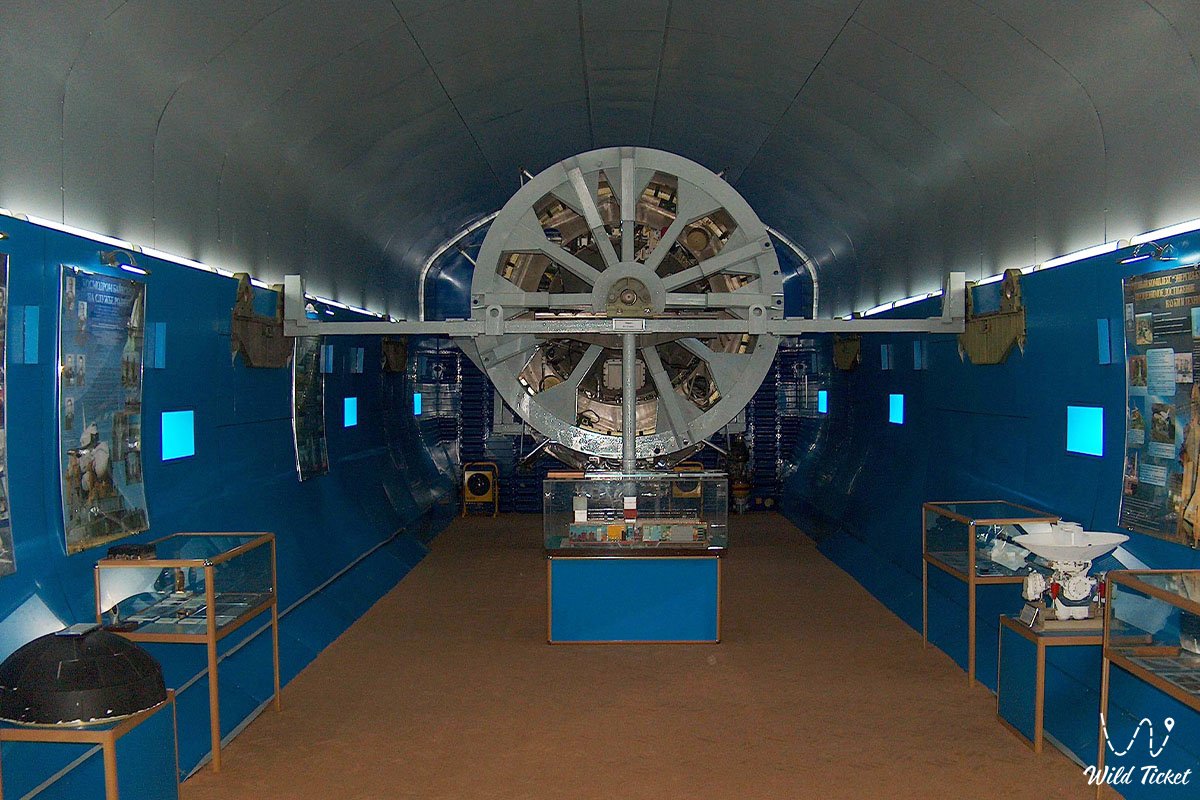
• OK-ML1 – a full-size model for dimensions and weight testing, installed in 2007 on the site of the Baikonur Cosmodrome Museum. Available for excursions: visitors can go inside the cargo bay and the cockpit.
• OK-MT – a model for practicing pre-launch operations, moved to Moscow.
• Yubileyniy Airfield – a specially built runway (4,500x84 m) made of M-600 concrete, designed to receive spacecraft and heavy Mriya aircraft.
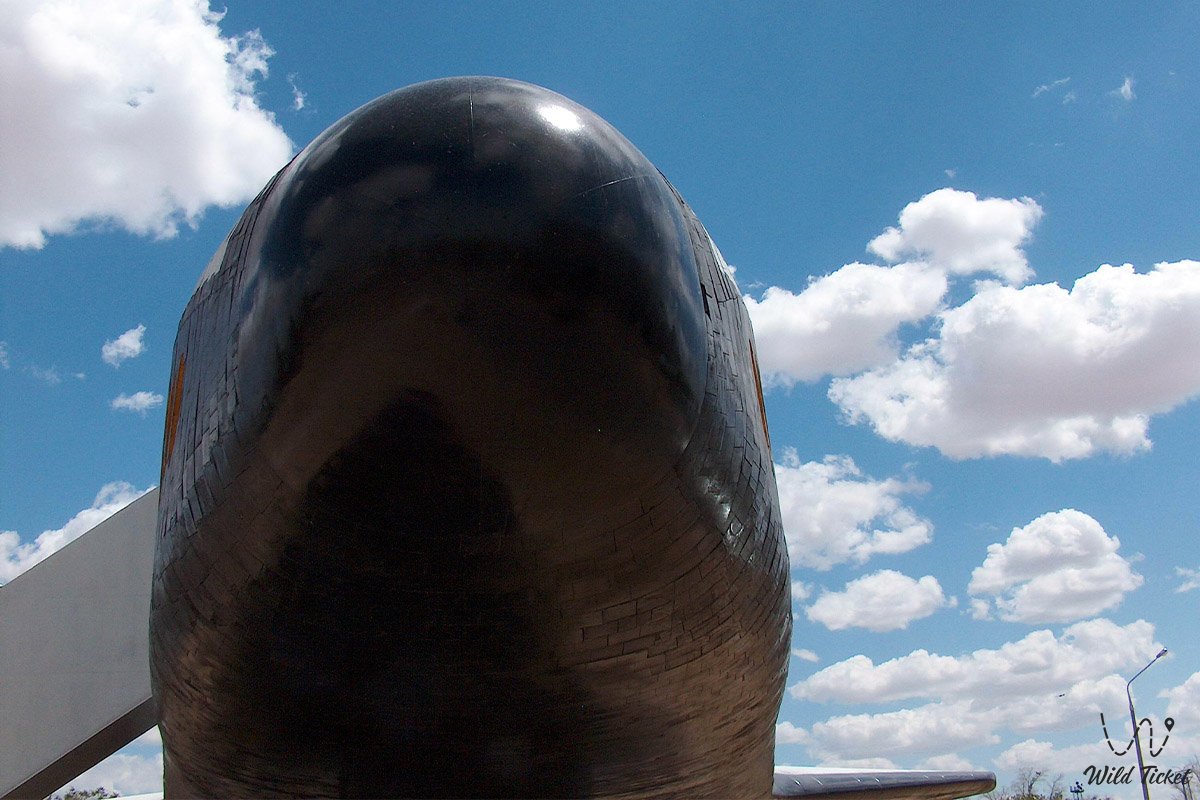
• Thermal protection system – consisted of tiles based on quartz fibers and gravimol. Each tile had a unique shape and was installed manually; the cost of one tile in prices of that time reached 3,000 dollars.
• Onboard computer – an ES EVM architecture with four-time redundant Biser-4 computing units ensuring results voting and automatic shutdown of faulty nodes.
Architecture
The architectural appearance of Buran is the result of finding a balance between the aerodynamics of atmospheric flight and the tasks of orbital maneuvering. Unlike the Shuttle, Buran did not have an external fuel tank with main engines, which changed its centering and the design of wing apexes. Its architecture is oriented towards multi-purpose use: a sealed three-deck cabin with command, living, and aggregate compartments provided conditions for long-term operation of the crew, while the airframe structure withstood huge overloads when entering dense layers of the atmosphere at speeds up to 30,000 km/h.
Legend
Many traditions have formed around the project. The most famous is about the "soul of the spacecraft": designers believed that Buran's automation in 1988 "took a decision" to change course during landing approach due to wind, acting contrary to standard algorithms to save the apparatus. After the tragic destruction of the first spacecraft in 2002, a legend arose about the "unrested shuttle" which supposedly still "waits for its time" in Baikonur hangars, reminding of the engineering grandeur that could not be fully realized.
Conclusion
Buran remains a symbol of an unfulfilled potential. Despite the closure of the program, its technical solutions in the field of automation, control systems, and materials science became the foundation for many modern space developments. This is a story about victory over gravity and time, which became an important lesson for future generations of space explorers.
Interesting sights nearby:
• Baikonur Cosmodrome Museum;
• Houses of Gagarin and Korolev;
• Energia Command Post;
• Pad No. 110;
• Saturn Radio Complex.
Photogallery: