Brain of super-heavy space missions -
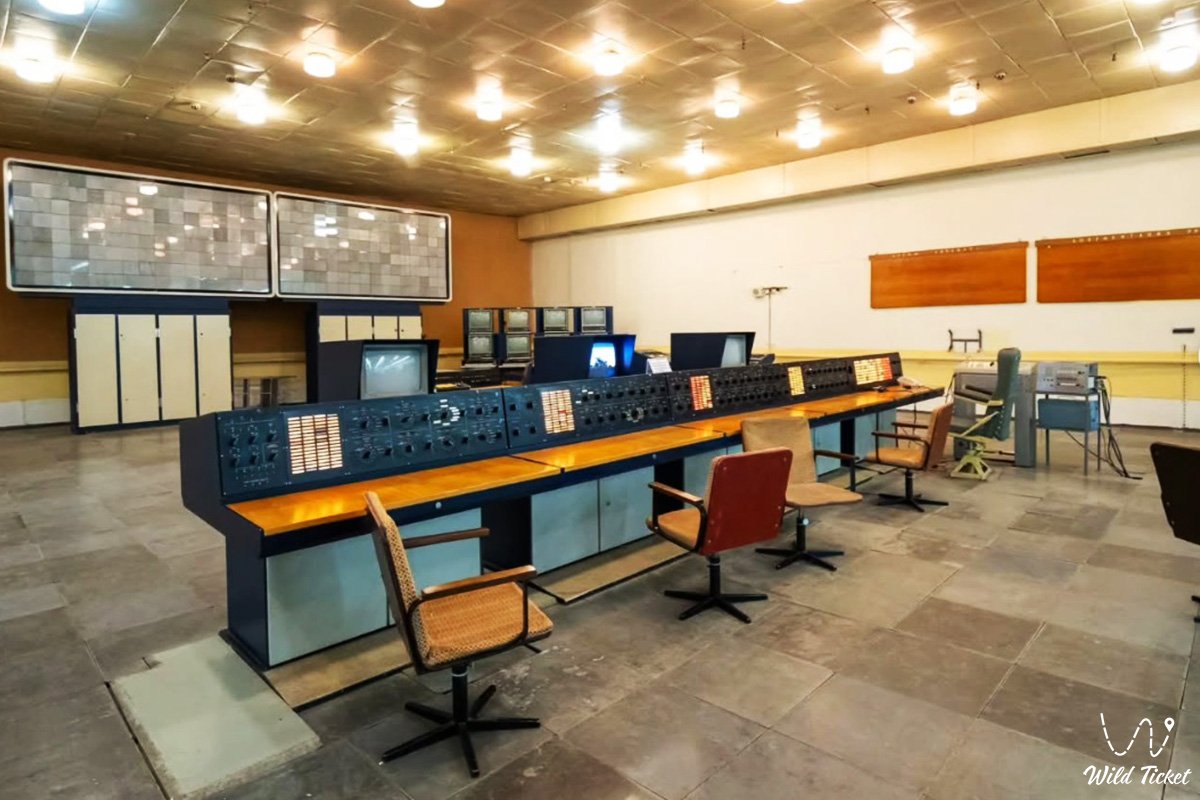
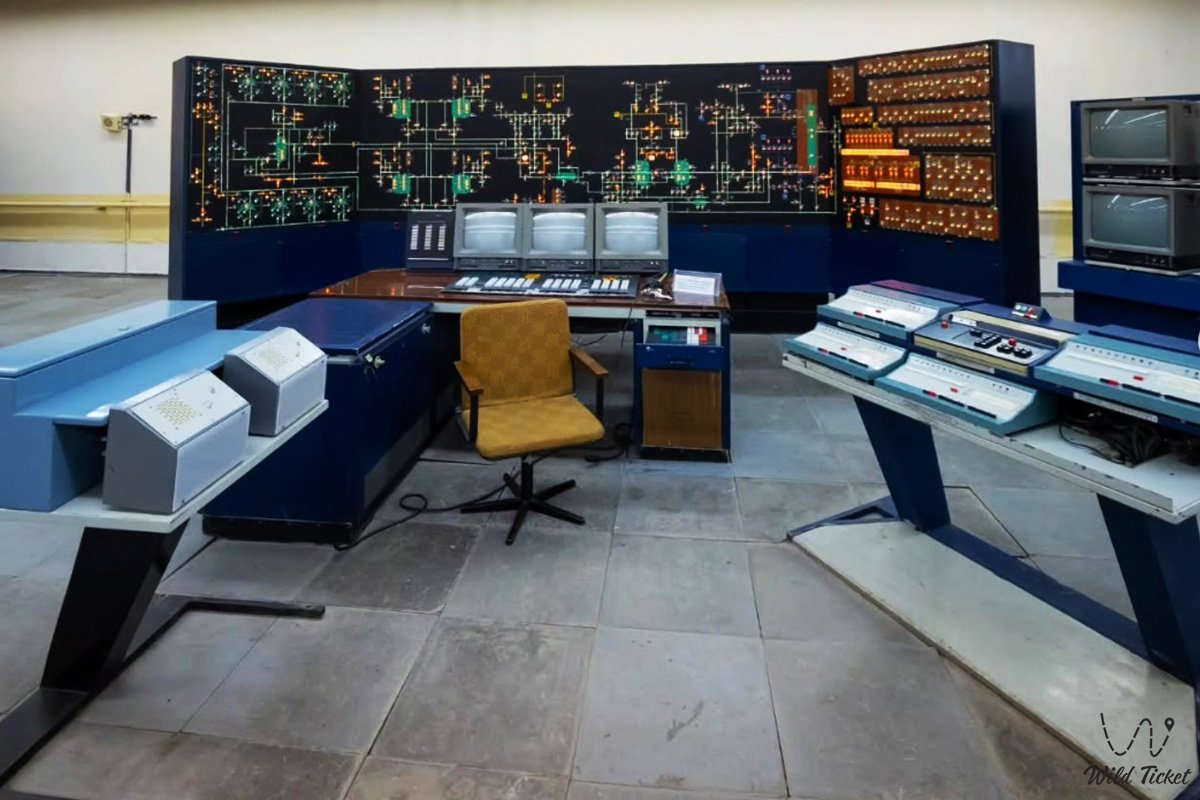
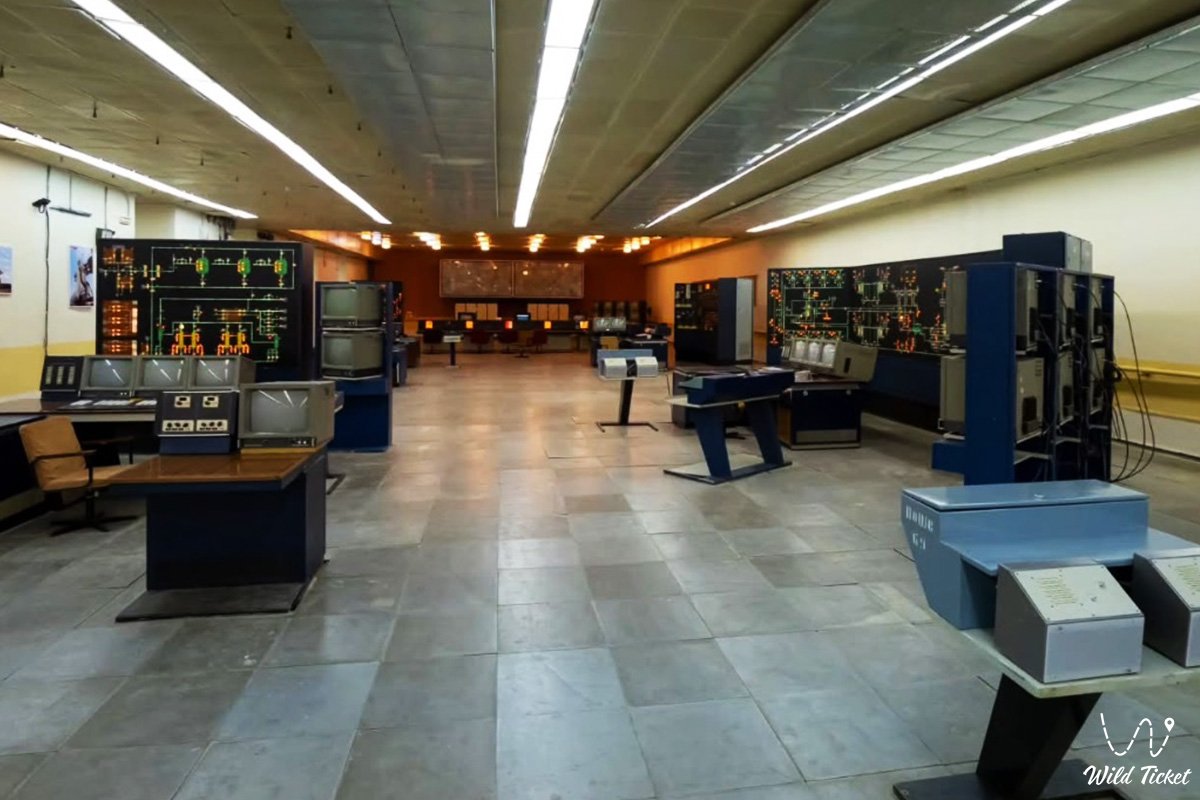
The Command Post at Pad No. 250a (Structure No. 60) is a monumental fortified underground bunker at the Baikonur Cosmodrome, which served as the main brain center of control for the Universal Launch and Test Complex (UKSS). The facility was designed to ensure pre-launch preparation, automated fueling, and successful launch of the Energia super-heavy launch vehicle and the Energia-Buran reusable system.
This structure in the Kyzylorda region represents a unique sample of high-tech engineering infrastructure of the late 80s, providing complete autonomy of control in extreme conditions. The deep burial of the bunker, powerful protection, and advanced computing base for its time made it possible to control the most complex processes of preparing the most powerful rocket in the history of domestic cosmonautics.
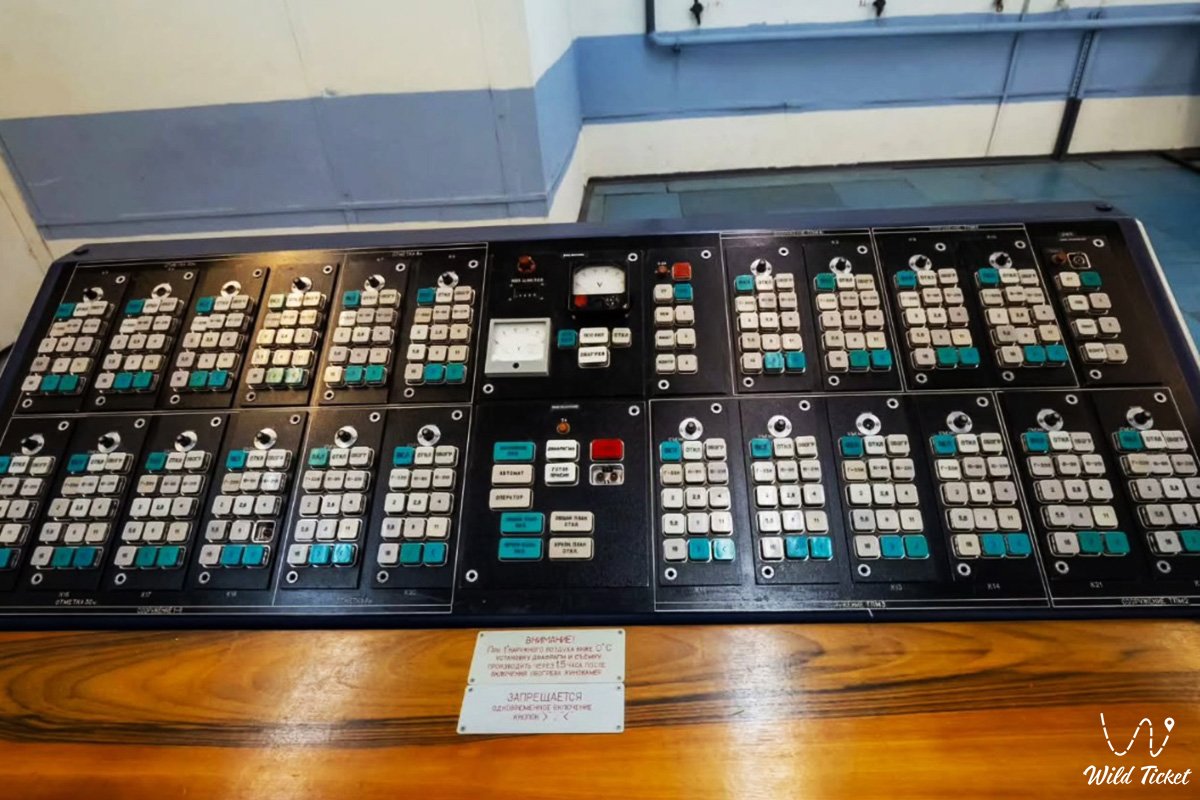
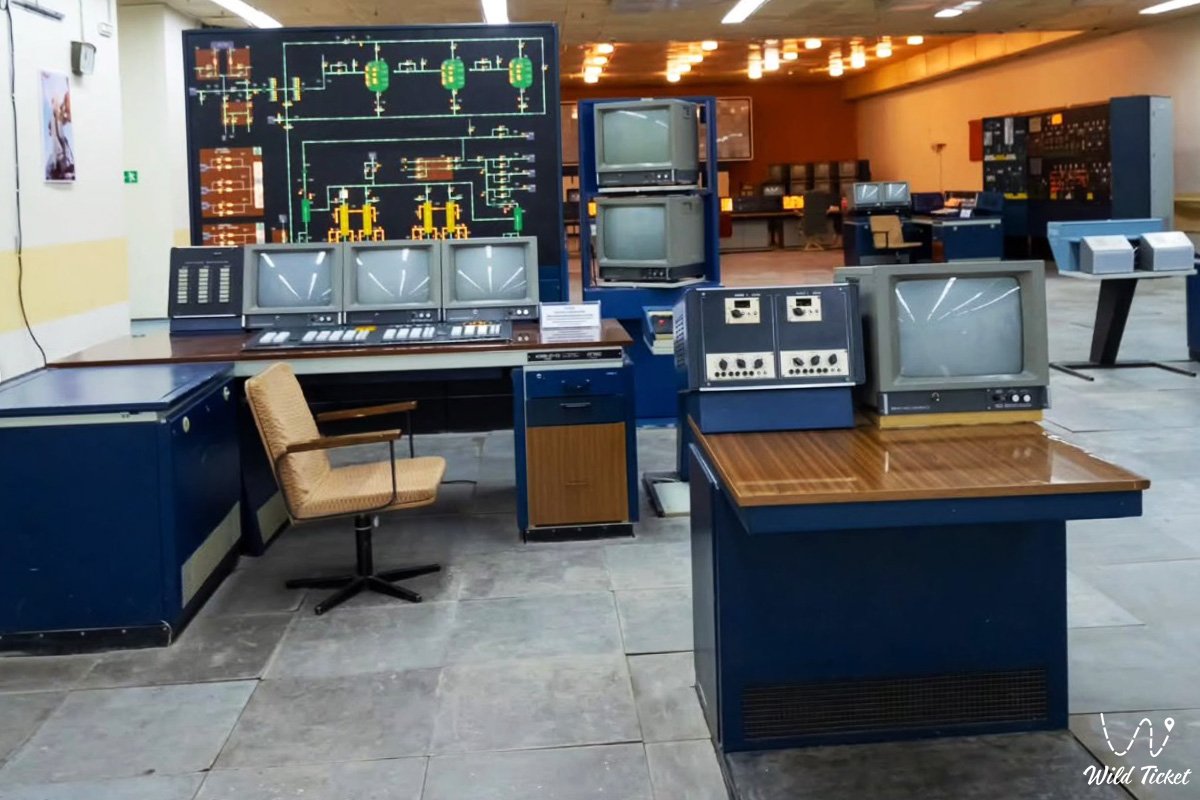
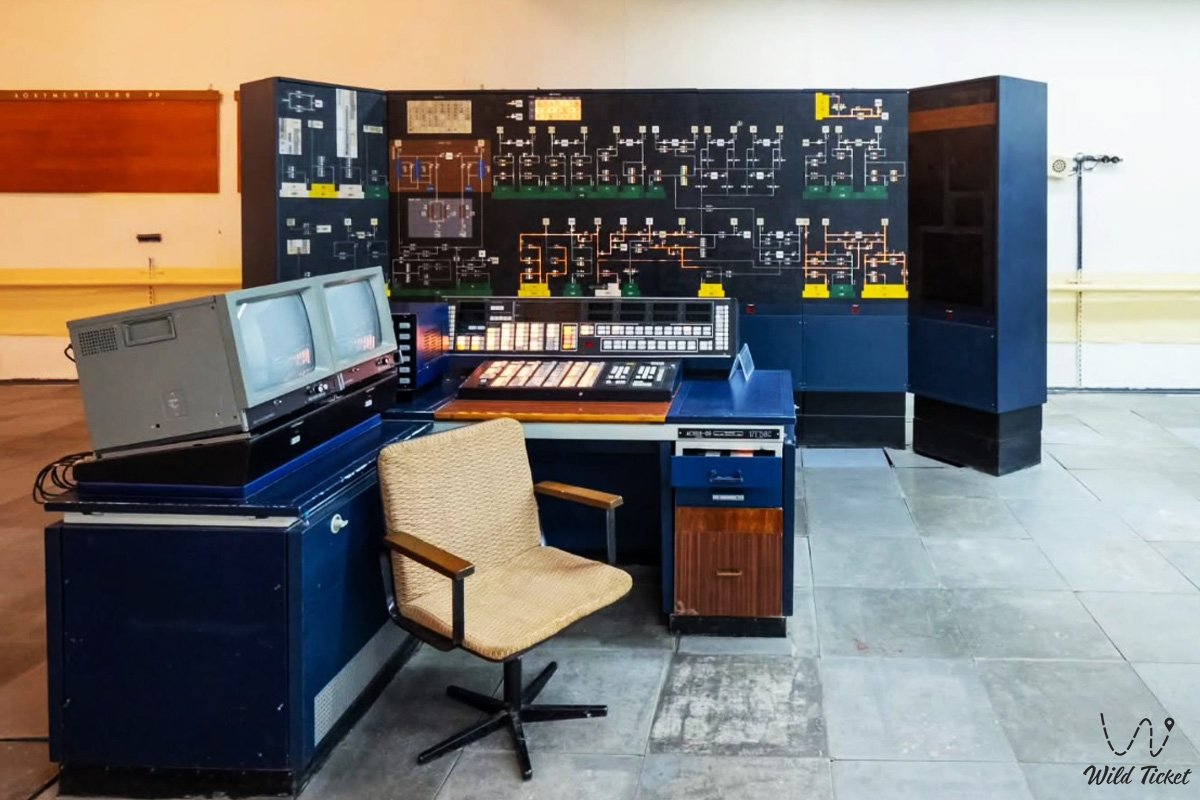
After a long period of conservation, thanks to the efforts of TsENKI specialists, the facility was restored and opened to visitors as a unique museum. Today, Pad No. 250a allows one to touch the "artifacts" of an era when Baikonur was at the peak of its technological might, demonstrating the control panels preserved in working condition that ensured the historical triumphs of the Soviet space program in 1987 and 1988.
---------------------------------------------
How to get there and visit -
The Energia Command Post (Pad No. 250a) is located 38 kilometers from Baikonur City, on the territory of the Baikonur Cosmodrome, Karmakshy district, Kyzylorda region, Republic of Kazakhstan.
GPS geographical coordinates of the object: 45°57'35"N 63°18'45"E
Visiting the facility is carried out exclusively within organized excursion tours. For access, it is necessary to arrange a pass (1–2 months). Tourists are delivered to the bunker by specialized transport accompanied by a guide. Independent movement across the secure territory is strictly prohibited.
Opening hours: daily according to the schedule of launch campaigns. When planning a visit, it is important to take into account that during periods of preparation for launches, access to the pad may be temporarily limited.
Contacts Daily: Booking of excursions is carried out through accredited travel companies.
---------------------------------------------
History
The Universal Launch and Test Complex (UKSS) 17P31 was created as an experimental base for fire testing and launches of super-heavy rockets. Its cost by 1987 amounted to 592 million rubles. The process of preparation for the first launch on May 15, 1987, required urgent modification of the stand for the launch in the period from December 1986 to February 1987: the cooling systems of the trench were reinforced, the fueling and drainage mast was modified, and devices for supplying communications to the mockups of payloads were created.
After the historical launch of the Buran in 1988, the facility was used within various programs, and in 2008–2009 it was partially transferred under the Baiterek project and the needs of KBOM. In 2017, TsENKI restored the control panels, which turned out to be operational.
Information
The UKSS complex includes 203 construction buildings, 213 technical, and 57 technological systems. The main feature of the automated control system of the UKSS is the wide use of computer technology, which made it possible to transfer the preparation and fueling of the rocket into a fully automatic mode. The infrastructure is distributed across two pads: on No. 250, technical systems, fueling storage facilities, and the launch structure are located, and on No. 250a – the main command post, a boiler room, a compressor station, and warehouses. The pads are connected by a railway, a highway, and an overpass with communications. The architectural scheme of the gas-dynamic trench was designed to work with rockets of the Vulkan class and engine thrust up to 4.5 thousand tons.
Detailed description of the venue
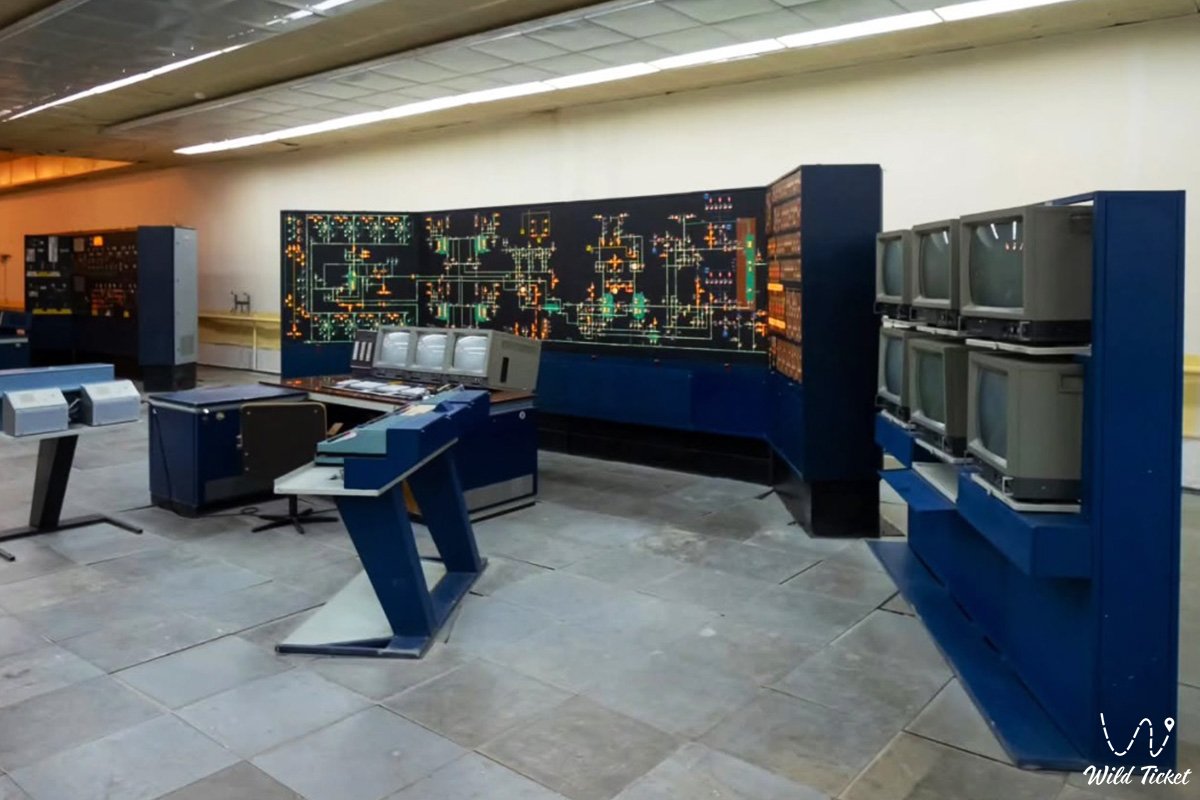
• Main command post: the heart of control, equipped with systems of temperature control, gas supply, and fire extinguishing.
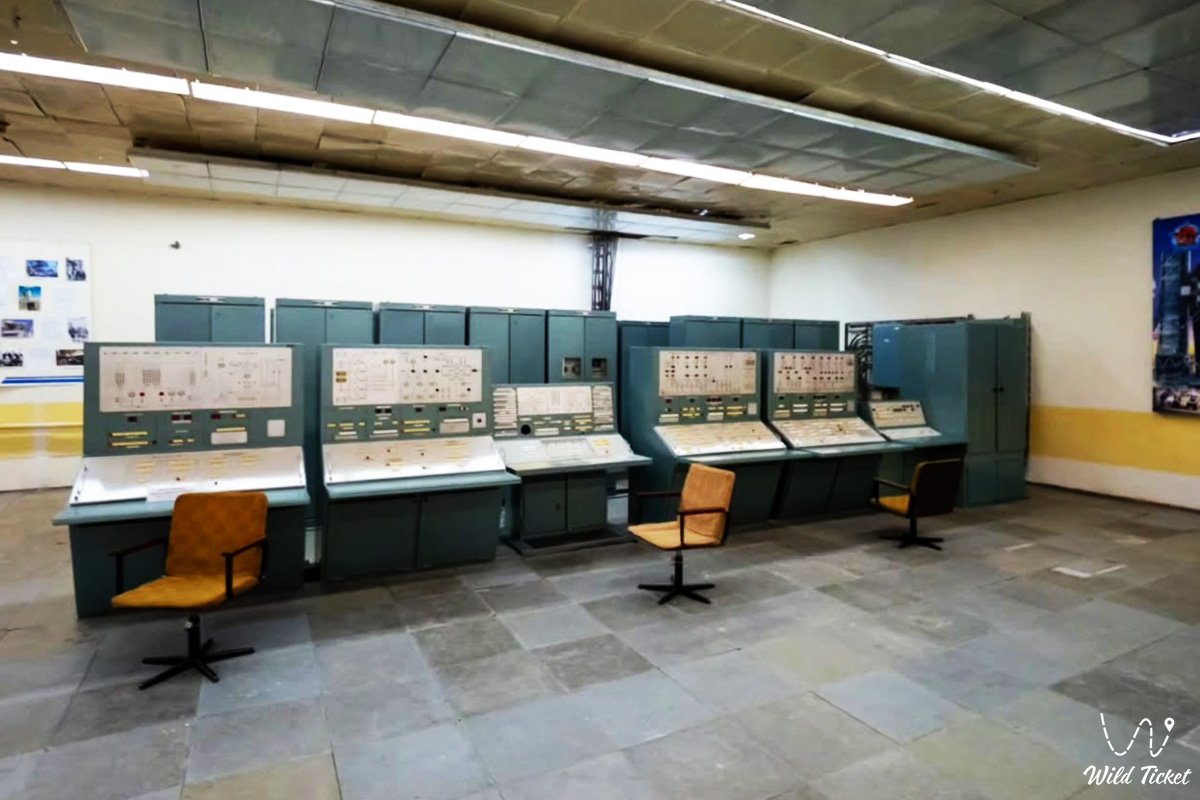
• Automated control system panels of UKSS: an automated control system providing control of pre-launch operations online.
• Technological overpass: a connecting link between pads No. 250 and No. 250a for transferring hydraulic and pneumatic communications.
• Launch device: a unique engineering node designed for extreme loads of super-heavy launch vehicles.
• Auxiliary systems: warehouses of fuel components, storage facilities for compressed gases, and a powerful compressor station.
Architecture
The architecture of the complex is dictated by the need to ensure the maximum survivability of the strategic facility. The deep underground burial of bunker No. 60 in combination with thick reinforced concrete floors guarantees protection against shock waves and external factors. The interiors of the technical halls are subordinated to the ergonomics of the "combat crew": the location of racks with equipment and control panels is designed in such a way as to ensure the maximum speed of information transmission during automated control of all systems.
Legend
Among the cosmodrome personnel, rumors about a "sleeping bunker" circulated for a long time. After the facility was formally mothballed, employees periodically recorded activity deep within Pad No. 250a. The legend stated that a "ghost automation" was working in the bunker, continuing its endless testing algorithm. During restoration, it turned out that behind the mysticism was an autonomous life support system for electronics, which had maintained the functionality of part of the instruments for decades, turning the facility into an active technical monument.
Conclusion
The Energia Command Post is the pinnacle of domestic experimental rocket science. Today, it is not just a museum, but a rare opportunity to see the scale of the Soviet space program, where each instrument was part of the most complex automatic control algorithm. The facility remains a symbol of how engineering thought overcame colossal technological challenges, creating an infrastructure that has no analogues in the world.
Interesting sights nearby:
• Saturn Radio Complex;
• Yubileyniy Airfield;
• Buran Spacecraft;
• Houses of Gagarin and Korolev;
• Baikonur Cosmodrome Museum (Pad No. 2);
• Gagarin's Start Pad No. 1 and Pad No. 31;
• Syr Darya River.
Photogallery: