Main repository of the history of stargazing and conquering the stars -
Baikonur Cosmodrome Museum – is a unique complex that allows a deep study of the history of rocket science and touching objects that have been to space. It is located in the central part of the Baikonur Cosmodrome at Pad No. 2 and consists of three key zones: a spacious two-story building, an open-air exhibition with real elements of rocket technology, and the memorial houses of Yuri Gagarin and Sergei Korolev.
Visiting the museum is an opportunity to see engines, navigation instruments, spacesuit models, and even sit at the helm of the legendary Buran space shuttle. Its expositions cover decades of hard work by scientists, designers, and cosmonauts whose efforts turned the desert steppe of Kazakhstan into the cradle of world cosmonautics.
The complex plays a crucial educational role. The history of the museum began in the Officers' House, where cosmonauts and engineers spent their leisure time; over time, a small room with commemorative photographs transformed into a full-fledged space museum, which today serves as a point of attraction for everyone passionate about the history of exploring the Universe.
You can get to the museum only by coming from the city of Baikonur, booking a special space tour, and obtaining permits to visit the cosmodrome.
You can also check the rocket launch schedule at the cosmodrome and visit a special tour to watch the launch of Soyuz MS and Progress spacecraft. On the tour, you will meet cosmonauts at a special press conference before the rocket launch to the ISS.
---------------------------------------------
How to get there and visit -
The Baikonur Cosmodrome Museum is located in the central part of the Baikonur Cosmodrome, Pad No. 2, 40 kilometers from Baikonur City, Karmakshy district, Kyzylorda region, Republic of Kazakhstan.
GPS geographical coordinates: 45°54'33"N 63°19'03"E
Visiting the museum is carried out strictly within organized excursions around the territory of the cosmodrome. Tourists need to arrange an official pass and book a tour through accredited companies in advance. Movement takes place on specialized transport.
Opening hours: daily, according to a schedule agreed with the cosmodrome administration. It is recommended to check the availability of sites during active launch campaigns.
Contacts: Applications for organizing excursions are accepted by licensed tour operators.
---------------------------------------------
History
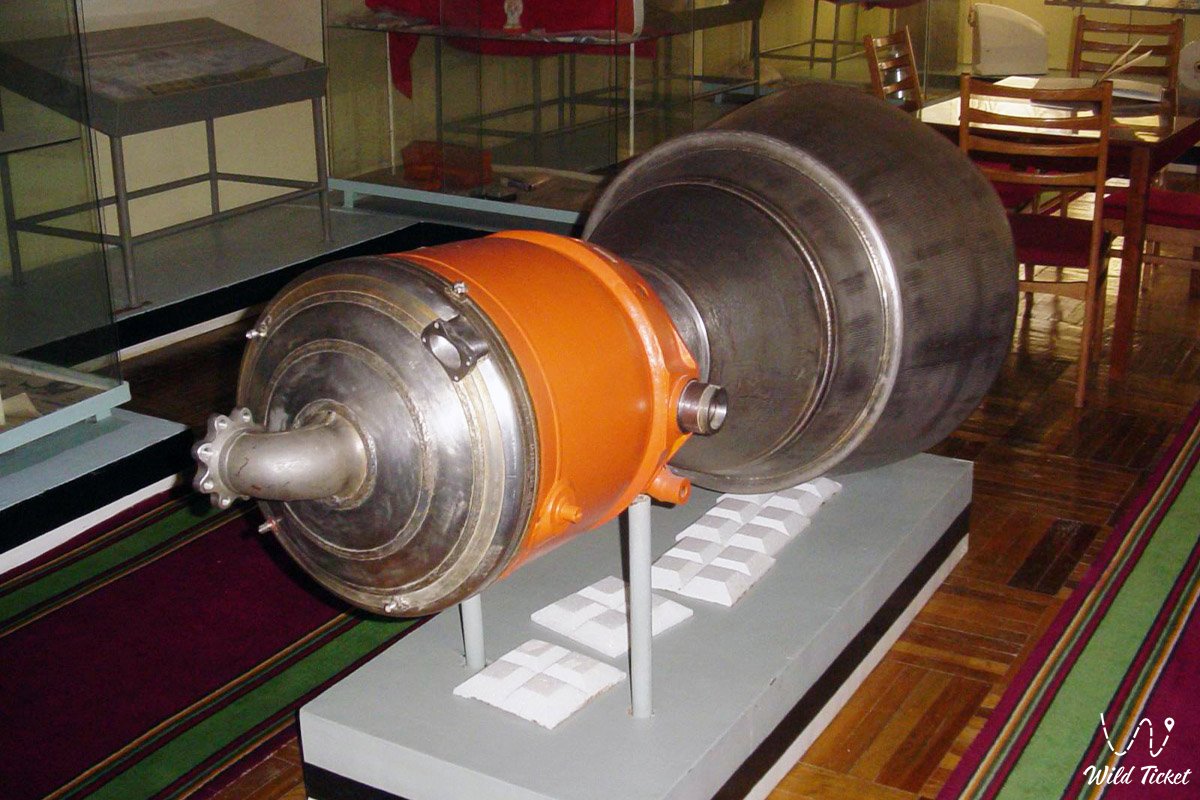
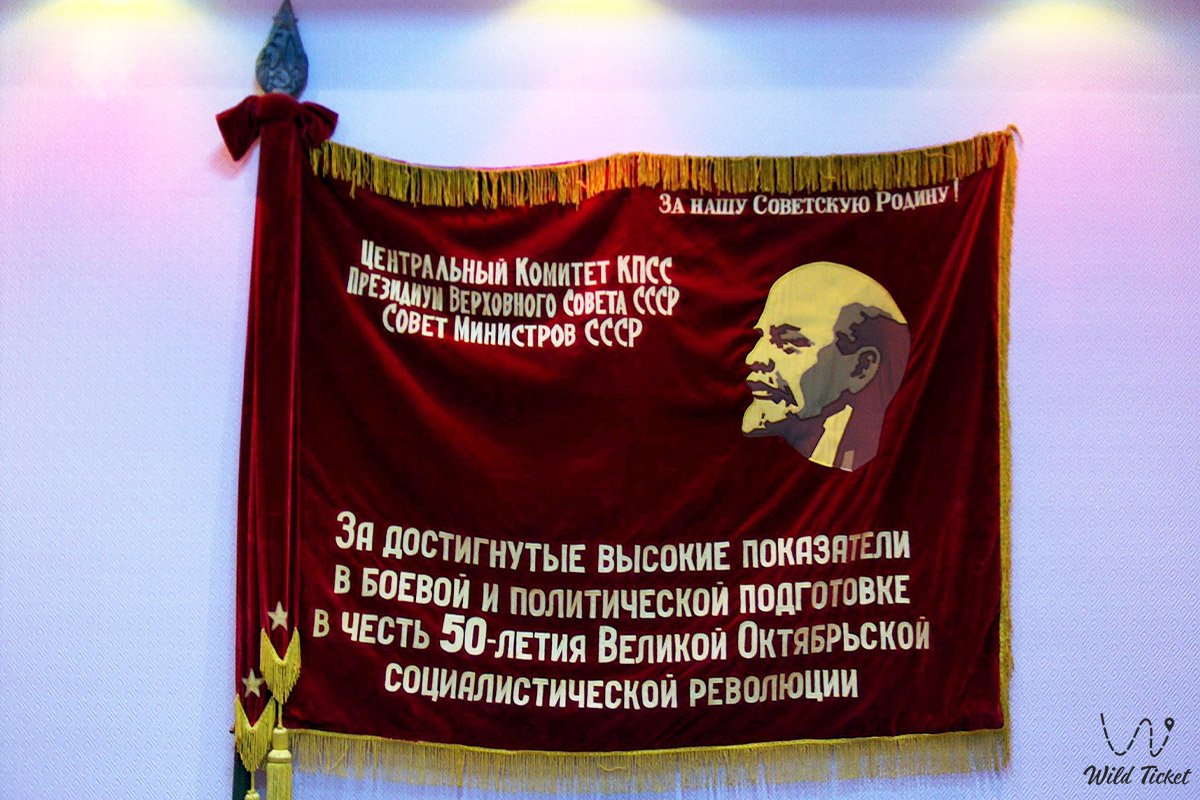
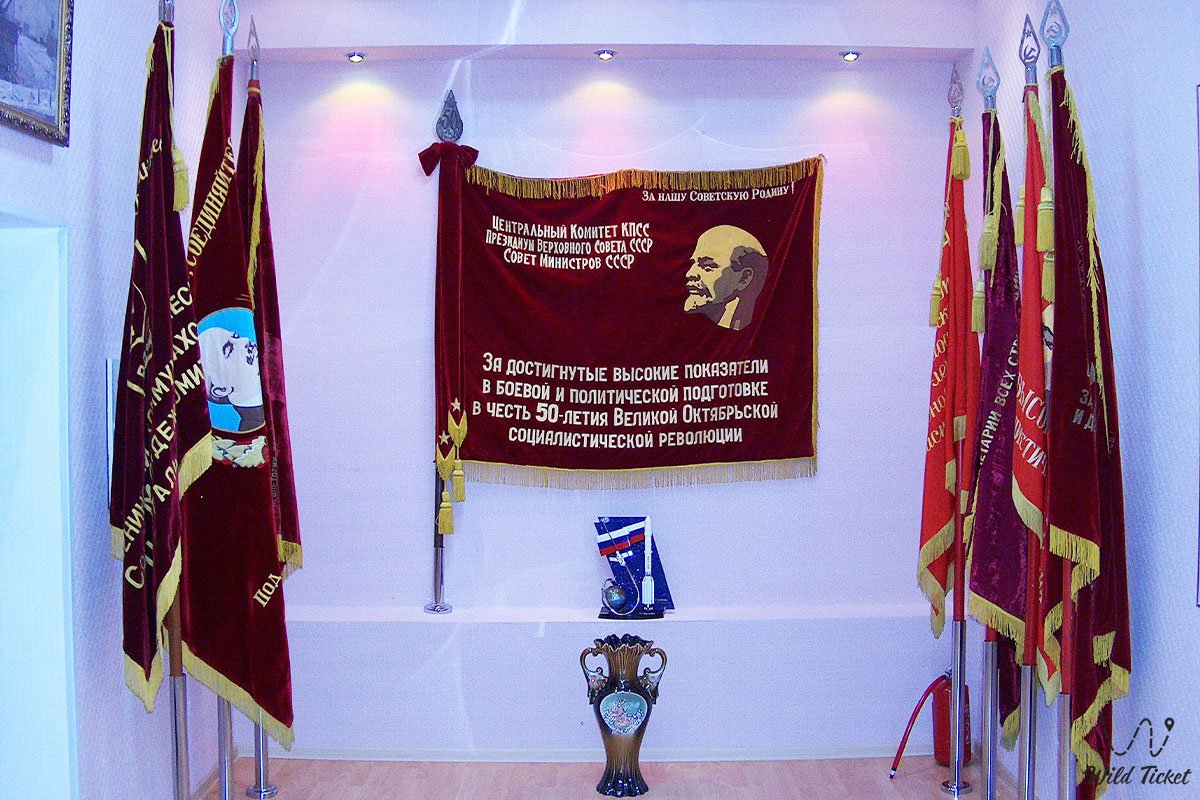
The history of the museum began as a chronicle of the creation and development of the 5th NIIP of the USSR Ministry of Defense. The museum grew out of a small "corner" in the Officers' House, where creative evenings and film screenings were once held. Initially, the museum was created as a departmental institution to record the achievements of the testing ground, but with the growth of the popularity of the space theme, it turned into a full-fledged cultural site. It collected unique exhibits: from the first engines of R-7 rockets to landers that passed through the flame of dense layers of the atmosphere.
In this cultural environment, the first exhibits began to gather: author's works of cosmonauts, photographs, and commemorative documents. Gradually, the collection expanded, occupying more and more premises until it transformed into a full-fledged museum complex. Today, it preserves the memory of the birth of theoretical cosmonautics, the works of Konstantin Eduardovich Tsiolkovsky, and the practical achievements of Sergei Pavlovich Korolev, whose drawings and personal documents form the core of the exposition.
Information
An excursion through the museum building can take more than 3 hours. The exposition is logically built from origins to the modern era:
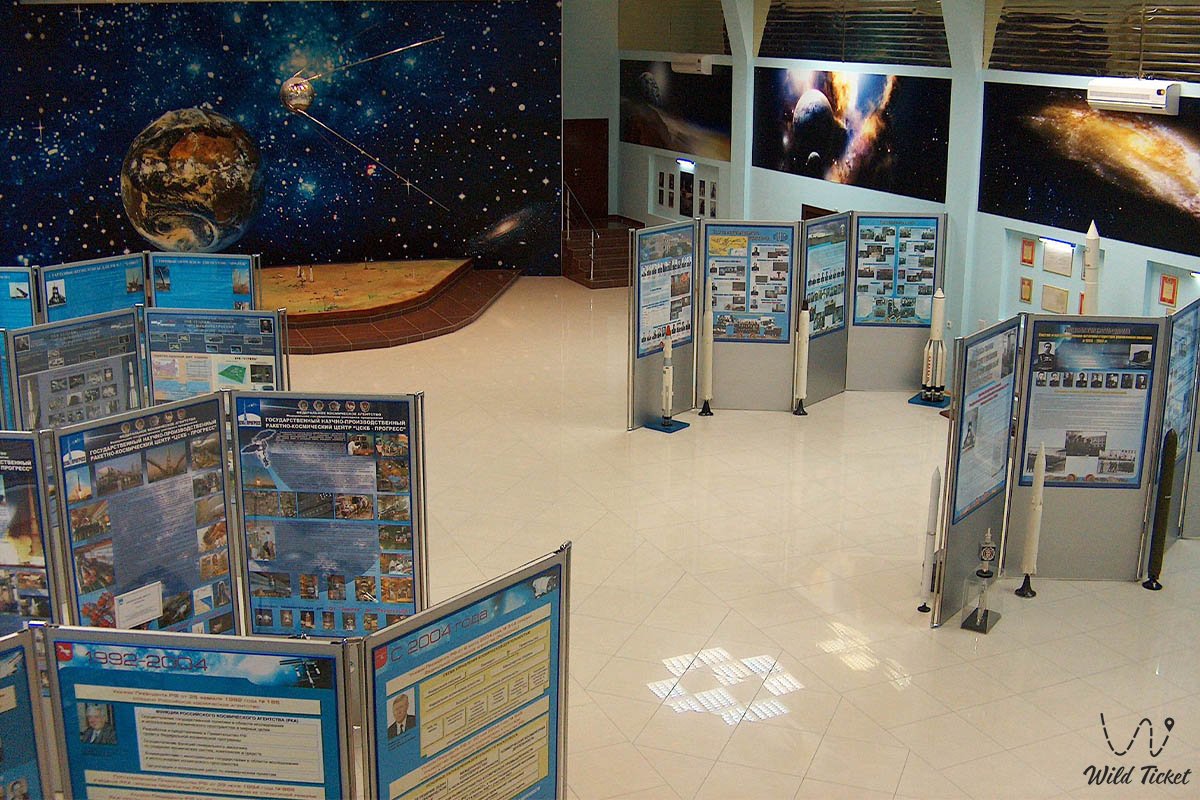
• The Hall of Theoretical Cosmonautics is dedicated to the heritage of K. E. Tsiolkovsky.
• The S. P. Korolev Hall demonstrates models of jet engines, documents, and personal belongings of the designer.
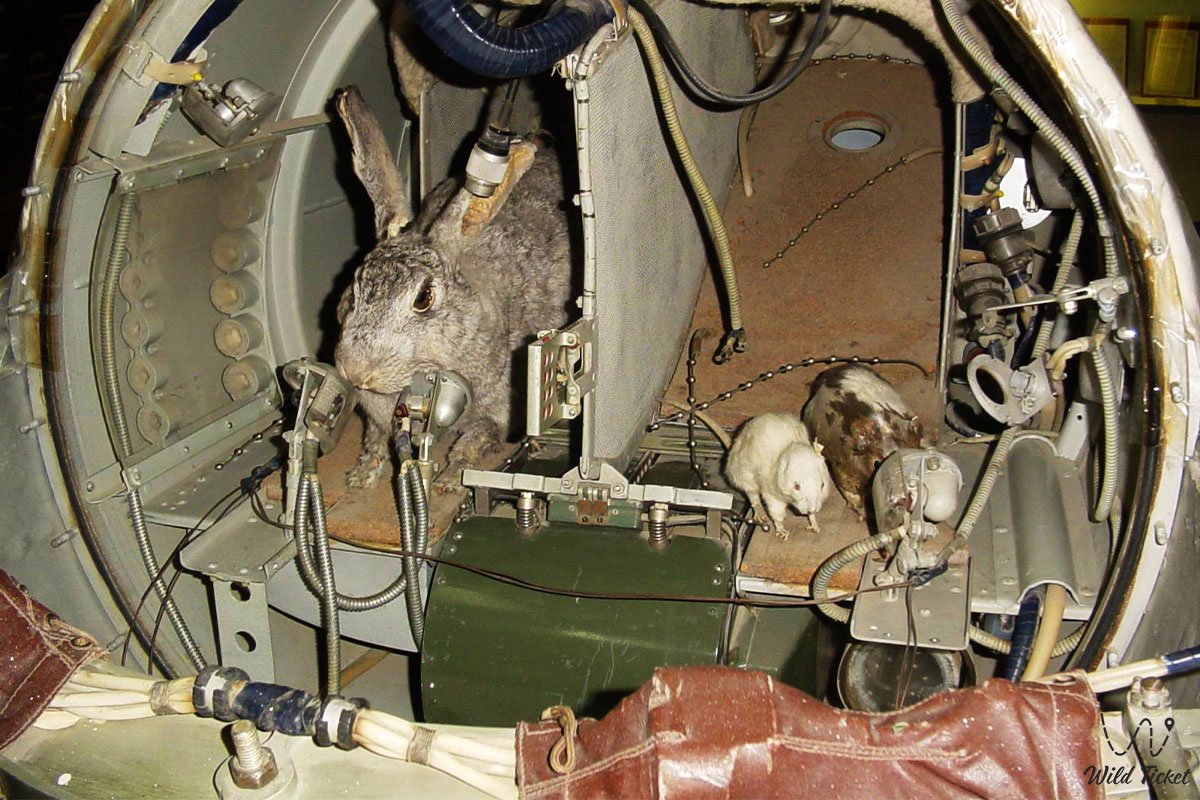
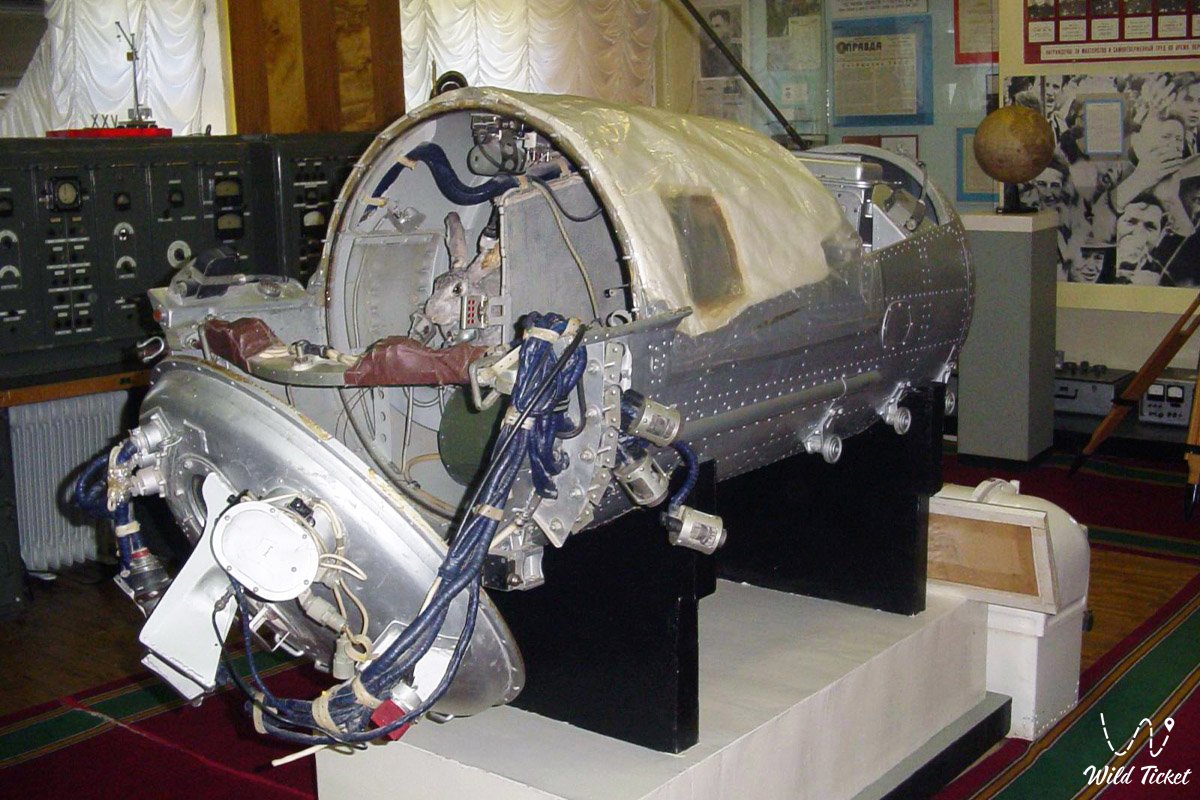
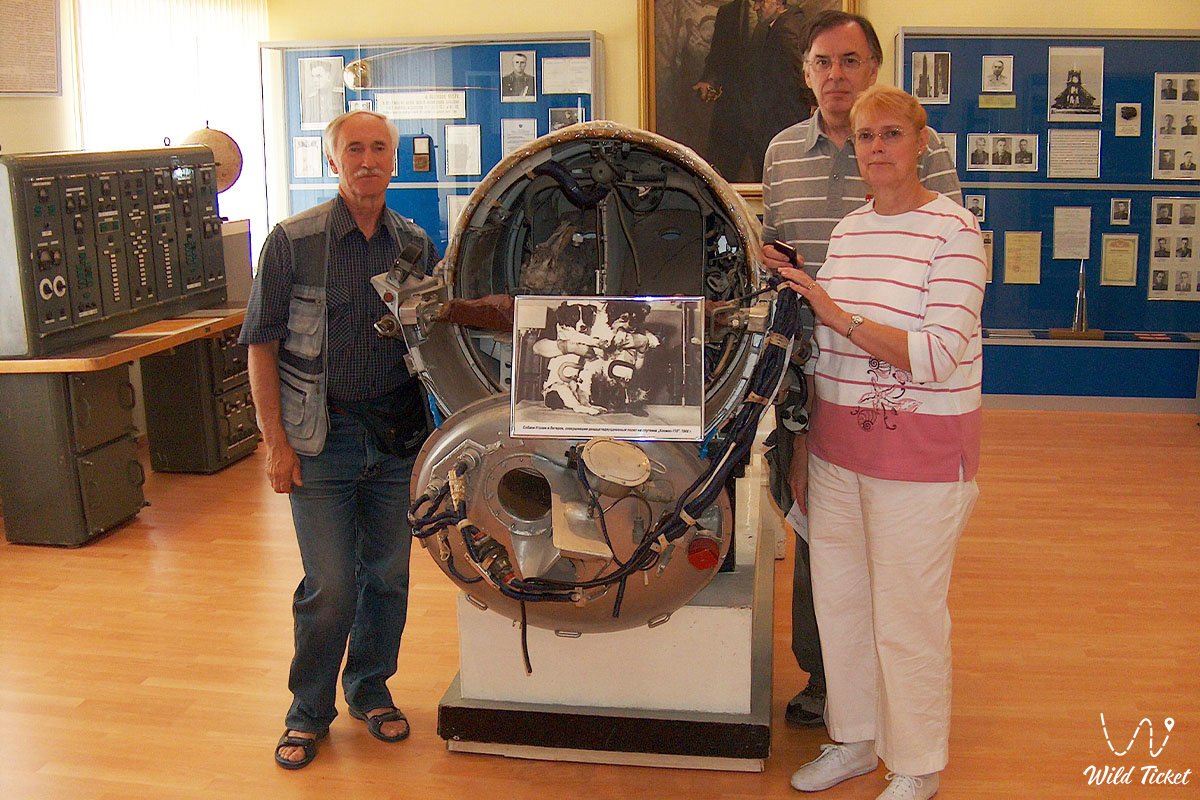
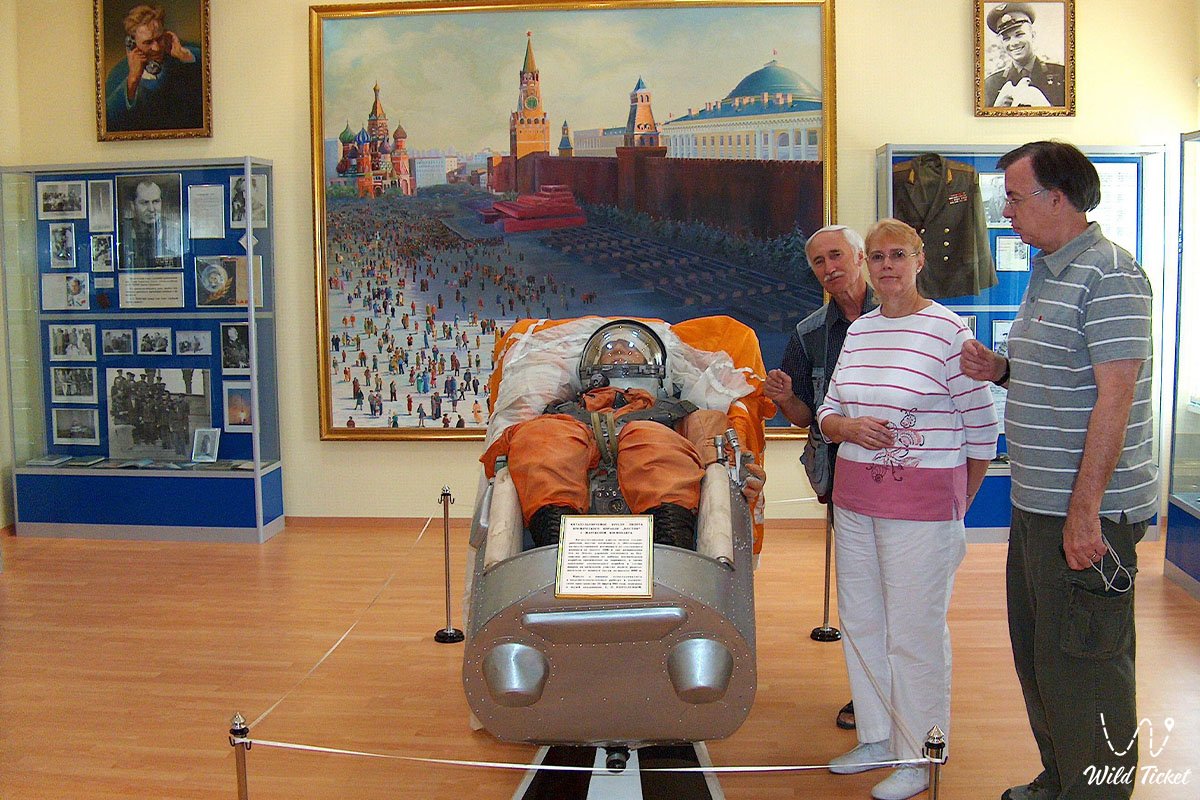
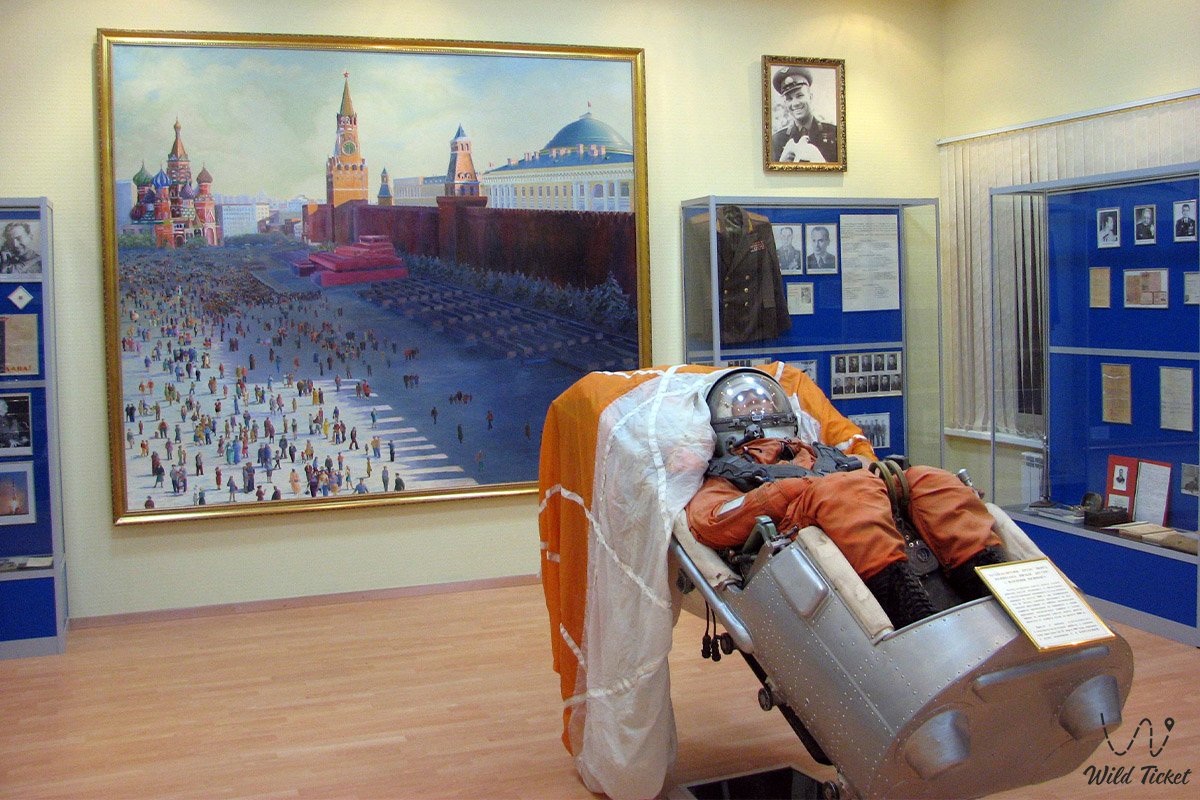
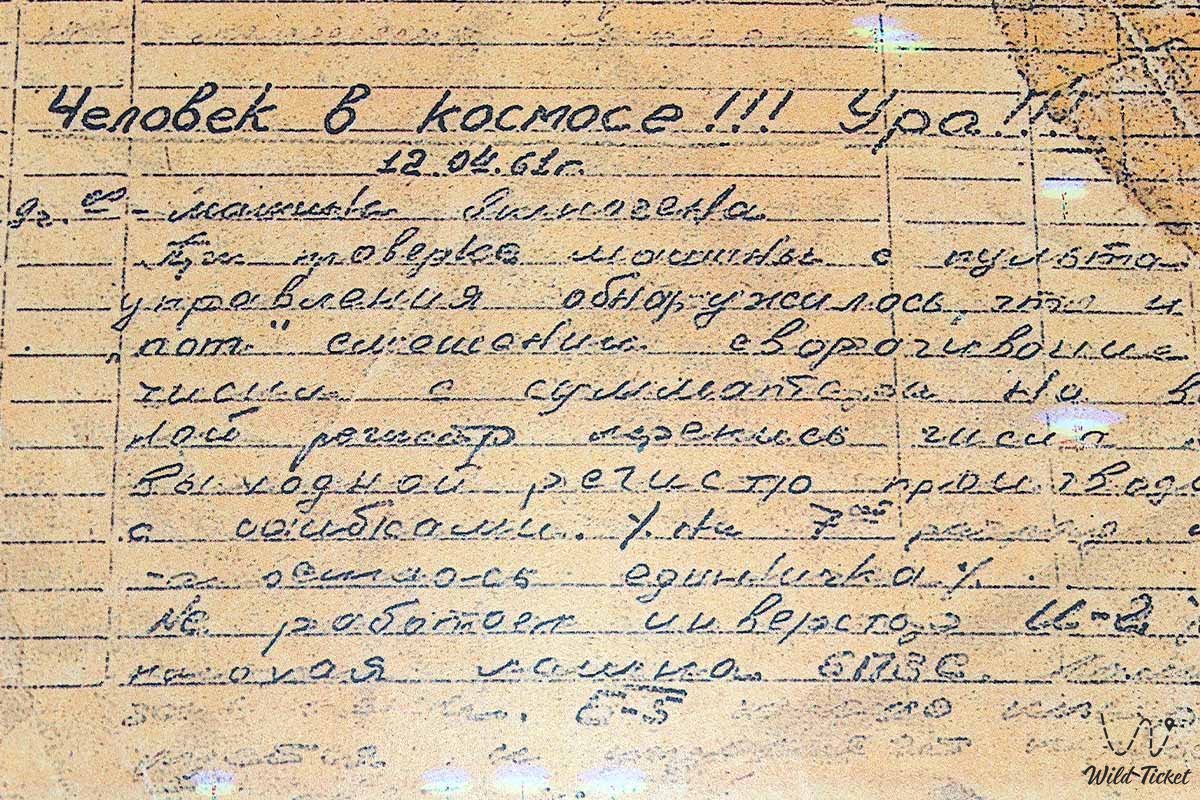
• The Hall of the First Phase of Flights presents models of capsules for animals and artifacts of the first human spaceflight.
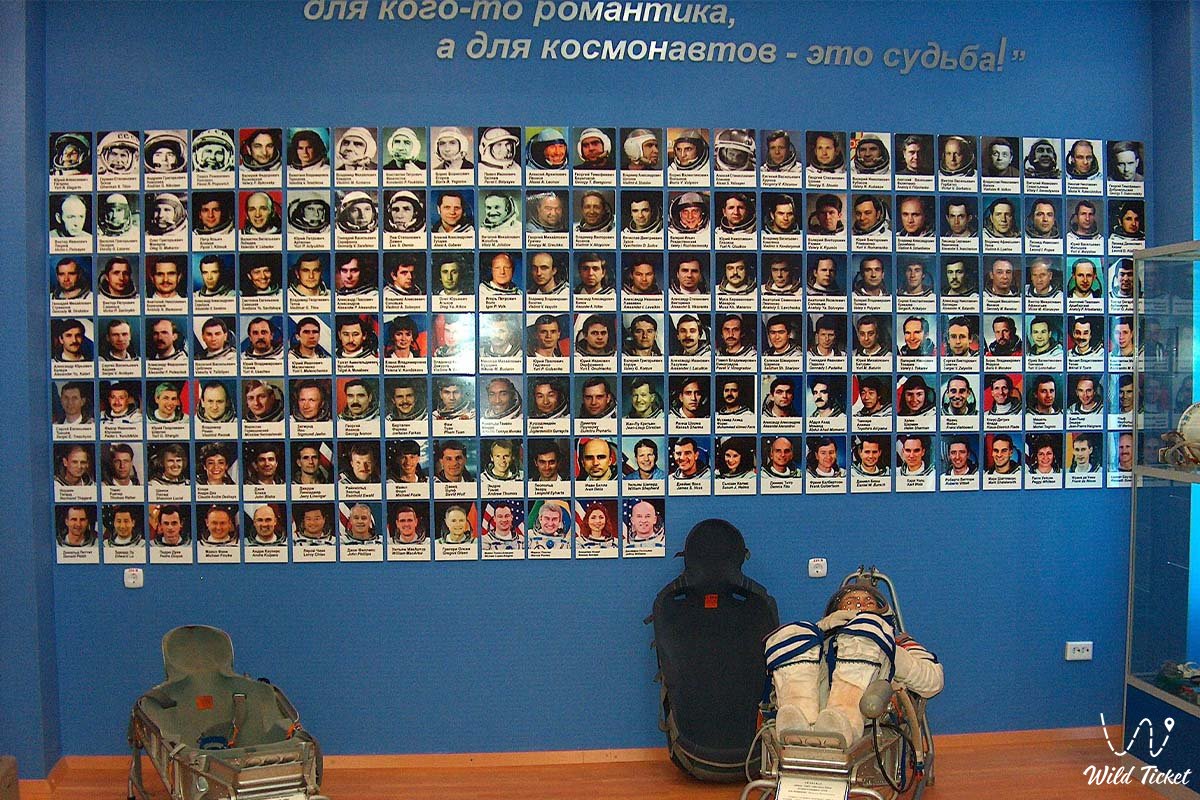
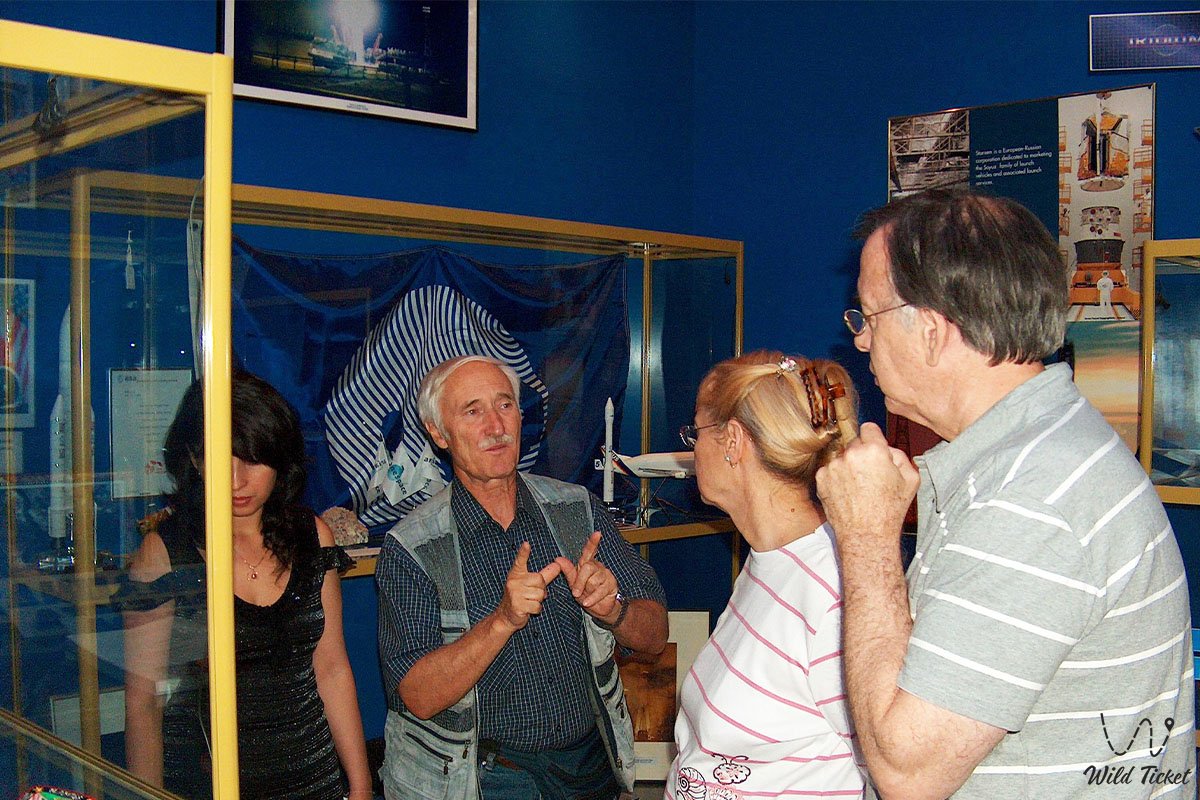
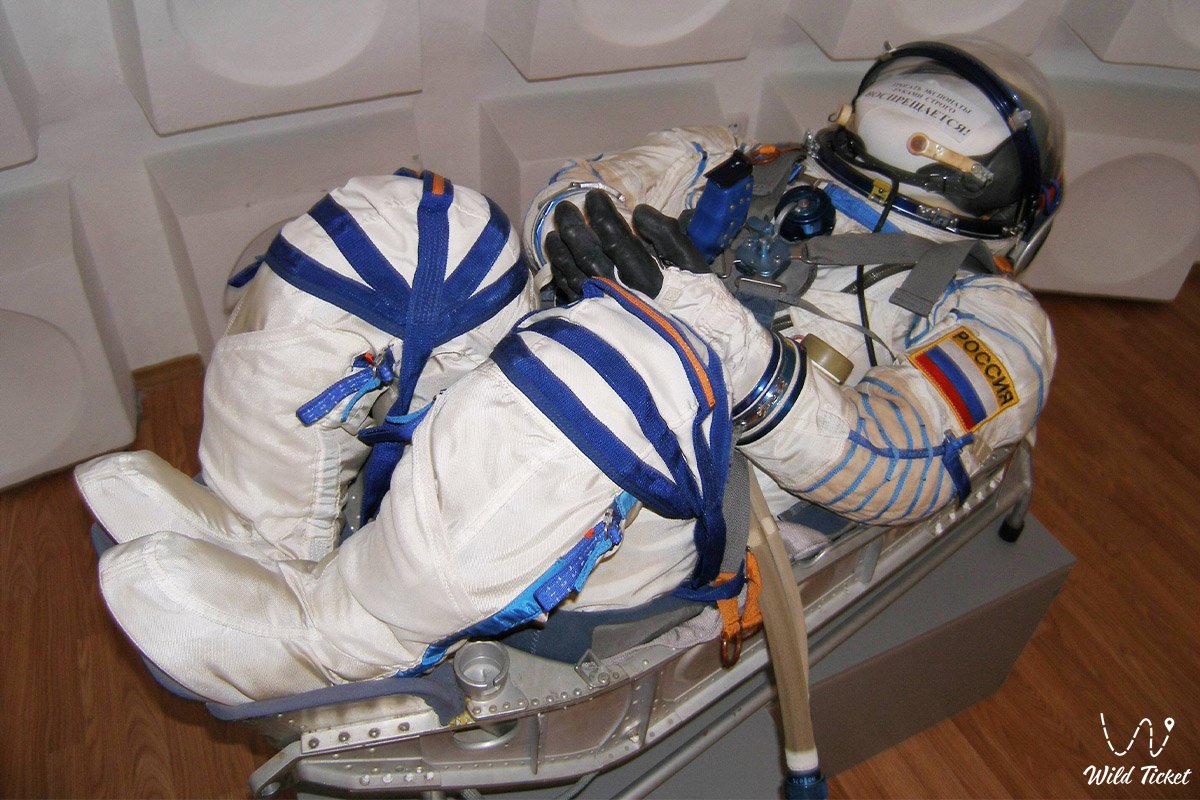
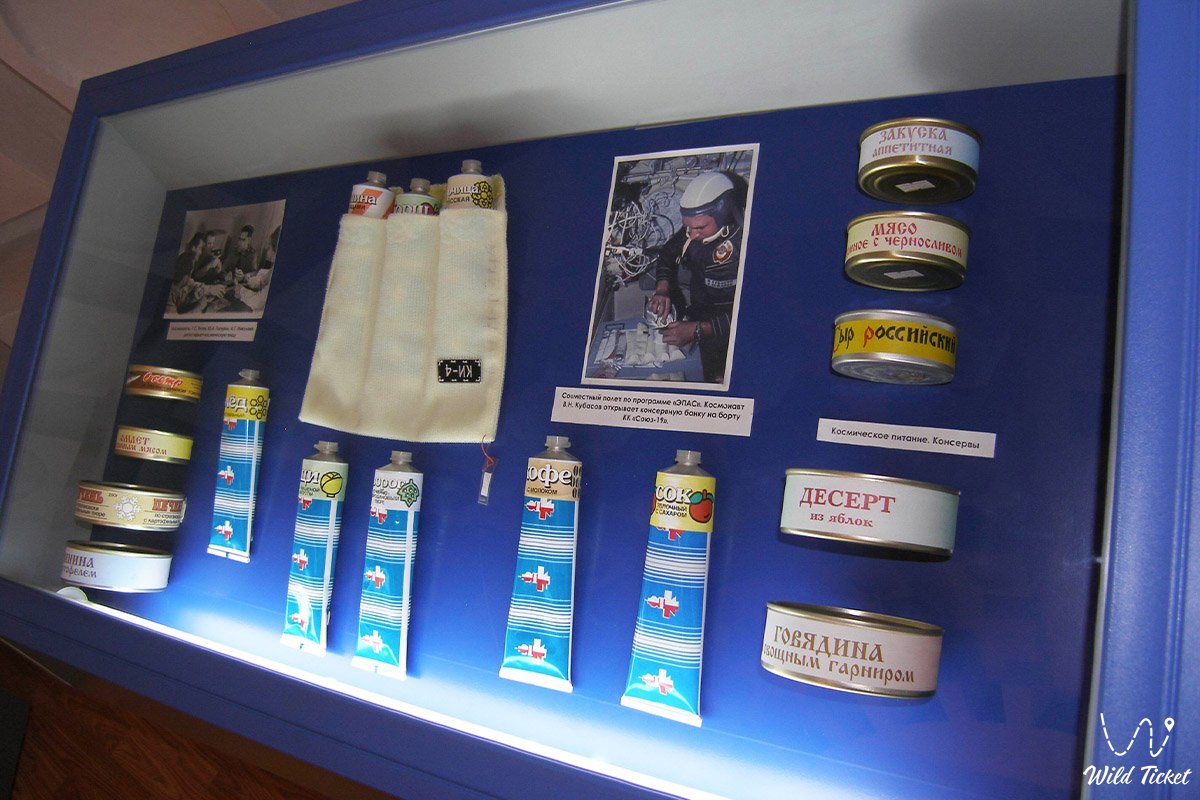
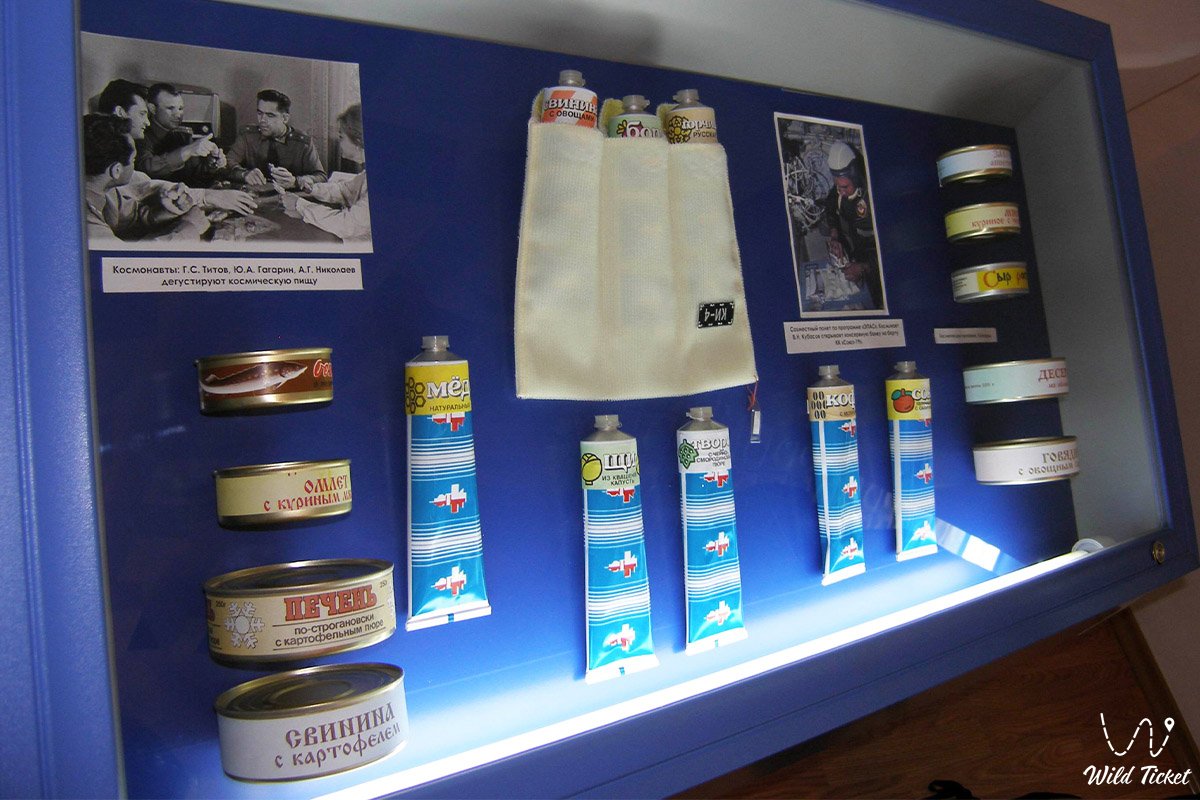
• The Hall of Life in Weightlessness introduces the everyday life of cosmonauts: spacesuits, food rations (tubes, canned food), and a model of the Soyuz lander.
• The general exposition includes awards of cosmonauts, instruments of various design bureaus, and miniature models of satellites.
Detailed description of the venue
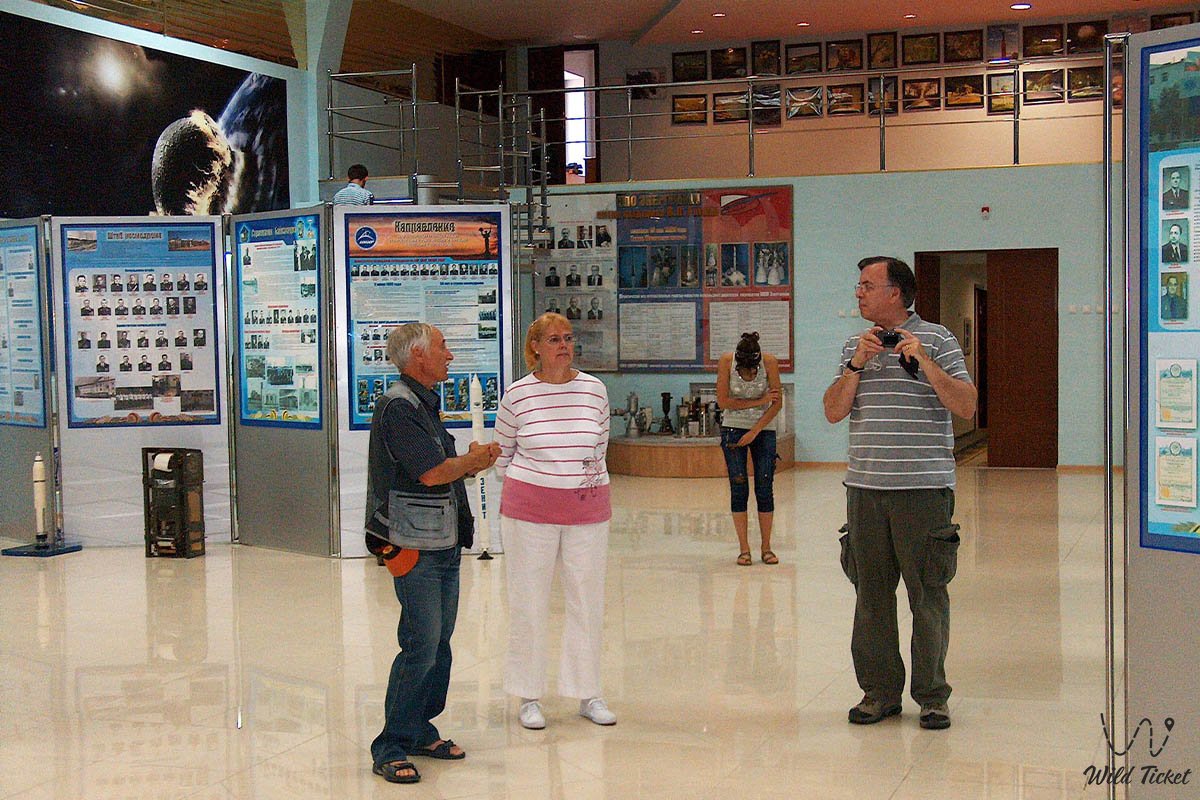
• Two-story museum building – the main space where the history of space exploration is chronologically presented.
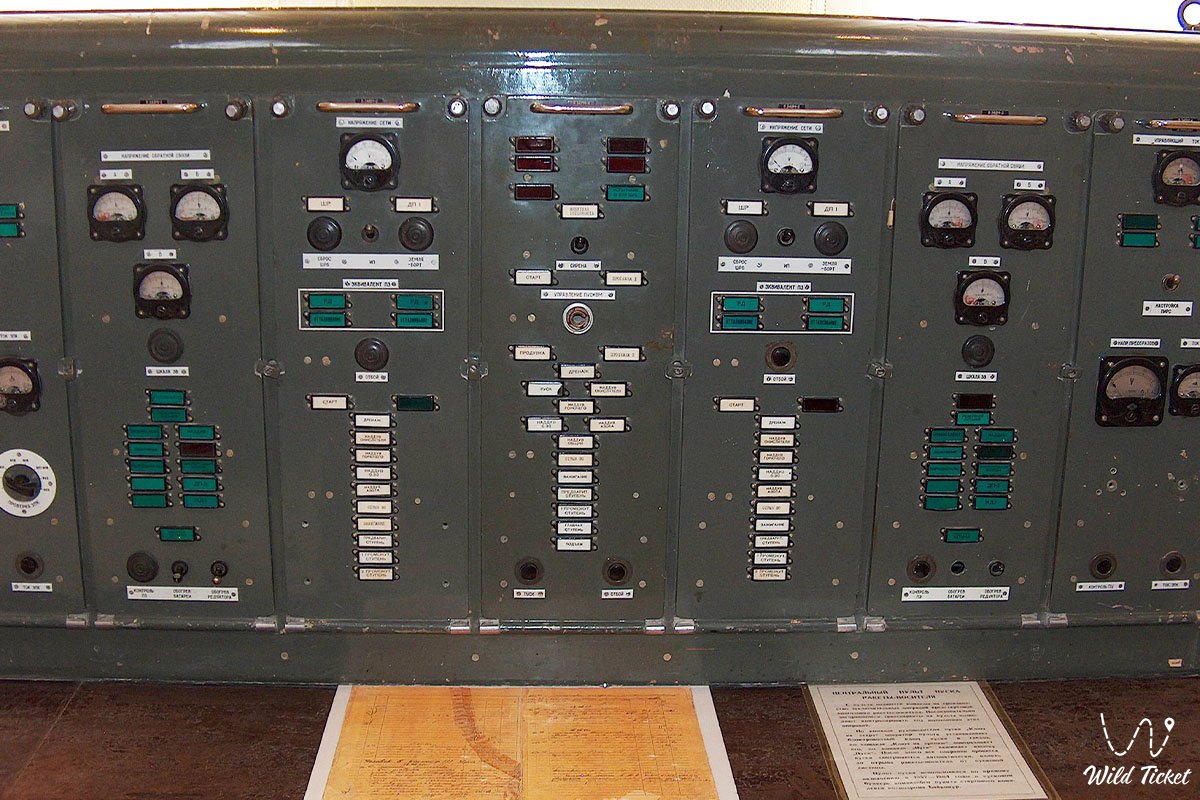
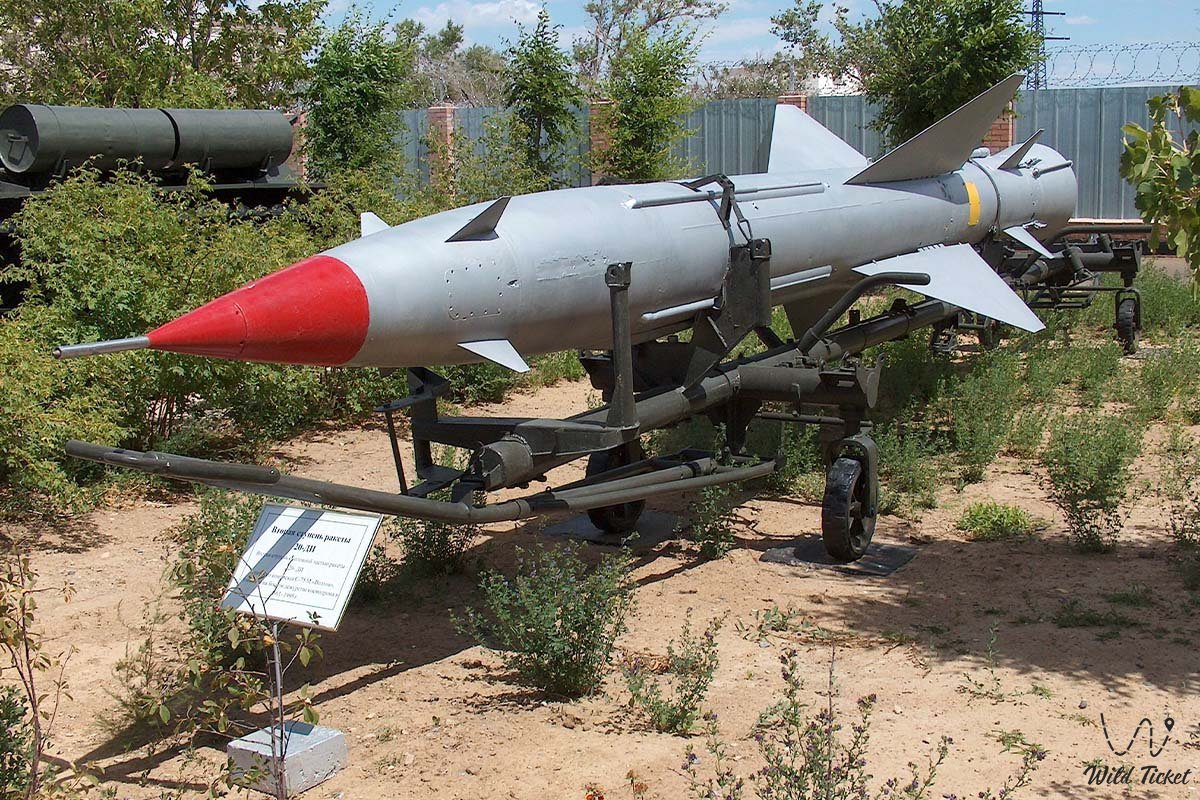
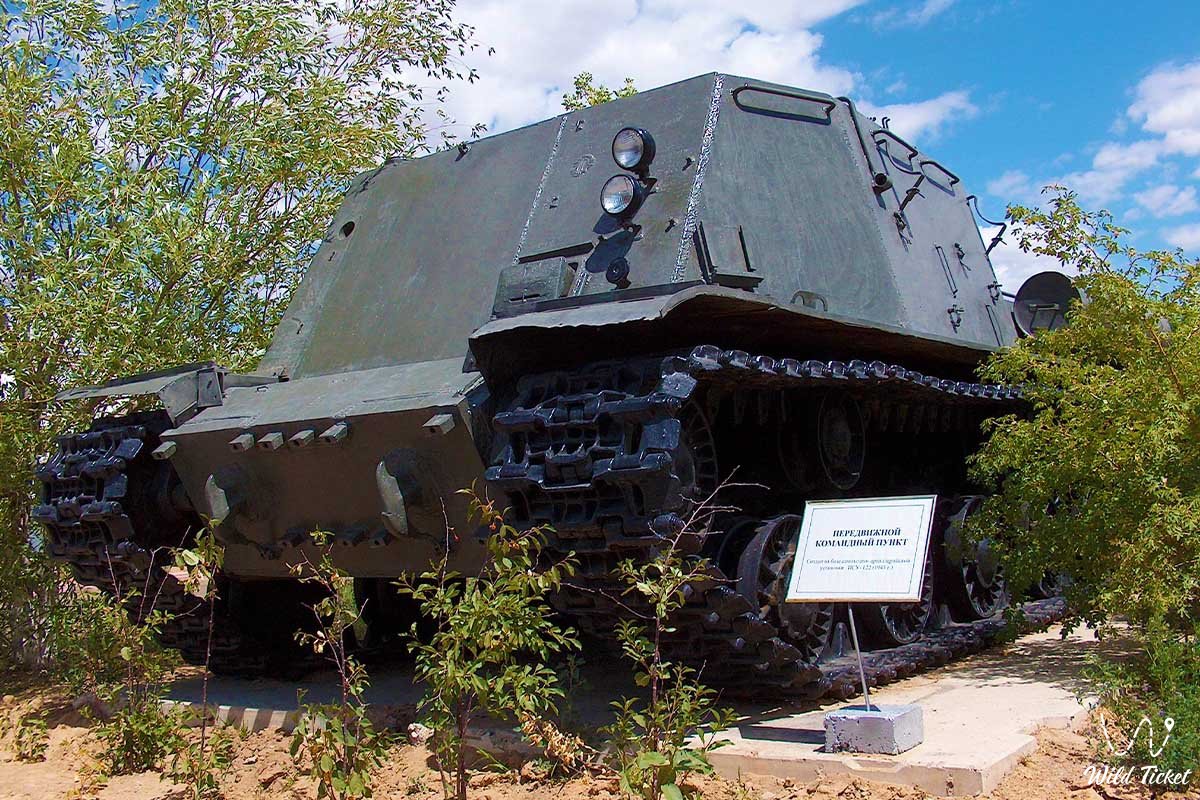
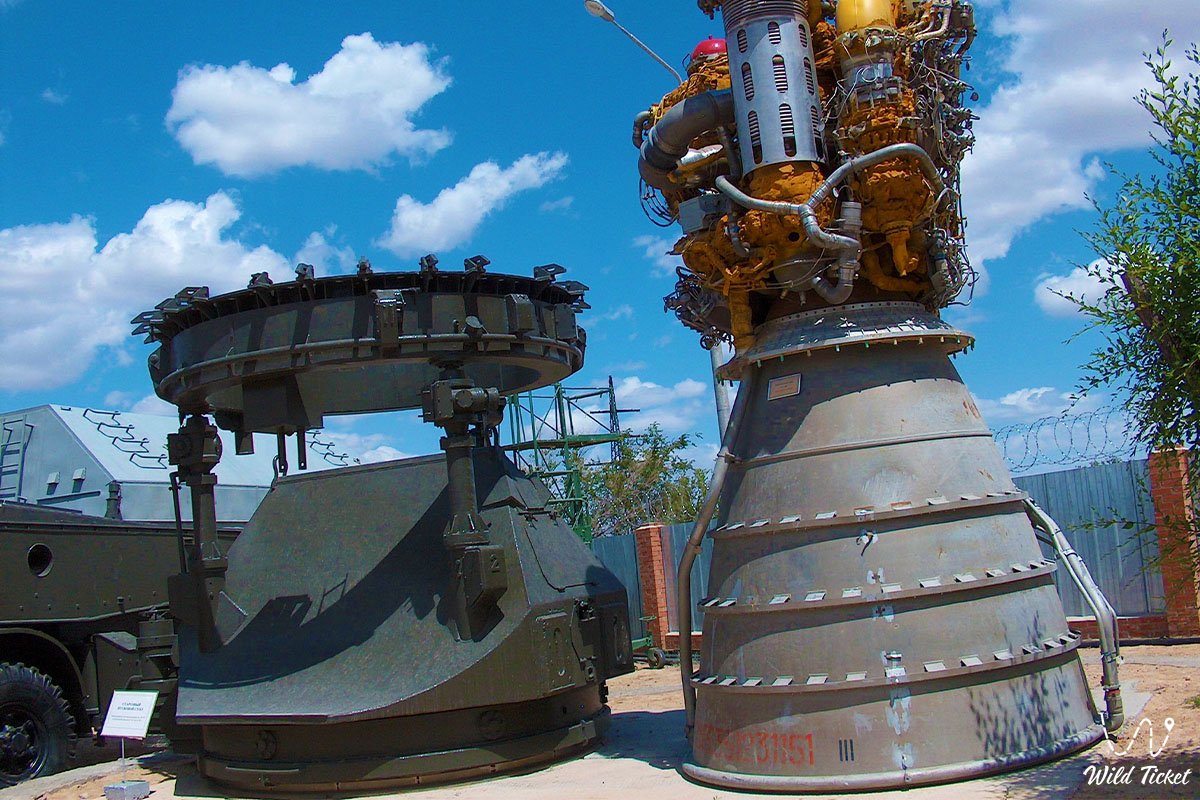
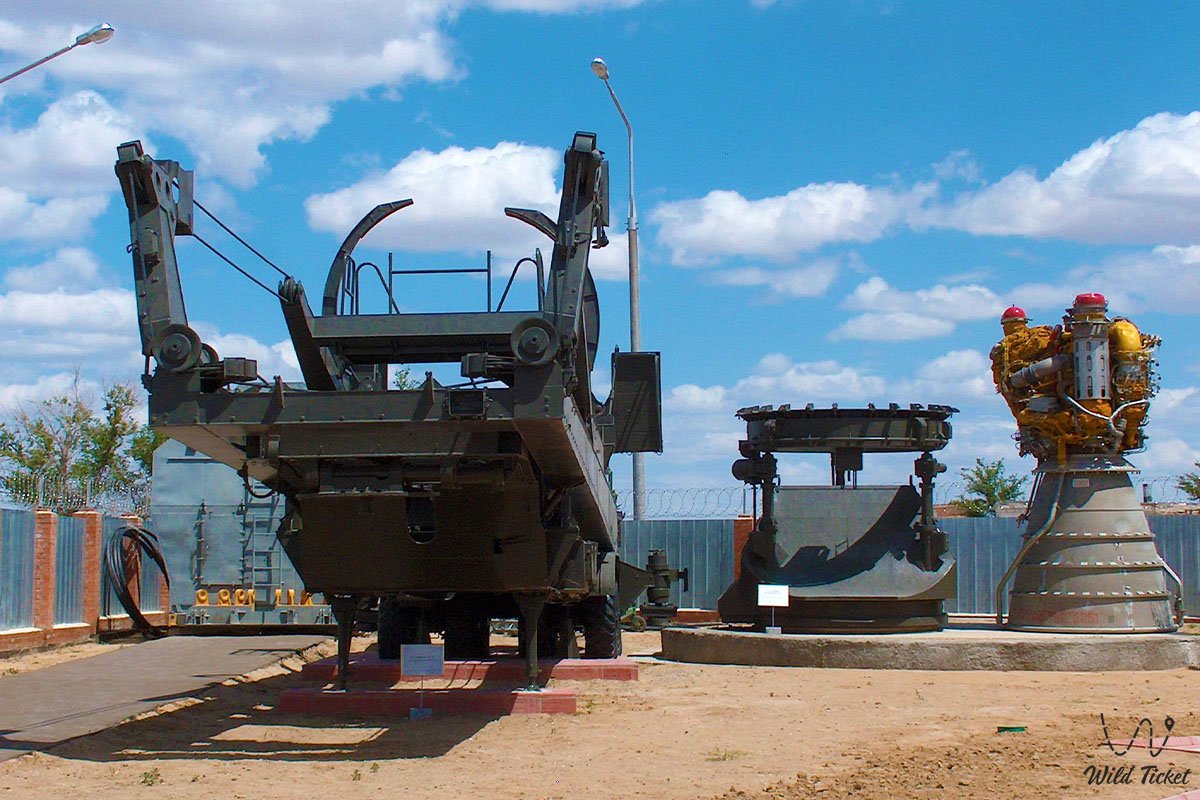
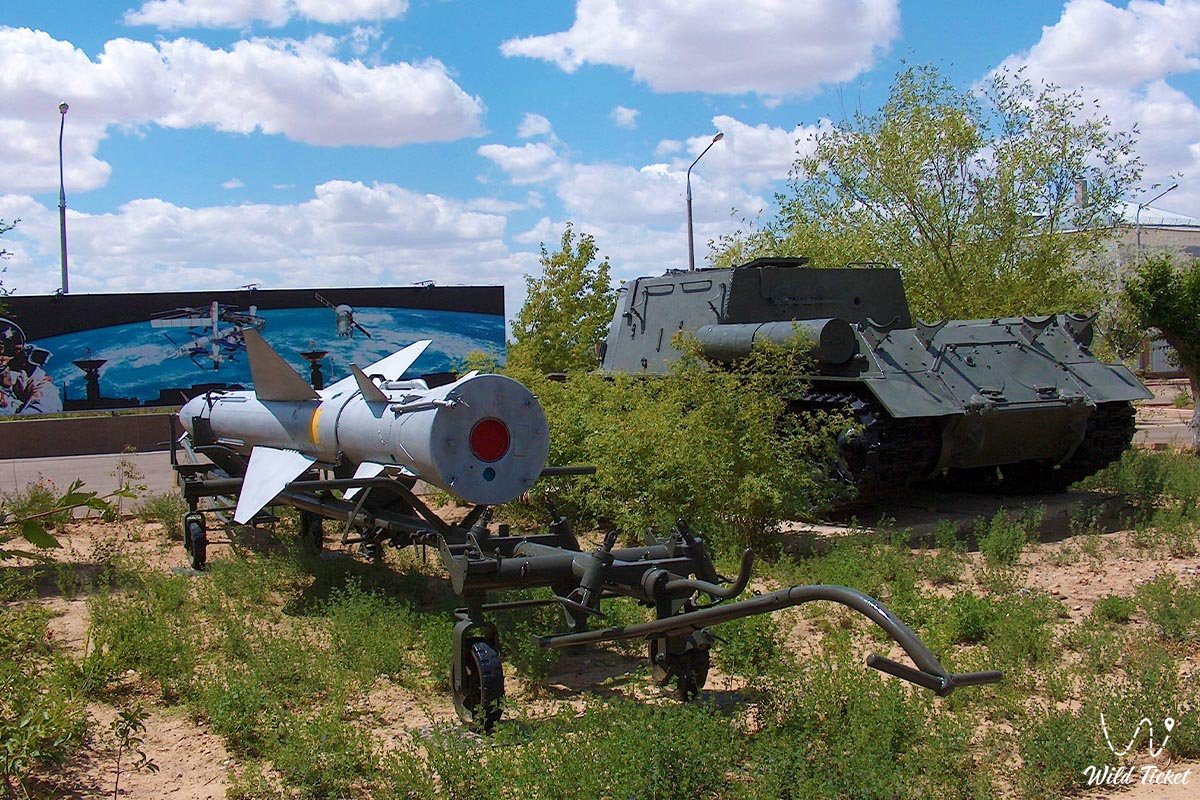
• Open-air exhibition (to the left of the building) – full-scale samples are presented here: a full-size model of the Soyuz spacecraft, the Buran space shuttle, a launch pad, radar antennas, and specialized automotive equipment.
• Buran space shuttle – the central exhibit of the outdoor site, the inside of which can be accessed through the cargo bay to sit at the helm in the cockpit.
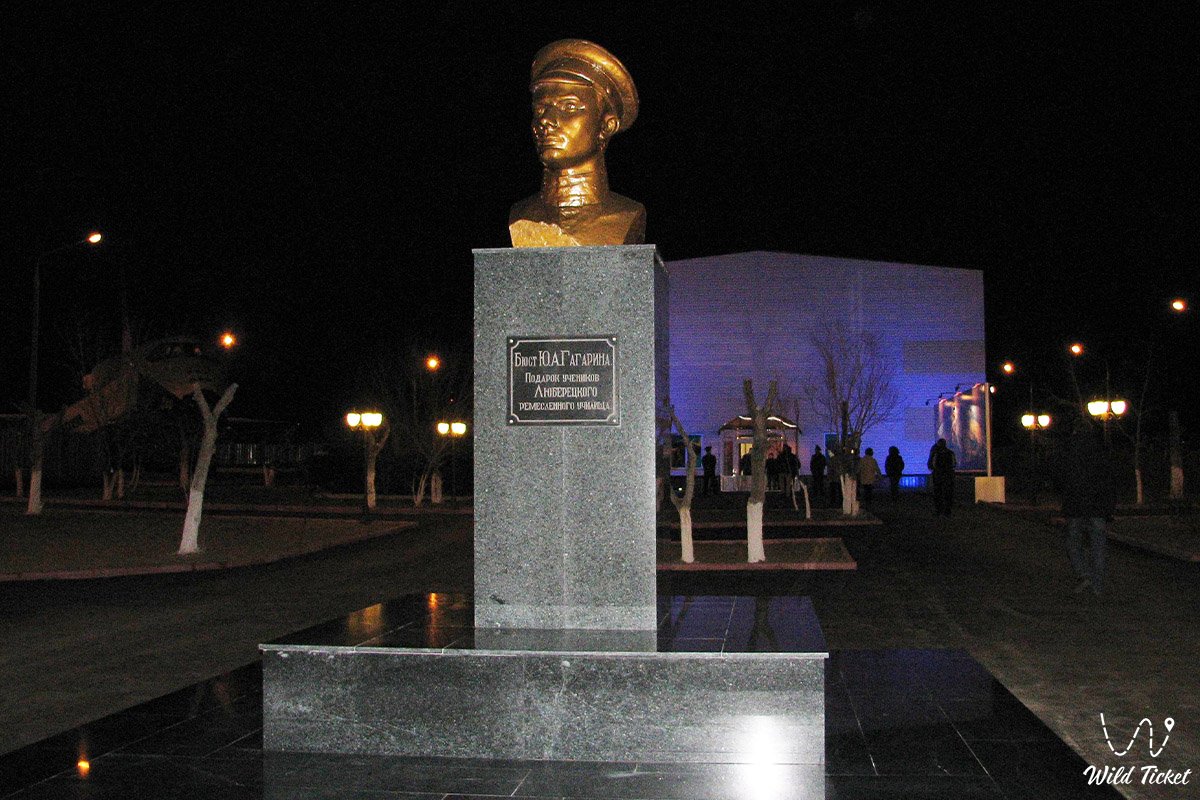
• Houses of Korolev and Gagarin – memorial buildings (200 meters from the main building) where the ascetic setting of the 1960s in which the legends of cosmonautics lived is recreated.
• Model of a capsule for animals – a historical sample demonstrating the initial stage of preparation for manned flights.
Architecture
The museum combines exhibition functionality and historical authenticity. The main building is designed as a center combining deep scientific knowledge with a visual demonstration of technical achievements. The open area is designed taking into account the dimensions of large rocket technology, allowing visitors to appreciate the real scale of engineering structures. The memorial houses, on the contrary, preserve the architecture of simple brick buildings of the mid-20th century, contrasting as much as possible with the high-tech objects of the cosmodrome and emphasizing the Spartan conditions in which history was forged.
Legend
Among the employees of Baikonur, there is an opinion that each exhibit in the museum is not just metal or paper, but a particle of that colossal energy with which the first rockets launched. Visitors often note a special state of awe when entering the houses of Korolev and Gagarin, where time seems to have frozen on the threshold of the historical "Poyekhali!". Many feel that the spirit of the pioneers, for whom space was the only reality, still hovers in the halls of the museum.
Conclusion
The Baikonur Cosmodrome Museum is a mandatory point of the itinerary for any space researcher. The combination of deep historical content, the opportunity to personally climb aboard the legendary Buran, and see the lifestyle of the designers makes this object unique. The museum does not just complement the impressions of a rocket launch witnessed, but gives a full understanding of the path humanity has traveled from theoretical calculations to real flights into infinity.
Interesting sights nearby:
• Yubileyniy Airfield;
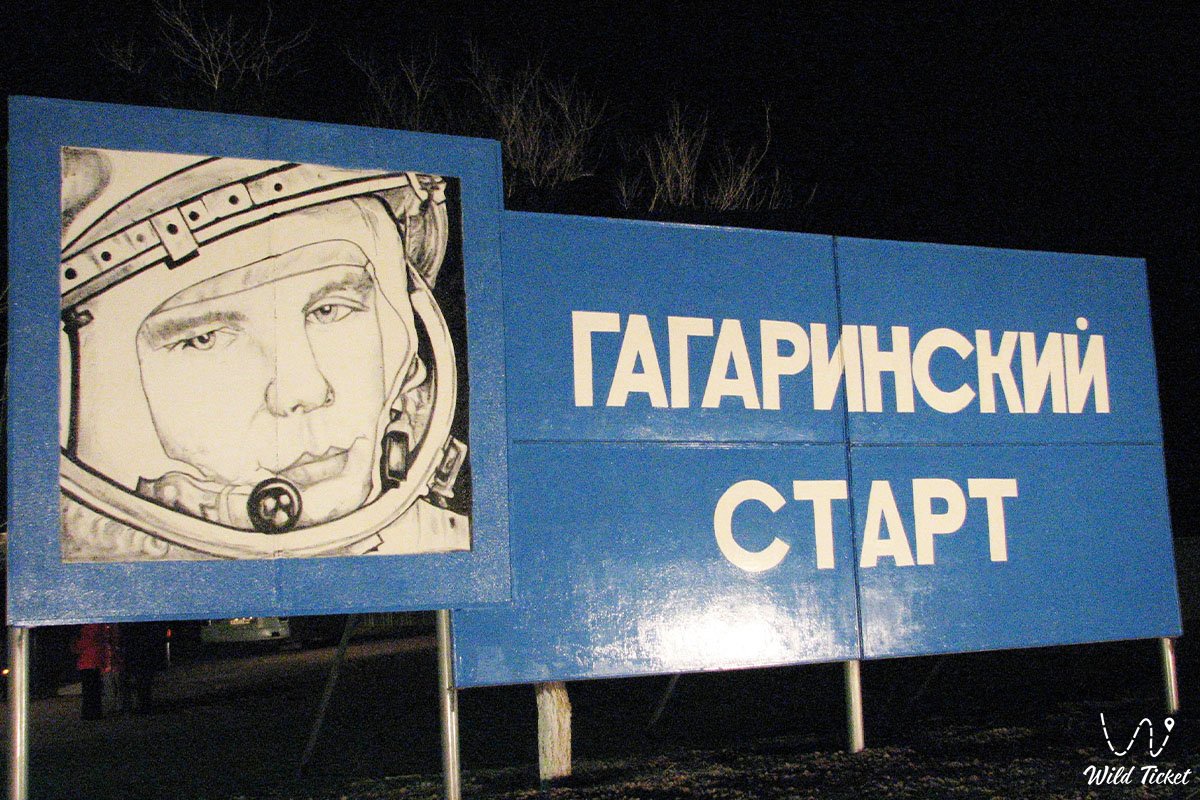
• Pad No. 1 ("Gagarin's Start");
• Pad No. 110;
• Energia Command Post;
• Saturn Radio Complex;
• Memorial to the Fallen Testers;
• Cosmonauts Alley;
• Monument to the Soyuz Rocket.
Photogallery: