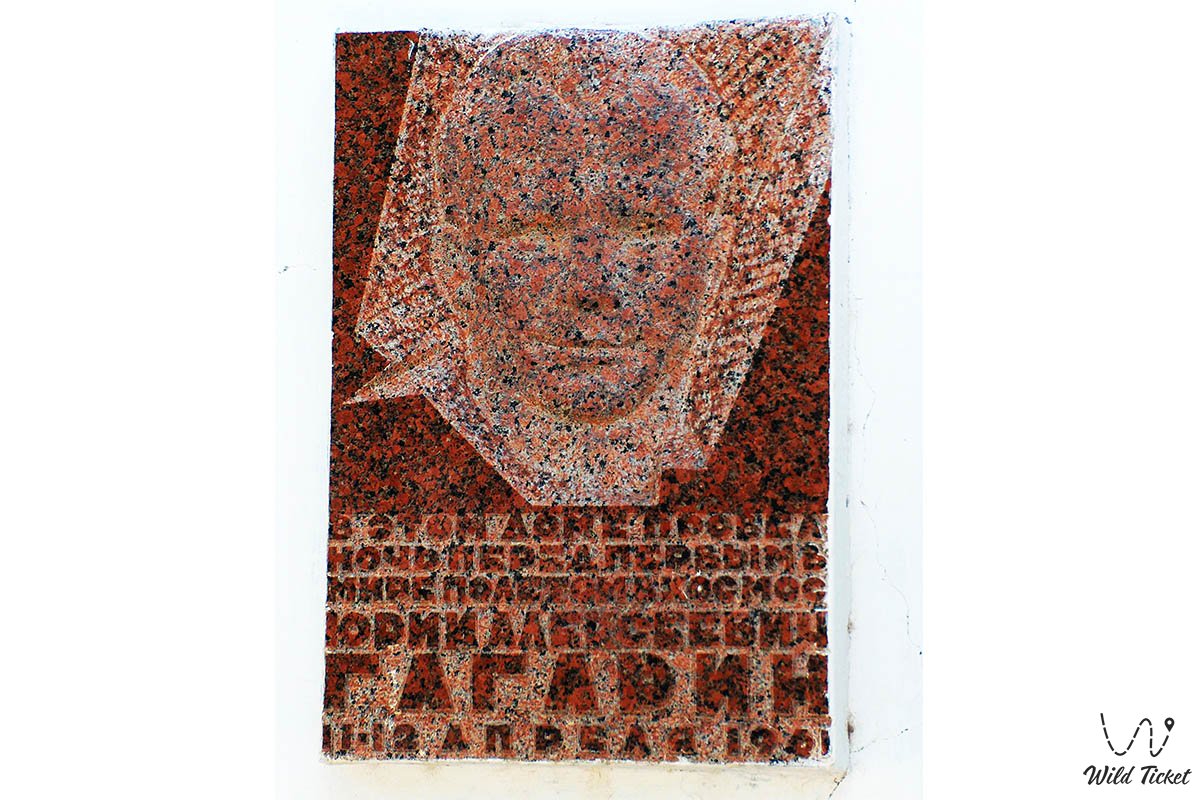
Sacred places where the space era of humanity was born -
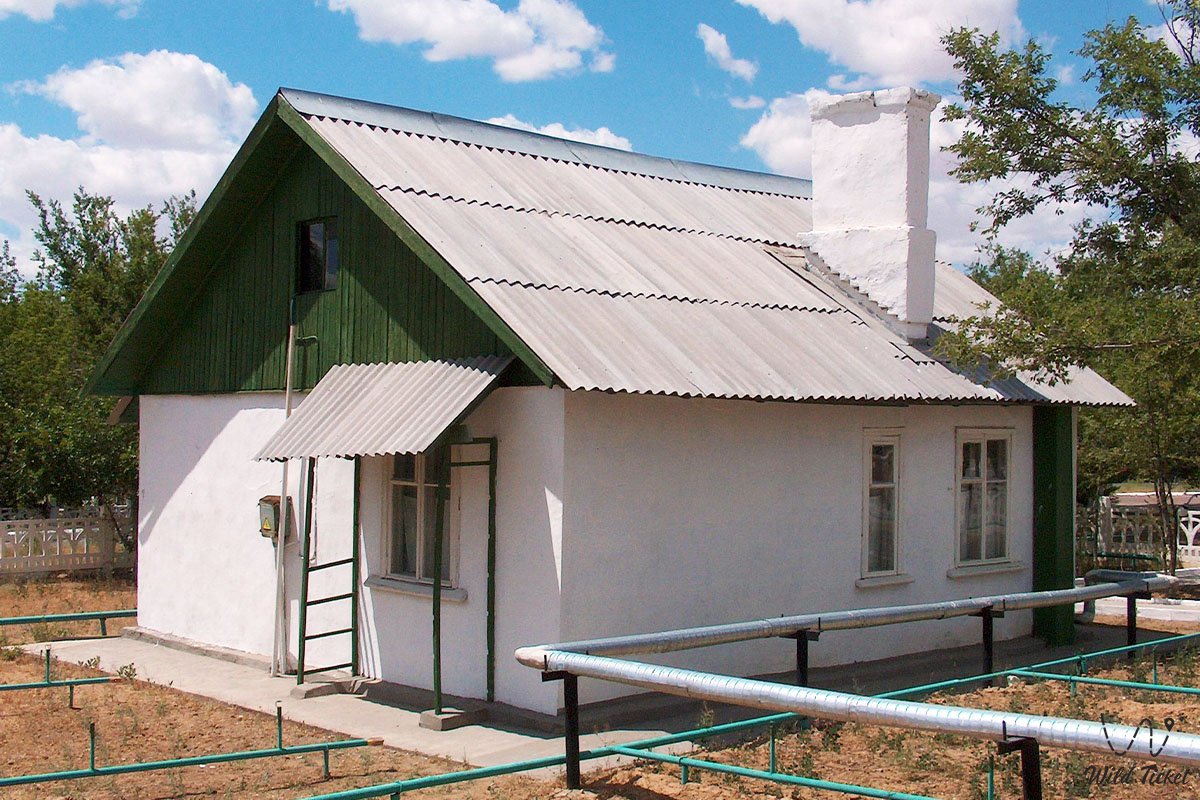
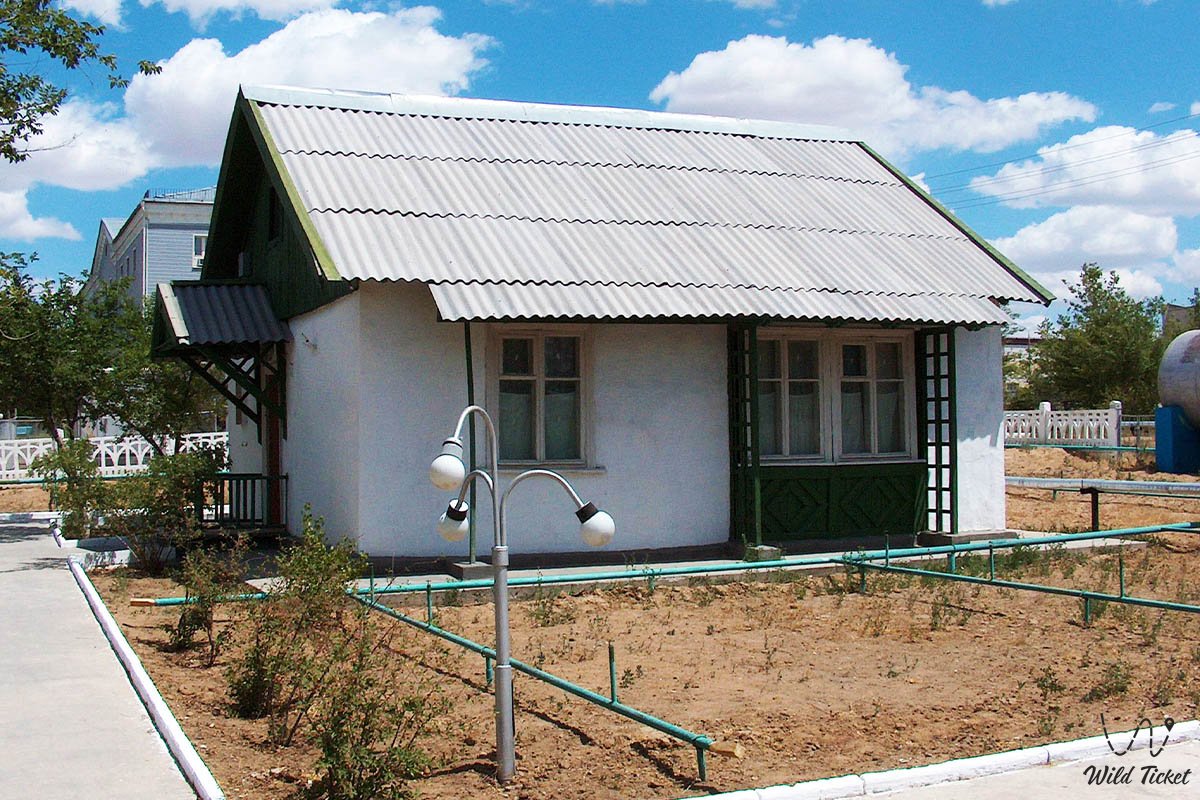
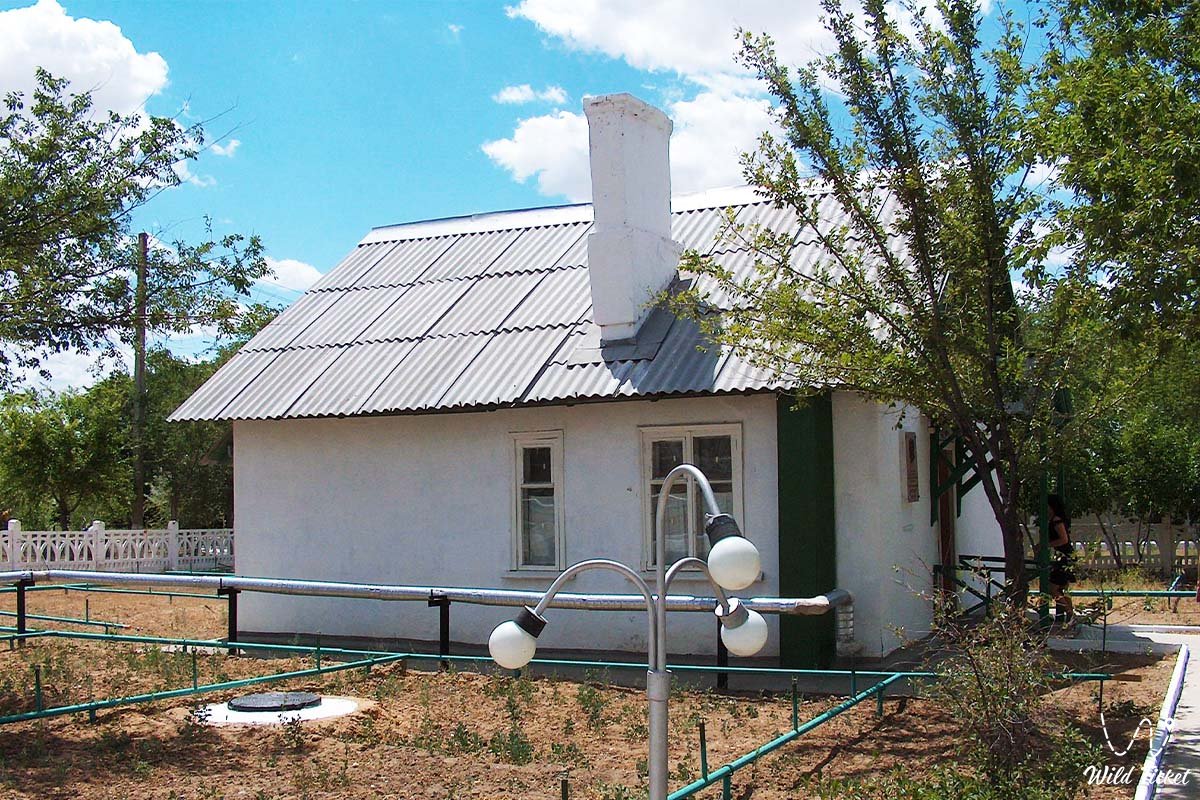
Houses of Yuri Gagarin and Sergei Korolev at the Baikonur Cosmodrome represent a historical memorial complex located at Pad No. 2. These oldest buildings, erected in the spring of 1955, are witnesses to the decision-making that changed the course of world history. Initially, the complex consisted of four three-room houses intended for the chief designers and leaders of the space program.
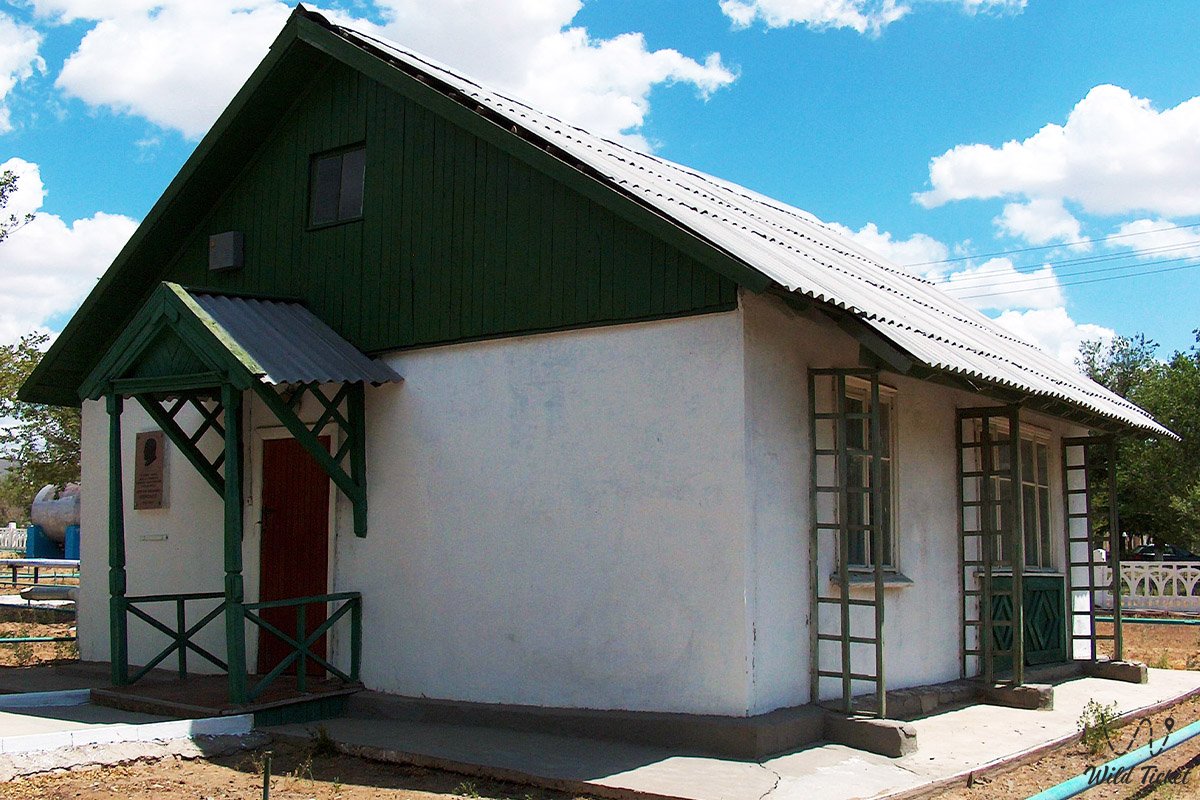
Today, two historical buildings are preserved: house No. 1, known as the "marshal's" house (where Yuri Gagarin stayed), and house No. 2, which became home to Sergei Korolev. These memorial sites in the Kyzylorda region are today part of the Baikonur Cosmodrome Museum and allow visitors to touch the lifestyle of legendary personalities in the ascetic setting of the 1950s.
House No. 1 and House No. 2 reflect the utilitarian spirit of that time – these are one-story buildings that, in conditions of secrecy and the forced pace of the complex's construction, provided the necessary conditions for rest and work. Despite the simplicity of forms, these buildings possess colossal cultural value, serving as architectural symbols of the feat accomplished in the era of the greatest technological challenges.
A visit to the houses allows one to feel the contrast between the modesty of the living conditions and the grandeur of the tasks that the creators of space systems set for themselves. Also, visiting the houses is closely connected with the rocket launch schedule from the cosmodrome, when people come here to watch the launches of Soyuz MS manned spacecraft or Progress cargo spacecraft. Near the houses is located the Buran museum-spacecraft.
Here is a list of tours to Baikonur.
---------------------------------------------
How to get there and visit -
Houses of Gagarin and Korolev (No. 1 and No. 2) are located on the territory of Pad No. 2 of the Baikonur Cosmodrome, 200 meters from the Museum of the History of the Cosmodrome, 40 kilometers from Baikonur City, Karmakshy district, Kyzylorda region, Republic of Kazakhstan.
GPS geographical coordinates: 45°54'30"N 63°18'55"E
Visiting the memorial houses is carried out exclusively within organized excursions around the territory of the cosmodrome. In order to get to Pad No. 2, tourists need to book a tour through accredited companies in advance and issue an official pass to the cosmodrome. Movement across the territory of the complex occurs on specialized transport accompanied by a guide.
Opening hours: Visiting is available daily according to the schedule of the cosmodrome museum, taking into account the active restrictions on the secure territory. It is recommended to plan a visit as part of groups to guarantee access to the memorial sites. During a visit, it is important to observe the rules of behavior at cultural heritage sites.
Contacts Daily: Applications for visits are accepted by official travel operators cooperating with the administration of the cosmodrome.
---------------------------------------------
History
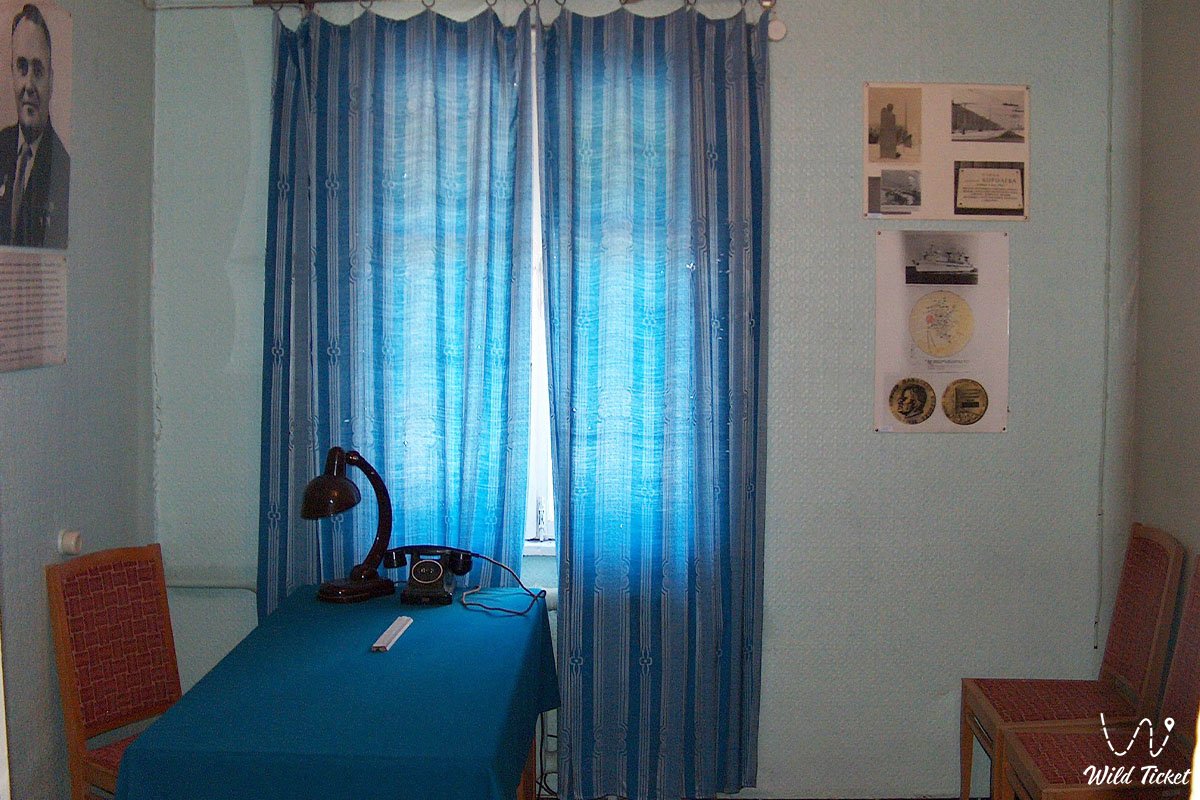
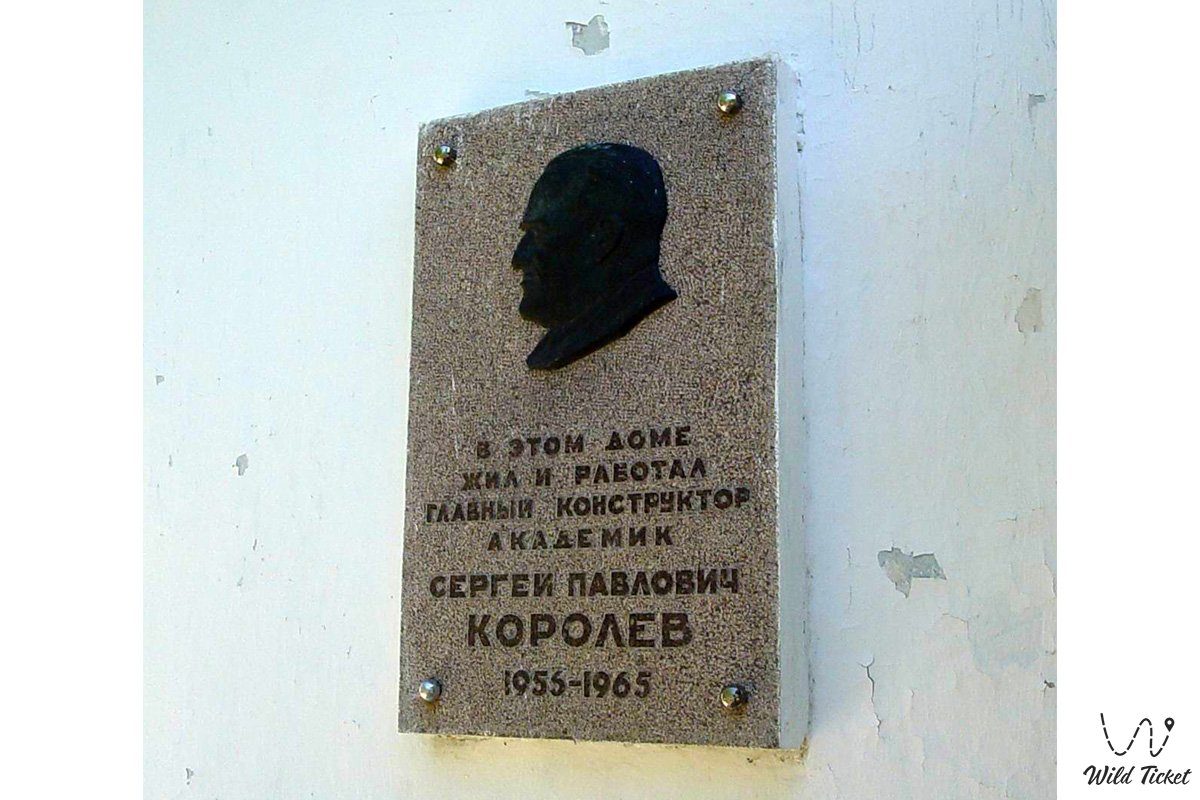
The history of the houses is inextricably linked with the development of Baikonur as testing ground No. 5. The house of Sergei Korolev (house No. 2) became home to the scientist for many years – here he lived and worked, personally controlling the testing of ballistic missiles and the launches of manned missions. In house No. 2, Korolev held informal meetings with designers, the military, and cosmonauts.
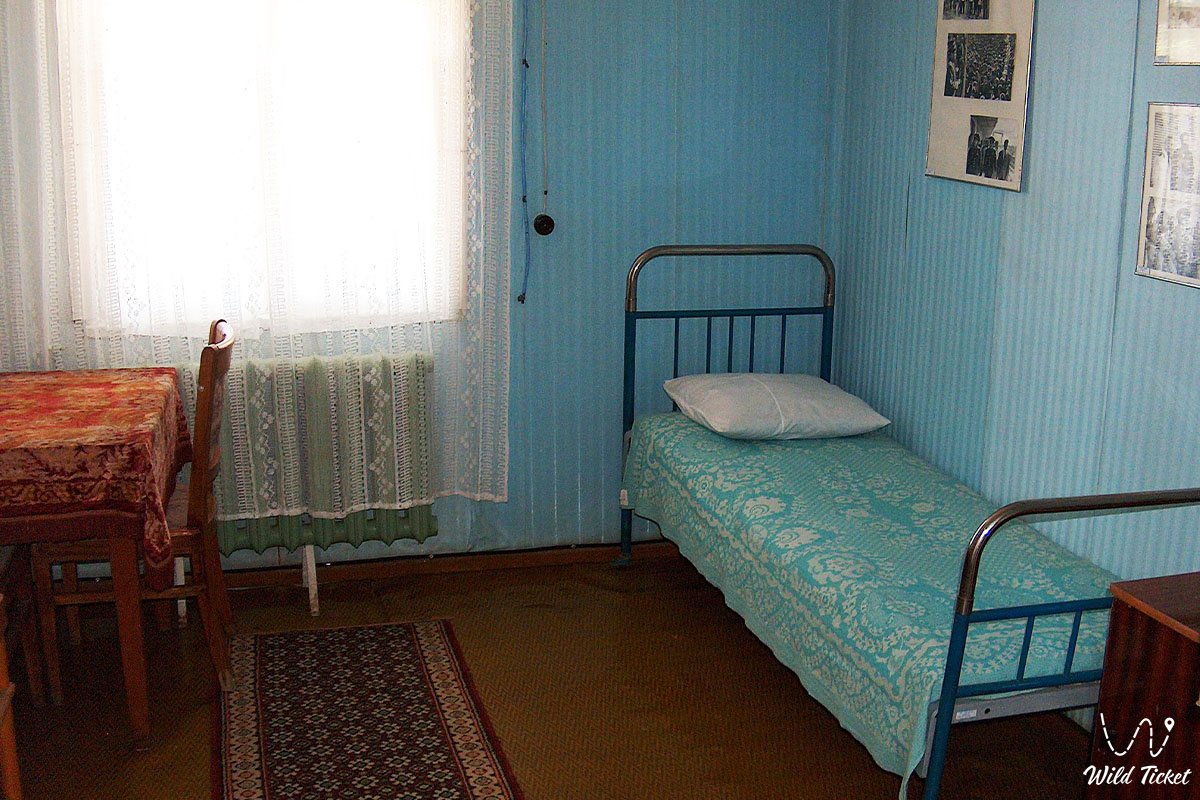
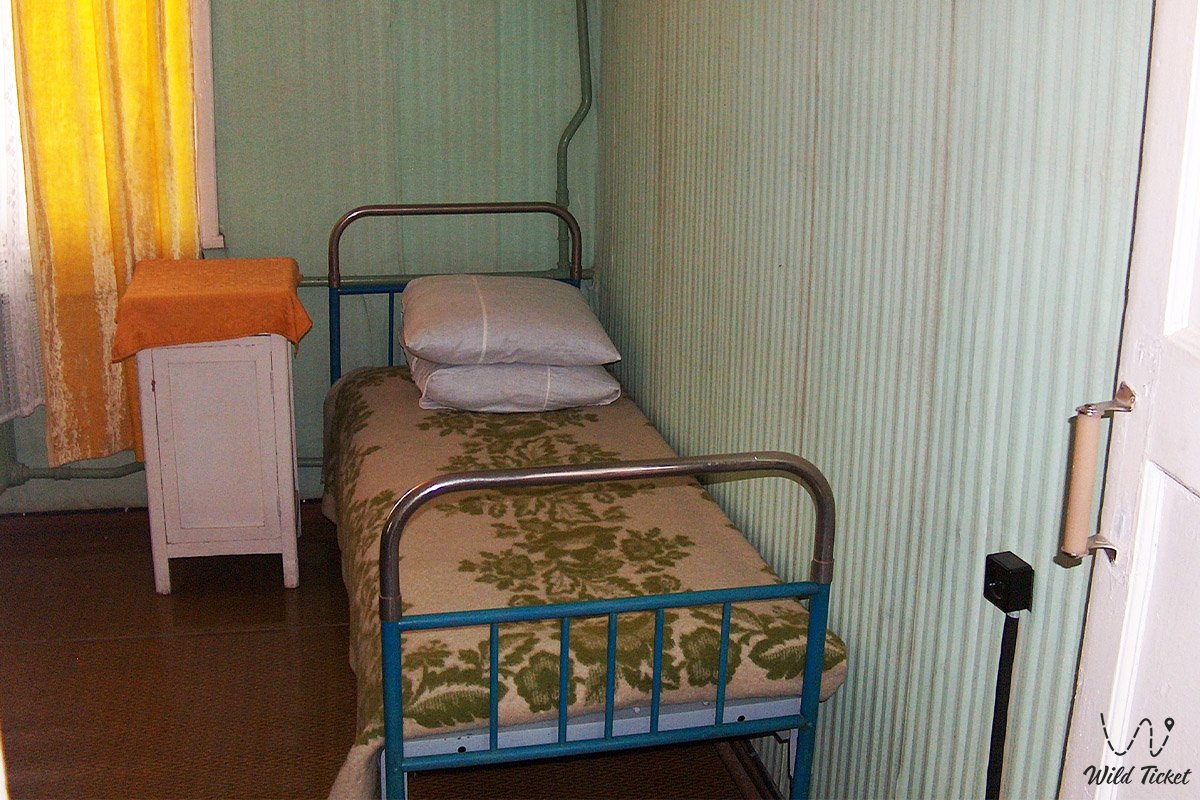
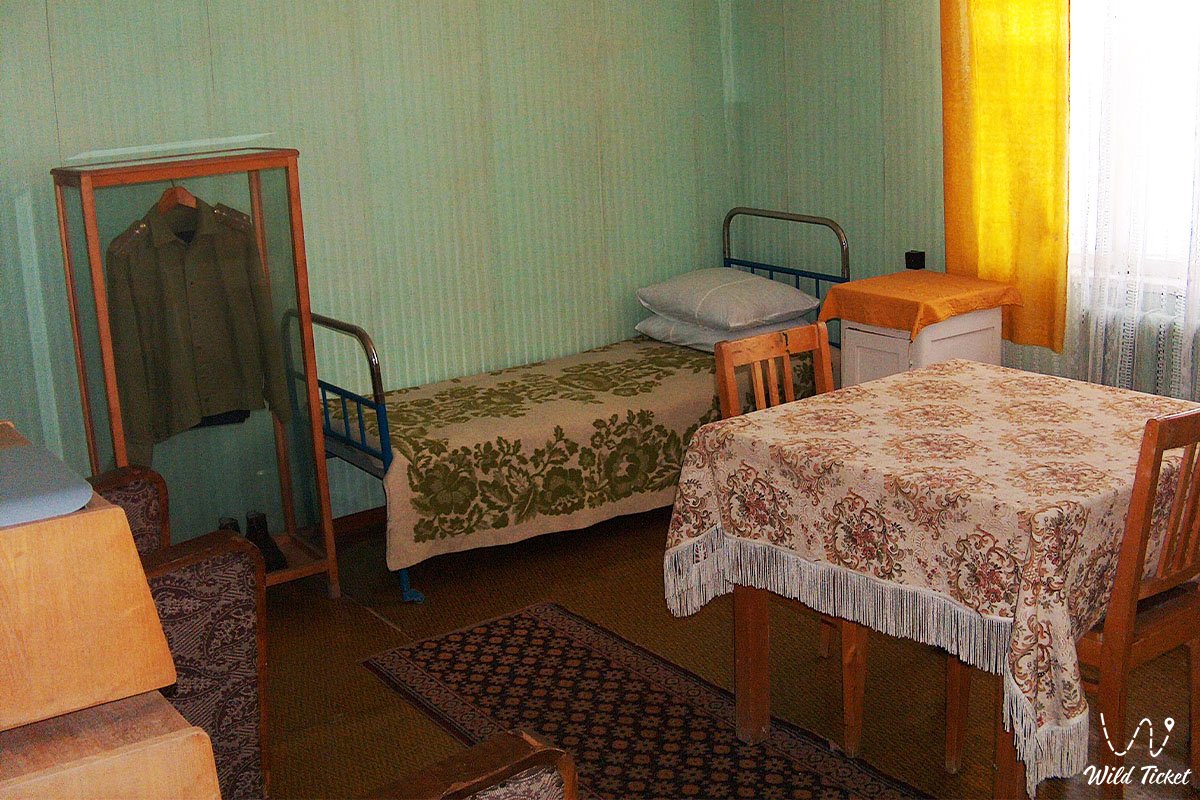
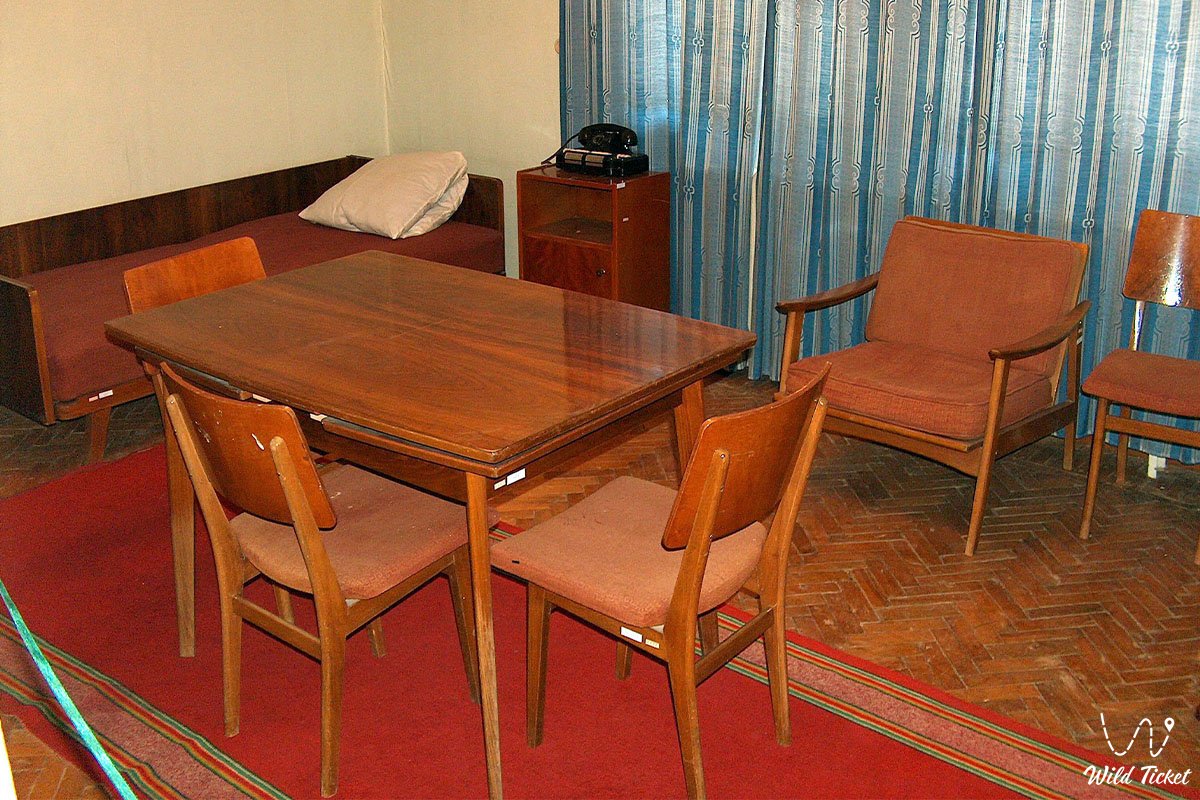
Gagarin's house (house No. 1) was originally intended for the Chairman of the State Commission or Marshal Nedelin. It was here that Yuri Gagarin spent the last days before the flight on April 12, 1961. Together with him, his backup German Titov lived in the house. The cosmonauts woke up at 5:30 in the morning, underwent a medical examination, breakfasted on coffee, dressed in spacesuits, and headed for the start. On Gagarin's bed, things remained, and after the flight, a tradition appeared: all commanders of the crews of the Vostok and Voskhod series spacecraft (including German Titov and Valentina Tereshkova) slept on this bed. After the completion of the active testing phase, the houses were turned into museum objects that became places of pilgrimage for space researchers.
Information
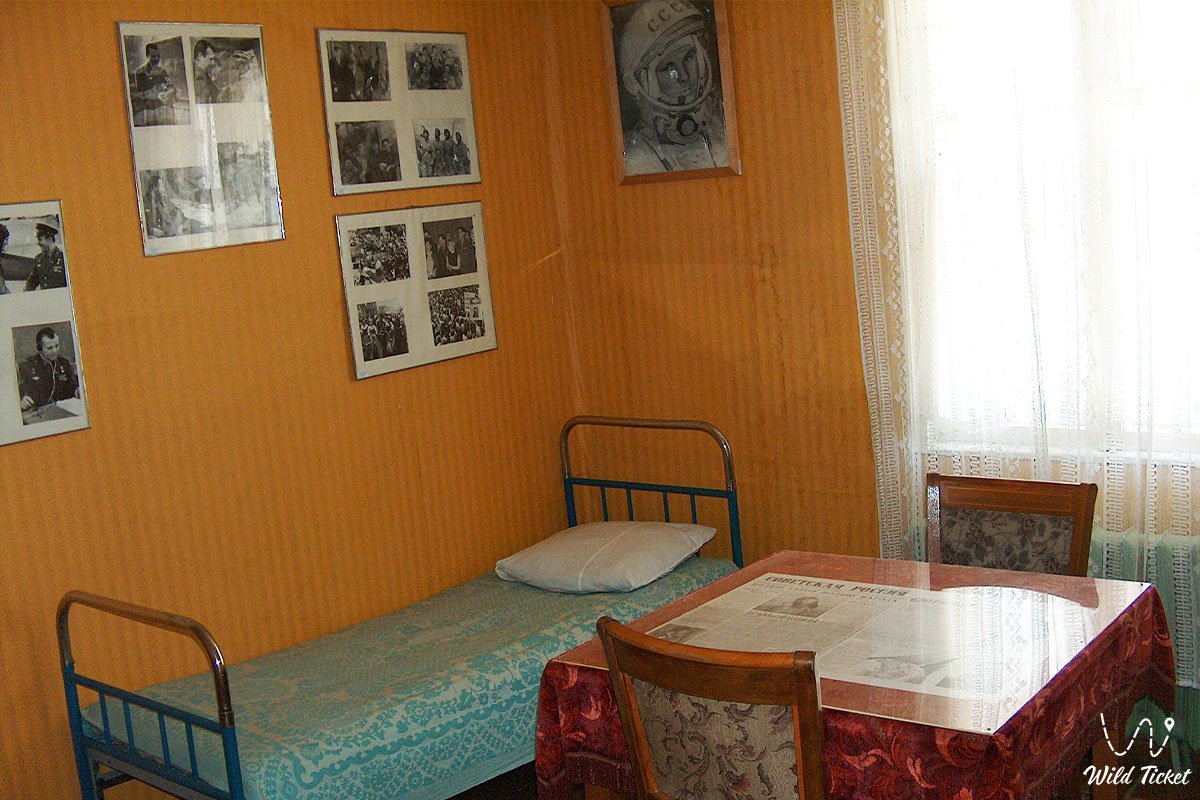
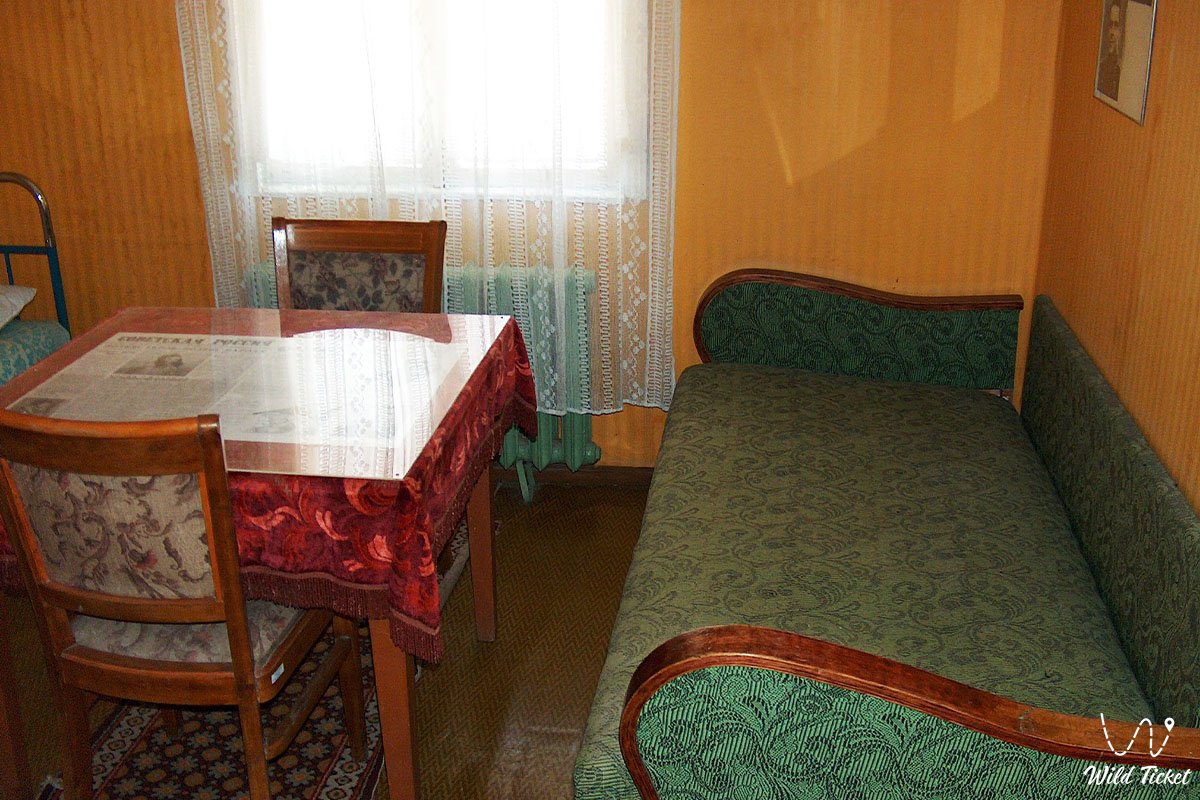
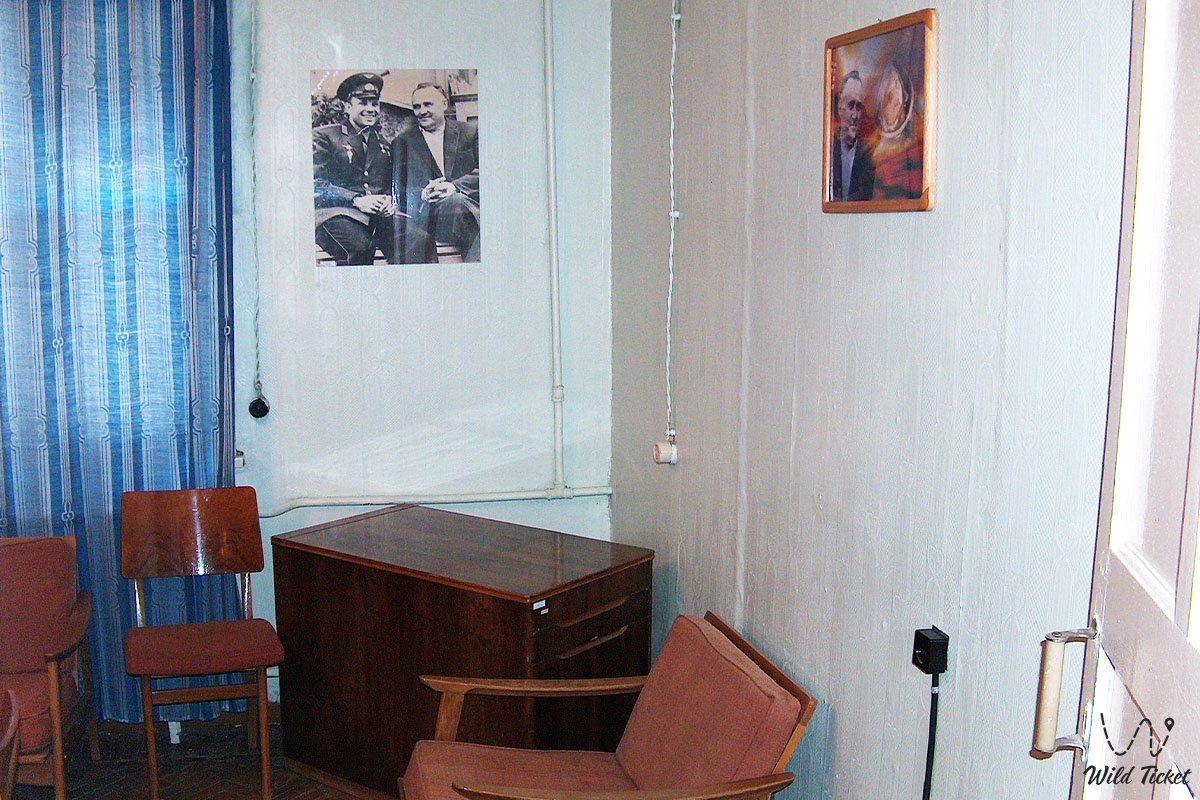
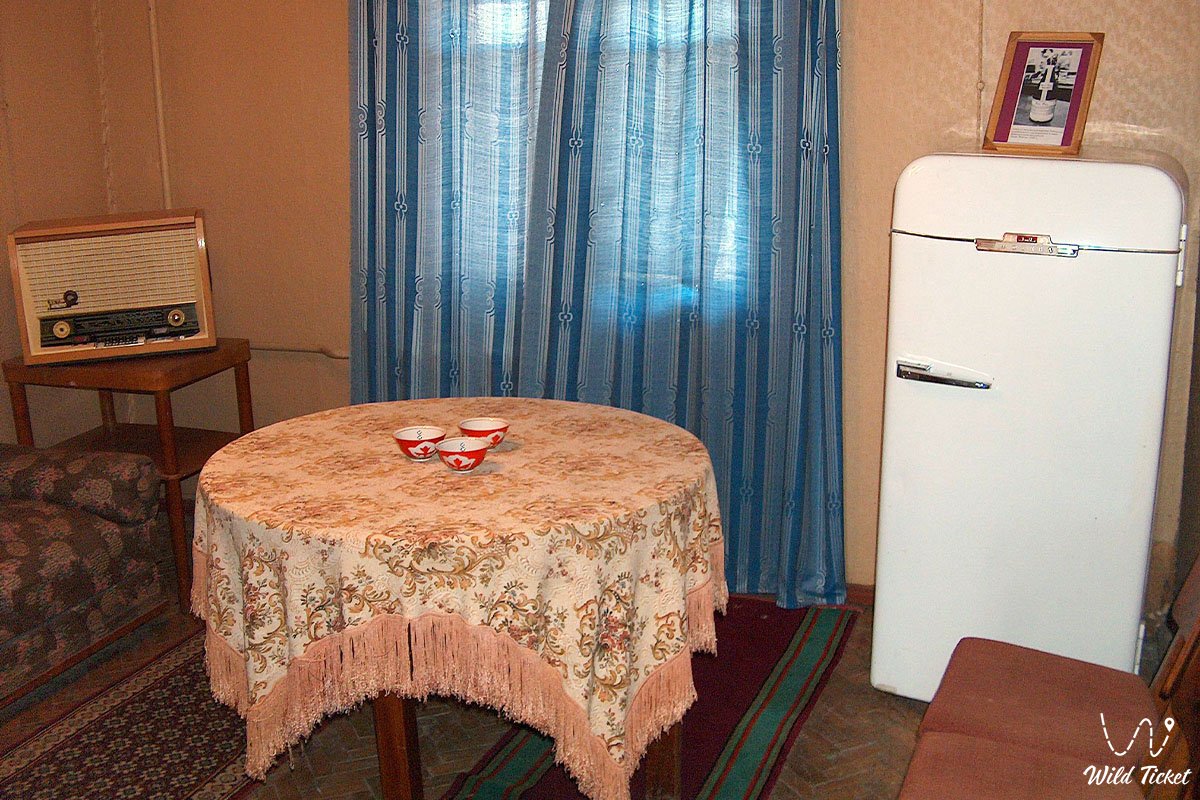
The memorial complex includes two buildings in which the setting of April 12, 1961, is recreated. In Korolev's house, the setting of the office and the living zone where key technical issues were discussed is presented. Gagarin's house preserves the interior in which the bed and table are preserved. Near Gagarin's bed hangs the military uniform of a senior lieutenant, which he took off before the start – it remained here for eternal preservation, since after returning from space Gagarin was awarded the rank of major.
The total area of the exposition allows detailed study of the conditions in which the legendary pioneers worked. Particular attention is paid to preserving the interiors: furniture, lighting, and small details of everyday life are maintained in their original form. The museum fund is constantly replenished with documentary evidence, photographs, and records that help deeply understand the scale of Korolev's and Gagarin's personalities. Thanks to the openness of the complex, each visitor can touch the history that became the foundation of modern world cosmonautics.
Detailed description of the venue
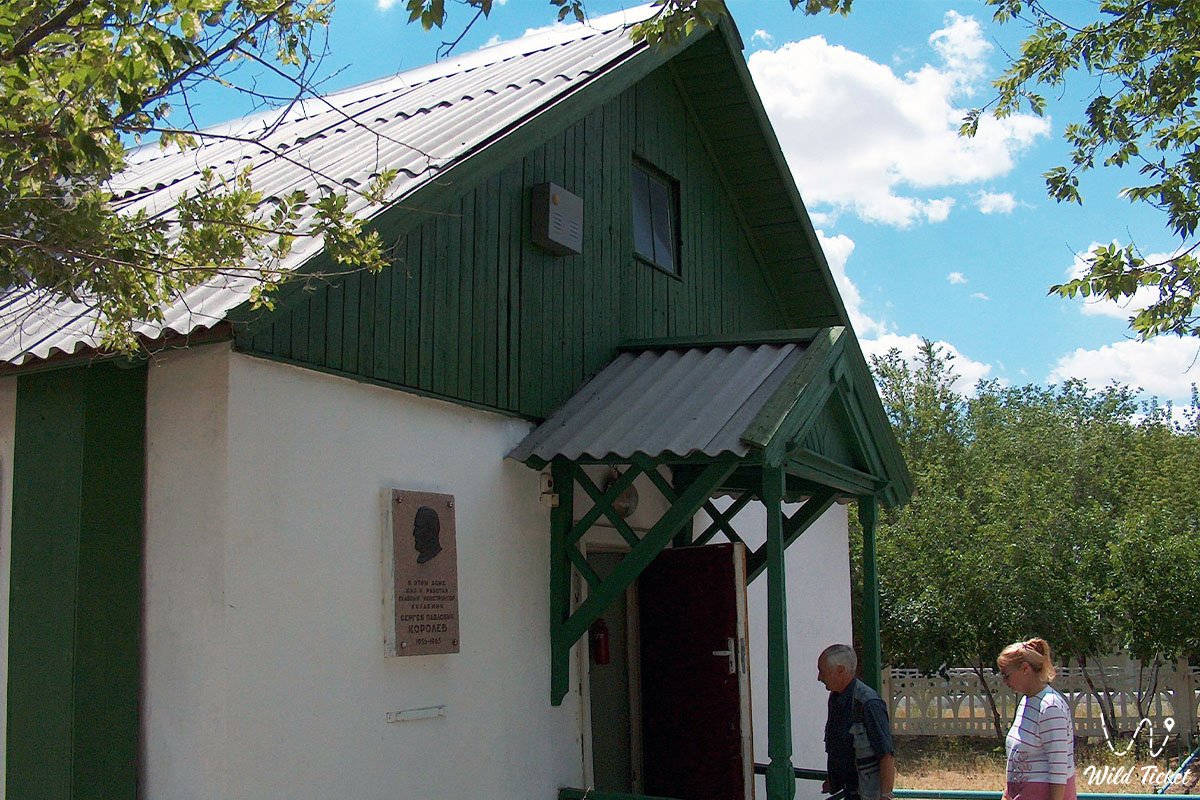
• House No. 1 (Gagarin's) – the object where Yuri Gagarin and German Titov prepared for the historical flight. A memorial plaque is installed at the entrance. The interior is recreated as of April 12, 1961.
• House No. 2 (Korolev's) – the building that served as a working office and home for Sergei Pavlovich Korolev for many years. Informal meetings with project associates took place here.
• Gagarin's bed – a memorial piece of furniture that became a legend: the tradition to sleep on it before the start originated after the flight of German Titov and was observed by all crew commanders of the Vostok and Voskhod series.
• Senior lieutenant uniform – the military tunic of Yuri Gagarin, left by him before the flight and stored as a relic that became a symbol of the first cosmonaut's feat.
• Photo gallery of pioneers – stands with unique shots capturing the designers and cosmonauts at moments of work at Pad No. 2.
• Complex territory – the adjacent area with memorial plaques and elements of landscape design, creating a peaceful atmosphere for reflection.
Architecture
The architecture of the houses is executed in the style of typical development of administrative and residential zones of testing grounds of the mid-20th century. Wooden structures, simple gabled roofs, and small windows create an image of temporary but reliable housing built in emergency mode. Severity and the absence of decoration emphasize the functionality of these objects intended for work in the harsh climatic conditions of the semi-desert.
The internal space is characterized by chamberness, which creates a special closeness to the historical moment. Lighting penetrating through small windows accents attention on the authenticity of the setting. Conservation of the buildings is performed taking into account the preservation of the source materials, which allows visitors to see the houses as they were during the peak years of Soviet cosmonautics.
Legend
Among the employees of Baikonur, a belief circulates that the presence of the spirit of the great pioneers is still felt in the houses. They say that if you go into Korolev's office with a sincere desire to achieve your goal, you can get a charge of incredible perseverance. Also, there is a legend that in Gagarin's house, that very silence that preceded the first "Poyekhali!" is preserved, and it is capable of giving a person a sense of clarity and correctness of the chosen path.
Visitors often share stories about how after the excursion their attitude to life and work changed, as if the spirit of responsibility and dedication to a dream that saturated these walls is transmitted to each guest. The houses became real guardians of faith in human possibilities, inspiring new generations to new discoveries and achievements.
Conclusion
The houses of Gagarin and Korolev are a memorial to the human spirit, a place where great ambitions connected with daily life. Preserving these objects allows future generations to understand at what price and with what self-dedication the steps toward the conquest of the Universe were made. This is a mandatory point on the tourist map of the cosmodrome, allowing one to see the "human face" of the space race and feel the scale of the pioneers' feat.
Interesting sights nearby:
• Yubileyniy Airfield;
• Gagarin's Start and Pad No. 31;
• Saturn Radio Complex;
• Energia Command Post;
• Pad No. 110.
Photogallery: