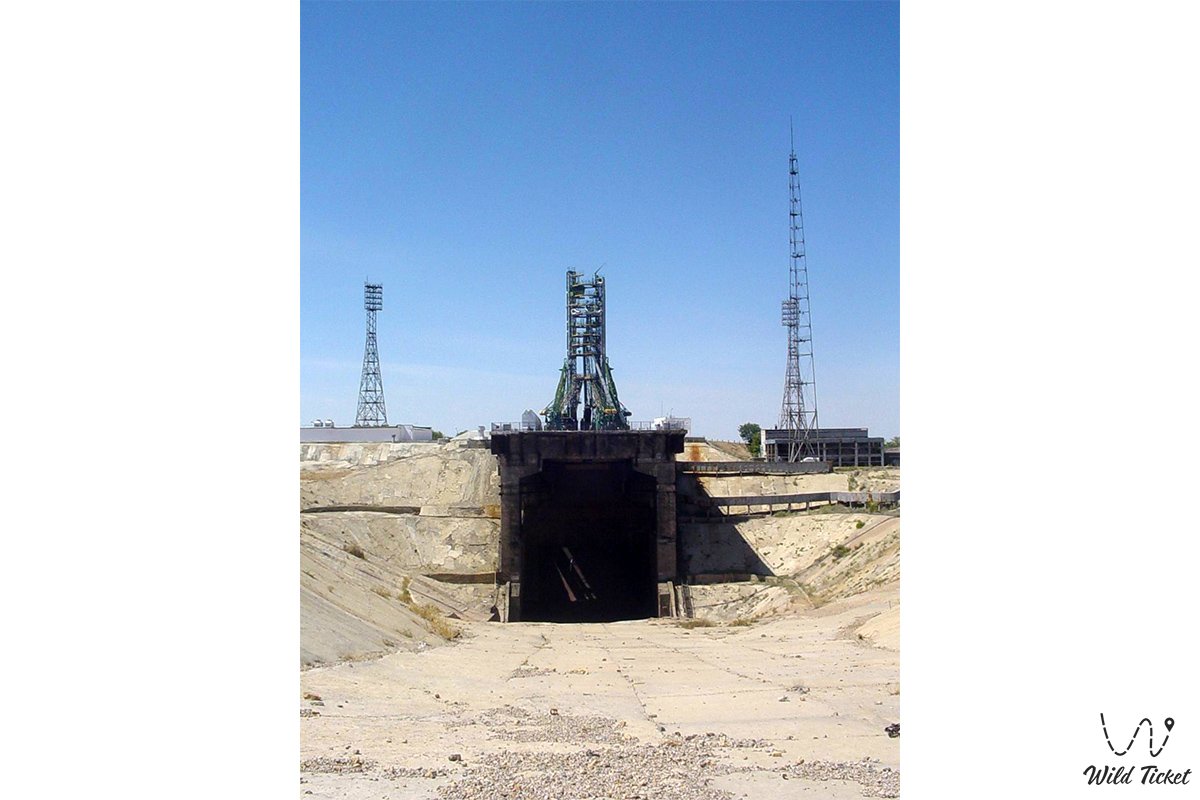
Key starting points of the space era -
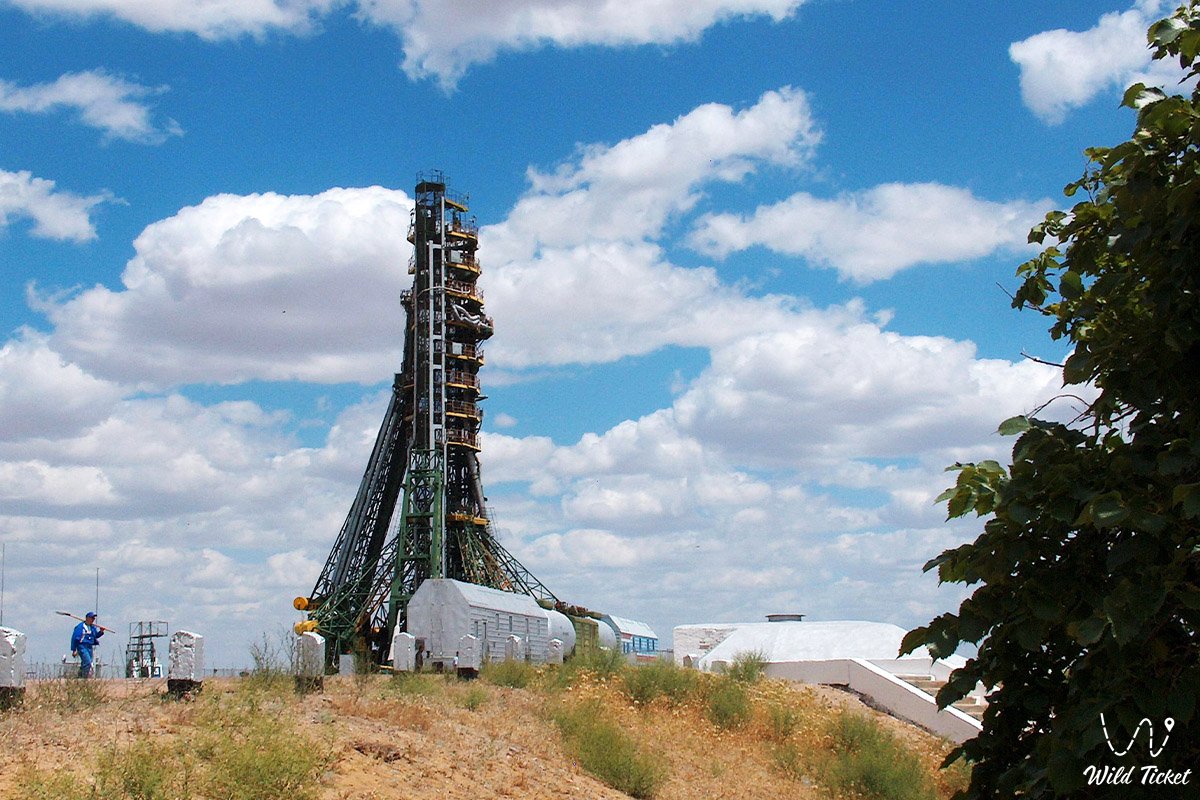
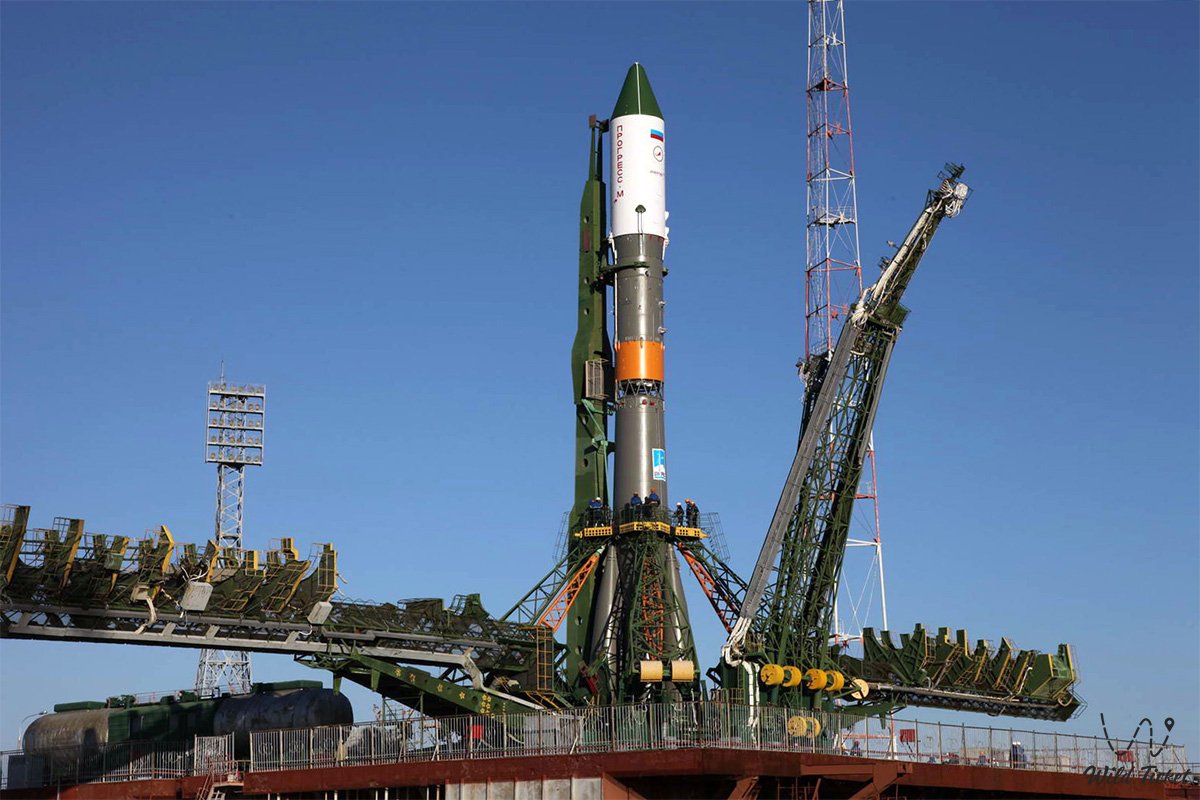
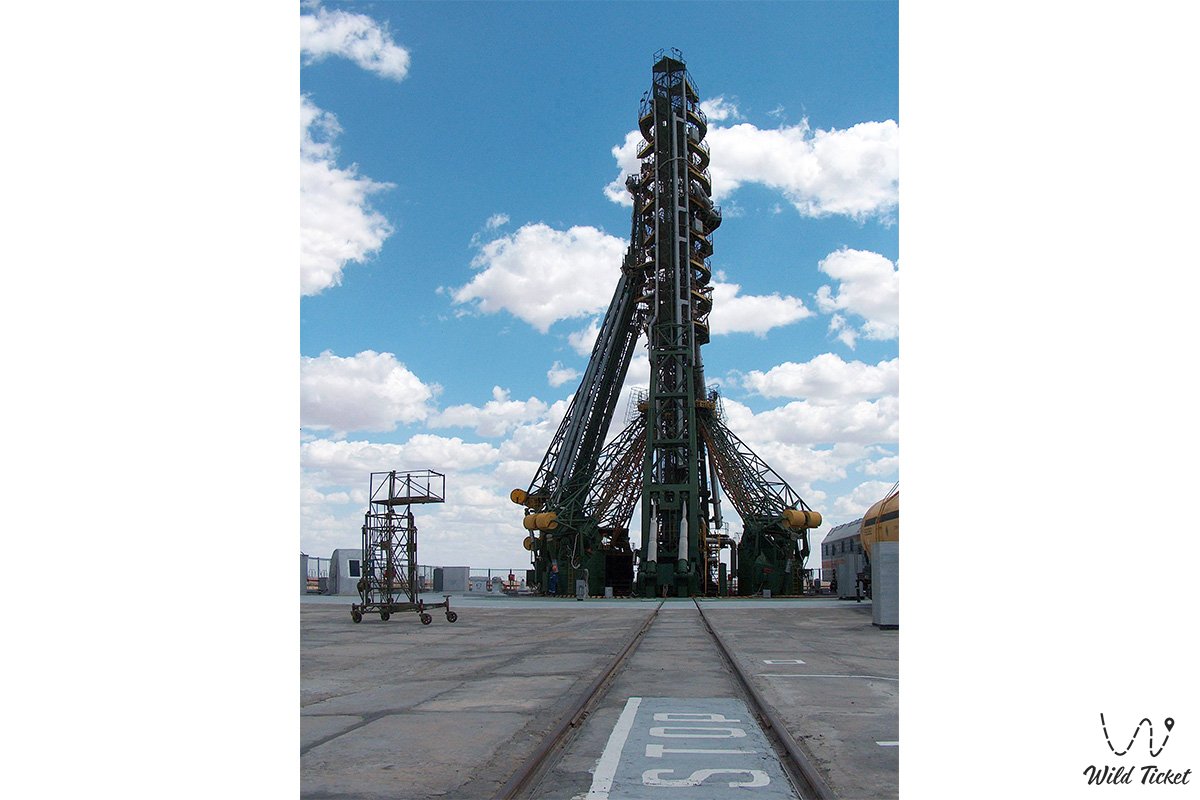
Gagarin's Start (Pad No. 1) and Pad No. 31 represent the historical heart of the Baikonur Cosmodrome, from where humanity began its journey to the stars. These sites in the Kyzylorda region not only demonstrate the power of engineering thought, but also continue to be actively used to ensure the operation of the International Space Station in the orbit of the planet Earth.
Pad No. 1 became a world legend after the launch of the first man into space, Yuri Gagarin. Pad No. 31, performing the functions of the main backup and a key hub for modern manned and cargo missions, makes both objects the most recognizable symbols of space achievements.
Pad No. 1 is currently decommissioned and being prepared for museification, while Pad No. 31 remains an active launch complex ensuring the implementation of modern space programs.
Programs for watching rocket launches and simple sightseeing excursions around the cosmodrome start from the city of Baikonur.
The complexes are equipped with high-tech equipment intended for pre-launch preparation and launch of launch vehicles of the Soyuz and Proton families. Their architectural and engineering integrity allows ensuring unprecedented reliability of launches, while preserving the historical continuity of generations. The operation of the cosmodrome is inextricably linked with the space launch schedule.
---------------------------------------------
How to get there and visit -
Gagarin's Start (Pad No. 1) and Pad No. 31 are located on the territory of the Baikonur Cosmodrome, 40 kilometers from Baikonur City, Karmakshy district, Kyzylorda region, Republic of Kazakhstan.
GPS geographical coordinates: 45°55'12"N 63°20'32"E
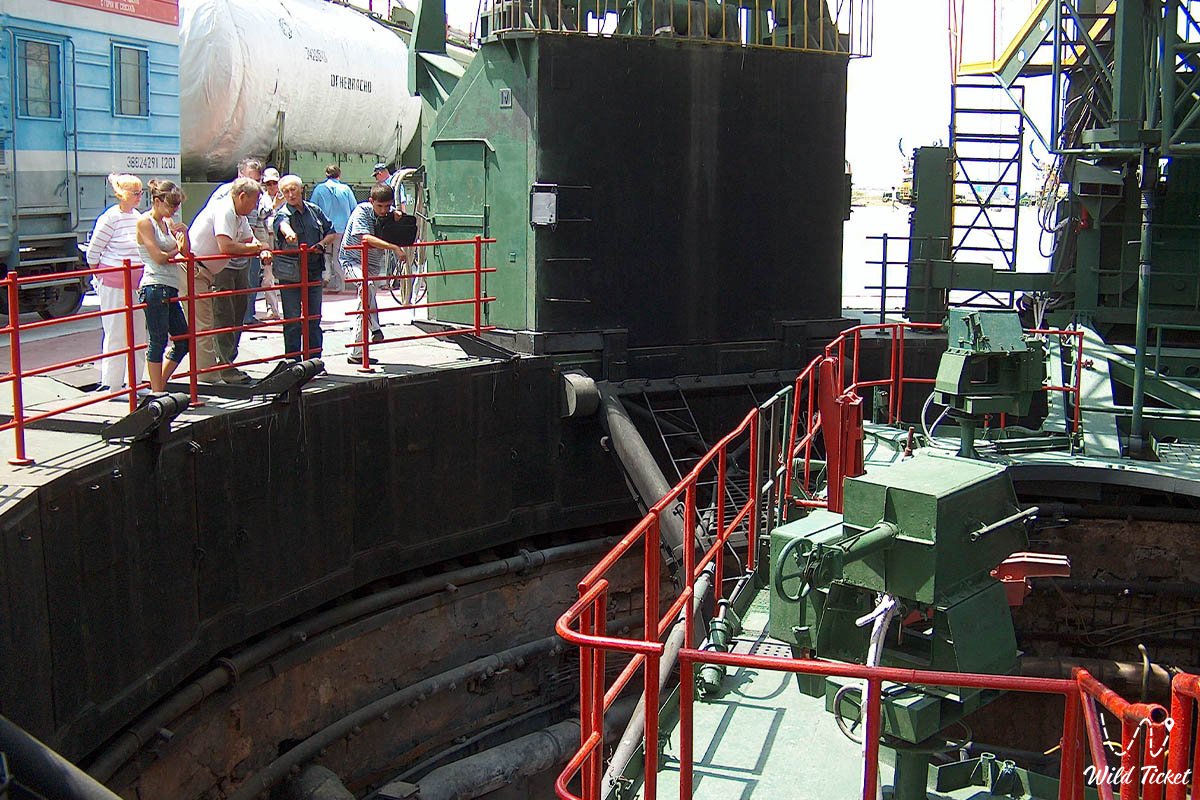
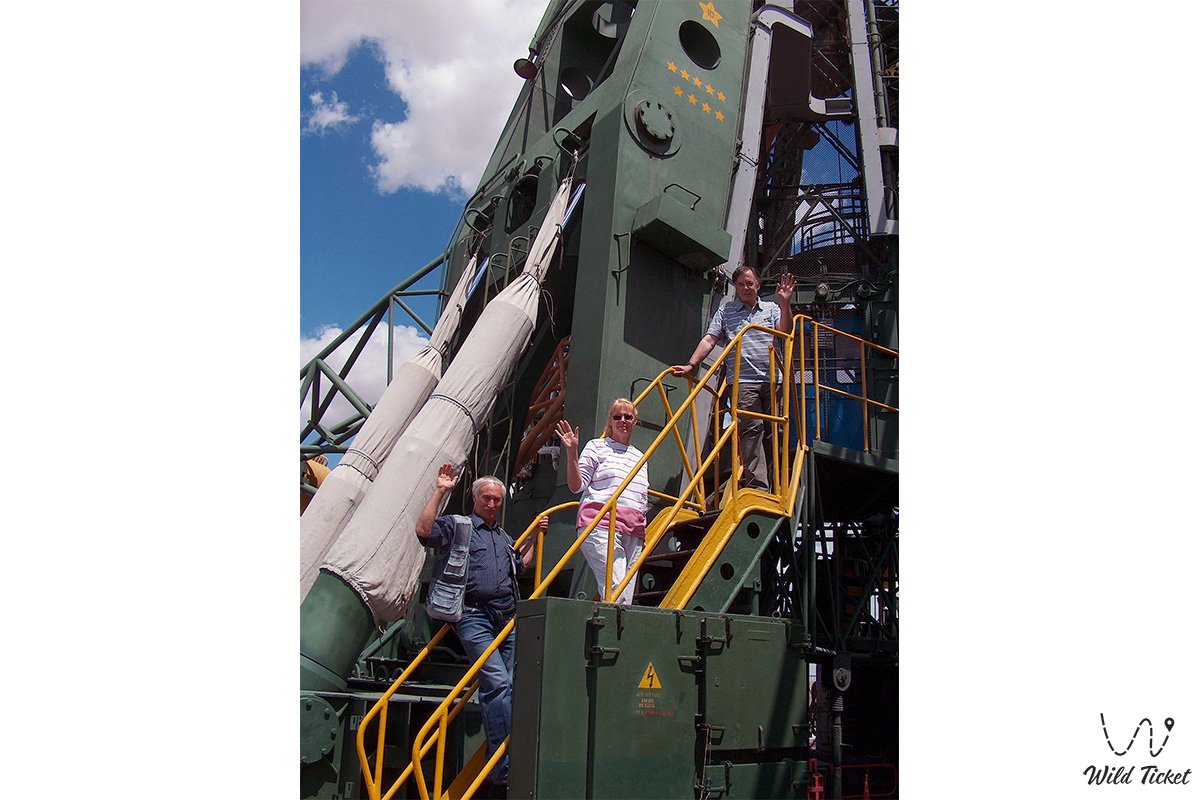
Access to the launch pads is strictly regulated, as they are secure facilities with a special security status. Visiting is possible only within official excursion programs with a pre-arranged pass. Tourists are delivered to the pads by specialized transport accompanied by licensed guides. Independent movement across the territory of the launch area is prohibited.
Opening hours: The pads function in accordance with the schedule of launch campaigns. During periods of preparation for launches, visiting the facilities may be limited or temporarily suspended.
Contacts: Applications for excursions are accepted by licensed tour operators accredited by Roscosmos.
---------------------------------------------
History
Pad No. 1 (Gagarin's Start) was built in 1955-1957. Work was carried out around the clock: sappers excavated about 15,000 cubic meters of earth per day, and thousands of tons of concrete and unique engineering solutions, such as water "squeezing" by explosions and pouring concrete directly into clay molds for protection from the heat, were required to create the foundation of the launch pit. On May 15, 1957, the first launch of the R-7 rocket took place, and on August 21, the first successful one. On October 4, 1957, the first artificial satellite launched from here, and on April 12, 1961, the Vostok spacecraft with Yuri Gagarin. In total, 638 launches were performed from Pad No. 1 during its operation. In 2023, the final decision on the museification of the object was made.
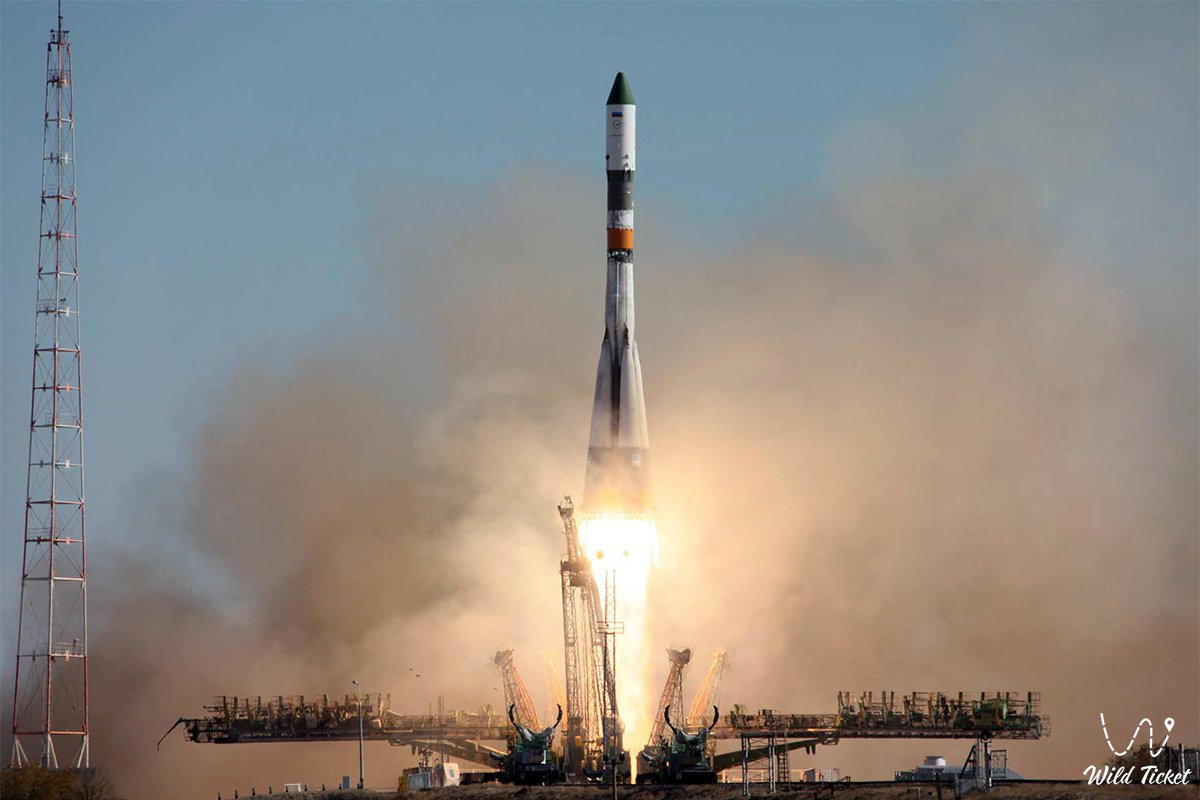
Pad No. 31 was put into operation on January 14, 1961. Initially, it served as a backup for launches of R-7 type rockets, but later became a key facility for launching spacecraft of the Meteor, Molniya, Cosmos series and Soyuz manned spacecraft. In 2006, the complex was modernized for Soyuz-2 launch vehicles. After the incident on November 27, 2025, when the 8U216 service cabin collapsed during the launch of Soyuz MS-28, the facility was temporarily disabled. However, by March 2026, Roscosmos specialists successfully completed repairs, and on March 22, 2026, a successful launch of the Progress MS-33 cargo ship took place.
Information
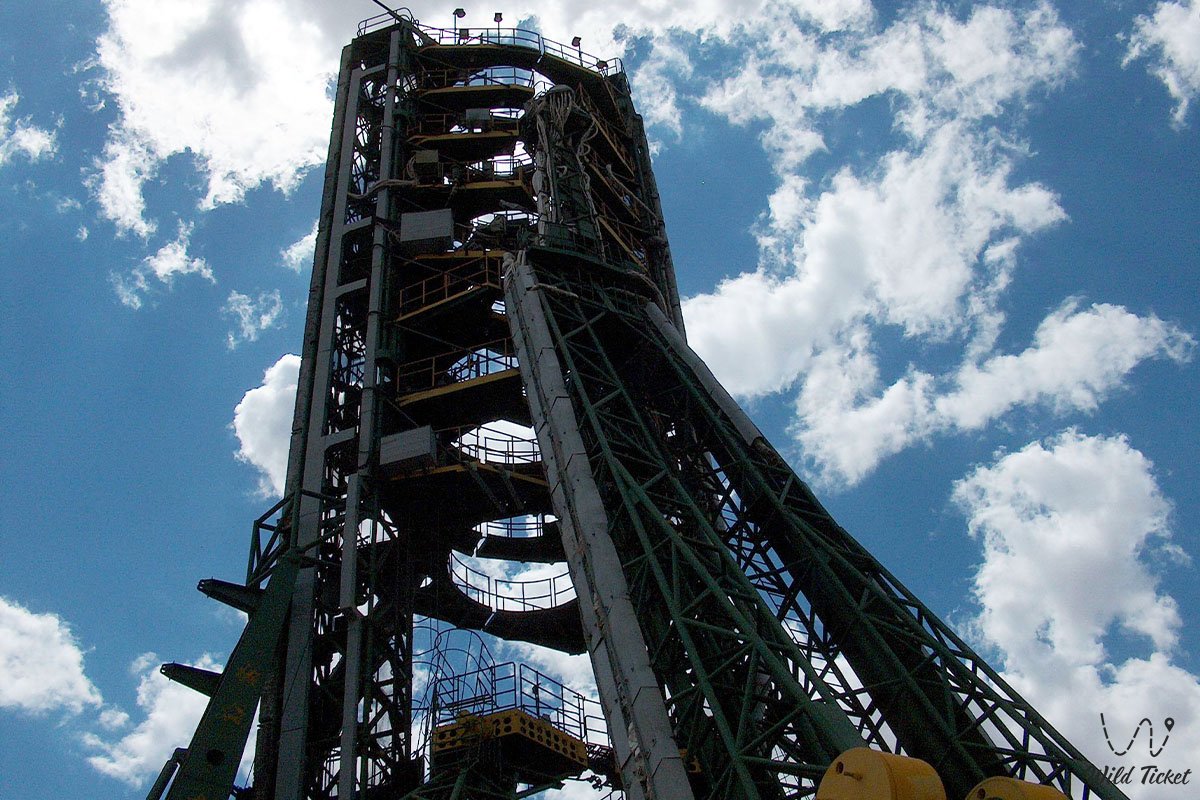
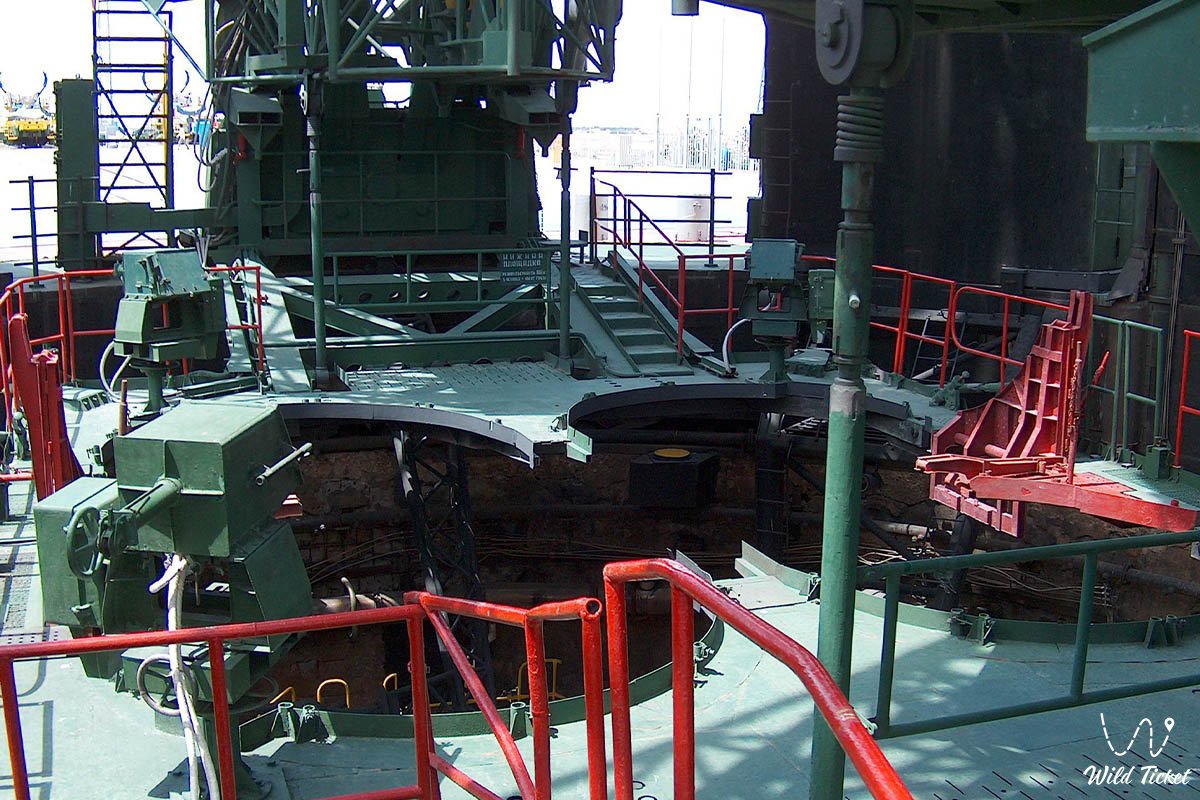
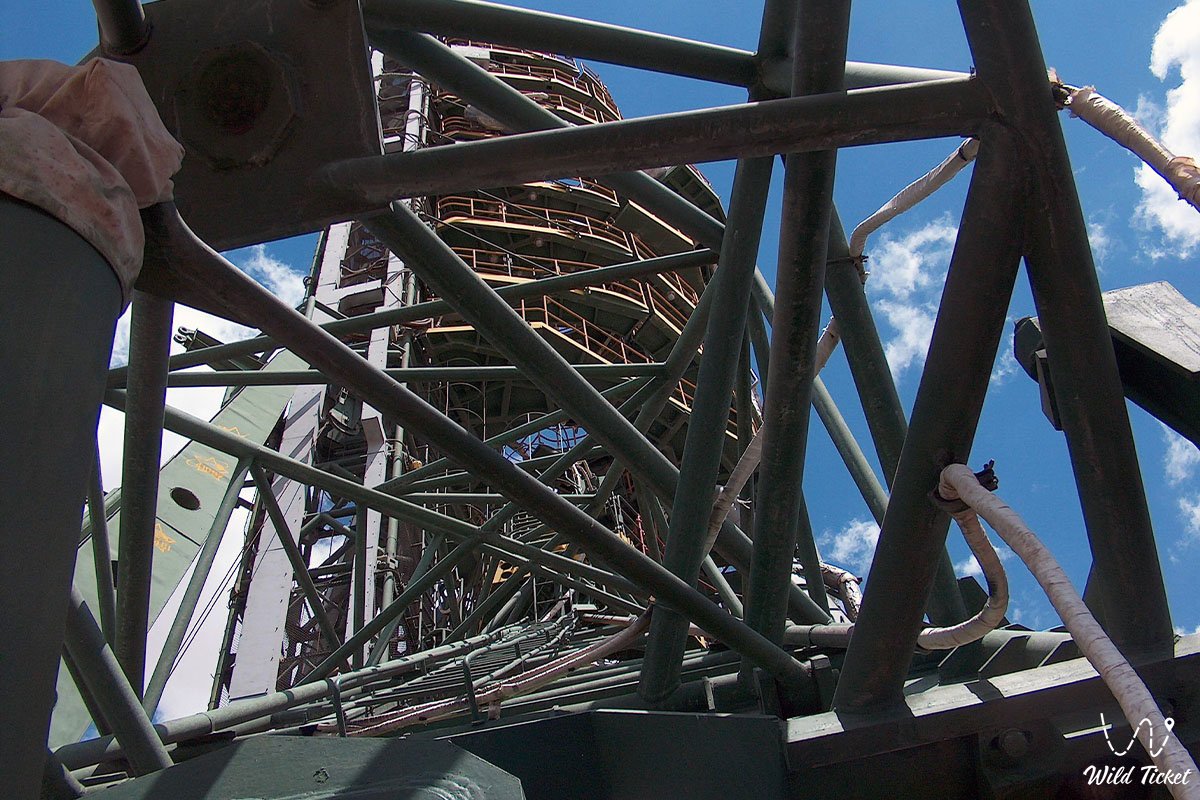
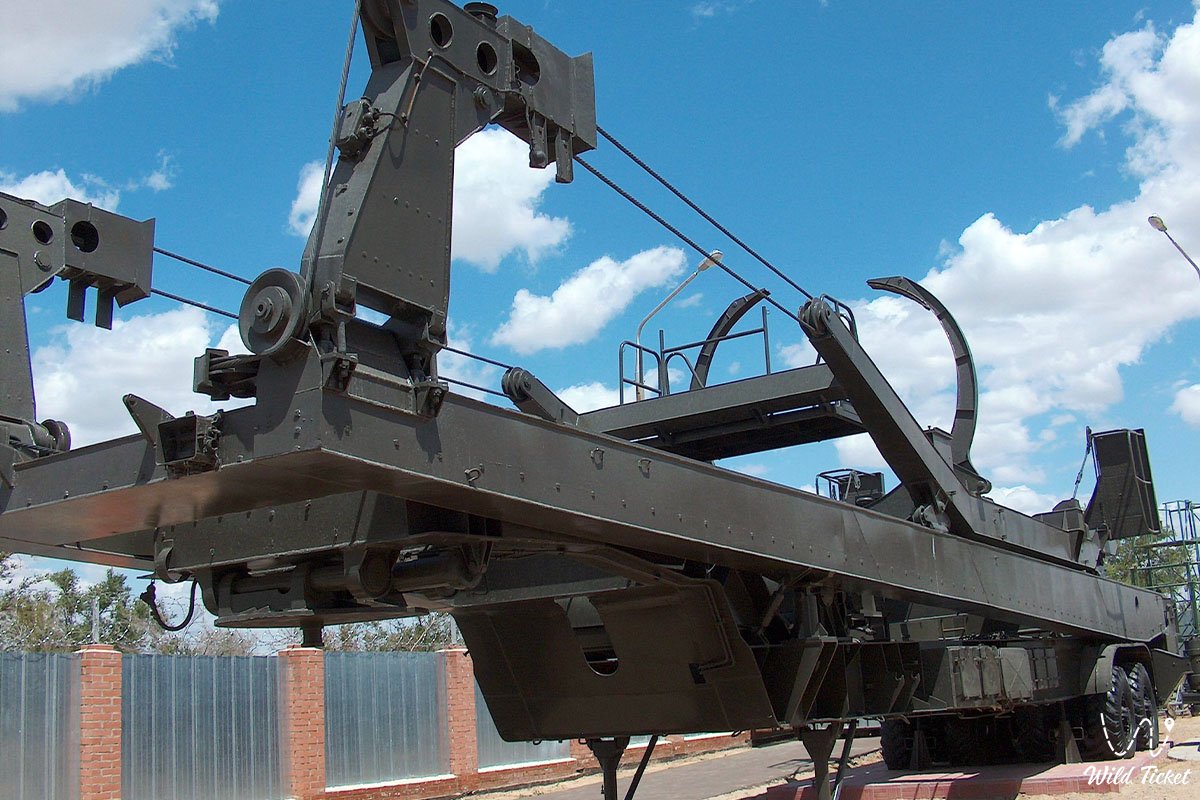
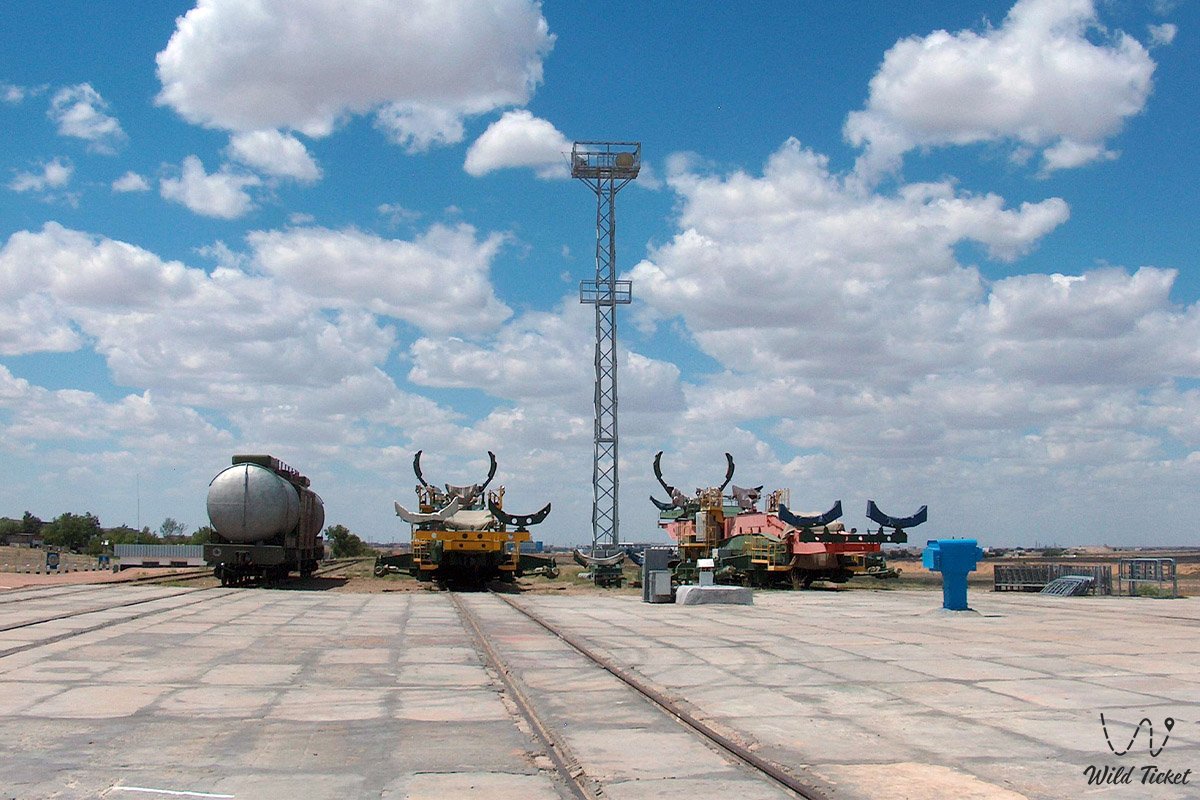
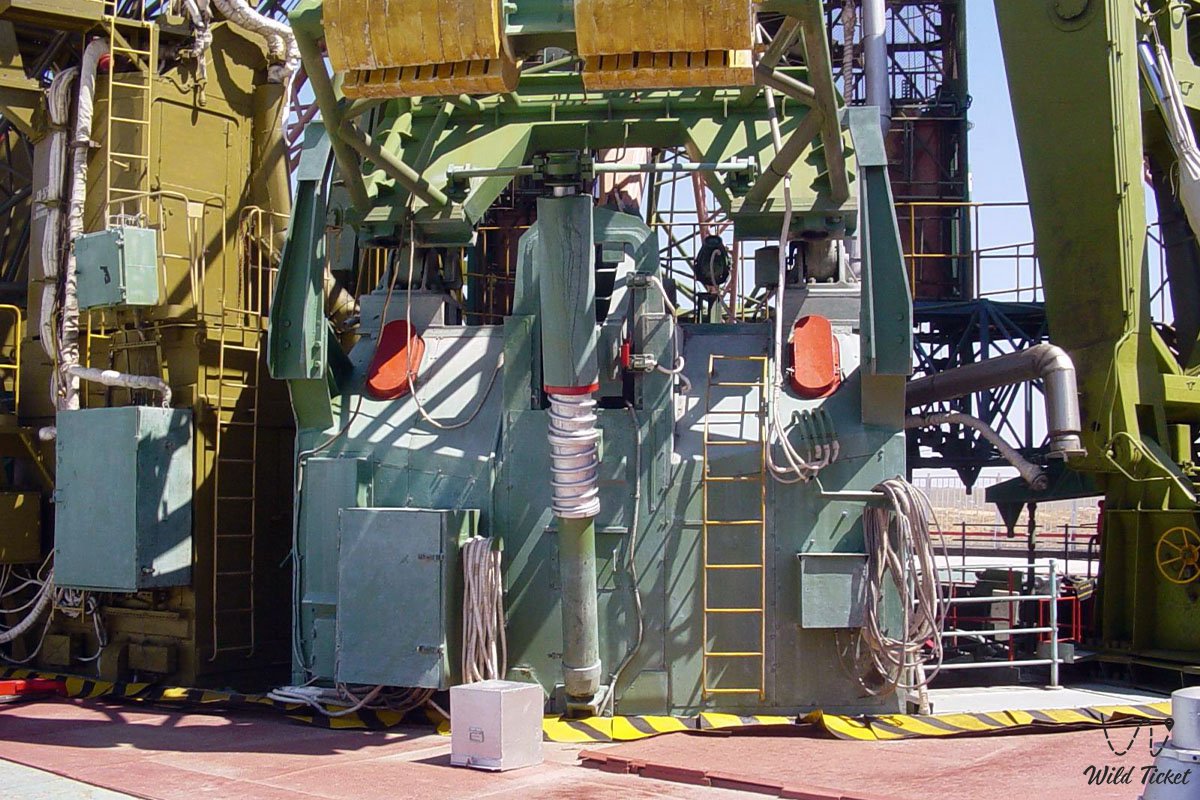
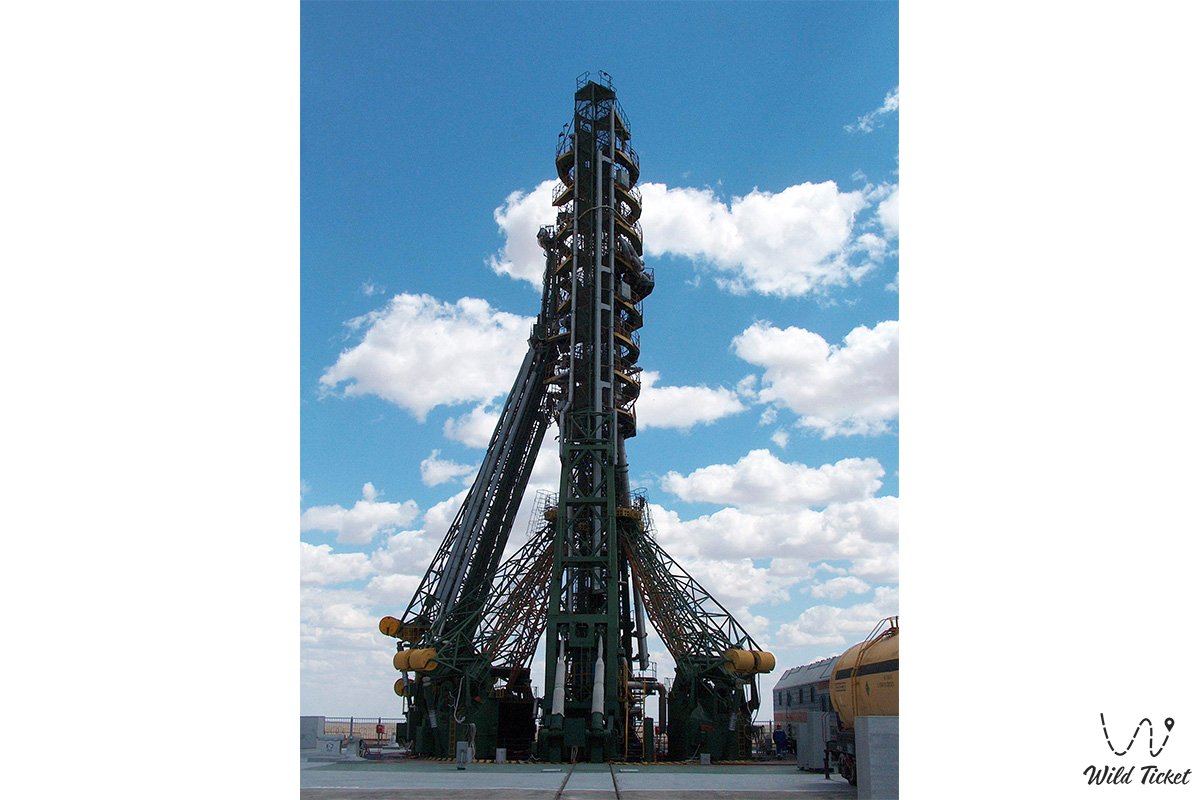
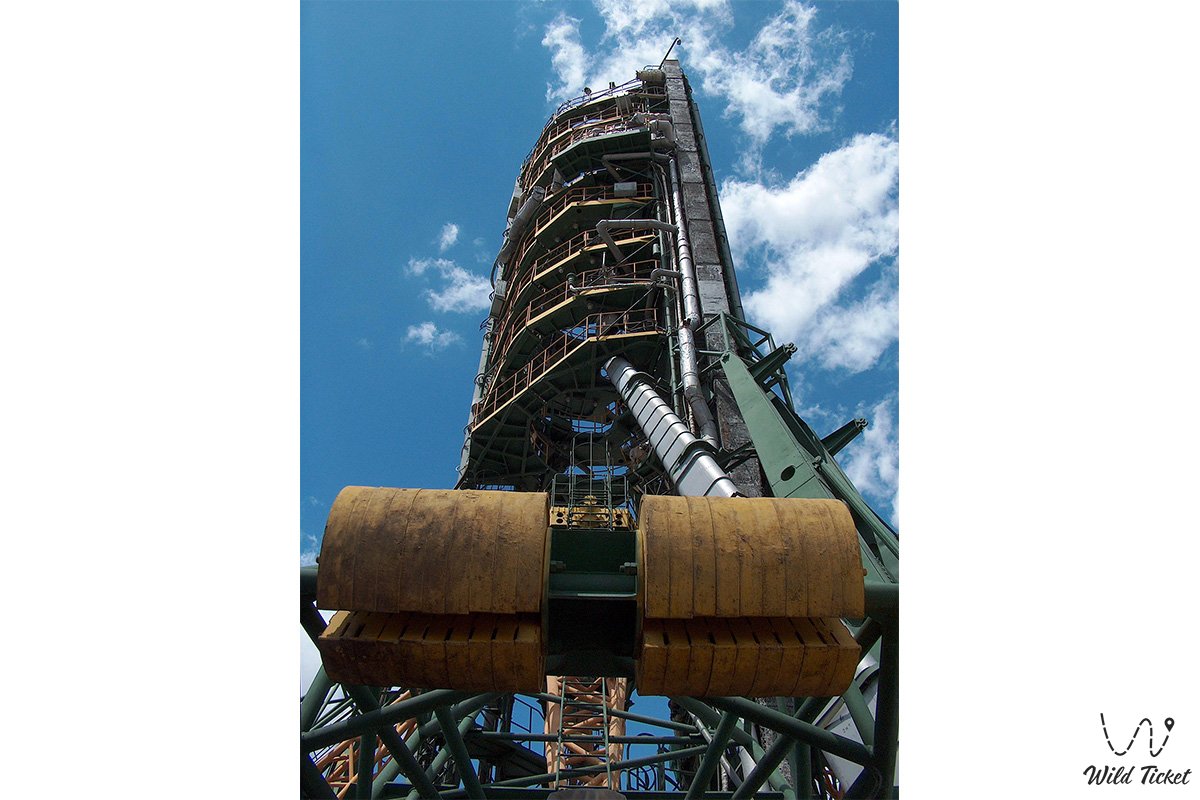
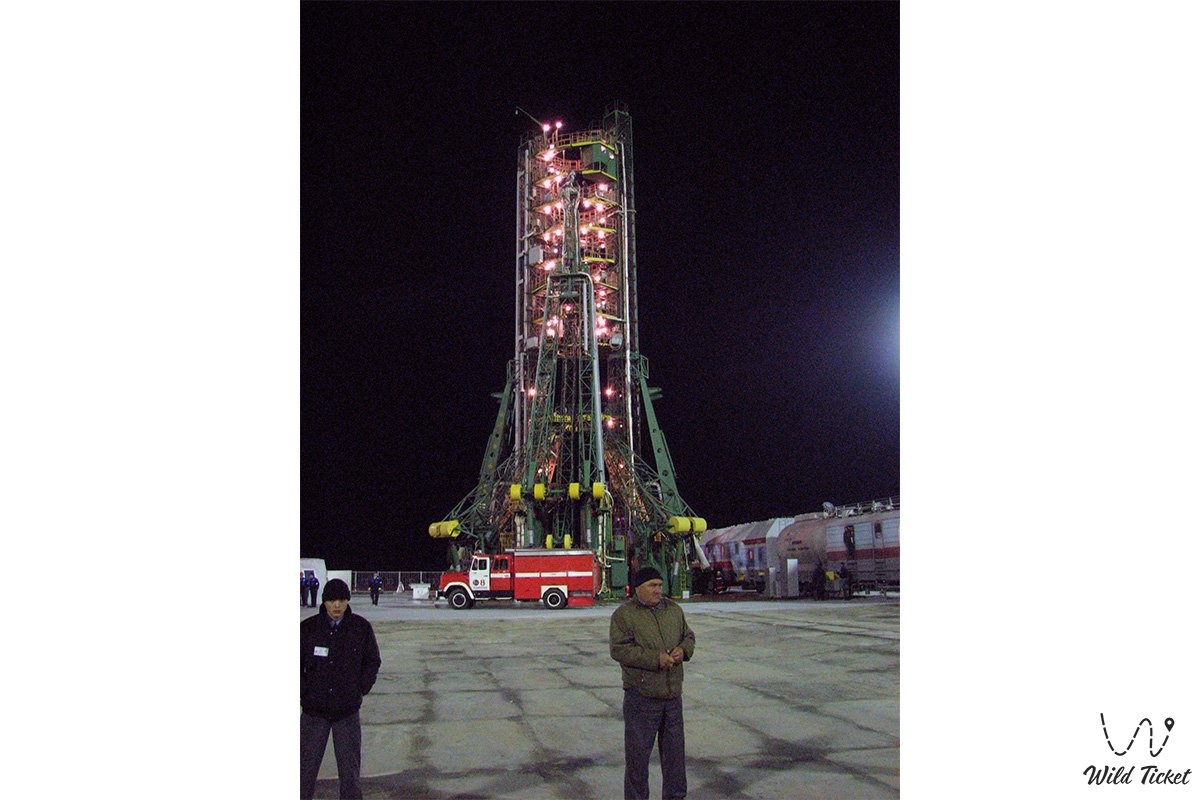
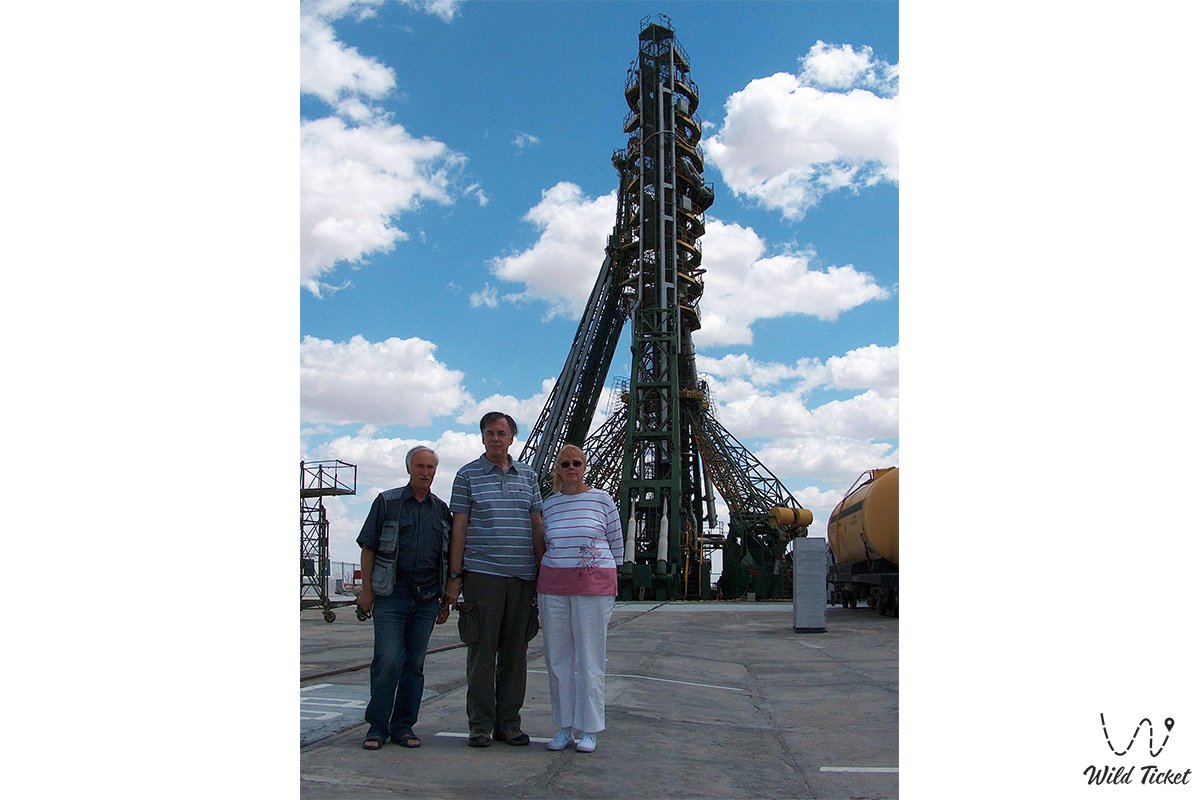
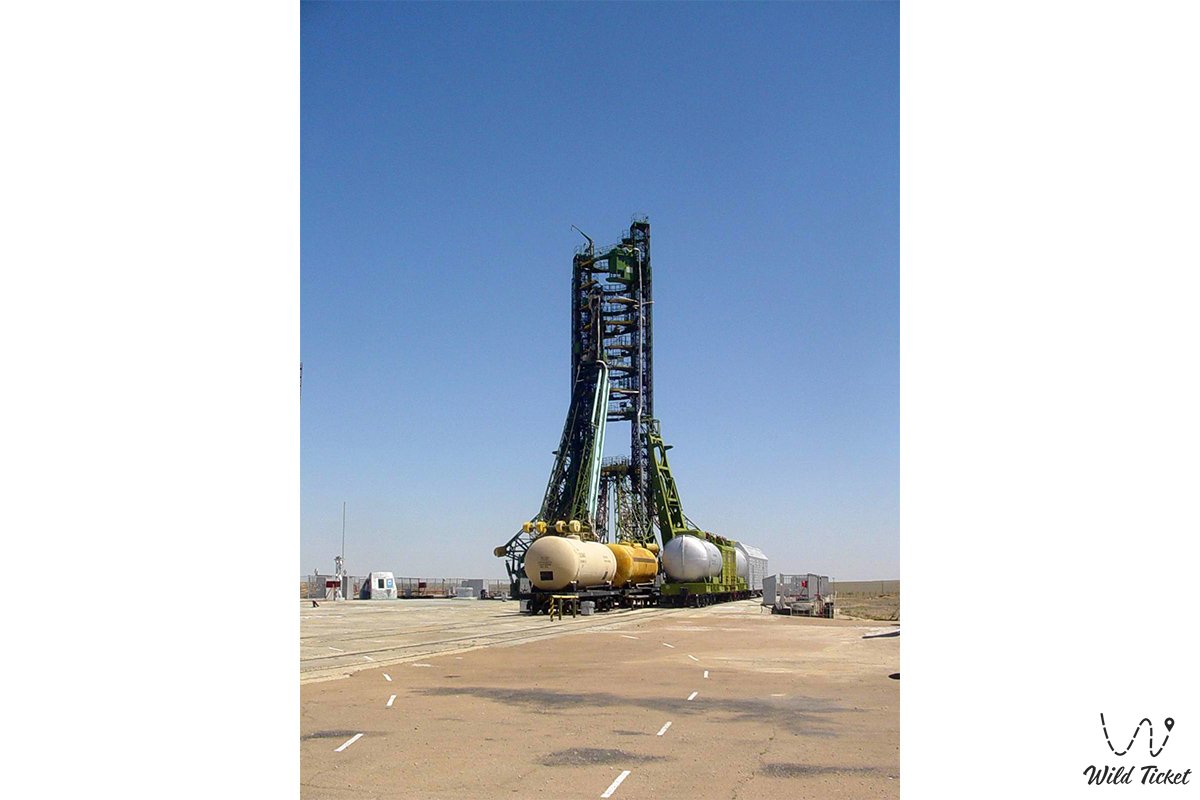
The complexes of Gagarin's Start and Pad No. 31 were designed to ensure the operation of launch vehicles of the R-7 (Soyuz) family. The infrastructure includes a launch pad, a system for retracting service trusses, a gas exhaust channel, fueling stations, and remote control systems. Pad No. 31 is an almost exact copy of the first pad, but taking into account more modern requirements for servicing commercial and manned missions. After modernization in 2006, complex No. 31 became the main launch site for Soyuz-2 and Soyuz-FG rockets.
The technical equipment of Pad No. 31 allows for pre-launch preparation, fueling, and servicing of both Progress cargo ships and Soyuz MS manned spacecraft. The successful restoration of the service cabin in 2026 confirmed the reliability of the system and the competence of TsENKI specialists, making it possible to return Russia's only launch complex for manned launches to service in the shortest possible time after a serious accident.
Detailed description of the venue
• Gagarin's Start (Pad No. 1) – a historical launch complex with a preserved launch pad, zero-level system, and service cabins. Since 2025, the facility has been transferred to the Kazakh company Infracos to create a space museum.
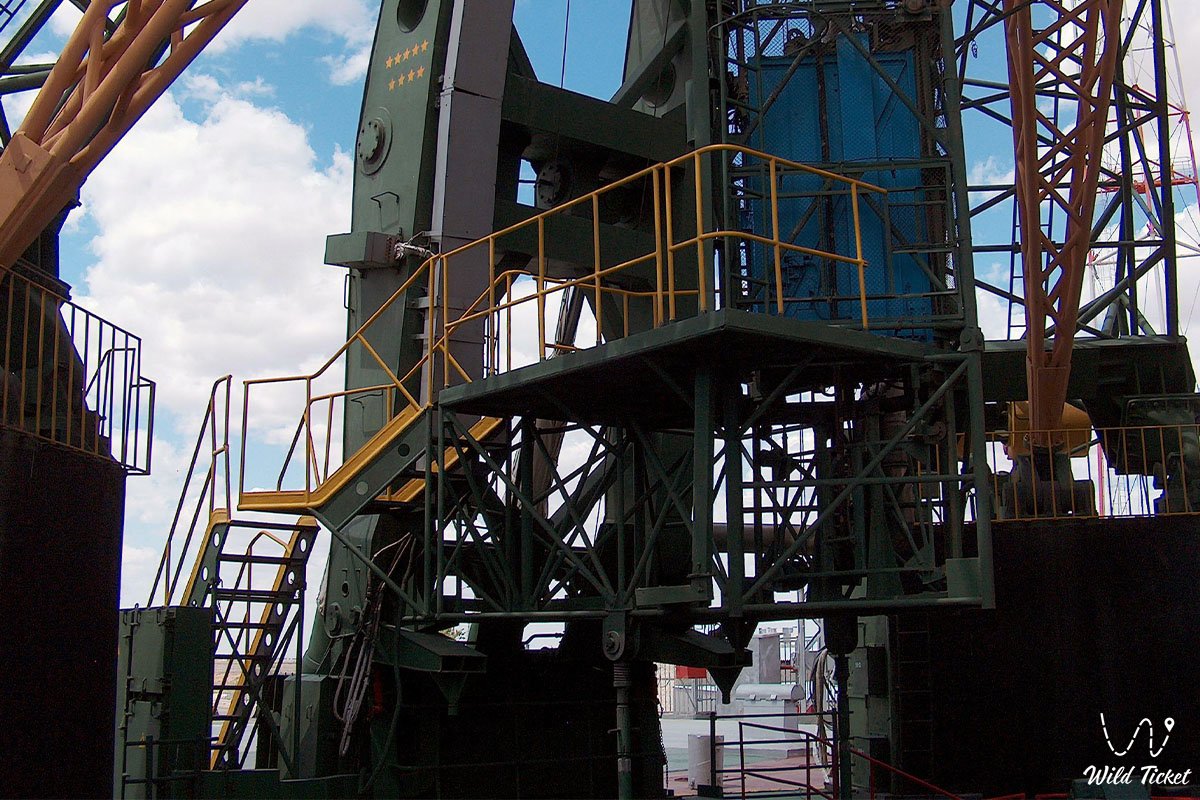
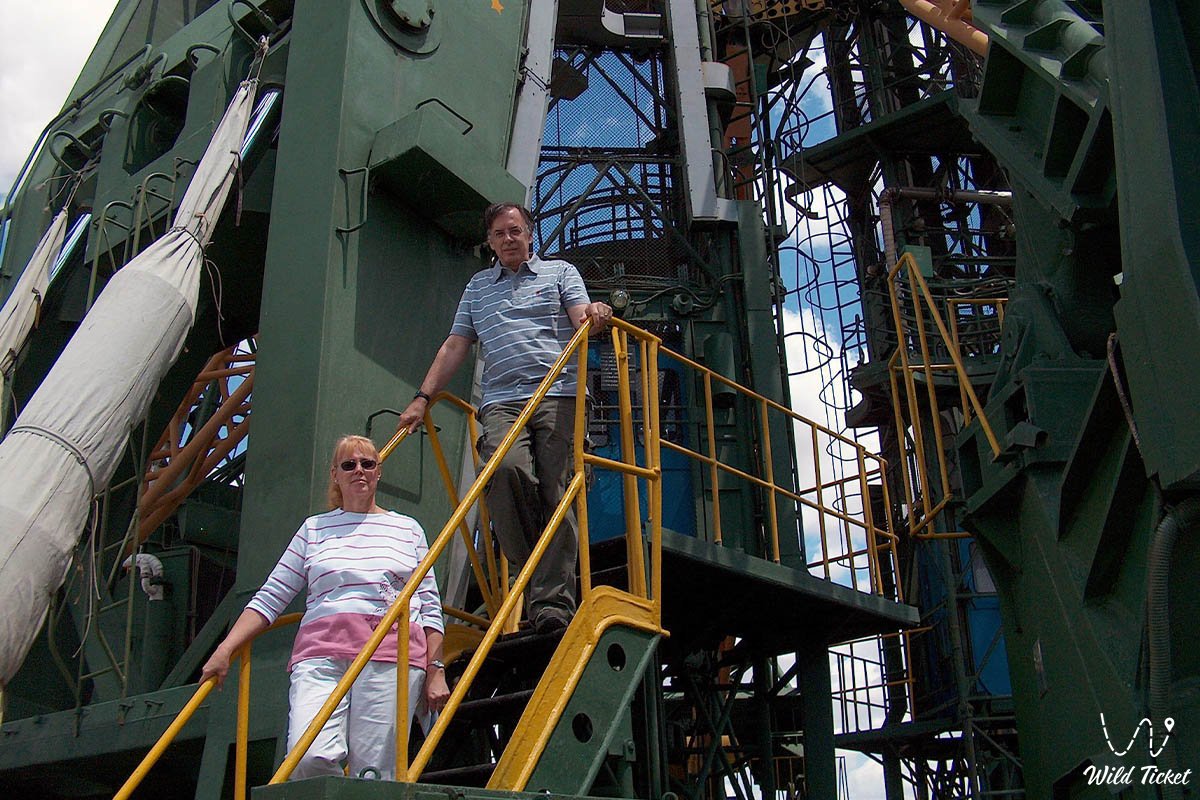
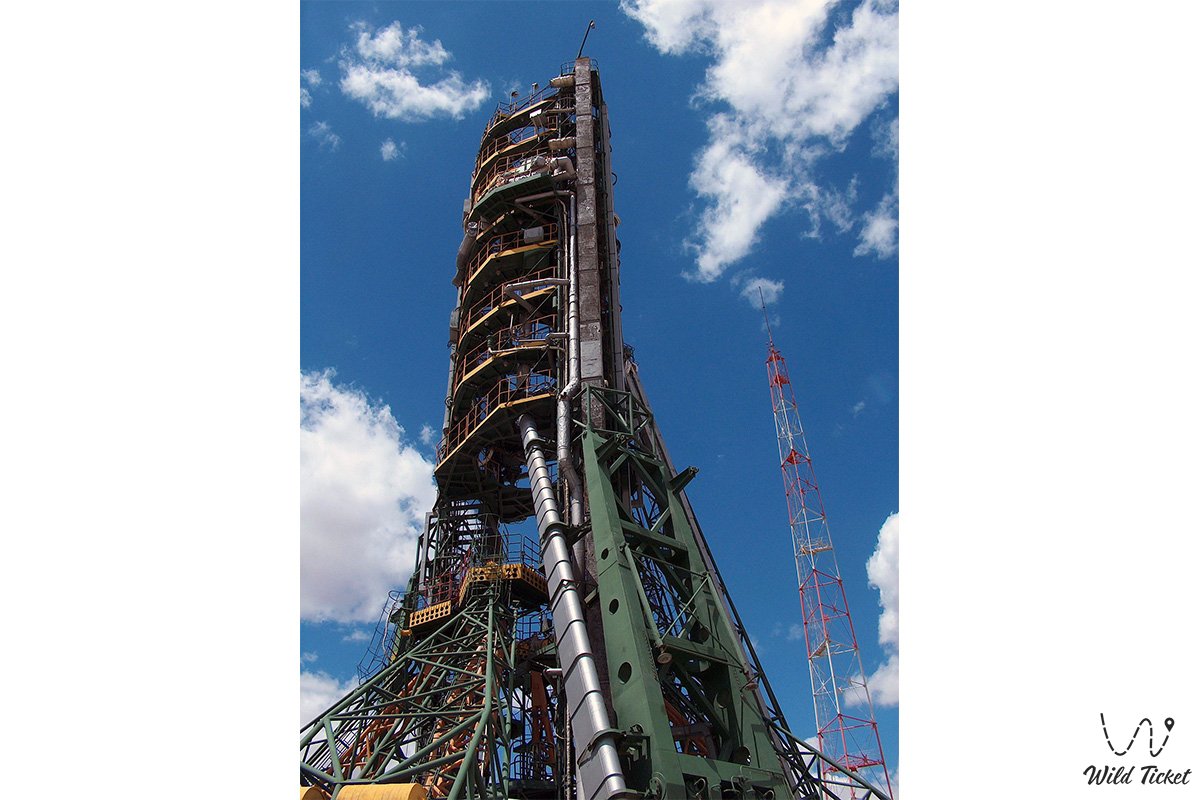
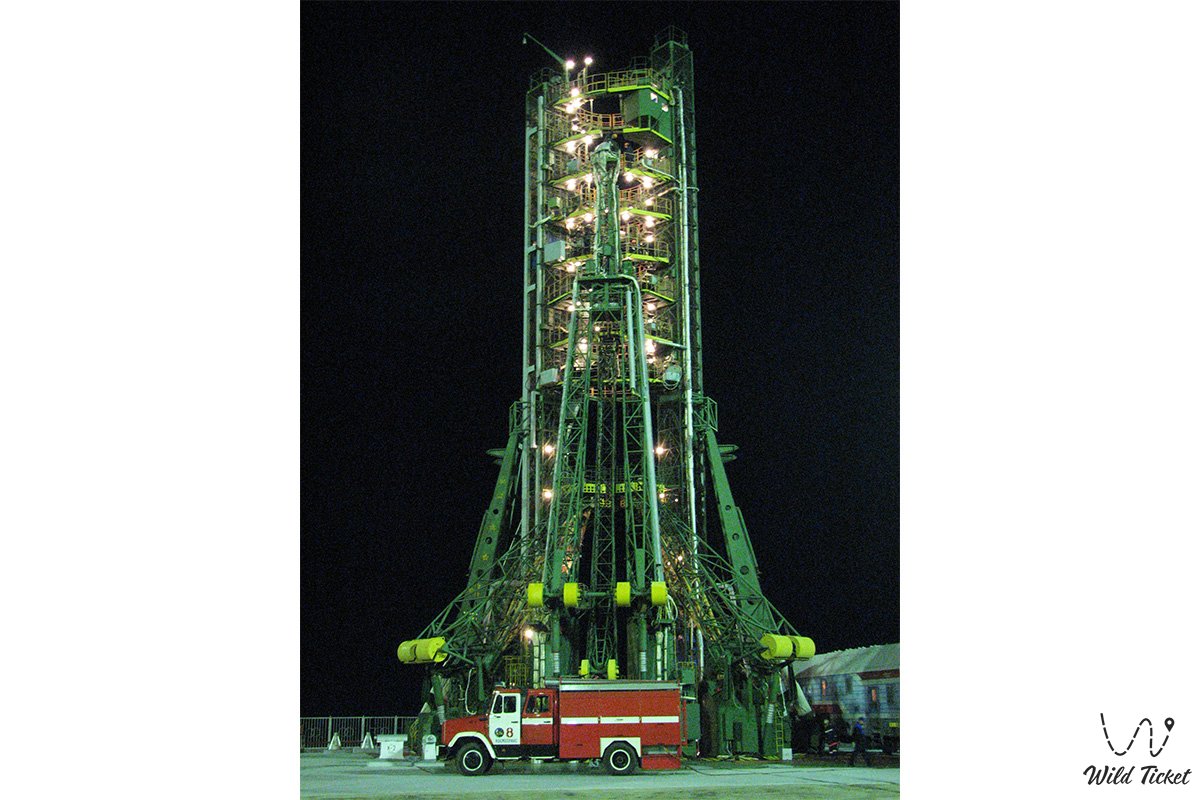
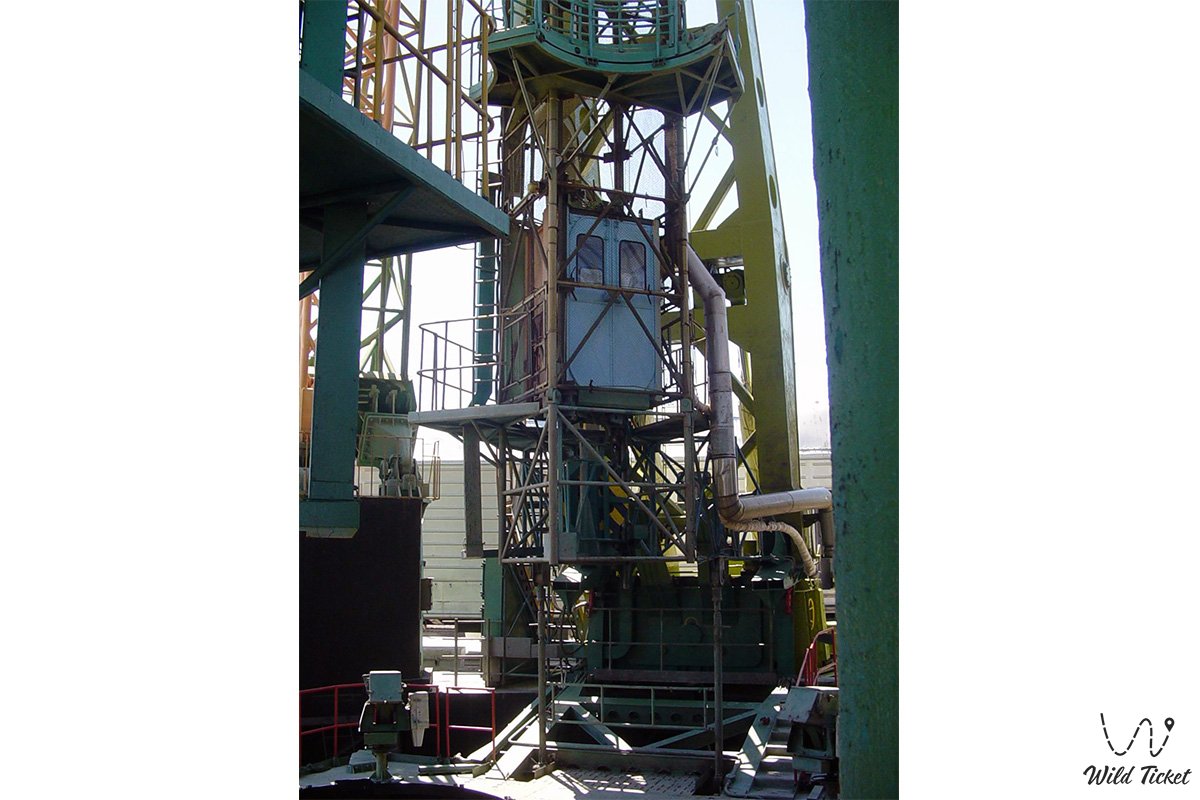
• Pad No. 31 (Tereshkova's Start) – an active launch complex equipped with an 8U216 service cabin. Includes fuel supply, telemetry, and security systems.
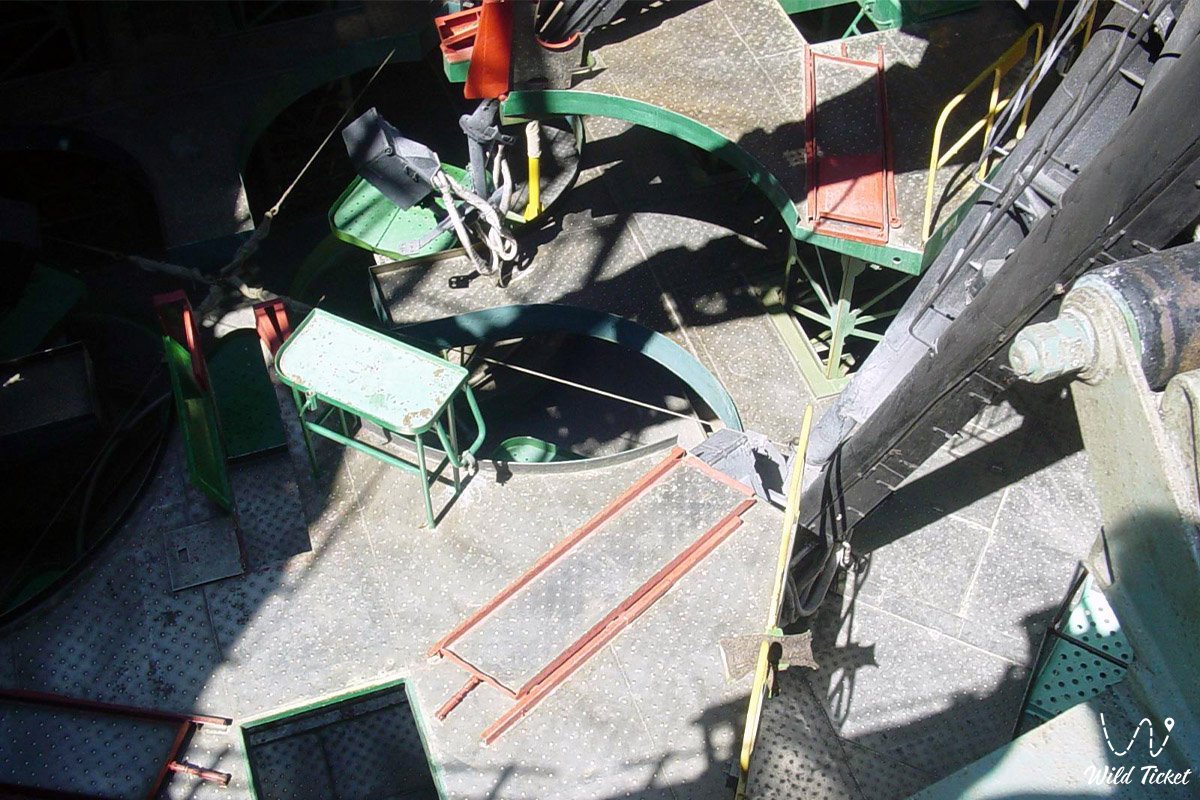
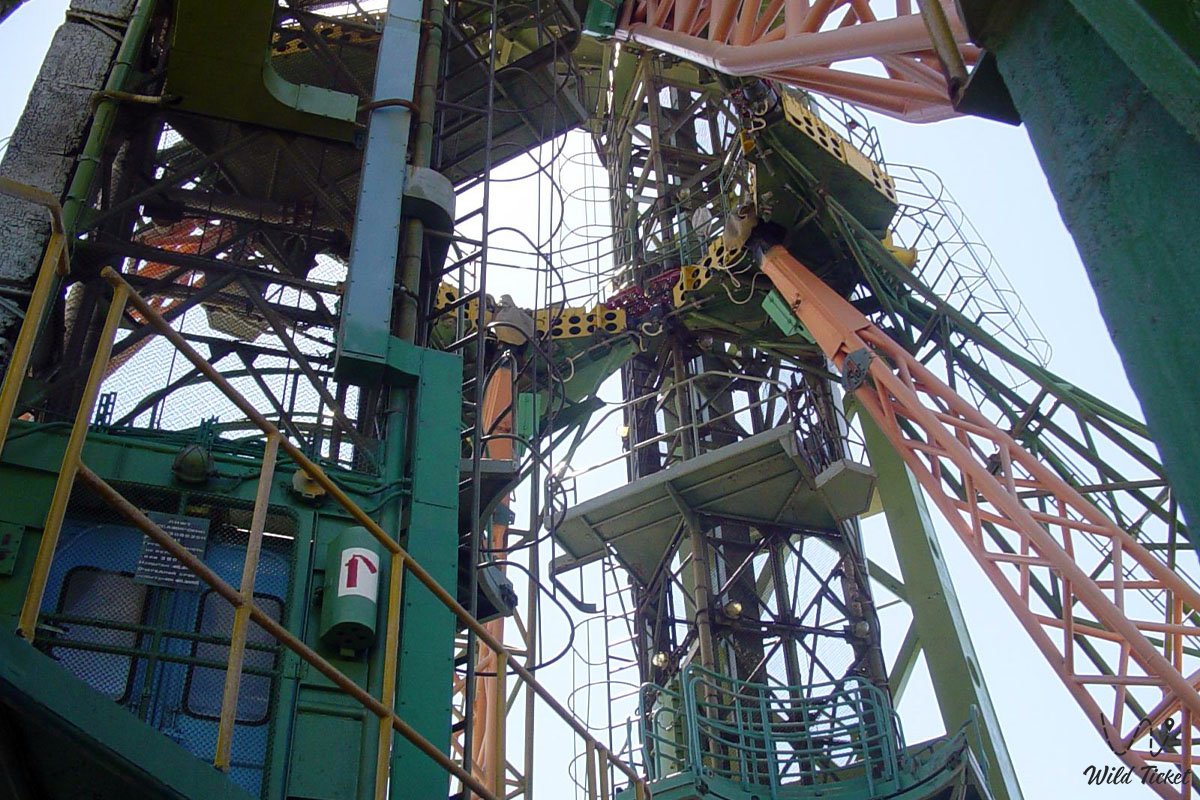
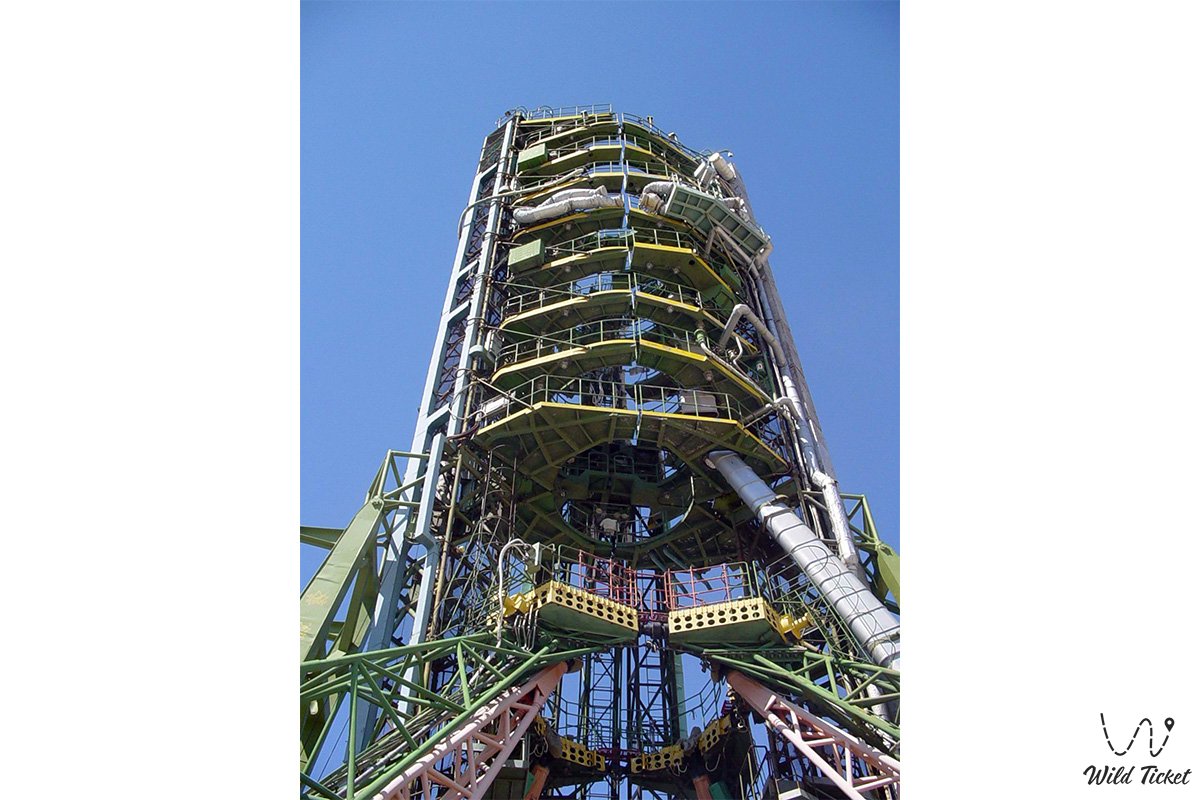
• Launch pad – a complex metal structure holding the rocket until the moment of liftoff, equipped with aiming mechanisms and a system for retracting trusses.
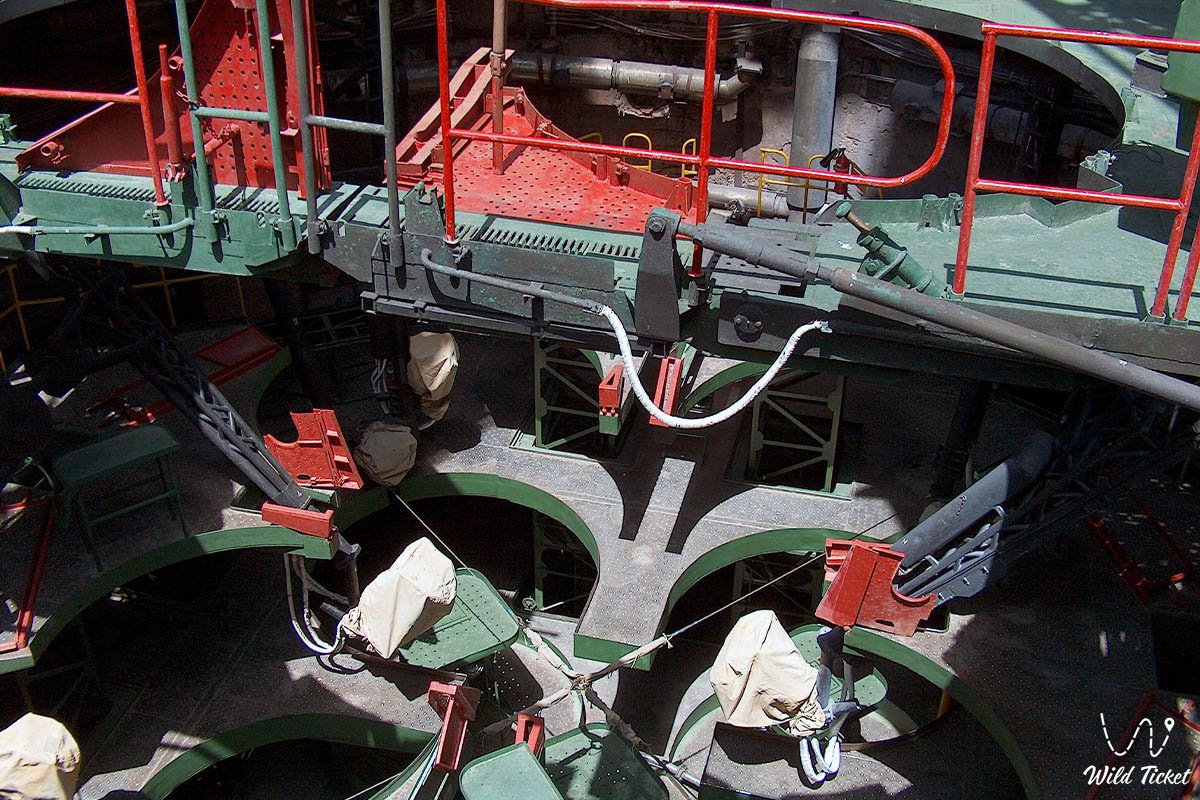
• Gas exhaust channel – a massive structure designed to divert the jet stream of rocket engines at launch.
• Service cabin 8U216 – a specialized mobile device for personnel access to the lower stages of the rocket, restored after collapsing in November 2025.
Architecture
The architectural style of Baikonur's facilities is dictated by the industrial pragmatism of the mid-20th century. The use of high-strength reinforced concrete and steel made it possible to create structures capable of withstanding colossal thermal and vibration loads. The scale of the concrete pits of Gagarin's Start impresses with its monumentality, while the design of Pad No. 31 demonstrates the logic of a serial engineering approach, where the form is completely subordinated to the function of ensuring the safety and reliability of the launch.
Legend
Among the cosmodrome employees, there is a belief that Pad No. 31 has a "capricious" character, which is why it is called "Babiy Start" (Women's Start), advising not to show negative emotions towards it before a launch. Gagarin's Start, on the other hand, is shrouded in legends about the "memory" of the launch pad, which stores the warmth of the first space liftoff. Veterans believe that each successful launch from these pads is not only the work of technology, but also the credit of an invisible connection with the historical past, which helps modern technology overcome Earth's gravity.
Conclusion
Gagarin's Start Pad No. 1 and Pad No. 31 are the two pillars upon which the entire history and future of Baikonur cosmonautics rest. One of them turns into a symbol of the greatness of the past, the other continues to stand watch, ensuring the connection of Earth with the ISS. Despite accidents and the challenges of time, these pads remain the main witnesses of humanity's progress in space exploration.
Interesting sights nearby:
• Baikonur Cosmodrome Museum;
• Buran museum-spacecraft;
• Houses of Gagarin and Korolev;
• Yubileyniy Airfield;
• Energia Command Post;
• Saturn Radio Complex;
• Memorial to the Fallen Testers;
• Cosmonauts Alley;
• Monument to the Soyuz Rocket.
Photogallery: