Journey to the beginnings of the space era -
Baikonur Cosmodrome is an object of strategic importance and the world's largest "open-air museum," where every square kilometer is saturated with the history of exploring the Universe. Here, in the midst of the endless steppes of Kazakhstan, the destiny of humanity was forged: from the launch of the first artificial satellite of the Earth to the triumphant flight of Yuri Gagarin and the creation of the Energia-Buran orbital system. Founded in 1955, Baikonur has traveled the path from a secret military testing ground to an international scientific research hub.
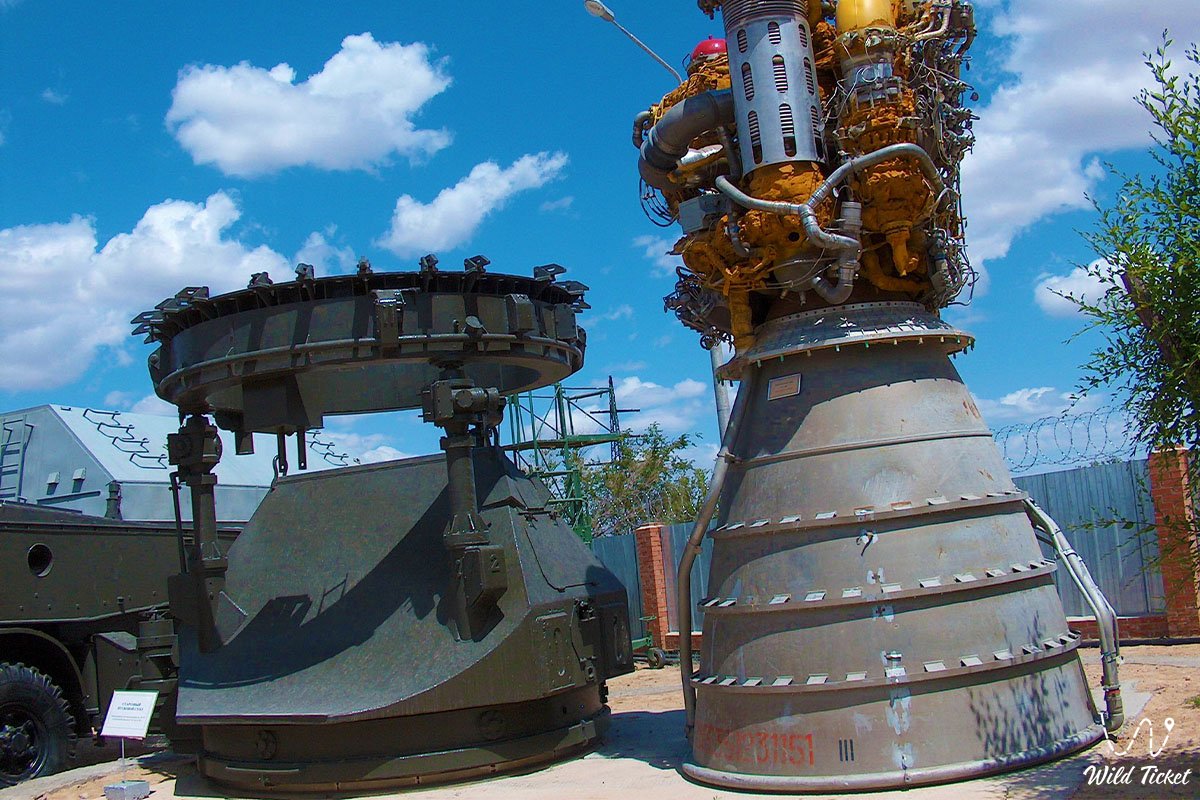
It was here that the technologies were born that allowed humanity to overcome Earth's gravity. Every monument both in the city of Baikonur and at the cosmodrome, every launch pad, and museum building keep the footprint of an era when the country lived at a "space" rhythm, and the achievements of designers Korolev, Glushko, and Chelomey became the property of the entire world.
Detailed description of the venues, links and photographs:
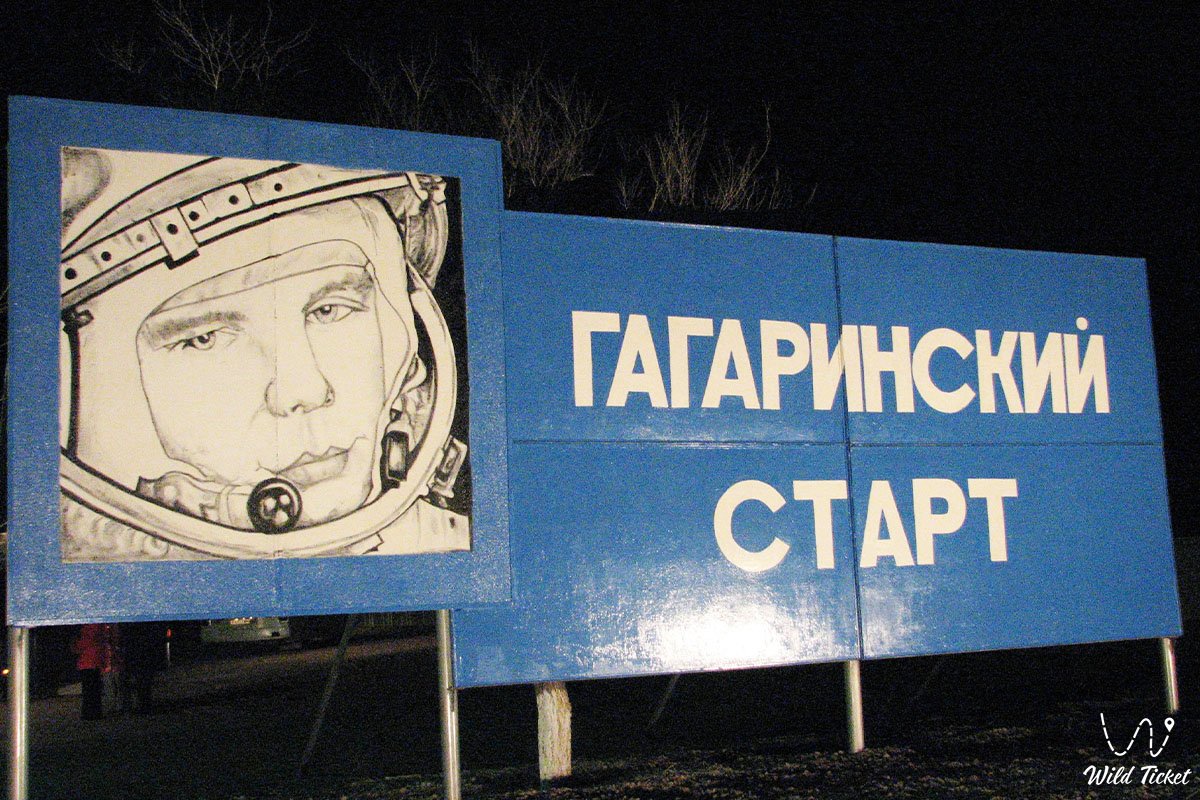
Gagarin's Start Pad No. 1 and Pad No. 31
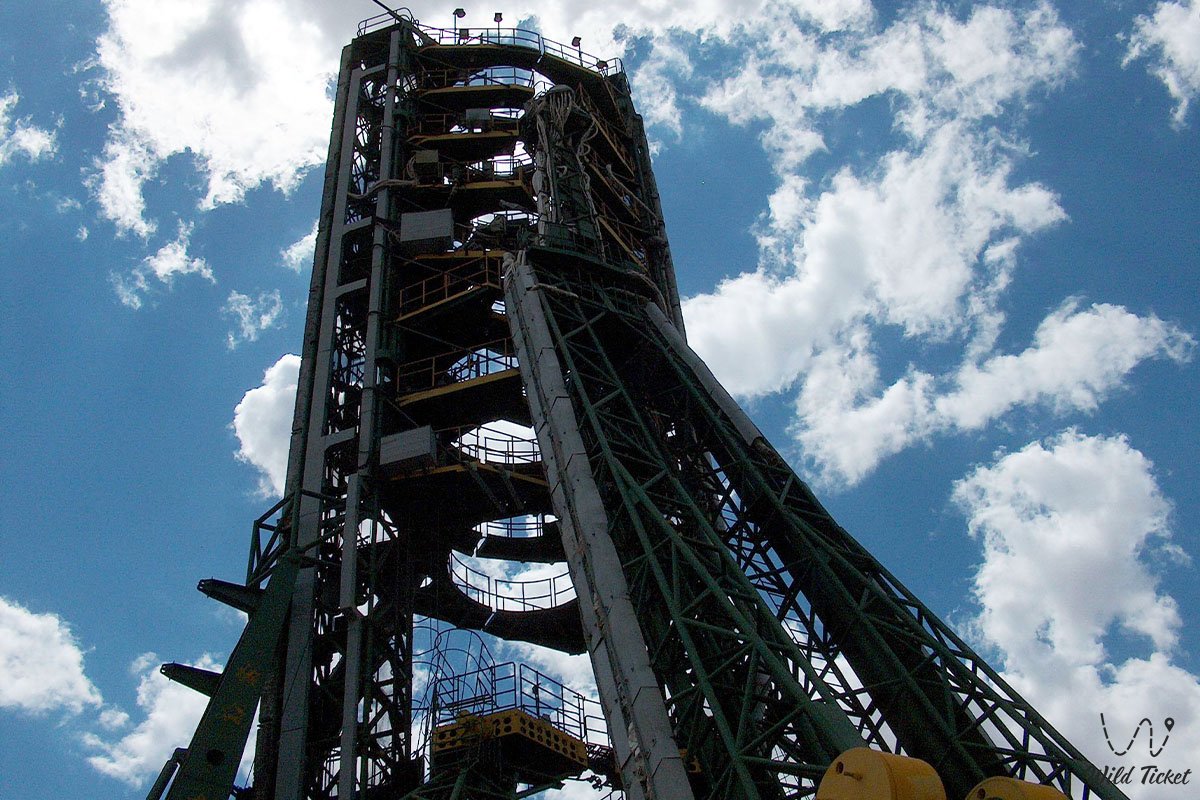
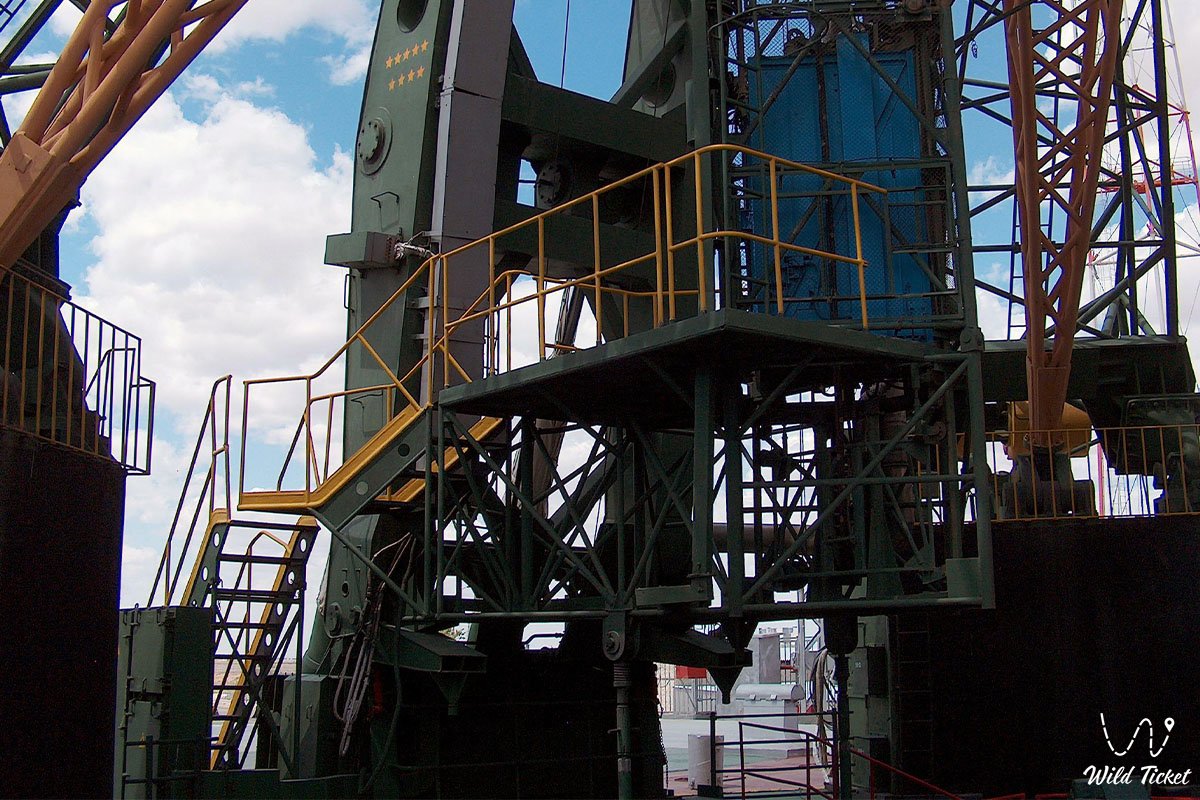
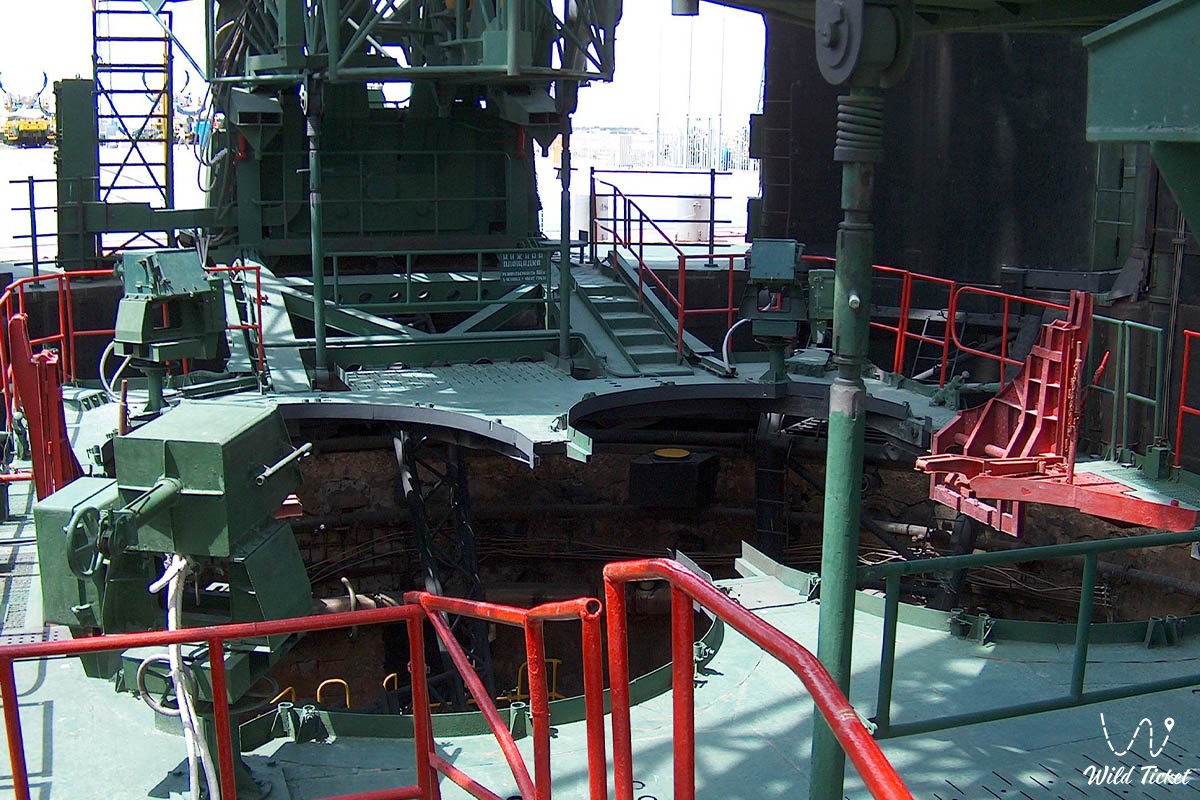
Pad No. 1 is the cradle of world cosmonautics. It was from here on April 12, 1961, that the Vostok-1 spacecraft with Yuri Gagarin launched. The facility still preserves its historical appearance. Pad No. 31 was built later to relieve the first one, and today it is the main operational complex from which Soyuz manned and cargo spacecraft regularly depart into space.
Buran Spacecraft
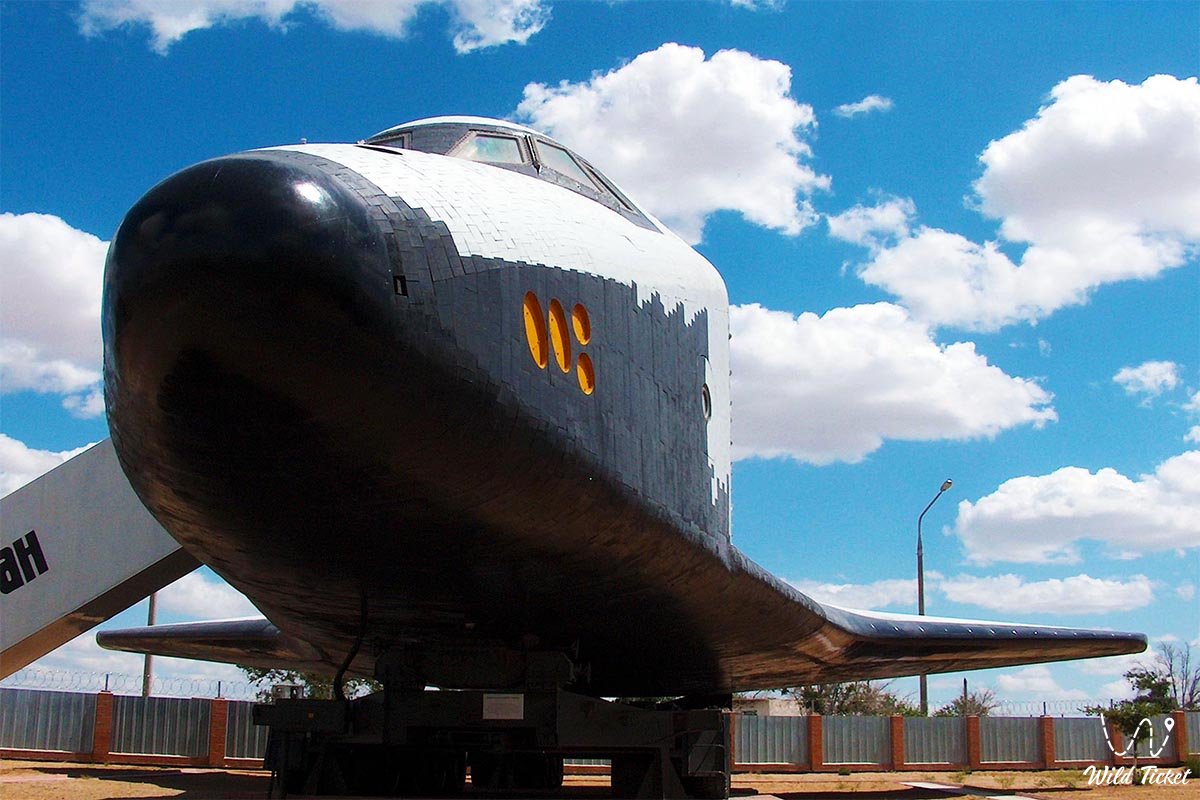
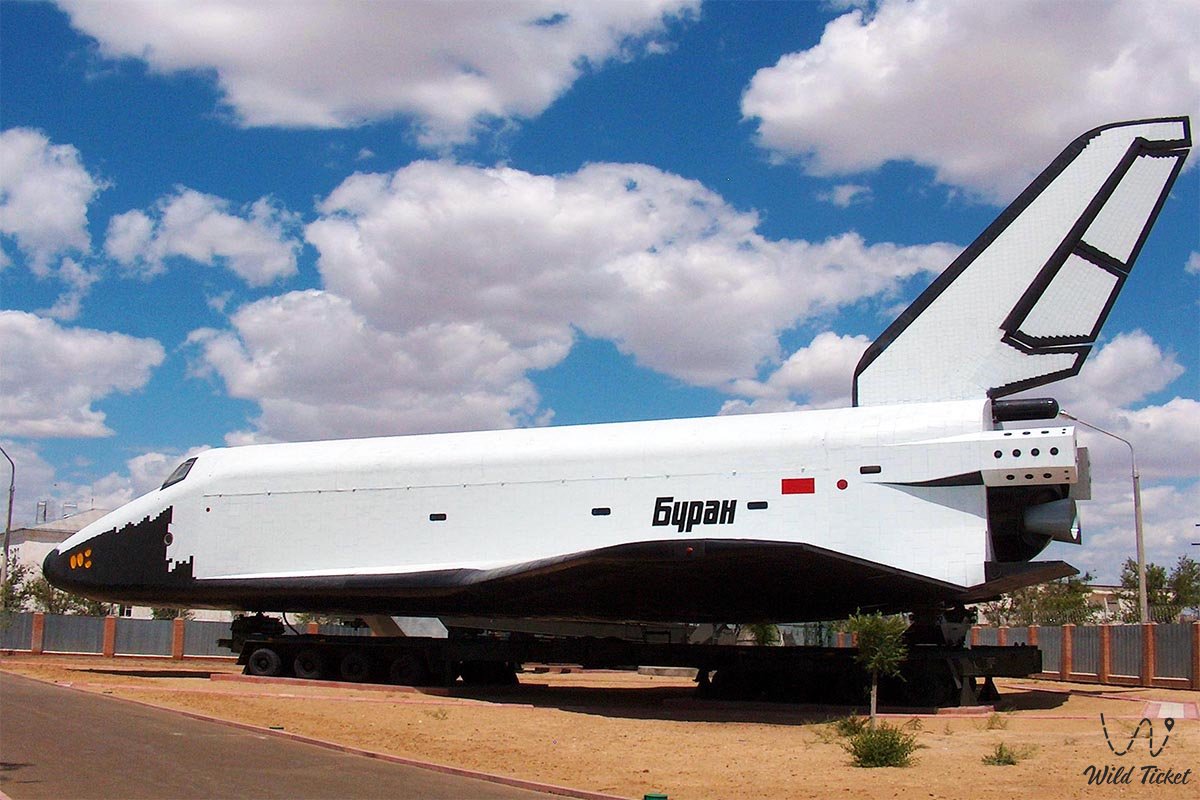
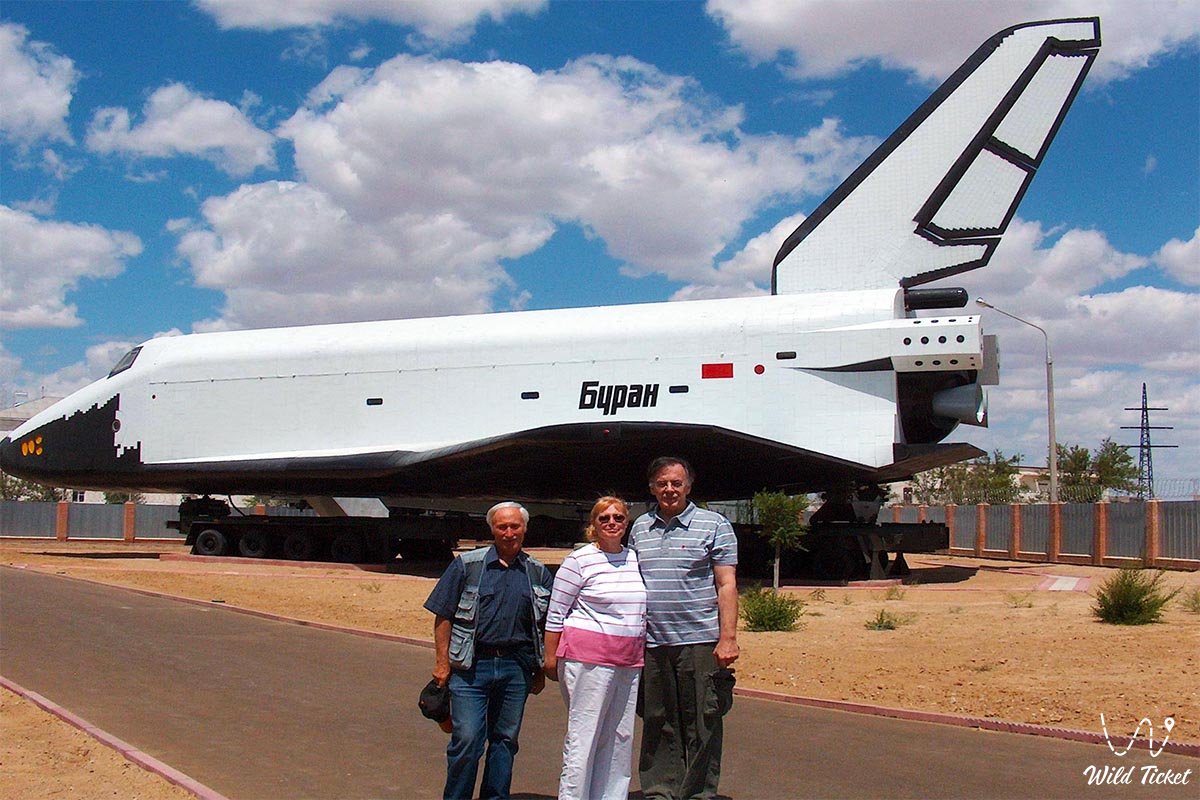
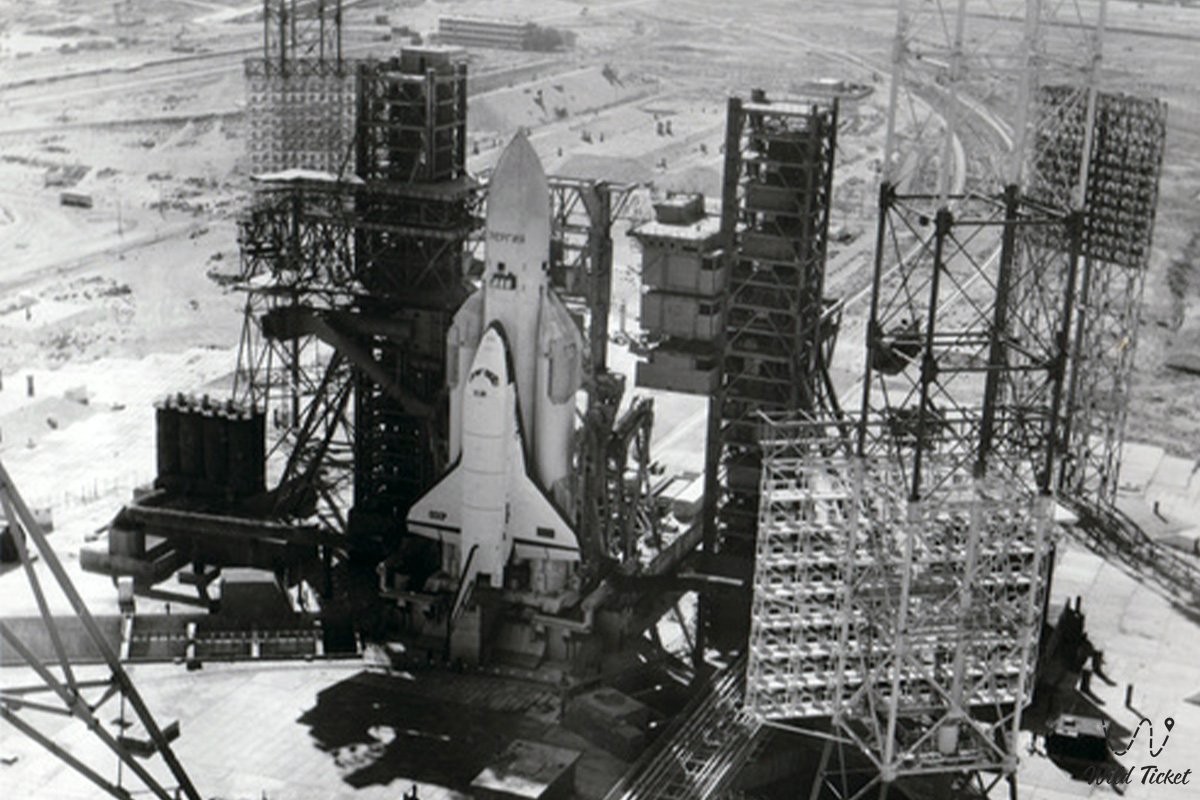
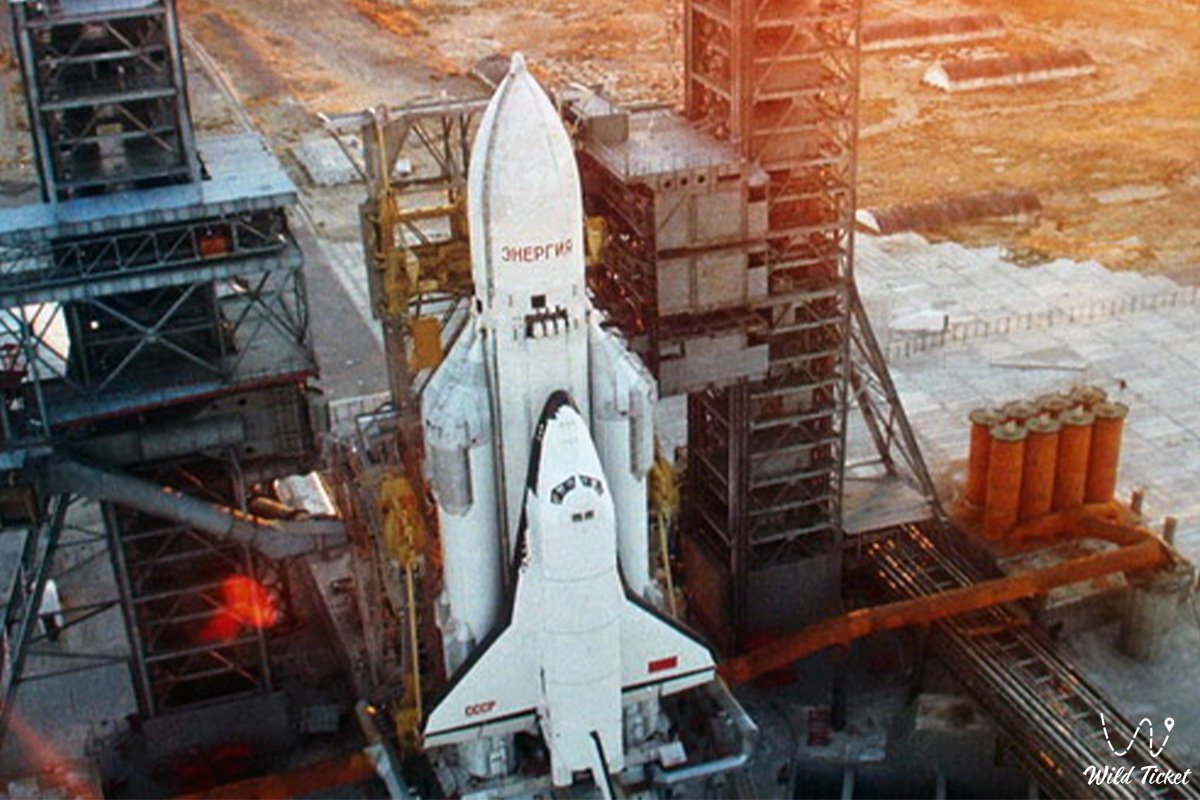
A full-size model of the Buran orbital spacecraft is installed on the territory of the cosmodrome. This is a monument to the Soviet reusable space transportation system. Buran made its only automatic flight in 1988 and successfully landed, demonstrating the highest level of technology. Visitors can appreciate the colossal scale of this shuttle.
Houses of Gagarin and Korolev
These are small wooden cottages where designer Sergei Korolev and the first cosmonaut Yuri Gagarin stayed on the eve of historical launches. Inside the houses, the setting of the 1960s is preserved: personal belongings, furniture, and documents. This place allows one to feel the special atmosphere of the time when decisions fateful for cosmonautics were made.
Saturn Radio Complex
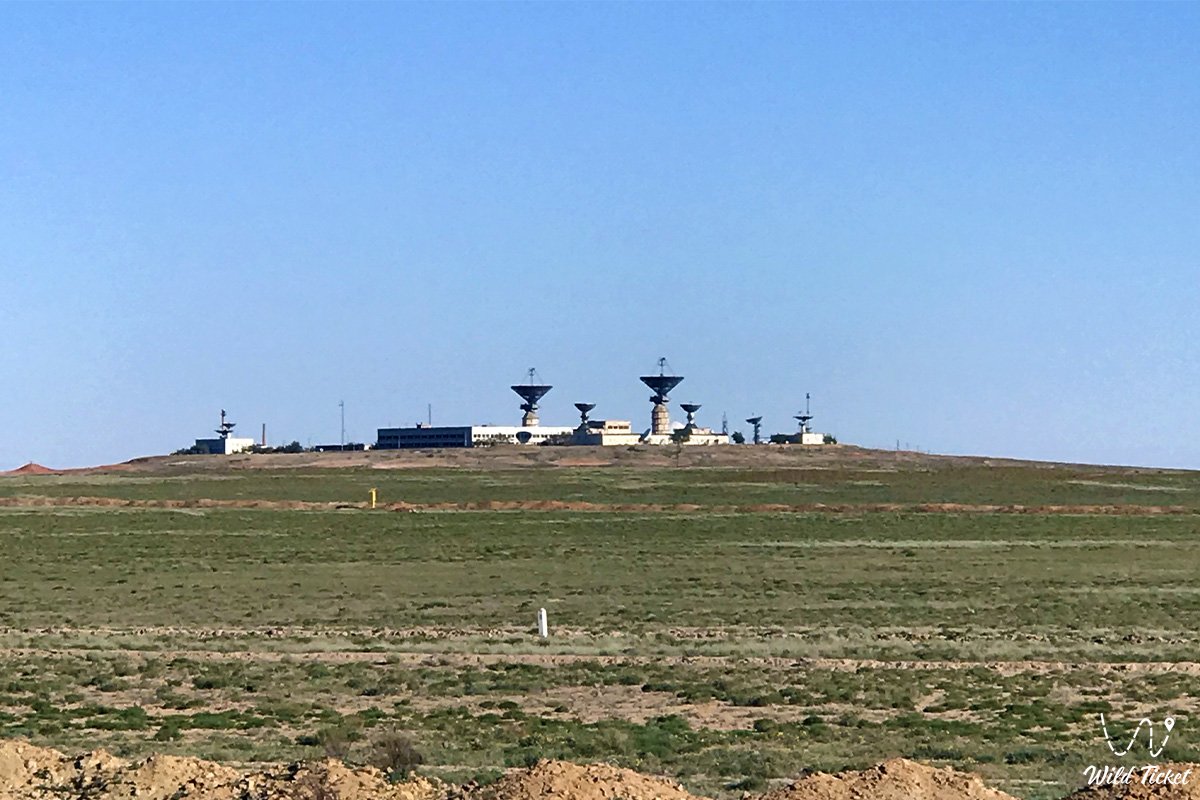
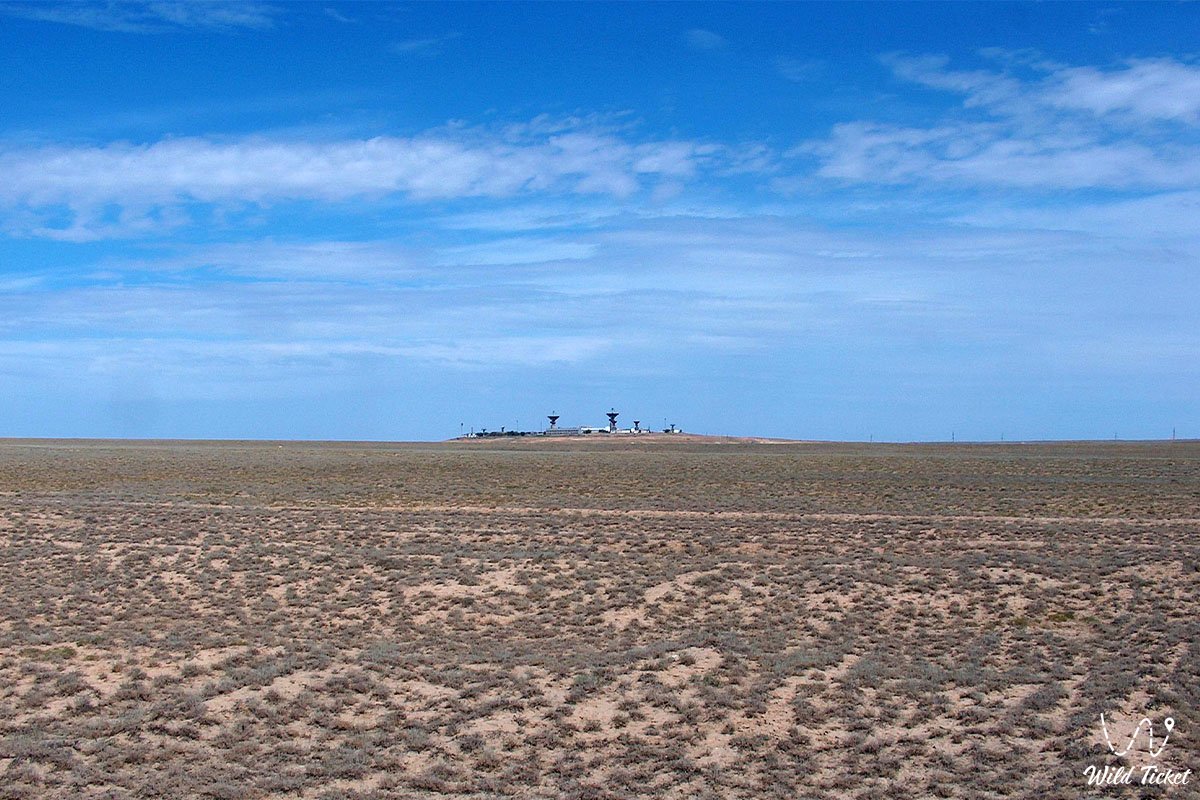
A strategically important facility located on the Murguduk elevation. The complex is equipped with powerful 200-ton P-200 antennas. For decades, Saturn-MS ensured the reception of telemetry and control over the flights of satellites and interplanetary stations, being the "eyes and ears" of Baikonur.
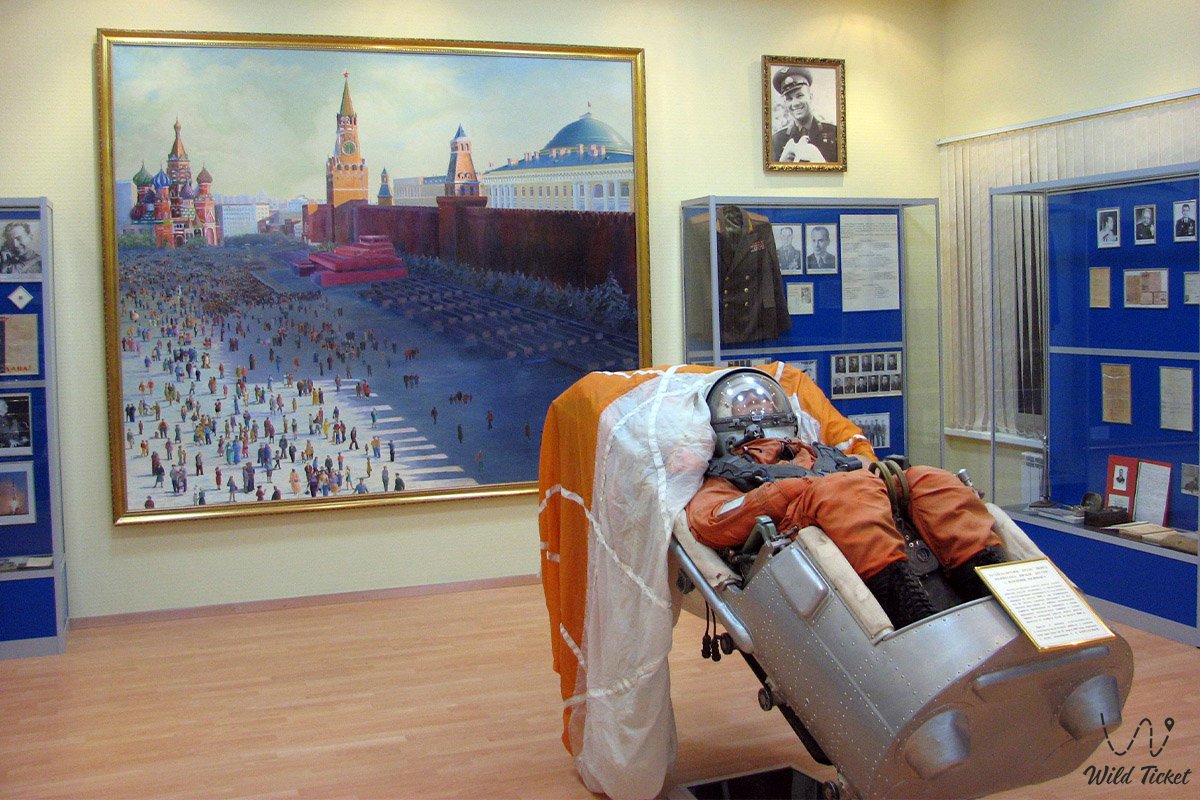
Baikonur Cosmodrome Museum
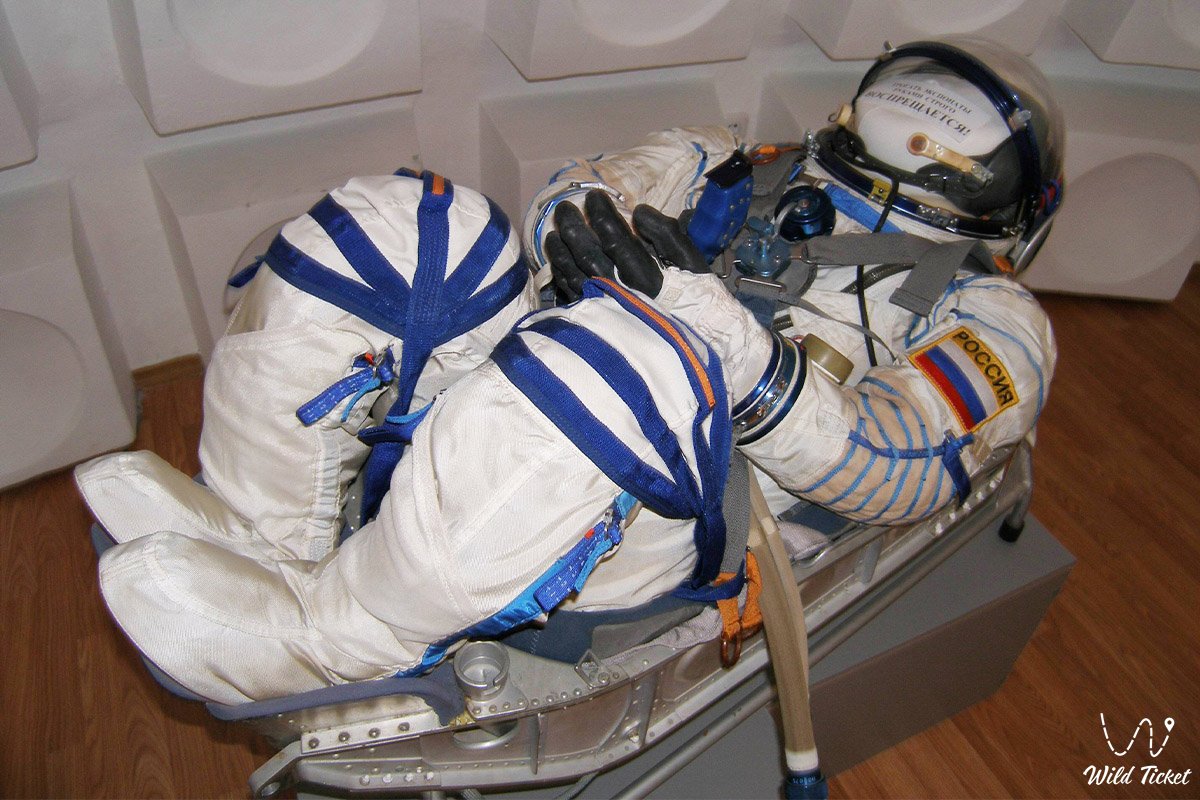
The central place for getting acquainted with history. The exhibition features landers, spacesuits, models of all key rockets, as well as personal belongings of legendary designers and pilots. This repository of artifacts allows tracking the entire path of the cosmodrome's development since 1955.
Yubileyniy Airfield
A unique runway specially designed to receive the Buran orbital spacecraft. This is a grandiose engineering structure that ensured the automatic landing of the shuttle under extremely difficult conditions. Today, the airfield remains an important part of the infrastructure.
Energia Command Post
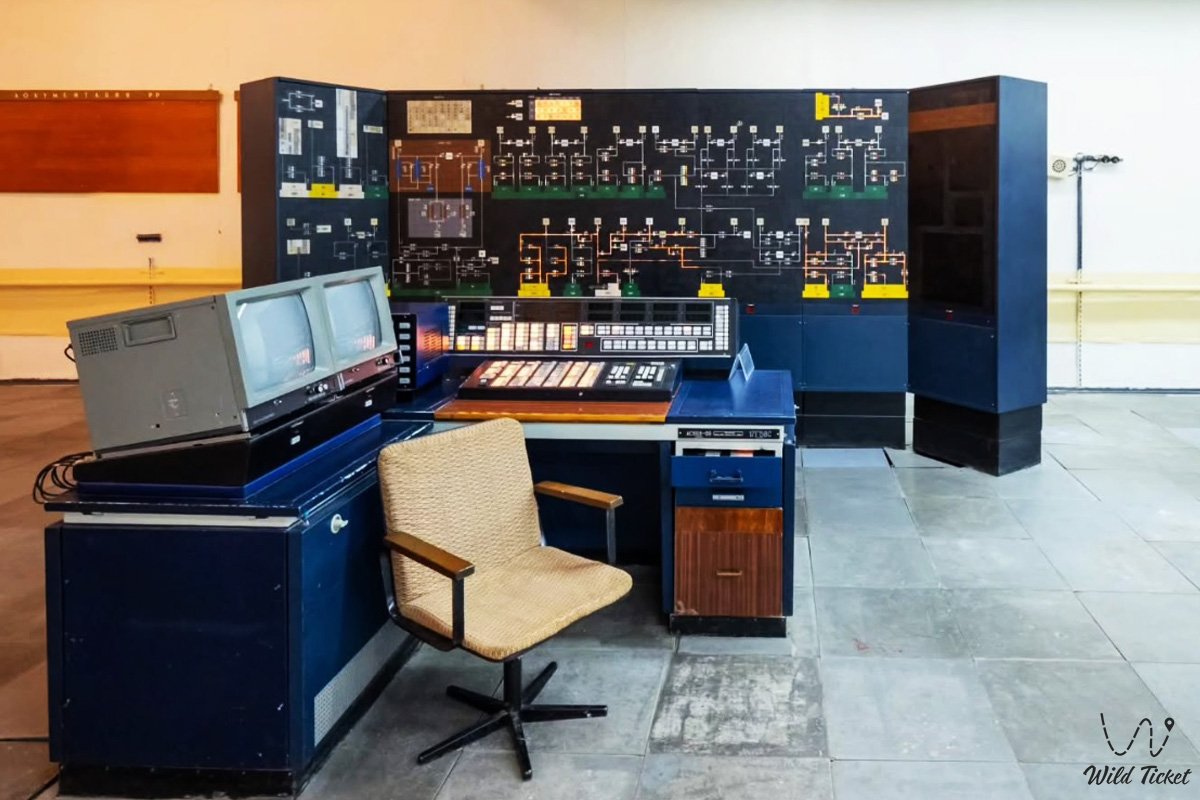
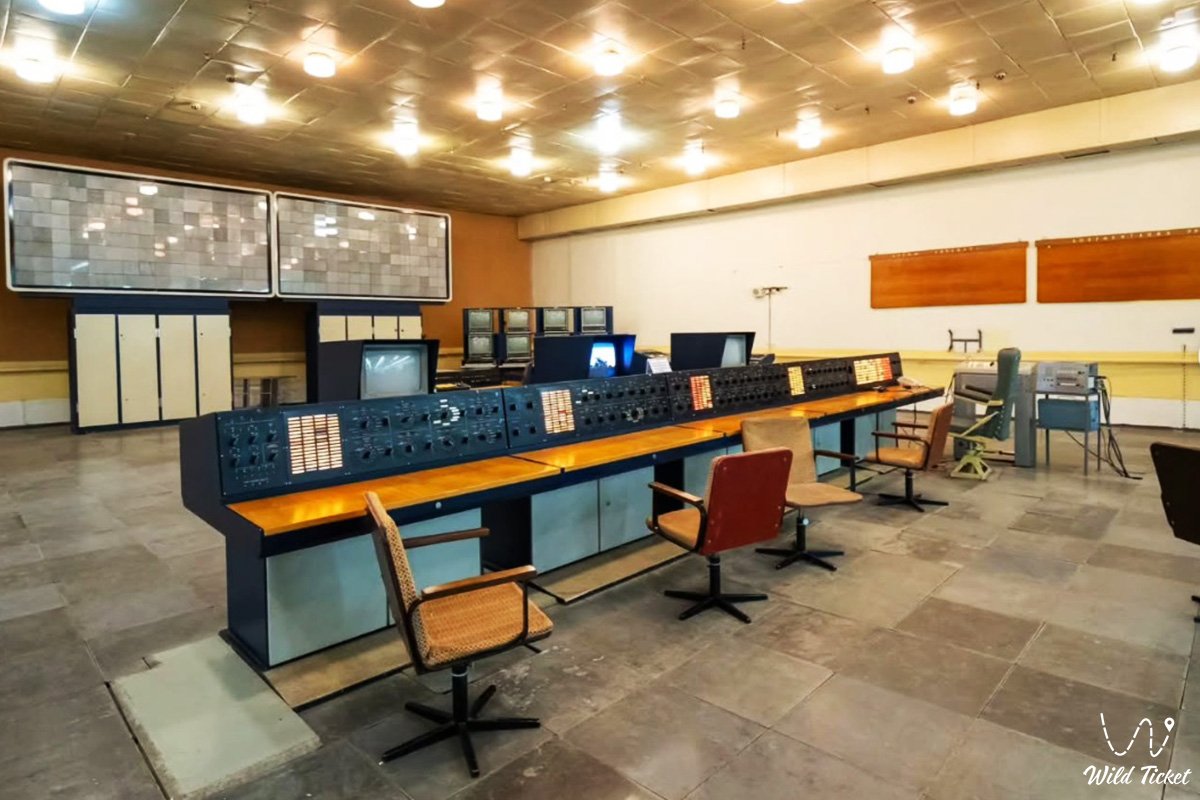
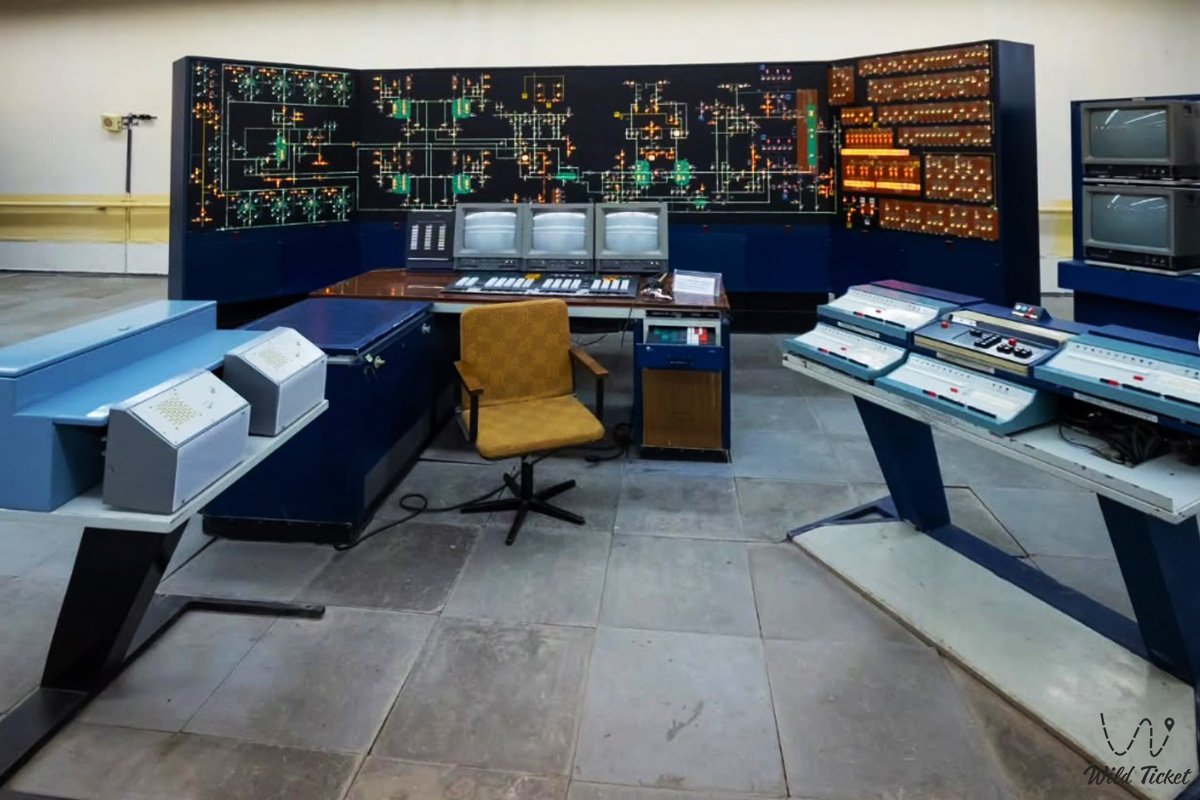
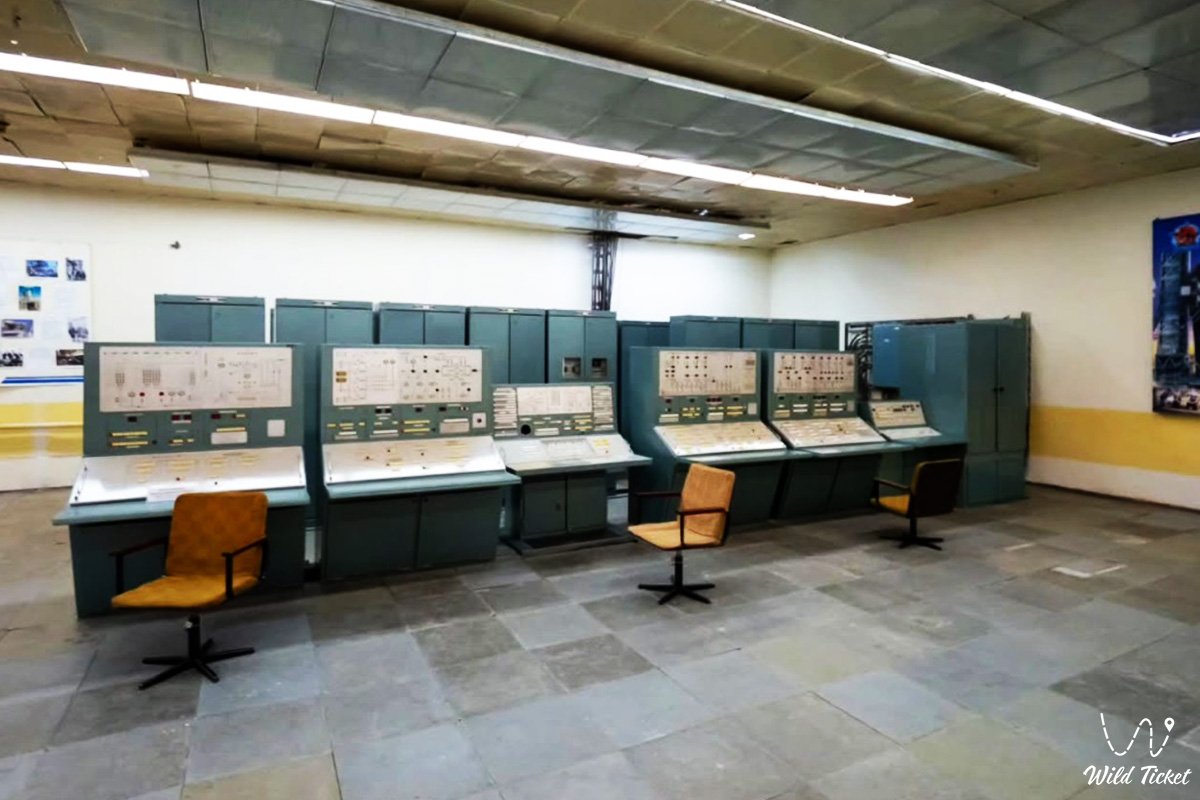
The control center from which the pre-launch preparation and launch of the Energia super-heavy rocket were carried out. The facility was equipped with the most complex computing systems for monitoring all parameters of the rocket and space complex in real time.
Pad No. 110
The legendary lunar complex built for the launches of the N-1 super-heavy rocket. The pad includes two launch positions and a grandiose infrastructure. Although the lunar program was not completed, the pad was used for the historical launch of the Energia-Buran system. Today, it is a monumental object reminding of the scale of the Soviet moon race.
Yuri Gagarin Monument in Baikonur
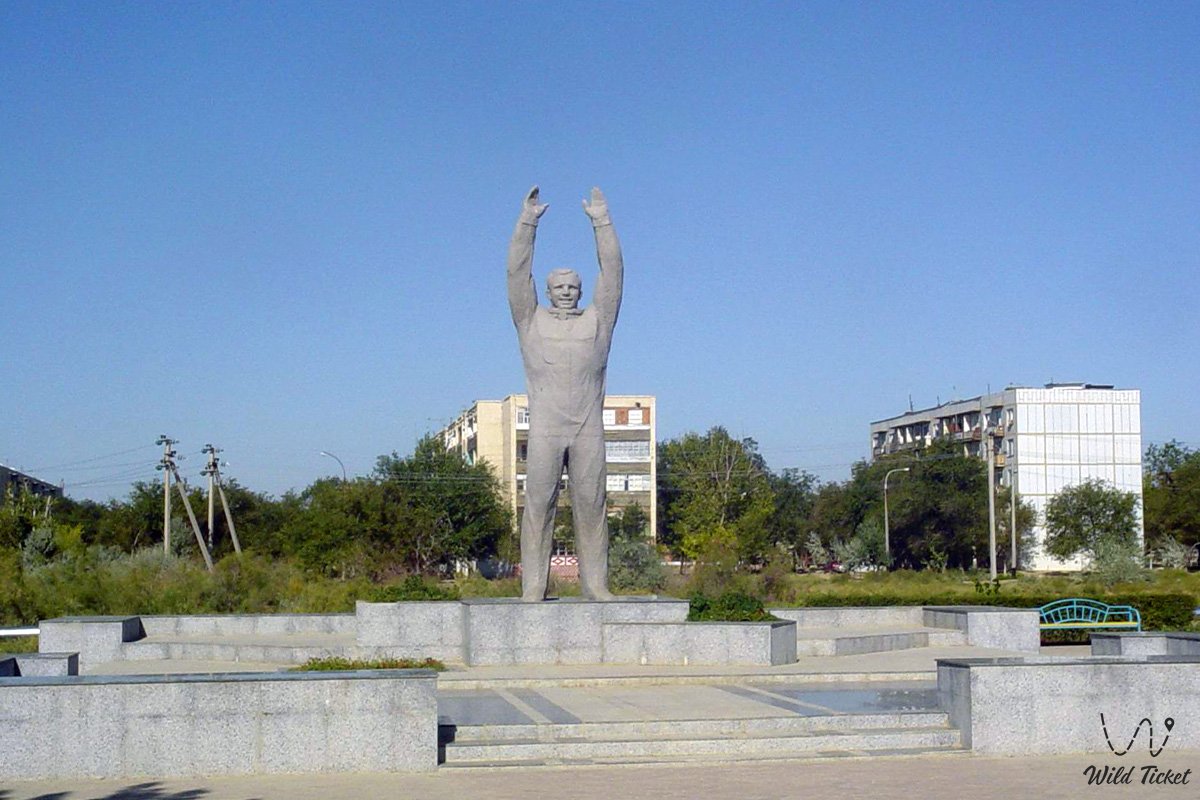
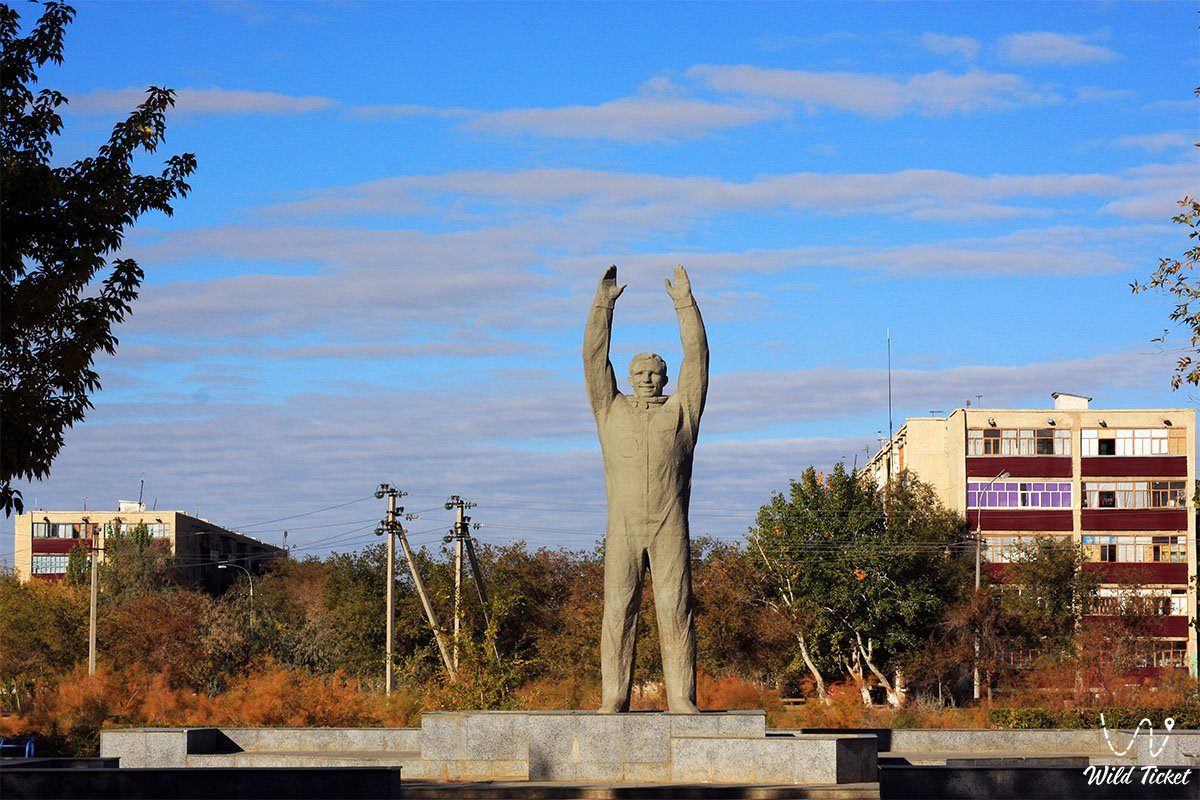
A monument created by sculptor Oleg Pesotsky and solemnly opened in 1984. The figure of the cosmonaut with raised hands is installed in a square between the House of Communications and the administration building. The monument is a place of pilgrimage both for tourists and for cosmonauts who traditionally visit it before being sent into orbit.
Space launch schedule
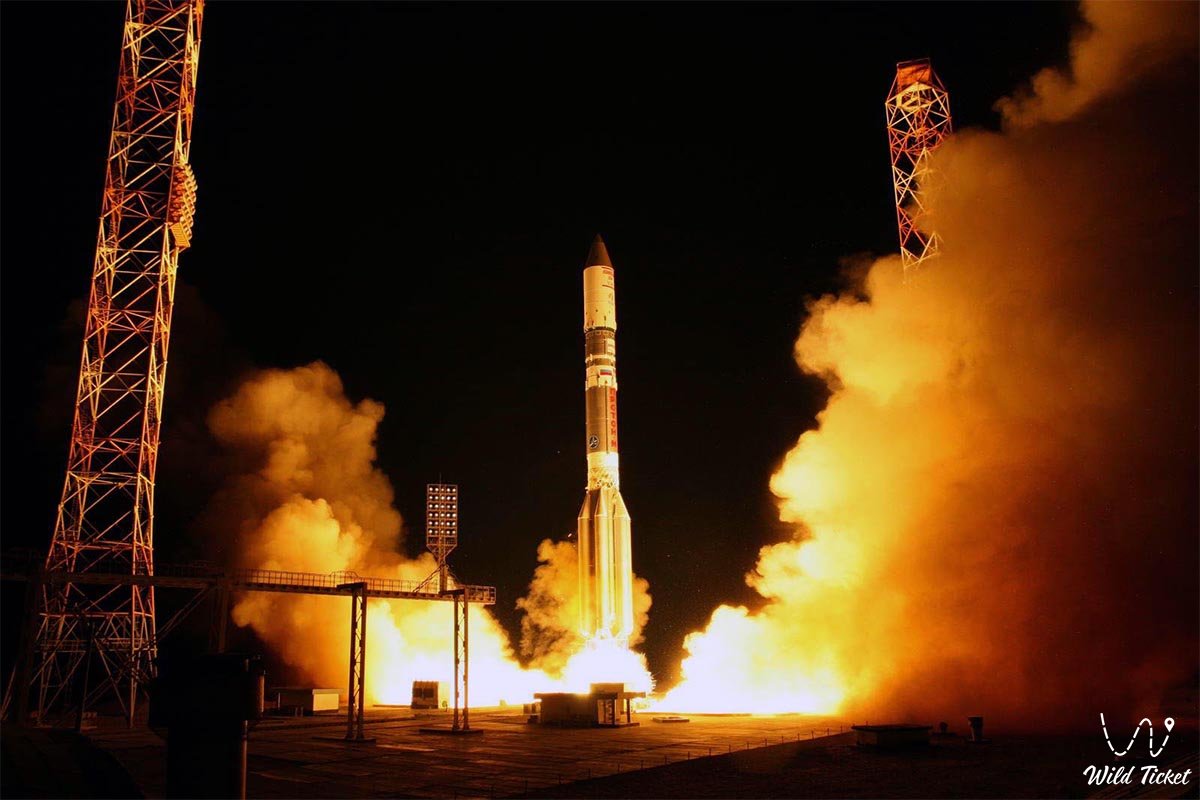
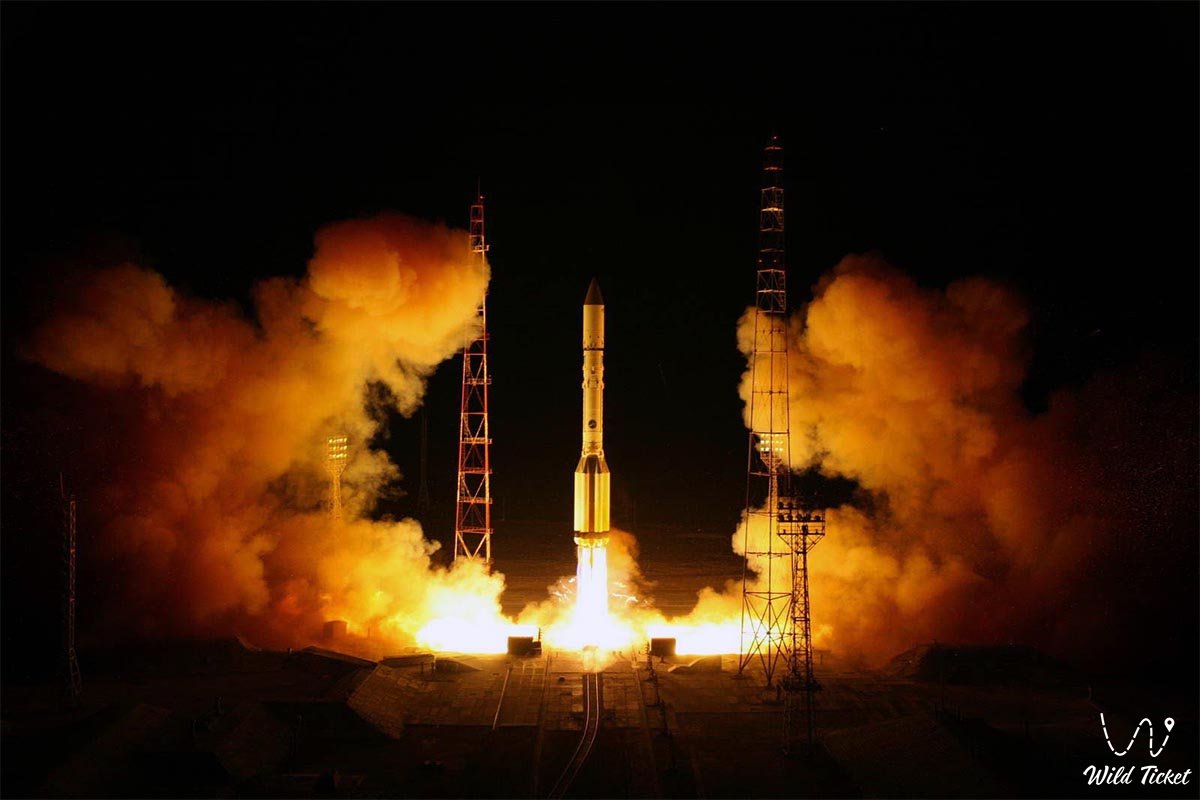
The launch schedule from the Baikonur Cosmodrome is a dynamic document formed on the basis of international contracts, Roscosmos plans, and scientific research programs. Since Baikonur remains an active cosmodrome, the launch schedules are adjusted depending on technical tasks, readiness of spacecraft, and weather conditions in the region.
Photogallery: