The road through the space, history and culture of the Great Steppe -
A country where travel becomes a revelation -
Kazakhstan cannot be placed within the framework of one country or one route. This is a vast world stretching between Europe and Asia, where ancient cities are bordered by glaciers, and endless steppes turn into canyons, plateaus, mountain ranges and mountain ranges. People come here not for ticks in the guidebook, but for the feeling of a real journey – the one that changes the way you look at space and time.
Why Kazakhstan is worth seeing – and loving:
1. The Heart of Eurasia
Kazakhstan is one of the largest countries in the world by area, located in the very center of the continent. Today, key air and land routes pass through it, and in ancient times these lands were a busy artery of the Great Silk Road, where caravans, cultures and ideas intersected.
2. A steppe that remembers all epochs
Peoples, languages and beliefs have been meeting for centuries at this crossroads of Europe and Asia. Due to its unique climate and landscapes, Kazakhstan has become home to dozens of tribes and civilizations, from the Saks and Huns to the Turkic khaganates and Kazakh Zhuzes. Everyone has left their mark here, turning the country into a living open-air museum.
3. Beautiful nature without borders
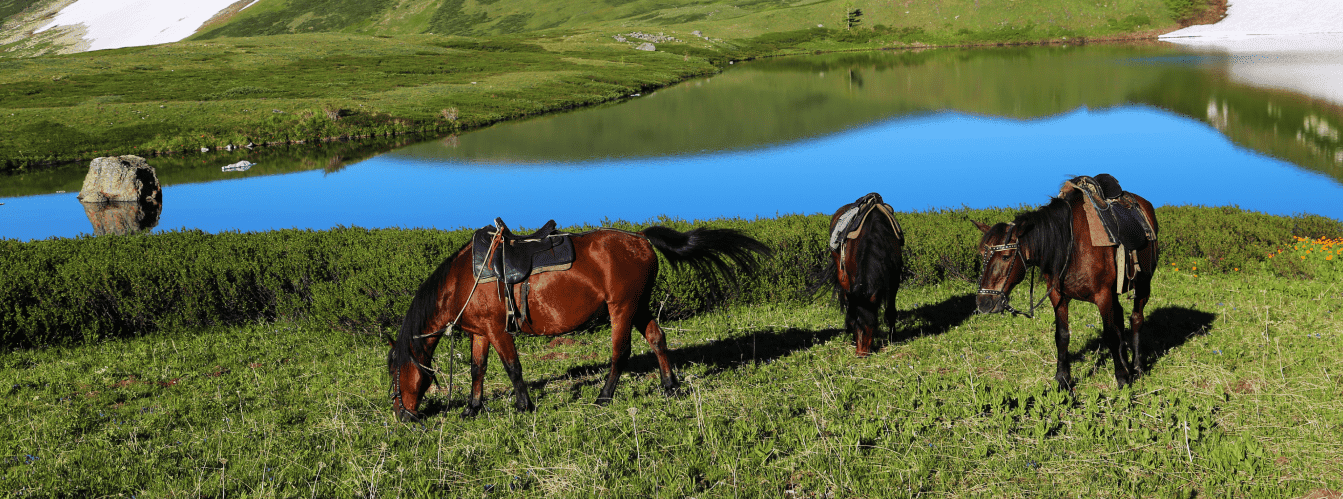
From the endless sands of the Kyzylkum desert to the snow–capped peaks of the Trans-Ili Alatau, from the Altai taiga to the lake mirrors in the mountains, Kazakhstan surprises with a variety of landscapes. Here, in one day, you can walk from the steppe to the glacier, and in a week you can see almost all the natural areas of the planet.
4. Delicious cuisine that is talked about all over the world
More than 130 nations live in Kazakhstan, and each has contributed its own note to the national cuisine and way of life. From the smoky aroma of beshbarmak to the spicy taste of Uzbek pilaf or samsa, from Japanese cuisine to Russian pies, a gastronomic journey here becomes a separate adventure. And most importantly, the famous Kazakh hospitality will meet you everywhere.
5. Tourism for every taste – and even more
Do you want to explore ancient mounds and petroglyphs? Or conquer the slopes of Shymkent on skis? Do you dream of spending the night in a yurt under the stars or photographing a pink lake in the sunset rays? Any type of tourism is possible in Kazakhstan: cultural and historical, ethnic, ecotourism, gastronomic tours, educational expeditions, photo safaris and even paragliding over the Ushkonyr plateau.
Boundless Kazakhstan and its natural attractions:
• Mangystau region and Mangyshlak Peninsula on Ustyurt plateau
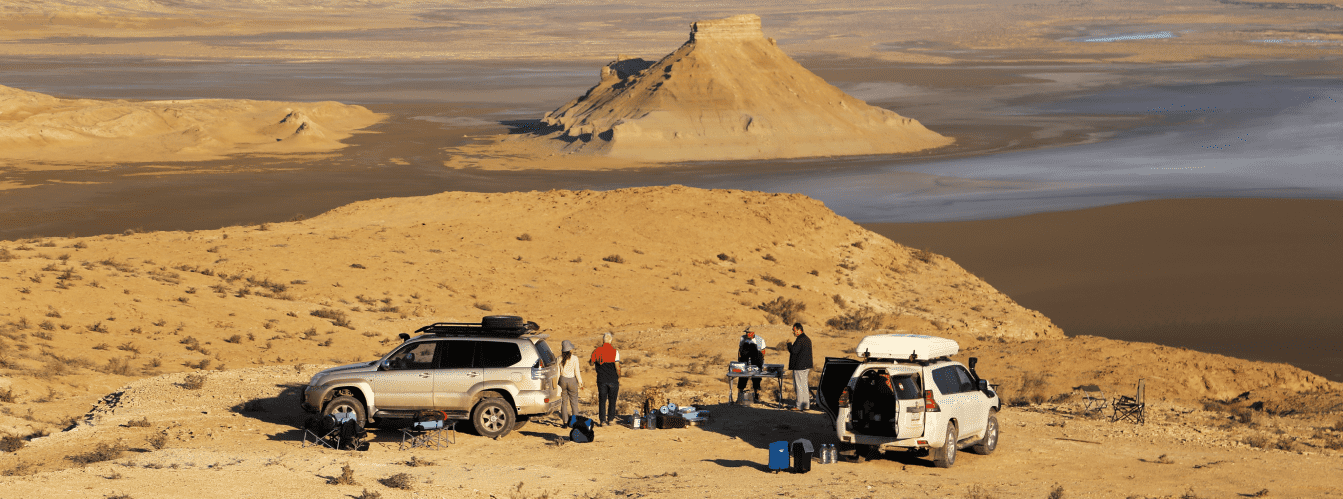
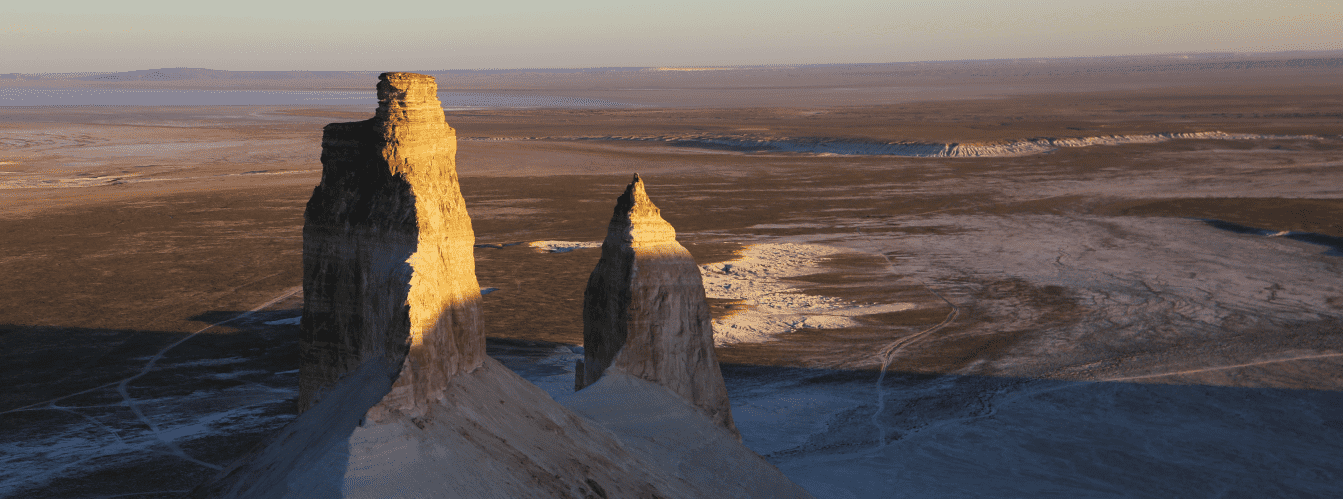
Mangyshlak is Kazakhstan, which looks like Mars and is the most popular destination. White cliffs, stone mushrooms, depressions, sacred necropolises and ancient underground mosques carved into the rocks create a mystical landscape. Ustyurt is one of the most photogenic and unusual places in Central Asia.
• Aksu-Zhabagly Nature Reserve (nature park)
The oldest nature reserve in Kazakhstan, where the pristine flora and fauna have been preserved. Thousands of wild tulips bloom here in spring, including the legendary Greig tulip. The snow leopard lives in the mountains, and the gorges hide ancient trails and caves.
• Dzungarian Alatau (mountain range and park)
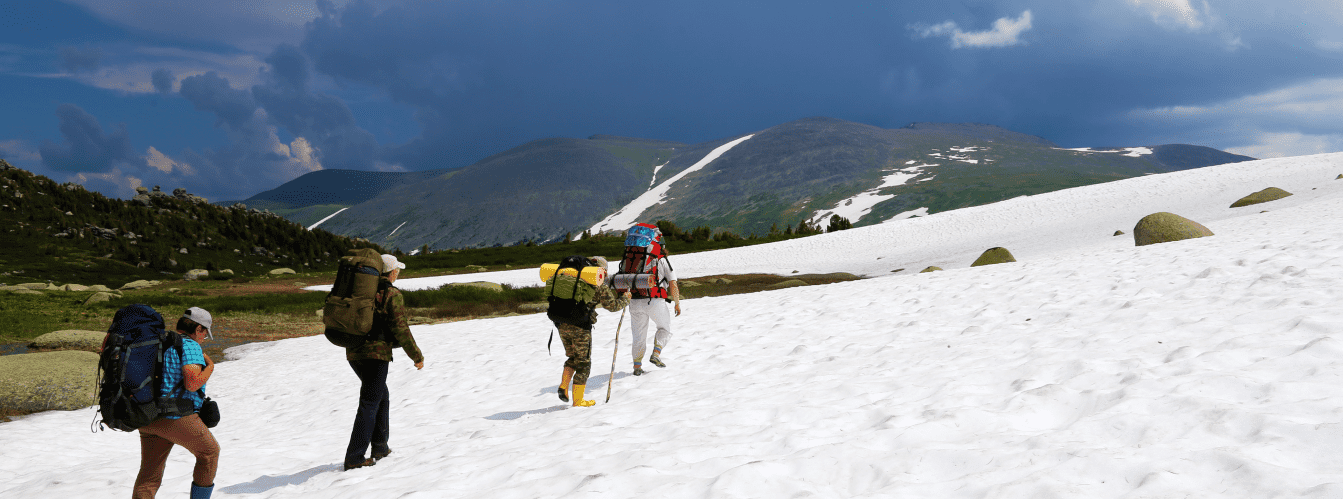
The Dzungarian Alatau is a mountain range where wild Sievers apple trees are the ancestors of all modern apple trees in the world. Glaciers, alpine meadows, gorges and ancient caravan routes connect here. This is a real botanical and natural paradise.
• Borovoe (Burabay)
Borovoe is the northern mountain and lake oasis of Kazakhstan, which is often called "Kazakh Switzerland". Granite rocks of bizarre shapes rise here among pine forests, and dozens of clear lakes reflect the sky and peaks, creating the feeling of an alpine landscape in the very center of the steppes. Burabai Nature Park is ideal for relaxing holidays, hiking, boating and wellness tourism.
• Kazakh Altai
Altai or Altai Mountains is one of the most ancient mountainous regions of the planet, where nomadic civilizations originated. There are crystal clear rivers, glaciers, alpine meadows and ancient burial mounds. East Kazakhstan in Altai combines wildlife with archaeological sites, creating a sense of time travel.
• Lake Alakol, Lake Zaisan, Lake Balkhash
Balkhash is unique in that one part of it is salty and the other is fresh – there is almost no such thing in the world. Alakol is famous for its healing waters and resorts, while Zaisan is surrounded by wildlife and mountain ranges. These lakes are not just recreation areas, but important natural ecosystems, home to rare species of birds and fish.
• Charyn Canyon
Charyn Canyon is one of the most impressive natural formations in Kazakhstan, a 3–hour drive from Almaty. Its rocks, carved by wind and water, form entire stone cities, towers and walls, especially in the famous Valley of Castles. Charyn National Park impresses with its scale and dramatic beauty, especially at sunset, when the stone turns into red and gold shades.
• Caspian Sea
The west of Kazakhstan faces the Caspian Sea, the largest enclosed body of water on Earth. Here you can see deserted beaches, salty lagoons, oil platforms and ancient Caspian cities as a port. Aktau city. The Caspian Sea is a place where Asia and Europe merge into one horizon.
• Karagie Hollow
Karagie is one of the lowest and most mysterious and mystical places in Eurasia, located below the level of the world ocean (minus 132 meters below sea level). The landscapes here resemble an alien desert with salt marshes, rocks and dry valleys. This is a rare opportunity to literally "go below the sea" without leaving the land.
• Korgalzhyn Nature Reserve (the heart of Akmola region)
Korgalzhyn is a vast world of lakes and swamps where thousands of birds nest. It is here that the world's northernmost pink flamingos nest is located. This region is included in the UNESCO list as one of the most important ecosystems on the planet.
• The Aral Sea
The Aral Sea is a tragic symbol of the 20th century. The once vast sea has turned into a salt desert, at the bottom of which rusty ships and ancient settlements lie today. This place is not only natural, but also historical – it shows how fragile the ecosystem of the planet is.
Historical monuments of Kazakhstan and its historical sights:
• Karaganda region
Ulytau is the sacred center of the Kazakh steppe. The headquarters of the khans were located here, and the rulers came here to receive their blessing on power. It is here that Zhoshy Khan, the eldest son of Genghis Khan, is buried. The Ulytau Mountains preserve the memory of the birth of statehood and the most important events in the history of nomadic peoples.
• Issyk Kurgan
It was here that the first one was found The Golden Man is a Saka warrior in magnificent golden armor who has become one of the main symbols of Kazakhstan. The mound dates back to the 5th–4th centuries BC and has given archaeologists a unique insight into the Saka culture, its aesthetics and military tradition.
• Berel mounds
Berel is a Saka necropolis in the Altai Mountains near the village of Berel, where luxurious graves of the nobility with gold jewelry, weapons and even horse harnesses were found. These finds allowed us to recreate the image of another "Golden Man" and revealed to the world the high level of art and technology of the nomadic kings.
• Tamgaly-Tas
Tamgaly-Tas is a rare Buddhist monument in the open air on the shore river Ili. Images of Buddha and mantras dating from the X–XVII centuries are carved on the rocks here, and ancient Turkic runic inscriptions are found nearby. This is a place where Buddhism, nomadic culture and ancient writing come into contact, creating an unusual atmosphere of spiritual dialogue between the epochs.
• Petroglyphs of Tambala (rock art)
Tamgaly is a real open–air museum, where thousands of drawings created by ancient people more than three thousand years ago have been preserved on the rocks. It depicts scenes of hunting, rituals, solar deities and mythical creatures. These stone chronicles provide a unique insight into the worldview and spiritual life of the ancient inhabitants of the steppes and are included in the UNESCO list.
• Botai Burabai Museum (Botai culture)
The Botai culture in northern Kazakhstan has given the world one of the most important discoveries in the history of mankind – traces of the first domestication of the horse were found here more than 6,000 years ago. This place shows where the very nomadic civilization originated, which changed the course of world history, allowing people to explore vast expanses of the steppes.
• Mausoleum of Khoja Ahmed Yasawi
This grandiose mausoleum of the 14th century was built by order of Tamerlane and became the architectural dominant of the city of Turkestan. Khoja Ahmed Yasawi was an outstanding Sufi preacher and poet whose teachings had a huge impact on the spiritual culture of Central Asia. The mausoleum impresses with its size, domes and decorative ceramics and is considered one of the greatest Islamic shrines in the region.
• The city of Turkestan and Taraz city – cities of the Great Silk Road
Taraz and Turkestan were key points of the ancient caravan routes connecting China with the Middle East and Europe. Ancient mausoleums and archaeological layers dating back more than a thousand years have been preserved in Taraz. Turkestan has become the spiritual capital of the Turkic world and a place of pilgrimage, where history, religion and culture are intertwined in a single living tradition.
• The ancient city of Saraishyk
Saraishyk was one of the main cities of the Golden Horde and the residence of the khans. It was located on the shore Ural River and controlled important trade routes between East and West. In different eras, rulers, merchants, scientists and warriors lived here. Today, the archaeological remains of the city allow us to see the layout of streets, foundations of palaces and mausoleums, recalling the time when this city was the center of a vast steppe empire.
• Ancient city of Otrar
Otrar was one of the greatest cities in Central Asia and the most important hub of the Great Silk Road. Trade routes from China, Iran, and Eastern Europe converged here, and local markets were famous throughout the region. The city was known not only as a trading center, but also as a center of science and philosophy – it was here that the great thinker Al-Farabi was born. After the destruction by Genghis Khan's troops, Otrar was rebuilt, but over time it lost its significance and turned into silent ruins that today preserve the breath of bygone civilizations.
Modern Kazakhstan and its iconic sights:
• The city of Almaty is the cultural and tourist heart of the country
Almaty is the largest city in Kazakhstan and its cultural capital, located at the foot of the majestic Northern Tien Shan. Modern skyscrapers, Soviet architecture, ancient parks and mountain gorges are located here. Almaty is famous for its sights, museums, theaters and theatrical life, gastronomy, green boulevards and proximity to natural pearls.
• Shymkent Ski Resort
Shymkent is the main mountain resort in Kazakhstan and one of the most modern in Central Asia. It is located in the mountains of the Trans-Ili Alatau and is connected to by the Medeu tract by cable cars. In winter, there are world-class trails for skiers and snowboarders, and in summer the resort turns into a center for hiking, mountaineering and panoramic walks among alpine meadows and glaciers.
• Medeu Alpine Skating Rink
Medeu is a legendary ice rink located at an altitude of 1,691 meters above sea level in a picturesque gorge above Almaty. Dozens of world records have been set here due to the unique climate and the purest mountain water. Today, Medeu is open to everyone – people come here to ride, walk and enjoy the views of the snow-capped peaks, and the stairs to the anti-mud dam have become a popular route for outdoor enthusiasts.
• Astana city – the city of the future
The capital of Kazakhstan is one of the youngest and most ambitious megacities in the world. Built in the middle of the steppe, Astana impresses with futuristic architecture, grand boulevards and symbolic buildings such as Byterek, The Palace of Peace and Concord and Khan Shatyr.
• Baikonur Cosmodrome
Baikonur is not just a cosmodrome, but the cradle of world cosmonautics. It was from here that Yuri Gagarin first went into space in 1961, forever changing the history of mankind. Today, Baikonur remains the largest operating cosmodrome in the world, from where manned spacecraft and satellites are launched. In city of Baikonur and at the cosmodrome itself, tourists can visit the cosmonautics museum, see the launch pads and even attend the rocket launch, witnessing one of the most exciting events on the planet.